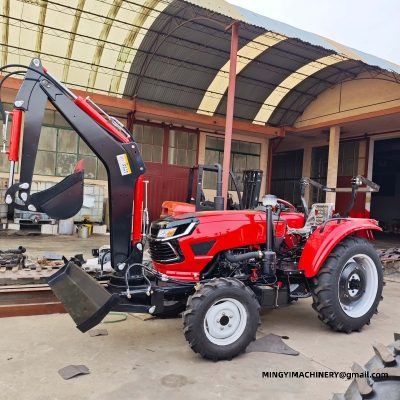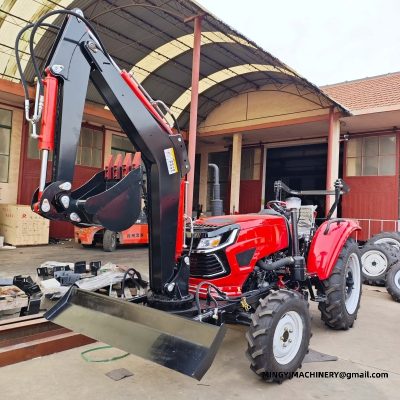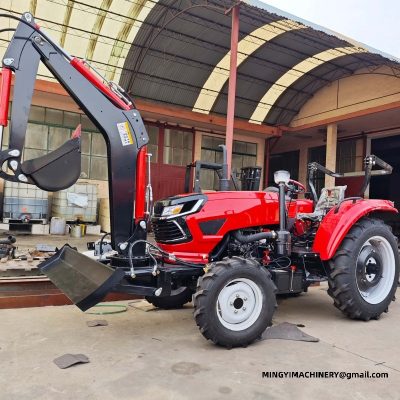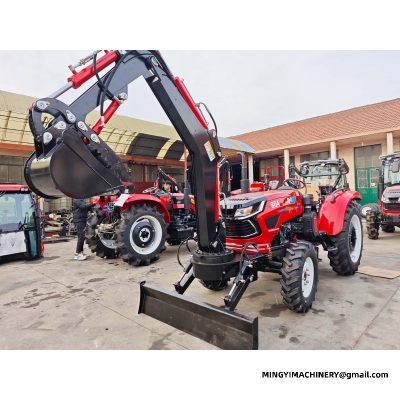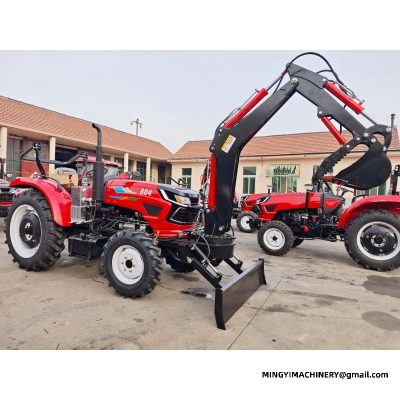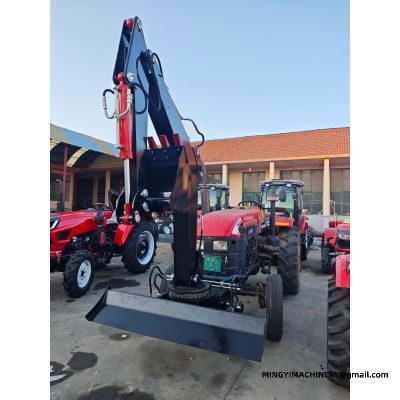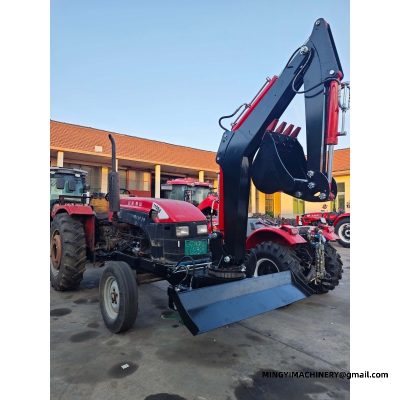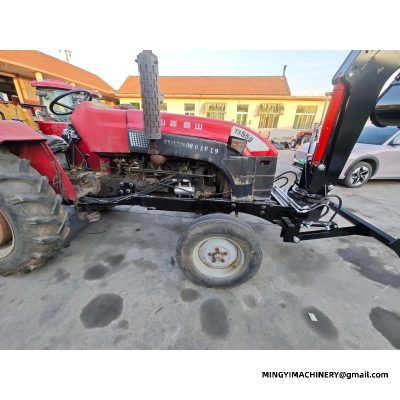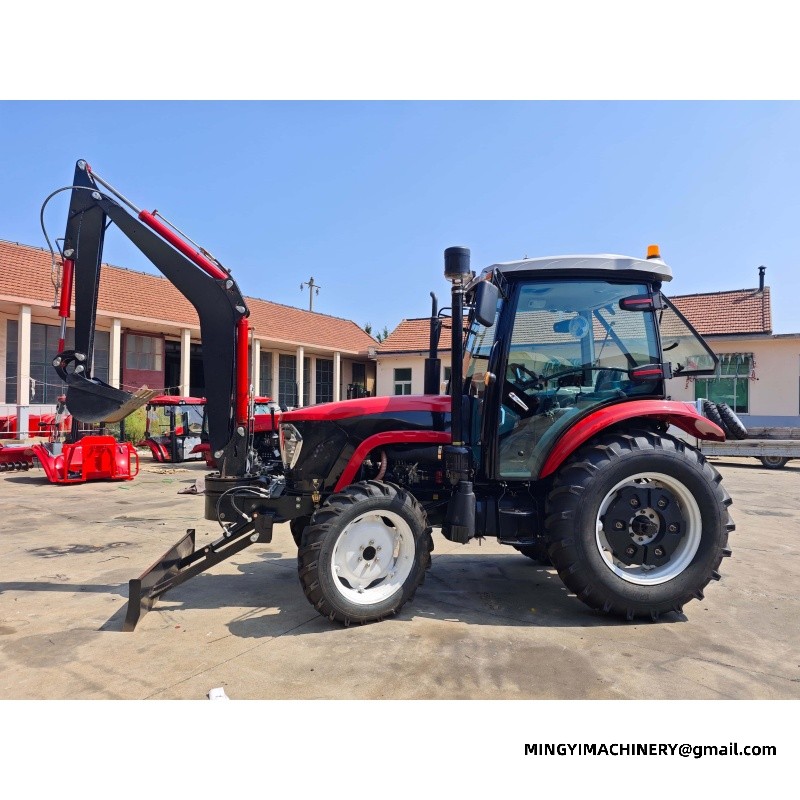
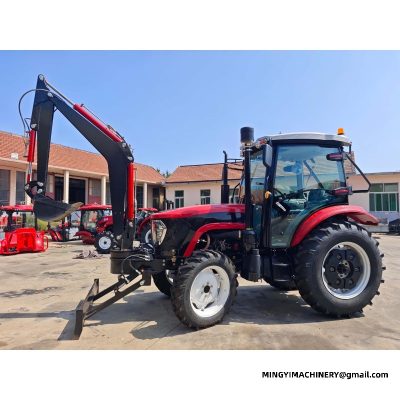
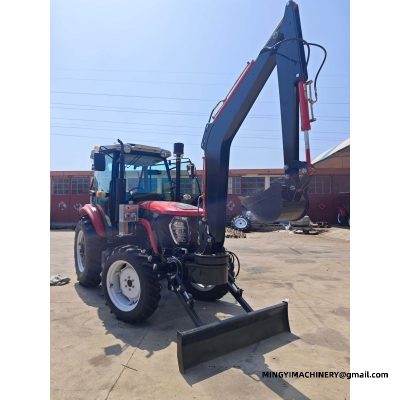
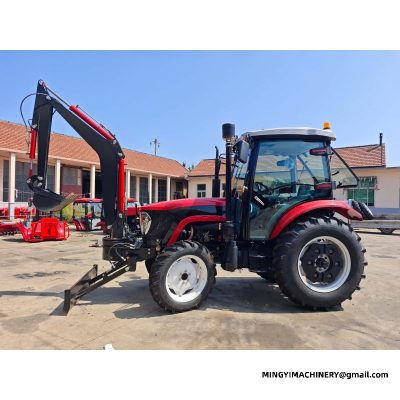
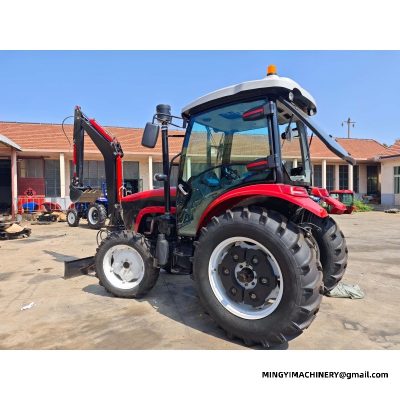
Nothing about the tractor is complicated, but the details are easy to overlook. This page gathers them in one place, from the build and the daily checks through to transport, documents and the support that comes after delivery.
Service intervals exist because wear is predictable. Following the maker schedule on this class of machine takes far less time than repairing the damage that follows a missed oil change or a filter left in place past its life.
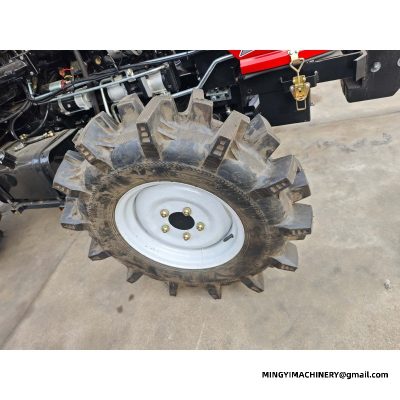
Tyre choice is the simplest traction improvement available. Correct sizes and the right tread on the unit in daily use put more of the power on the ground, and a slip figure that looks acceptable is still lost work every hour. Ballast is part of the specification. Weights on the front and rear of a machine of this size keep the axle loads correct when a heavy implement is lifted, and an unballasted tractor is unstable as well as inefficient.
Build options are where a standard machine becomes the right machine. Colour, guarding, lighting, seating and hydraulic provisions can usually be set at build time on the equipment on site, and are far simpler then than as a retrofit. Fleet buyers often want consistency rather than variety. Specifying the machine itself so that several units share controls, filters and service points reduces training time and keeps the parts shelf small.
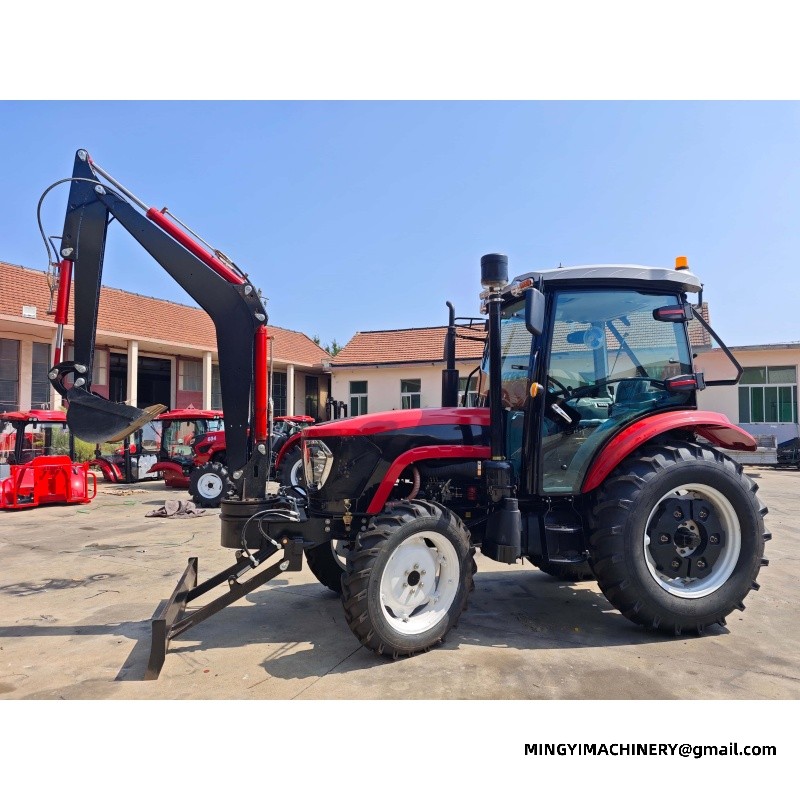
Hour planning helps at resale as well. The model in question with a recorded service history and a sensible hour count is easier to sell than one with the same hours and no records, whatever its condition.
The specification should be written from the job backwards. Listing the loads, the ground and the hours first, then matching the unit on the job to that list, avoids buying capacity the work never uses and avoids discovering a shortfall in the first week. Buyers who specify a machine built for the work on paper before enquiring get specifications that can be compared. Without that list, two suppliers will propose two different machines and the simpler one is usually the smaller one, not the better value. A written duty list is the simplest part of the purchase. It takes an hour to note the material, the distance, the gradient and the hours per week, and it is what turns the machine in that duty enquiry into a machine that fits.
Machine output varies more between operators than between brands. Smooth, planned movements put less load on the structure and use less fuel, and that difference is visible on the hour meter and in the service bills for the equipment in service. A short handover pays for itself. Operators who understand why the tractor is set up the way it is will report a change in behaviour early, which is usually the point where a repair is simplest.
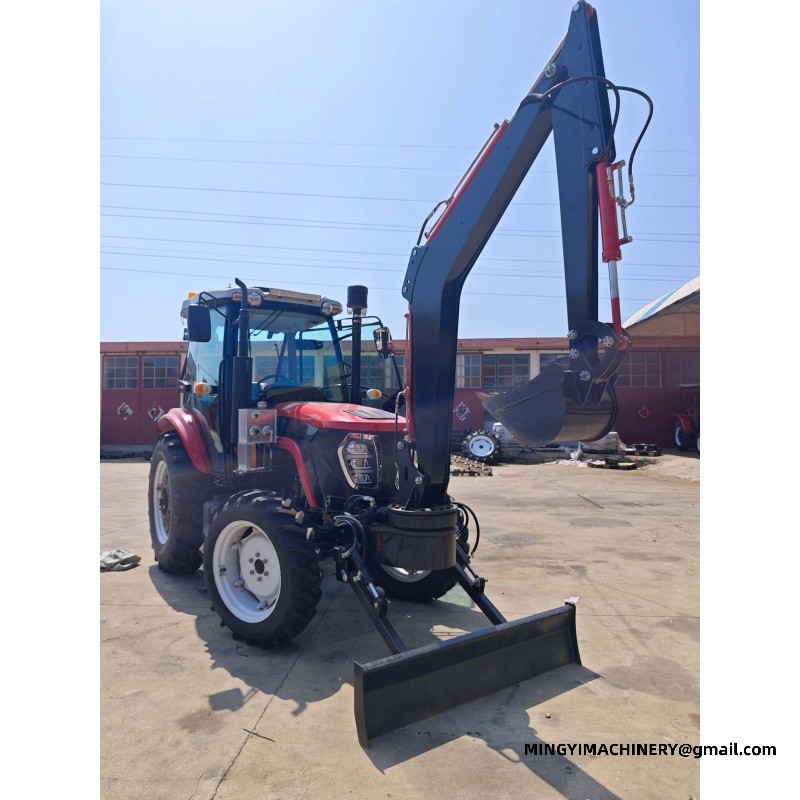
Traction and flotation are two separate questions. This class of machine may have the power for a slope and still not have the grip, so the surface, not the engine rating, is usually what limits the working day.
Hitch category and PTO shaft should be confirmed at build. Getting these right on the unit in daily use means every implement on the farm connects without an adapter, which is a daily saving rather than a one-off convenience.
Carrying and travelling with a load needs its own plan. Speed, gradient and surface all matter more once the equipment on site is loaded, and the safe combination is the conservative one.
Personal protective equipment and a stop rule are simple controls. Agreeing before work starts that anyone can stop the job is the single measure that most often prevents a serious incident near the model in question.
Machine productivity depends on what happens around it. Deliveries, other trades and the sequence of work decide how much of the shift the unit on the job spends actually working rather than waiting. Access and storage are worth settling early. Where a machine built for the work will be parked, refuelled and serviced on site affects the working day more than most specification details, and it takes nothing to plan.
Power is chosen against the heaviest implement, not the average one. Specifying this class of machine from the largest implement the farm will pull avoids a tractor that is well matched most of the year and short for a fortnight. Too much power takes money every hour it works. The tractor that is larger than the implement list needs burns more fuel and carries more weight than the job requires, and the extra capacity is never used.
Attachment decisions are best made before delivery. Specifying hydraulics and couplers at build time is simpler than adding them later, and it avoids the downtime of a workshop visit in the first month.
The gearbox is used more than any other control. The equipment on site with a shuttle shift and sensible spacing between the working gears makes headland turns quicker and reduces the fatigue of a long day. Working gears matter more than top speed. Most of the hours on the machine itself are spent in two or three gears, and having the right ratios there is worth more than a high road speed that is rarely used.
Moving the machine is part of owning it. Overall length, width and height decide which trailer or container the machine in that duty fits, and a machine that needs a permit or an abnormal load escort is a machine with a delivery delay built in. Owners who work across several sites should check the transport dimensions before ordering. The unit on the job that fits a standard trailer can be moved by any operator with a suitable vehicle, while an over-width machine narrows that choice and complicates every move. Shipping dimensions matter as much on export orders as they do locally. Confirming the packed size of a machine built for the work before booking avoids re-booking freight after the machine is built.
Lead time is part of the specification. Confirming build time, shipping method and what is included before ordering the tractor prevents the common gap between when the machine is needed and when it can arrive. Delivery planning includes the receiving end. Knowing whether this class of machine will be craned, driven or forked off, and whether the site can accept it, is settled before dispatch rather than on the day.
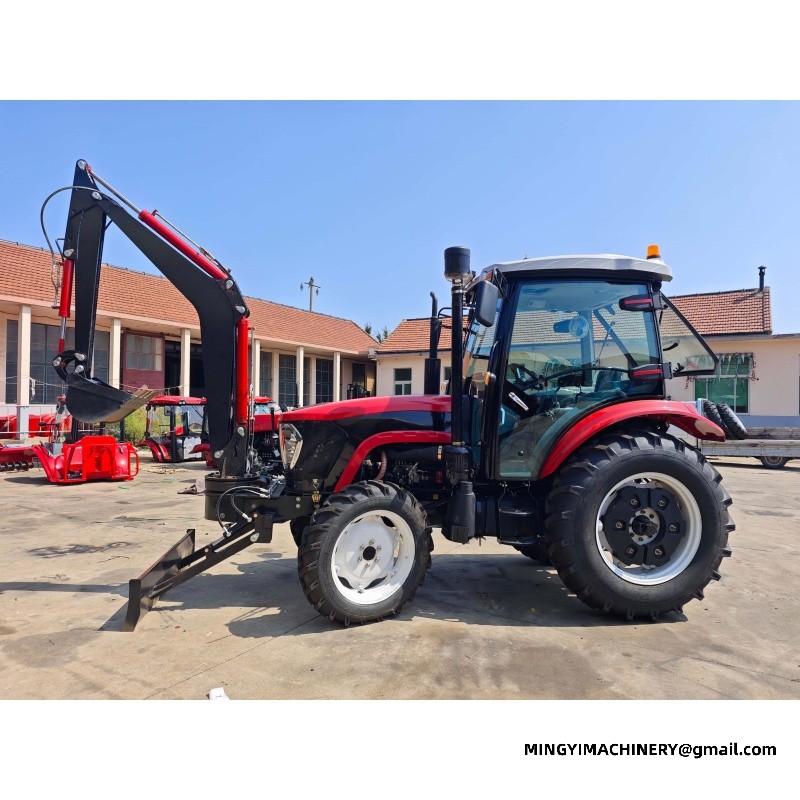
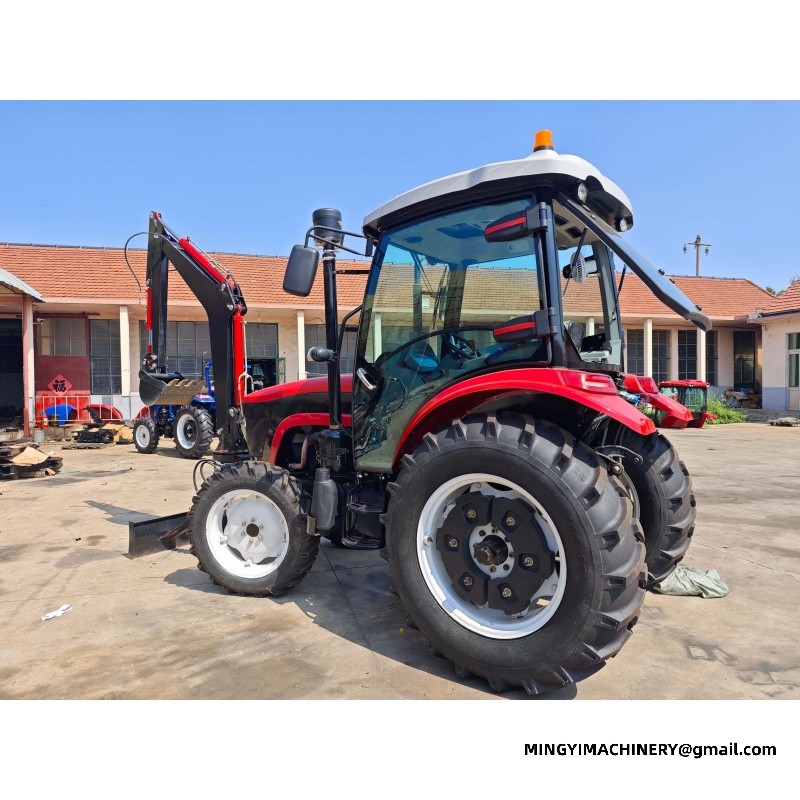
The models below are the four-wheel drive wheel tractors most often matched to this work. Overall size, tyre sizes and operating weight are confirmed together, because the row width and the implement list decide those before the power rating does.
| Model | Overall size | Tyres | Operating weight |
|---|---|---|---|
| 804 mid frame | 3.2 x 1.5 x 2.05 m, track adjustable | front 750-16 rear 11.2-28 | 1500 KG |
| 604 wheel tractor | 2.4 x 1.3 x 1.3 m, track adjustable | front 600-12 rear 9.5-16 | 1270 kg |
| 504 mid frame | 3.1 x 1.5 x 1.97 m, track adjustable | front 650-16 rear 11.2-24 | 1450 kg |
| 704 mid frame | 3.2 x 1.5 x 2.05 m, track adjustable | front 750-16 rear 11.2-28 | — |
| 904 mid frame | 3.1 x 1.5 x 2.05 m, track adjustable | — | 1600 KG |
| 504 wheel tractor | 2.4 x 1.3 x 1.3 m, track adjustable | front 600-12, rear 9.5-16 | — |
| 604 mid frame | 3.1 x 1.45 x 1.95 m, track adjustable | front 650-16 rear 11.2-24 | 1600 KG |
| 804 wheel tractor | 2.4 x 1.3 x 1.3 m, track adjustable | front 600-12 rear 9.5-16 | — |
| Item | Note |
|---|---|
| Engine by power band | 50/60 hp: 490Engine ; 70/80 hp: 490turboEngine |
| Tyre options | Front and rear tyre sizes can be changed at build; wider rear tyres suit soft ground and narrow fronts suit row crop work. |
| PTO | Rear PTO at 540 / 720 rpm drives implements directly; the gearbox and shuttle shift are specified with the implement list. |
| Ballast and canopy | Front and rear ballast blocks and a sun canopy are fitted to suit the heaviest implement the tractor will pull. |
The symptom is usually not at the fault. A hydraulic function that has become sluggish on the machine itself may point to a filter, a relief setting or a pump, and starting with the simple checks avoids the wrong guess.
Most engine trouble starts with what went into the tank. Clean fuel, stored properly and filtered before it reaches the machine in that duty, prevents more downtime than any other single habit an owner can adopt.
Later changes are easier when they were anticipated. Asking for the extra hydraulic circuit or the heavier mounting plate on a machine built for the work at build time adds little and leaves the option open.
Securing the load is not optional. Lashing the tractor at the points intended for it, checking the tension before the vehicle moves and rechecking after the first kilometres is standard practice rather than extra care.
A clear parts book saves more time than any other document. When the unit in daily use needs a replacement, the illustration and the part number are what turn a phone call into a shipment instead of a description.
How a machine travels decides how it starts on arrival. Securing the equipment on site against movement, protecting the exposed cylinders and keeping the battery and fluids in the right state for the voyage all belong to the packing list.
Every line above comes from the build sheet for the machine itself, and the final configuration is confirmed against the working conditions and the destination before production.
E-mail:sales@mingycn.com
LINE(ID):mingyicn