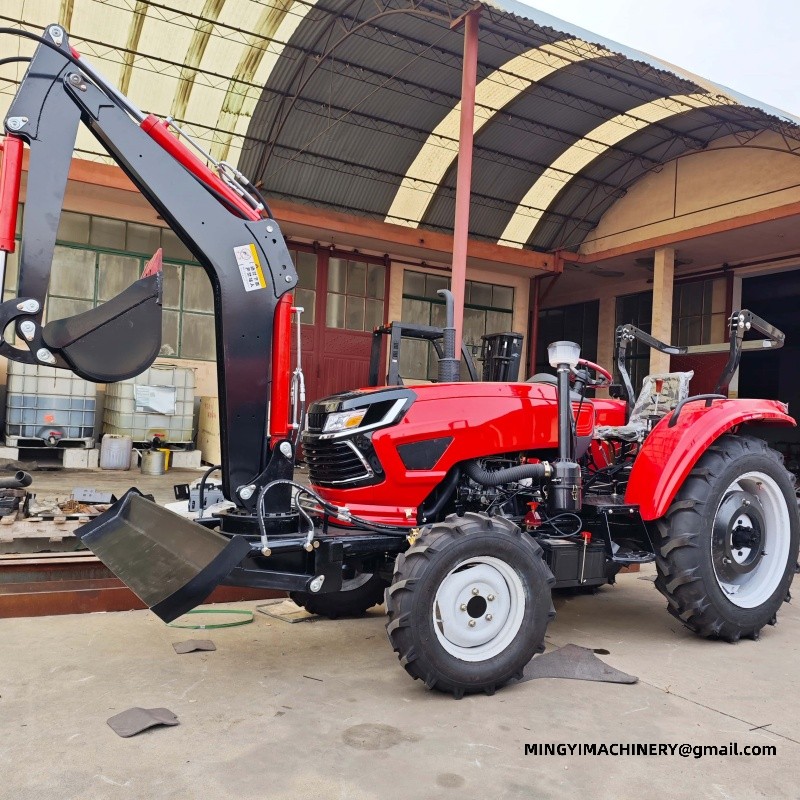
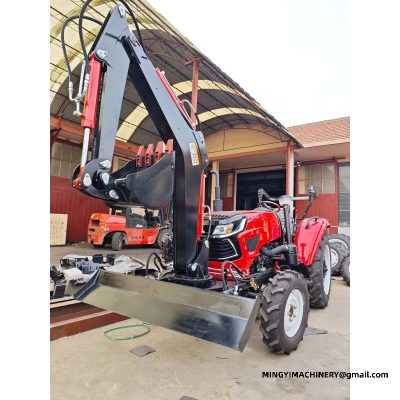
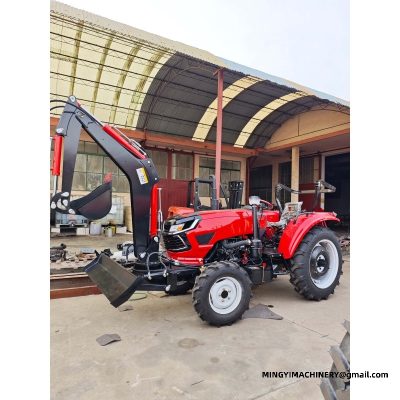
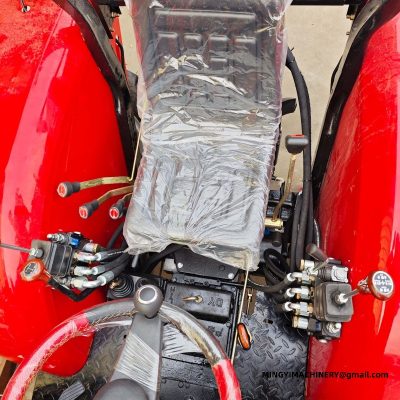
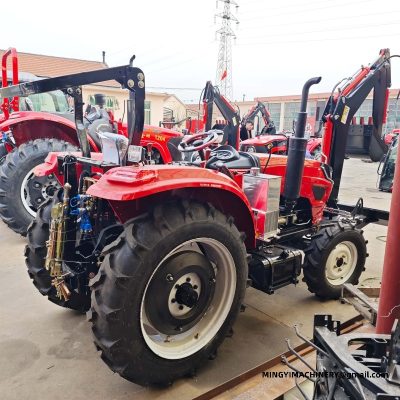
Choosing the tractor usually comes down to a handful of decisions made early: size, power, the ground it will work on and the attachments it has to carry. The notes below follow that order, because each one narrows the next.
Seasonal work changes the maintenance calendar. Machines that work hard for two months and stand for ten need preparation before storage and a check before returning to work, and both are simpler than the repairs they prevent. Hour planning helps at resale as well. This class of machine with a recorded service history and a sensible hour count is easier to sell than one with the same hours and no records, whatever its condition.
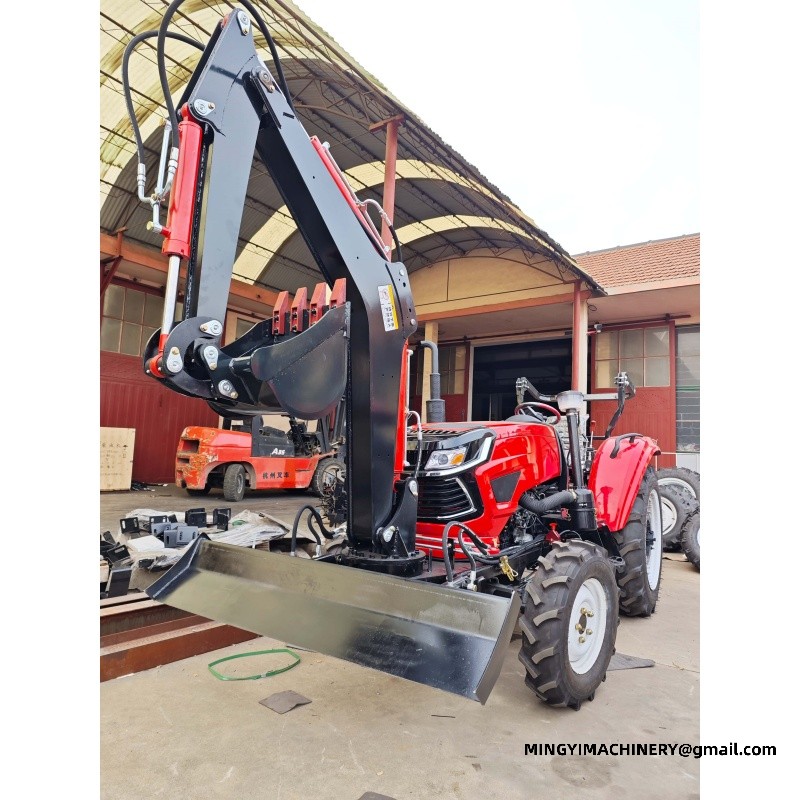
Ground decides more of the outcome than power does. Soft, wet or loose surfaces call for a wider footprint and lower ground pressure, while hard standing allows a narrower machine that turns in less space and travels faster between tasks. The working surface should be surveyed before the unit in daily use is specified. A machine that is stable on compacted gravel can be unusable on the same site after rain, and the difference shows up as lost days rather than as a fault.
Moving the machine is part of owning it. Overall length, width and height decide which trailer or container a machine of this size fits, and a machine that needs a permit or an abnormal load escort is a machine with a delivery delay built in. Owners who work across several sites should check the transport dimensions before ordering. The equipment on site that fits a standard trailer can be moved by any operator with a suitable vehicle, while an over-width machine narrows that choice and complicates every move.
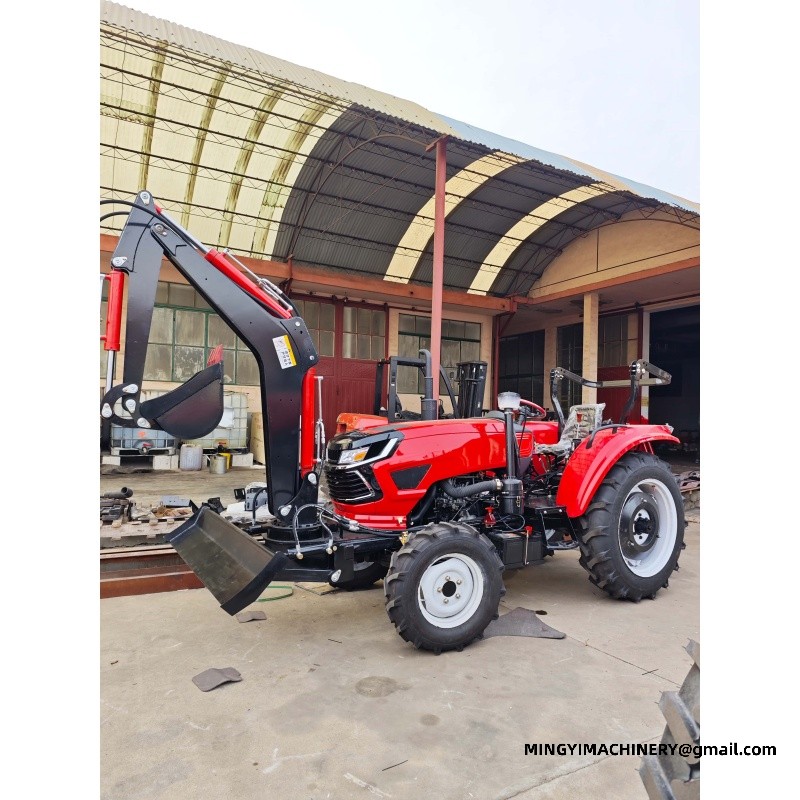
Cold changes how a machine starts and how it warms up. Allowing the machine itself to reach operating temperature before loading it, and using the correct grade of oil and fuel for the season, prevents most cold-start problems. Batteries and fluids are the parts that notice the cold first. The model in question kept on a maintainer through a freezing spell starts on the first turn, while one left standing is the usual cause of a lost morning.
Fuel is usually the largest controllable running demand. Operating style, correct tyre or track condition and a clean air supply all move consumption on the machine in that duty by more than most buyers expect.
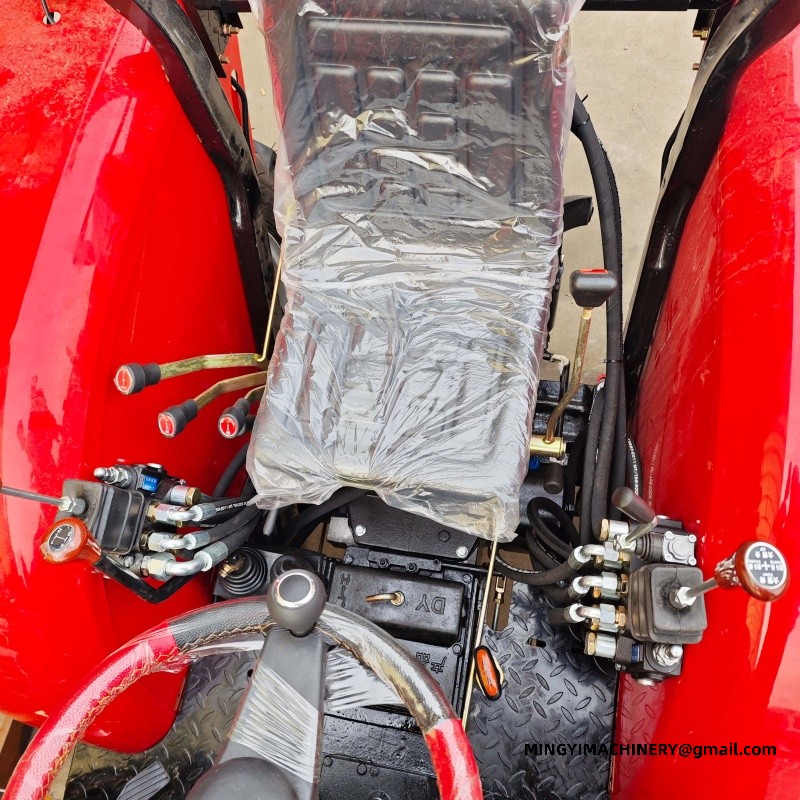
Reconfiguration can extend the useful life of a machine. The unit on the job that no longer suits the current work may suit it again with a different attachment, guarding or control arrangement.
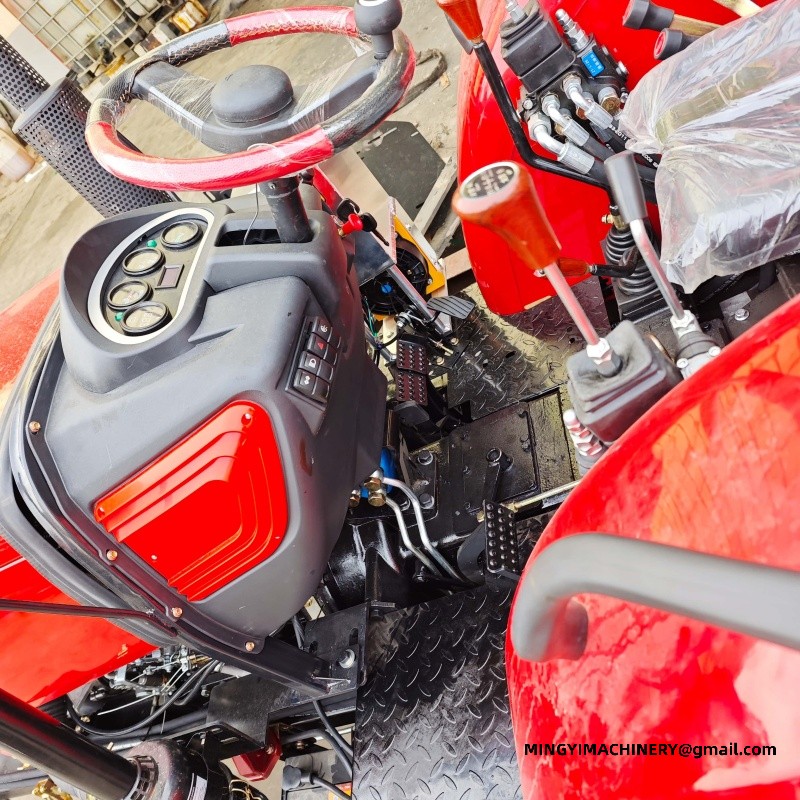
Handover should include the documents as well as the keys. Parts list, service schedule and the operator notes for a machine built for the work are what the workshop needs in month six, and they are much harder to obtain later. Keeping the manuals where they can be reached matters. The equipment in service whose documents stay with the machine gets serviced on schedule; one whose paperwork was filed elsewhere tends to run on memory instead.
Lead time is part of the specification. Confirming build time, shipping method and what is included before ordering the tractor prevents the common gap between when the machine is needed and when it can arrive. The order should state the configuration in writing. Engine, attachments, colour, documents and any market requirement are clearer on the build sheet for this class of machine than in a conversation after delivery. Delivery planning includes the receiving end. Knowing whether the unit in daily use will be craned, driven or forked off, and whether the site can accept it, is settled before dispatch rather than on the day.
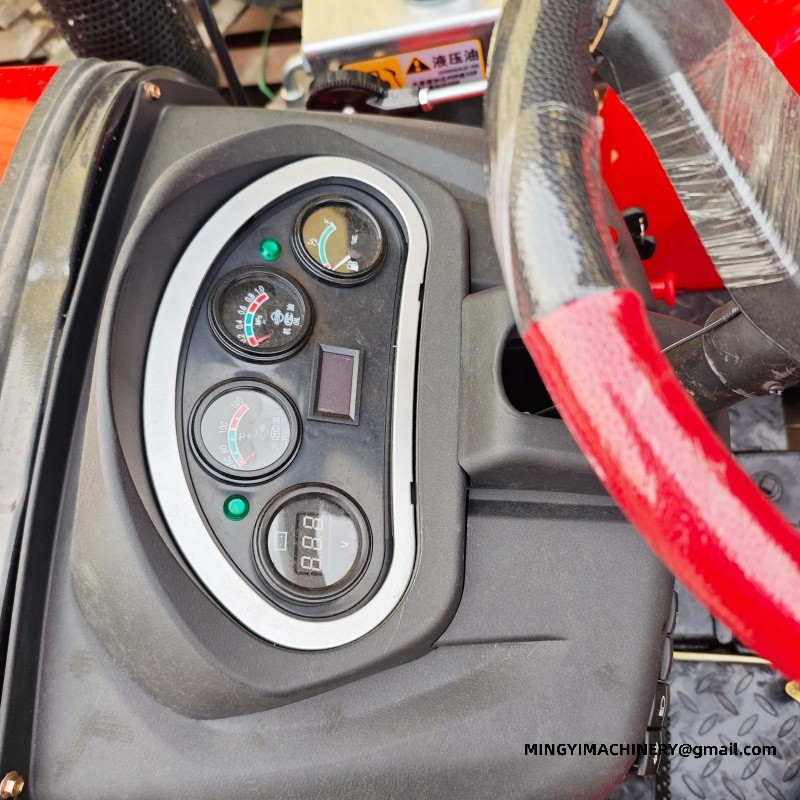
Abrasive conditions shorten service intervals. Air filters, seals and any exposed sliding surface on the equipment on site need attention more often in dusty or muddy work, and the extra checks prevent far more wear than the time they take. Cleaning is maintenance, not appearance. Washing the cooling surfaces and clearing packed material from the machine itself keeps temperatures where they should be and makes the next inspection quicker and more useful.
Resale starts at purchase. Specification choices, service records and the condition of wearing parts are what a buyer looks at, and the model in question that has been maintained on schedule is worth more than one that merely looks clean. Replacement timing is a planning decision. Knowing the intended working life of the machine in that duty lets an owner sell while the machine still has value rather than after a major repair becomes due.
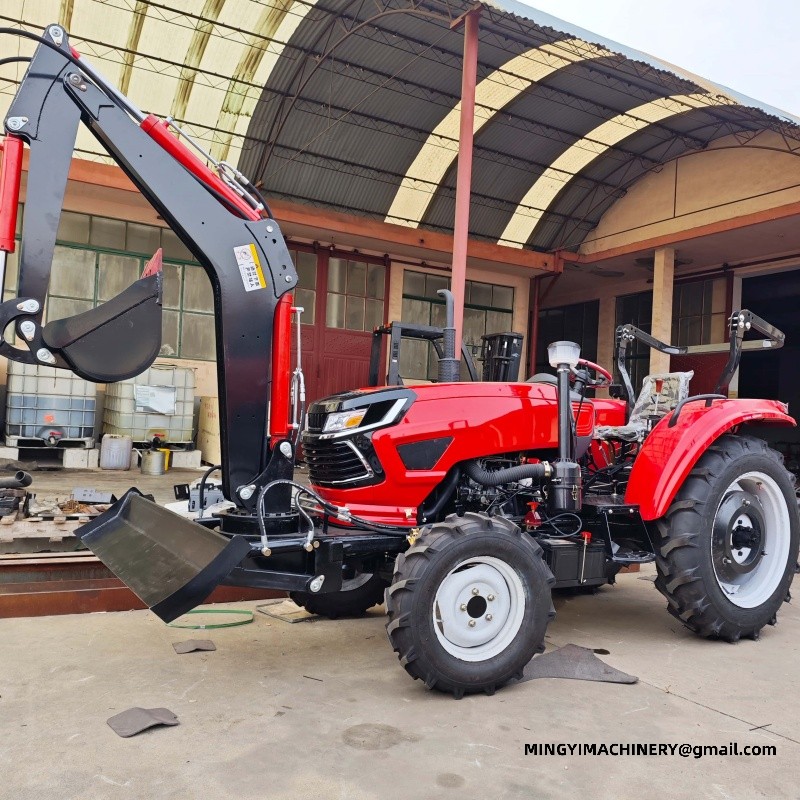
Familiarisation should cover the limits as well as the controls. Knowing where the unit on the job loses stability, how it behaves at full reach, and what the warning lights mean prevents the incidents that are put down to bad luck. A short handover pays for itself. Operators who understand why a machine built for the work is set up the way it is will report a change in behaviour early, which is usually the point where a repair is simplest.
Ballast is part of the specification. Weights on the front and rear of this class of machine keep the axle loads correct when a heavy implement is lifted, and an unballasted tractor is unstable as well as inefficient. Track width follows the crop. The tractor set to the row width works between standing crop without damage, and adjustable track is the feature that lets one machine do both row work and general haulage.
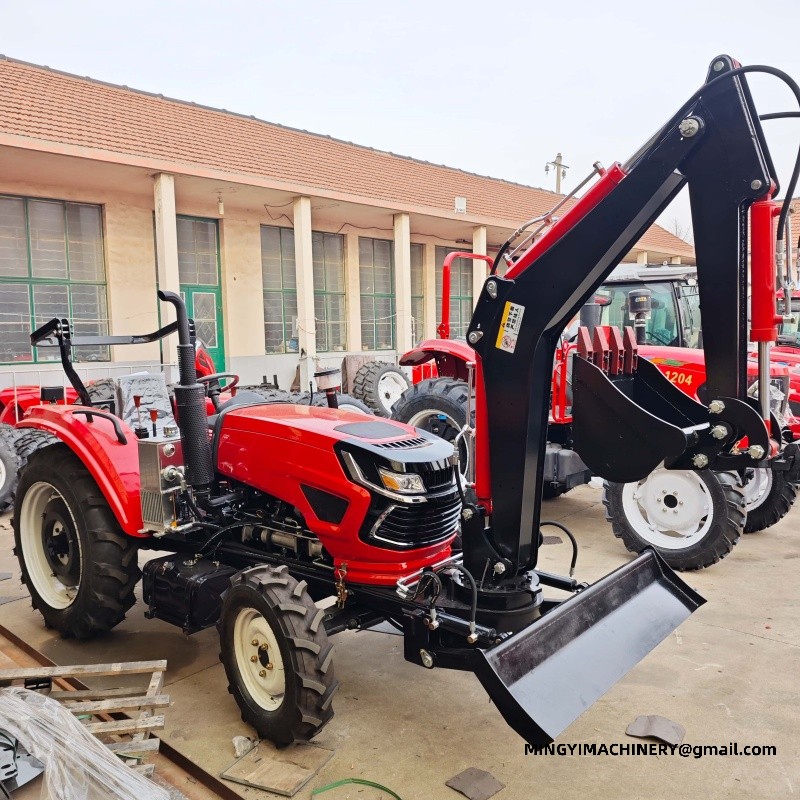
Fleet value comes from interchangeability. Operators who can step between machines without retraining, and a workshop that stocks one set of filters, keep utilisation higher than a fleet of individually optimised units.
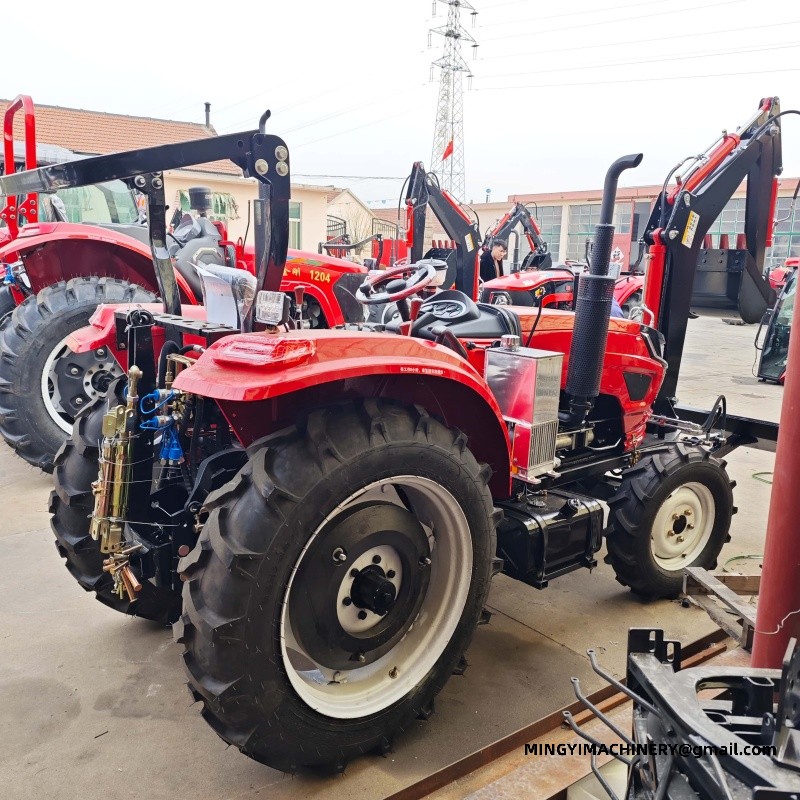
The specification should be written from the job backwards. Listing the loads, the ground and the hours first, then matching the equipment on site to that list, avoids buying capacity the work never uses and avoids discovering a shortfall in the first week.
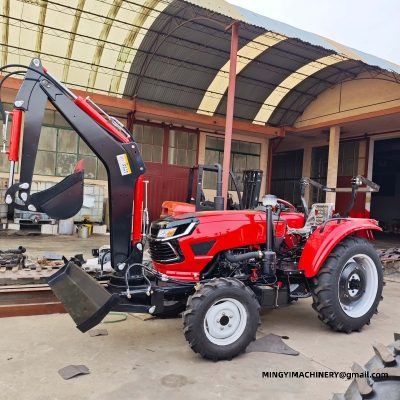
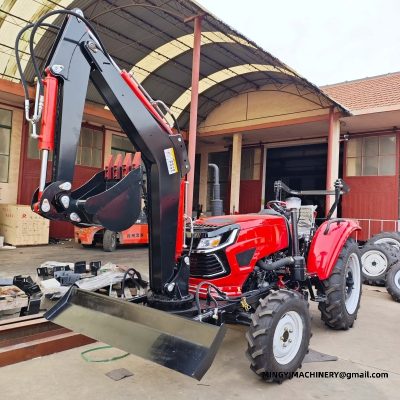
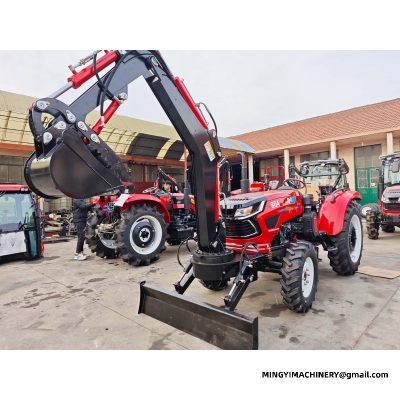
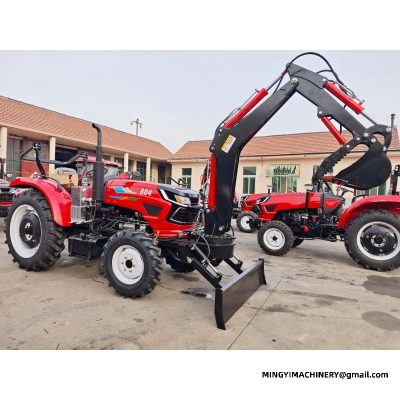
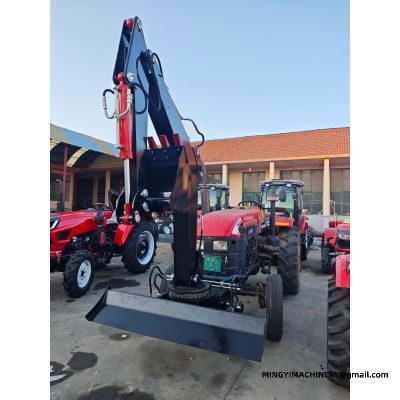
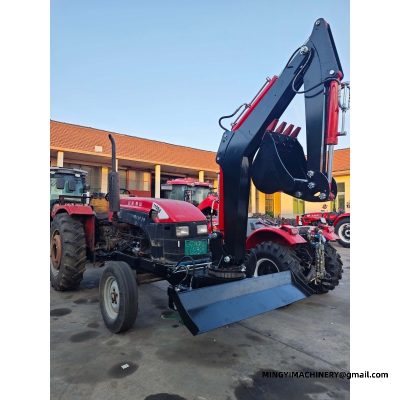
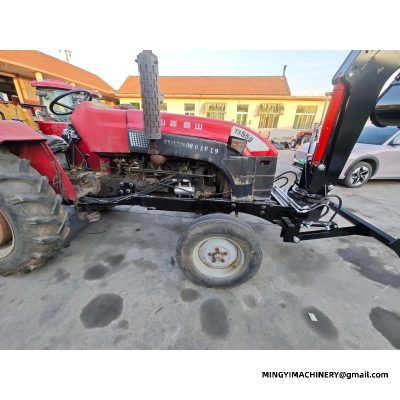
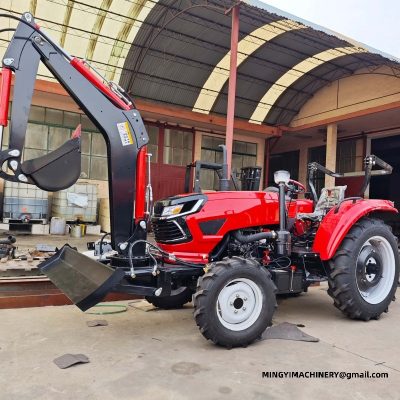
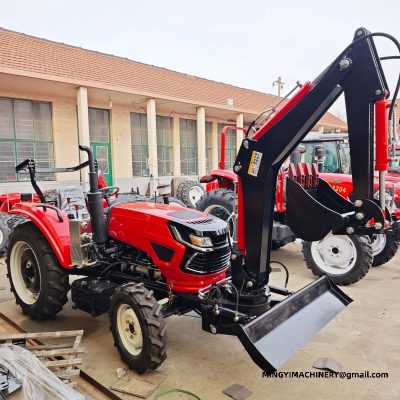
The models below are the four-wheel drive wheel tractors most often matched to this work. Overall size, tyre sizes and operating weight are confirmed together, because the row width and the implement list decide those before the power rating does.
| Model | Overall size | Tyres | Operating weight |
|---|---|---|---|
| 704 mid frame | 3.2 x 1.5 x 2.05 m, track adjustable | front 750-16 rear 11.2-28 | — |
| 504 mid frame | 3.1 x 1.5 x 1.97 m, track adjustable | front 650-16 rear 11.2-24 | 1450 kg |
| 904 mid frame | 3.1 x 1.5 x 2.05 m, track adjustable | — | 1600 KG |
| 604 wheel tractor | 2.4 x 1.3 x 1.3 m, track adjustable | front 600-12 rear 9.5-16 | 1270 kg |
| 804 mid frame | 3.2 x 1.5 x 2.05 m, track adjustable | front 750-16 rear 11.2-28 | 1500 KG |
| 504 wheel tractor | 2.4 x 1.3 x 1.3 m, track adjustable | front 600-12, rear 9.5-16 | — |
| 804 wheel tractor | 2.4 x 1.3 x 1.3 m, track adjustable | front 600-12 rear 9.5-16 | — |
| 604 mid frame | 3.1 x 1.45 x 1.95 m, track adjustable | front 650-16 rear 11.2-24 | 1600 KG |
| Item | Note |
|---|---|
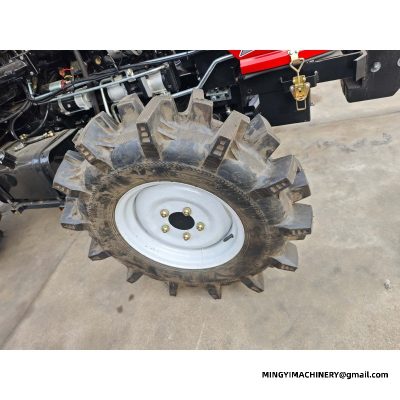
| Tyre options | Front and rear tyre sizes can be changed at build; wider rear tyres suit soft ground and narrow fronts suit row crop work. |
| Engine by power band | 50/60 hp: 490Engine ; 70/80 hp: 490turboEngine |
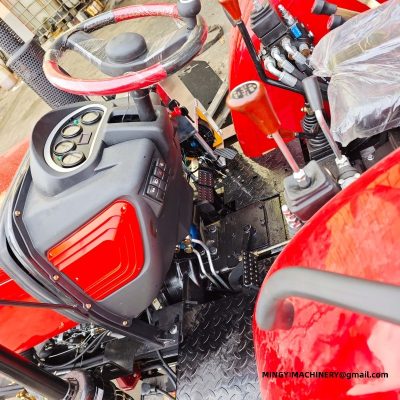
| PTO | Rear PTO at 540 / 720 rpm drives implements directly; the gearbox and shuttle shift are specified with the implement list. |
| Ballast and canopy | Front and rear ballast blocks and a sun canopy are fitted to suit the heaviest implement the tractor will pull. |
A spares list should follow the duty cycle. The unit on the job working every day in abrasive dust consumes filters and cutting edges far faster than the same machine used once a week, and the shelf should be stocked for the harder case.
Operators who come from a different machine need a short conversion. The controls on the equipment in service follow the usual pattern, but the response, the sightlines and the stopping distance are learned by doing rather than by reading.
Fluid quality is a storage problem before it is a machine problem. Water and sediment in a drum will find the injection system of this class of machine eventually, and a settling period is nothing compared with a pump.
Cold exposes weak batteries, thick oil and water in the fuel. Preparing a machine of this size for winter means the right grade of oil, a battery in good condition and fuel that will not wax in the tank overnight.
The symptom is usually not at the fault. A hydraulic function that has become sluggish on the machine itself may point to a filter, a relief setting or a pump, and starting with the simple checks avoids the wrong guess.
Documentation should match the machine that was actually built. The sheet supplied with the machine in that duty records the configuration as delivered, because the generic catalogue description is not what the customer needs when ordering a part.
Training is simpler than repair. An hour spent with a new operator on a machine built for the work, covering the limits and the awkward cases, is the least lengthy hour in the whole ownership.
What the customer sees on arrival is decided before departure. The walk-around given to the tractor covers the same points the operator will check on day one, so there are no surprises when the crate is opened at the destination.
Every line above comes from the build sheet for this class of machine, and the final configuration is confirmed against the working conditions and the destination before production.
E-mail:sales@mingycn.com
LINE(ID):mingyicn