Reading about the tractor is easier when the page follows the life of the machine. What follows moves from selection through delivery, first weeks of work, routine care and the point at which the unit is replaced or sold on.
Clutch and linkage adjustment is routine. Keeping the shuttle and the hitch on this class of machine correctly adjusted protects the gearbox and gives the operator the control needed for accurate implement work.
Duty cycle is the honest measure of a machine. The unit in daily use working a few hours a week has different needs from one working two shifts, and the cooling, filtration and service intervals should follow the hours rather than the calendar. Seasonal work changes the maintenance calendar. Machines that work hard for two months and stand for ten need preparation before storage and a check before returning to work, and both are simpler than the repairs they prevent. Hour planning helps at resale as well. A machine of this size with a recorded service history and a sensible hour count is easier to sell than one with the same hours and no records, whatever its condition.
Ground decides more of the outcome than power does. Soft, wet or loose surfaces call for a wider footprint and lower ground pressure, while hard standing allows a narrower machine that turns in less space and travels faster between tasks.
Fleet value comes from interchangeability. Operators who can step between machines without retraining, and a workshop that stocks one set of filters, keep utilisation higher than a fleet of individually optimised units. Utilisation matters more than the purchase decision over a few years. The equipment on site that sits idle ties up the same yard space standing still as one that earns, so the buying decision should follow the hours the machine will realistically work. Standardising where possible simplifies everything downstream. When several units of the machine itself share a service schedule and a parts list, the fleet becomes easier to plan and easier to sell on at replacement time.
Most tractors spend part of the year idle. Preparing the model in question for storage with clean fluids, a charged battery and the weight off the tyres avoids the faults that appear at the start of the next season. Seasonal work means long idle periods followed by heavy use. A short commissioning check on the machine in that duty before the season starts is simpler than discovering a flat battery or a seized linkage in the first week. Keeping the machine under cover pays for itself. Sun and rain on the unit on the job age tyres, seals and paintwork faster than work does, and a roof is the simplest protection available.
The rear PTO speed has to suit the implement. A machine built for the work specified with the common 540 and 720 speeds drives most implements directly, and confirming that at build is far simpler than changing a gear set later. Hydraulic capacity decides what the hitch can do. The lifter on the equipment in service has to raise the heaviest implement with the linkage geometry the farm uses, and that is a specification rather than an assumption.
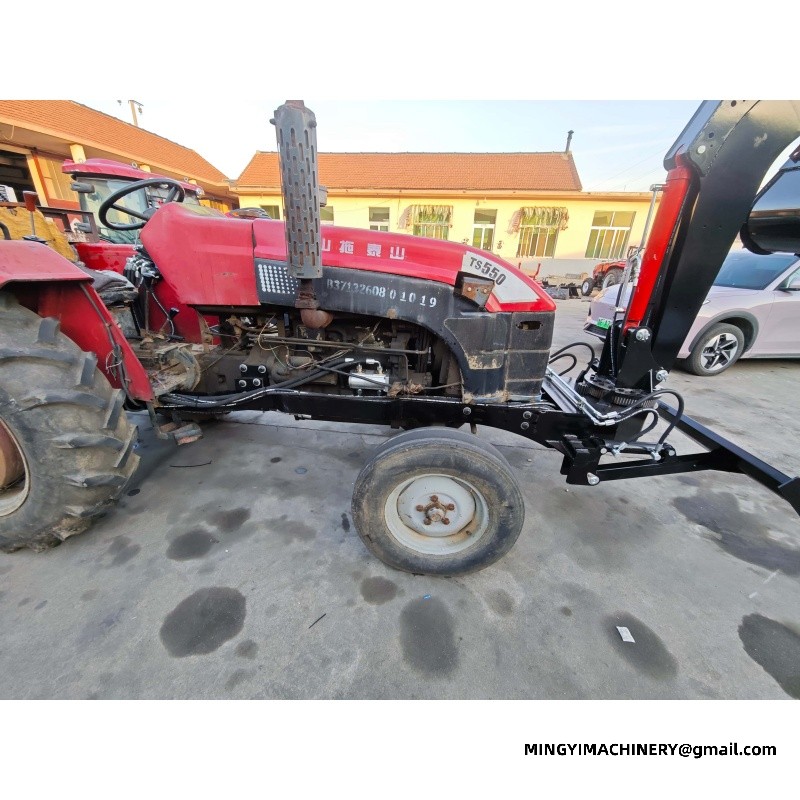
The implement list is the specification. Ploughing, tilling, seeding and hauling each ask something different of the tractor, and writing the list down is what turns a tractor enquiry into a machine that fits. Width and weight both matter. An implement that suits the power of this class of machine can still be wrong if it is too wide for the gateway or too heavy for the linkage, and both are simple to check in advance. Hitch category and PTO shaft should be confirmed at build. Getting these right on the unit in daily use means every implement on the farm connects without an adapter, which is a daily saving rather than a one-off convenience.
Machine output varies more between operators than between brands. Smooth, planned movements put less load on the structure and use less fuel, and that difference is visible on the hour meter and in the service bills for a machine of this size. Familiarisation should cover the limits as well as the controls. Knowing where the equipment on site loses stability, how it behaves at full reach, and what the warning lights mean prevents the incidents that are put down to bad luck.
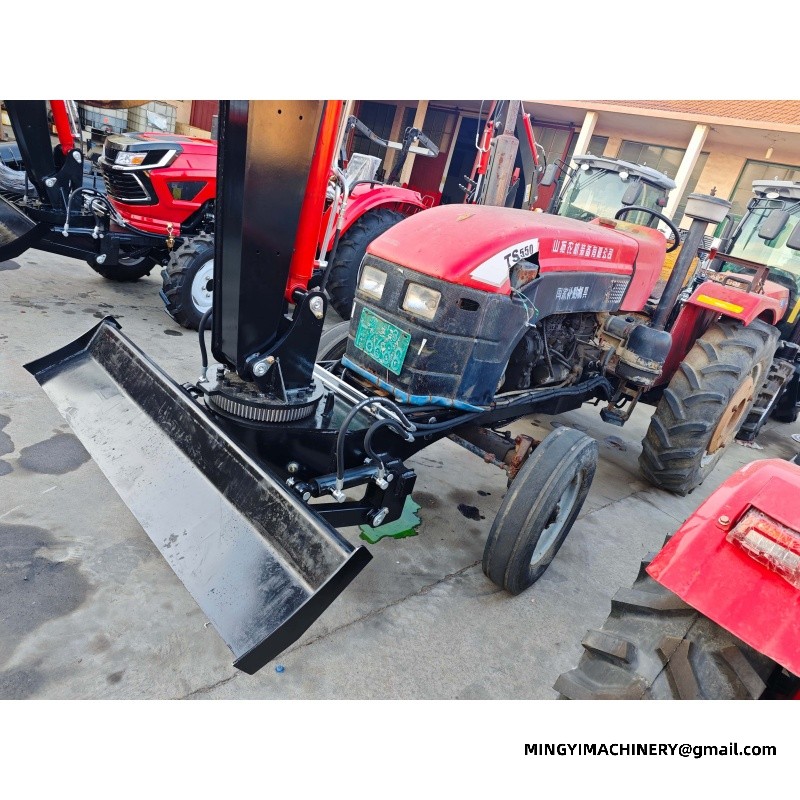
Wear rate follows conditions far more than hours. The model in question working on abrasive ground or in mud will consume undercarriage or tyre life much faster than the same machine on clean ground.
Power unit choice is usually a parts question, not a performance one. Two buyers can order the same the unit on the job and sensibly choose different engines, because the right answer depends on which brand the local workshop already supports. Emissions documentation is part of engine selection for some destinations. Confirming which units can be supplied and documented for the destination country is worth doing at enquiry stage rather than after the build sheet is signed.
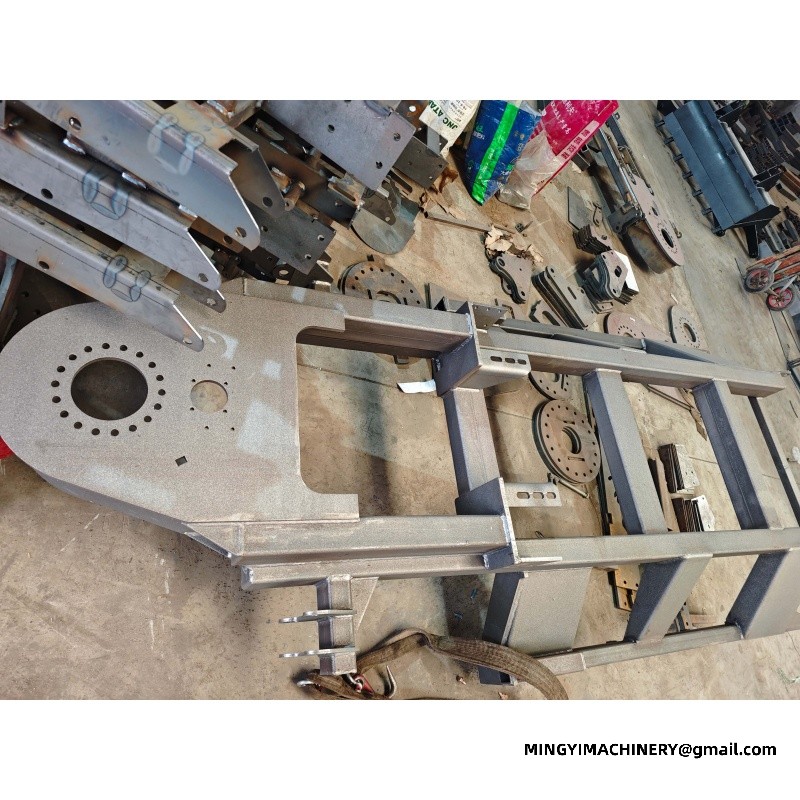
Cold changes how a machine starts and how it warms up. Allowing the equipment in service to reach operating temperature before loading it, and using the correct grade of oil and fuel for the season, prevents most cold-start problems.
The order should state the configuration in writing. Engine, attachments, colour, documents and any market requirement are clearer on the build sheet for this class of machine than in a conversation after delivery. Delivery planning includes the receiving end. Knowing whether the unit in daily use will be craned, driven or forked off, and whether the site can accept it, is settled before dispatch rather than on the day.
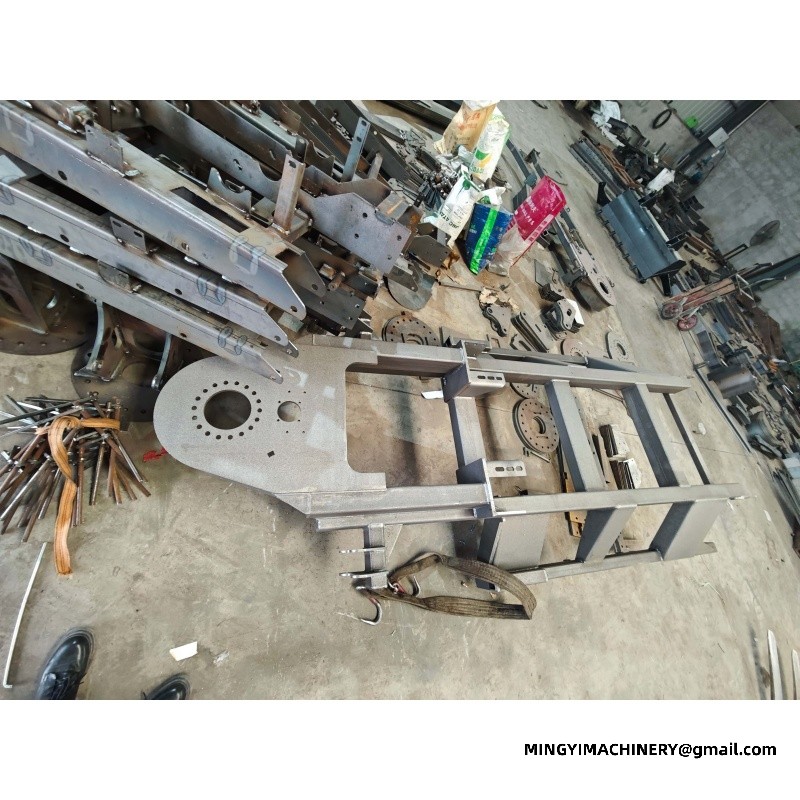
Moving the machine is part of owning it. Overall length, width and height decide which trailer or container the equipment on site fits, and a machine that needs a permit or an abnormal load escort is a machine with a delivery delay built in. Shipping dimensions matter as much on export orders as they do locally. Confirming the packed size of the machine itself before booking avoids re-booking freight after the machine is built.
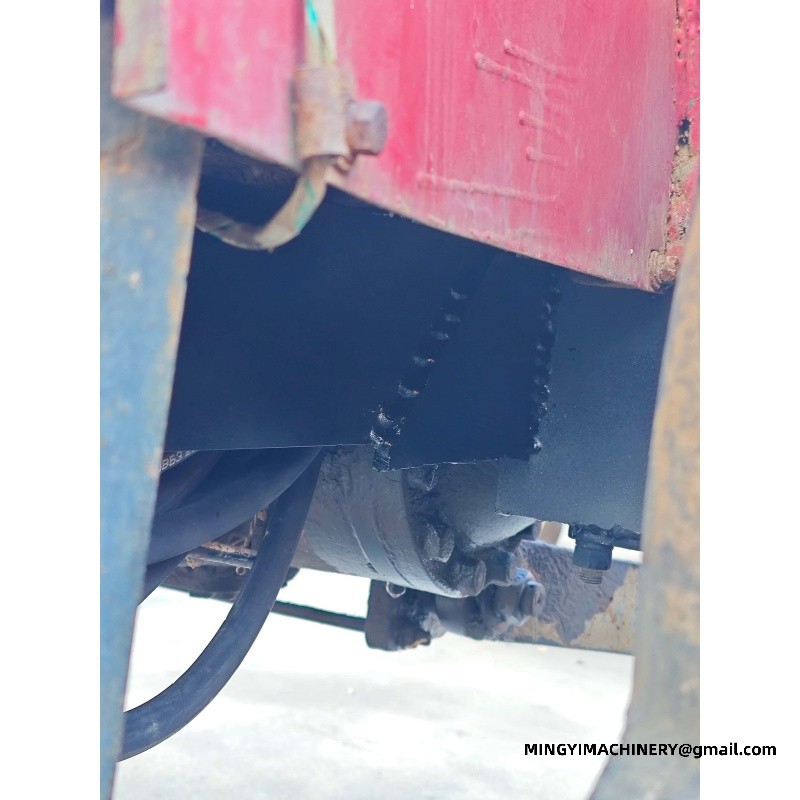
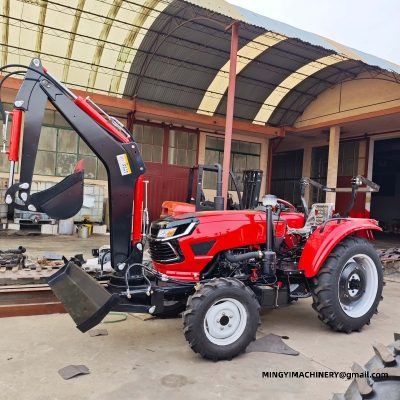
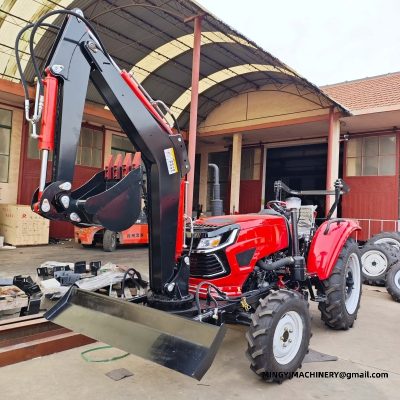
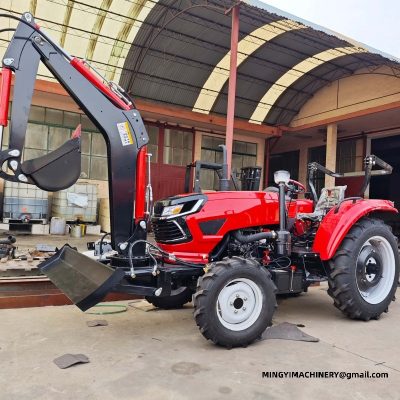
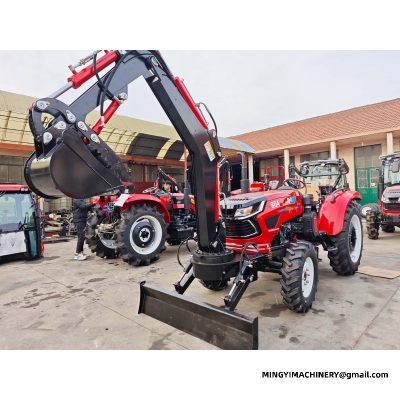
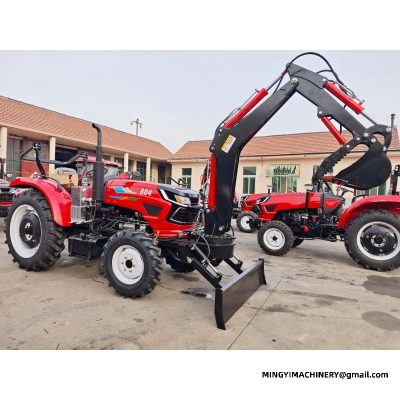
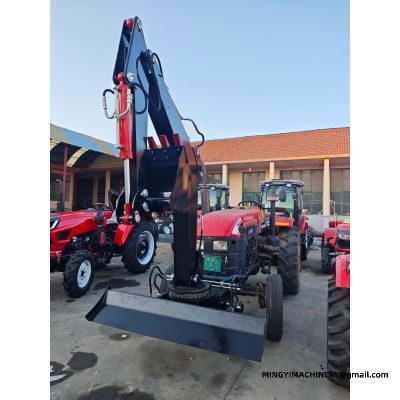
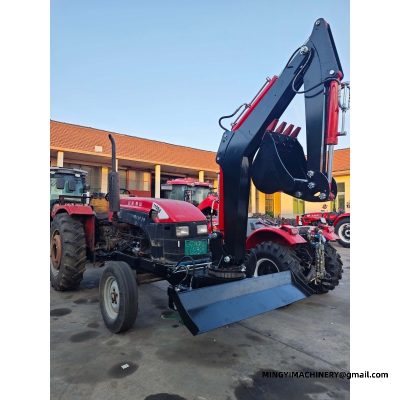
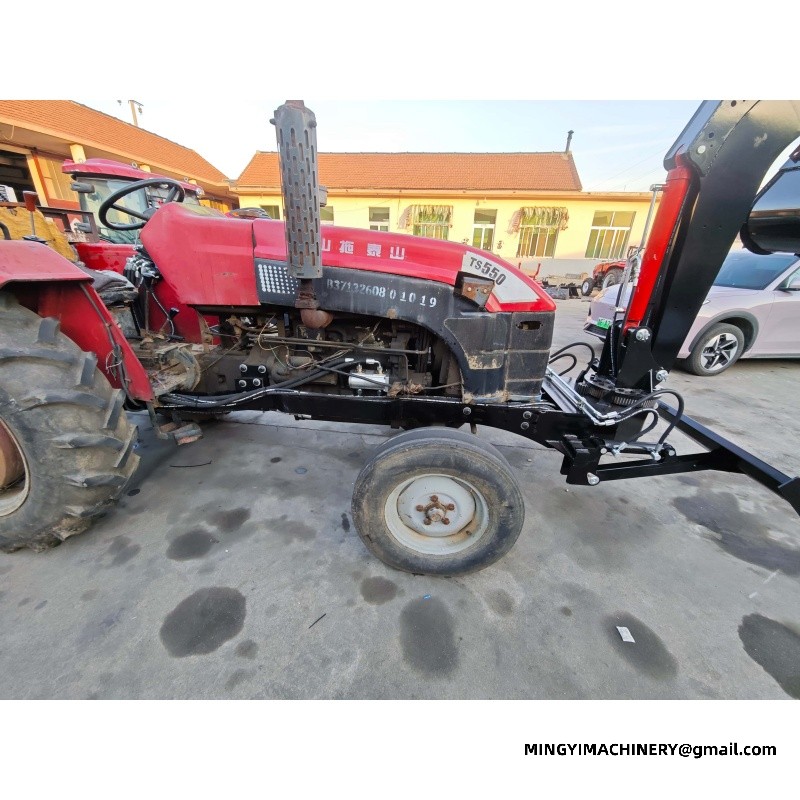
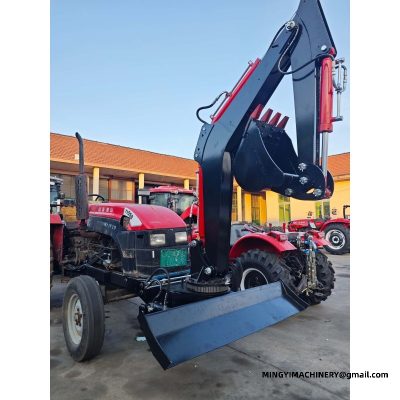
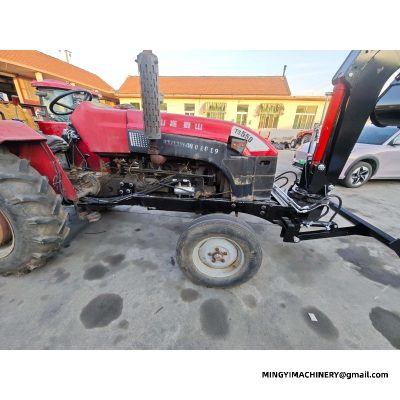
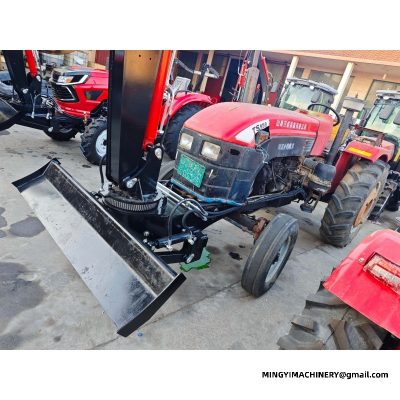
The models below are the four-wheel drive wheel tractors most often matched to this work. Overall size, tyre sizes and operating weight are confirmed together, because the row width and the implement list decide those before the power rating does.
| Model | Overall size | Tyres | Operating weight |
|---|---|---|---|
| 604 mid frame | 3.1 x 1.45 x 1.95 m, track adjustable | front 650-16 rear 11.2-24 | 1600 KG |
| 704 mid frame | 3.2 x 1.5 x 2.05 m, track adjustable | front 750-16 rear 11.2-28 | — |
| 804 mid frame | 3.2 x 1.5 x 2.05 m, track adjustable | front 750-16 rear 11.2-28 | 1500 KG |
| 504 wheel tractor | 2.4 x 1.3 x 1.3 m, track adjustable | front 600-12, rear 9.5-16 | — |
| 604 wheel tractor | 2.4 x 1.3 x 1.3 m, track adjustable | front 600-12 rear 9.5-16 | 1270 kg |
| 804 wheel tractor | 2.4 x 1.3 x 1.3 m, track adjustable | front 600-12 rear 9.5-16 | — |
| 904 mid frame | 3.1 x 1.5 x 2.05 m, track adjustable | — | 1600 KG |
| 504 mid frame | 3.1 x 1.5 x 1.97 m, track adjustable | front 650-16 rear 11.2-24 | 1450 kg |
| Item | Note |
|---|---|
| PTO | Rear PTO at 540 / 720 rpm drives implements directly; the gearbox and shuttle shift are specified with the implement list. |
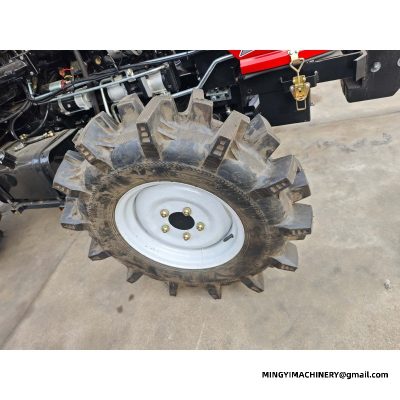
| Tyre options | Front and rear tyre sizes can be changed at build; wider rear tyres suit soft ground and narrow fronts suit row crop work. |
| Engine by power band | 50/60 hp: 490Engine ; 70/80 hp: 490turboEngine |
| Ballast and canopy | Front and rear ballast blocks and a sun canopy are fitted to suit the heaviest implement the tractor will pull. |
A clear parts book saves more time than any other document. When a machine built for the work needs a replacement, the illustration and the part number are what turn a phone call into a shipment instead of a description.
Securing the load is not optional. Lashing the tractor at the points intended for it, checking the tension before the vehicle moves and rechecking after the first kilometres is standard practice rather than extra care.
Starting is only the first problem. Until the unit in daily use reaches working temperature the hydraulic response is slower and the seals are stiffer, and warming the machine before asking for full output avoids unnecessary strain.
A spares list should follow the duty cycle. The equipment on site working every day in abrasive dust consumes filters and cutting edges far faster than the same machine used once a week, and the shelf should be stocked for the harder case.
Later changes are easier when they were anticipated. Asking for the extra hydraulic circuit or the heavier mounting plate on the model in question at build time adds little and leaves the option open.
The specification for oil is written for a reason. Using the grade and the change interval set for the unit on the job keeps the engine and the hydraulic system inside the range they were designed for.
Shared machines need shared habits. Two operators on the equipment in service should do the same daily checks in the same order, because the check that one person skips is the check that eventually matters.
Every line above comes from the build sheet for the tractor, and the final configuration is confirmed against the working conditions and the destination before production.
E-mail:sales@mingycn.com
LINE(ID):mingyicn