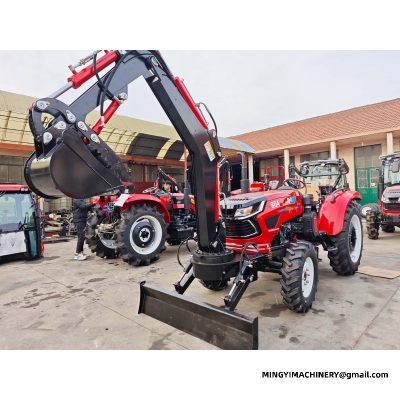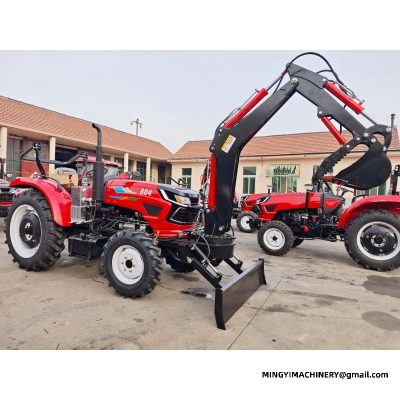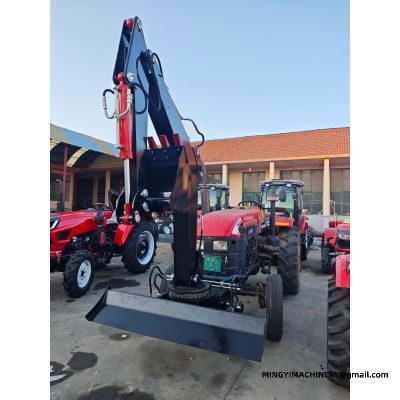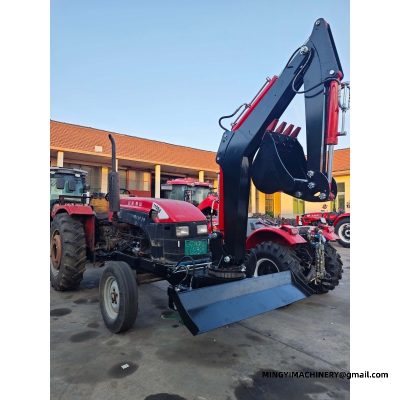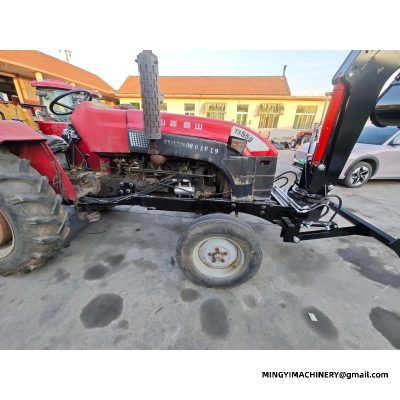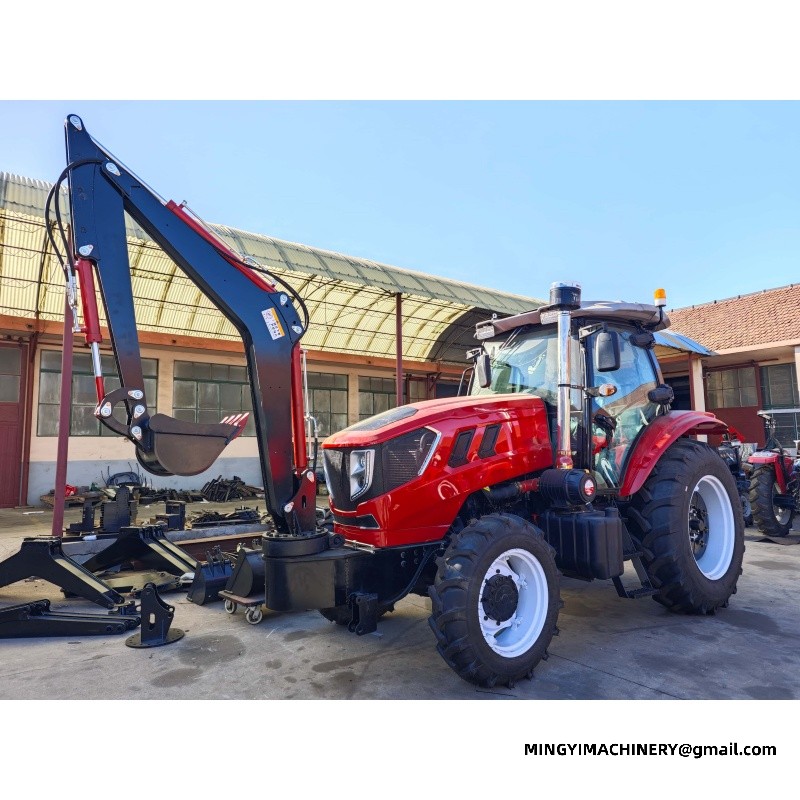
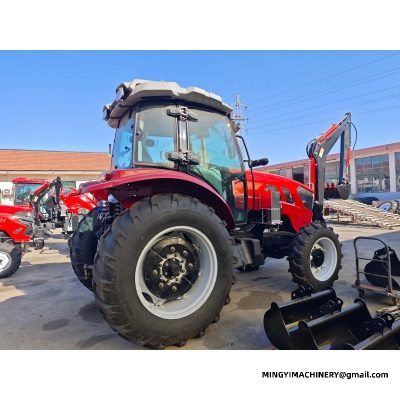
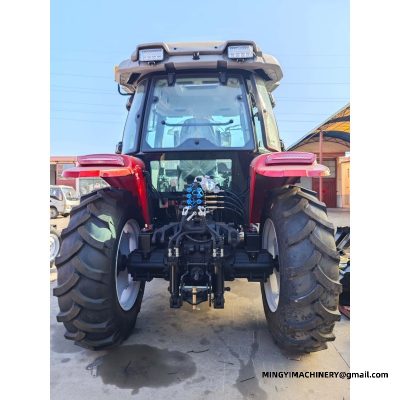
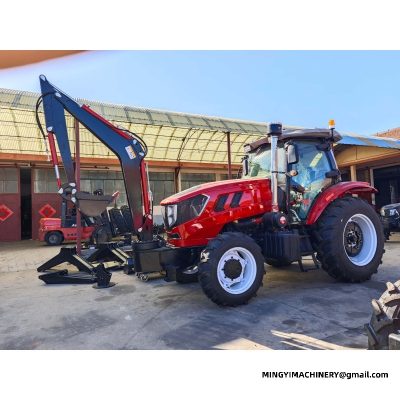
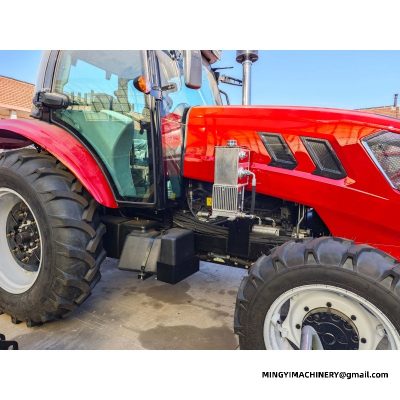
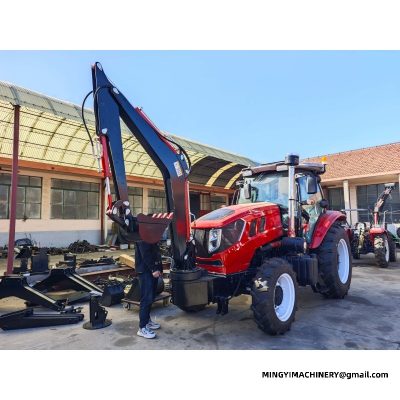
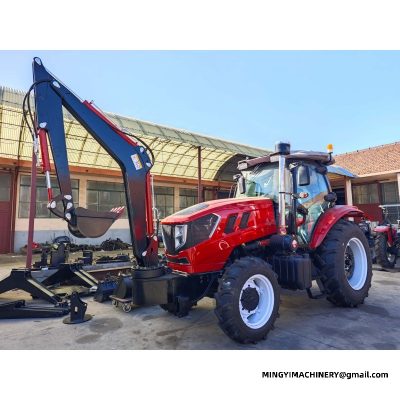
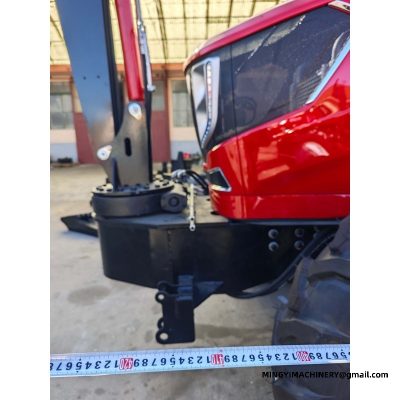
This page covers the tractor for buyers who already know the job and now need the machine. It sets out what the build includes, what can be changed, what the operator should expect in the first weeks and what the service schedule looks like.
Container loading is a planning exercise. Confirming how this class of machine is packed and how many units fit a container is what turns a per-unit freight estimate into a delivered figure the buyer can actually plan against. Documentation should be agreed at order stage. The commercial invoice, packing list and any certificate required at destination are part of shipping the unit in daily use, and missing papers delay clearance longer than the voyage takes.
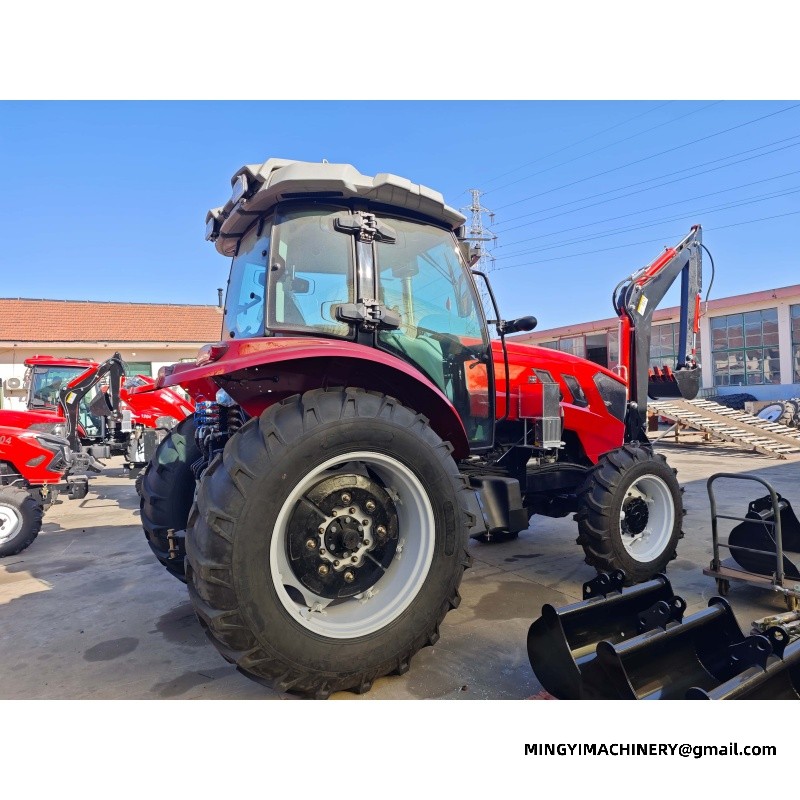
Buyers who specify the equipment on site on paper before enquiring get specifications that can be compared. Without that list, two suppliers will propose two different machines and the simpler one is usually the smaller one, not the better value. A written duty list is the simplest part of the purchase. It takes an hour to note the material, the distance, the gradient and the hours per week, and it is what turns a machine of this size enquiry into a machine that fits.
Power unit choice is usually a parts question, not a performance one. Two buyers can order the same the machine itself and sensibly choose different engines, because the right answer depends on which brand the local workshop already supports. Emissions documentation is part of engine selection for some destinations. Confirming which units can be supplied and documented for the destination country is worth doing at enquiry stage rather than after the build sheet is signed.
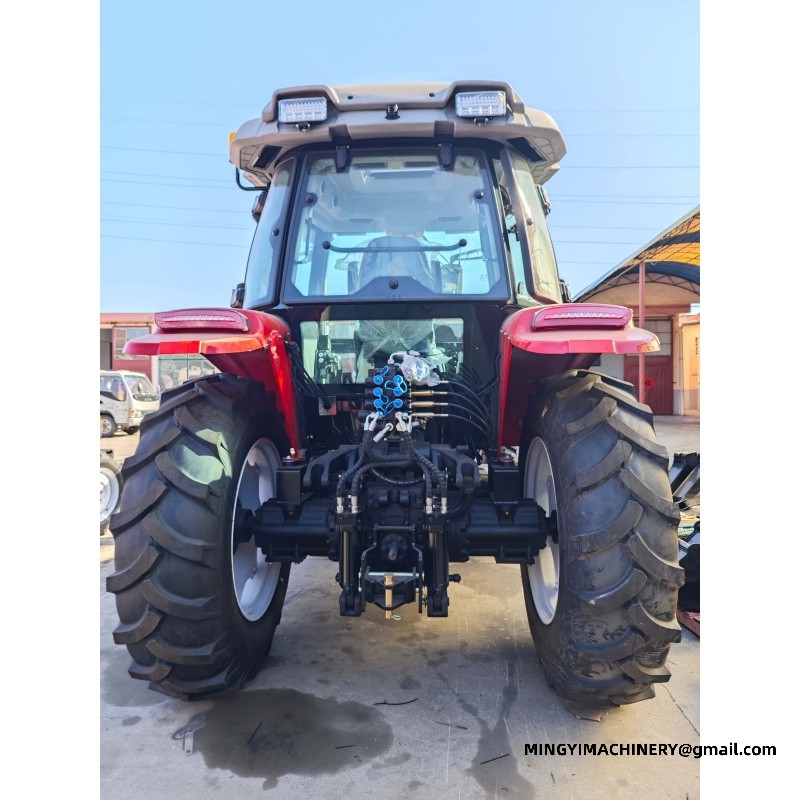
Commissioning is the point where most avoidable issues are found. Checking levels, fasteners and function on the model in question before it goes to work takes an hour and prevents a claim conversation later. Early faults are usually simple. The machine in that duty that behaves differently in its first few hours is more often mis-set than defective, and a call to the supplier at that point usually resolves it the same day.
A short familiarisation session prevents the early faults. Most first-month problems on the unit on the job come from unfamiliarity with controls, limits or checks rather than from the machine itself.
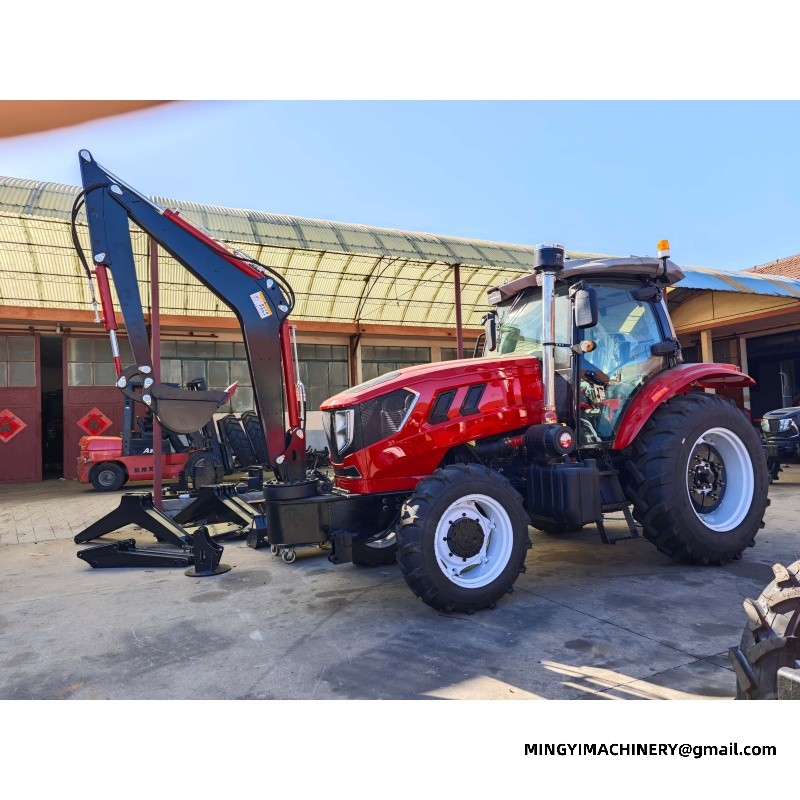
Certain parts are designed to be consumed. Knowing which items on a machine built for the work are wearing parts, and roughly how long they last in the duty the machine sees, turns replacement into a plan rather than a breakdown. Wear rate follows conditions far more than hours. The equipment in service working on abrasive ground or in mud will consume undercarriage or tyre life much faster than the same machine on clean ground. Replacing wear items early is usually simpler. Worn components on the tractor load the parts they run against, so a worn part left too long often becomes a major repair.
Width and weight both matter. An implement that suits the power of this class of machine can still be wrong if it is too wide for the gateway or too heavy for the linkage, and both are simple to check in advance.
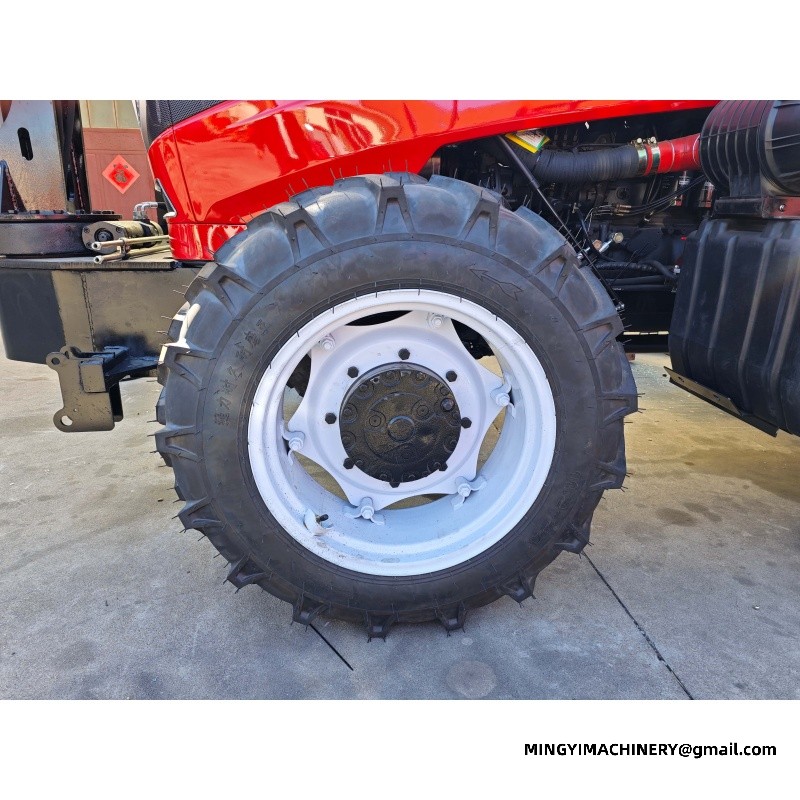
Clutch and linkage adjustment is routine. Keeping the shuttle and the hitch on the unit in daily use correctly adjusted protects the gearbox and gives the operator the control needed for accurate implement work.
Filters, belts and fluids are the whole of the routine. Keeping to the published intervals on the equipment on site is the simplest reliability measure available, and most field failures trace back to something that was not checked.
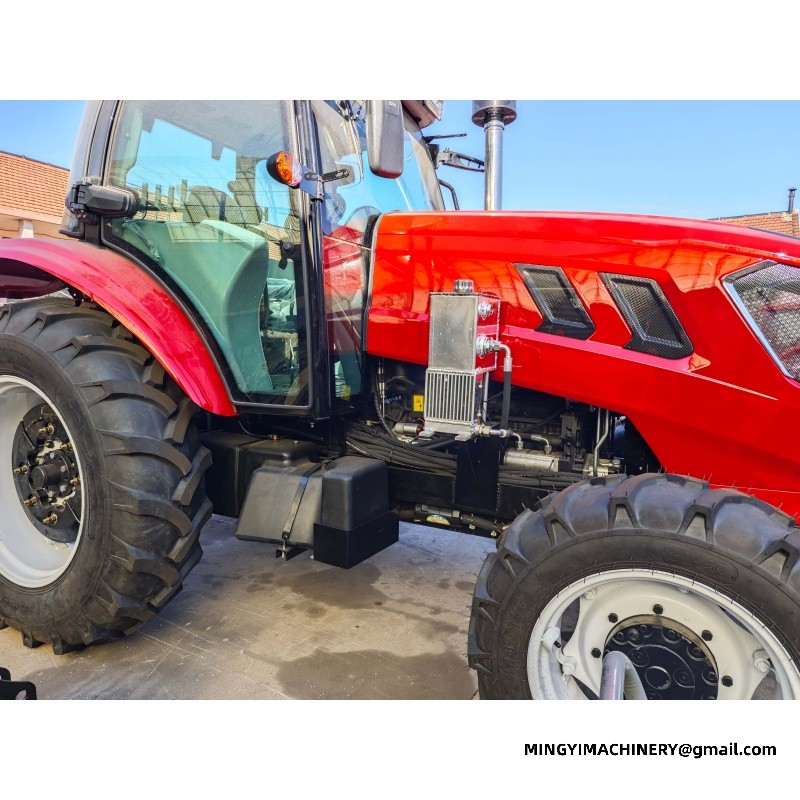
Standardising where possible simplifies everything downstream. When several units of the model in question share a service schedule and a parts list, the fleet becomes easier to plan and easier to sell on at replacement time.
Power is chosen against the heaviest implement, not the average one. Specifying the unit on the job from the largest implement the farm will pull avoids a tractor that is well matched most of the year and short for a fortnight.
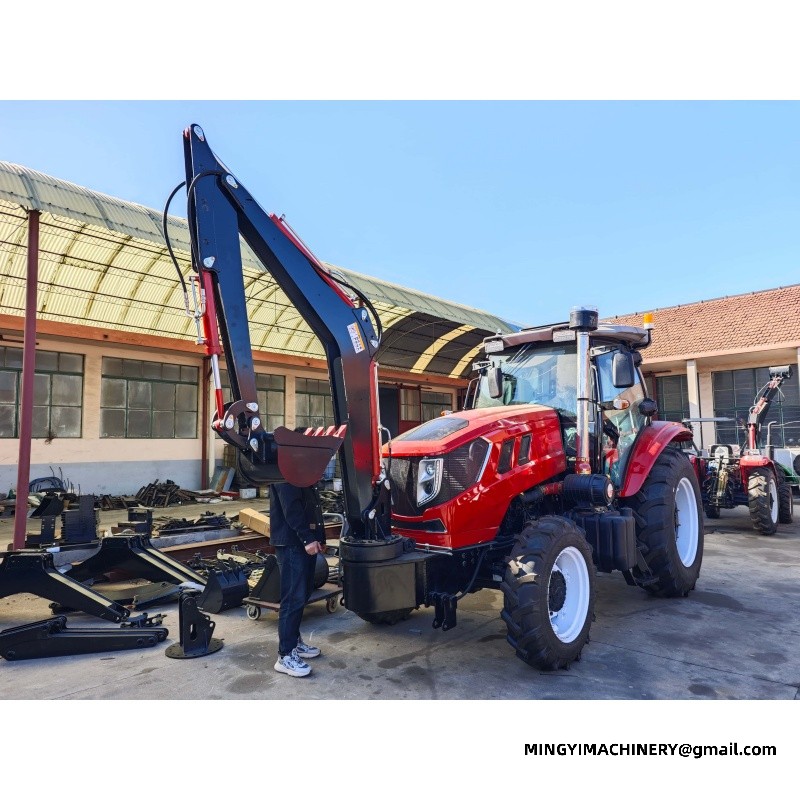
Machine productivity depends on what happens around it. Deliveries, other trades and the sequence of work decide how much of the shift the equipment in service spends actually working rather than waiting. Access and storage are worth settling early. Where the tractor will be parked, refuelled and serviced on site affects the working day more than most specification details, and it takes nothing to plan. Sequencing avoids rework. Doing the work in the order that suits the ground and the following trades keeps this class of machine productive and prevents finishing a task that then has to be opened up again.
Resale starts at purchase. Specification choices, service records and the condition of wearing parts are what a buyer looks at, and the unit in daily use that has been maintained on schedule is worth more than one that merely looks clean.
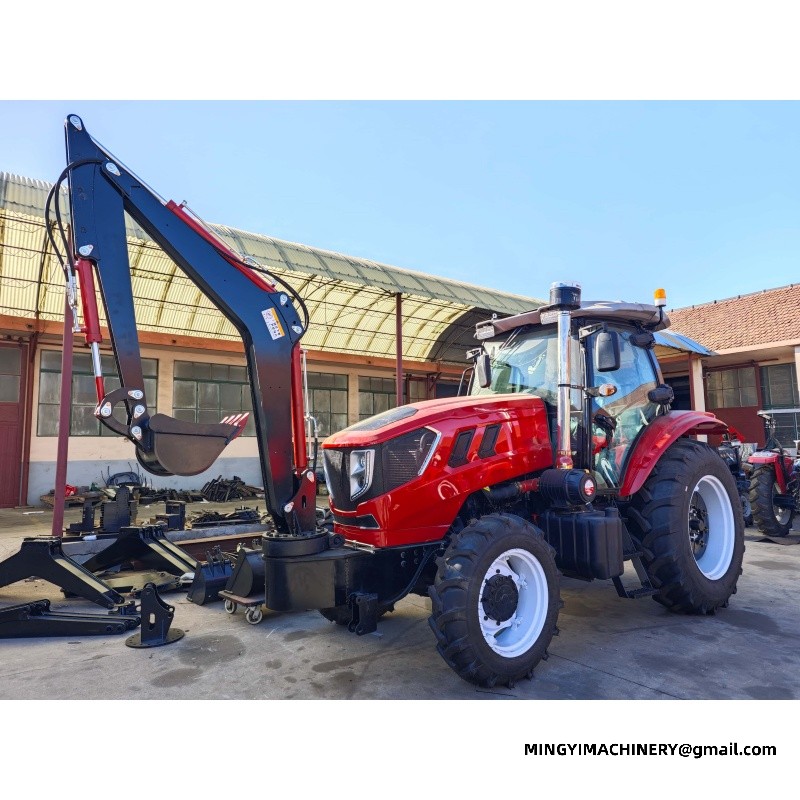
Machine output varies more between operators than between brands. Smooth, planned movements put less load on the structure and use less fuel, and that difference is visible on the hour meter and in the service bills for a machine of this size. Familiarisation should cover the limits as well as the controls. Knowing where the equipment on site loses stability, how it behaves at full reach, and what the warning lights mean prevents the incidents that are put down to bad luck.
Cleaning is maintenance, not appearance. Washing the cooling surfaces and clearing packed material from the model in question keeps temperatures where they should be and makes the next inspection quicker and more useful. Sealed points and guarded areas deserve a look in these conditions. The machine in that duty working in abrasive dust benefits from checked boots, intact guards and clean breathers, all of which are quick to verify.
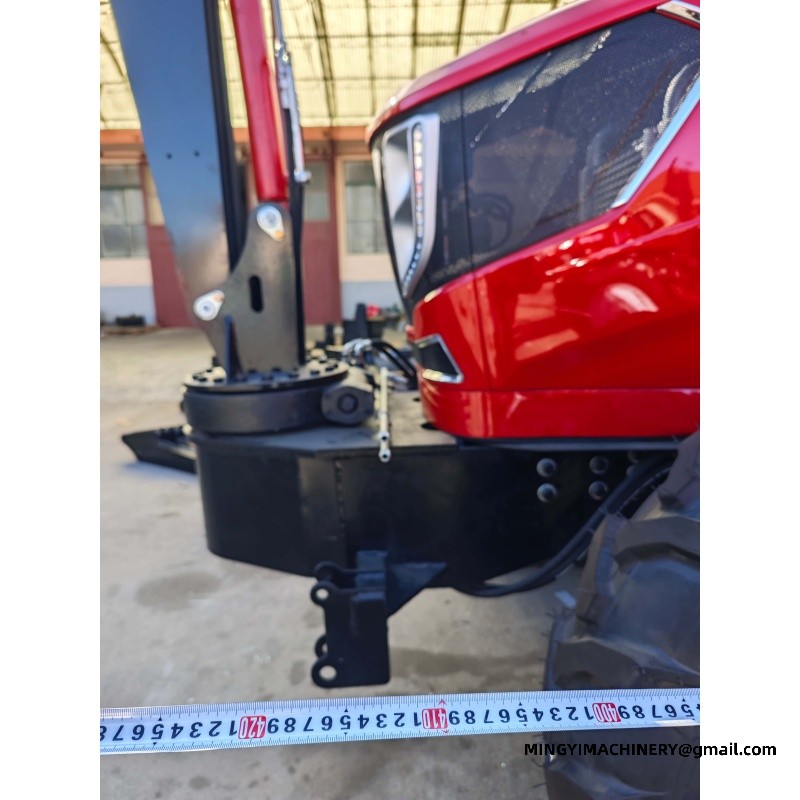
Track width follows the crop. A machine built for the work set to the row width works between standing crop without damage, and adjustable track is the feature that lets one machine do both row work and general haulage.
The models below are the four-wheel drive wheel tractors most often matched to this work. Overall size, tyre sizes and operating weight are confirmed together, because the row width and the implement list decide those before the power rating does.
| Model | Overall size | Tyres | Operating weight |
|---|---|---|---|
| 704 mid frame | 3.2 x 1.5 x 2.05 m, track adjustable | front 750-16 rear 11.2-28 | — |
| 604 mid frame | 3.1 x 1.45 x 1.95 m, track adjustable | front 650-16 rear 11.2-24 | 1600 KG |
| 504 mid frame | 3.1 x 1.5 x 1.97 m, track adjustable | front 650-16 rear 11.2-24 | 1450 kg |
| 904 mid frame | 3.1 x 1.5 x 2.05 m, track adjustable | — | 1600 KG |
| 804 mid frame | 3.2 x 1.5 x 2.05 m, track adjustable | front 750-16 rear 11.2-28 | 1500 KG |
| 804 wheel tractor | 2.4 x 1.3 x 1.3 m, track adjustable | front 600-12 rear 9.5-16 | — |
| 604 wheel tractor | 2.4 x 1.3 x 1.3 m, track adjustable | front 600-12 rear 9.5-16 | 1270 kg |
| 504 wheel tractor | 2.4 x 1.3 x 1.3 m, track adjustable | front 600-12, rear 9.5-16 | — |
| Item | Note |
|---|---|
| Engine by power band | 50/60 hp: 490Engine ; 70/80 hp: 490turboEngine |
| PTO | Rear PTO at 540 / 720 rpm drives implements directly; the gearbox and shuttle shift are specified with the implement list. |
| Ballast and canopy | Front and rear ballast blocks and a sun canopy are fitted to suit the heaviest implement the tractor will pull. |
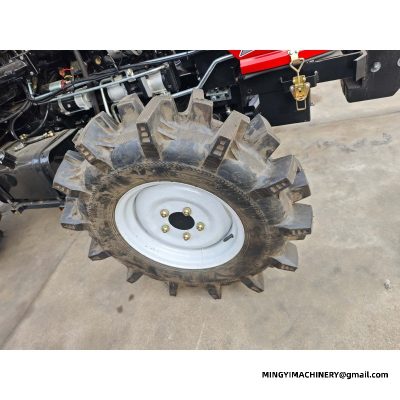
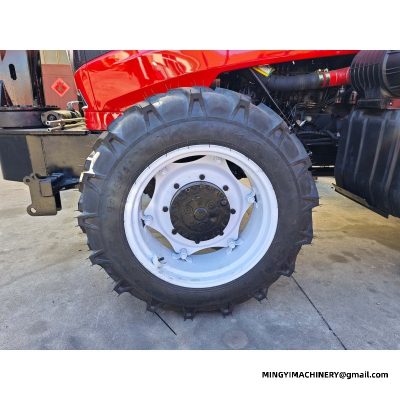
| Tyre options | Front and rear tyre sizes can be changed at build; wider rear tyres suit soft ground and narrow fronts suit row crop work. |
Inspection is a list, not a glance. Before the unit in daily use is released the fluid levels, belt tension, electrical connections and safety decals are each ticked off, and anything that fails stays in the shop rather than travelling with the machine.
Transport shakes things loose. A short check of the equipment on site after the crate is opened, covering the same points the pre-delivery inspection covered, is the most useful insurance available on delivery day.
A good handover covers the awkward cases, not just the easy ones. Starting the model in question on a slope, turning in a confined space and recovering from soft ground are the situations an operator should meet first with someone beside them.
Service history also protects the warranty position. Evidence that the unit on the job was maintained at the specified intervals and with the specified fluids settles questions that would otherwise be argued.
A cold start is easier when the machine is prepared the night before. The routine that keeps the equipment in service working through winter is mostly a matter of fuel, battery and patience in the first ten minutes of the day.
Shared machines need shared habits. Two operators on this class of machine should do the same daily checks in the same order, because the check that one person skips is the check that eventually matters.
Later changes are easier when they were anticipated. Asking for the extra hydraulic circuit or the heavier mounting plate on a machine of this size at build time adds little and leaves the option open.
Every line above comes from the build sheet for the equipment on site, and the final configuration is confirmed against the working conditions and the destination before production.
E-mail:sales@mingycn.com
LINE(ID):mingyicn