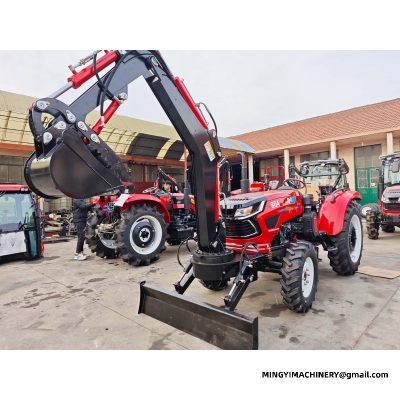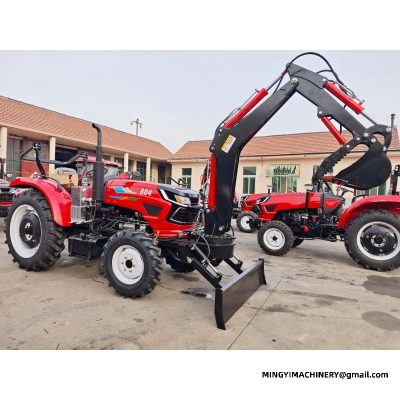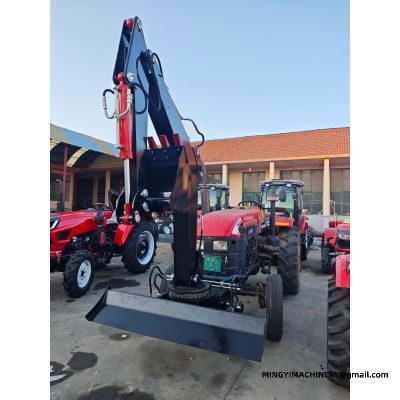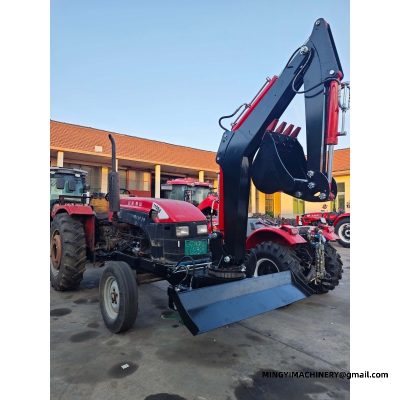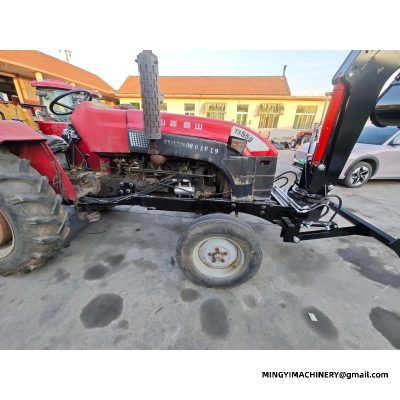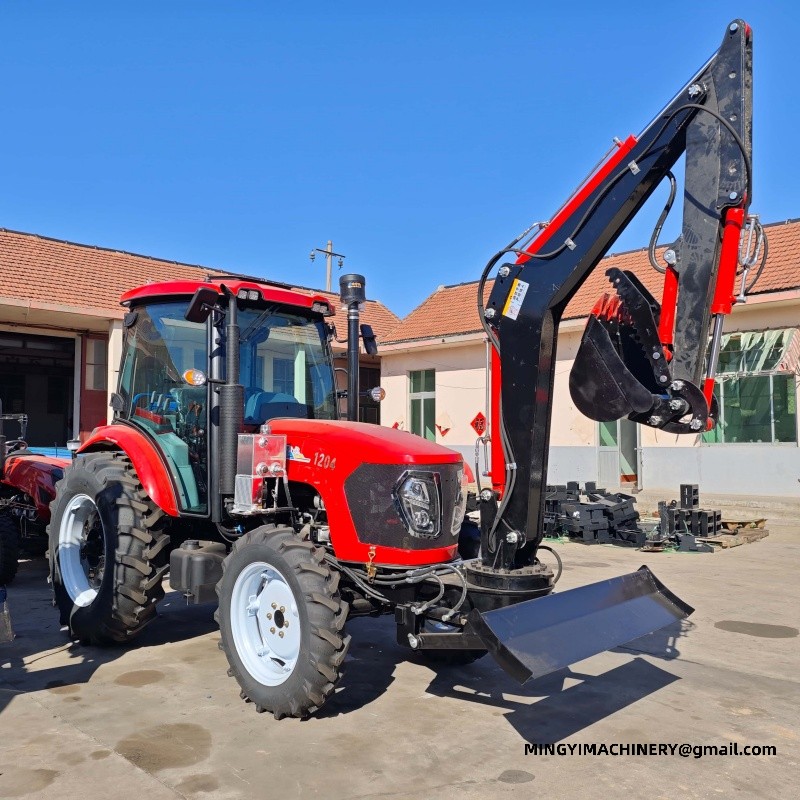
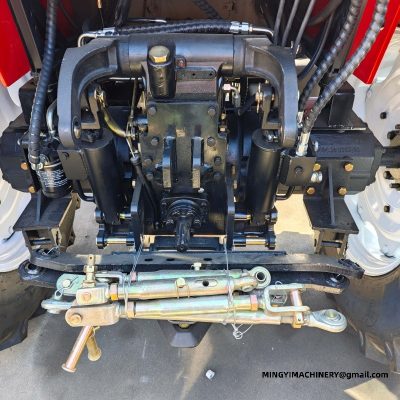
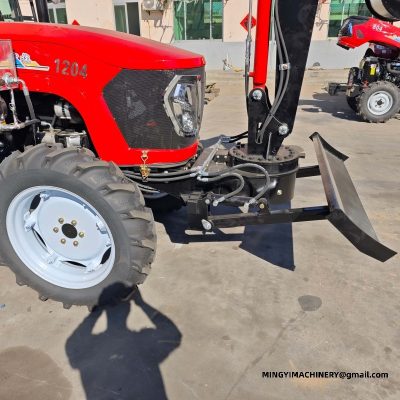
Two buyers can order the tractor for the same nominal job and receive different machines, because the ground and the access decide more than the workload does. The sections below explain which questions separate the two cases.
Standing still is hard on machinery. This class of machine left for weeks benefits from a clean, dry, covered space, a charged battery and a fuel system prepared for the layoff, and all three effort very little. Before-storage preparation prevents most return-to-work faults. Draining or treating fuel, protecting exposed rods and relieving pressure where the maker specifies it are the items worth an hour when the unit in daily use is parked. A periodic start is better than none. Running a machine of this size to operating temperature during a long layoff keeps seals and the charging system in better condition than leaving it untouched until the next job.
Lead time is part of the specification. Confirming build time, shipping method and what is included before ordering the equipment on site prevents the common gap between when the machine is needed and when it can arrive. The order should state the configuration in writing. Engine, attachments, colour, documents and any market requirement are clearer on the build sheet for the machine itself than in a conversation after delivery.
Support after delivery is a parts question. Filters, belts, hoses and the wearing items specific to the model in question are what a buyer should plan to hold before the first service interval rather than order after a failure. Remote diagnosis shortens most faults. A walk-around on video with the panels open often identifies the cause on the machine in that duty without waiting for a visit, and avoids shipping a part that turns out not to be needed.
Owners who work across several sites should check the transport dimensions before ordering. The unit on the job that fits a standard trailer can be moved by any operator with a suitable vehicle, while an over-width machine narrows that choice and complicates every move.
Commissioning is the point where most avoidable issues are found. Checking levels, fasteners and function on a machine built for the work before it goes to work takes an hour and prevents a claim conversation later. Warranty terms are clearer when they are read before purchase. Knowing what is covered, what counts as a wearing item and what documentation is required makes a claim on the equipment in service straightforward rather than contested. Early faults are usually simple. The tractor that behaves differently in its first few hours is more often mis-set than defective, and a call to the supplier at that point usually resolves it the same day.
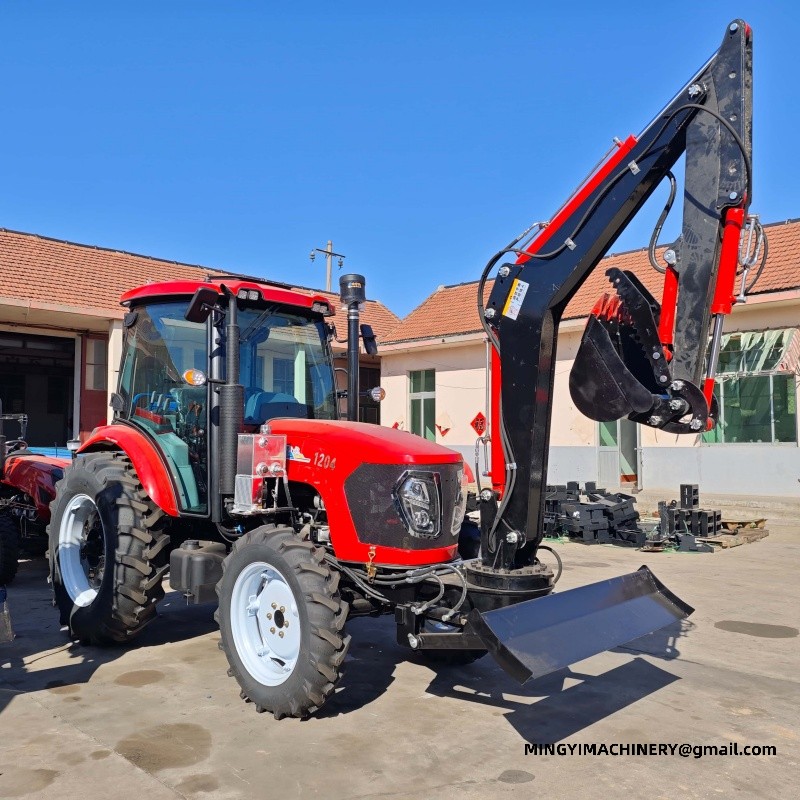
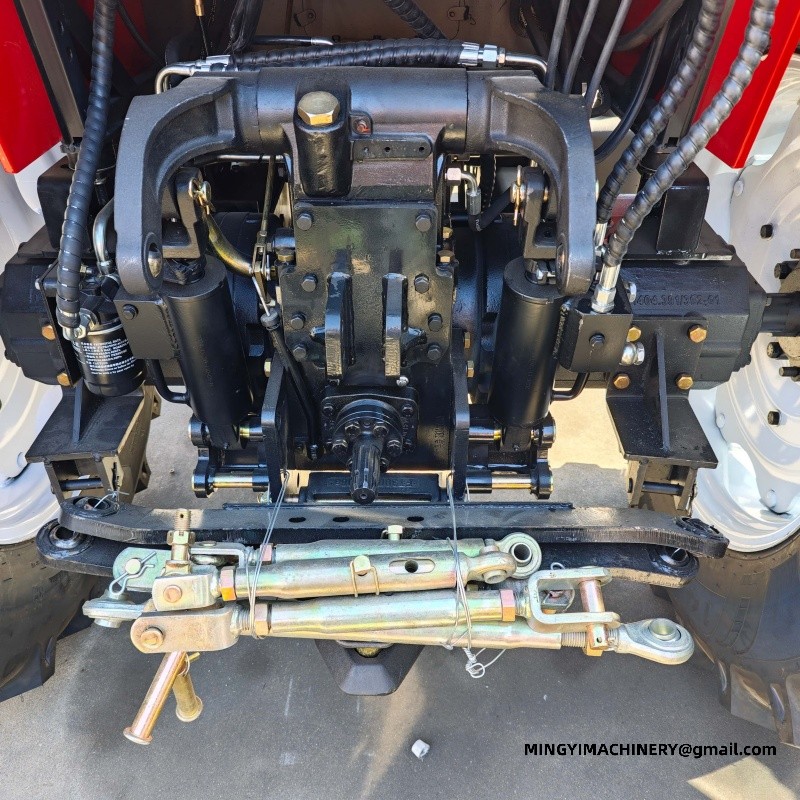
Width and weight both matter. An implement that suits the power of this class of machine can still be wrong if it is too wide for the gateway or too heavy for the linkage, and both are simple to check in advance. Hitch category and PTO shaft should be confirmed at build. Getting these right on the unit in daily use means every implement on the farm connects without an adapter, which is a daily saving rather than a one-off convenience.
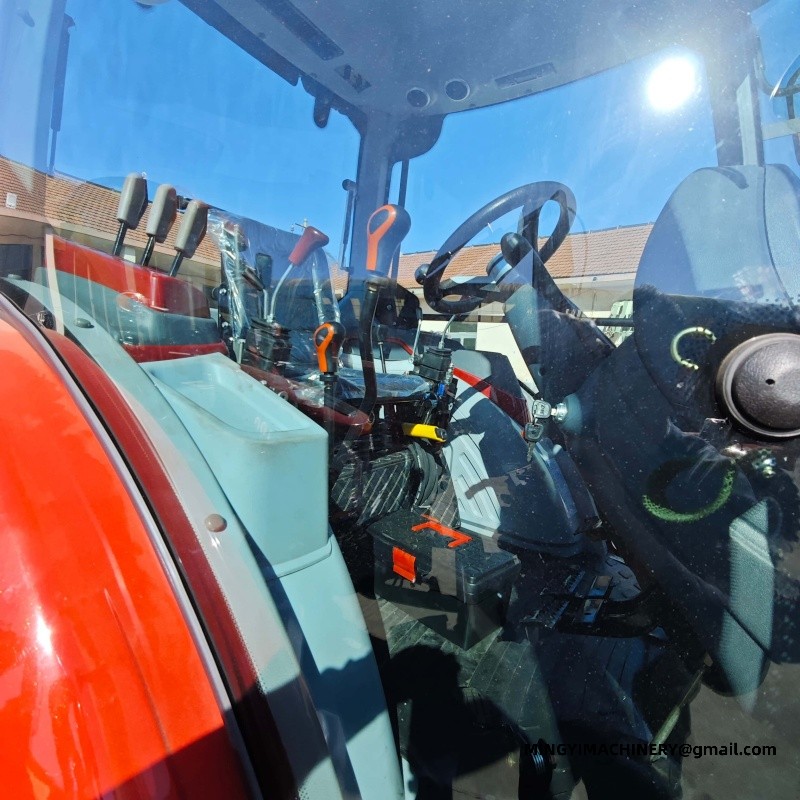
Handover should include the documents as well as the keys. Parts list, service schedule and the operator notes for a machine of this size are what the workshop needs in month six, and they are much harder to obtain later. Keeping the manuals where they can be reached matters. The equipment on site whose documents stay with the machine gets serviced on schedule; one whose paperwork was filed elsewhere tends to run on memory instead.
Container loading is a planning exercise. Confirming how the machine itself is packed and how many units fit a container is what turns a per-unit freight estimate into a delivered figure the buyer can actually plan against.
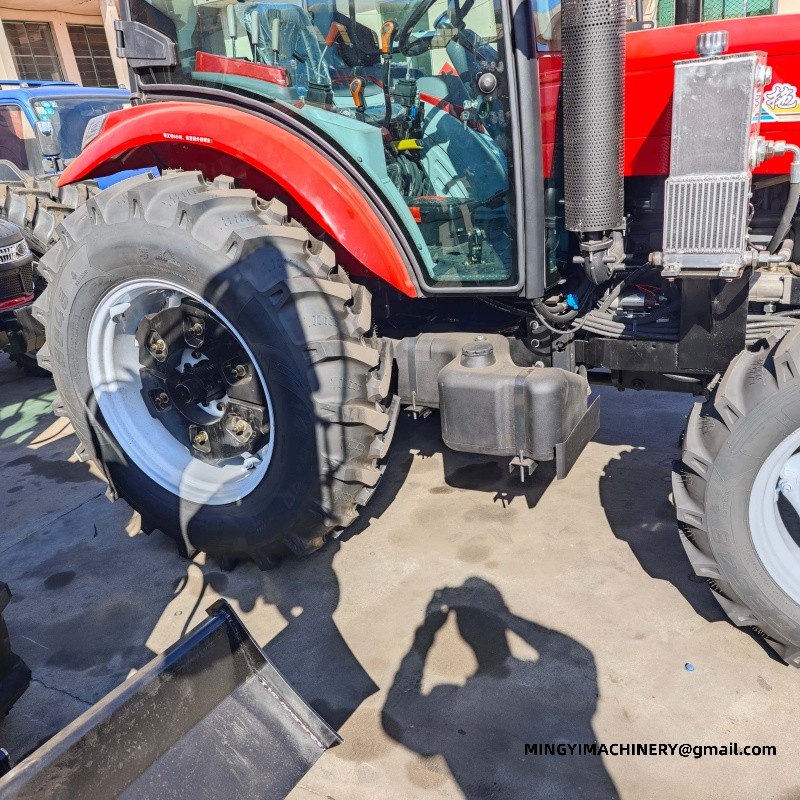
Hydraulic capacity decides what the hitch can do. The lifter on the machine in that duty has to raise the heaviest implement with the linkage geometry the farm uses, and that is a specification rather than an assumption. The valve arrangement is worth thinking through. Enough spools and circuits on the unit on the job to run the implement and the trailer brake at the same time removes the daily compromise of swapping hoses.
Slopes and edges deserve a separate check. The equipment in service that is stable on level ground behaves differently across a gradient, and the safe working angle is a number worth knowing rather than estimating.
Working after daylight changes the risk. Lighting coverage on the class of machine and across the working area, plus high-visibility clothing for anyone on foot, are the items that make low-light work practical.
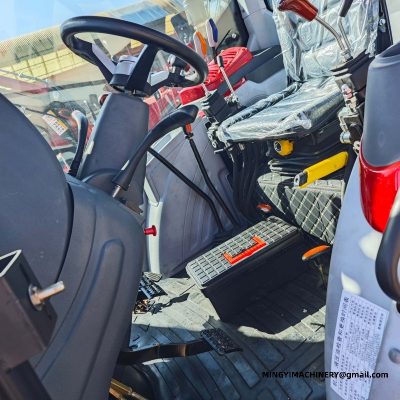
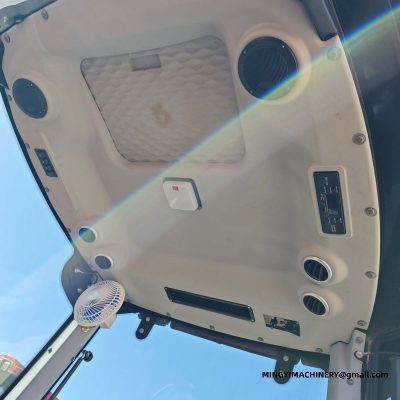
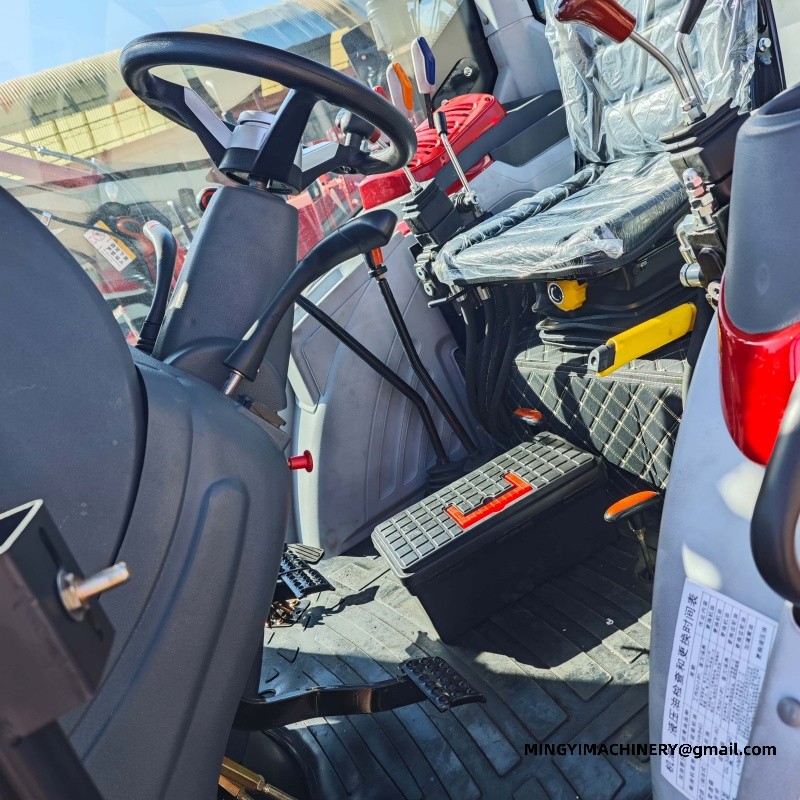
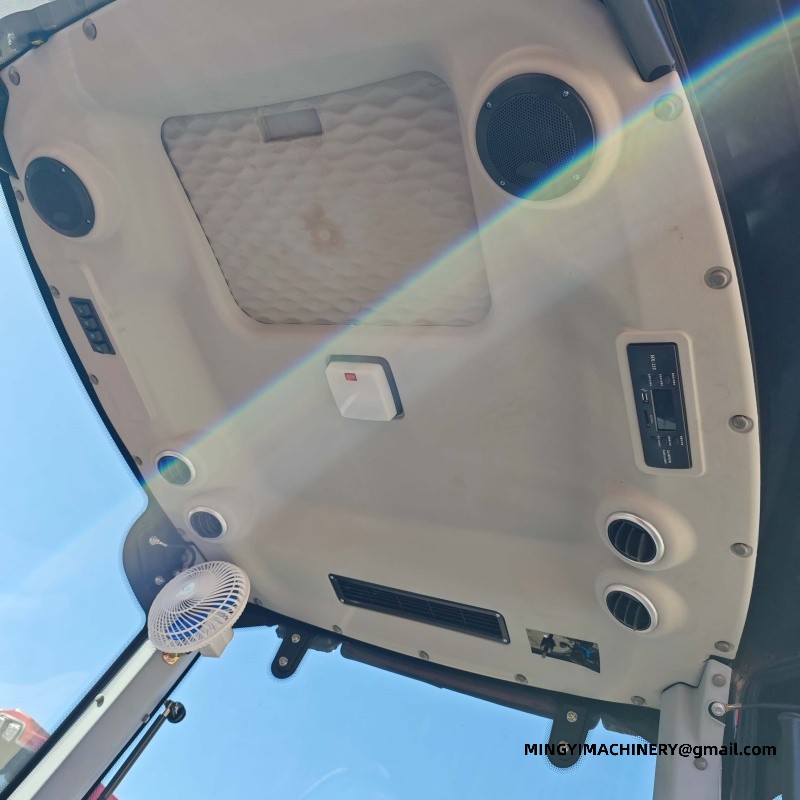
Comfort is a productivity item. A machine of this size with a sun canopy, a usable seat and controls that fall to hand lets an operator work a full day, and the difference shows in the quality of the last hour.
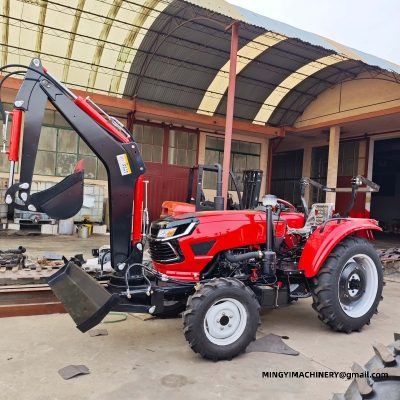
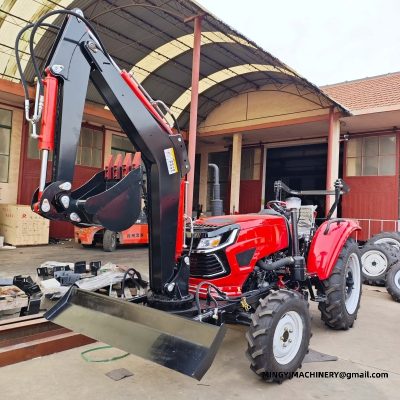
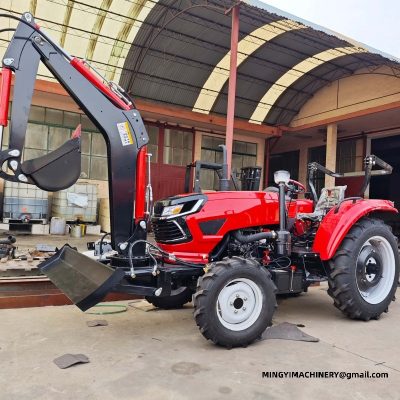
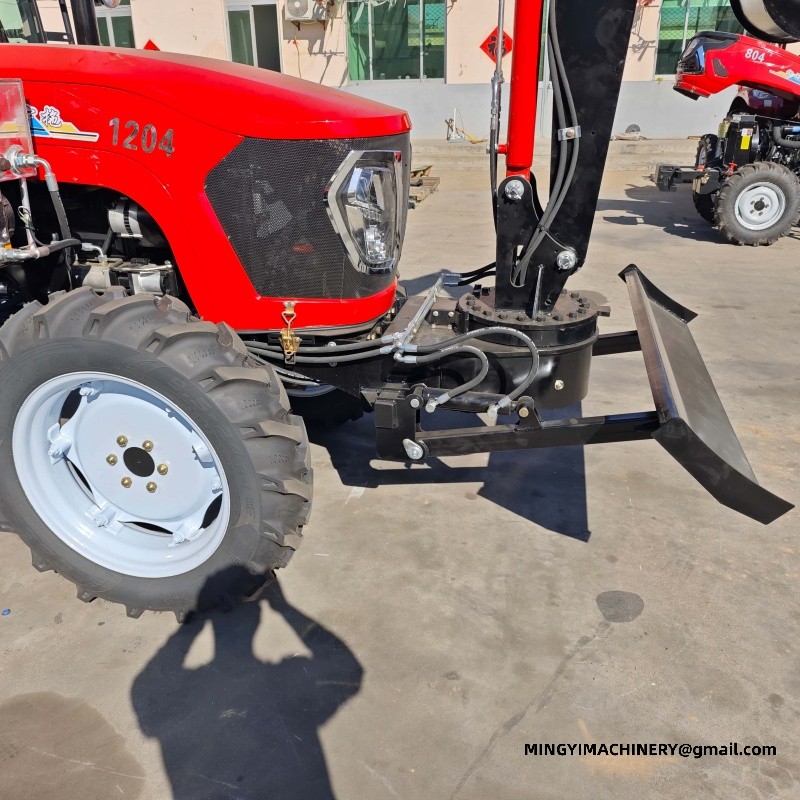
The base machine is only as useful as the tool on the end of it. Matching the attachment to the task - rather than to what arrived with the machine - is what lets one the model in question cover several jobs across a week. Attachment decisions are best made before delivery. Specifying hydraulics and couplers at build time is simpler than adding them later, and it avoids the downtime of a workshop visit in the first month. Most owners find that the second attachment changes how often the machine is used. The machine itself that was bought for one task often becomes the general machine on site once a second tool is available.
Resale starts at purchase. Specification choices, service records and the condition of wearing parts are what a buyer looks at, and the machine in that duty that has been maintained on schedule is worth more than one that merely looks clean. Replacement timing is a planning decision. Knowing the intended working life of the unit on the job lets an owner sell while the machine still has value rather than after a major repair becomes due.
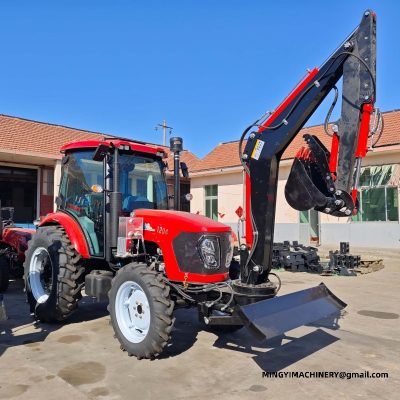
The models below are the four-wheel drive wheel tractors most often matched to this work. Overall size, tyre sizes and operating weight are confirmed together, because the row width and the implement list decide those before the power rating does.
| Model | Overall size | Tyres | Operating weight |
|---|---|---|---|
| 804 wheel tractor | 2.4 x 1.3 x 1.3 m, track adjustable | front 600-12 rear 9.5-16 | — |
| 504 mid frame | 3.1 x 1.5 x 1.97 m, track adjustable | front 650-16 rear 11.2-24 | 1450 kg |
| 704 mid frame | 3.2 x 1.5 x 2.05 m, track adjustable | front 750-16 rear 11.2-28 | — |
| 804 mid frame | 3.2 x 1.5 x 2.05 m, track adjustable | front 750-16 rear 11.2-28 | 1500 KG |
| 604 wheel tractor | 2.4 x 1.3 x 1.3 m, track adjustable | front 600-12 rear 9.5-16 | 1270 kg |
| 504 wheel tractor | 2.4 x 1.3 x 1.3 m, track adjustable | front 600-12, rear 9.5-16 | — |
| 604 mid frame | 3.1 x 1.45 x 1.95 m, track adjustable | front 650-16 rear 11.2-24 | 1600 KG |
| 904 mid frame | 3.1 x 1.5 x 2.05 m, track adjustable | — | 1600 KG |
| Item | Note |
|---|---|
| PTO | Rear PTO at 540 / 720 rpm drives implements directly; the gearbox and shuttle shift are specified with the implement list. |
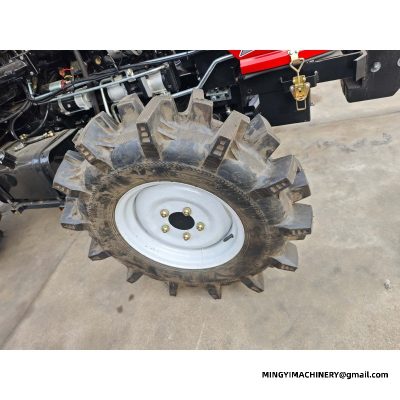
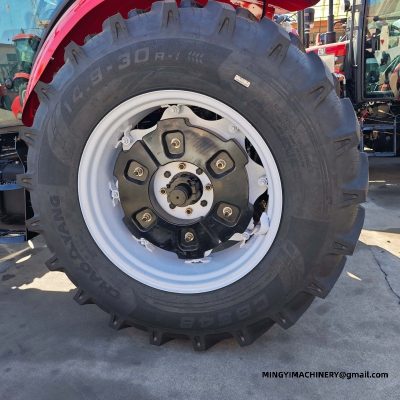
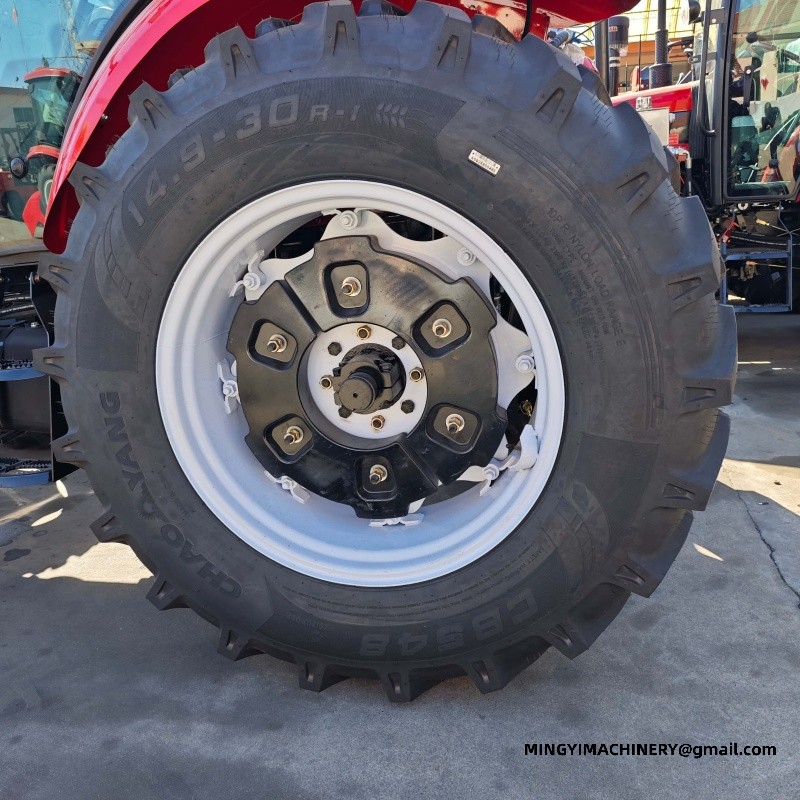
| Tyre options | Front and rear tyre sizes can be changed at build; wider rear tyres suit soft ground and narrow fronts suit row crop work. |
| Engine by power band | 50/60 hp: 490Engine ; 70/80 hp: 490turboEngine |
| Ballast and canopy | Front and rear ballast blocks and a sun canopy are fitted to suit the heaviest implement the tractor will pull. |
Shared machines need shared habits. Two operators on this class of machine should do the same daily checks in the same order, because the check that one person skips is the check that eventually matters.
A clear parts book saves more time than any other document. When a machine of this size needs a replacement, the illustration and the part number are what turn a phone call into a shipment instead of a description.
Most engine trouble starts with what went into the tank. Clean fuel, stored properly and filtered before it reaches the machine itself, prevents more downtime than any other single habit an owner can adopt.
The first hour on site should be slow. Before the machine in that duty is put to work the fluid levels are rechecked after transport, the fasteners are gone over and the machine is run light so that anything loosened in transit shows up early.
An added function should pay for itself quickly. Whether a machine built for the work gains a different bucket, a hydraulic service or a protection package, the test is the number of days a year it is actually used.
The record should follow the machine, not the owner. When the tractor changes hands the service history travels with it, and a complete folder is often the difference between a quick sale and a long one.
A cold start is easier when the machine is prepared the night before. The routine that keeps the unit in daily use working through winter is mostly a matter of fuel, battery and patience in the first ten minutes of the day.
Every line above comes from the build sheet for a machine of this size, and the final configuration is confirmed against the working conditions and the destination before production.
E-mail:sales@mingycn.com
LINE(ID):mingyicn