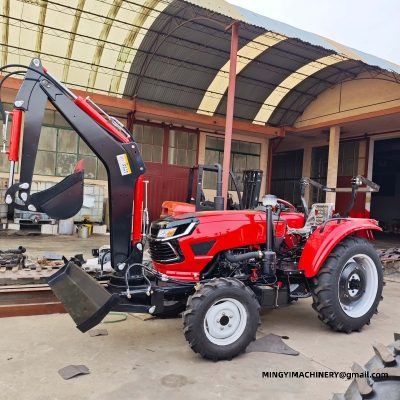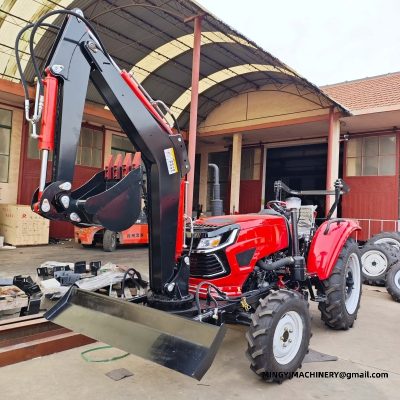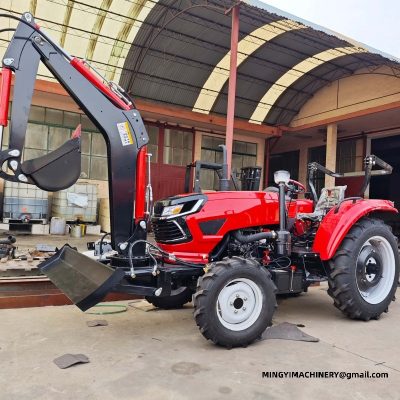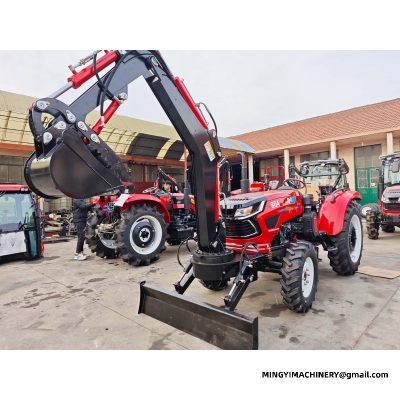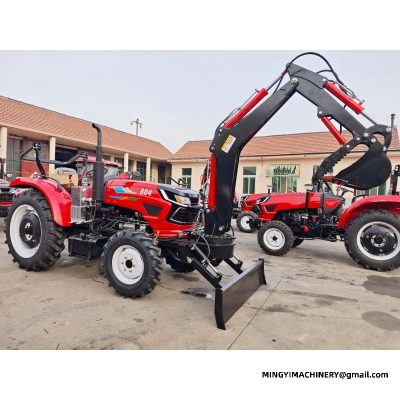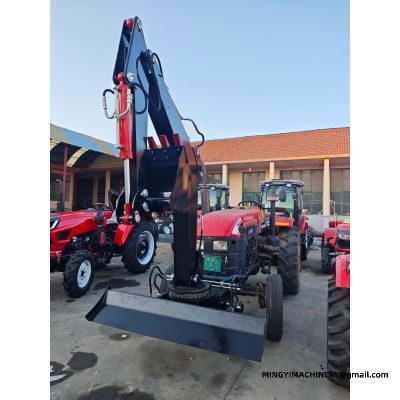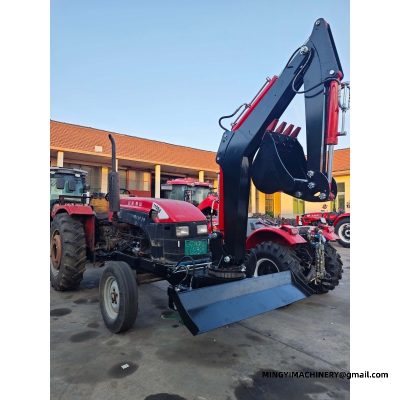
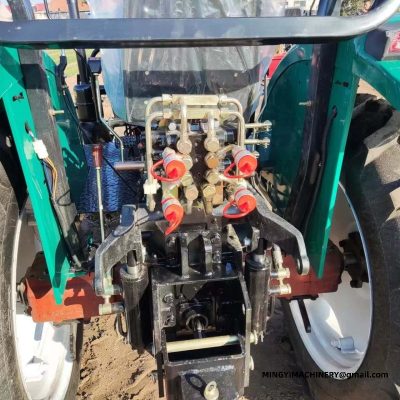
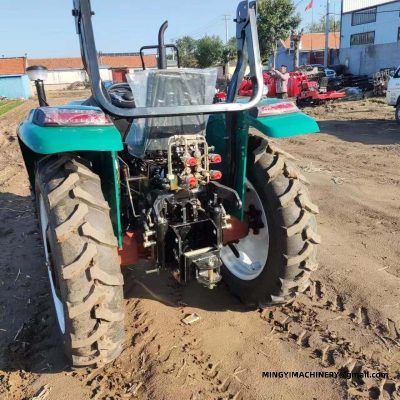
Every the tractor leaves the shop configured for a particular buyer. This page explains the choices that configuration involves, covering frame, power, running gear, cab and attachments, and what each one means once the machine is on site.
Machine output varies more between operators than between brands. Smooth, planned movements put less load on the structure and use less fuel, and that difference is visible on the hour meter and in the service bills for this class of machine. A short handover pays for itself. Operators who understand why the unit in daily use is set up the way it is will report a change in behaviour early, which is usually the point where a repair is simplest.
Lead time is part of the specification. Confirming build time, shipping method and what is included before ordering a machine of this size prevents the common gap between when the machine is needed and when it can arrive. Delivery planning includes the receiving end. Knowing whether the equipment on site will be craned, driven or forked off, and whether the site can accept it, is settled before dispatch rather than on the day.
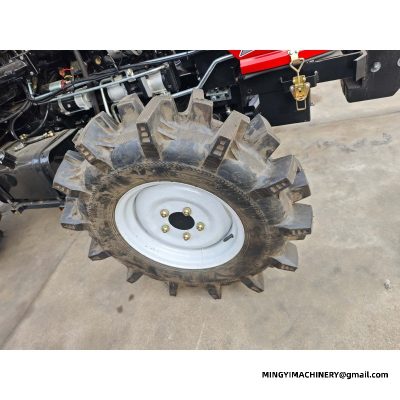
Tyre choice is the simplest traction improvement available. Correct sizes and the right tread on the machine itself put more of the power on the ground, and a slip figure that looks acceptable is still lost work every hour. Ballast is part of the specification. Weights on the front and rear of the model in question keep the axle loads correct when a heavy implement is lifted, and an unballasted tractor is unstable as well as inefficient.
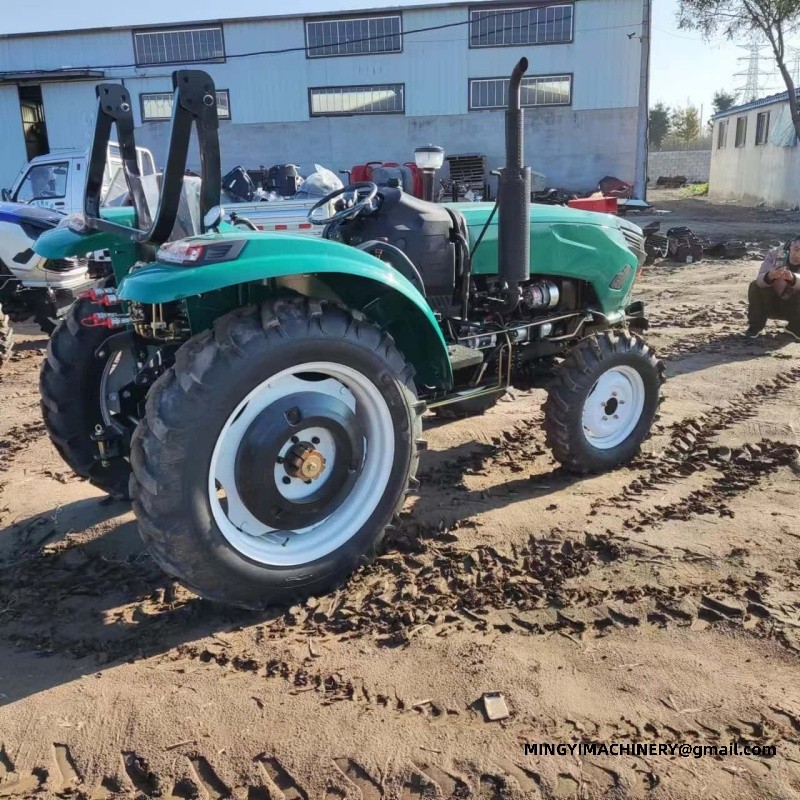
Traction and flotation are two separate questions. The machine in that duty may have the power for a slope and still not have the grip, so the surface, not the engine rating, is usually what limits the working day.
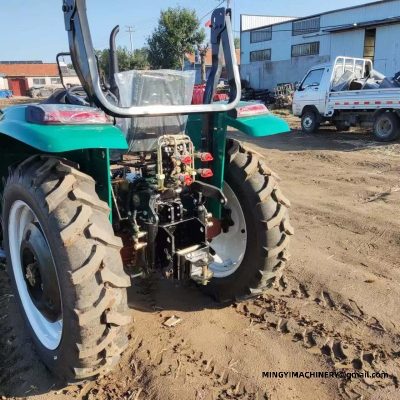
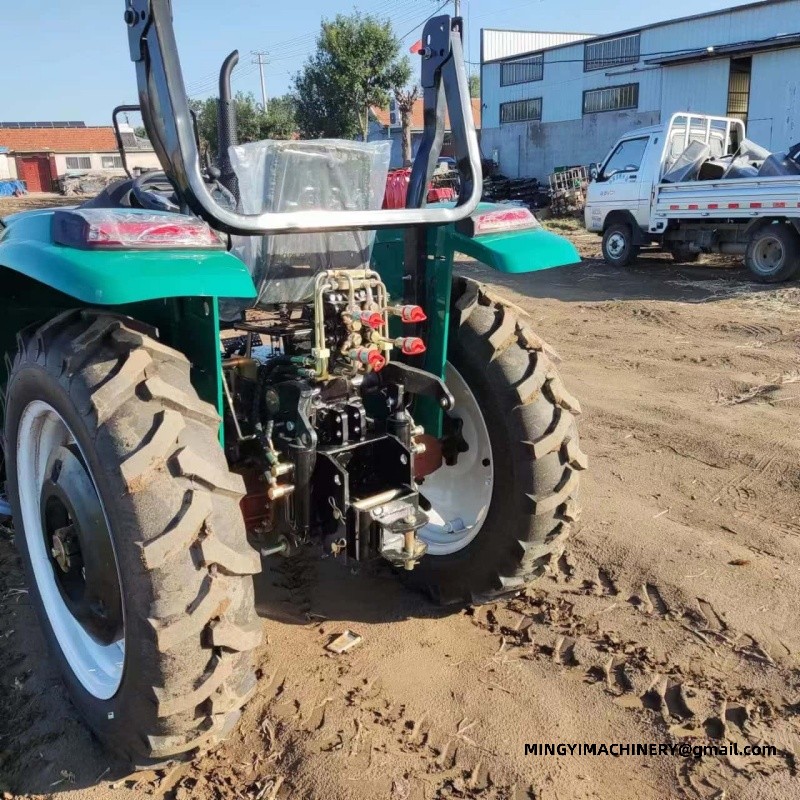
The valve arrangement is worth thinking through. Enough spools and circuits on the unit on the job to run the implement and the trailer brake at the same time removes the daily compromise of swapping hoses.
Moving the machine is part of owning it. Overall length, width and height decide which trailer or container a machine built for the work fits, and a machine that needs a permit or an abnormal load escort is a machine with a delivery delay built in. Owners who work across several sites should check the transport dimensions before ordering. The equipment in service that fits a standard trailer can be moved by any operator with a suitable vehicle, while an over-width machine narrows that choice and complicates every move. Shipping dimensions matter as much on export orders as they do locally. Confirming the packed size of the tractor before booking avoids re-booking freight after the machine is built.
Machine productivity depends on what happens around it. Deliveries, other trades and the sequence of work decide how much of the shift this class of machine spends actually working rather than waiting. Access and storage are worth settling early. Where the unit in daily use will be parked, refuelled and serviced on site affects the working day more than most specification details, and it takes nothing to plan.
Personal protective equipment and a stop rule are simple controls. Agreeing before work starts that anyone can stop the job is the single measure that most often prevents a serious incident near a machine of this size.
Reconfiguration can extend the useful life of a machine. The machine itself that no longer suits the current work may suit it again with a different attachment, guarding or control arrangement. Upgrades should be checked against the base machine. Hydraulic capacity, mounting interface and stability all limit what can reasonably be added to the model in question, and confirming those limits avoids an unsatisfactory result.
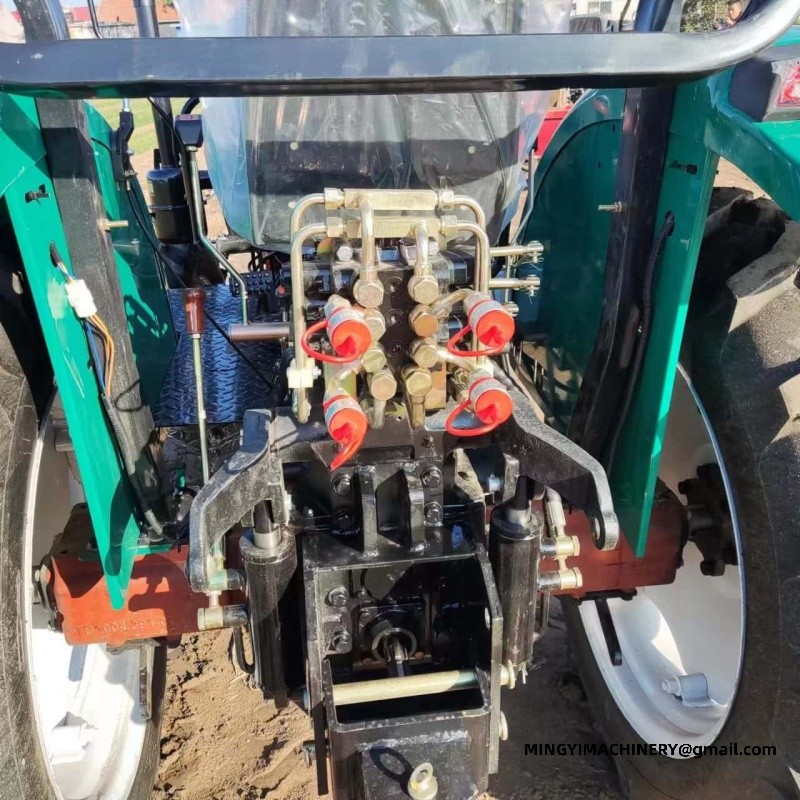
Attachment decisions are best made before delivery. Specifying hydraulics and couplers at build time is simpler than adding them later, and it avoids the downtime of a workshop visit in the first month.
A short familiarisation session prevents the early faults. Most first-month problems on a machine built for the work come from unfamiliarity with controls, limits or checks rather than from the machine itself. Keeping the manuals where they can be reached matters. The equipment in service whose documents stay with the machine gets serviced on schedule; one whose paperwork was filed elsewhere tends to run on memory instead.
Support after delivery is a parts question. Filters, belts, hoses and the wearing items specific to this class of machine are what a buyer should plan to hold before the first service interval rather than order after a failure. Parts availability usually decides the engine and the brand. A machine built around components the local network already carries is serviced from stock, which is the difference between a day lost and a week lost. Remote diagnosis shortens most faults. A walk-around on video with the panels open often identifies the cause on the unit in daily use without waiting for a visit, and avoids shipping a part that turns out not to be needed.
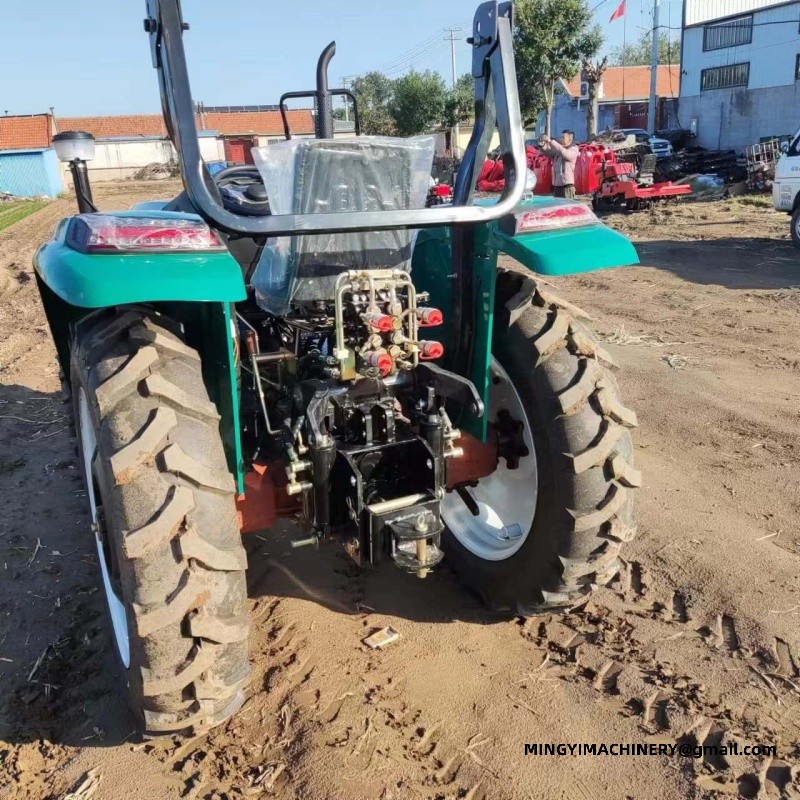
The specification should be written from the job backwards. Listing the loads, the ground and the hours first, then matching the machine itself to that list, avoids buying capacity the work never uses and avoids discovering a shortfall in the first week. Buyers who specify the model in question on paper before enquiring get specifications that can be compared. Without that list, two suppliers will propose two different machines and the simpler one is usually the smaller one, not the better value. A written duty list is the simplest part of the purchase. It takes an hour to note the material, the distance, the gradient and the hours per week, and it is what turns the equipment on site enquiry into a machine that fits.
Certain parts are designed to be consumed. Knowing which items on the unit on the job are wearing parts, and roughly how long they last in the duty the machine sees, turns replacement into a plan rather than a breakdown.
Hitch category and PTO shaft should be confirmed at build. Getting these right on the equipment in service means every implement on the farm connects without an adapter, which is a daily saving rather than a one-off convenience.
Service intervals exist because wear is predictable. Following the maker schedule on this class of machine takes far less time than repairing the damage that follows a missed oil change or a filter left in place past its life.
Carrying and travelling with a load needs its own plan. Speed, gradient and surface all matter more once a machine of this size is loaded, and the safe combination is the conservative one.
Hour planning helps at resale as well. The machine itself with a recorded service history and a sensible hour count is easier to sell than one with the same hours and no records, whatever its condition.
Build options are where a standard machine becomes the right machine. Colour, guarding, lighting, seating and hydraulic provisions can usually be set at build time on the machine in that duty, and are far simpler then than as a retrofit.
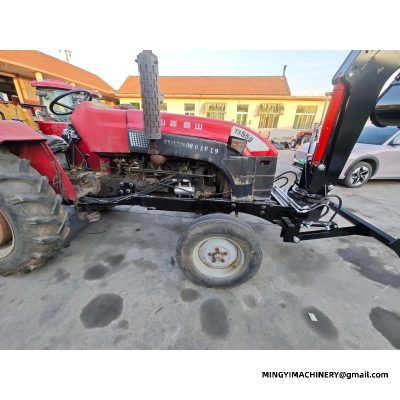
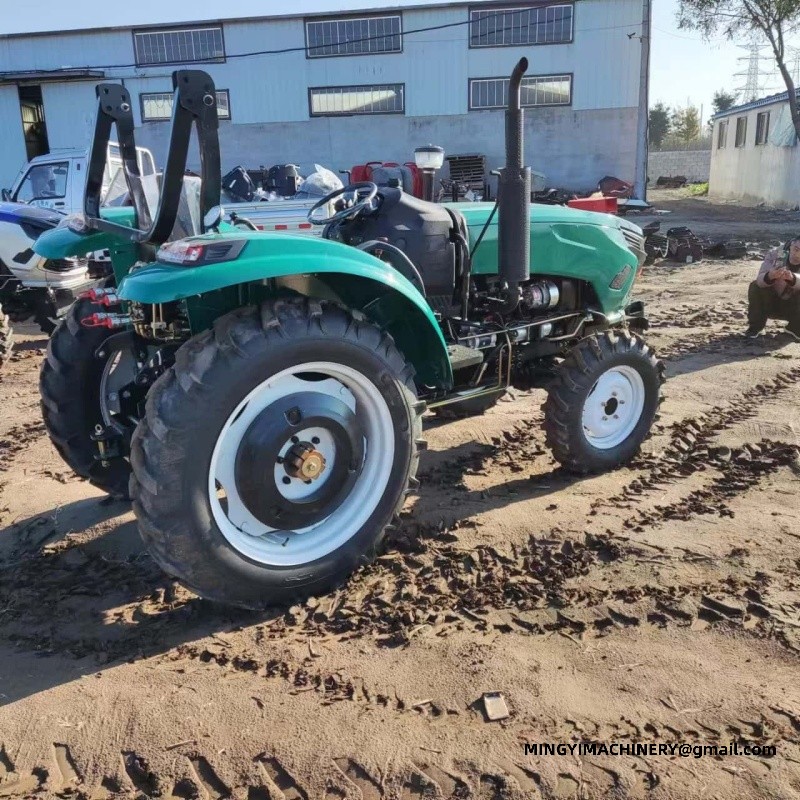
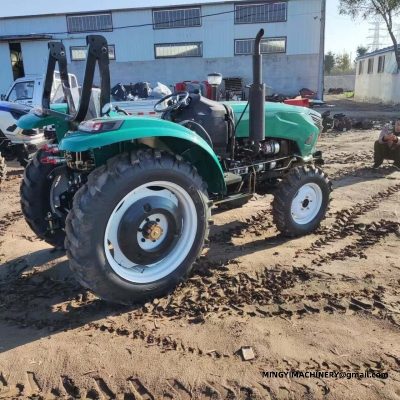
The models below are the four-wheel drive wheel tractors most often matched to this work. Overall size, tyre sizes and operating weight are confirmed together, because the row width and the implement list decide those before the power rating does.
| Model | Overall size | Tyres | Operating weight |
|---|---|---|---|
| 804 wheel tractor | 2.4 x 1.3 x 1.3 m, track adjustable | front 600-12 rear 9.5-16 | — |
| 904 mid frame | 3.1 x 1.5 x 2.05 m, track adjustable | — | 1600 KG |
| 804 mid frame | 3.2 x 1.5 x 2.05 m, track adjustable | front 750-16 rear 11.2-28 | 1500 KG |
| 604 mid frame | 3.1 x 1.45 x 1.95 m, track adjustable | front 650-16 rear 11.2-24 | 1600 KG |
| 504 wheel tractor | 2.4 x 1.3 x 1.3 m, track adjustable | front 600-12, rear 9.5-16 | — |
| 604 wheel tractor | 2.4 x 1.3 x 1.3 m, track adjustable | front 600-12 rear 9.5-16 | 1270 kg |
| 704 mid frame | 3.2 x 1.5 x 2.05 m, track adjustable | front 750-16 rear 11.2-28 | — |
| 504 mid frame | 3.1 x 1.5 x 1.97 m, track adjustable | front 650-16 rear 11.2-24 | 1450 kg |
| Item | Note |
|---|---|
| Tyre options | Front and rear tyre sizes can be changed at build; wider rear tyres suit soft ground and narrow fronts suit row crop work. |
| Ballast and canopy | Front and rear ballast blocks and a sun canopy are fitted to suit the heaviest implement the tractor will pull. |
| PTO | Rear PTO at 540 / 720 rpm drives implements directly; the gearbox and shuttle shift are specified with the implement list. |
| Engine by power band | 50/60 hp: 490Engine ; 70/80 hp: 490turboEngine |
The parts that stop a machine are rarely the parts that are hardest to find. Filters, belts, seals and the ground engaging tools on the tractor are easy to hold and slow to replace, which is why they belong on the shelf rather than on an order.
Inspection is a list, not a glance. Before the unit in daily use is released the fluid levels, belt tension, electrical connections and safety decals are each ticked off, and anything that fails stays in the shop rather than travelling with the machine.
A stored machine should be brought back carefully. Before the equipment on site returns to work the fluids, the brakes and the controls are checked, because months of standing change more than a weekend does.
A good handover covers the awkward cases, not just the easy ones. Starting the model in question on a slope, turning in a confined space and recovering from soft ground are the situations an operator should meet first with someone beside them.
Later changes are easier when they were anticipated. Asking for the extra hydraulic circuit or the heavier mounting plate on the unit on the job at build time adds little and leaves the option open.
The specification for oil is written for a reason. Using the grade and the change interval set for the equipment in service keeps the engine and the hydraulic system inside the range they were designed for.
Every line above comes from the build sheet for the tractor, and the final configuration is confirmed against the working conditions and the destination before production.
E-mail:sales@mingycn.com
LINE(ID):mingyicn