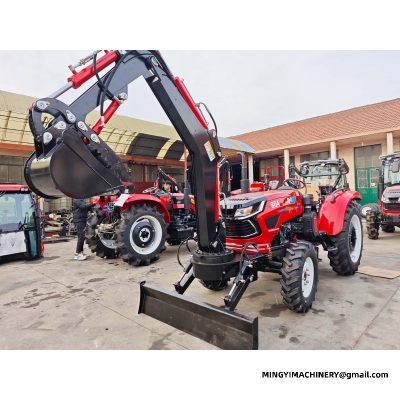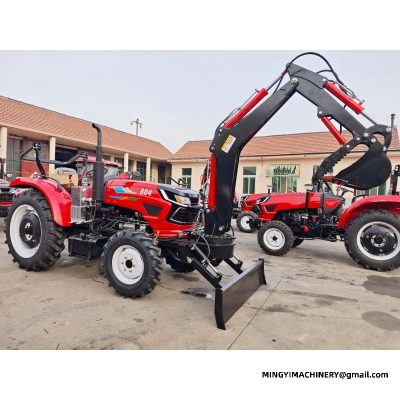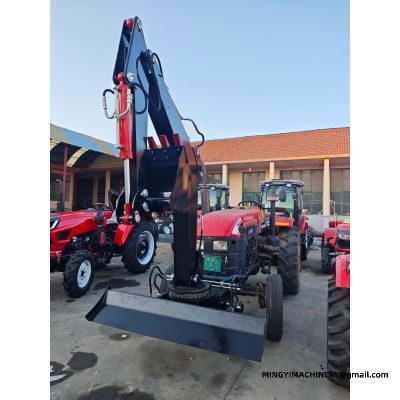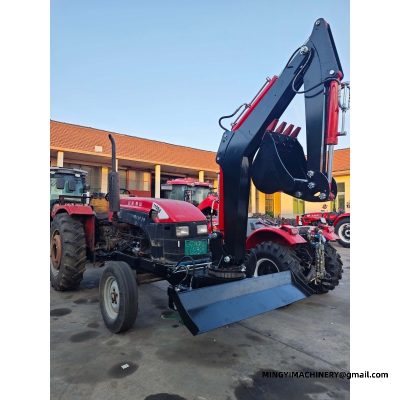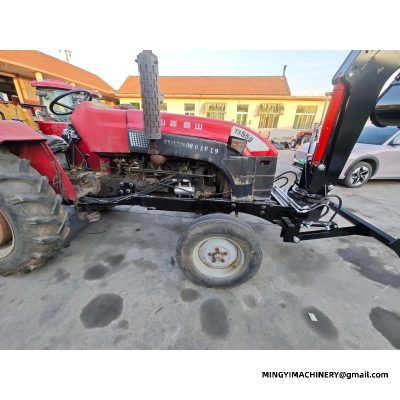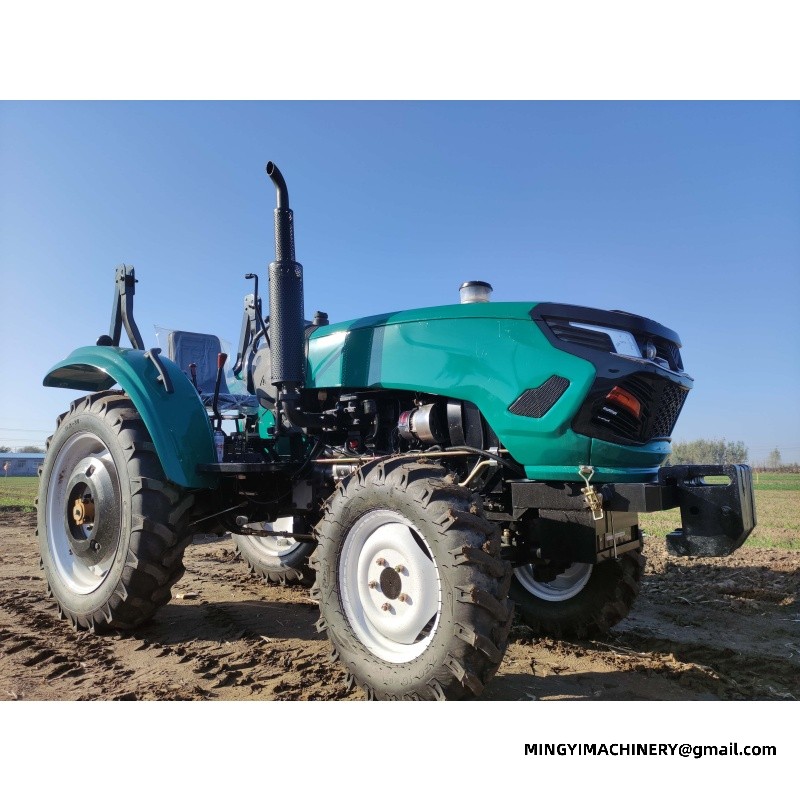
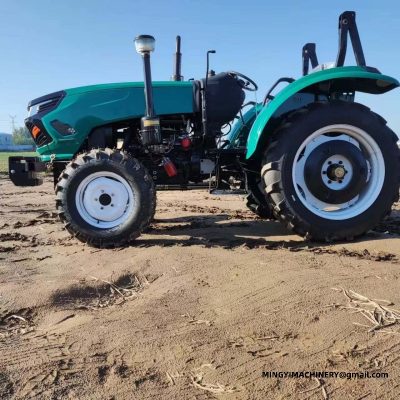
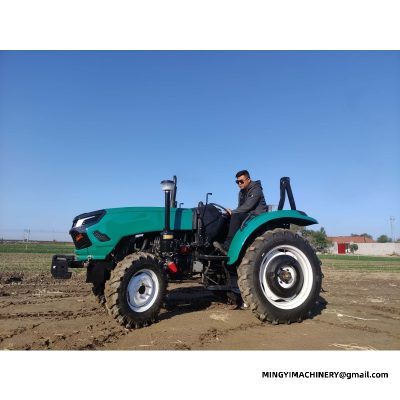
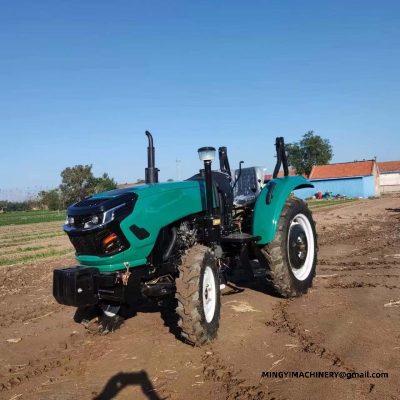
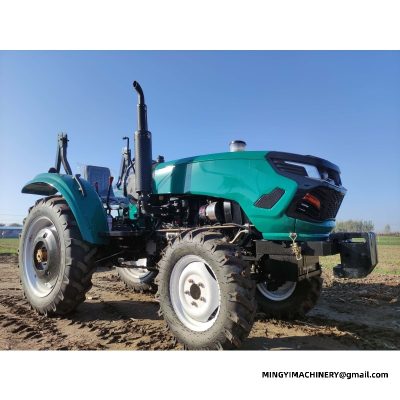
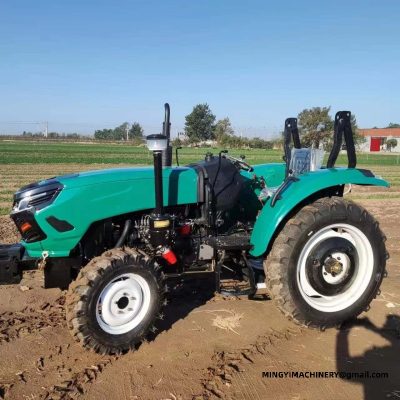
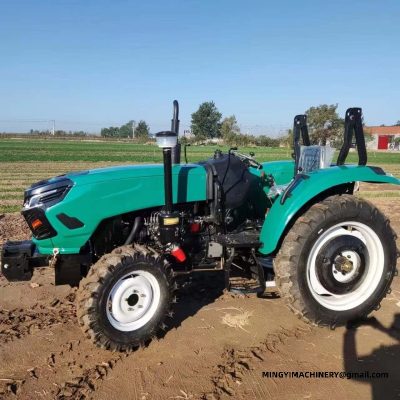
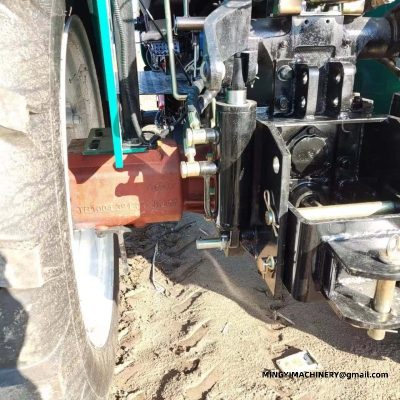
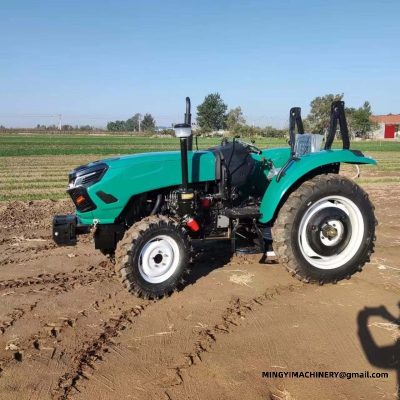
The tractor sits in a class where the difference between models is felt on site rather than read on a plate. What follows covers the practical side, including access, duty cycle, maintenance and delivery, in the order a buyer tends to meet them.
Seasonal work means long idle periods followed by heavy use. A short commissioning check on this class of machine before the season starts is simpler than discovering a flat battery or a seized linkage in the first week. Keeping the machine under cover pays for itself. Sun and rain on the unit in daily use age tyres, seals and paintwork faster than work does, and a roof is the simplest protection available.
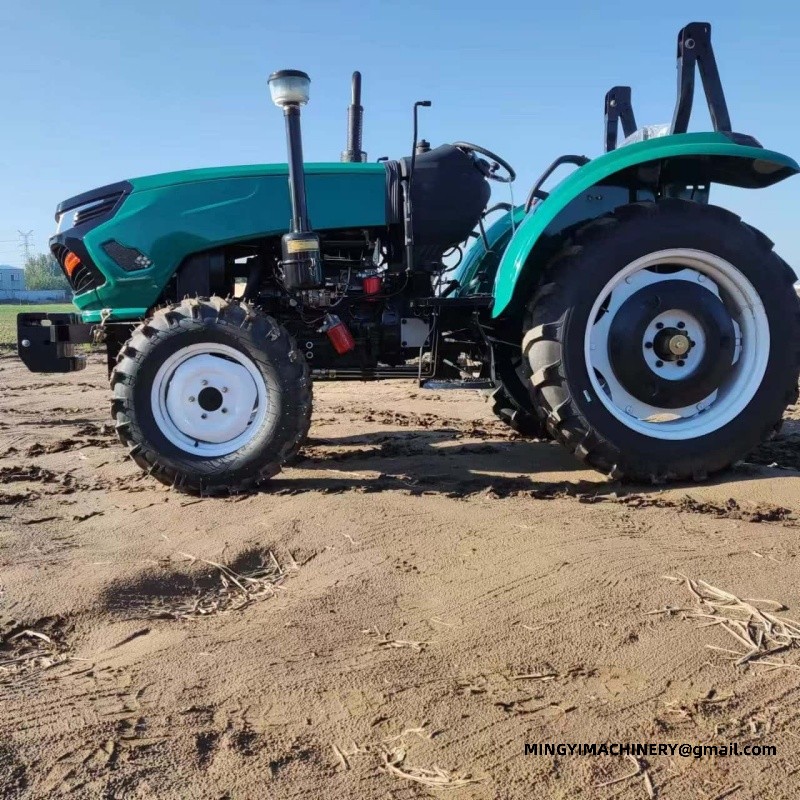
Lead time is part of the specification. Confirming build time, shipping method and what is included before ordering a machine of this size prevents the common gap between when the machine is needed and when it can arrive. The order should state the configuration in writing. Engine, attachments, colour, documents and any market requirement are clearer on the build sheet for the equipment on site than in a conversation after delivery. Delivery planning includes the receiving end. Knowing whether the machine itself will be craned, driven or forked off, and whether the site can accept it, is settled before dispatch rather than on the day.
The useful comparison is drawbar work per litre. Two machines of different rated output can do the same job, and the one that holds a lower engine speed in the working gear is usually the simpler one to run on the model in question.
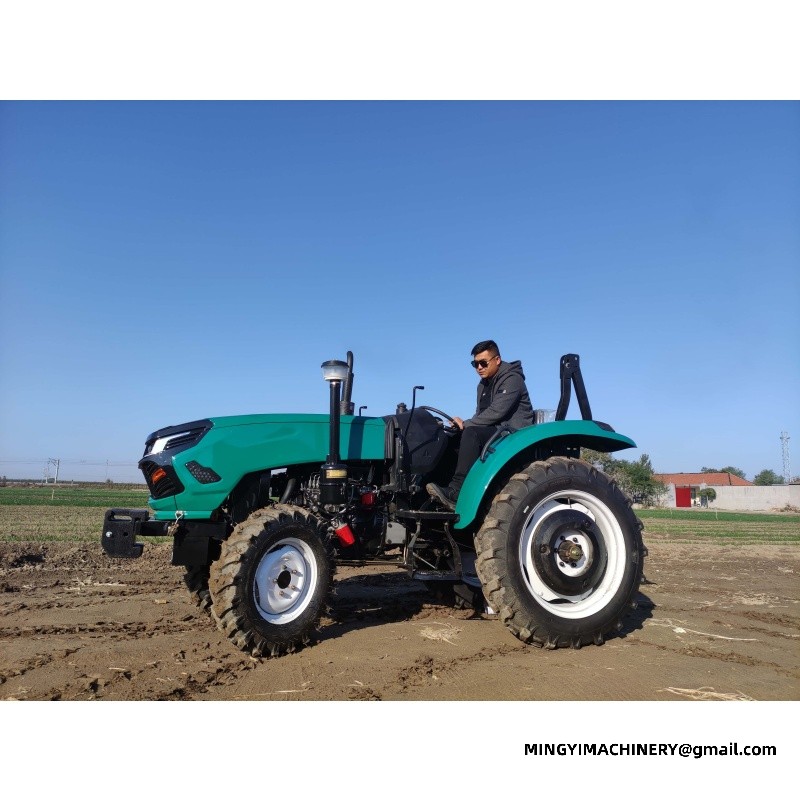
Certain parts are designed to be consumed. Knowing which items on the machine in that duty are wearing parts, and roughly how long they last in the duty the machine sees, turns replacement into a plan rather than a breakdown. Replacing wear items early is usually simpler. Worn components on the unit on the job load the parts they run against, so a worn part left too long often becomes a major repair.
Power unit choice is usually a parts question, not a performance one. Two buyers can order the same the equipment in service and sensibly choose different engines, because the right answer depends on which brand the local workshop already supports. Matching the engine to the duty matters more than the peak rating. A machine built for the work that spends its day at part load benefits from a different setup than one that works at full output, and the difference shows in fuel use over a season.
Export orders add steps that domestic buyers never see. Packed dimensions, securing points, documentation and any dismantling required are all settled before the tractor leaves the factory, and each one affects the freight booking. Documentation should be agreed at order stage. The commercial invoice, packing list and any certificate required at destination are part of shipping this class of machine, and missing papers delay clearance longer than the voyage takes.
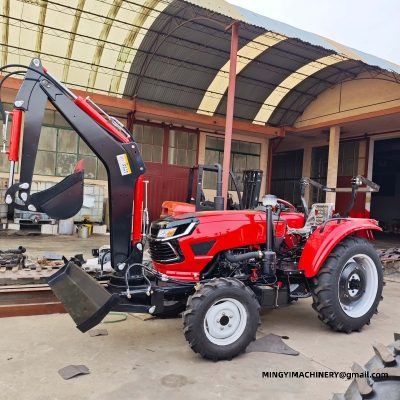
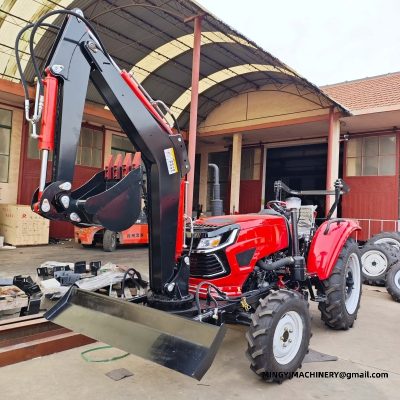
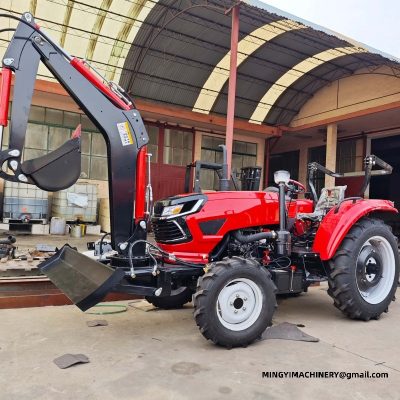
The base machine is only as useful as the tool on the end of it. Matching the attachment to the task - rather than to what arrived with the machine - is what lets one the unit in daily use cover several jobs across a week.
A simple log helps. Recording hours, fuel and any adjustment made to a machine of this size gives the workshop a history, and that history is what turns an intermittent fault into a one-visit repair instead of three.
The implement list is the specification. Ploughing, tilling, seeding and hauling each ask something different of the machine itself, and writing the list down is what turns a tractor enquiry into a machine that fits. Width and weight both matter. An implement that suits the power of the model in question can still be wrong if it is too wide for the gateway or too heavy for the linkage, and both are simple to check in advance.
Machine productivity depends on what happens around it. Deliveries, other trades and the sequence of work decide how much of the shift the unit on the job spends actually working rather than waiting.
Moving the machine is part of owning it. Overall length, width and height decide which trailer or container the equipment in service fits, and a machine that needs a permit or an abnormal load escort is a machine with a delivery delay built in. Owners who work across several sites should check the transport dimensions before ordering. The tractor that fits a standard trailer can be moved by any operator with a suitable vehicle, while an over-width machine narrows that choice and complicates every move.
Handover should include the documents as well as the keys. Parts list, service schedule and the operator notes for the unit in daily use are what the workshop needs in month six, and they are much harder to obtain later. A short familiarisation session prevents the early faults. Most first-month problems on a machine of this size come from unfamiliarity with controls, limits or checks rather than from the machine itself. Keeping the manuals where they can be reached matters. The equipment on site whose documents stay with the machine gets serviced on schedule; one whose paperwork was filed elsewhere tends to run on memory instead.
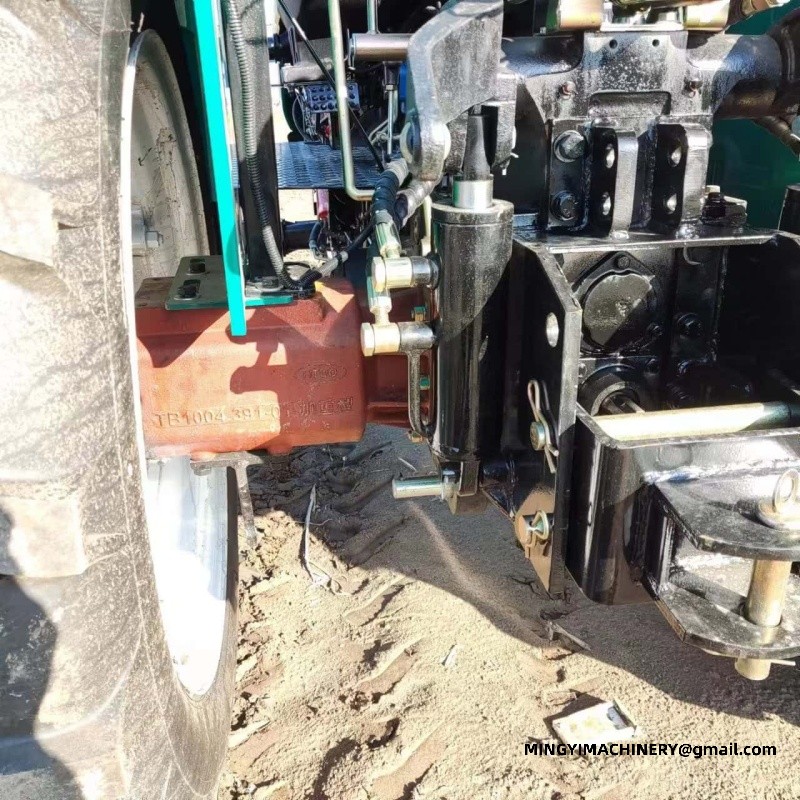
Upgrades should be checked against the base machine. Hydraulic capacity, mounting interface and stability all limit what can reasonably be added to the model in question, and confirming those limits avoids an unsatisfactory result. The decision is economic as well as technical. Comparing the work of reconfiguring the machine in that duty against a different machine is a short calculation that usually gives a clear answer.
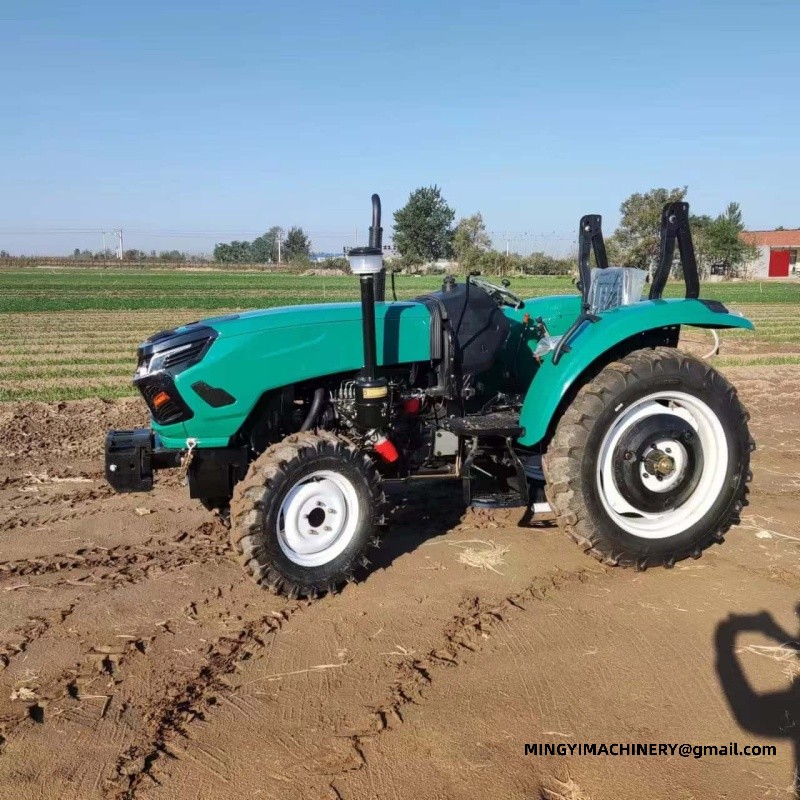
Abrasive conditions shorten service intervals. Air filters, seals and any exposed sliding surface on a machine built for the work need attention more often in dusty or muddy work, and the extra checks prevent far more wear than the time they take. Cleaning is maintenance, not appearance. Washing the cooling surfaces and clearing packed material from the equipment in service keeps temperatures where they should be and makes the next inspection quicker and more useful. Sealed points and guarded areas deserve a look in these conditions. The tractor working in abrasive dust benefits from checked boots, intact guards and clean breathers, all of which are quick to verify.
Resale starts at purchase. Specification choices, service records and the condition of wearing parts are what a buyer looks at, and this class of machine that has been maintained on schedule is worth more than one that merely looks clean. Replacement timing is a planning decision. Knowing the intended working life of the unit in daily use lets an owner sell while the machine still has value rather than after a major repair becomes due. Records are part of the asset. Keeping the service history and the hour records with a machine of this size makes it easier to sell, easier to insure and easier to justify the replacement machine internally.
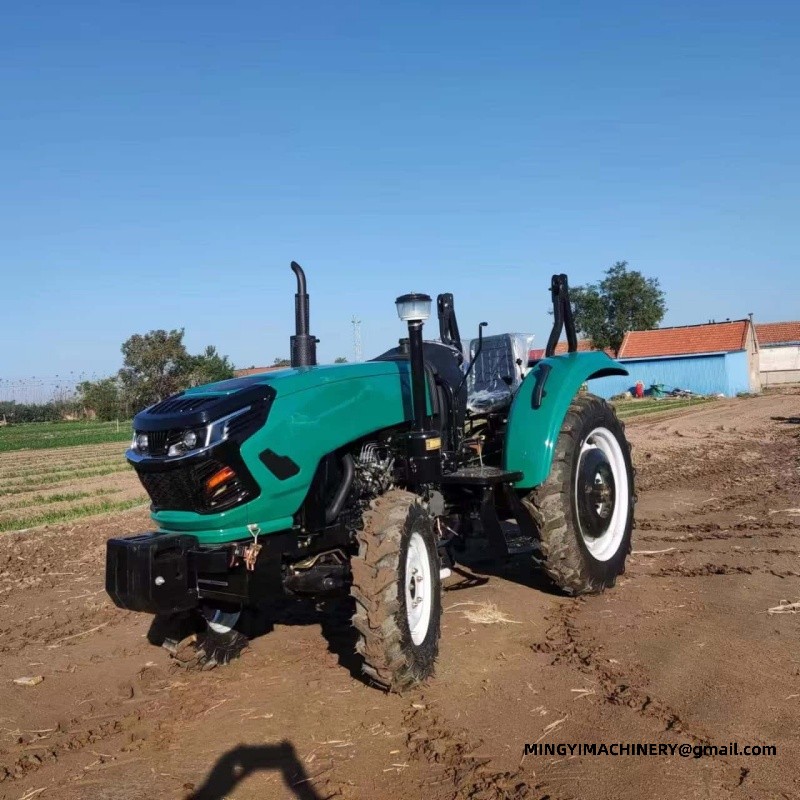
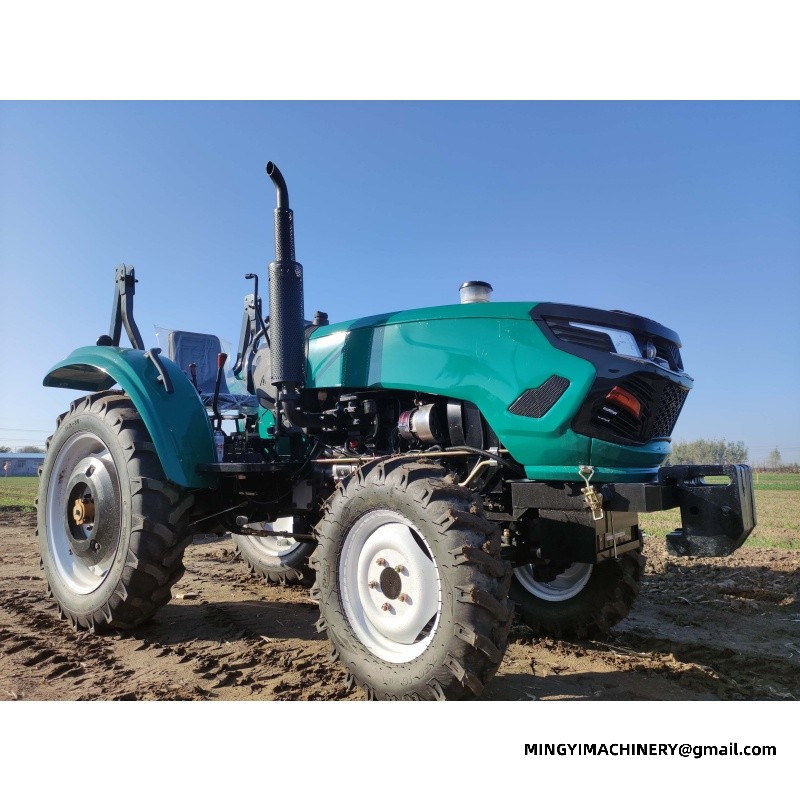
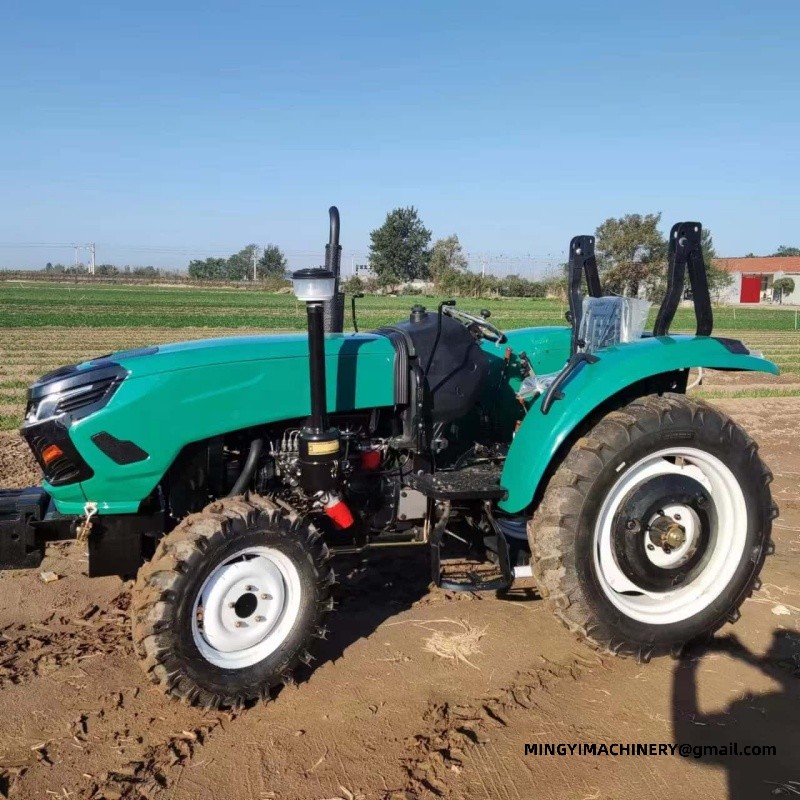
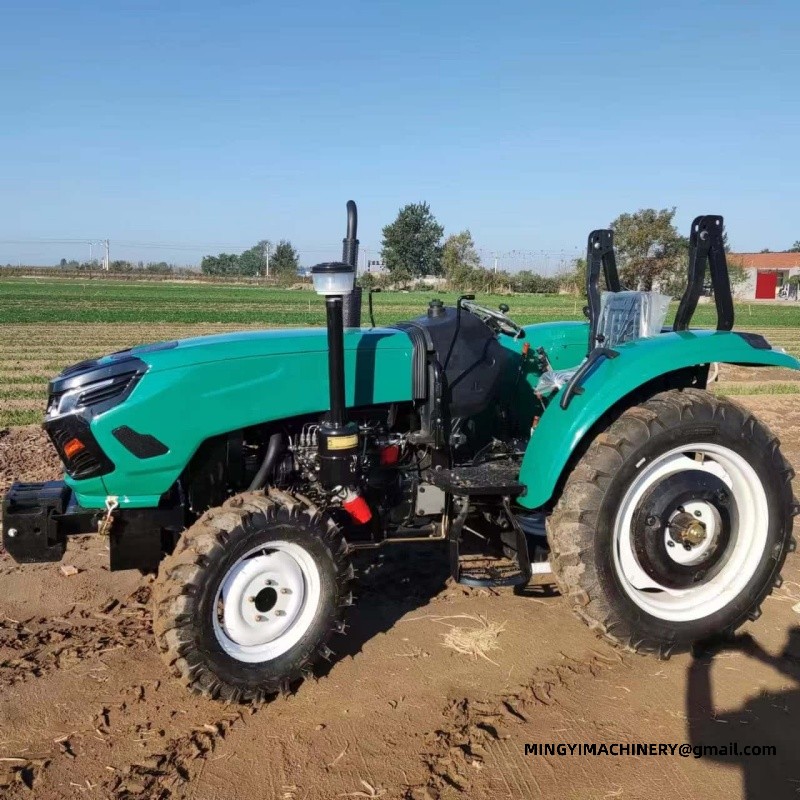
The models below are the four-wheel drive wheel tractors most often matched to this work. Overall size, tyre sizes and operating weight are confirmed together, because the row width and the implement list decide those before the power rating does.
| Model | Overall size | Operating weight | Tyres |
|---|---|---|---|
| 904 mid frame | 3.1 x 1.5 x 2.05 m, track adjustable | 1600 KG | — |
| 604 mid frame | 3.1 x 1.45 x 1.95 m, track adjustable | 1600 KG | front 650-16 rear 11.2-24 |
| 704 mid frame | 3.2 x 1.5 x 2.05 m, track adjustable | — | front 750-16 rear 11.2-28 |
| 504 mid frame | 3.1 x 1.5 x 1.97 m, track adjustable | 1450 kg | front 650-16 rear 11.2-24 |
| 604 wheel tractor | 2.4 x 1.3 x 1.3 m, track adjustable | 1270 kg | front 600-12 rear 9.5-16 |
| 804 mid frame | 3.2 x 1.5 x 2.05 m, track adjustable | 1500 KG | front 750-16 rear 11.2-28 |
| 804 wheel tractor | 2.4 x 1.3 x 1.3 m, track adjustable | — | front 600-12 rear 9.5-16 |
| 504 wheel tractor | 2.4 x 1.3 x 1.3 m, track adjustable | — | front 600-12, rear 9.5-16 |
| Item | Note |
|---|---|
| Ballast and canopy | Front and rear ballast blocks and a sun canopy are fitted to suit the heaviest implement the tractor will pull. |
| Engine by power band | 50/60 hp: 490Engine ; 70/80 hp: 490turboEngine |
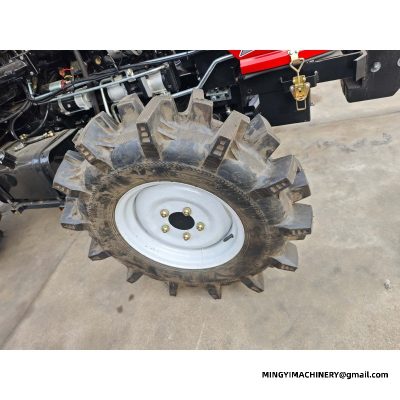
| Tyre options | Front and rear tyre sizes can be changed at build; wider rear tyres suit soft ground and narrow fronts suit row crop work. |
| PTO | Rear PTO at 540 / 720 rpm drives implements directly; the gearbox and shuttle shift are specified with the implement list. |
Retrofitting is limited by the base machine. Before anything is added to the machine in that duty the hydraulic flow, the mounting interface and the stability allowance have to be checked, because those limits are what decide what is sensible.
The first hour on site should be slow. Before a machine built for the work is put to work the fluid levels are rechecked after transport, the fasteners are gone over and the machine is run light so that anything loosened in transit shows up early.
Wear items are predictable once the machine has settled in. After the first service interval the pattern on the tractor is visible, and the parts that were replaced become the parts that are kept.
Patterns show up in the record before they show up in the machine. Rising oil consumption or a filter that keeps blocking on the unit in daily use is obvious on paper long before it becomes a failure on site.
Temperature and pressure are the two things worth watching. The equipment on site that runs hotter than it used to, or whose pressure has drifted, is reporting a problem that is still simple to fix.
Heat and dust shorten service intervals rather than machine life. In these conditions the filters on the model in question need attention more often, and the cooling surfaces need to be kept clear to hold the working temperature.
Rubber, seals and hoses age whether the machine works or not. Keeping the unit on the job out of direct sun and off damp ground slows that, and running it briefly at intervals keeps everything moving.
Every line above comes from the build sheet for a machine built for the work, and the final configuration is confirmed against the working conditions and the destination before production.
E-mail:sales@mingycn.com
LINE(ID):mingyicn