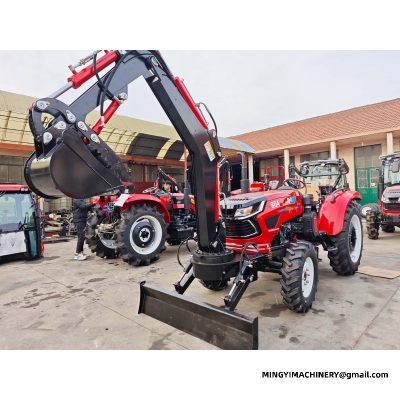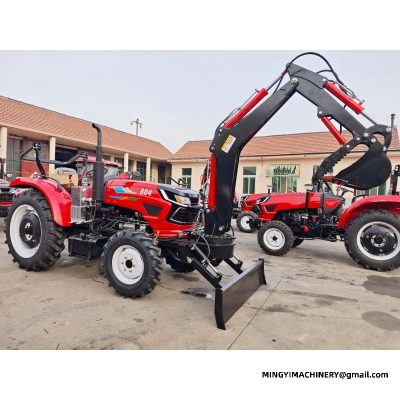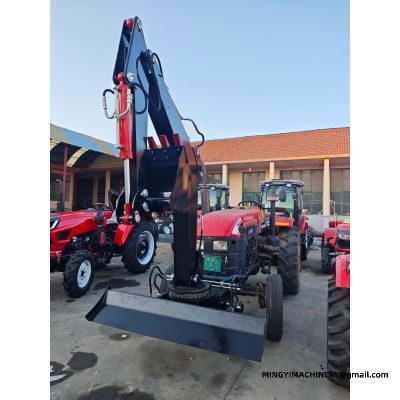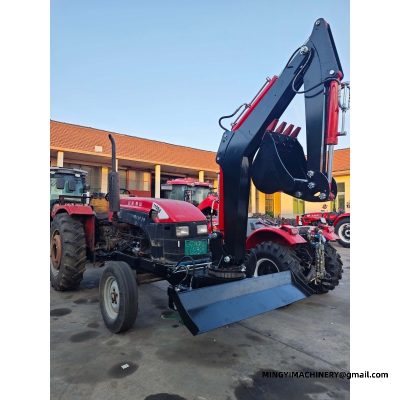
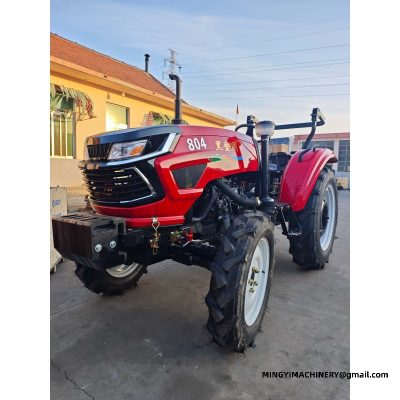
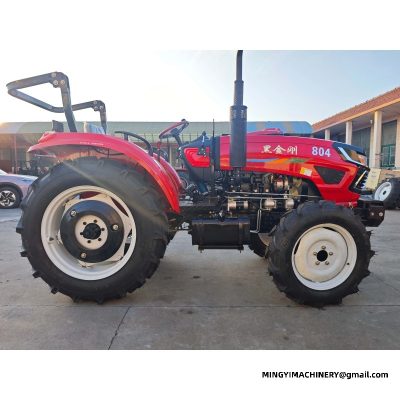
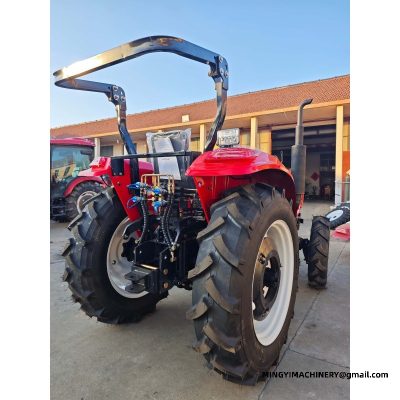
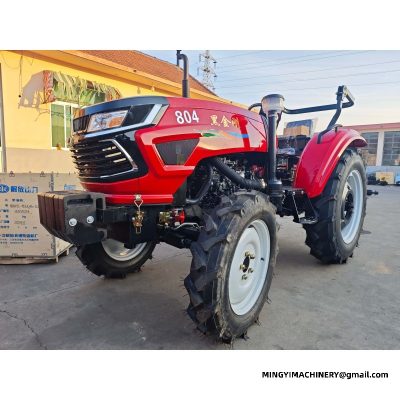
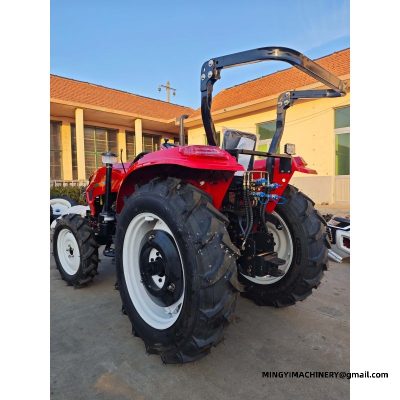
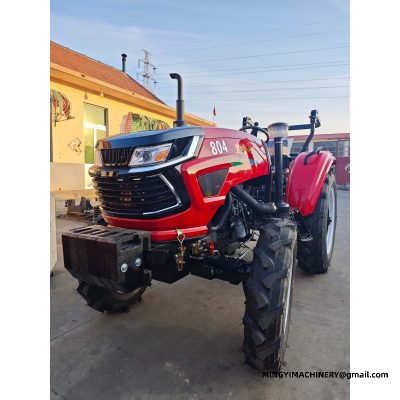
This page covers the tractor for buyers who already know the job and now need the machine. It sets out what the build includes, what can be changed, what the operator should expect in the first weeks and what the service schedule looks like.
Replacing wear items early is usually simpler. Worn components on this class of machine load the parts they run against, so a worn part left too long often becomes a major repair.
Fleet value comes from interchangeability. Operators who can step between machines without retraining, and a workshop that stocks one set of filters, keep utilisation higher than a fleet of individually optimised units.
Working after daylight changes the risk. Lighting coverage on the unit in daily use and across the working area, plus high-visibility clothing for anyone on foot, are the items that make low-light work practical.
Handover should include the documents as well as the keys. Parts list, service schedule and the operator notes for a machine of this size are what the workshop needs in month six, and they are much harder to obtain later. Keeping the manuals where they can be reached matters. The equipment on site whose documents stay with the machine gets serviced on schedule; one whose paperwork was filed elsewhere tends to run on memory instead.
Owners who work across several sites should check the transport dimensions before ordering. The machine itself that fits a standard trailer can be moved by any operator with a suitable vehicle, while an over-width machine narrows that choice and complicates every move.
Commissioning is the point where most avoidable issues are found. Checking levels, fasteners and function on the model in question before it goes to work takes an hour and prevents a claim conversation later. Warranty terms are clearer when they are read before purchase. Knowing what is covered, what counts as a wearing item and what documentation is required makes a claim on the machine in that duty straightforward rather than contested. Early faults are usually simple. The unit on the job that behaves differently in its first few hours is more often mis-set than defective, and a call to the supplier at that point usually resolves it the same day.
Power unit choice is usually a parts question, not a performance one. Two buyers can order the same the equipment in service and sensibly choose different engines, because the right answer depends on which brand the local workshop already supports. Emissions documentation is part of engine selection for some destinations. Confirming which units can be supplied and documented for the destination country is worth doing at enquiry stage rather than after the build sheet is signed. Matching the engine to the duty matters more than the peak rating. A machine built for the work that spends its day at part load benefits from a different setup than one that works at full output, and the difference shows in fuel use over a season.
Most tractors spend part of the year idle. Preparing the tractor for storage with clean fluids, a charged battery and the weight off the tyres avoids the faults that appear at the start of the next season. Seasonal work means long idle periods followed by heavy use. A short commissioning check on this class of machine before the season starts is simpler than discovering a flat battery or a seized linkage in the first week.
Fleet buyers often want consistency rather than variety. Specifying a machine of this size so that several units share controls, filters and service points reduces training time and keeps the parts shelf small. Customisation should still be limited to what the work needs. Each addition to the equipment on site is another item to maintain, so the useful question is not what can be added but what the job list actually requires.
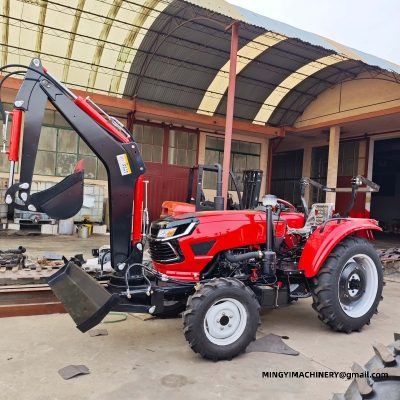
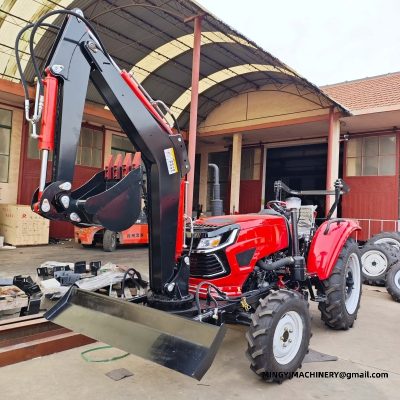
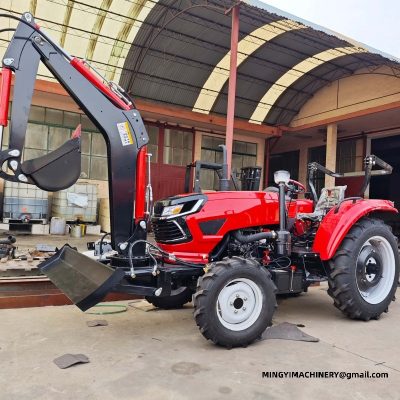
The base machine is only as useful as the tool on the end of it. Matching the attachment to the task - rather than to what arrived with the machine - is what lets one the machine in that duty cover several jobs across a week. Attachment decisions are best made before delivery. Specifying hydraulics and couplers at build time is simpler than adding them later, and it avoids the downtime of a workshop visit in the first month. Most owners find that the second attachment changes how often the machine is used. The model in question that was bought for one task often becomes the general machine on site once a second tool is available.
The specification should be written from the job backwards. Listing the loads, the ground and the hours first, then matching the equipment in service to that list, avoids buying capacity the work never uses and avoids discovering a shortfall in the first week. A written duty list is the simplest part of the purchase. It takes an hour to note the material, the distance, the gradient and the hours per week, and it is what turns a machine built for the work enquiry into a machine that fits.
Standing still is hard on machinery. This class of machine left for weeks benefits from a clean, dry, covered space, a charged battery and a fuel system prepared for the layoff, and all three effort very little.
Slopes and edges deserve a separate check. A machine of this size that is stable on level ground behaves differently across a gradient, and the safe working angle is a number worth knowing rather than estimating.
Batteries and fluids are the parts that notice the cold first. The machine itself kept on a maintainer through a freezing spell starts on the first turn, while one left standing is the usual cause of a lost morning.
Service access decides whether maintenance happens. The machine in that duty with daily checks that can be done from the ground gets them done, while one that needs a toolbox for a dipstick tends to run low. Fuel use is a specification as much as a habit. The unit on the job working in the right gear at a sensible engine speed uses meaningfully less over a season, and the operator makes that difference every hour.
Reconfiguration can extend the useful life of a machine. The equipment in service that no longer suits the current work may suit it again with a different attachment, guarding or control arrangement.
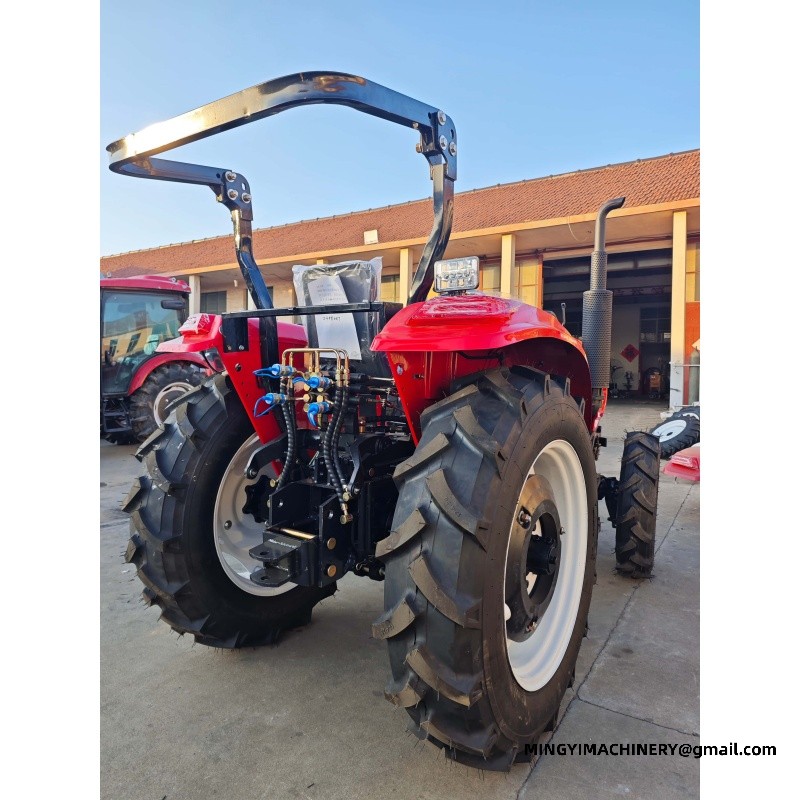
Width and weight both matter. An implement that suits the power of this class of machine can still be wrong if it is too wide for the gateway or too heavy for the linkage, and both are simple to check in advance. Hitch category and PTO shaft should be confirmed at build. Getting these right on the unit in daily use means every implement on the farm connects without an adapter, which is a daily saving rather than a one-off convenience.
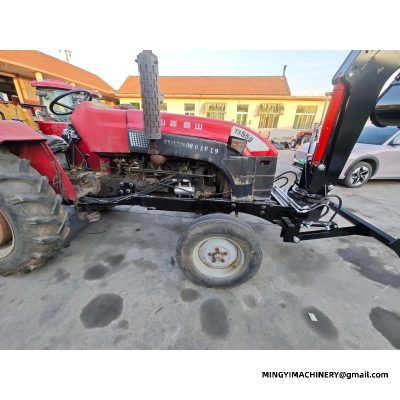
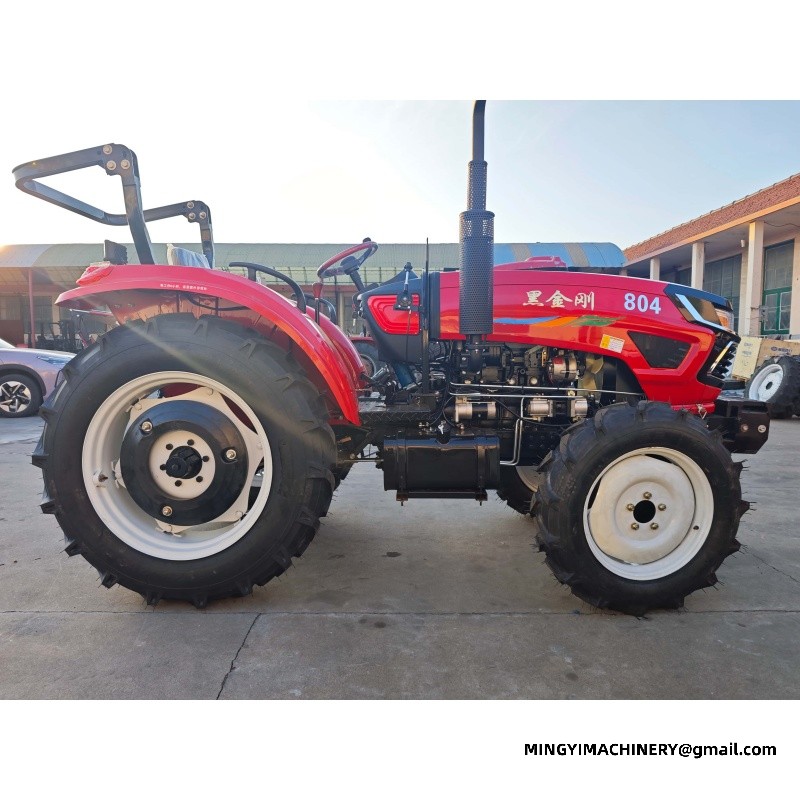
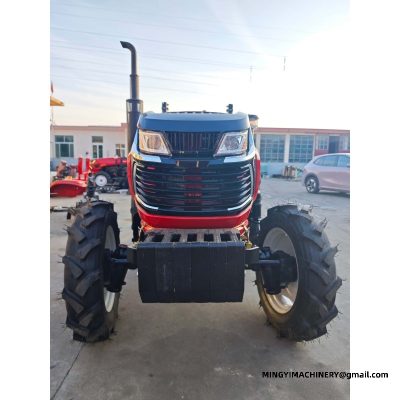
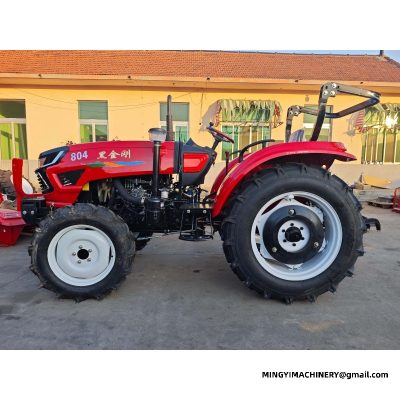
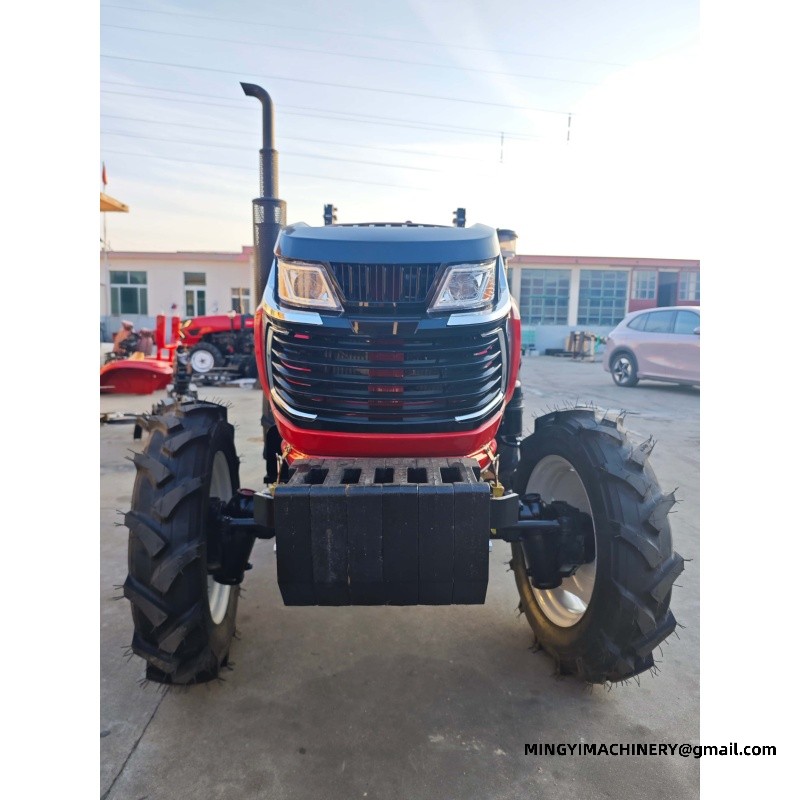
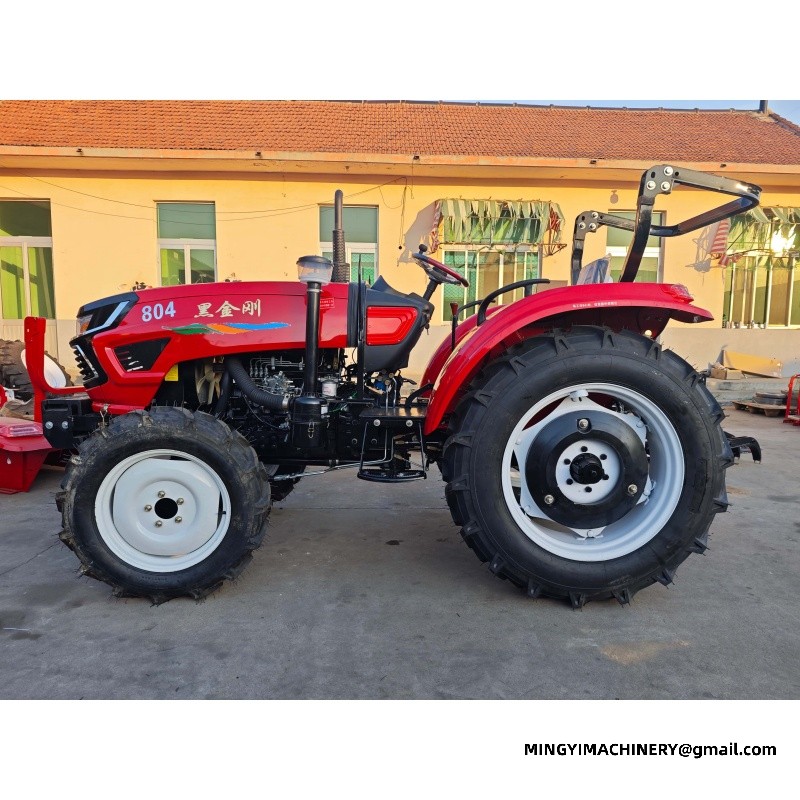
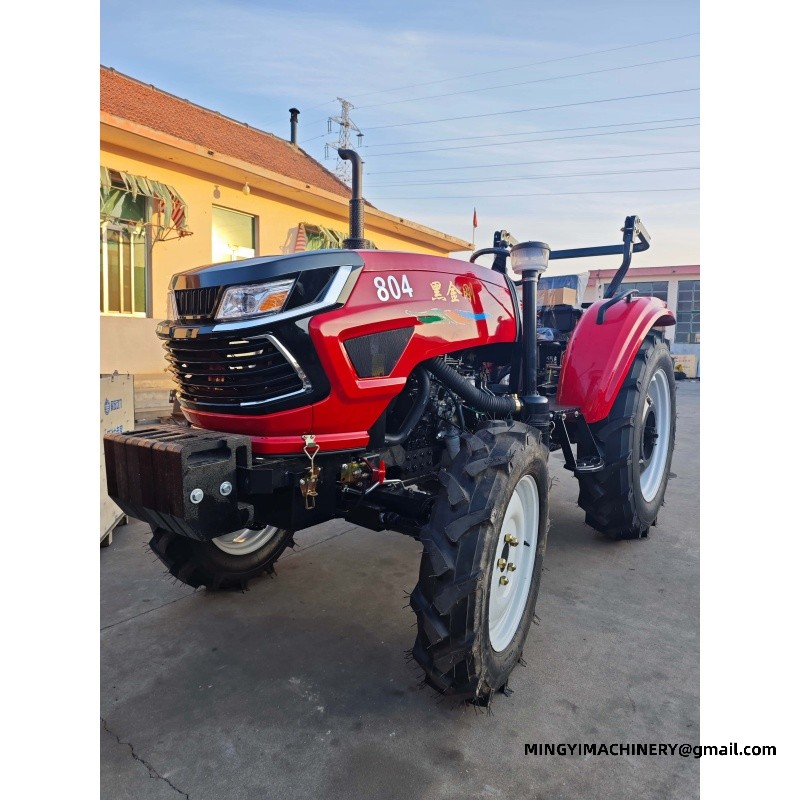
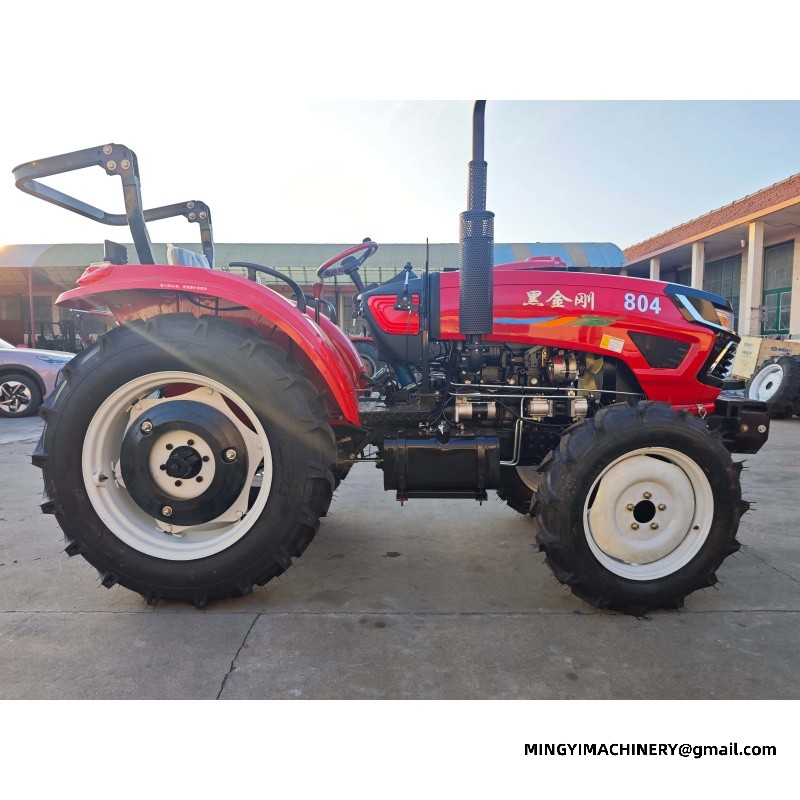
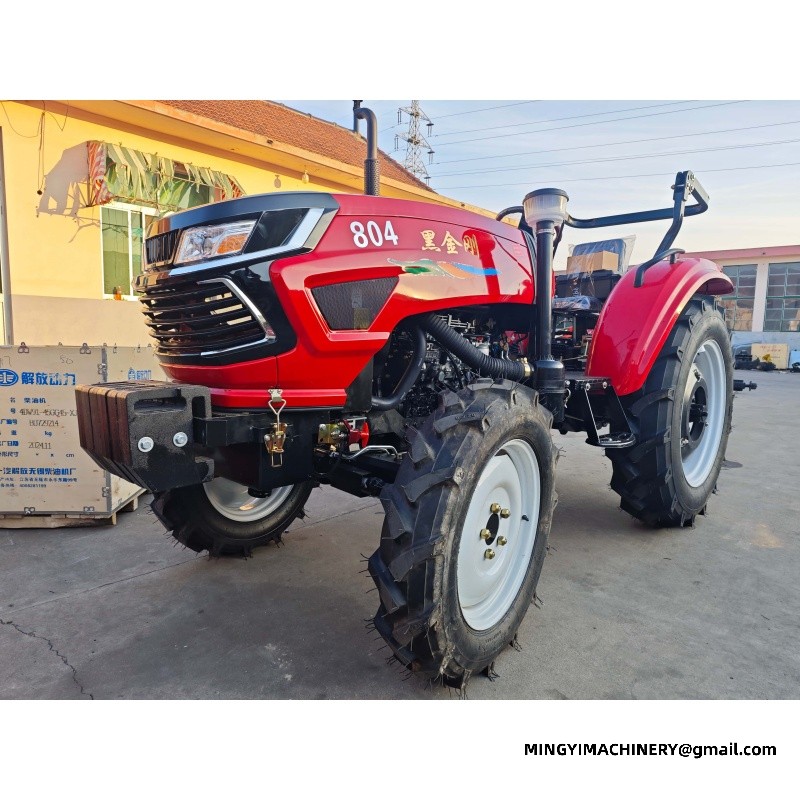
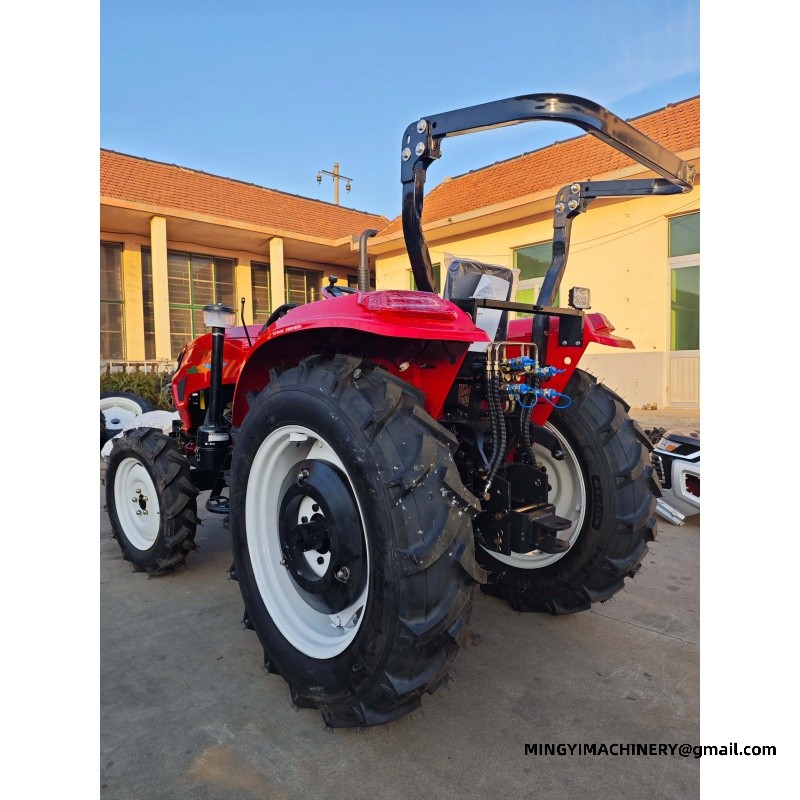
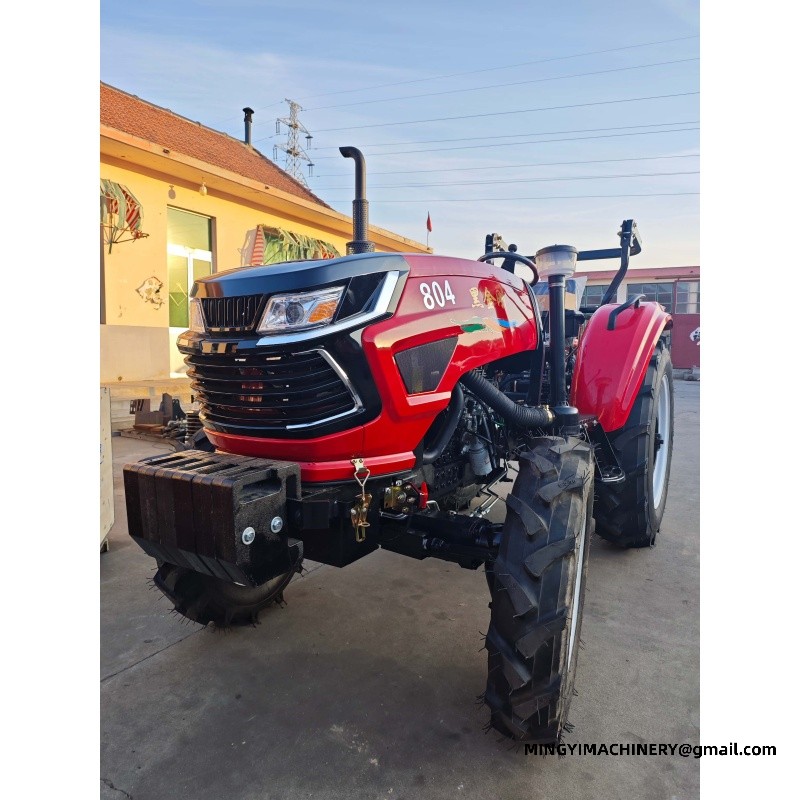
The models below are the four-wheel drive wheel tractors most often matched to this work. Overall size, tyre sizes and operating weight are confirmed together, because the row width and the implement list decide those before the power rating does.
| Model | Overall size | Tyres | Operating weight |
|---|---|---|---|
| 804 wheel tractor | 2.4 x 1.3 x 1.3 m, track adjustable | front 600-12 rear 9.5-16 | — |
| 704 mid frame | 3.2 x 1.5 x 2.05 m, track adjustable | front 750-16 rear 11.2-28 | — |
| 504 wheel tractor | 2.4 x 1.3 x 1.3 m, track adjustable | front 600-12, rear 9.5-16 | — |
| 504 mid frame | 3.1 x 1.5 x 1.97 m, track adjustable | front 650-16 rear 11.2-24 | 1450 kg |
| 604 mid frame | 3.1 x 1.45 x 1.95 m, track adjustable | front 650-16 rear 11.2-24 | 1600 KG |
| 604 wheel tractor | 2.4 x 1.3 x 1.3 m, track adjustable | front 600-12 rear 9.5-16 | 1270 kg |
| 904 mid frame | 3.1 x 1.5 x 2.05 m, track adjustable | — | 1600 KG |
| 804 mid frame | 3.2 x 1.5 x 2.05 m, track adjustable | front 750-16 rear 11.2-28 | 1500 KG |
| Item | Note |
|---|---|
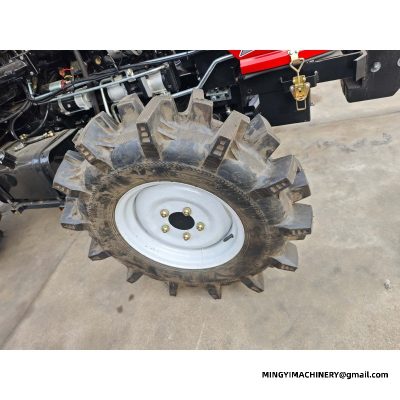
| Tyre options | Front and rear tyre sizes can be changed at build; wider rear tyres suit soft ground and narrow fronts suit row crop work. |
| Ballast and canopy | Front and rear ballast blocks and a sun canopy are fitted to suit the heaviest implement the tractor will pull. |
| Engine by power band | 50/60 hp: 490Engine ; 70/80 hp: 490turboEngine |
| PTO | Rear PTO at 540 / 720 rpm drives implements directly; the gearbox and shuttle shift are specified with the implement list. |
The calendar decides more than the specification does. Planning when the model in question will be working, when it will be serviced and when it can be spared keeps the maintenance out of the weeks that matter.
Travel time is not working time, and it should be planned as its own item. The hours spent moving the unit on the job between jobs are hours not worked, and a trailer that matches the machine reduces them every single trip.
The machine is only half of what arrives. The parts book, the service schedule and the declarations that come with the equipment in service are what let the owner register, insure and maintain it without a second round of emails.
Retrofitting is limited by the base machine. Before anything is added to this class of machine the hydraulic flow, the mounting interface and the stability allowance have to be checked, because those limits are what decide what is sensible.
Transport shakes things loose. A short check of a machine of this size after the crate is opened, covering the same points the pre-delivery inspection covered, is the most useful insurance available on delivery day.
Inspection is a list, not a glance. Before the machine itself is released the fluid levels, belt tension, electrical connections and safety decals are each ticked off, and anything that fails stays in the shop rather than travelling with the machine.
A written record is worth more than a good memory. Dates, hours and the parts fitted on the machine in that duty turn a guess about the next service into a fact, and they are the first thing a buyer asks to see.
Machines rarely fail without warning. A change in sound, a slower function or a new leak on a machine built for the work is the machine saying something early, and listening then takes a fraction of the time that waiting does.
Every line above comes from the build sheet for the equipment in service, and the final configuration is confirmed against the working conditions and the destination before production.
E-mail:sales@mingycn.com
LINE(ID):mingyicn