Where the tractor is used matters as much as what it is. Ground, climate, access and the skill of the operator all change the right answer, which is why the sections below start from the working conditions and work towards the specification.
Keeping the machine under cover pays for itself. Sun and rain on this class of machine age tyres, seals and paintwork faster than work does, and a roof is the simplest protection available.
Delivery planning includes the receiving end. Knowing whether the unit in daily use will be craned, driven or forked off, and whether the site can accept it, is settled before dispatch rather than on the day.
Batteries and fluids are the parts that notice the cold first. A machine of this size kept on a maintainer through a freezing spell starts on the first turn, while one left standing is the usual cause of a lost morning. Low temperatures also make materials behave differently. Ground that is frozen hard in the morning can be soft by midday, and planning the sequence around that is easier than fighting it with the equipment on site.
Warranty terms are clearer when they are read before purchase. Knowing what is covered, what counts as a wearing item and what documentation is required makes a claim on the machine itself straightforward rather than contested.
Slopes and edges deserve a separate check. The model in question that is stable on level ground behaves differently across a gradient, and the safe working angle is a number worth knowing rather than estimating. Personal protective equipment and a stop rule are simple controls. Agreeing before work starts that anyone can stop the job is the single measure that most often prevents a serious incident near the machine in that duty.
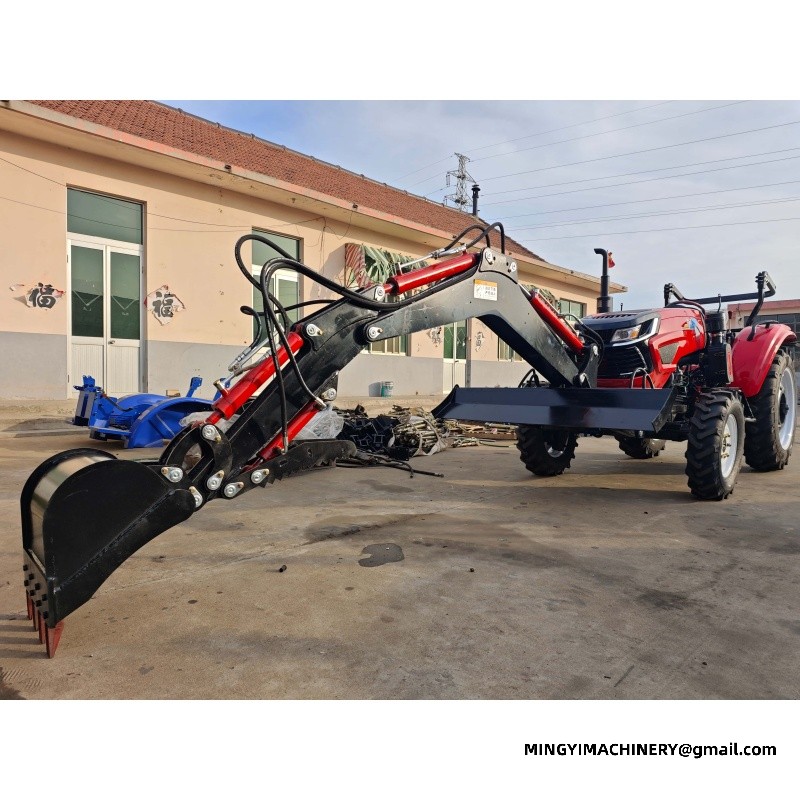
Moving the machine is part of owning it. Overall length, width and height decide which trailer or container the unit on the job fits, and a machine that needs a permit or an abnormal load escort is a machine with a delivery delay built in. Owners who work across several sites should check the transport dimensions before ordering. A machine built for the work that fits a standard trailer can be moved by any operator with a suitable vehicle, while an over-width machine narrows that choice and complicates every move.
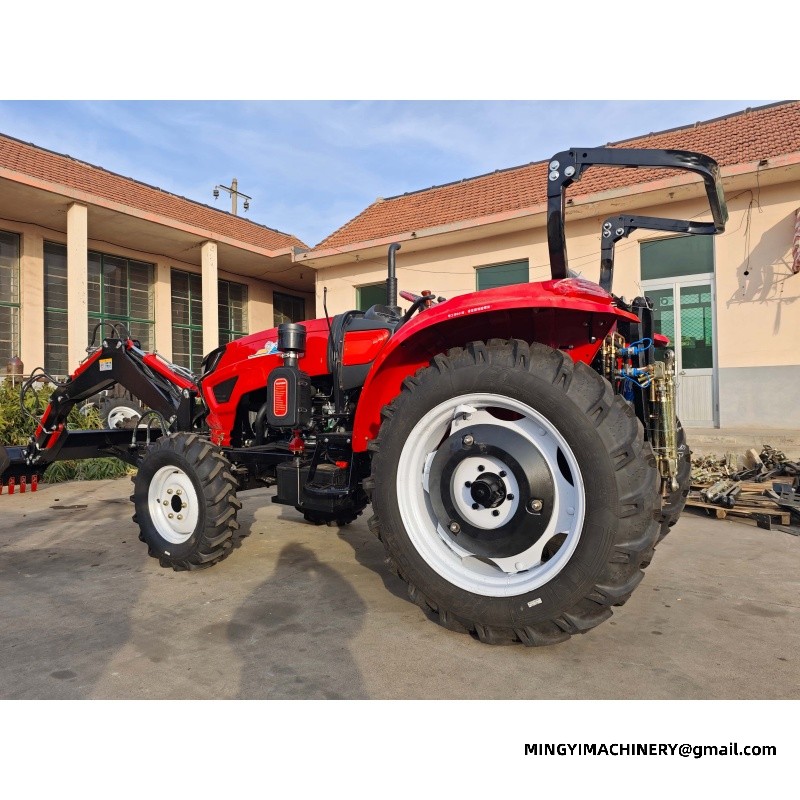
Working after daylight changes the risk. Lighting coverage on the tractor and across the working area, plus high-visibility clothing for anyone on foot, are the items that make low-light work practical. Visibility from the seat is different at night. Reflections, shadows and glare all hide detail, so the equipment in service used after dark benefits from clean lenses, working wipers and a slower working pace. Planning helps more than extra lamps. Positioning the this class of machine so that the work is lit from the machine side, and keeping the route clear, does more for safety than adding light to a badly planned task.
The gearbox is used more than any other control. The unit in daily use with a shuttle shift and sensible spacing between the working gears makes headland turns quicker and reduces the fatigue of a long day.
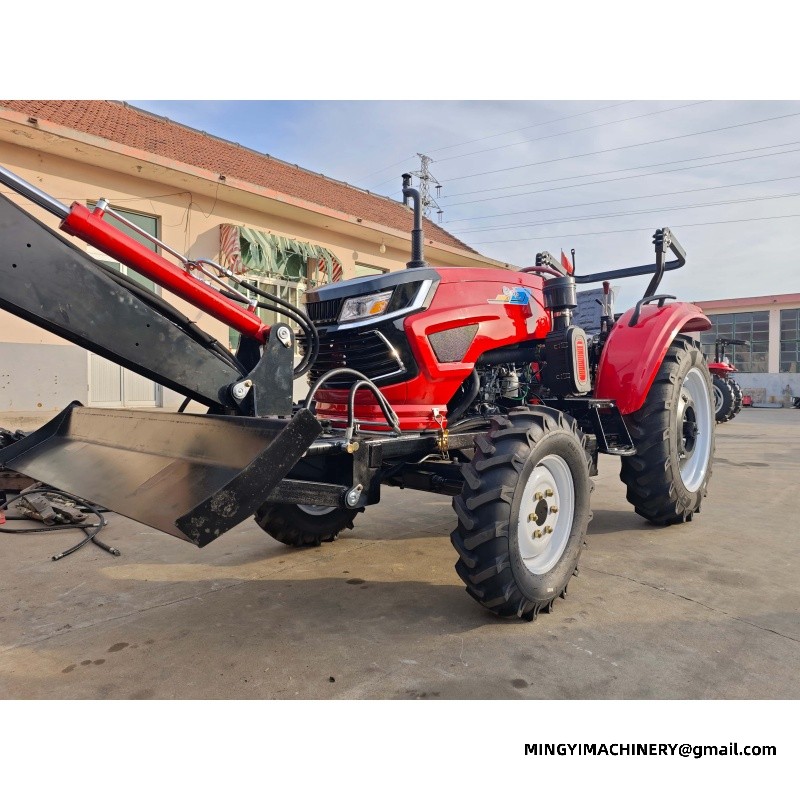
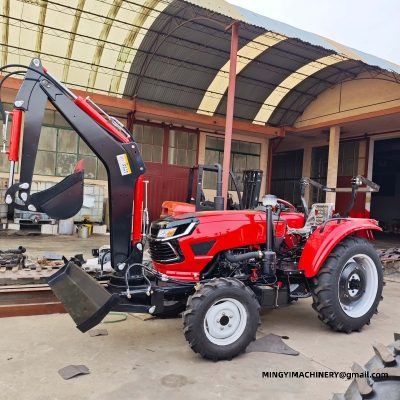
The implement list is the specification. Ploughing, tilling, seeding and hauling each ask something different of the equipment on site, and writing the list down is what turns a tractor enquiry into a machine that fits. Width and weight both matter. An implement that suits the power of the machine itself can still be wrong if it is too wide for the gateway or too heavy for the linkage, and both are simple to check in advance.
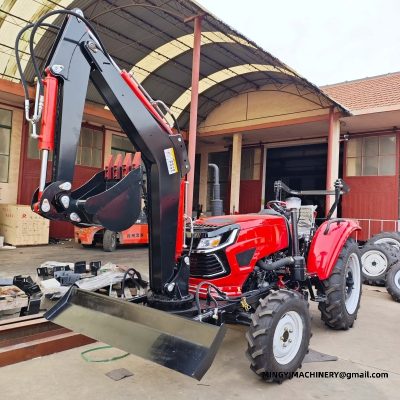
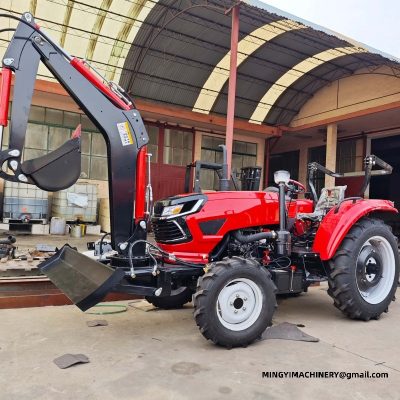
Most owners find that the second attachment changes how often the machine is used. The machine in that duty that was bought for one task often becomes the general machine on site once a second tool is available.
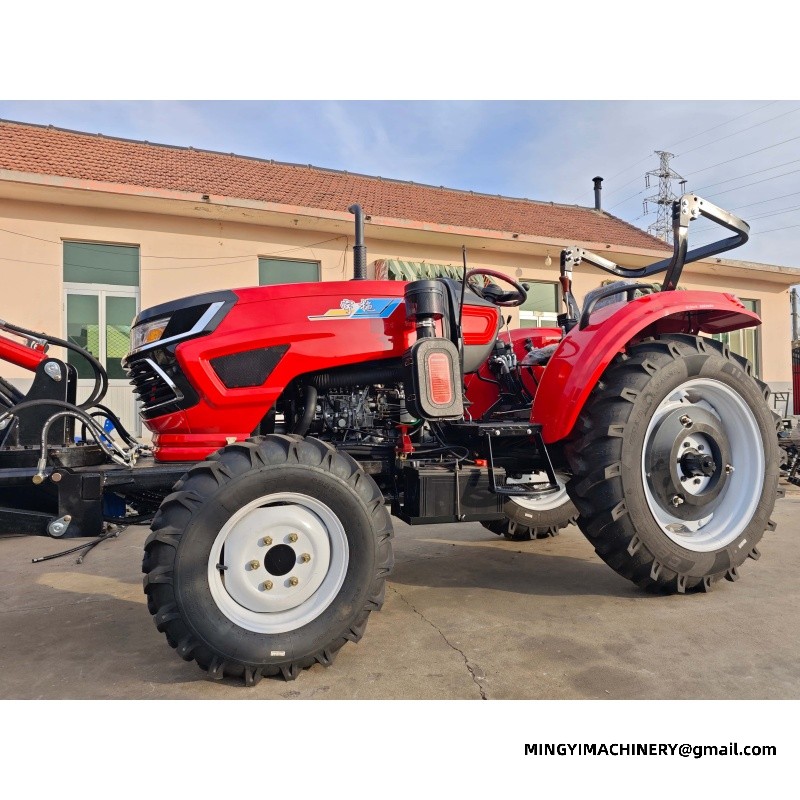
Too much power takes money every hour it works. A machine built for the work that is larger than the implement list needs burns more fuel and carries more weight than the job requires, and the extra capacity is never used.
Fuel is usually the largest controllable running demand. Operating style, correct tyre or track condition and a clean air supply all move consumption on the tractor by more than most buyers expect. Planning the work to reduce empty movement is free. Fewer repositioning cycles on this class of machine means less fuel, less wear on the undercarriage or tyres and more of the shift spent on productive work.
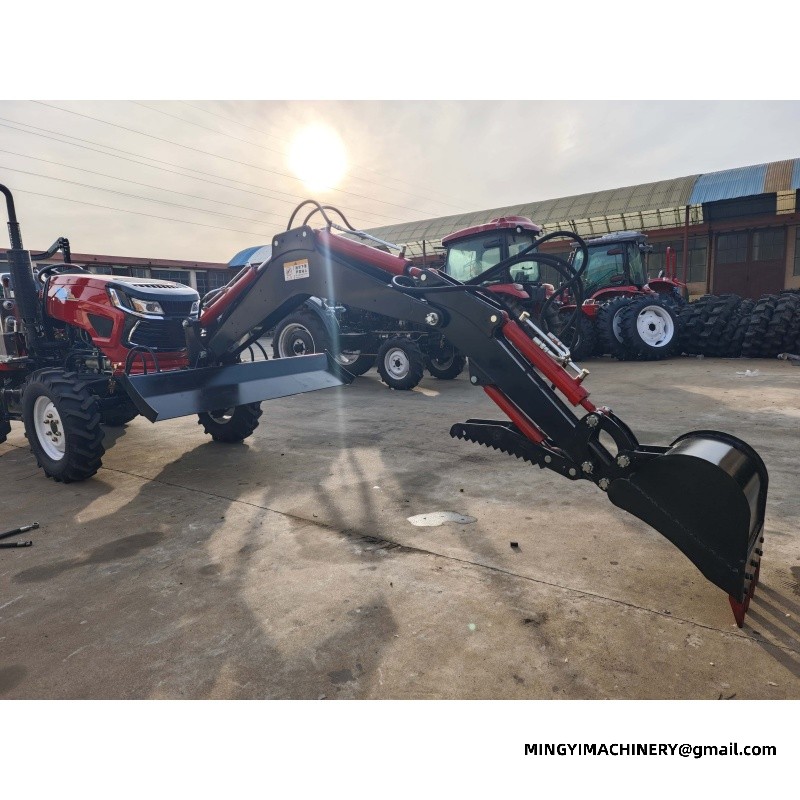
Utilisation matters more than the purchase decision over a few years. A machine of this size that sits idle ties up the same yard space standing still as one that earns, so the buying decision should follow the hours the machine will realistically work. Standardising where possible simplifies everything downstream. When several units of the equipment on site share a service schedule and a parts list, the fleet becomes easier to plan and easier to sell on at replacement time.
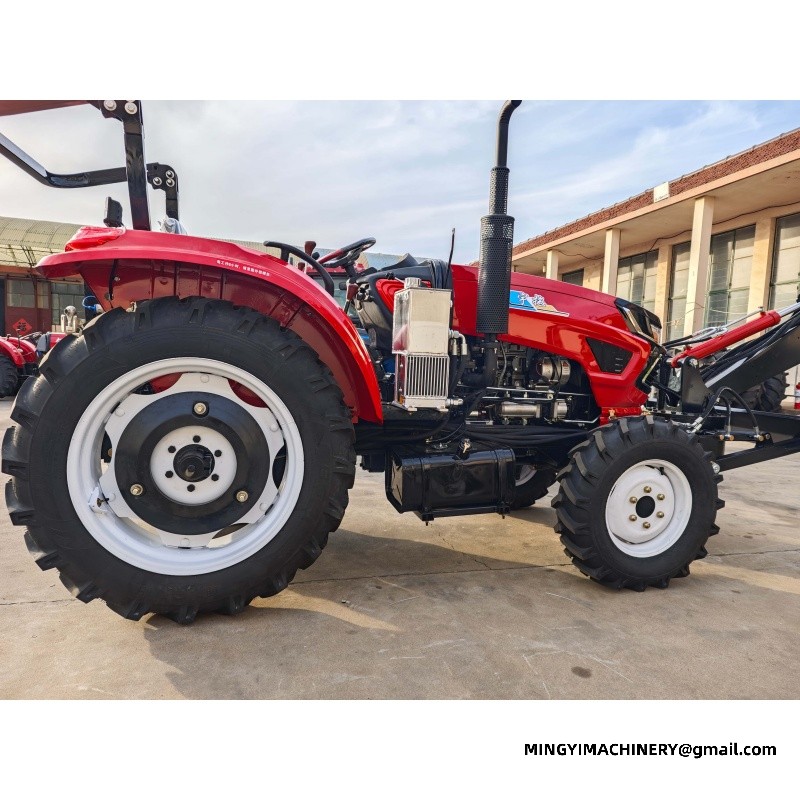
Emissions documentation is part of engine selection for some destinations. Confirming which units can be supplied and documented for the destination country is worth doing at enquiry stage rather than after the build sheet is signed. Matching the engine to the duty matters more than the peak rating. The model in question that spends its day at part load benefits from a different setup than one that works at full output, and the difference shows in fuel use over a season.
The working surface should be surveyed before the unit on the job is specified. A machine that is stable on compacted gravel can be unusable on the same site after rain, and the difference shows up as lost days rather than as a fault.
Standing still is hard on machinery. The equipment in service left for weeks benefits from a clean, dry, covered space, a charged battery and a fuel system prepared for the layoff, and all three effort very little. Before-storage preparation prevents most return-to-work faults. Draining or treating fuel, protecting exposed rods and relieving pressure where the maker specifies it are the items worth an hour when the tractor is parked.
Handover should include the documents as well as the keys. Parts list, service schedule and the operator notes for the unit in daily use are what the workshop needs in month six, and they are much harder to obtain later. A short familiarisation session prevents the early faults. Most first-month problems on a machine of this size come from unfamiliarity with controls, limits or checks rather than from the machine itself.
Parts availability usually decides the engine and the brand. A machine built around components the local network already carries is serviced from stock, which is the difference between a day lost and a week lost.
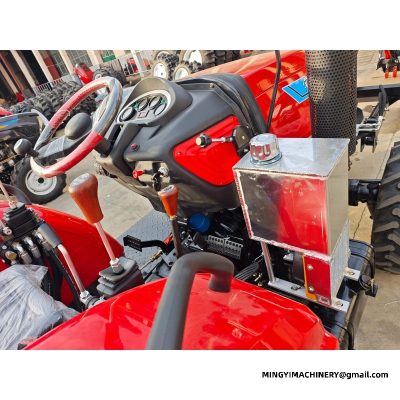
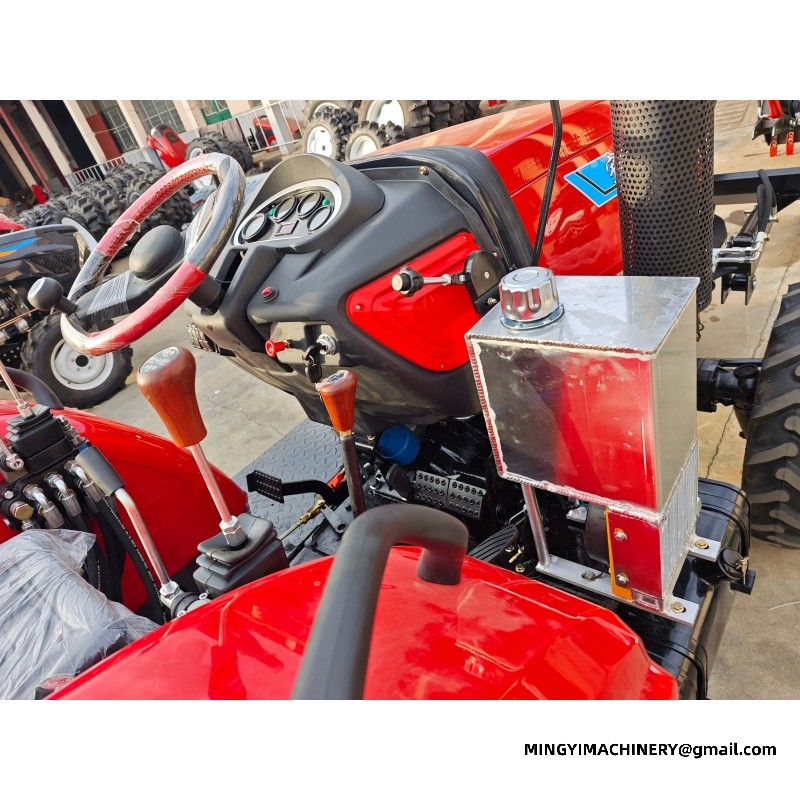
The rear PTO speed has to suit the implement. The model in question specified with the common 540 and 720 speeds drives most implements directly, and confirming that at build is far simpler than changing a gear set later. The valve arrangement is worth thinking through. Enough spools and circuits on the machine in that duty to run the implement and the trailer brake at the same time removes the daily compromise of swapping hoses.
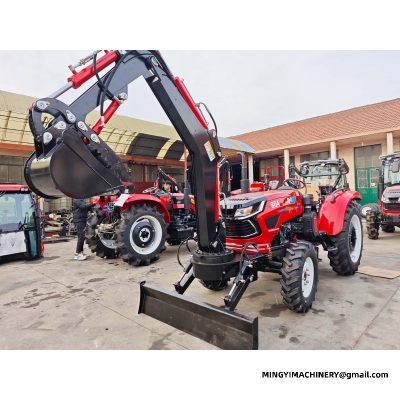
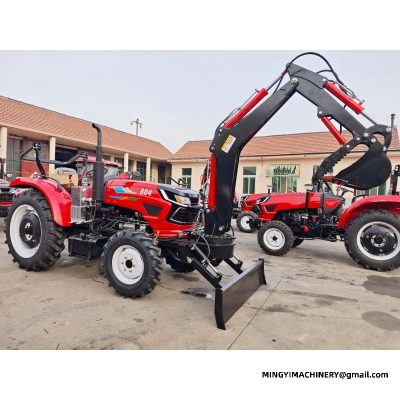
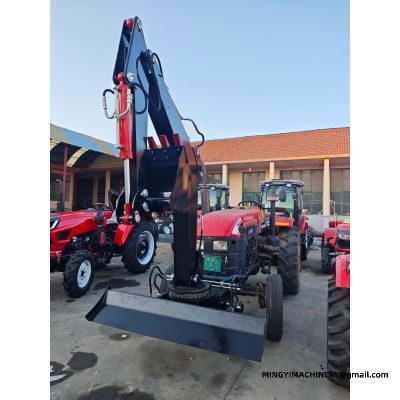
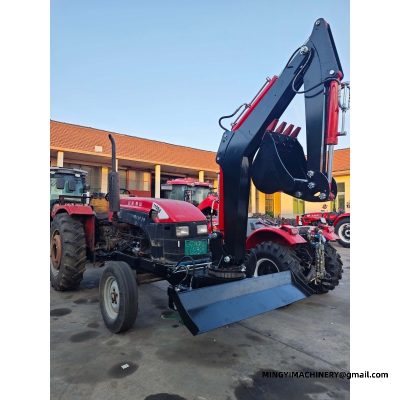
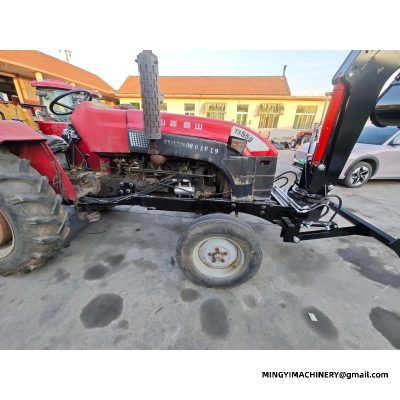
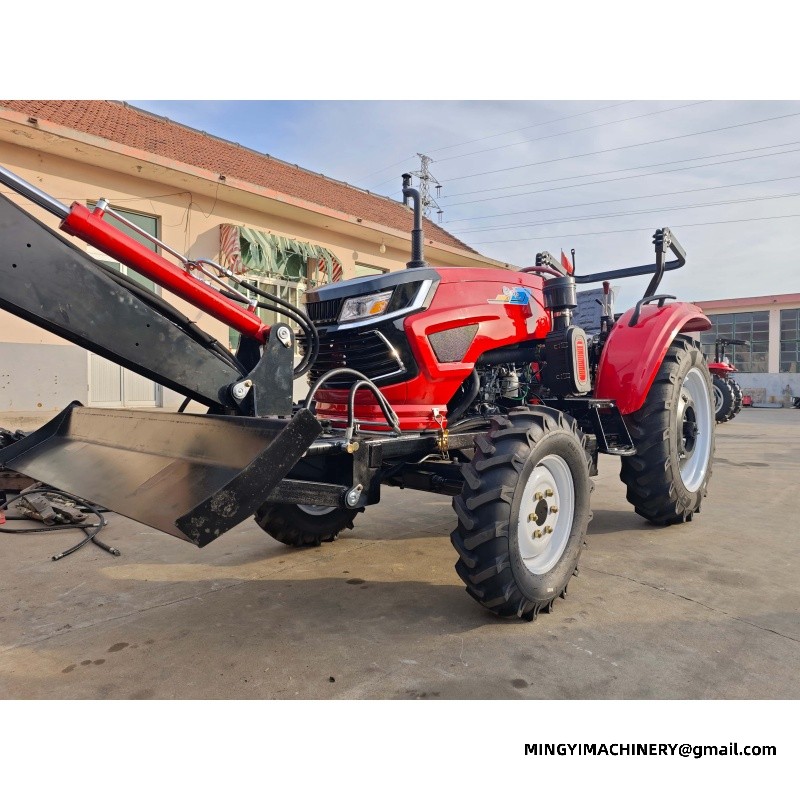
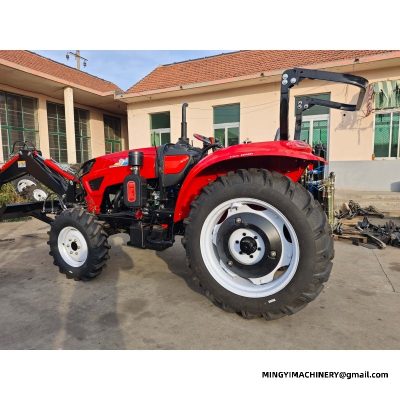
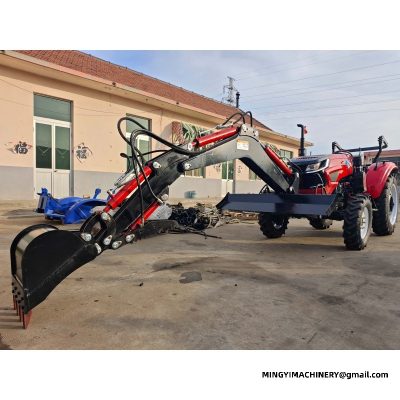
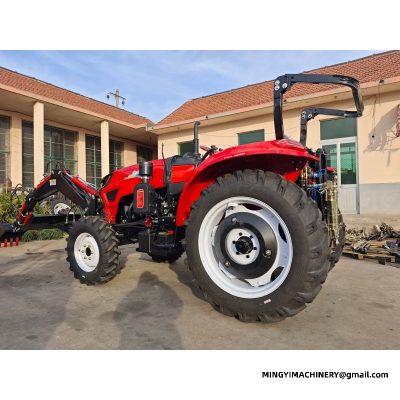
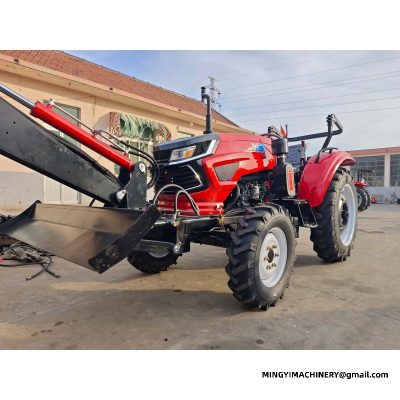
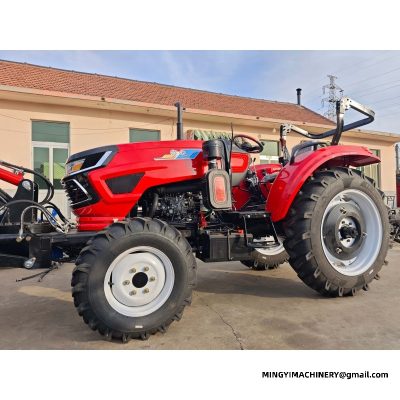
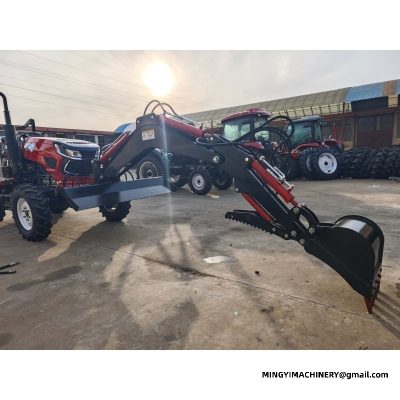
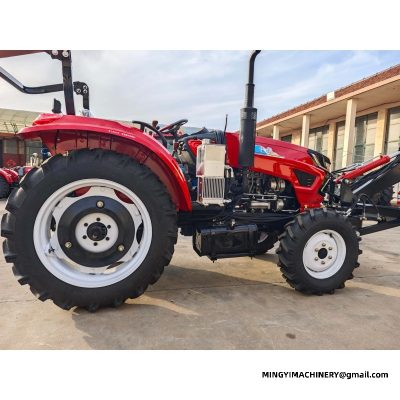
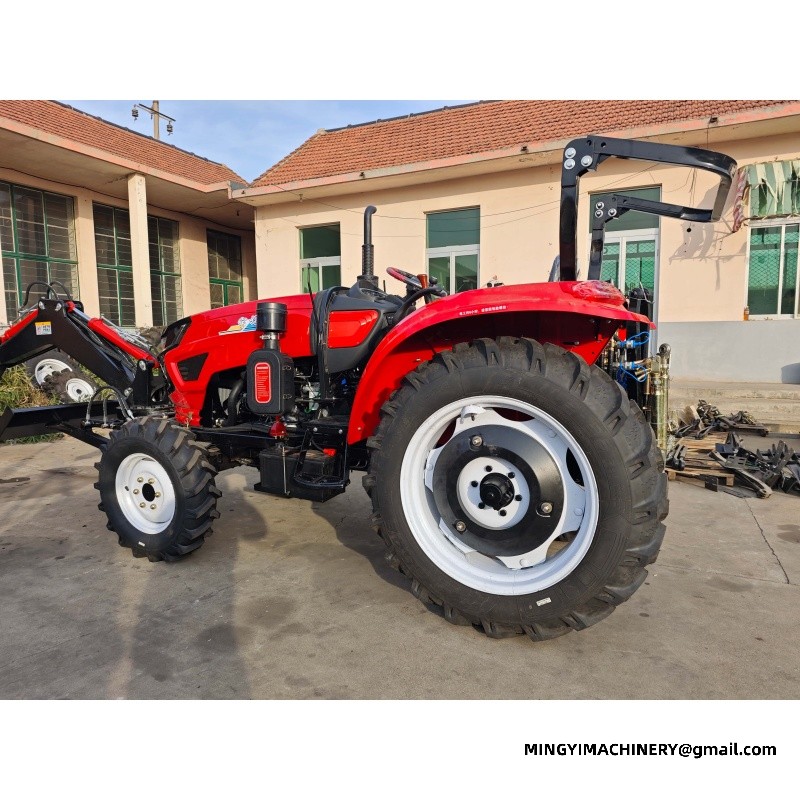
The models below are the four-wheel drive wheel tractors most often matched to this work. Overall size, tyre sizes and operating weight are confirmed together, because the row width and the implement list decide those before the power rating does.
| Model | Overall size | Tyres | Operating weight |
|---|---|---|---|
| 504 wheel tractor | 2.4 x 1.3 x 1.3 m, track adjustable | front 600-12, rear 9.5-16 | — |
| 904 mid frame | 3.1 x 1.5 x 2.05 m, track adjustable | — | 1600 KG |
| 604 mid frame | 3.1 x 1.45 x 1.95 m, track adjustable | front 650-16 rear 11.2-24 | 1600 KG |
| 504 mid frame | 3.1 x 1.5 x 1.97 m, track adjustable | front 650-16 rear 11.2-24 | 1450 kg |
| 804 wheel tractor | 2.4 x 1.3 x 1.3 m, track adjustable | front 600-12 rear 9.5-16 | — |
| 804 mid frame | 3.2 x 1.5 x 2.05 m, track adjustable | front 750-16 rear 11.2-28 | 1500 KG |
| 704 mid frame | 3.2 x 1.5 x 2.05 m, track adjustable | front 750-16 rear 11.2-28 | — |
| 604 wheel tractor | 2.4 x 1.3 x 1.3 m, track adjustable | front 600-12 rear 9.5-16 | 1270 kg |
| Item | Note |
|---|---|
| Engine by power band | 50/60 hp: 490Engine ; 70/80 hp: 490turboEngine |
| Ballast and canopy | Front and rear ballast blocks and a sun canopy are fitted to suit the heaviest implement the tractor will pull. |
| PTO | Rear PTO at 540 / 720 rpm drives implements directly; the gearbox and shuttle shift are specified with the implement list. |
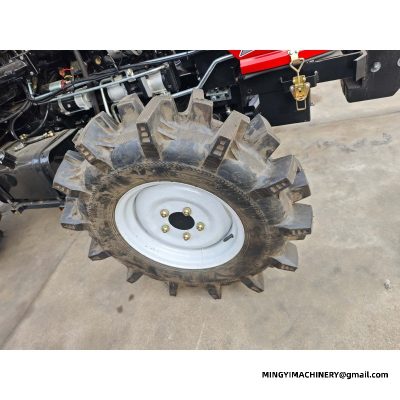
| Tyre options | Front and rear tyre sizes can be changed at build; wider rear tyres suit soft ground and narrow fronts suit row crop work. |
A machine that only one person can use is a single point of failure. Training a second operator on the tractor takes a day and removes the dependency that otherwise governs holidays, illness and busy weeks.
What the customer sees on arrival is decided before departure. The walk-around given to the unit in daily use covers the same points the operator will check on day one, so there are no surprises when the crate is opened at the destination.
A cold start is easier when the machine is prepared the night before. The routine that keeps the equipment on site working through winter is mostly a matter of fuel, battery and patience in the first ten minutes of the day.
Loading is where most damage happens. Ramps, angle of approach and the condition of the ground under them matter more than the machine when the model in question is being loaded, and a careful driver is worth more than a fast one.
Retrofitting is limited by the base machine. Before anything is added to the unit on the job the hydraulic flow, the mounting interface and the stability allowance have to be checked, because those limits are what decide what is sensible.
Most engine trouble starts with what went into the tank. Clean fuel, stored properly and filtered before it reaches the equipment in service, prevents more downtime than any other single habit an owner can adopt.
A spares list should follow the duty cycle. This class of machine working every day in abrasive dust consumes filters and cutting edges far faster than the same machine used once a week, and the shelf should be stocked for the harder case.
Every line above comes from the build sheet for the unit in daily use, and the final configuration is confirmed against the working conditions and the destination before production.
E-mail:sales@mingycn.com
LINE(ID):mingyicn