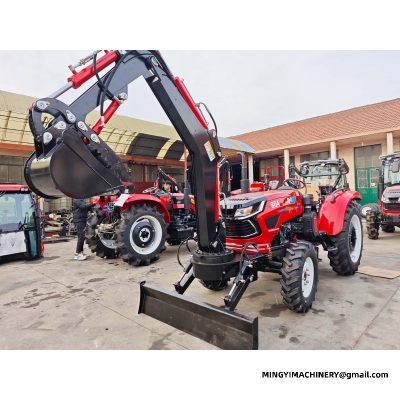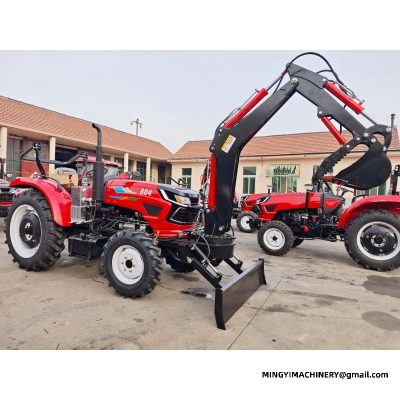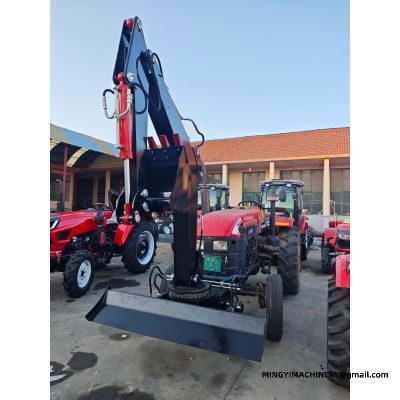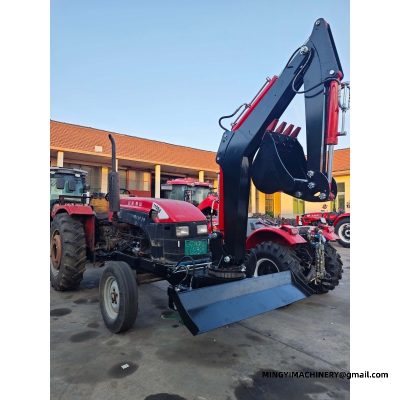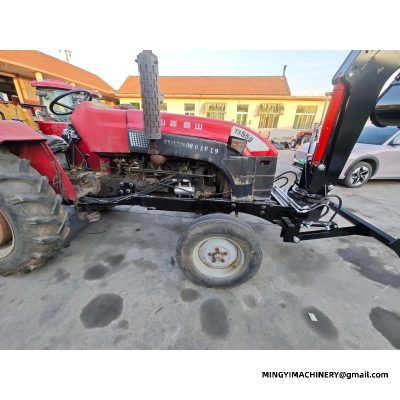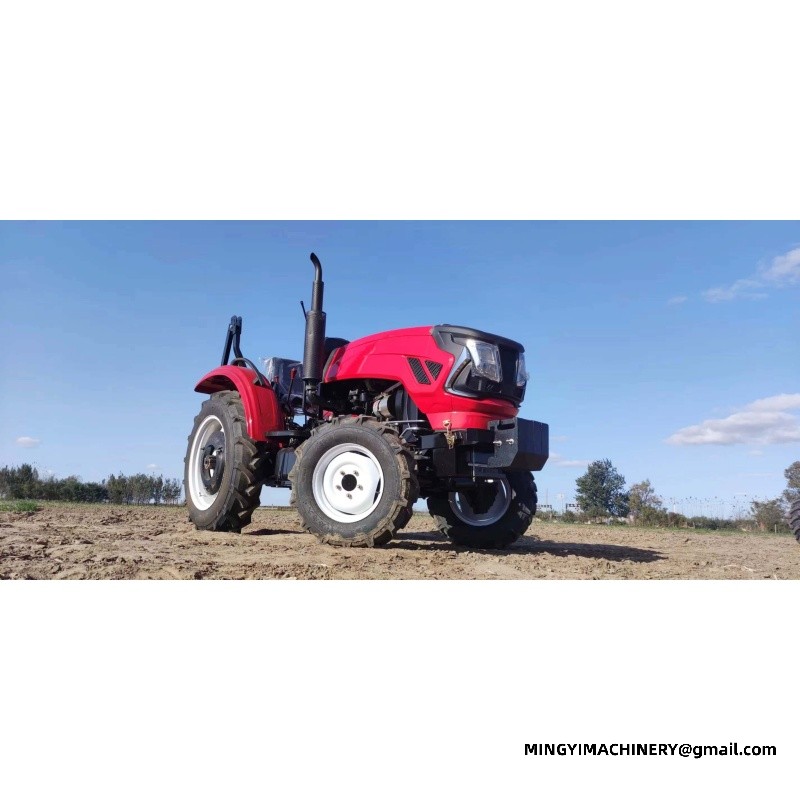
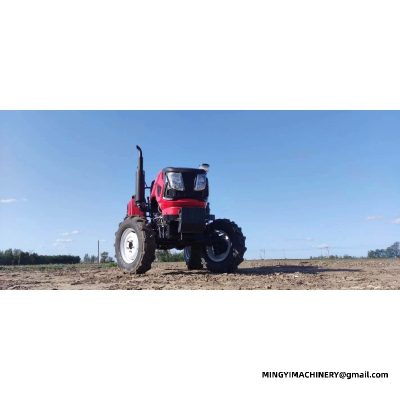
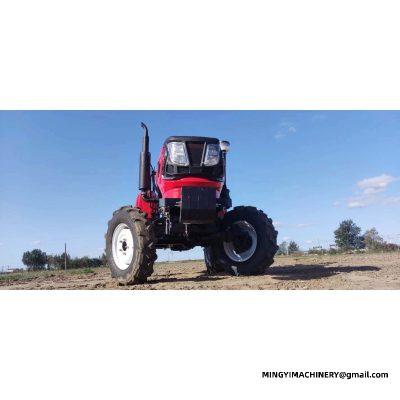
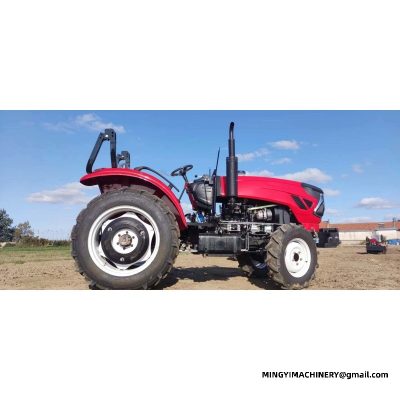
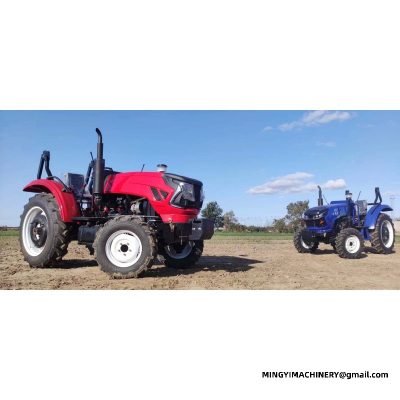
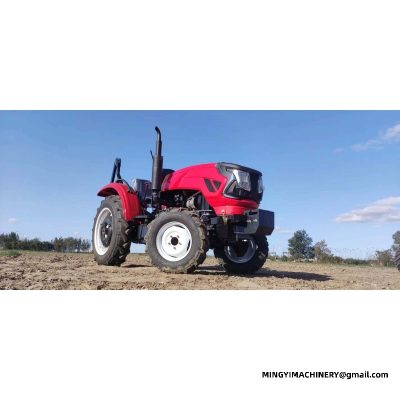
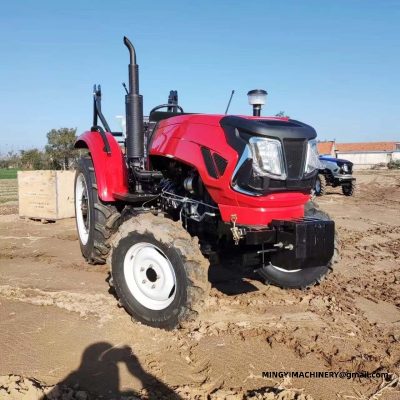
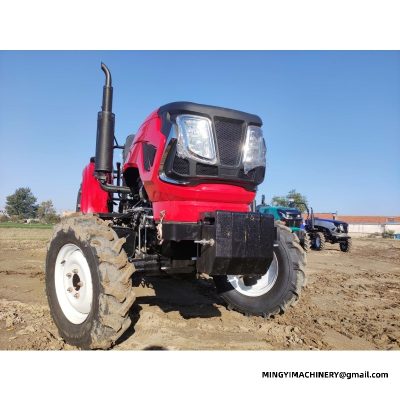
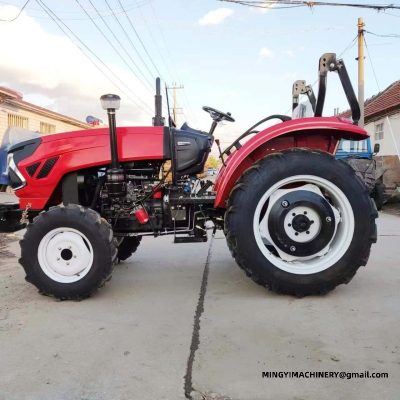
Where the tractor is used matters as much as what it is. Ground, climate, access and the skill of the operator all change the right answer, which is why the sections below start from the working conditions and work towards the specification.
Access and storage are worth settling early. Where this class of machine will be parked, refuelled and serviced on site affects the working day more than most specification details, and it takes nothing to plan. Sequencing avoids rework. Doing the work in the order that suits the ground and the following trades keeps the unit in daily use productive and prevents finishing a task that then has to be opened up again.
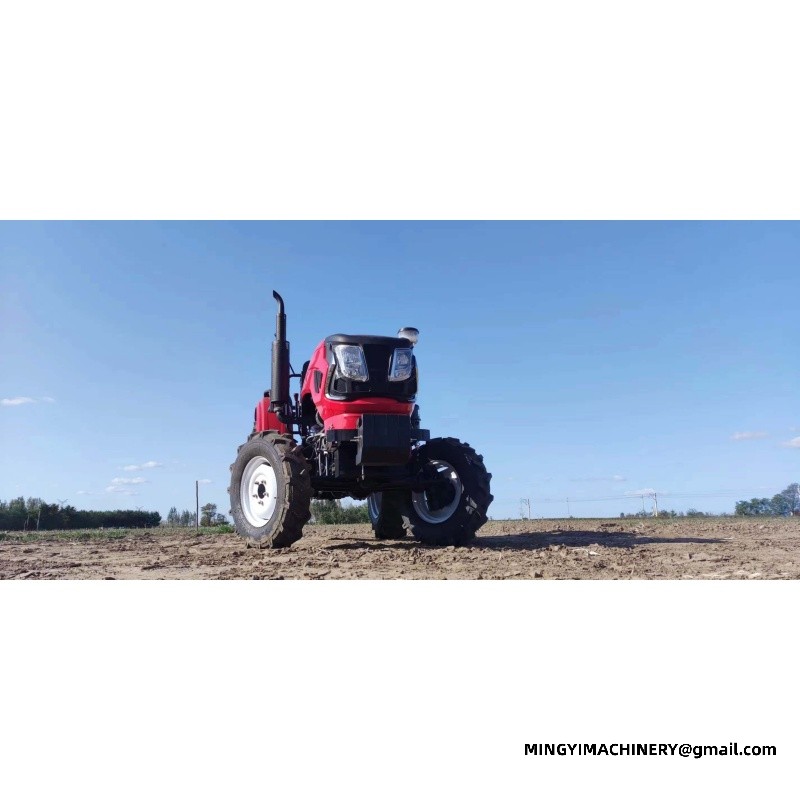
Standing still is hard on machinery. A machine of this size left for weeks benefits from a clean, dry, covered space, a charged battery and a fuel system prepared for the layoff, and all three effort very little.
The implement list is the specification. Ploughing, tilling, seeding and hauling each ask something different of the equipment on site, and writing the list down is what turns a tractor enquiry into a machine that fits.
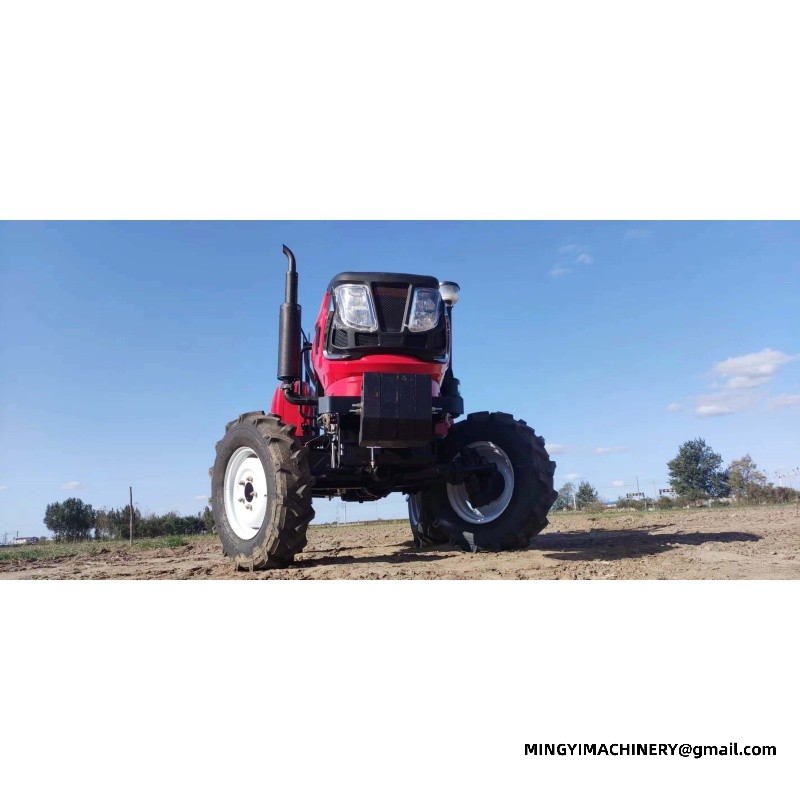
Ballast is part of the specification. Weights on the front and rear of the machine itself keep the axle loads correct when a heavy implement is lifted, and an unballasted tractor is unstable as well as inefficient.
Ballast and attachment weight change the machine. Adding a heavy tool to the model in question moves the centre of gravity, and the counterweight or configuration should be matched to the tool rather than assumed.
Seasonal work changes the maintenance calendar. Machines that work hard for two months and stand for ten need preparation before storage and a check before returning to work, and both are simpler than the repairs they prevent. Hour planning helps at resale as well. The machine in that duty with a recorded service history and a sensible hour count is easier to sell than one with the same hours and no records, whatever its condition.
Certain parts are designed to be consumed. Knowing which items on the unit on the job are wearing parts, and roughly how long they last in the duty the machine sees, turns replacement into a plan rather than a breakdown. Wear rate follows conditions far more than hours. A machine built for the work working on abrasive ground or in mud will consume undercarriage or tyre life much faster than the same machine on clean ground.
Container loading is a planning exercise. Confirming how the equipment in service is packed and how many units fit a container is what turns a per-unit freight estimate into a delivered figure the buyer can actually plan against.
Most failures start as something small that a walk-around would have caught. Fluid levels, belt tension, tyre or track condition and any fresh leak are the items worth two minutes at the start of each shift on this class of machine. Service intervals exist because wear is predictable. Following the maker schedule on the unit in daily use takes far less time than repairing the damage that follows a missed oil change or a filter left in place past its life. A simple log helps. Recording hours, fuel and any adjustment made to a machine of this size gives the workshop a history, and that history is what turns an intermittent fault into a one-visit repair instead of three.
Fuel is usually the largest controllable running demand. Operating style, correct tyre or track condition and a clean air supply all move consumption on the machine itself by more than most buyers expect.
Owners who work across several sites should check the transport dimensions before ordering. The machine in that duty that fits a standard trailer can be moved by any operator with a suitable vehicle, while an over-width machine narrows that choice and complicates every move. Shipping dimensions matter as much on export orders as they do locally. Confirming the packed size of the unit on the job before booking avoids re-booking freight after the machine is built.
Fleet value comes from interchangeability. Operators who can step between machines without retraining, and a workshop that stocks one set of filters, keep utilisation higher than a fleet of individually optimised units. Utilisation matters more than the purchase decision over a few years. The equipment in service that sits idle ties up the same yard space standing still as one that earns, so the buying decision should follow the hours the machine will realistically work.
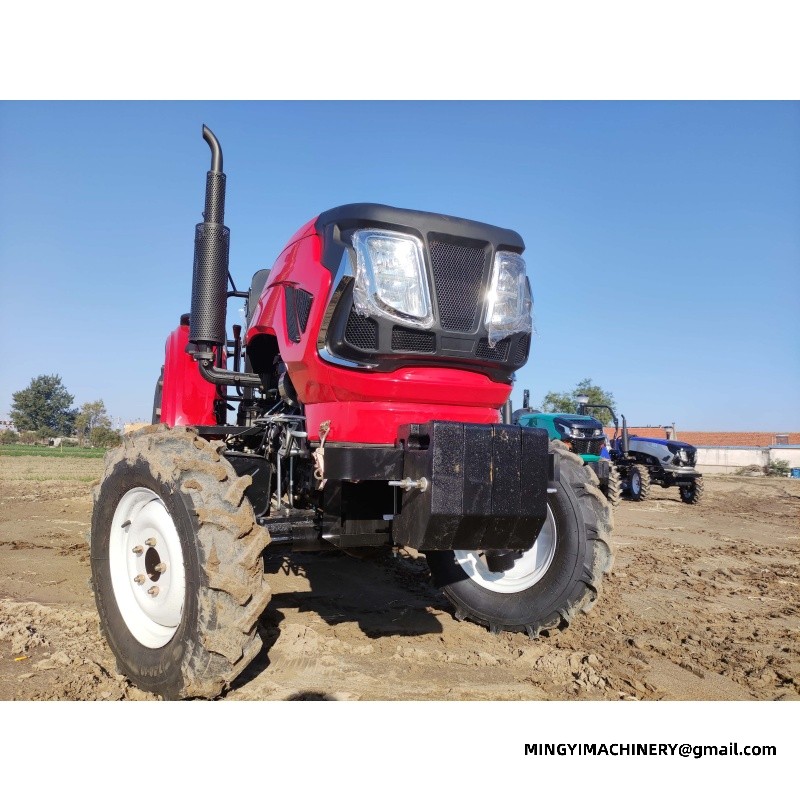
Air filtration matters in field work. This class of machine working in dust and straw needs a cab filter that is checked and changed, and neglecting it takes the operator more than it takes the machine. Visibility to the hitch and to the front axle is what makes accurate work possible. Seeing the linkage from the seat of the unit in daily use is the difference between a clean run and repeated correction.
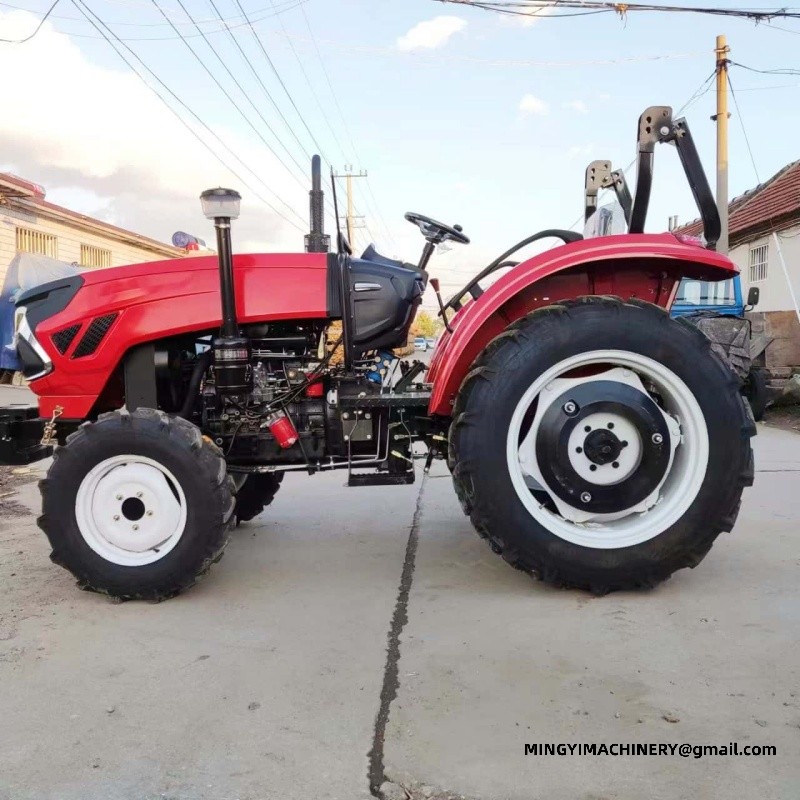
The order should state the configuration in writing. Engine, attachments, colour, documents and any market requirement are clearer on the build sheet for the equipment on site than in a conversation after delivery.
Service access decides whether maintenance happens. The model in question with daily checks that can be done from the ground gets them done, while one that needs a toolbox for a dipstick tends to run low. Fuel use is a specification as much as a habit. The machine in that duty working in the right gear at a sensible engine speed uses meaningfully less over a season, and the operator makes that difference every hour.
Parts availability usually decides the engine and the brand. A machine built around components the local network already carries is serviced from stock, which is the difference between a day lost and a week lost. Remote diagnosis shortens most faults. A walk-around on video with the panels open often identifies the cause on a machine built for the work without waiting for a visit, and avoids shipping a part that turns out not to be needed.
Familiarisation should cover the limits as well as the controls. Knowing where the equipment in service loses stability, how it behaves at full reach, and what the warning lights mean prevents the incidents that are put down to bad luck. A short handover pays for itself. Operators who understand why the tractor is set up the way it is will report a change in behaviour early, which is usually the point where a repair is simplest.
Most tractors spend part of the year idle. Preparing the unit in daily use for storage with clean fluids, a charged battery and the weight off the tyres avoids the faults that appear at the start of the next season. Seasonal work means long idle periods followed by heavy use. A short commissioning check on a machine of this size before the season starts is simpler than discovering a flat battery or a seized linkage in the first week.
Commissioning is the point where most avoidable issues are found. Checking levels, fasteners and function on the equipment on site before it goes to work takes an hour and prevents a claim conversation later. Warranty terms are clearer when they are read before purchase. Knowing what is covered, what counts as a wearing item and what documentation is required makes a claim on the machine itself straightforward rather than contested. Early faults are usually simple. The model in question that behaves differently in its first few hours is more often mis-set than defective, and a call to the supplier at that point usually resolves it the same day.
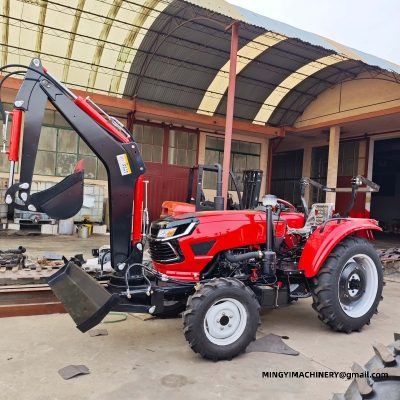
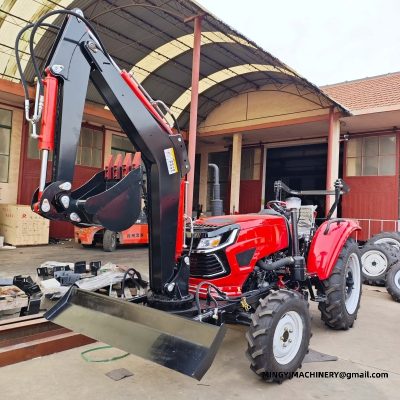
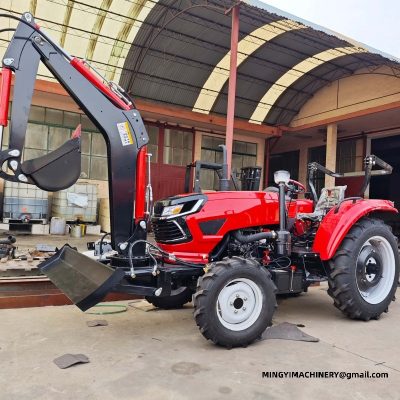
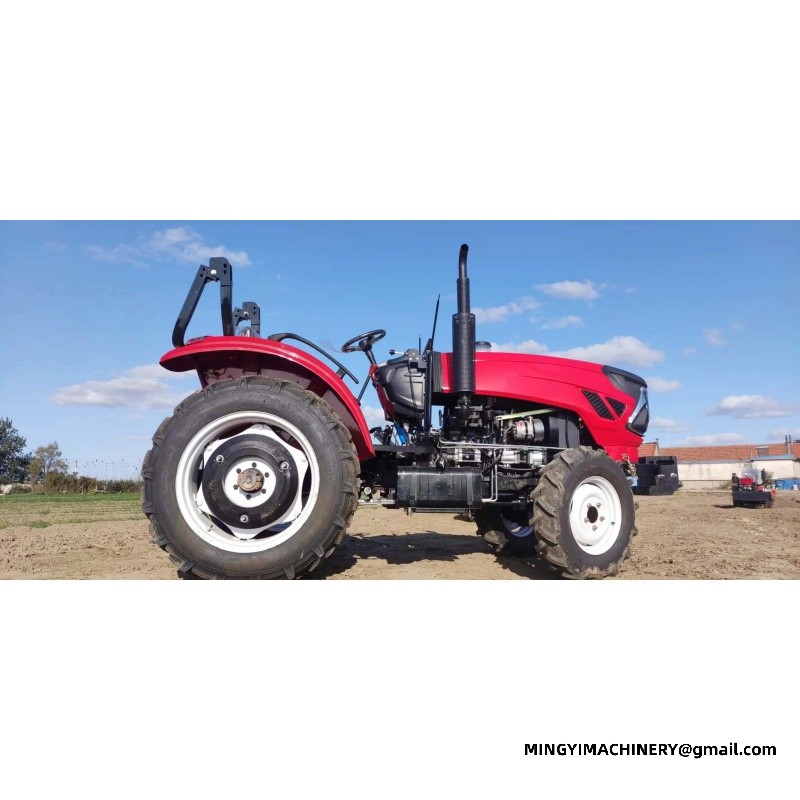
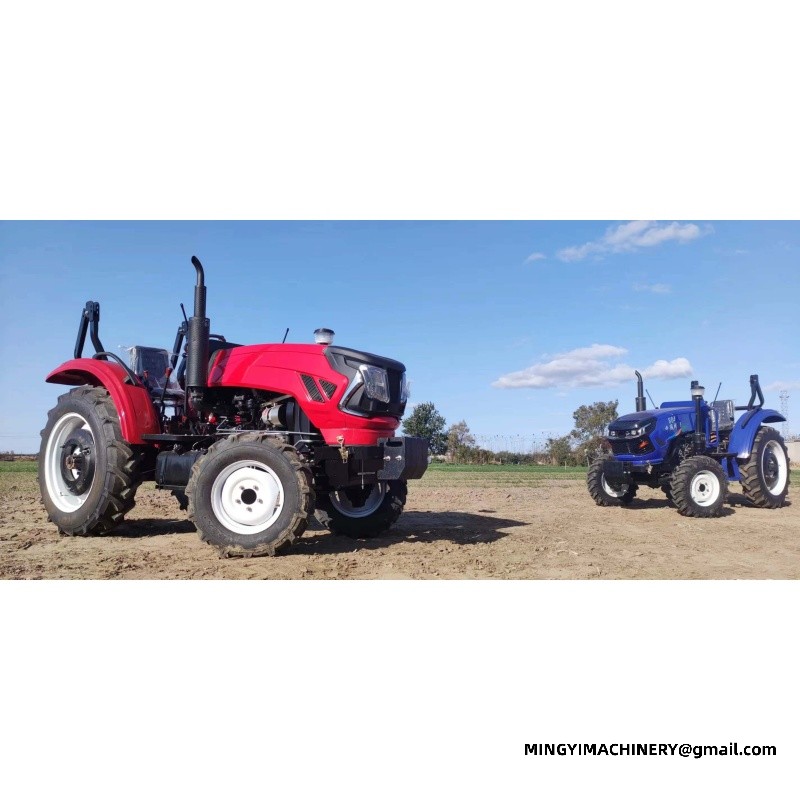
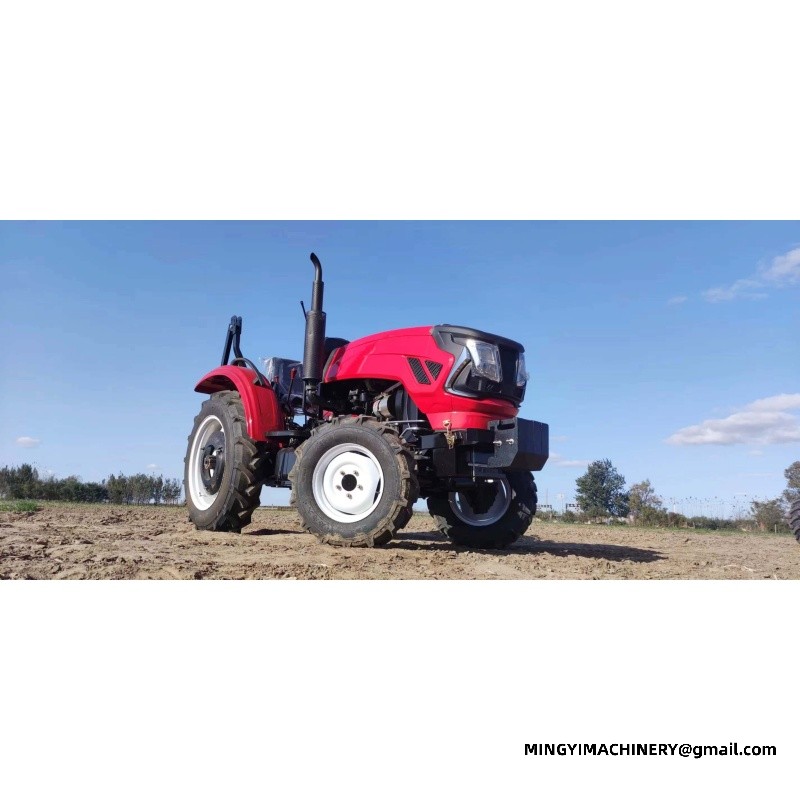
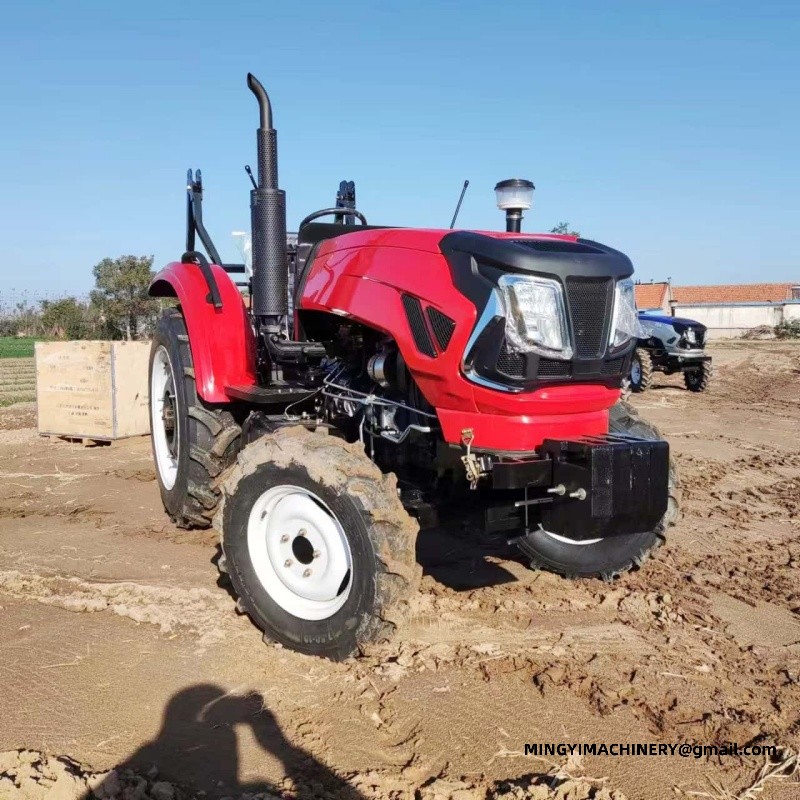
The models below are the four-wheel drive wheel tractors most often matched to this work. Overall size, tyre sizes and operating weight are confirmed together, because the row width and the implement list decide those before the power rating does.
| Model | Overall size | Tyres | Operating weight |
|---|---|---|---|
| 504 mid frame | 3.1 x 1.5 x 1.97 m, track adjustable | front 650-16 rear 11.2-24 | 1450 kg |
| 704 mid frame | 3.2 x 1.5 x 2.05 m, track adjustable | front 750-16 rear 11.2-28 | — |
| 604 mid frame | 3.1 x 1.45 x 1.95 m, track adjustable | front 650-16 rear 11.2-24 | 1600 KG |
| 604 wheel tractor | 2.4 x 1.3 x 1.3 m, track adjustable | front 600-12 rear 9.5-16 | 1270 kg |
| 804 mid frame | 3.2 x 1.5 x 2.05 m, track adjustable | front 750-16 rear 11.2-28 | 1500 KG |
| 904 mid frame | 3.1 x 1.5 x 2.05 m, track adjustable | — | 1600 KG |
| 504 wheel tractor | 2.4 x 1.3 x 1.3 m, track adjustable | front 600-12, rear 9.5-16 | — |
| 804 wheel tractor | 2.4 x 1.3 x 1.3 m, track adjustable | front 600-12 rear 9.5-16 | — |
| Item | Note |
|---|---|
| PTO | Rear PTO at 540 / 720 rpm drives implements directly; the gearbox and shuttle shift are specified with the implement list. |
| Engine by power band | 50/60 hp: 490Engine ; 70/80 hp: 490turboEngine |
| Ballast and canopy | Front and rear ballast blocks and a sun canopy are fitted to suit the heaviest implement the tractor will pull. |
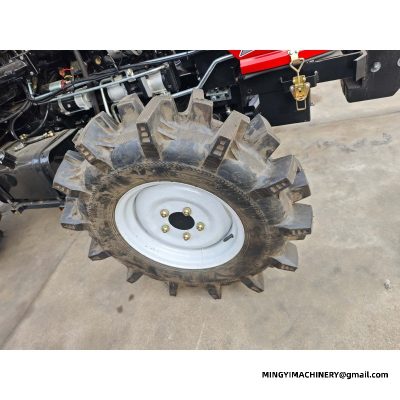
| Tyre options | Front and rear tyre sizes can be changed at build; wider rear tyres suit soft ground and narrow fronts suit row crop work. |
Winter is hard on rubber and on seals as much as on the engine. Parking the equipment in service under cover, keeping the tracks or tyres off standing water and checking the hoses for cracking are all part of the season.
The paperwork matters as much as the packing. Serial numbers, dimensions and weights recorded for this class of machine at loading are the same figures the destination needs, and a mismatch here loses more days than the voyage itself.
Inspection is a list, not a glance. Before a machine of this size is released the fluid levels, belt tension, electrical connections and safety decals are each ticked off, and anything that fails stays in the shop rather than travelling with the machine.
Contamination is easier to prevent than to cure. Keeping the filler caps sealed, the funnels clean and the containers closed around the machine itself is unglamorous work that shows up as reliability later.
Commissioning is where the specification meets the ground. The settings chosen for the machine in that duty are confirmed against the actual site, and the working pattern is adjusted before the machine is asked for a full day.
A machine that only one person can use is a single point of failure. Training a second operator on a machine built for the work takes a day and removes the dependency that otherwise governs holidays, illness and busy weeks.
The record should follow the machine, not the owner. When the tractor changes hands the service history travels with it, and a complete folder is often the difference between a quick sale and a long one.
Every line above comes from the build sheet for this class of machine, and the final configuration is confirmed against the working conditions and the destination before production.
E-mail:sales@mingycn.com
LINE(ID):mingyicn