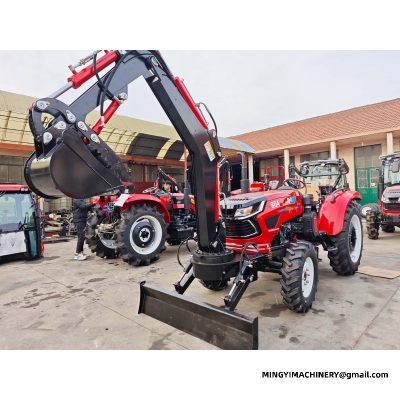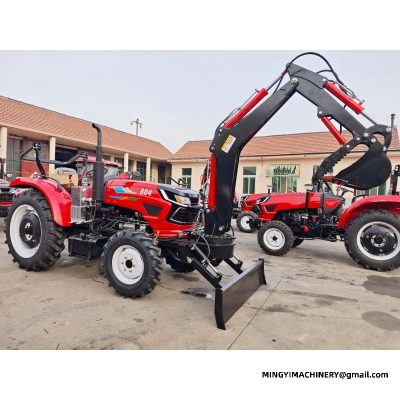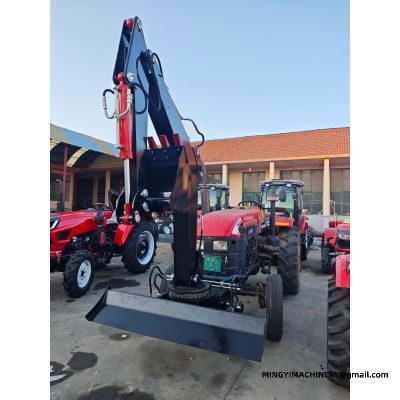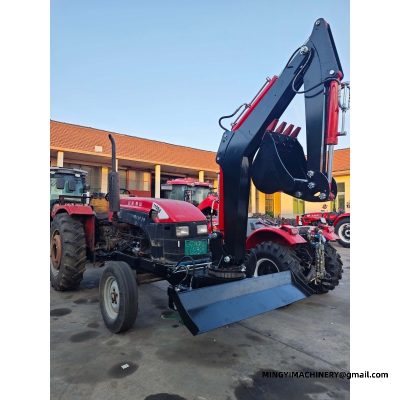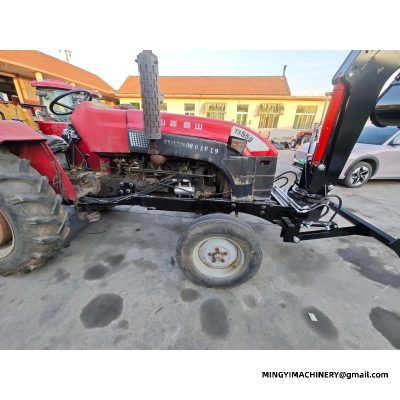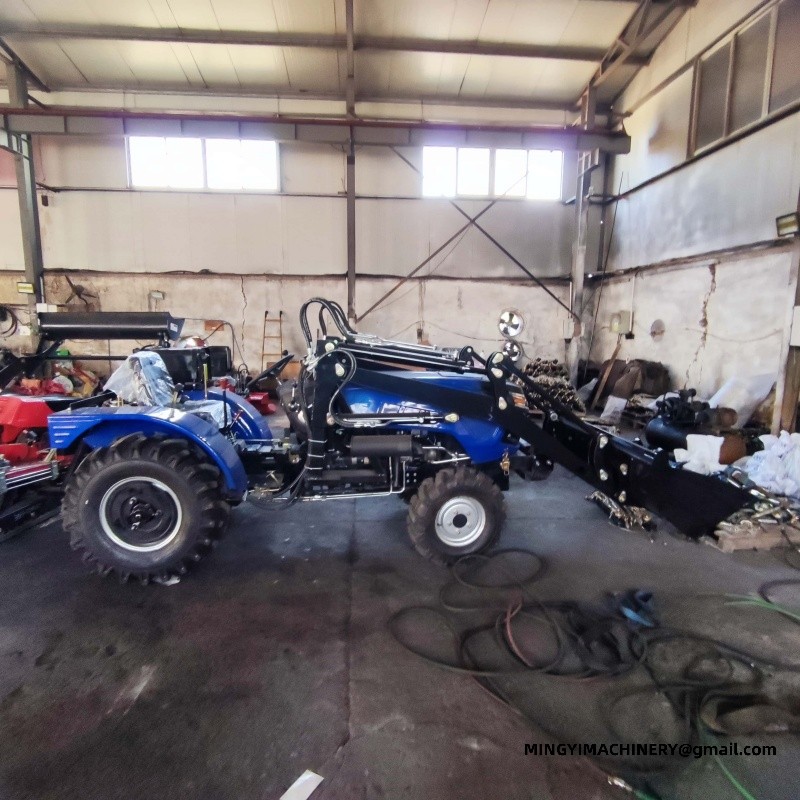
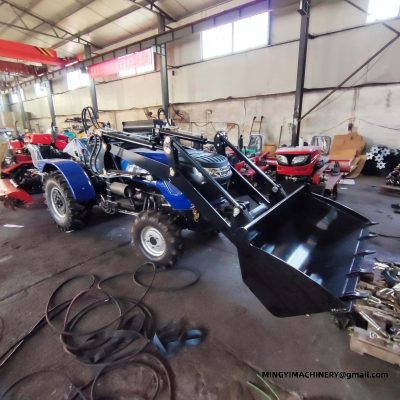
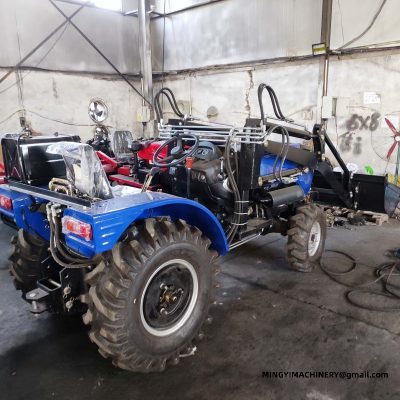
Nothing about the tractor is complicated, but the details are easy to overlook. This page gathers them in one place, from the build and the daily checks through to transport, documents and the support that comes after delivery.
Lead time is part of the specification. Confirming build time, shipping method and what is included before ordering this class of machine prevents the common gap between when the machine is needed and when it can arrive. The order should state the configuration in writing. Engine, attachments, colour, documents and any market requirement are clearer on the build sheet for the unit in daily use than in a conversation after delivery. Delivery planning includes the receiving end. Knowing whether a machine of this size will be craned, driven or forked off, and whether the site can accept it, is settled before dispatch rather than on the day.
Seasonal work means long idle periods followed by heavy use. A short commissioning check on the equipment on site before the season starts is simpler than discovering a flat battery or a seized linkage in the first week. Keeping the machine under cover pays for itself. Sun and rain on the machine itself age tyres, seals and paintwork faster than work does, and a roof is the simplest protection available.
The implement list is the specification. Ploughing, tilling, seeding and hauling each ask something different of the model in question, and writing the list down is what turns a tractor enquiry into a machine that fits. Width and weight both matter. An implement that suits the power of the machine in that duty can still be wrong if it is too wide for the gateway or too heavy for the linkage, and both are simple to check in advance.
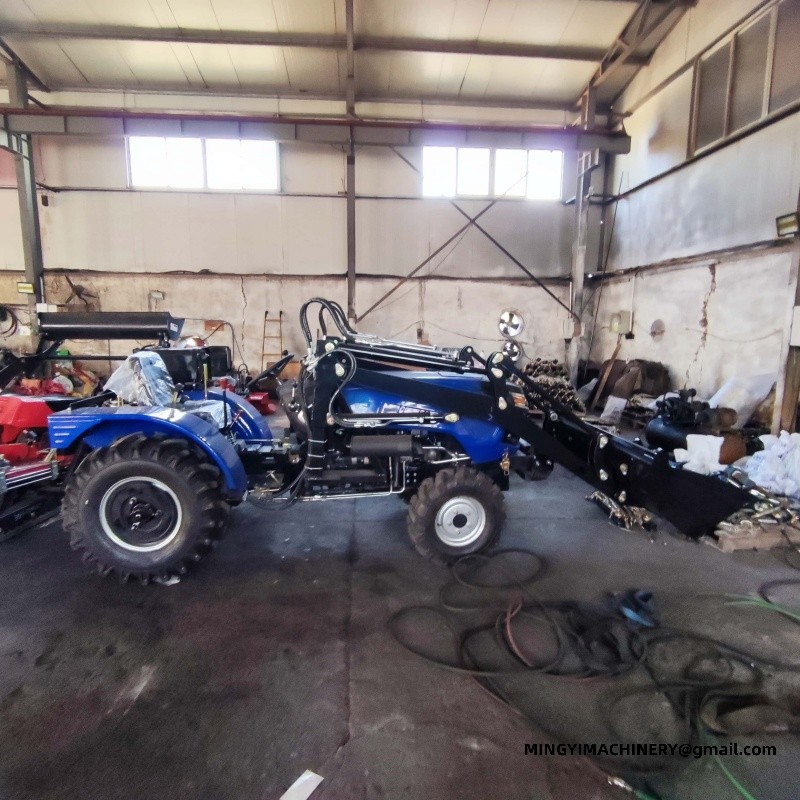
The gearbox is used more than any other control. The unit on the job with a shuttle shift and sensible spacing between the working gears makes headland turns quicker and reduces the fatigue of a long day. Clutch and linkage adjustment is routine. Keeping the shuttle and the hitch on a machine built for the work correctly adjusted protects the gearbox and gives the operator the control needed for accurate implement work.
Hydraulic capacity decides what the hitch can do. The lifter on the equipment in service has to raise the heaviest implement with the linkage geometry the farm uses, and that is a specification rather than an assumption.
Upgrades should be checked against the base machine. Hydraulic capacity, mounting interface and stability all limit what can reasonably be added to the tractor, and confirming those limits avoids an unsatisfactory result. The decision is economic as well as technical. Comparing the work of reconfiguring this class of machine against a different machine is a short calculation that usually gives a clear answer.
Slopes and edges deserve a separate check. The unit in daily use that is stable on level ground behaves differently across a gradient, and the safe working angle is a number worth knowing rather than estimating. Personal protective equipment and a stop rule are simple controls. Agreeing before work starts that anyone can stop the job is the single measure that most often prevents a serious incident near a machine of this size.
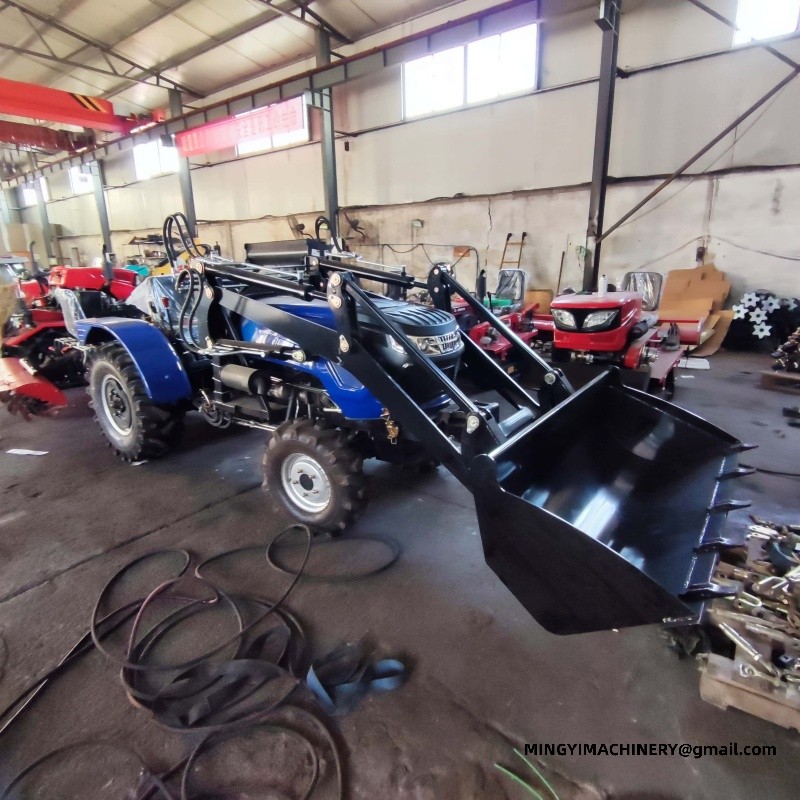
Certain parts are designed to be consumed. Knowing which items on the equipment on site are wearing parts, and roughly how long they last in the duty the machine sees, turns replacement into a plan rather than a breakdown. Replacing wear items early is usually simpler. Worn components on the machine itself load the parts they run against, so a worn part left too long often becomes a major repair.
Comfort is a productivity item. The machine in that duty with a sun canopy, a usable seat and controls that fall to hand lets an operator work a full day, and the difference shows in the quality of the last hour.
Visibility from the seat is different at night. Reflections, shadows and glare all hide detail, so a machine built for the work used after dark benefits from clean lenses, working wipers and a slower working pace.
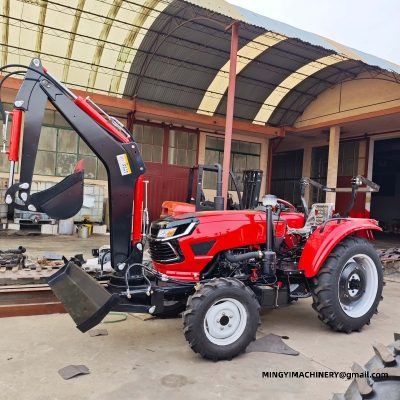
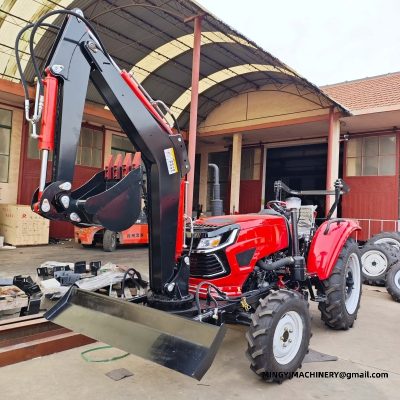
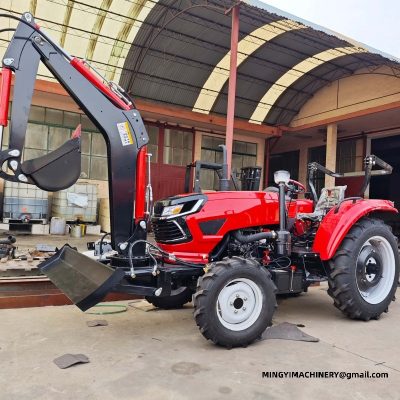
The base machine is only as useful as the tool on the end of it. Matching the attachment to the task - rather than to what arrived with the machine - is what lets one the tractor cover several jobs across a week.
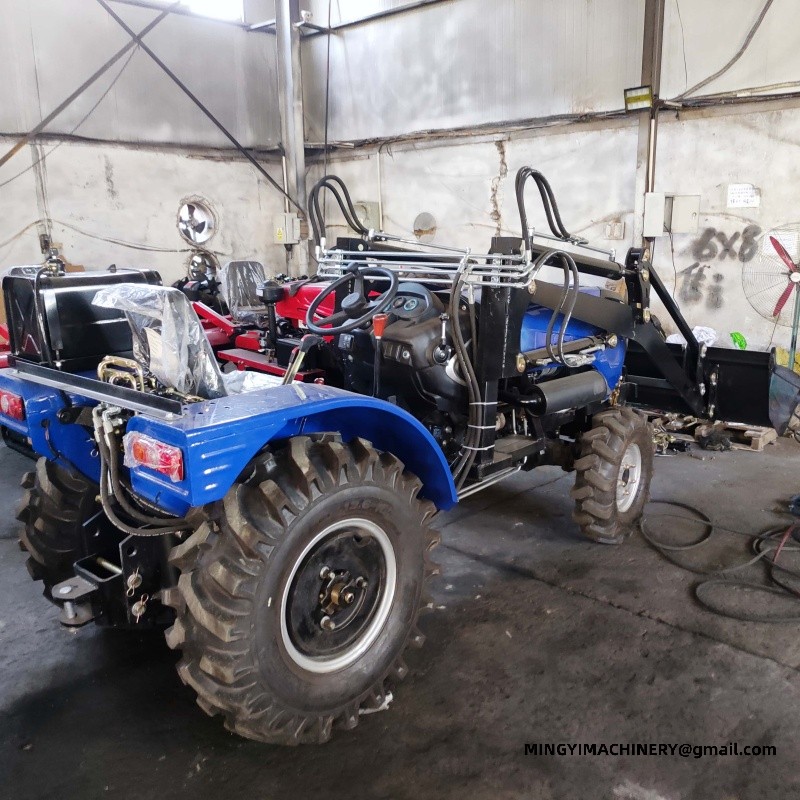
Cold changes how a machine starts and how it warms up. Allowing the unit in daily use to reach operating temperature before loading it, and using the correct grade of oil and fuel for the season, prevents most cold-start problems. Batteries and fluids are the parts that notice the cold first. A machine of this size kept on a maintainer through a freezing spell starts on the first turn, while one left standing is the usual cause of a lost morning. Low temperatures also make materials behave differently. Ground that is frozen hard in the morning can be soft by midday, and planning the sequence around that is easier than fighting it with the equipment on site.
Handover should include the documents as well as the keys. Parts list, service schedule and the operator notes for the model in question are what the workshop needs in month six, and they are much harder to obtain later. Keeping the manuals where they can be reached matters. The machine in that duty whose documents stay with the machine gets serviced on schedule; one whose paperwork was filed elsewhere tends to run on memory instead.
A simple log helps. Recording hours, fuel and any adjustment made to a machine built for the work gives the workshop a history, and that history is what turns an intermittent fault into a one-visit repair instead of three.
Ballast is part of the specification. Weights on the front and rear of this class of machine keep the axle loads correct when a heavy implement is lifted, and an unballasted tractor is unstable as well as inefficient. Track width follows the crop. The tractor set to the row width works between standing crop without damage, and adjustable track is the feature that lets one machine do both row work and general haulage.
Fleet value comes from interchangeability. Operators who can step between machines without retraining, and a workshop that stocks one set of filters, keep utilisation higher than a fleet of individually optimised units. Standardising where possible simplifies everything downstream. When several units of a machine of this size share a service schedule and a parts list, the fleet becomes easier to plan and easier to sell on at replacement time.
Resale starts at purchase. Specification choices, service records and the condition of wearing parts are what a buyer looks at, and the equipment on site that has been maintained on schedule is worth more than one that merely looks clean. Replacement timing is a planning decision. Knowing the intended working life of the machine itself lets an owner sell while the machine still has value rather than after a major repair becomes due. Records are part of the asset. Keeping the service history and the hour records with the model in question makes it easier to sell, easier to insure and easier to justify the replacement machine internally.
The models below are the four-wheel drive wheel tractors most often matched to this work. Overall size, tyre sizes and operating weight are confirmed together, because the row width and the implement list decide those before the power rating does.
| Model | Overall size | Tyres | Operating weight |
|---|---|---|---|
| 604 mid frame | 3.1 x 1.45 x 1.95 m, track adjustable | front 650-16 rear 11.2-24 | 1600 KG |
| 604 wheel tractor | 2.4 x 1.3 x 1.3 m, track adjustable | front 600-12 rear 9.5-16 | 1270 kg |
| 704 mid frame | 3.2 x 1.5 x 2.05 m, track adjustable | front 750-16 rear 11.2-28 | — |
| 904 mid frame | 3.1 x 1.5 x 2.05 m, track adjustable | — | 1600 KG |
| 504 mid frame | 3.1 x 1.5 x 1.97 m, track adjustable | front 650-16 rear 11.2-24 | 1450 kg |
| 804 wheel tractor | 2.4 x 1.3 x 1.3 m, track adjustable | front 600-12 rear 9.5-16 | — |
| 504 wheel tractor | 2.4 x 1.3 x 1.3 m, track adjustable | front 600-12, rear 9.5-16 | — |
| 804 mid frame | 3.2 x 1.5 x 2.05 m, track adjustable | front 750-16 rear 11.2-28 | 1500 KG |
| Item | Note |
|---|---|
| Engine by power band | 50/60 hp: 490Engine ; 70/80 hp: 490turboEngine |
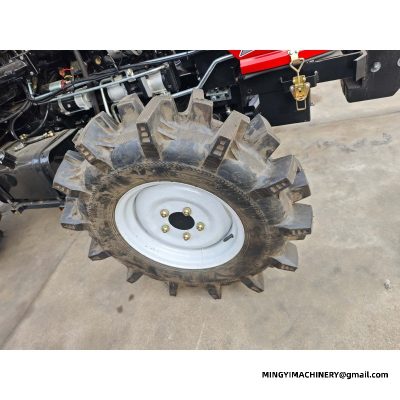
| Tyre options | Front and rear tyre sizes can be changed at build; wider rear tyres suit soft ground and narrow fronts suit row crop work. |
| PTO | Rear PTO at 540 / 720 rpm drives implements directly; the gearbox and shuttle shift are specified with the implement list. |
| Ballast and canopy | Front and rear ballast blocks and a sun canopy are fitted to suit the heaviest implement the tractor will pull. |
Standing still is harder on a machine than working. Preparing the equipment in service for a long idle period means clean fluids, a charged battery and protection for the exposed surfaces, because neglect is not the same as rest.
The machine should be introduced to the site as well as the operator. Walking the route this class of machine will take, noting the soft spots and the turns, prevents the kind of first-day incident that has nothing to do with the machine.
The symptom is usually not at the fault. A hydraulic function that has become sluggish on a machine of this size may point to a filter, a relief setting or a pump, and starting with the simple checks avoids the wrong guess.
Patterns show up in the record before they show up in the machine. Rising oil consumption or a filter that keeps blocking on the machine itself is obvious on paper long before it becomes a failure on site.
Keeping the documents together is part of ownership. The manual, the service record and the build sheet for the machine in that duty belong in one folder, and the machine is easier to sell later when that folder is complete.
Container loading is a planning exercise. The overall dimensions and the operating weight of a machine built for the work decide whether it ships whole, partly disassembled or with the attachment removed, and that decision is made before the booking.
Every line above comes from the build sheet for the equipment in service, and the final configuration is confirmed against the working conditions and the destination before production.
E-mail:sales@mingycn.com
LINE(ID):mingyicn