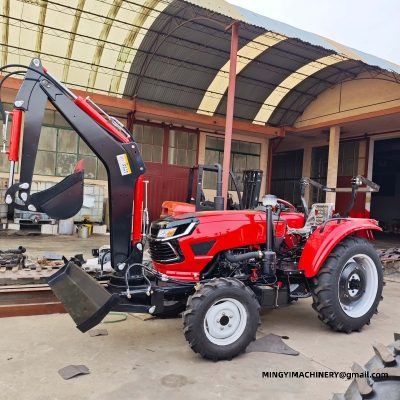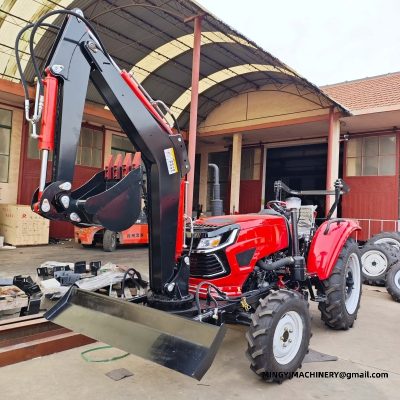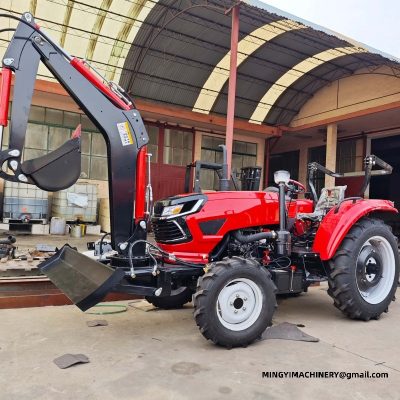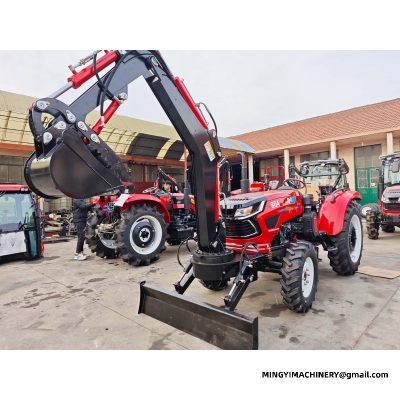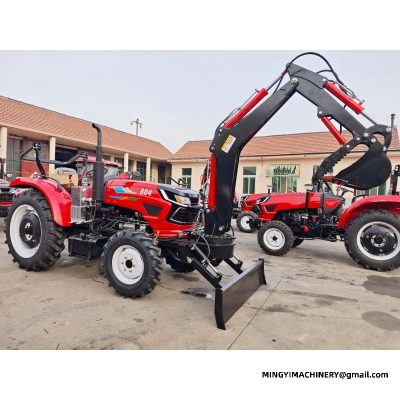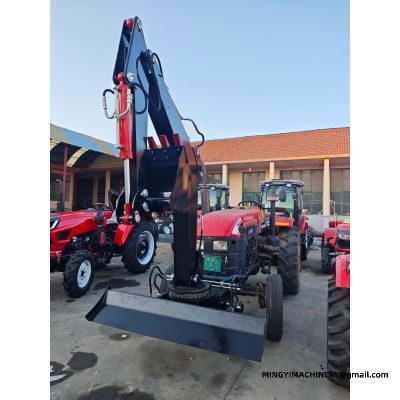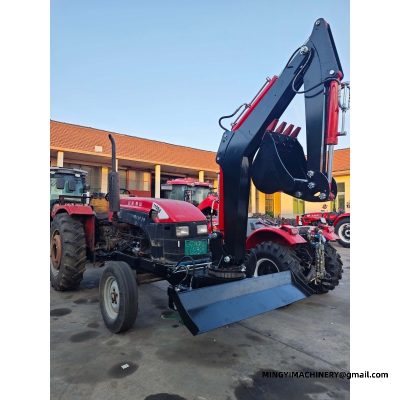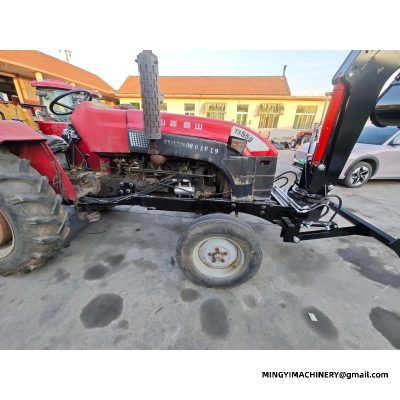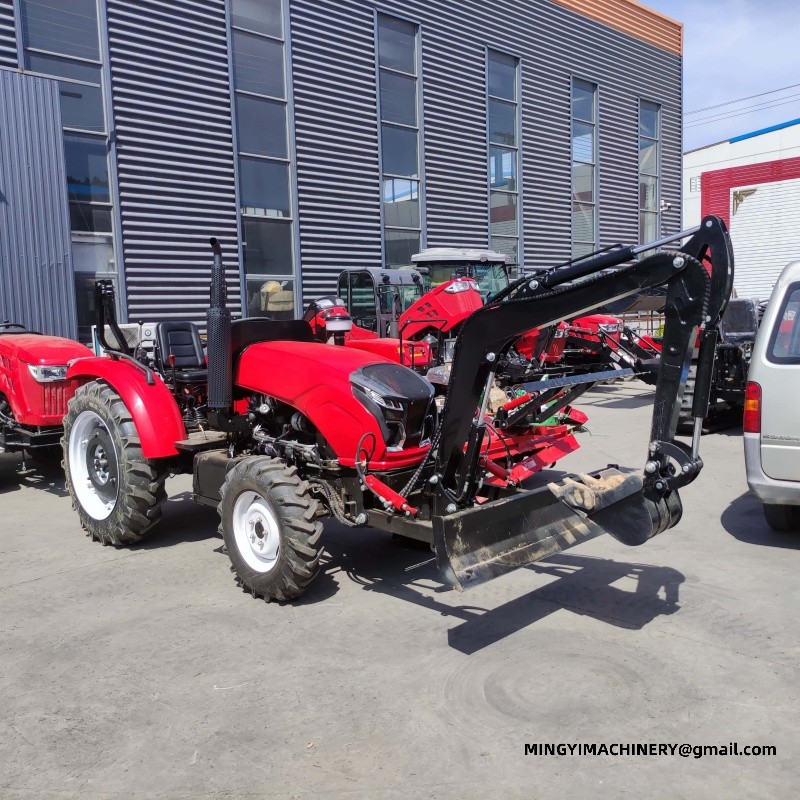
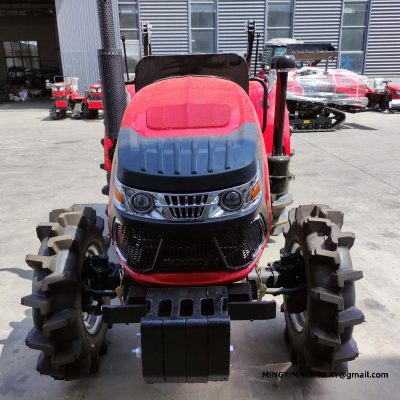
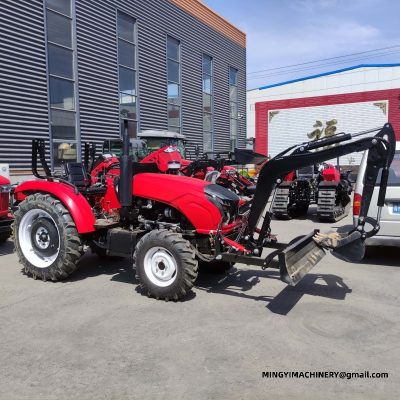
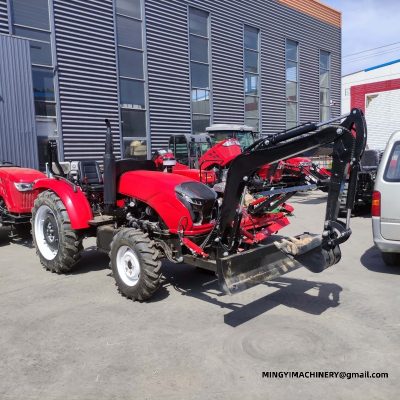
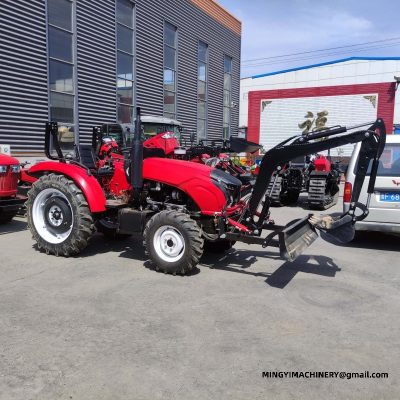
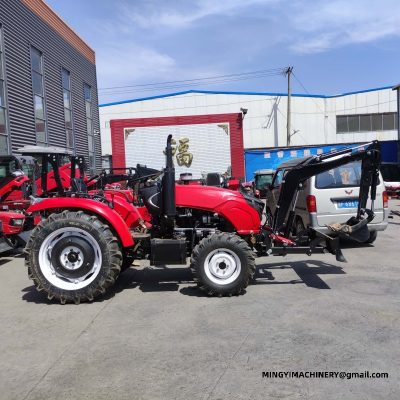
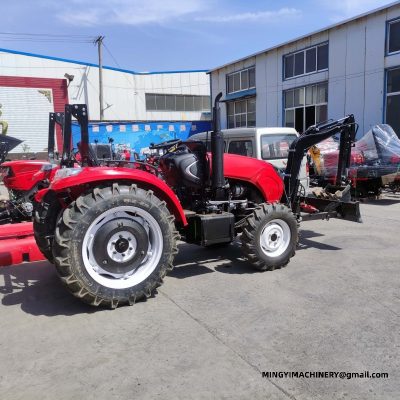
The range covered here includes the tractor in the configurations that are built and shipped. Rather than repeat a specification table on its own, the sections below explain what each figure means in use and where the trade-offs sit.
Emissions documentation is part of engine selection for some destinations. Confirming which units can be supplied and documented for the destination country is worth doing at enquiry stage rather than after the build sheet is signed.
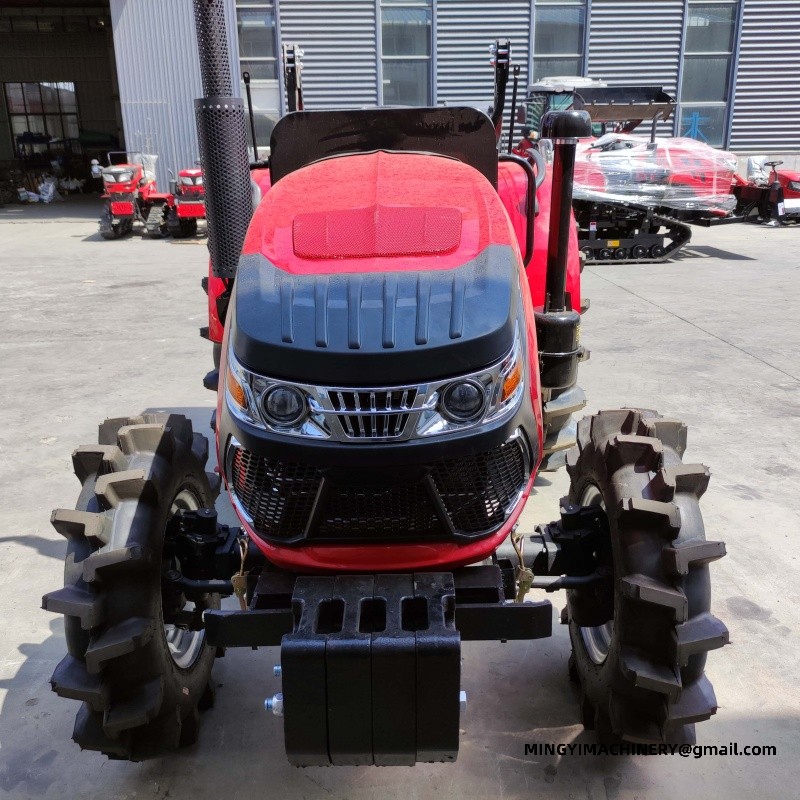
Reconfiguration can extend the useful life of a machine. This class of machine that no longer suits the current work may suit it again with a different attachment, guarding or control arrangement.
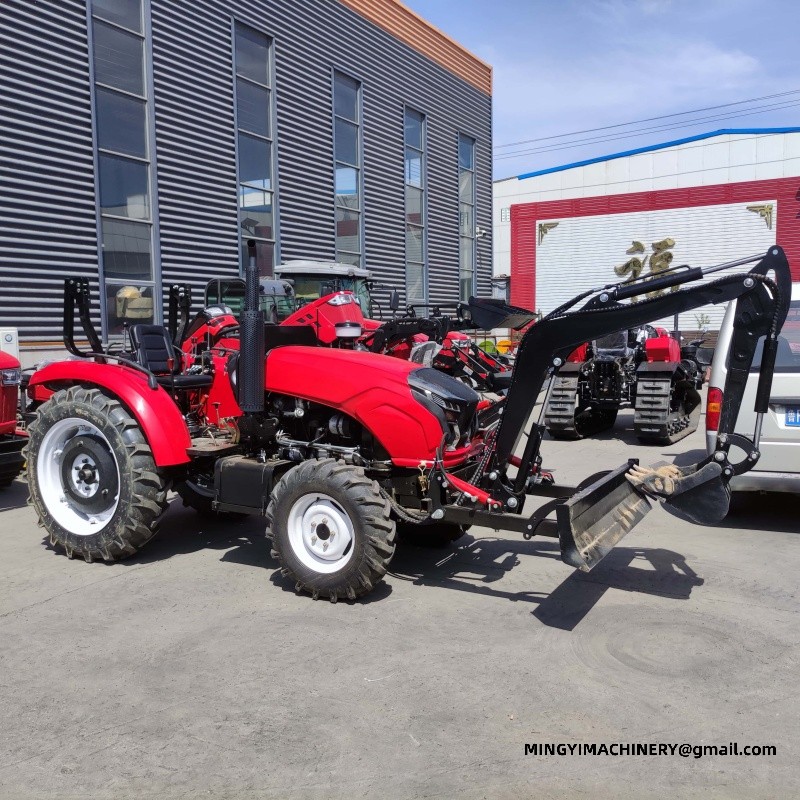
Fuel is usually the largest controllable running demand. Operating style, correct tyre or track condition and a clean air supply all move consumption on the unit in daily use by more than most buyers expect. Consumption is best measured over a full week rather than judged per hour. Idle time, repositioning and waiting for other trades are often the largest share of the fuel a machine of this size burns on a site.
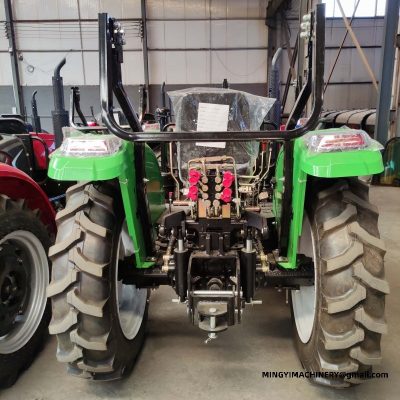
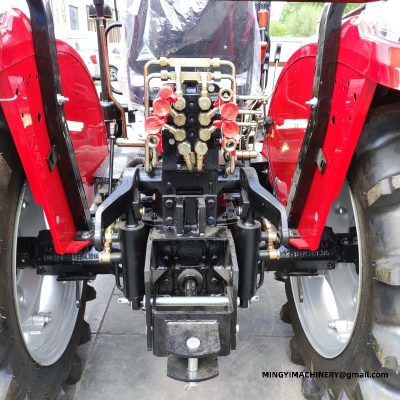
Hydraulic capacity decides what the hitch can do. The lifter on the equipment on site has to raise the heaviest implement with the linkage geometry the farm uses, and that is a specification rather than an assumption. The valve arrangement is worth thinking through. Enough spools and circuits on the machine itself to run the implement and the trailer brake at the same time removes the daily compromise of swapping hoses.
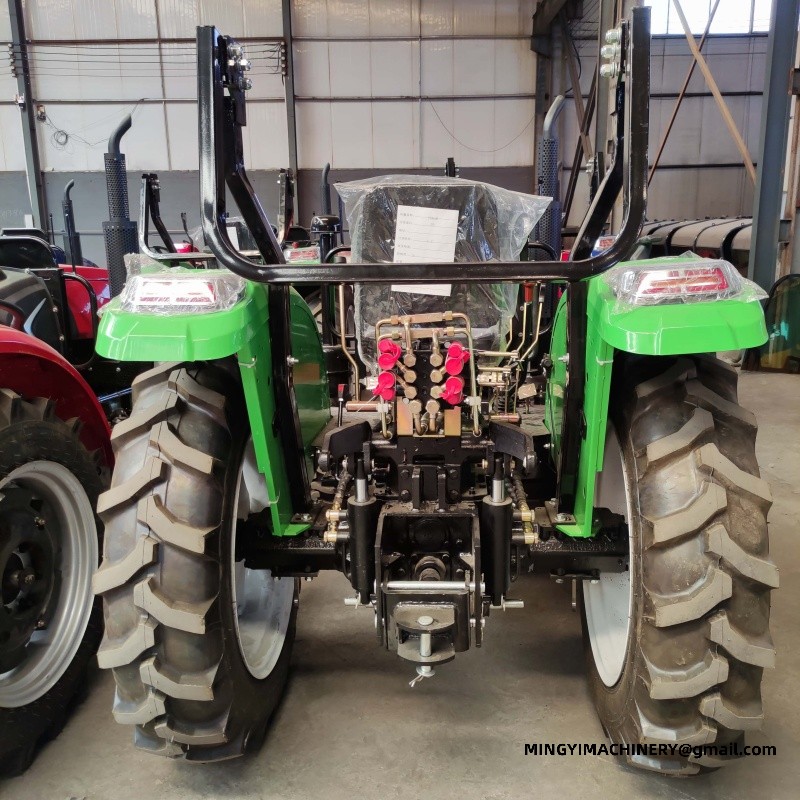
Slopes and edges deserve a separate check. The model in question that is stable on level ground behaves differently across a gradient, and the safe working angle is a number worth knowing rather than estimating.
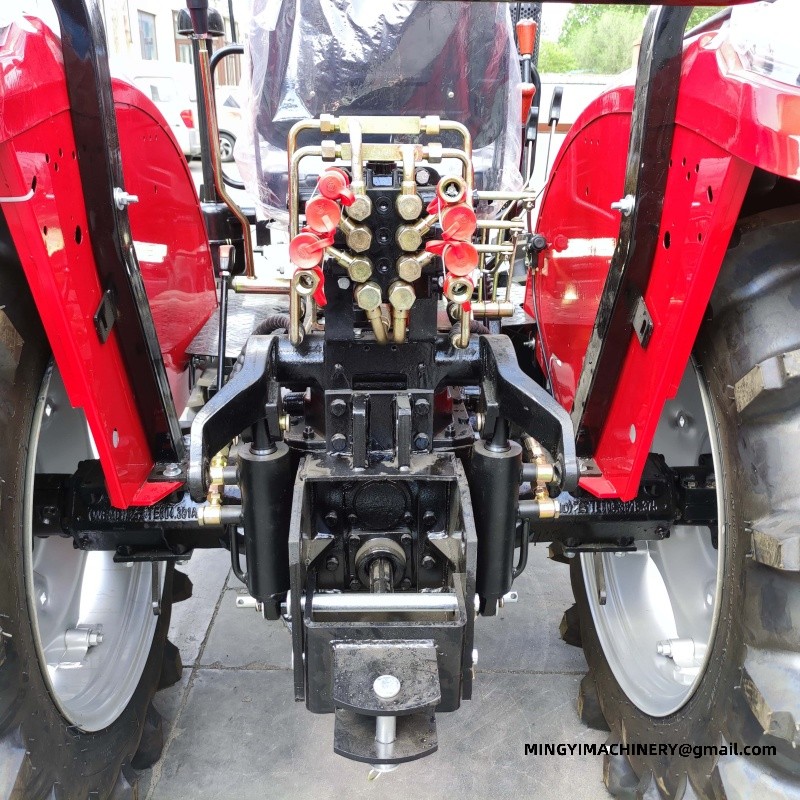
Owners who work across several sites should check the transport dimensions before ordering. The machine in that duty that fits a standard trailer can be moved by any operator with a suitable vehicle, while an over-width machine narrows that choice and complicates every move. Shipping dimensions matter as much on export orders as they do locally. Confirming the packed size of the unit on the job before booking avoids re-booking freight after the machine is built.
Parts availability usually decides the engine and the brand. A machine built around components the local network already carries is serviced from stock, which is the difference between a day lost and a week lost. Remote diagnosis shortens most faults. A walk-around on video with the panels open often identifies the cause on a machine built for the work without waiting for a visit, and avoids shipping a part that turns out not to be needed.
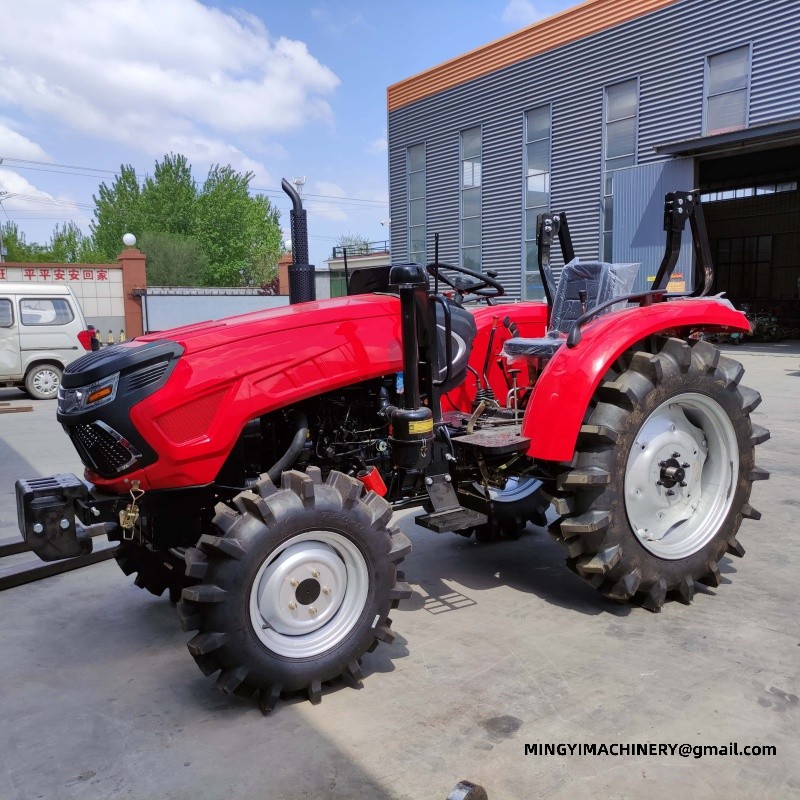
Working gears matter more than top speed. Most of the hours on the equipment in service are spent in two or three gears, and having the right ratios there is worth more than a high road speed that is rarely used. Clutch and linkage adjustment is routine. Keeping the shuttle and the hitch on the tractor correctly adjusted protects the gearbox and gives the operator the control needed for accurate implement work.
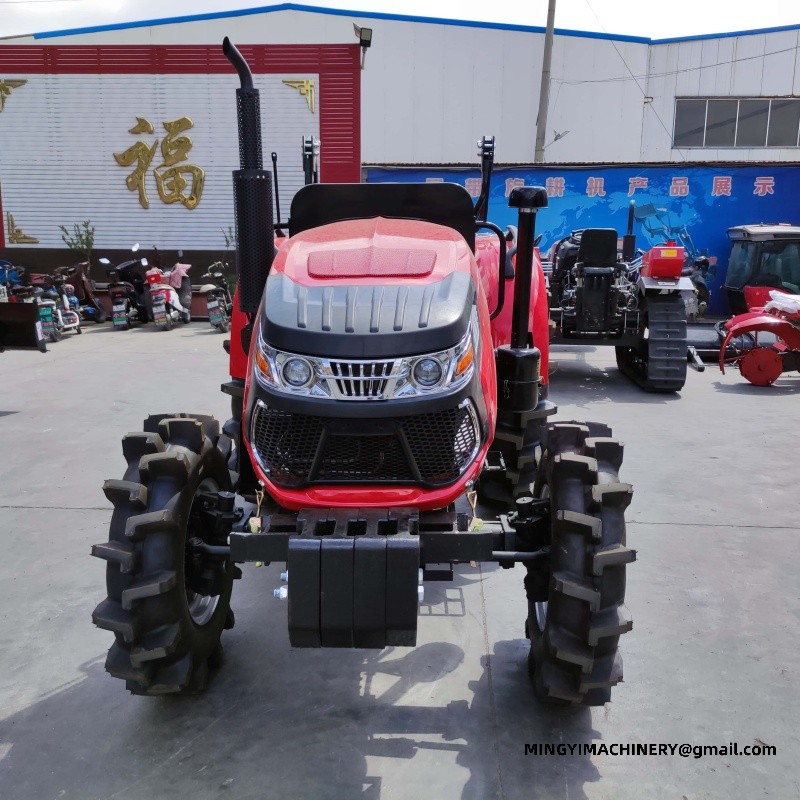
Warranty terms are clearer when they are read before purchase. Knowing what is covered, what counts as a wearing item and what documentation is required makes a claim on this class of machine straightforward rather than contested. Early faults are usually simple. The unit in daily use that behaves differently in its first few hours is more often mis-set than defective, and a call to the supplier at that point usually resolves it the same day.
Ground decides more of the outcome than power does. Soft, wet or loose surfaces call for a wider footprint and lower ground pressure, while hard standing allows a narrower machine that turns in less space and travels faster between tasks. Traction and flotation are two separate questions. The equipment on site may have the power for a slope and still not have the grip, so the surface, not the engine rating, is usually what limits the working day.
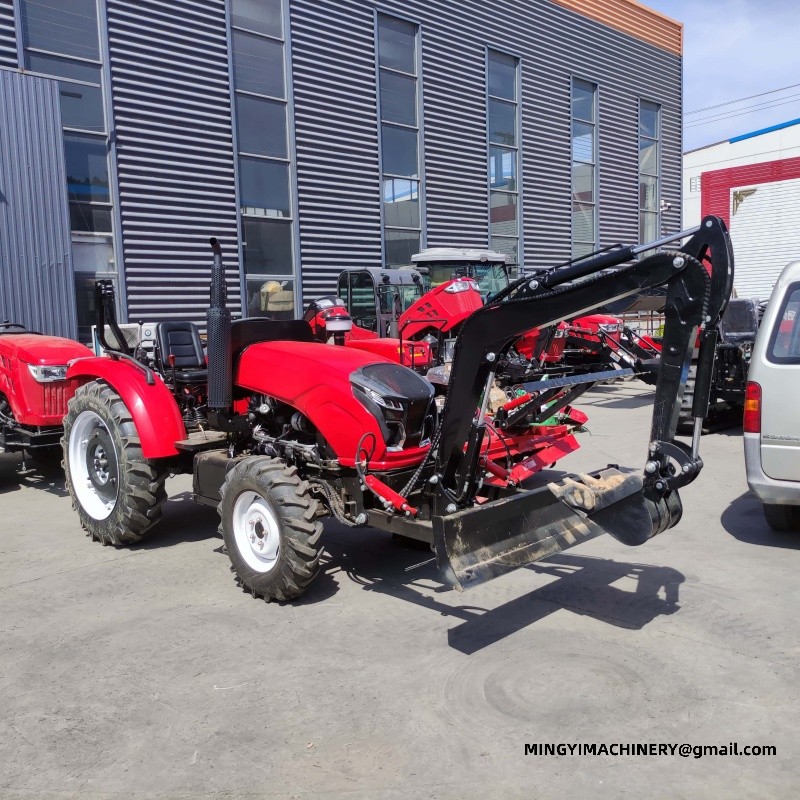
Cleaning is maintenance, not appearance. Washing the cooling surfaces and clearing packed material from the model in question keeps temperatures where they should be and makes the next inspection quicker and more useful.
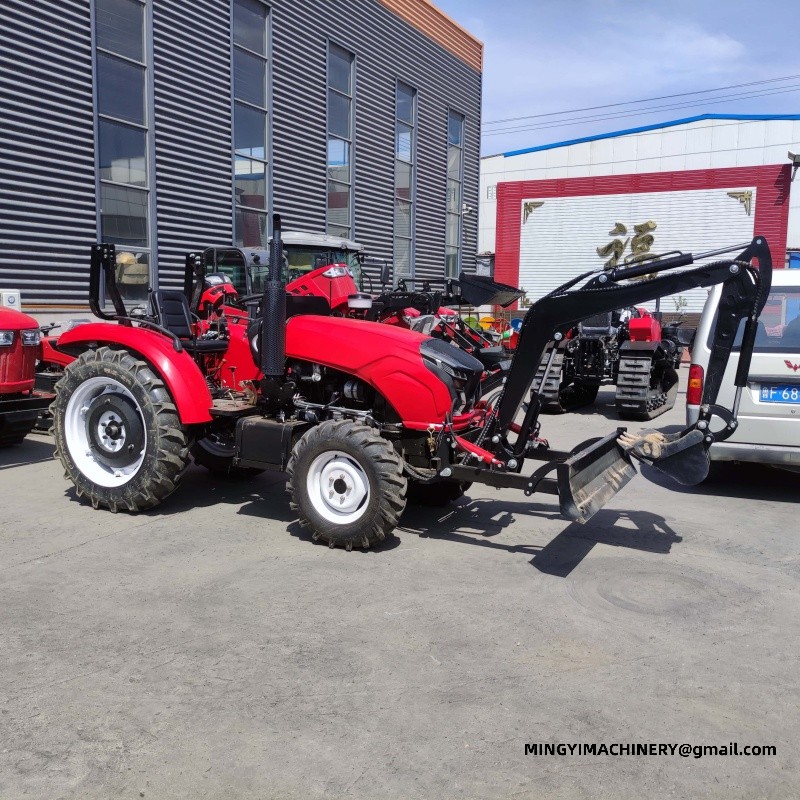
Keeping the manuals where they can be reached matters. The unit on the job whose documents stay with the machine gets serviced on schedule; one whose paperwork was filed elsewhere tends to run on memory instead.
Ballast is part of the specification. Weights on the front and rear of the equipment in service keep the axle loads correct when a heavy implement is lifted, and an unballasted tractor is unstable as well as inefficient.
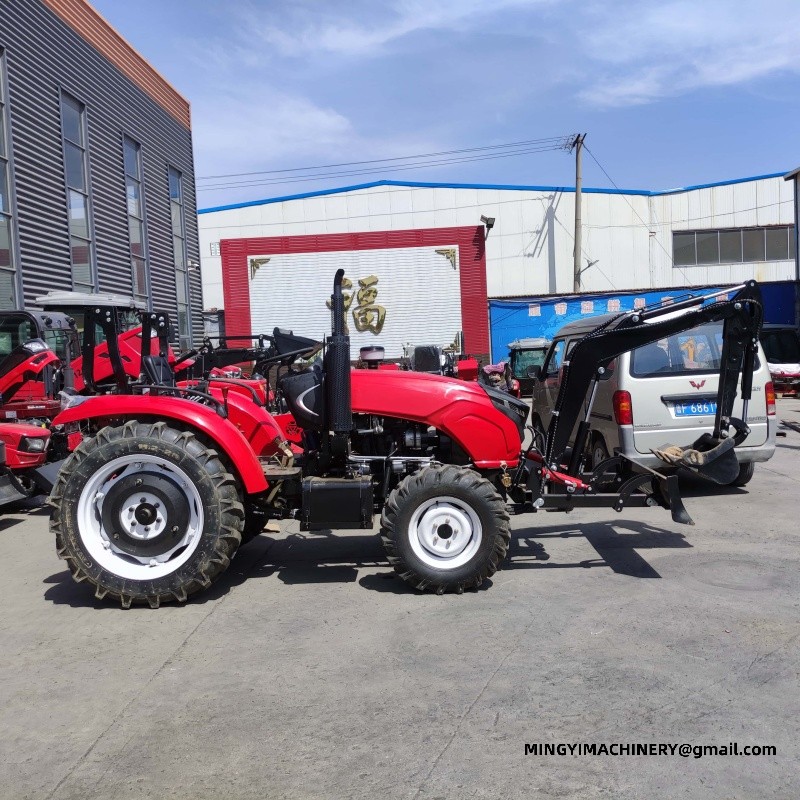
Fleet value comes from interchangeability. Operators who can step between machines without retraining, and a workshop that stocks one set of filters, keep utilisation higher than a fleet of individually optimised units. Utilisation matters more than the purchase decision over a few years. This class of machine that sits idle ties up the same yard space standing still as one that earns, so the buying decision should follow the hours the machine will realistically work.
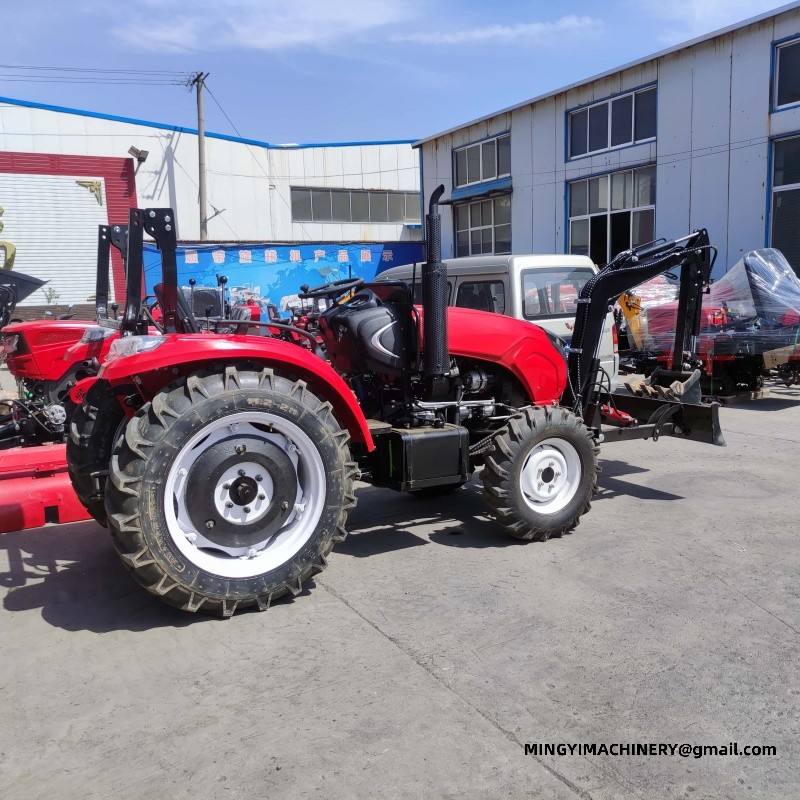
Service access decides whether maintenance happens. A machine of this size with daily checks that can be done from the ground gets them done, while one that needs a toolbox for a dipstick tends to run low. Fuel use is a specification as much as a habit. The equipment on site working in the right gear at a sensible engine speed uses meaningfully less over a season, and the operator makes that difference every hour.
Build options are where a standard machine becomes the right machine. Colour, guarding, lighting, seating and hydraulic provisions can usually be set at build time on the model in question, and are far simpler then than as a retrofit. Fleet buyers often want consistency rather than variety. Specifying the machine in that duty so that several units share controls, filters and service points reduces training time and keeps the parts shelf small. Customisation should still be limited to what the work needs. Each addition to the unit on the job is another item to maintain, so the useful question is not what can be added but what the job list actually requires.
Certain parts are designed to be consumed. Knowing which items on the equipment in service are wearing parts, and roughly how long they last in the duty the machine sees, turns replacement into a plan rather than a breakdown. Wear rate follows conditions far more than hours. The tractor working on abrasive ground or in mud will consume undercarriage or tyre life much faster than the same machine on clean ground.
The implement list is the specification. Ploughing, tilling, seeding and hauling each ask something different of the unit in daily use, and writing the list down is what turns a tractor enquiry into a machine that fits.
Standing still is hard on machinery. The equipment on site left for weeks benefits from a clean, dry, covered space, a charged battery and a fuel system prepared for the layoff, and all three effort very little.
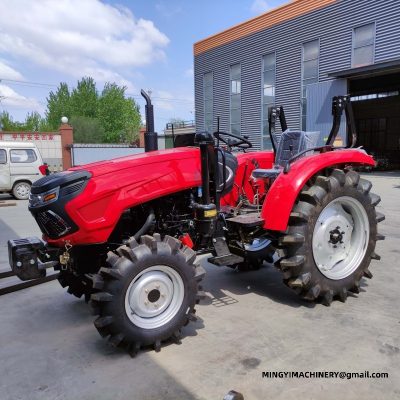
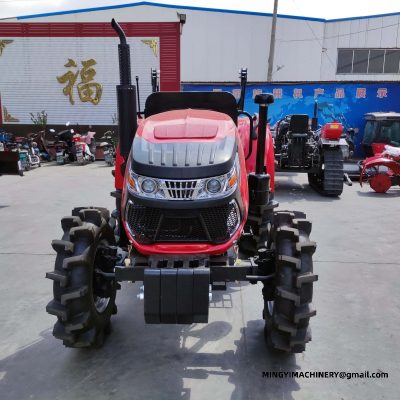
The models below are the four-wheel drive wheel tractors most often matched to this work. Overall size, tyre sizes and operating weight are confirmed together, because the row width and the implement list decide those before the power rating does.
| Model | Overall size | Tyres | Operating weight |
|---|---|---|---|
| 704 mid frame | 3.2 x 1.5 x 2.05 m, track adjustable | front 750-16 rear 11.2-28 | — |
| 904 mid frame | 3.1 x 1.5 x 2.05 m, track adjustable | — | 1600 KG |
| 604 mid frame | 3.1 x 1.45 x 1.95 m, track adjustable | front 650-16 rear 11.2-24 | 1600 KG |
| 504 wheel tractor | 2.4 x 1.3 x 1.3 m, track adjustable | front 600-12, rear 9.5-16 | — |
| 804 wheel tractor | 2.4 x 1.3 x 1.3 m, track adjustable | front 600-12 rear 9.5-16 | — |
| 804 mid frame | 3.2 x 1.5 x 2.05 m, track adjustable | front 750-16 rear 11.2-28 | 1500 KG |
| 504 mid frame | 3.1 x 1.5 x 1.97 m, track adjustable | front 650-16 rear 11.2-24 | 1450 kg |
| 604 wheel tractor | 2.4 x 1.3 x 1.3 m, track adjustable | front 600-12 rear 9.5-16 | 1270 kg |
| Item | Note |
|---|---|
| Engine by power band | 50/60 hp: 490Engine ; 70/80 hp: 490turboEngine |
| Ballast and canopy | Front and rear ballast blocks and a sun canopy are fitted to suit the heaviest implement the tractor will pull. |
| PTO | Rear PTO at 540 / 720 rpm drives implements directly; the gearbox and shuttle shift are specified with the implement list. |
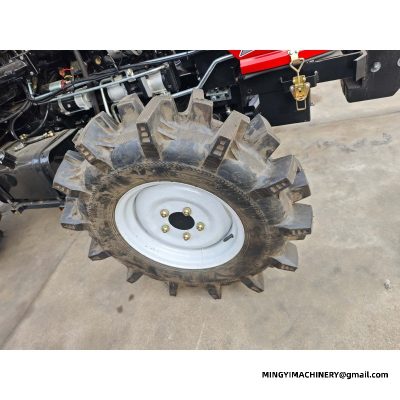
| Tyre options | Front and rear tyre sizes can be changed at build; wider rear tyres suit soft ground and narrow fronts suit row crop work. |
Contamination is easier to prevent than to cure. Keeping the filler caps sealed, the funnels clean and the containers closed around the unit on the job is unglamorous work that shows up as reliability later.
Retrofitting is limited by the base machine. Before anything is added to the equipment in service the hydraulic flow, the mounting interface and the stability allowance have to be checked, because those limits are what decide what is sensible.
The last hour before packing is the best time to find a fault. Running this class of machine through its full working cycle, checking for leaks under load and confirming that the controls match the specification avoids a conversation across time zones later.
The paperwork matters as much as the packing. Serial numbers, dimensions and weights recorded for a machine of this size at loading are the same figures the destination needs, and a mismatch here loses more days than the voyage itself.
Tropical operation is a specification question as much as a maintenance one. The cooling capacity, the sealing and the corrosion protection fitted to the machine itself are what make the difference once the ambient temperature rises.
Downtime is simplest when it is planned. Booking the service for the machine in that duty in the quiet part of the season takes nothing from the schedule, while the same work in the busy weeks gives up a day of output every time.
Operators notice things first because they hear the machine every day. Encouraging the person on a machine built for the work to report small changes, and acting on them, is the most effective maintenance programme there is.
Shared machines need shared habits. Two operators on the tractor should do the same daily checks in the same order, because the check that one person skips is the check that eventually matters.
The record should follow the machine, not the owner. When the unit in daily use changes hands the service history travels with it, and a complete folder is often the difference between a quick sale and a long one.
Travel time is not working time, and it should be planned as its own item. The hours spent moving the equipment on site between jobs are hours not worked, and a trailer that matches the machine reduces them every single trip.
Every line above comes from the build sheet for the machine itself, and the final configuration is confirmed against the working conditions and the destination before production.
E-mail:sales@mingycn.com
LINE(ID):mingyicn