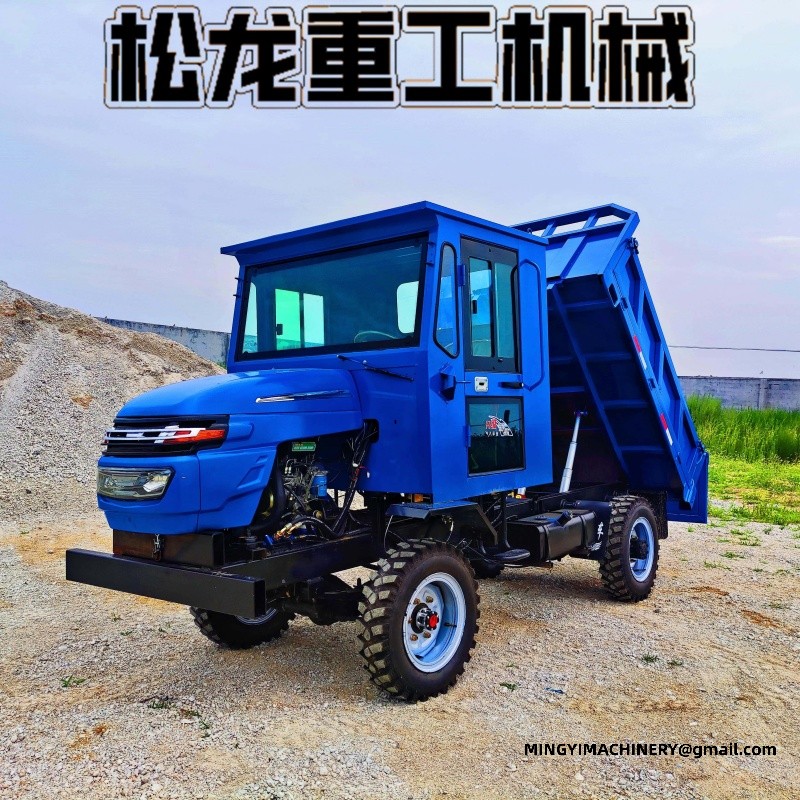
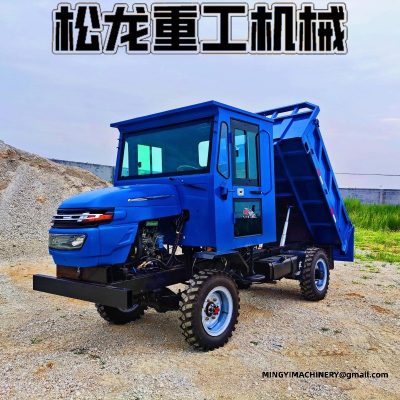
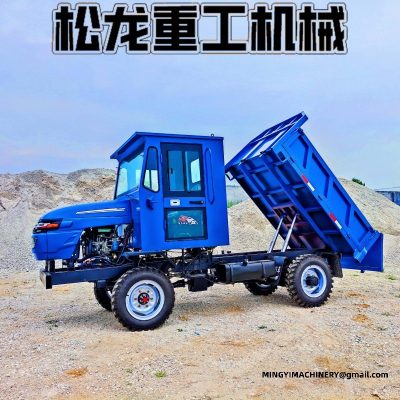
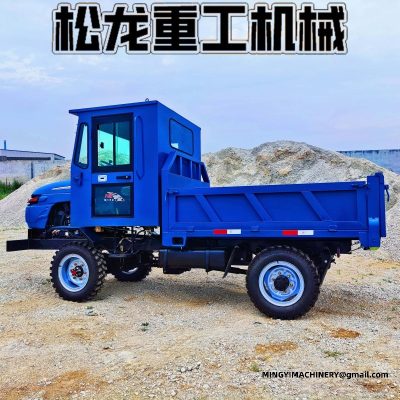
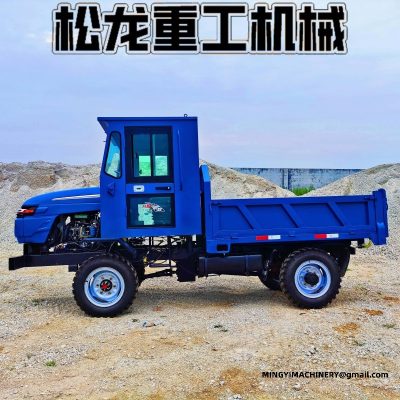
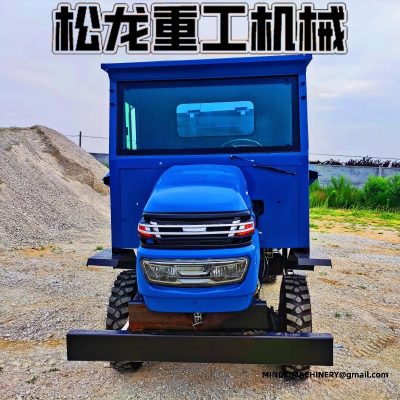
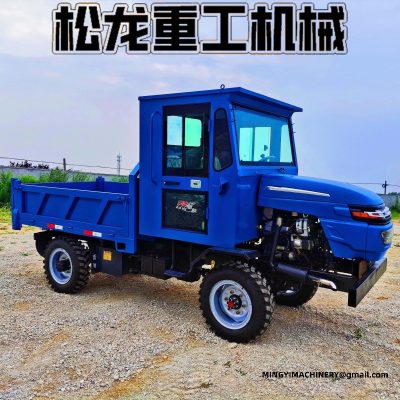
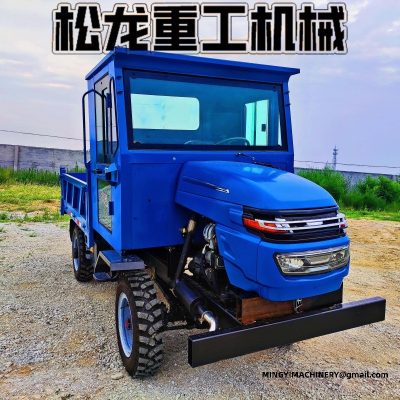
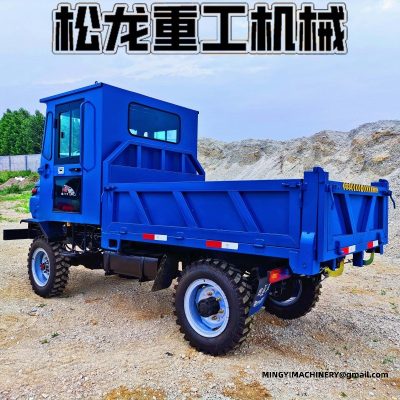
Buyers comparing the dumper are usually weighing the same few things, among them working range, the width of the access, the surface it runs on and how quickly it can be serviced. This page takes each in turn and leaves the numbers together at the end.
Duty cycle is the honest measure of a machine. This class of machine working a few hours a week has different needs from one working two shifts, and the cooling, filtration and service intervals should follow the hours rather than the calendar. Hour planning helps at resale as well. The unit in daily use with a recorded service history and a sensible hour count is easier to sell than one with the same hours and no records, whatever its condition.
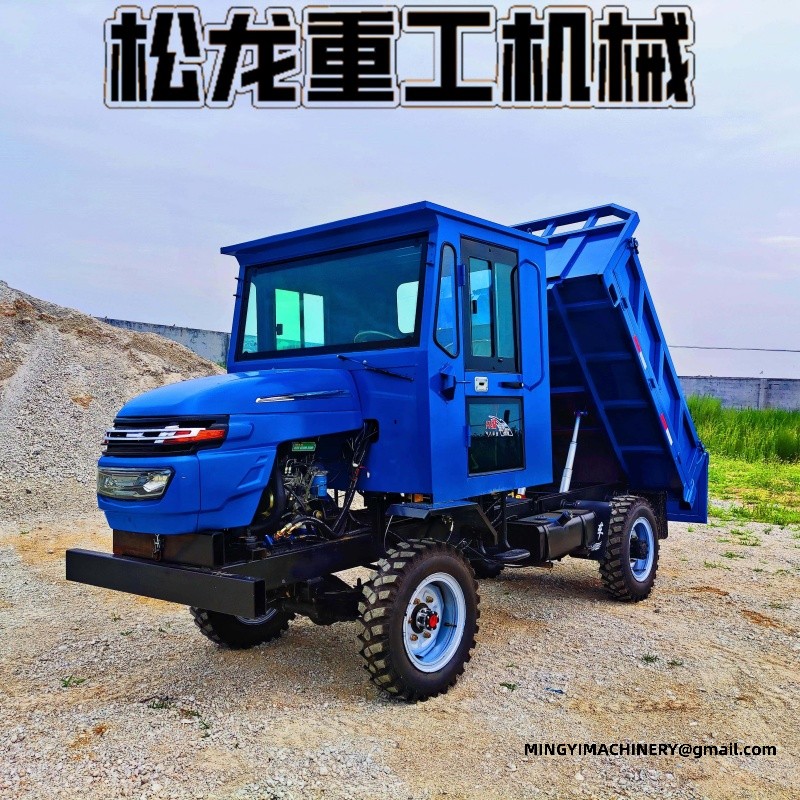
Slopes and edges deserve a separate check. A machine of this size that is stable on level ground behaves differently across a gradient, and the safe working angle is a number worth knowing rather than estimating.
The order should state the configuration in writing. Engine, attachments, colour, documents and any market requirement are clearer on the build sheet for the equipment on site than in a conversation after delivery. Delivery planning includes the receiving end. Knowing whether the machine itself will be craned, driven or forked off, and whether the site can accept it, is settled before dispatch rather than on the day.
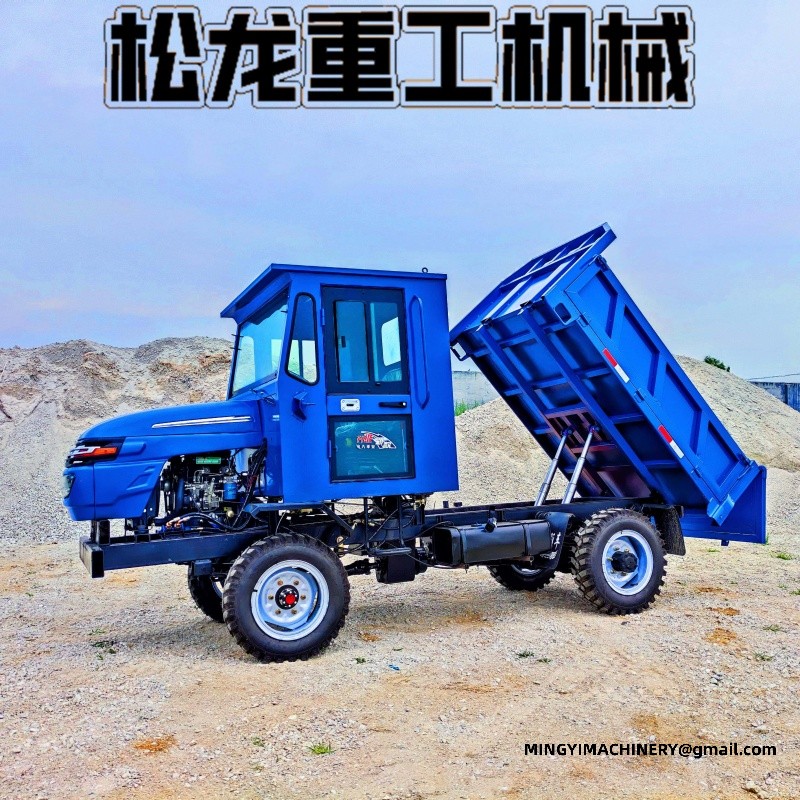
Soft ground punishes the wrong tyre. Mountain pattern tyres on the model in question clear mud that a road pattern would pack with, and the difference is measured in whether the machine finishes the day.
Carrying concrete changes the duty entirely. The machine in that duty with a mixer drum is working against the clock, and the specification follows the delivery distance and the site access rather than the load alone.
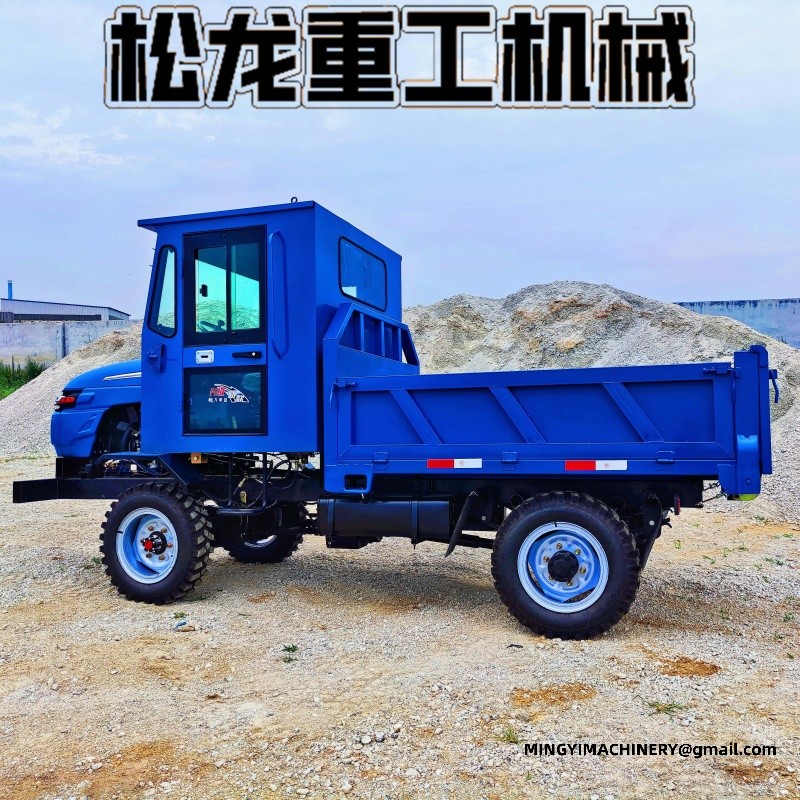
Ground on farms is often soft and often shared with livestock. The unit on the job working there needs to cross pasture without rutting it badly, and tyre and weight choices follow from that.
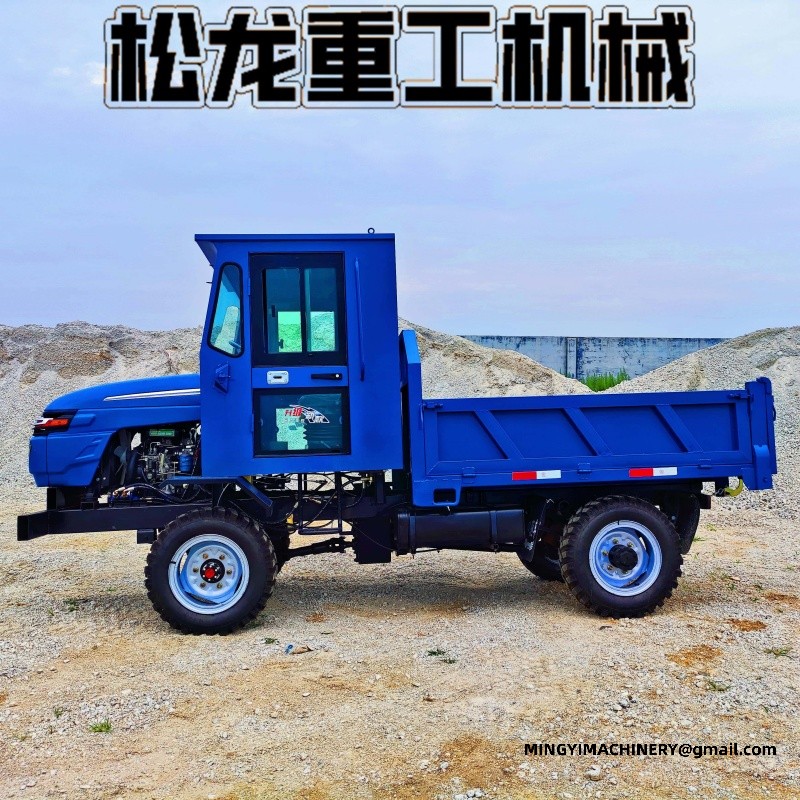
Build options are where a standard machine becomes the right machine. Colour, guarding, lighting, seating and hydraulic provisions can usually be set at build time on a machine built for the work, and are far simpler then than as a retrofit. Fleet buyers often want consistency rather than variety. Specifying the equipment in service so that several units share controls, filters and service points reduces training time and keeps the parts shelf small. Customisation should still be limited to what the work needs. Each addition to the dumper is another item to maintain, so the useful question is not what can be added but what the job list actually requires.
Container loading is a planning exercise. Confirming how this class of machine is packed and how many units fit a container is what turns a per-unit freight estimate into a delivered figure the buyer can actually plan against. Documentation should be agreed at order stage. The commercial invoice, packing list and any certificate required at destination are part of shipping the unit in daily use, and missing papers delay clearance longer than the voyage takes.
Stability governs what the crane can do. Outriggers, ground condition and load radius decide the safe figure on the equipment on site, and those are checked before the lift rather than discovered during it.
Support after delivery is a parts question. Filters, belts, hoses and the wearing items specific to the model in question are what a buyer should plan to hold before the first service interval rather than order after a failure.
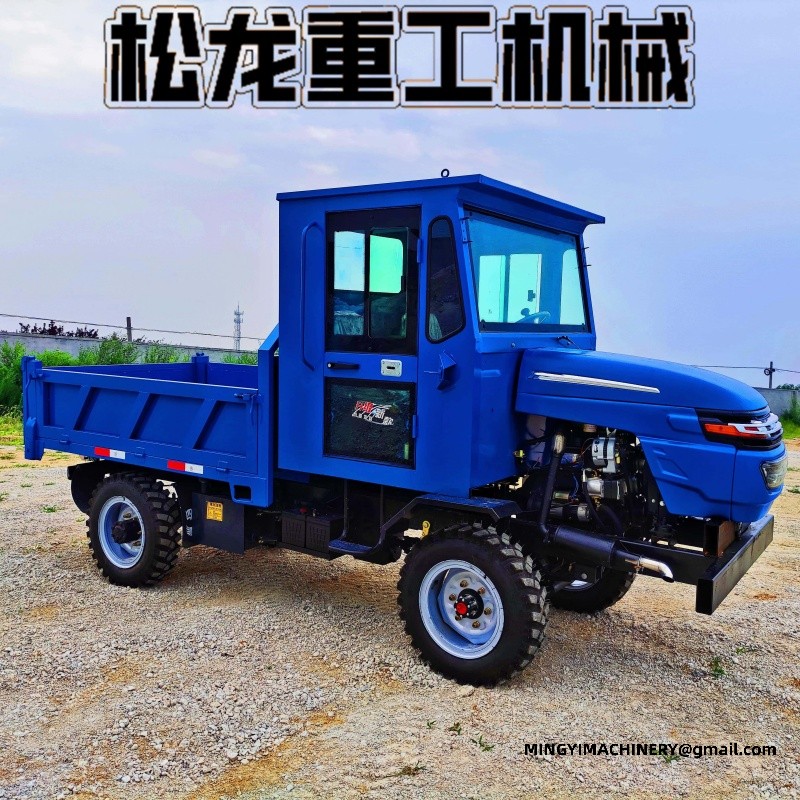
Upgrades should be checked against the base machine. Hydraulic capacity, mounting interface and stability all limit what can reasonably be added to the unit on the job, and confirming those limits avoids an unsatisfactory result.
Service intervals exist because wear is predictable. Following the maker schedule on the equipment in service takes far less time than repairing the damage that follows a missed oil change or a filter left in place past its life.
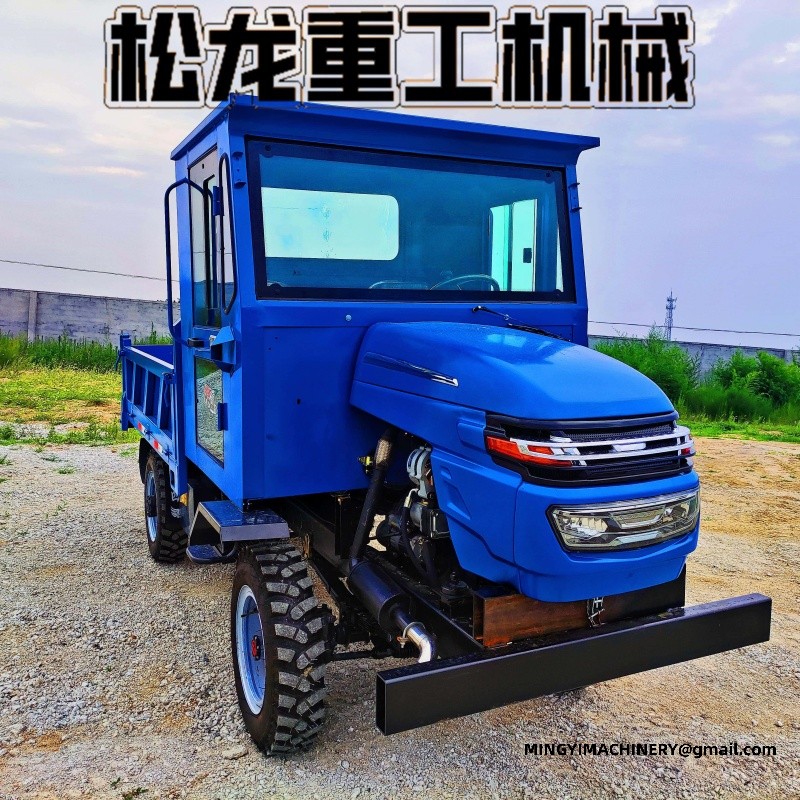
Unloading method should follow the material. Wet spoil, aggregate and green timber behave differently in the body, and matching the body and tailgate arrangement to the load is what keeps this class of machine cycling rather than being hand-cleared.
Consumption is best measured over a full week rather than judged per hour. Idle time, repositioning and waiting for other trades are often the largest share of the fuel a machine of this size burns on a site. Planning the work to reduce empty movement is free. Fewer repositioning cycles on the equipment on site means less fuel, less wear on the undercarriage or tyres and more of the shift spent on productive work.
Cold changes how a machine starts and how it warms up. Allowing the model in question to reach operating temperature before loading it, and using the correct grade of oil and fuel for the season, prevents most cold-start problems. Batteries and fluids are the parts that notice the cold first. The machine in that duty kept on a maintainer through a freezing spell starts on the first turn, while one left standing is the usual cause of a lost morning.
Ballast and attachment weight change the machine. Adding a heavy tool to a machine built for the work moves the centre of gravity, and the counterweight or configuration should be matched to the tool rather than assumed. Carrying and travelling with a load needs its own plan. Speed, gradient and surface all matter more once the equipment in service is loaded, and the safe combination is the conservative one.
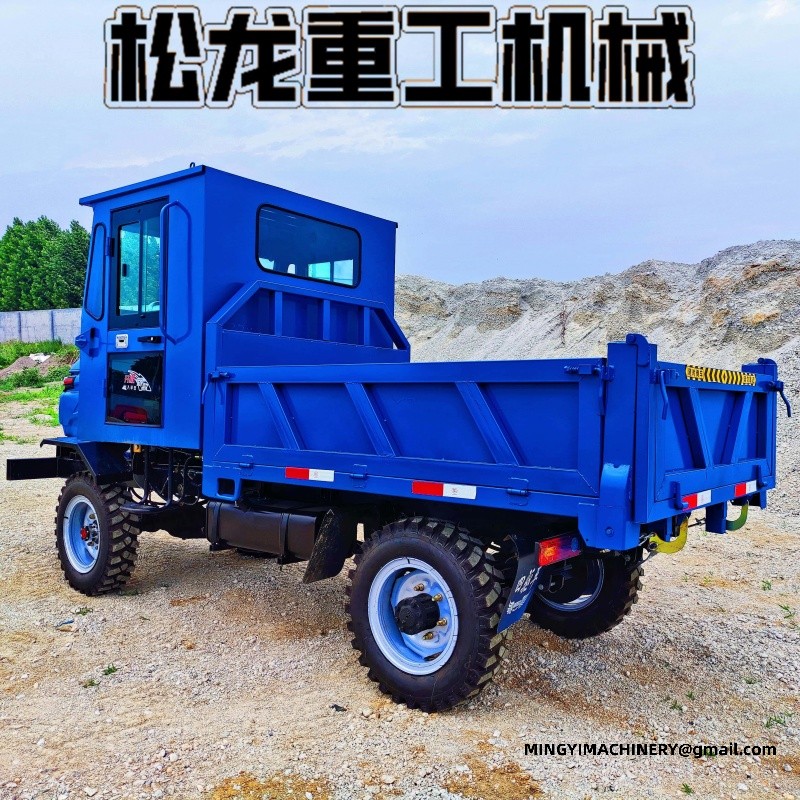
The configurations below are the build sheets most often matched to this class of machine. Engine, gearbox, axles, frame and body dimensions are confirmed together, because the body size and the axle rating have to suit the load before the engine rating matters.
| # | 11.Luxury | 12.Standard | 20.Luxury | 4.Upgraded |
|---|---|---|---|---|
| 1 | Single-cylinder diesel engine, 32 hp | Two-cylinder diesel engine, 38 hp | Four-cylinder 4102 turbocharged diesel engine | Single-cylinder diesel engine, 25 hp |
| 2 | Part-time gearbox, selectable 2WD/4WD | Full-time gearbox with four-wheel drive | Model 140 part-time gearbox with four-wheel drive | Full-time gearbox with four-wheel drive |
| 3 | High/low range with crawler gear | High/low range with crawler gear | High/low range with crawler gear | High/low range with crawler gear |
| 4 | Enclosed cab | Simple cab | Fully enclosed cab | Front axle clutch |
| 5 | Six 700-16 mountain tyres | Oil brakes | Six 825R16 steel-belted radial tyres | Fully enclosed cab |
| 6 | Model 212 front axle | Four 700-16 mountain tyres | Reinforced ISUZU-pattern front axle | Oil brakes |
| 7 | Model 130 rear axle | Front axle 212 | Reinforced 1080 rear axle | Four 700-16 mountain tyres |
| 8 | Air cut-off brakes | Rear axle 130 | Air cut-off brakes | Front axle 212 |
| 9 | Reinforced 60 x 140 mm square tube frame | Reinforced 60 x 140 mm square tube frame | Reinforced 80 x 180 mm square tube frame | Rear axle 130 |
| 10 | Rear body 2.2 m long x 1.5 m wide x 0.45 m high | Rear body 2.2 m long x 1.5 m wide x 0.45 m high | Rear body 3.0 m long x 2.2 m wide x 0.45 m high | Reinforced 60 x 140 mm square tube frame |
| 11 | Tailgate with self-dumping function | Tailgate with self-dumping function | Tailgate with self-dumping function | Rear body 2.2 m long x 1.5 m wide x 0.45 m high |
| 12 | Side-opening rear body tailgate | Hydraulic power steering | Side-opening rear body tailgate with cab ladder | Tailgate with self-dumping function |
| 13 | Hydraulic power steering | Twin hydraulic rams | Hydraulic power steering | Hydraulic power steering |
| 14 | Twin hydraulic rams | Two-person comfort seat | Twin hydraulic rams | Twin hydraulic rams |
| 15 | Two-person comfort seat | Twin-battery electric start | Two-person comfort seat | Two-person comfort seat |
| 16 | Heavy-duty leaf springs | Round-nose bonnet | Heavy-duty thickened leaf springs | Twin-battery electric start |
| 17 | Twin-battery electric start | — | Twin-battery electric start | Square-nose bonnet |
| 18 | Square-nose bonnet | — | Square-nose bonnet | — |
| 19 | — | — | Four-cylinder 4105 turbocharged | — |
| 20 | — | — | Four-cylinder 4108 turbocharged | — |
| 21 | — | — | Single-cylinder engine, 25 hp | — |
| 22 | — | — | Single-cylinder engine, 28 hp | — |
| 23 | — | — | Single-cylinder engine, 32 hp | — |
| 24 | — | — | Two-cylinder engine, 38 hp | — |
| 25 | — | — | Four-cylinder 490 engine | — |
| 26 | — | — | Four-cylinder 4102 turbocharged engine | — |
An added function should pay for itself quickly. Whether a machine of this size gains a different bucket, a hydraulic service or a protection package, the test is the number of days a year it is actually used.
Workload is rarely even across the year, and the machine should be specified for the busy weeks. The machine itself sized only for the average month will be the limiting factor exactly when the work is worth the most.
Inspection is a list, not a glance. Before the machine in that duty is released the fluid levels, belt tension, electrical connections and safety decals are each ticked off, and anything that fails stays in the shop rather than travelling with the machine.
Holding spares is about downtime rather than the shelf itself. The question for a machine built for the work is not how large the part is but how long the machine sits while it is found, and a small shelf answers that better than a fast courier.
Cold exposes weak batteries, thick oil and water in the fuel. Preparing the dumper for winter means the right grade of oil, a battery in good condition and fuel that will not wax in the tank overnight.
Fluid quality is a storage problem before it is a machine problem. Water and sediment in a drum will find the injection system of the unit in daily use eventually, and a settling period is nothing compared with a pump.
The battery and the fuel are the first things to suffer in storage. Preparing the equipment on site properly at the start of the idle period avoids the flat battery and the contaminated tank that greet an unprepared machine.
Every line above is a build item rather than an optional extra, and the final sheet for the machine itself is confirmed against the destination, the ground and the load before production.
E-mail:sales@mingycn.com
LINE(ID):mingyicn
articulated dumper









