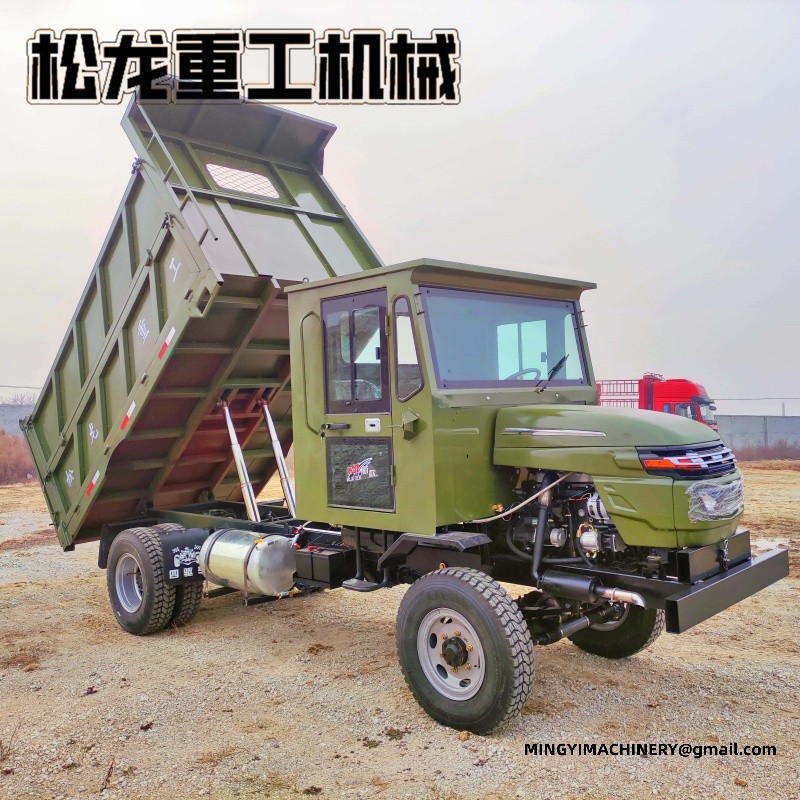
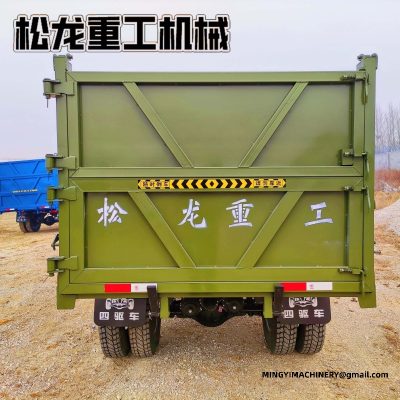
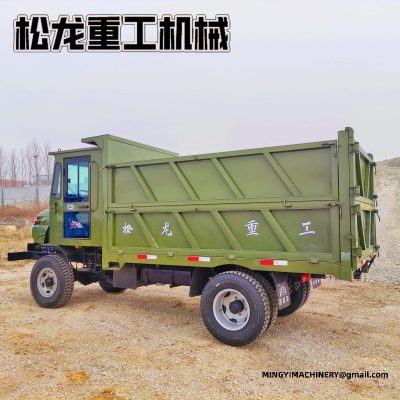
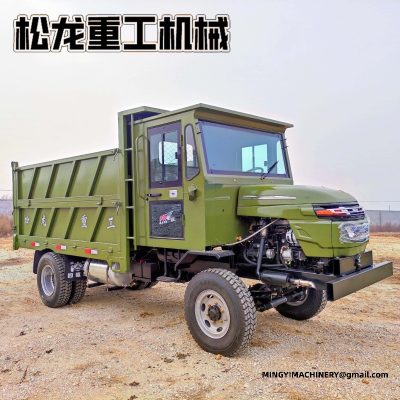
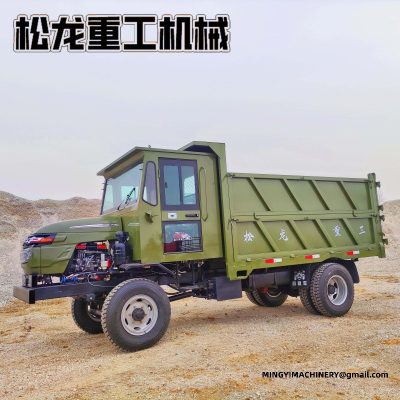
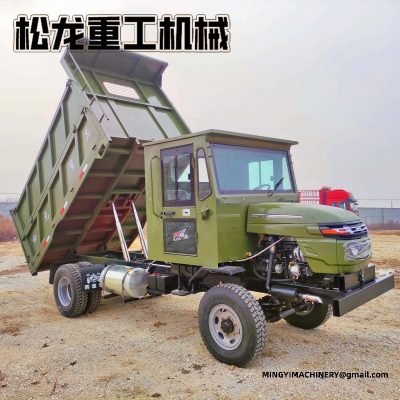
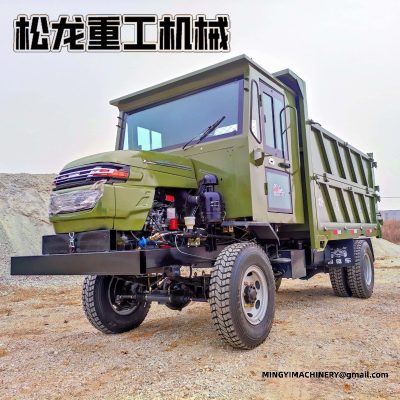
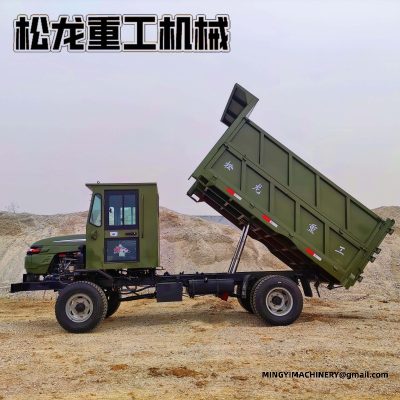
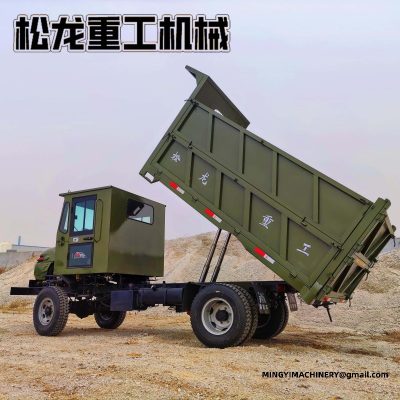
The range covered here includes the dumper in the configurations that are built and shipped. Rather than repeat a specification table on its own, the sections below explain what each figure means in use and where the trade-offs sit.
Soft ground punishes the wrong tyre. Mountain pattern tyres on this class of machine clear mud that a road pattern would pack with, and the difference is measured in whether the machine finishes the day. Recovering a stuck vehicle takes longer than preventing it. Planning the route, avoiding the worst ground and knowing where the unit in daily use will turn is what keeps a soft-ground job productive.
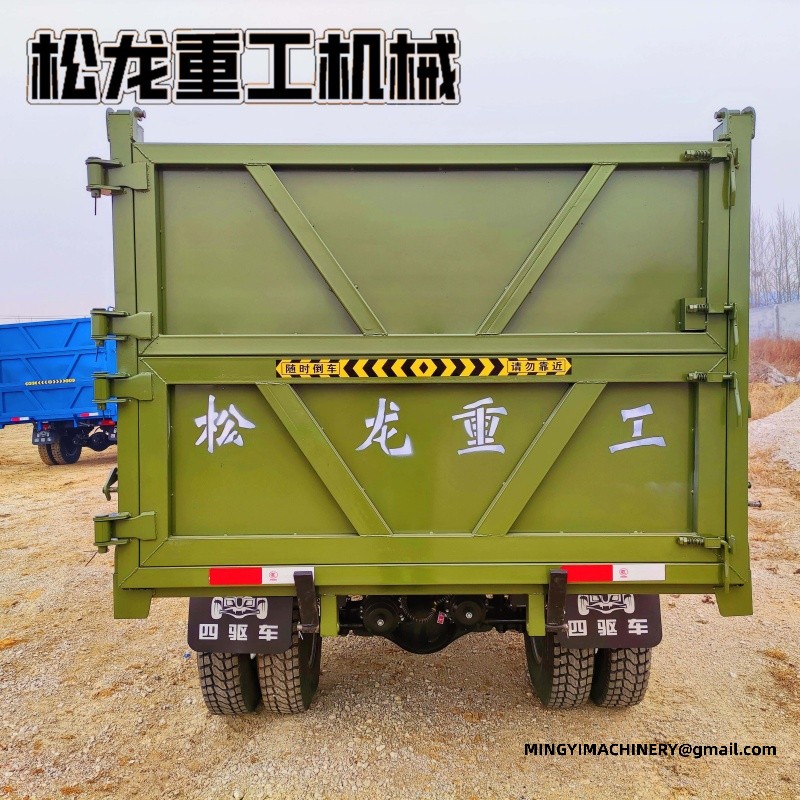
The honest payload figure comes from the duty. A machine of this size working a smooth haul road carries differently from one crossing ruts and gradients, and the conservative number is the one that keeps the machine working.
Standardising where possible simplifies everything downstream. When several units of the equipment on site share a service schedule and a parts list, the fleet becomes easier to plan and easier to sell on at replacement time.
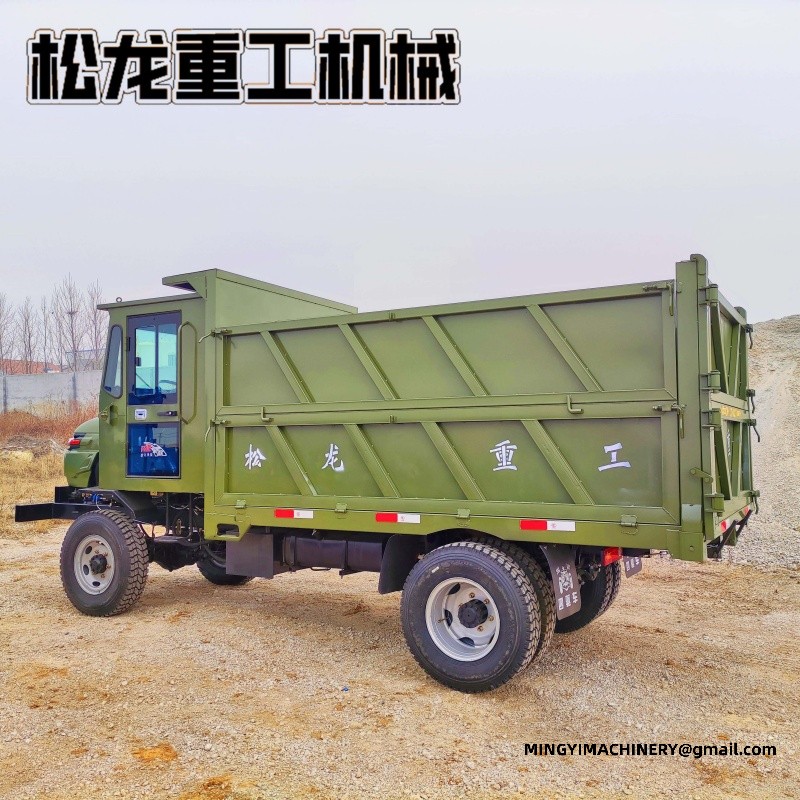
Haul cycles in a quarry are short and repetitive. The machine itself specified for that pattern benefits from a body that dumps cleanly and quickly, because the time saved per cycle is the whole allowance.
Ground decides more of the outcome than power does. Soft, wet or loose surfaces call for a wider footprint and lower ground pressure, while hard standing allows a narrower machine that turns in less space and travels faster between tasks. The working surface should be surveyed before the machine in that duty is specified. A machine that is stable on compacted gravel can be unusable on the same site after rain, and the difference shows up as lost days rather than as a fault. Traction and flotation are two separate questions. The model in question may have the power for a slope and still not have the grip, so the surface, not the engine rating, is usually what limits the working day.
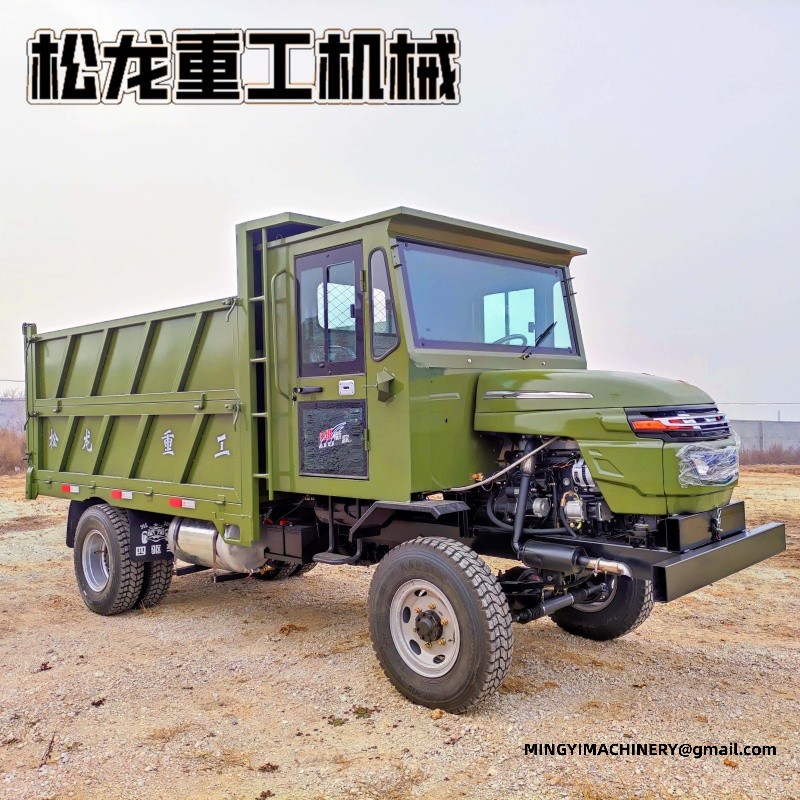
Farm users also value simplicity. The unit on the job that can be serviced in the yard with common tools and common parts suits a farm better than one that needs a dealer visit for routine work.
Standing still is hard on machinery. A machine built for the work left for weeks benefits from a clean, dry, covered space, a charged battery and a fuel system prepared for the layoff, and all three effort very little. Before-storage preparation prevents most return-to-work faults. Draining or treating fuel, protecting exposed rods and relieving pressure where the maker specifies it are the items worth an hour when the equipment in service is parked. A periodic start is better than none. Running the dumper to operating temperature during a long layoff keeps seals and the charging system in better condition than leaving it untouched until the next job.
Abrasive conditions shorten service intervals. Air filters, seals and any exposed sliding surface on this class of machine need attention more often in dusty or muddy work, and the extra checks prevent far more wear than the time they take. Cleaning is maintenance, not appearance. Washing the cooling surfaces and clearing packed material from the unit in daily use keeps temperatures where they should be and makes the next inspection quicker and more useful. Sealed points and guarded areas deserve a look in these conditions. A machine of this size working in abrasive dust benefits from checked boots, intact guards and clean breathers, all of which are quick to verify.
Service intervals exist because wear is predictable. Following the maker schedule on the machine itself takes far less time than repairing the damage that follows a missed oil change or a filter left in place past its life. A simple log helps. Recording hours, fuel and any adjustment made to the model in question gives the workshop a history, and that history is what turns an intermittent fault into a one-visit repair instead of three.
Owners who work across several sites should check the transport dimensions before ordering. The unit on the job that fits a standard trailer can be moved by any operator with a suitable vehicle, while an over-width machine narrows that choice and complicates every move. Shipping dimensions matter as much on export orders as they do locally. Confirming the packed size of a machine built for the work before booking avoids re-booking freight after the machine is built.
Cold changes how a machine starts and how it warms up. Allowing the dumper to reach operating temperature before loading it, and using the correct grade of oil and fuel for the season, prevents most cold-start problems. Batteries and fluids are the parts that notice the cold first. This class of machine kept on a maintainer through a freezing spell starts on the first turn, while one left standing is the usual cause of a lost morning. Low temperatures also make materials behave differently. Ground that is frozen hard in the morning can be soft by midday, and planning the sequence around that is easier than fighting it with the unit in daily use.
Most incidents around machinery come from the space rather than the machine. Exclusion zones, a clear signal person and a check on what is behind the model in question before it moves cover the large majority of the risk on a working site. Slopes and edges deserve a separate check. The equipment on site that is stable on level ground behaves differently across a gradient, and the safe working angle is a number worth knowing rather than estimating. Personal protective equipment and a stop rule are simple controls. Agreeing before work starts that anyone can stop the job is the single measure that most often prevents a serious incident near the machine itself.
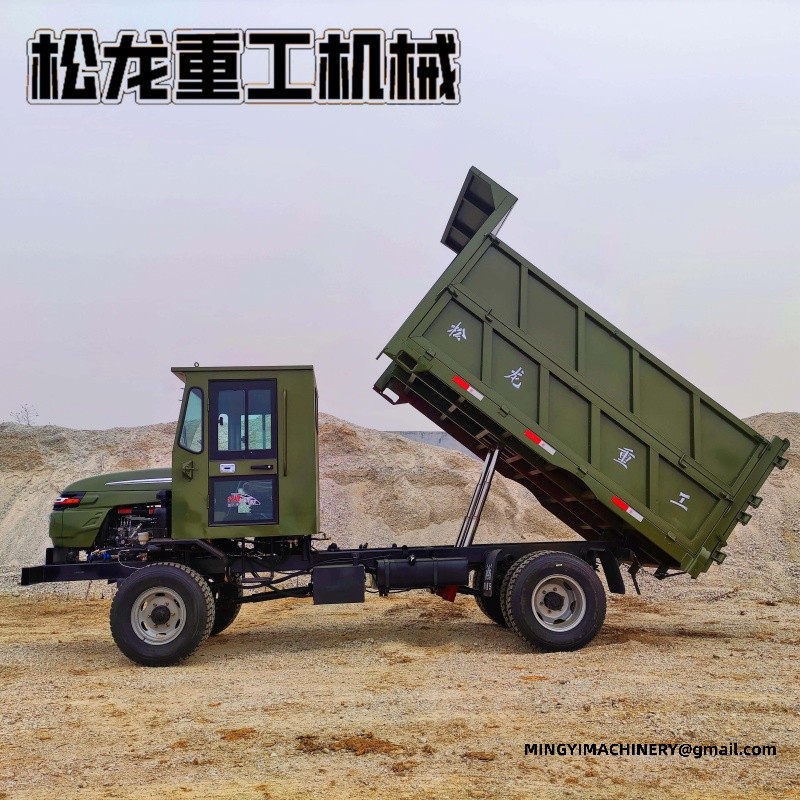
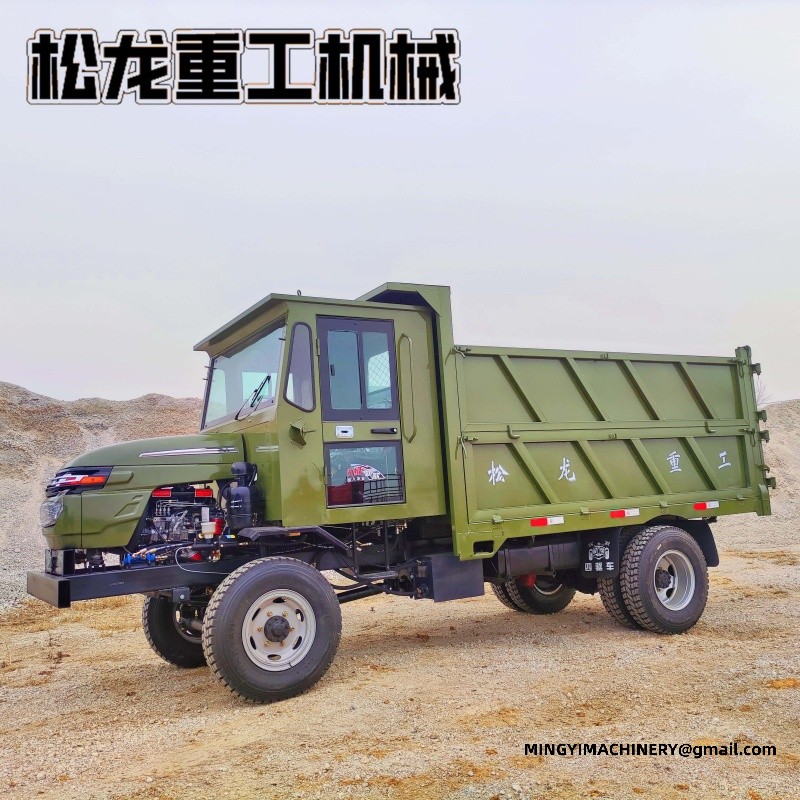
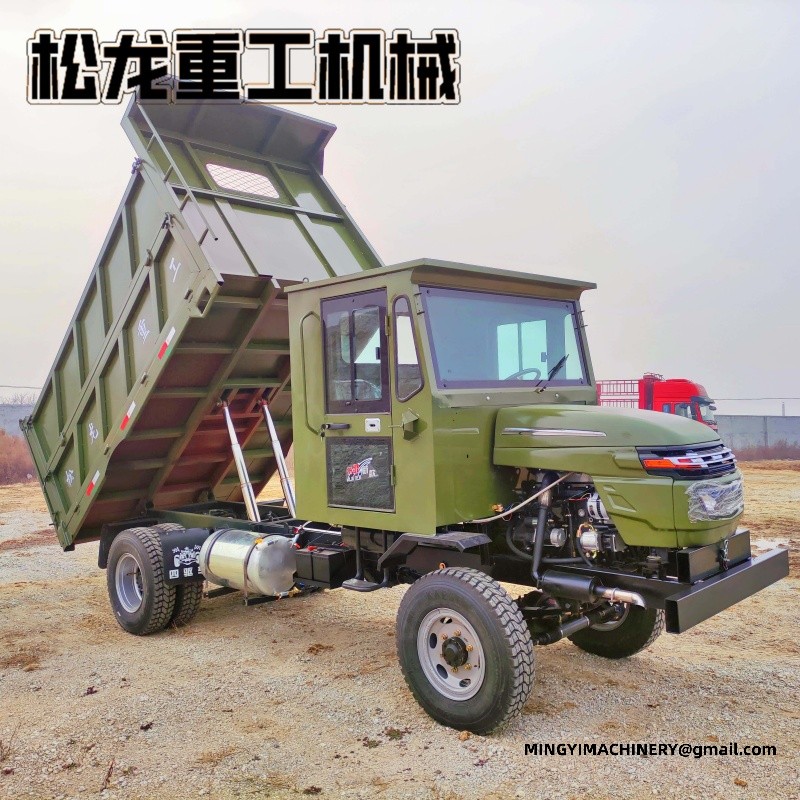
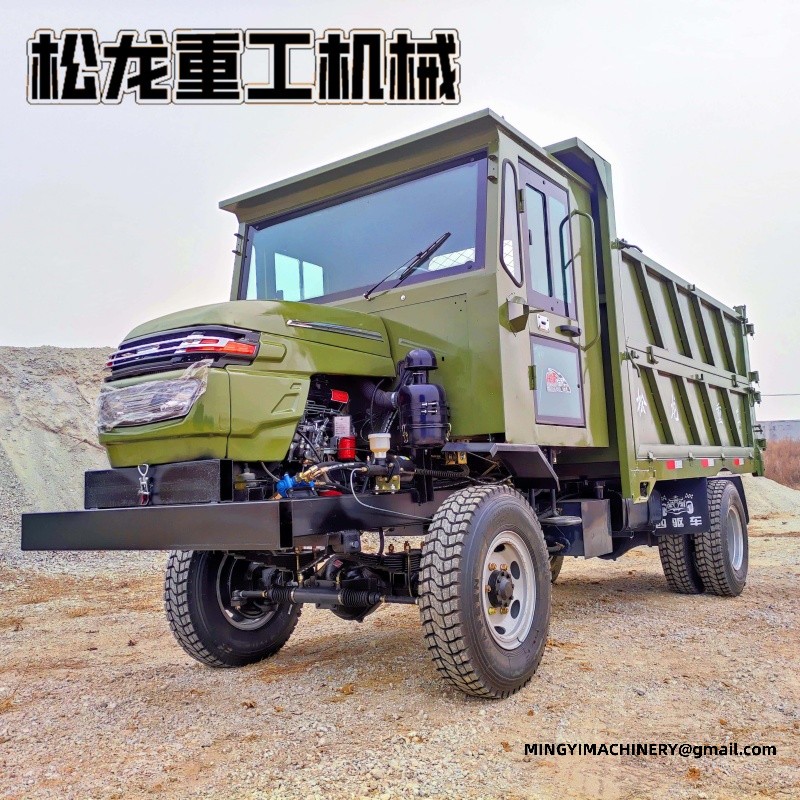
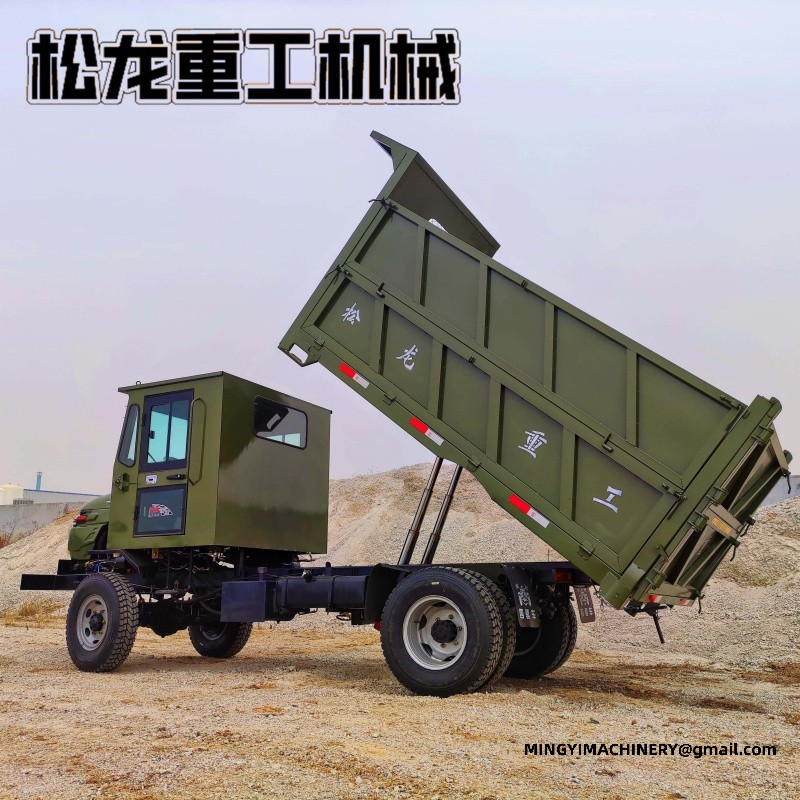
The configurations below are the build sheets most often matched to the unit on the job. Engine, gearbox, axles, frame and body dimensions are confirmed together, because the body size and the axle rating have to suit the load before the engine rating matters.
| # | 13.Upgraded | 16.Upgraded | 22.Luxury | 3.Standard |
|---|---|---|---|---|
| 1 | Two-cylinder diesel engine, 38 hp | Four-cylinder 490 diesel engine | Four-cylinder 4105 turbocharged diesel engine | Single-cylinder diesel engine, 25 hp |
| 2 | Full-time gearbox with four-wheel drive | Full-time gearbox with four-wheel drive | Model 145 part-time gearbox with four-wheel drive | Full-time gearbox with four-wheel drive |
| 3 | High/low range with crawler gear | High/low range with crawler gear | High/low range with crawler gear | High/low range with crawler gear |
| 4 | Front axle clutch | Fully enclosed cab | Fully enclosed cab | Simple cab |
| 5 | Fully enclosed cab | Oil brakes | Six 825R16 steel-belted radial tyres | Oil brakes |
| 6 | Oil brakes | Six 700-16 mountain tyres | Reinforced ISUZU-pattern front axle | Four 700-16 mountain tyres |
| 7 | Four 700-16 mountain tyres | Front axle 212 | Reinforced 1080 rear axle | Front axle 212 |
| 8 | Front axle 212 | Rear axle 130 | Air cut-off brakes | Rear axle 130 |
| 9 | Rear axle 130 | Reinforced 60 x 140 mm square tube frame | Reinforced 80 x 180 mm square tube frame | Reinforced 60 x 140 mm square tube frame |
| 10 | Reinforced 60 x 140 mm square tube frame | Rear body 2.2 m long x 1.5 m wide x 0.45 m high | Rear body 3.0 m long x 2.2 m wide x 0.45 m high | Rear body 2.2 m long x 1.5 m wide x 0.45 m high |
| 11 | Rear body 2.2 m long x 1.5 m wide x 0.45 m high | Tailgate with self-dumping function | Tailgate with self-dumping function | Tailgate with self-dumping function |
| 12 | Tailgate with self-dumping function | Hydraulic power steering | Side-opening rear body tailgate with cab ladder | Hydraulic power steering |
| 13 | Hydraulic power steering | Twin hydraulic rams | Hydraulic power steering | Twin hydraulic rams |
| 14 | Twin hydraulic rams | Two-person comfort seat | Twin hydraulic rams | Two-person comfort seat |
| 15 | Two-person comfort seat | Twin-battery electric start | Two-person comfort seat | Twin-battery electric start |
| 16 | Twin-battery electric start | Round-nose bonnet | Heavy-duty leaf springs | Square-nose bonnet |
| 17 | Round-nose bonnet | — | Twin-battery electric start | — |
| 18 | — | — | Square-nose bonnet | — |
Later changes are easier when they were anticipated. Asking for the extra hydraulic circuit or the heavier mounting plate on the equipment in service at build time adds little and leaves the option open.
Inspection is a list, not a glance. Before this class of machine is released the fluid levels, belt tension, electrical connections and safety decals are each ticked off, and anything that fails stays in the shop rather than travelling with the machine.
Temperature and pressure are the two things worth watching. A machine of this size that runs hotter than it used to, or whose pressure has drifted, is reporting a problem that is still simple to fix.
The paperwork matters as much as the packing. Serial numbers, dimensions and weights recorded for the machine itself at loading are the same figures the destination needs, and a mismatch here loses more days than the voyage itself.
Fluid quality is a storage problem before it is a machine problem. Water and sediment in a drum will find the injection system of the machine in that duty eventually, and a settling period is nothing compared with a pump.
The first hour on site should be slow. Before a machine built for the work is put to work the fluid levels are rechecked after transport, the fasteners are gone over and the machine is run light so that anything loosened in transit shows up early.
The record should follow the machine, not the owner. When the dumper changes hands the service history travels with it, and a complete folder is often the difference between a quick sale and a long one.
Every line above is a build item rather than an optional extra, and the final sheet for this class of machine is confirmed against the destination, the ground and the load before production.
E-mail:sales@mingycn.com
LINE(ID):mingyicn








