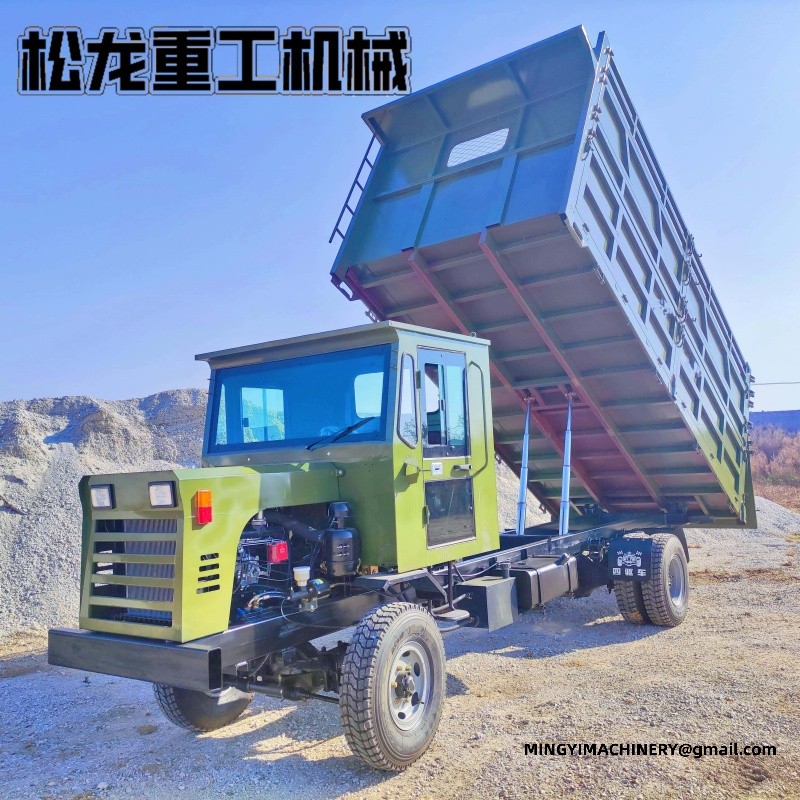
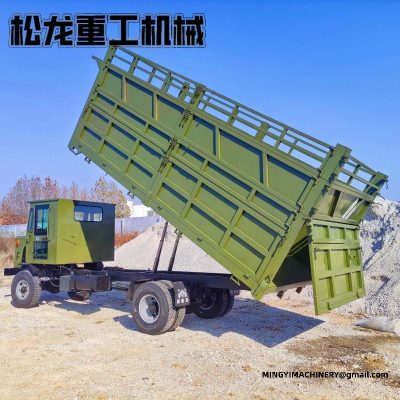
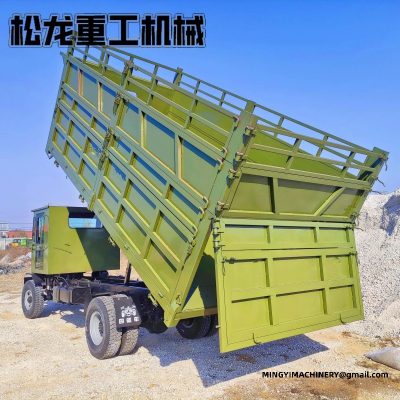
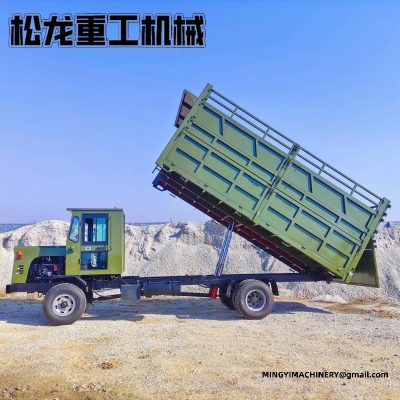
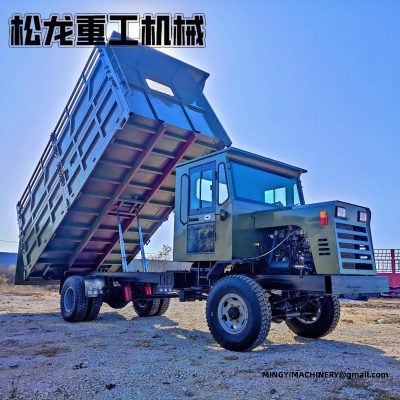
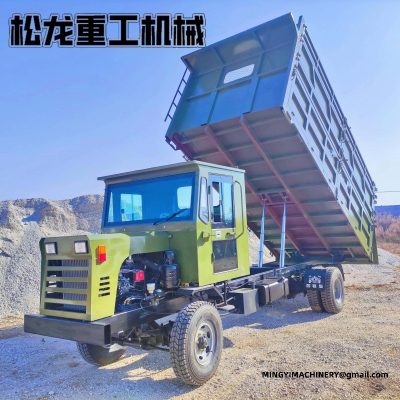
Every the dumper leaves the shop configured for a particular buyer. This page explains the choices that configuration involves, covering frame, power, running gear, cab and attachments, and what each one means once the machine is on site.
Visibility from the seat is different at night. Reflections, shadows and glare all hide detail, so this class of machine used after dark benefits from clean lenses, working wipers and a slower working pace. Planning helps more than extra lamps. Positioning the unit in daily use so that the work is lit from the machine side, and keeping the route clear, does more for safety than adding light to a badly planned task.
Recovering a stuck vehicle takes longer than preventing it. Planning the route, avoiding the worst ground and knowing where the machine of this size will turn is what keeps a soft-ground job productive.
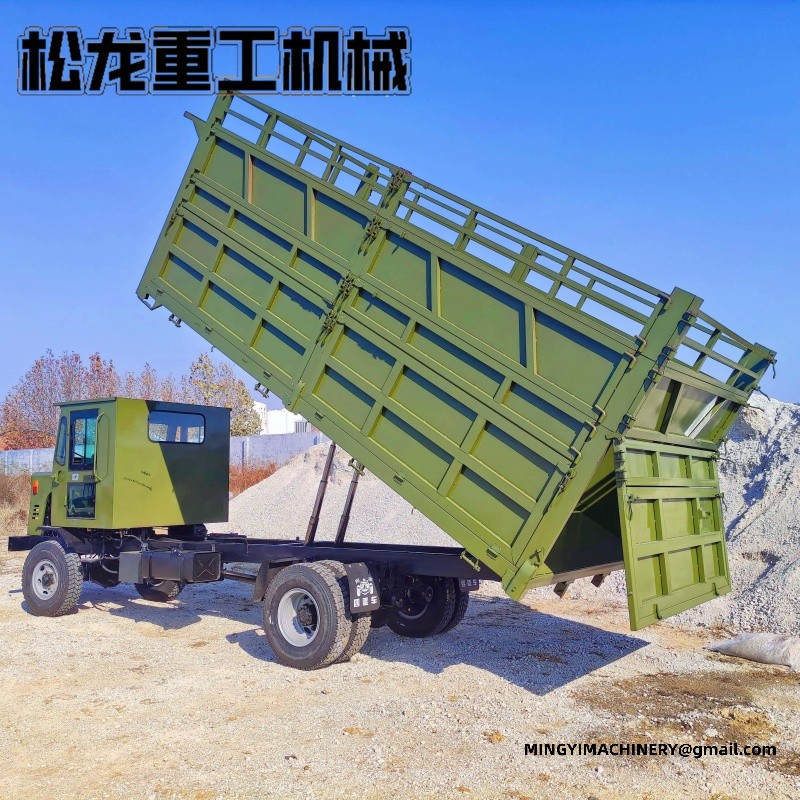
Power unit choice is usually a parts question, not a performance one. Two buyers can order the same the equipment on site and sensibly choose different engines, because the right answer depends on which brand the local workshop already supports.
Stability governs what the crane can do. Outriggers, ground condition and load radius decide the safe figure on the machine itself, and those are checked before the lift rather than discovered during it. Adding a crane changes the vehicle specification. Hydraulic capacity, frame strength and braking all need to suit the attachment, and it is simpler to specify them at build than to add them later.
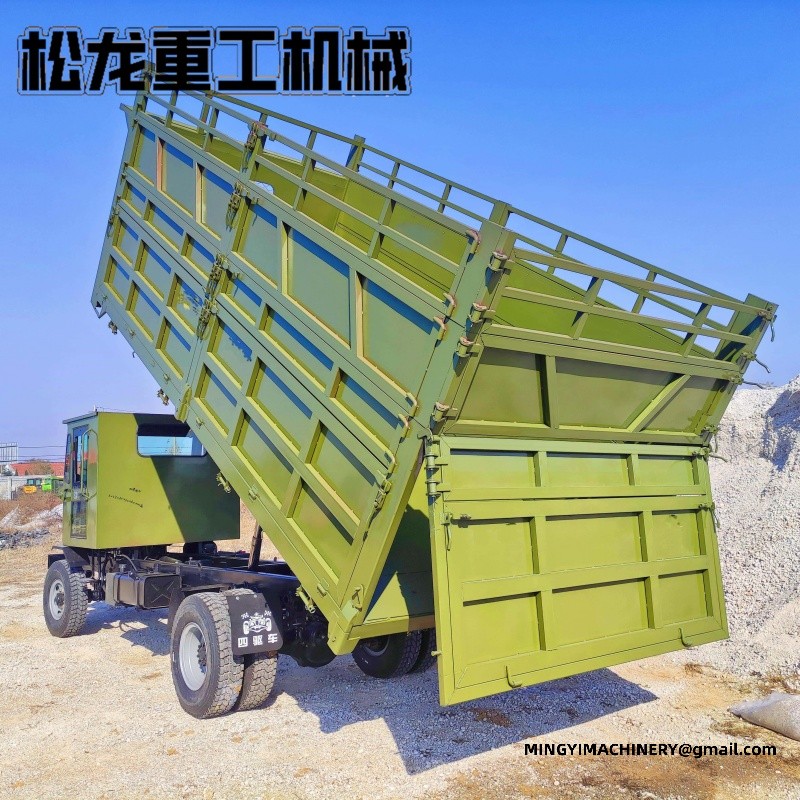
A water tank turns the vehicle into a different machine. The model in question carrying water for dust control or irrigation is specified around tank size, baffles and the route, because a part-filled tank behaves very differently on a slope. Water is heavy and it moves. Baffles and sensible speeds matter on the machine in that duty with a tank body, and the specification should reflect the ground the vehicle will cross rather than only the volume needed.
Wear rate follows conditions far more than hours. The unit on the job working on abrasive ground or in mud will consume undercarriage or tyre life much faster than the same machine on clean ground. Replacing wear items early is usually simpler. Worn components on a machine built for the work load the parts they run against, so a worn part left too long often becomes a major repair.
Fleet value comes from interchangeability. Operators who can step between machines without retraining, and a workshop that stocks one set of filters, keep utilisation higher than a fleet of individually optimised units. Utilisation matters more than the purchase decision over a few years. The equipment in service that sits idle ties up the same yard space standing still as one that earns, so the buying decision should follow the hours the machine will realistically work. Standardising where possible simplifies everything downstream. When several units of the dumper share a service schedule and a parts list, the fleet becomes easier to plan and easier to sell on at replacement time.
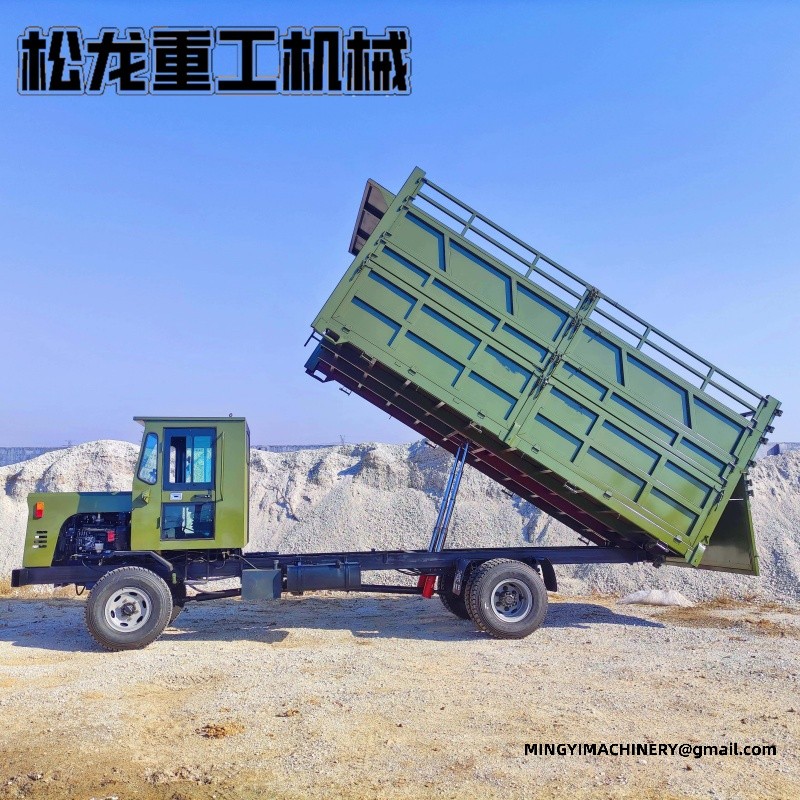
Payload is limited by the axles and the frame before it is limited by the body volume. Specifying this class of machine against the material density gives a realistic figure, because a body that looks half full can already be at its limit with rock. Loading method affects the machine as much as the load does. Material dropped from height into the unit in daily use shocks the frame and the body floor, while material placed evenly spreads the load and extends body life. The honest payload figure comes from the duty. A machine of this size working a smooth haul road carries differently from one crossing ruts and gradients, and the conservative number is the one that keeps the machine working.
Cleaning is maintenance, not appearance. Washing the cooling surfaces and clearing packed material from the machine itself keeps temperatures where they should be and makes the next inspection quicker and more useful.
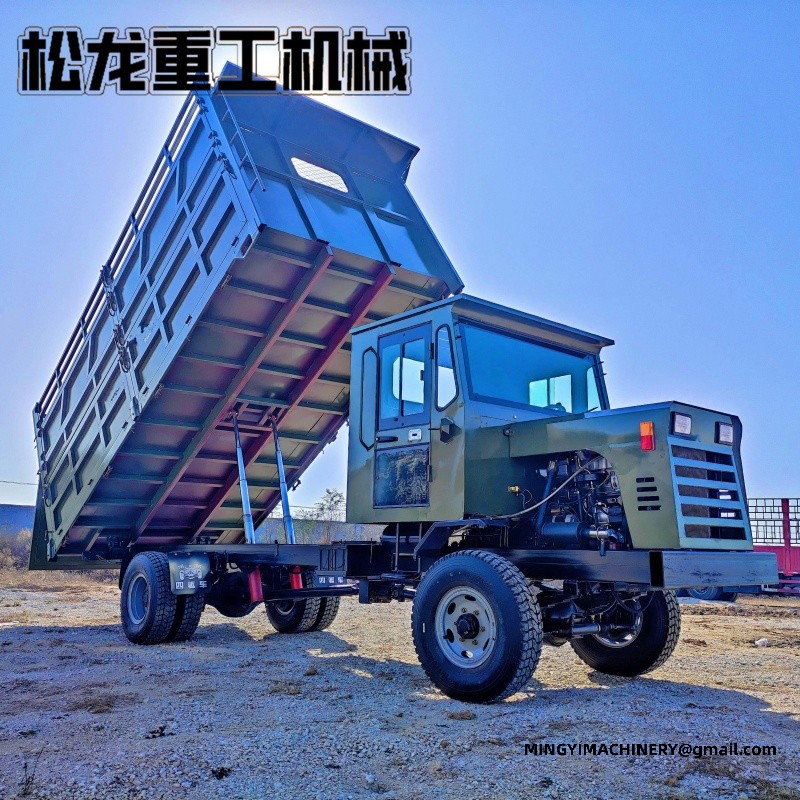
Carrying and travelling with a load needs its own plan. Speed, gradient and surface all matter more once the machine in that duty is loaded, and the safe combination is the conservative one.
Machine productivity depends on what happens around it. Deliveries, other trades and the sequence of work decide how much of the shift a machine built for the work spends actually working rather than waiting. Sequencing avoids rework. Doing the work in the order that suits the ground and the following trades keeps the equipment in service productive and prevents finishing a task that then has to be opened up again.
The specification should be written from the job backwards. Listing the loads, the ground and the hours first, then matching this class of machine to that list, avoids buying capacity the work never uses and avoids discovering a shortfall in the first week.
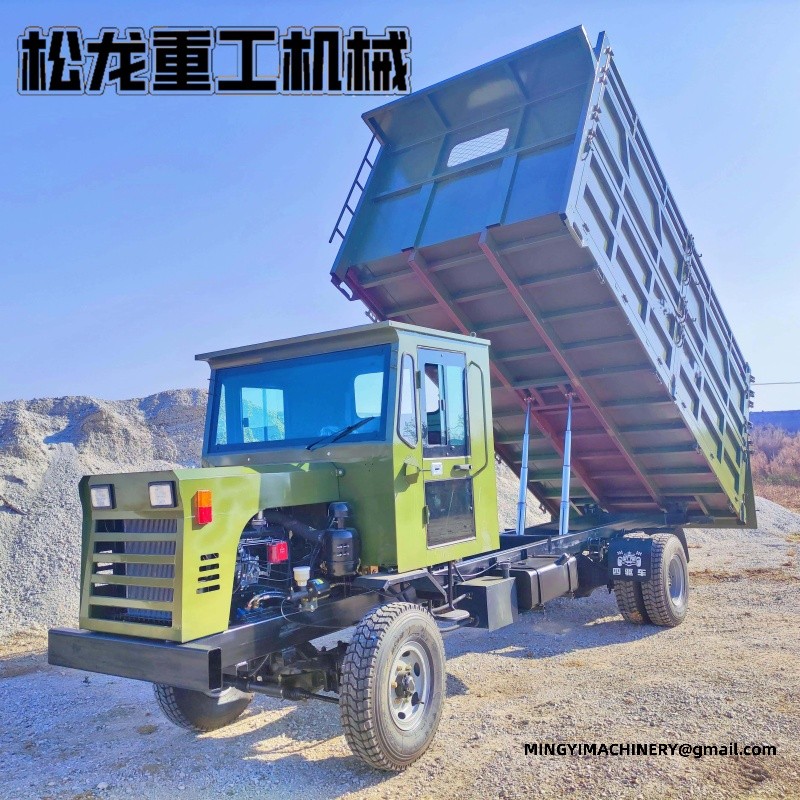
Moving the machine is part of owning it. Overall length, width and height decide which trailer or container a machine of this size fits, and a machine that needs a permit or an abnormal load escort is a machine with a delivery delay built in. Owners who work across several sites should check the transport dimensions before ordering. The equipment on site that fits a standard trailer can be moved by any operator with a suitable vehicle, while an over-width machine narrows that choice and complicates every move.
The decision is economic as well as technical. Comparing the work of reconfiguring the model in question against a different machine is a short calculation that usually gives a clear answer.
The configurations below are the build sheets most often matched to the unit on the job. Engine, gearbox, axles, frame and body dimensions are confirmed together, because the body size and the axle rating have to suit the load before the engine rating matters.
| # | 10.Upgraded | 12.Standard | 20.Luxury | 6.Standard |
|---|---|---|---|---|
| 1 | Single-cylinder diesel engine, 32 hp | Two-cylinder diesel engine, 38 hp | Four-cylinder 4102 turbocharged diesel engine | Single-cylinder diesel engine, 28 hp |
| 2 | Full-time gearbox with four-wheel drive | Full-time gearbox with four-wheel drive | Model 140 part-time gearbox with four-wheel drive | Full-time gearbox with four-wheel drive |
| 3 | High/low range with crawler gear | High/low range with crawler gear | High/low range with crawler gear | High/low range with crawler gear |
| 4 | Front axle clutch | Simple cab | Fully enclosed cab | Simple cab |
| 5 | Fully enclosed cab | Oil brakes | Six 825R16 steel-belted radial tyres | Oil brakes |
| 6 | Oil brakes | Four 700-16 mountain tyres | Reinforced ISUZU-pattern front axle | Four 700-16 mountain tyres |
| 7 | Four 700-16 mountain tyres | Front axle 212 | Reinforced 1080 rear axle | Front axle 212 |
| 8 | Front axle 212 | Rear axle 130 | Air cut-off brakes | Rear axle 130 |
| 9 | Rear axle 130 | Reinforced 60 x 140 mm square tube frame | Reinforced 80 x 180 mm square tube frame | Reinforced 60 x 140 mm square tube frame |
| 10 | Reinforced 60 x 140 mm square tube frame | Rear body 2.2 m long x 1.5 m wide x 0.45 m high | Rear body 3.0 m long x 2.2 m wide x 0.45 m high | Rear body 2.2 m long x 1.5 m wide x 0.45 m high |
| 11 | Rear body 2.2 m long x 1.5 m wide x 0.45 m high | Tailgate with self-dumping function | Tailgate with self-dumping function | Tailgate with self-dumping function |
| 12 | Tailgate with self-dumping function | Hydraulic power steering | Side-opening rear body tailgate with cab ladder | Hydraulic power steering |
| 13 | Hydraulic power steering | Twin hydraulic rams | Hydraulic power steering | Twin hydraulic rams |
| 14 | Twin hydraulic rams | Two-person comfort seat | Twin hydraulic rams | Two-person comfort seat |
| 15 | Two-person comfort seat | Twin-battery electric start | Two-person comfort seat | Twin-battery electric start |
| 16 | Twin-battery electric start | Round-nose bonnet | Heavy-duty thickened leaf springs | Square-nose bonnet |
| 17 | Square-nose bonnet | — | Twin-battery electric start | — |
| 18 | — | — | Square-nose bonnet | — |
| 19 | — | — | Four-cylinder 4105 turbocharged | — |
| 20 | — | — | Four-cylinder 4108 turbocharged | — |
| 21 | — | — | Single-cylinder engine, 25 hp | — |
| 22 | — | — | Single-cylinder engine, 28 hp | — |
| 23 | — | — | Single-cylinder engine, 32 hp | — |
| 24 | — | — | Two-cylinder engine, 38 hp | — |
| 25 | — | — | Four-cylinder 490 engine | — |
| 26 | — | — | Four-cylinder 4102 turbocharged engine | — |
Container loading is a planning exercise. The overall dimensions and the operating weight of the equipment in service decide whether it ships whole, partly disassembled or with the attachment removed, and that decision is made before the booking.
The specification for oil is written for a reason. Using the grade and the change interval set for this class of machine keeps the engine and the hydraulic system inside the range they were designed for.
Holding spares is about downtime rather than the shelf itself. The question for a machine of this size is not how large the part is but how long the machine sits while it is found, and a small shelf answers that better than a fast courier.
Most additions are easier to plan than to add. Hydraulic services, mounting brackets and electrical capacity on the machine itself are build items, and deciding them at the specification stage is far easier than doing it later.
Downtime is simplest when it is planned. Booking the service for the machine in that duty in the quiet part of the season takes nothing from the schedule, while the same work in the busy weeks gives up a day of output every time.
Shared machines need shared habits. Two operators on a machine built for the work should do the same daily checks in the same order, because the check that one person skips is the check that eventually matters.
The symptom is usually not at the fault. A hydraulic function that has become sluggish on the dumper may point to a filter, a relief setting or a pump, and starting with the simple checks avoids the wrong guess.
Every line above is a build item rather than an optional extra, and the final sheet for this class of machine is confirmed against the destination, the ground and the load before production.
E-mail:sales@mingycn.com
LINE(ID):mingyicn








