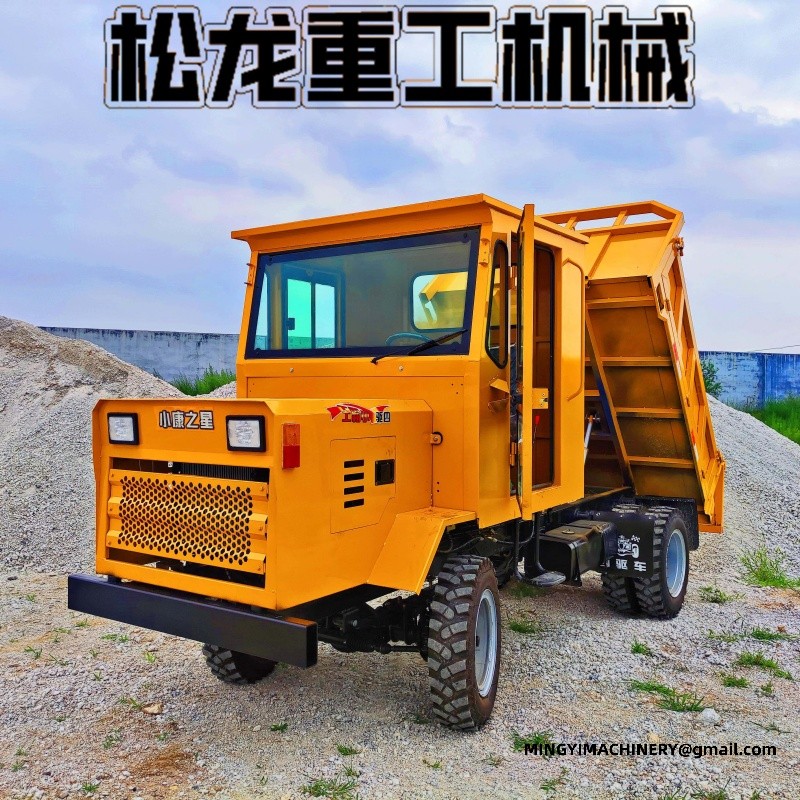
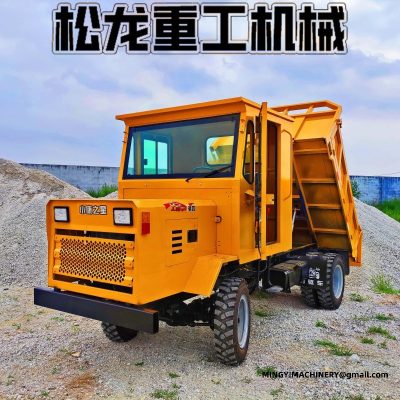
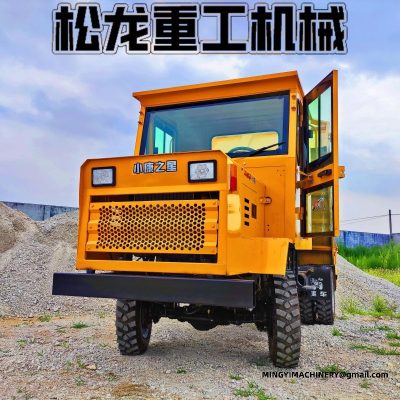
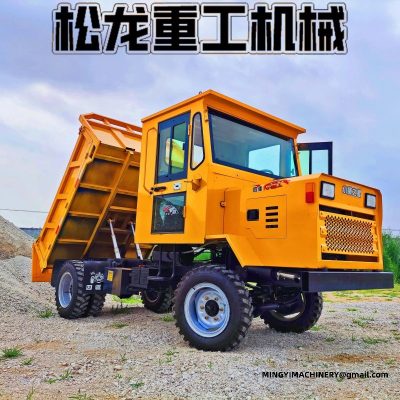
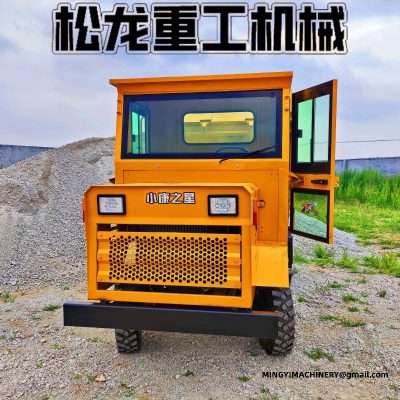
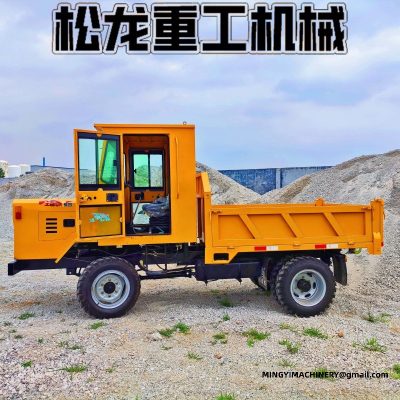
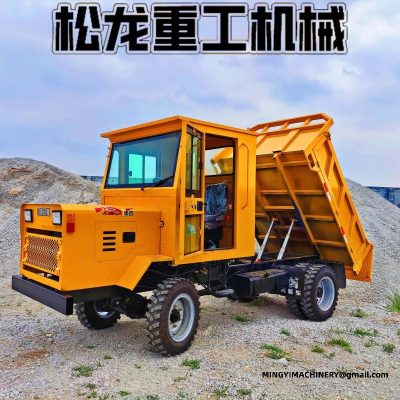
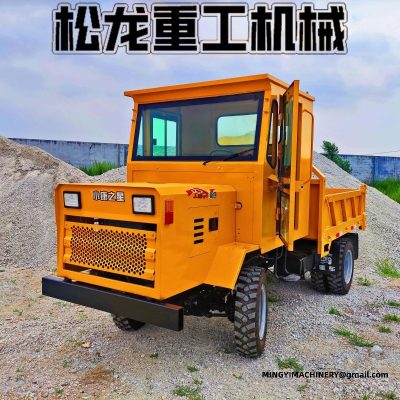
Where the dumper is used matters as much as what it is. Ground, climate, access and the skill of the operator all change the right answer, which is why the sections below start from the working conditions and work towards the specification.
Export orders add steps that domestic buyers never see. Packed dimensions, securing points, documentation and any dismantling required are all settled before this class of machine leaves the factory, and each one affects the freight booking. Documentation should be agreed at order stage. The commercial invoice, packing list and any certificate required at destination are part of shipping the unit in daily use, and missing papers delay clearance longer than the voyage takes.
The specification should be written from the job backwards. Listing the loads, the ground and the hours first, then matching a machine of this size to that list, avoids buying capacity the work never uses and avoids discovering a shortfall in the first week.
Working after daylight changes the risk. Lighting coverage on the machine itself and across the working area, plus high-visibility clothing for anyone on foot, are the items that make low-light work practical. Visibility from the seat is different at night. Reflections, shadows and glare all hide detail, so the equipment on site used after dark benefits from clean lenses, working wipers and a slower working pace. Planning helps more than extra lamps. Positioning the model in question so that the work is lit from the machine side, and keeping the route clear, does more for safety than adding light to a badly planned task.
Machine productivity depends on what happens around it. Deliveries, other trades and the sequence of work decide how much of the shift the machine in that duty spends actually working rather than waiting. Access and storage are worth settling early. Where the unit on the job will be parked, refuelled and serviced on site affects the working day more than most specification details, and it takes nothing to plan.
Stability follows the load and its position. Knowing the rated capacity of a machine built for the work at the working radius, rather than at its best case, is what keeps handling predictable and the machine upright. Carrying and travelling with a load needs its own plan. Speed, gradient and surface all matter more once the equipment in service is loaded, and the safe combination is the conservative one.
Commissioning is the point where most avoidable issues are found. Checking levels, fasteners and function on the dumper before it goes to work takes an hour and prevents a claim conversation later.
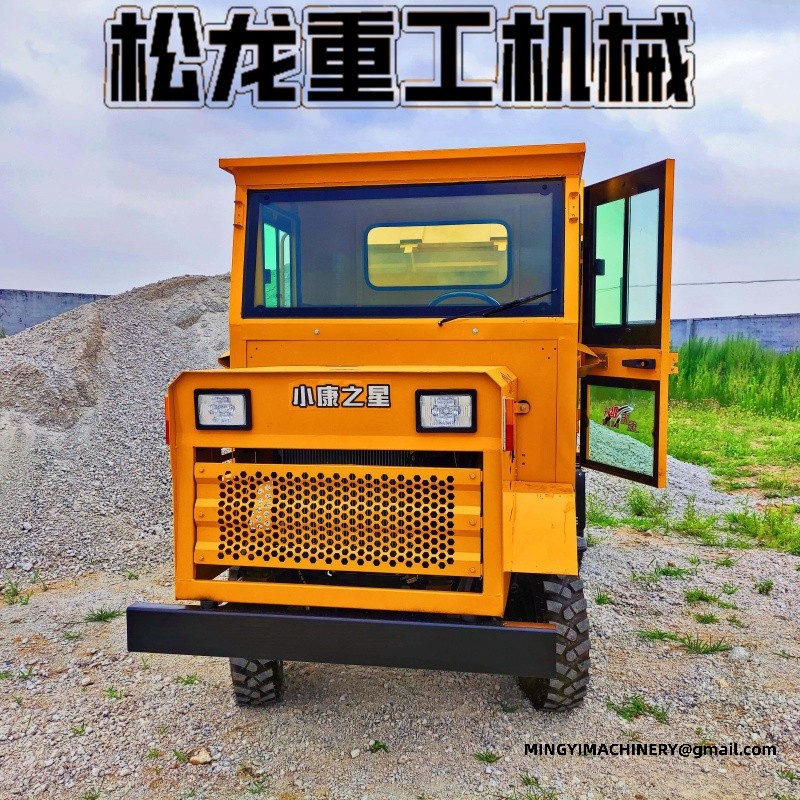
Carrying concrete changes the duty entirely. This class of machine with a mixer drum is working against the clock, and the specification follows the delivery distance and the site access rather than the load alone. Drum bodies need power and stability. The unit in daily use set up for concrete has to carry the drum, the load and the water, and the frame and brakes should be specified for that combined weight.
A water tank turns the vehicle into a different machine. A machine of this size carrying water for dust control or irrigation is specified around tank size, baffles and the route, because a part-filled tank behaves very differently on a slope. Water is heavy and it moves. Baffles and sensible speeds matter on the equipment on site with a tank body, and the specification should reflect the ground the vehicle will cross rather than only the volume needed. Dust control work is repetitive and time-critical. The machine itself with the right tank and spray arrangement covers more ground per shift, which is usually the point of the exercise.
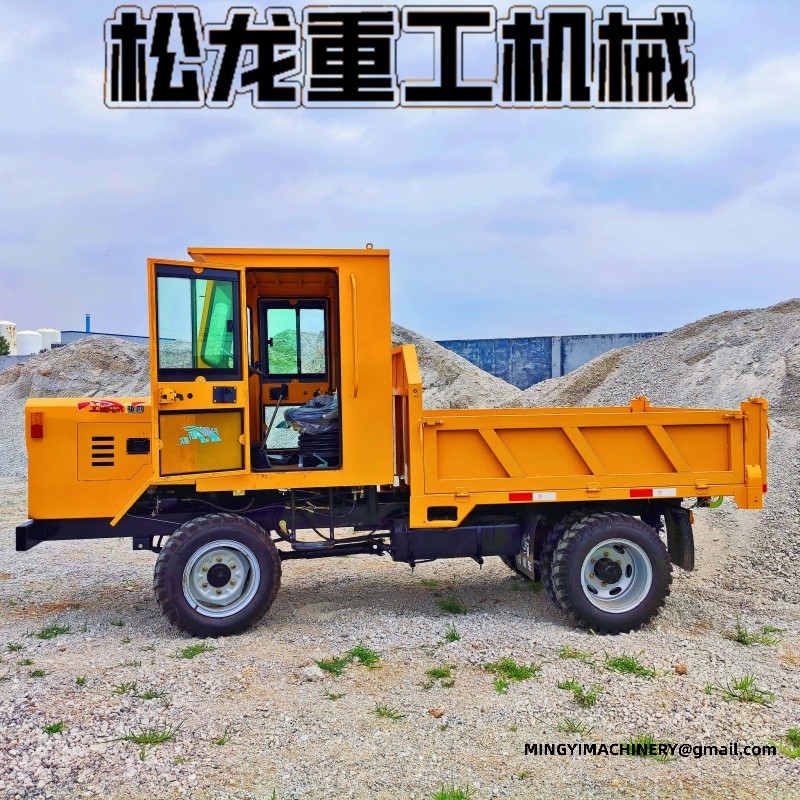
Quarry and tunnel work is hard on vehicles. Abrasive dust, sharp material and continuous loading mean the machine in that duty in this duty needs attention to filtration, body wear and brake condition far more often. Size matters underground. Overall height and width decide whether the unit on the job can work in a tunnel at all, and those dimensions are the first thing to confirm rather than the last. Haul cycles in a quarry are short and repetitive. A machine built for the work specified for that pattern benefits from a body that dumps cleanly and quickly, because the time saved per cycle is the whole allowance.
Duty cycle is the honest measure of a machine. The dumper working a few hours a week has different needs from one working two shifts, and the cooling, filtration and service intervals should follow the hours rather than the calendar. Seasonal work changes the maintenance calendar. Machines that work hard for two months and stand for ten need preparation before storage and a check before returning to work, and both are simpler than the repairs they prevent. Hour planning helps at resale as well. This class of machine with a recorded service history and a sensible hour count is easier to sell than one with the same hours and no records, whatever its condition.
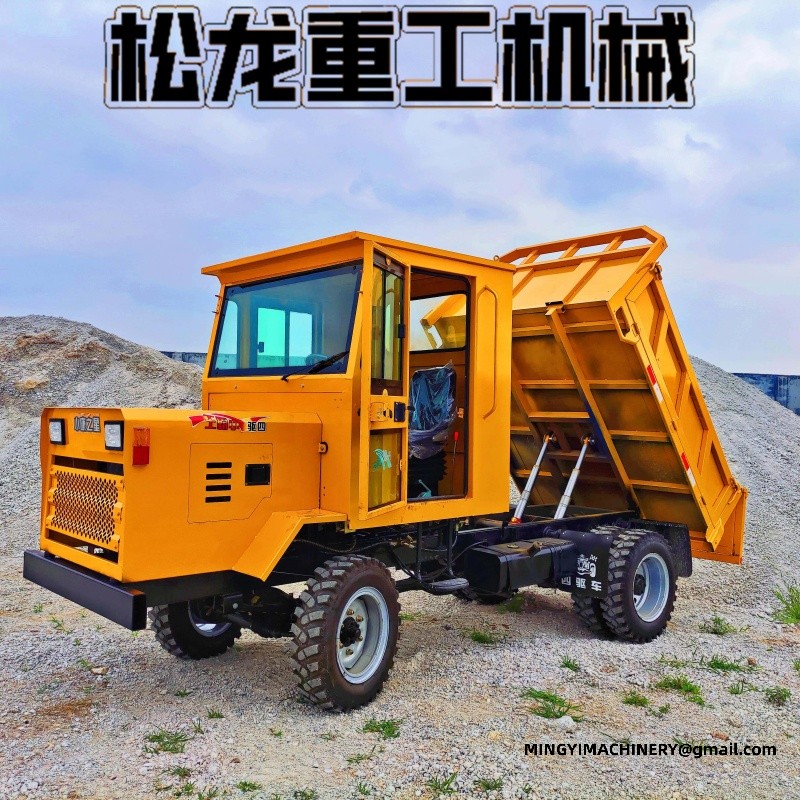
Cold changes how a machine starts and how it warms up. Allowing a machine of this size to reach operating temperature before loading it, and using the correct grade of oil and fuel for the season, prevents most cold-start problems.
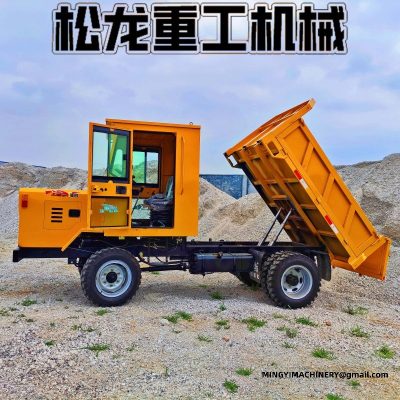
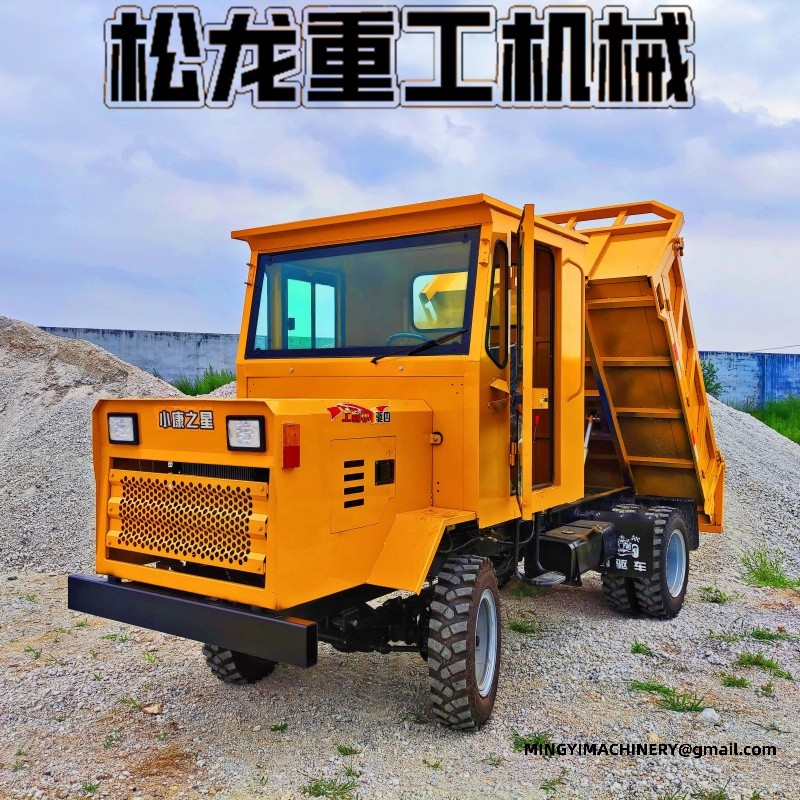
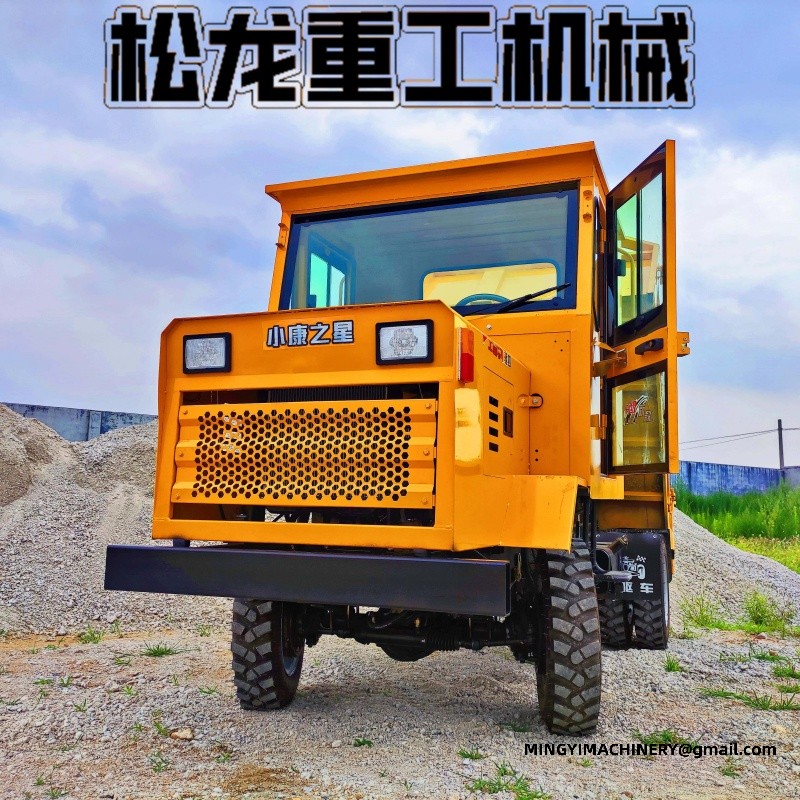
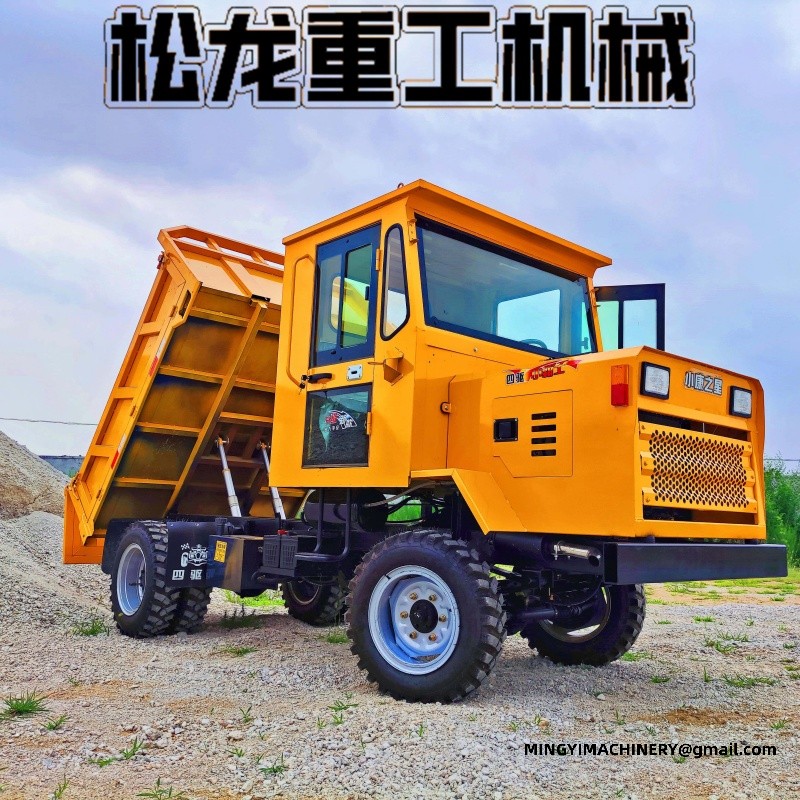
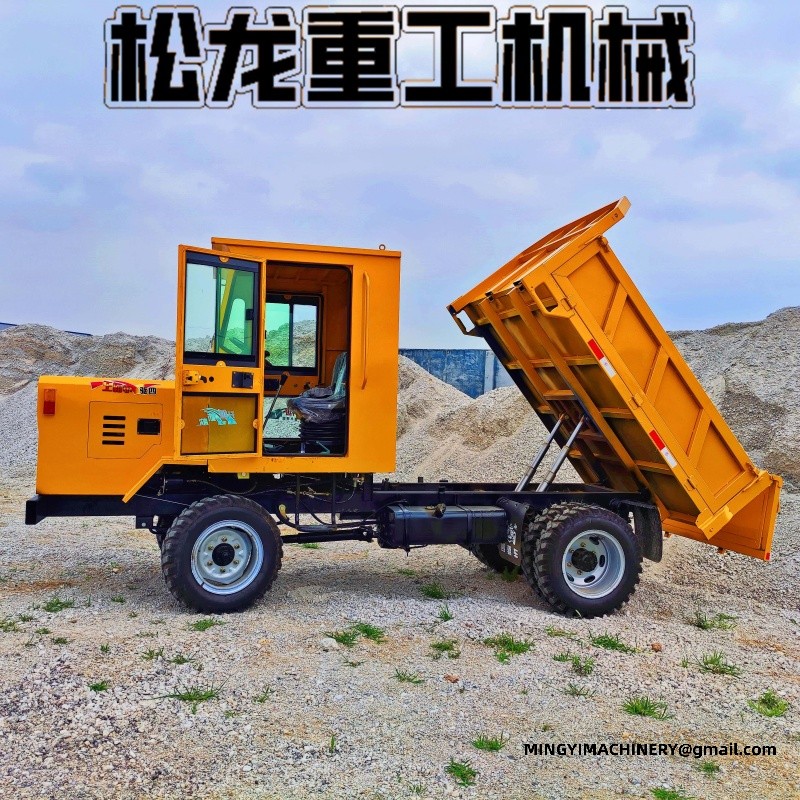
The configurations below are the build sheets most often matched to the machine itself. Engine, gearbox, axles, frame and body dimensions are confirmed together, because the body size and the axle rating have to suit the load before the engine rating matters.
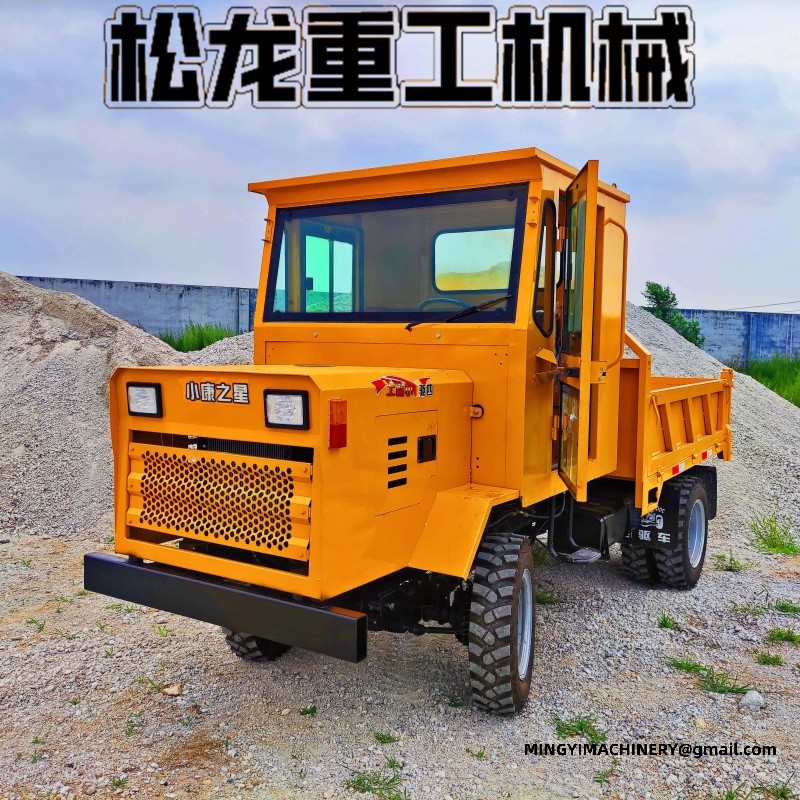
| # | 11.Luxury | 18.Standard | 5.Luxury | 8.Luxury |
|---|---|---|---|---|
| 1 | Single-cylinder diesel engine, 32 hp | Four-cylinder 4102 turbocharged diesel engine | Single-cylinder diesel engine, 25 hp | Single-cylinder diesel engine, 28 hp |
| 2 | Part-time gearbox, selectable 2WD/4WD | Model 140 part-time gearbox with four-wheel drive | Part-time gearbox with four-wheel drive | Part-time gearbox, selectable 2WD/4WD |
| 3 | High/low range with crawler gear | High/low range with crawler gear | High/low range with crawler gear | High/low range with crawler gear |
| 4 | Enclosed cab | Simple cab | Enclosed cab | Enclosed cab |
| 5 | Six 700-16 mountain tyres | Oil brakes | Six 700-16 mountain tyres | Six 700-16 mountain tyres |
| 6 | Model 212 front axle | Six 700-16 mountain tyres | Model 212 front axle | Model 212 front axle |
| 7 | Model 130 rear axle | Reinforced ISUZU-pattern front axle | Model 130 rear axle | Model 130 rear axle |
| 8 | Air cut-off brakes | Reinforced 1061 rear axle | Air cut-off brakes | Air cut-off brakes |
| 9 | Reinforced 60 x 140 mm square tube frame | Reinforced 80 x 180 mm square tube frame | Reinforced 60 x 140 mm square tube frame | Reinforced 60 x 140 mm square tube frame |
| 10 | Rear body 2.2 m long x 1.5 m wide x 0.45 m high | Rear body 2.2 m long x 2.1 m wide x 0.45 m high | Rear body 2.2 m long x 1.5 m wide x 0.45 m high | Rear body 2.2 m long x 1.5 m wide x 0.45 m high |
| 11 | Tailgate with self-dumping function | Tailgate with self-dumping function | Tailgate with self-dumping function | Tailgate with self-dumping function |
| 12 | Side-opening rear body tailgate | Hydraulic power steering | Side-opening rear body tailgate | Side-opening rear body tailgate |
| 13 | Hydraulic power steering | Twin hydraulic rams | Hydraulic power steering | Hydraulic power steering |
| 14 | Twin hydraulic rams | Two-person comfort seat | Twin hydraulic rams | Twin hydraulic rams |
| 15 | Two-person comfort seat | Twin-battery electric start | Two-person comfort seat | Two-person comfort seat |
| 16 | Heavy-duty leaf springs | Square-nose bonnet | Heavy-duty leaf springs | Heavy-duty leaf springs |
| 17 | Twin-battery electric start | — | Twin-battery electric start | Twin-battery electric start |
| 18 | Square-nose bonnet | — | Square-nose bonnet | Square-nose bonnet |
Fluid quality is a storage problem before it is a machine problem. Water and sediment in a drum will find the injection system of the machine in that duty eventually, and a settling period is nothing compared with a pump.
Seasonal work rewards a machine that can change duty. Through the year a machine built for the work may move from one task to another, and the attachment list should be chosen for the whole year rather than for the first job.
Export packing is part of the machine, not an afterthought. The dumper is blocked and braced inside the container so that it arrives in the same condition it left, and the load plan is decided by the dimensions rather than by what fits loosely.
Tropical operation is a specification question as much as a maintenance one. The cooling capacity, the sealing and the corrosion protection fitted to the unit in daily use are what make the difference once the ambient temperature rises.
A stored machine should be brought back carefully. Before the equipment on site returns to work the fluids, the brakes and the controls are checked, because months of standing change more than a weekend does.
The parts that stop a machine are rarely the parts that are hardest to find. Filters, belts, seals and the ground engaging tools on the model in question are easy to hold and slow to replace, which is why they belong on the shelf rather than on an order.
Travel time is not working time, and it should be planned as its own item. The hours spent moving the unit on the job between jobs are hours not worked, and a trailer that matches the machine reduces them every single trip.
Service history also protects the warranty position. Evidence that the equipment in service was maintained at the specified intervals and with the specified fluids settles questions that would otherwise be argued.
Every line above is a build item rather than an optional extra, and the final sheet for the dumper is confirmed against the destination, the ground and the load before production.
E-mail:sales@mingycn.com
LINE(ID):mingyicn









