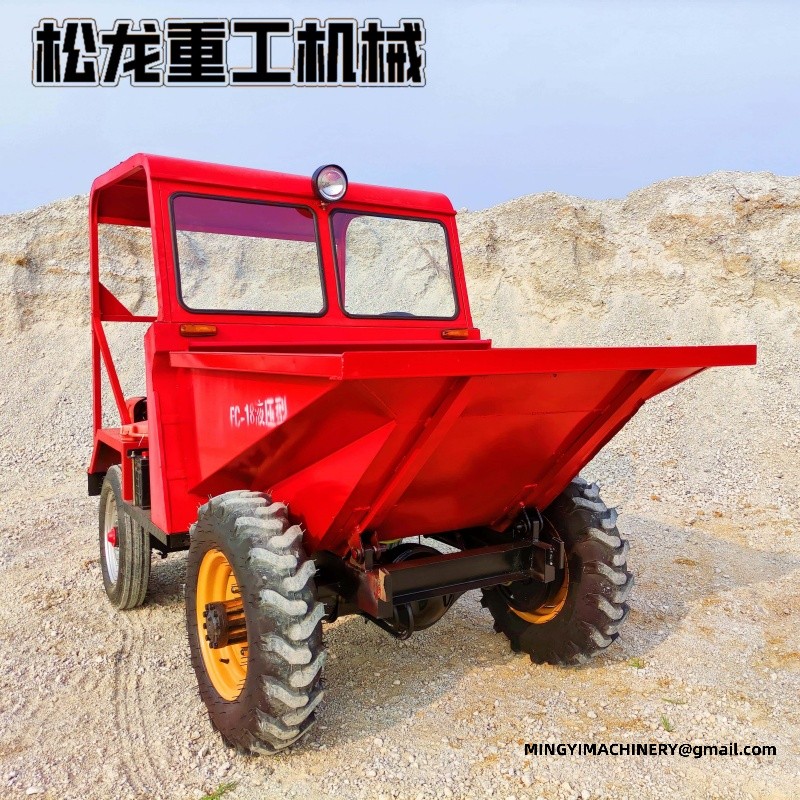
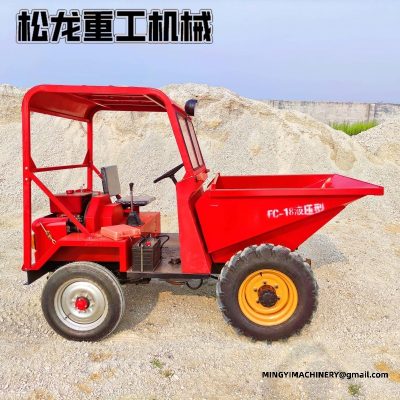
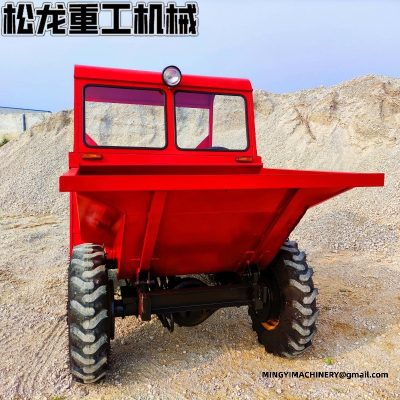
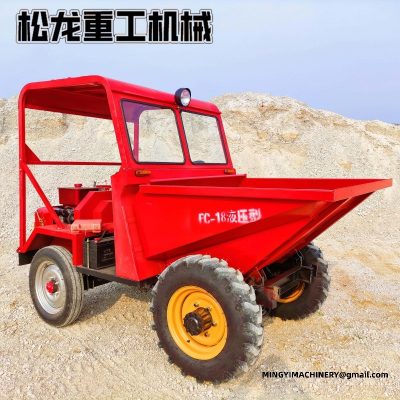
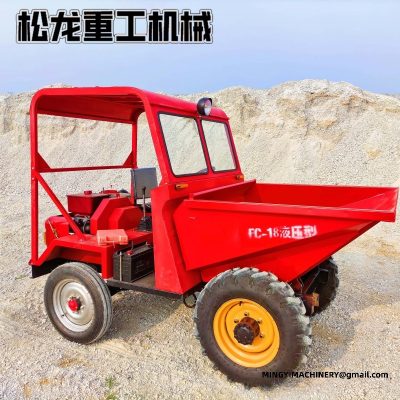
Where the dumper is used matters as much as what it is. Ground, climate, access and the skill of the operator all change the right answer, which is why the sections below start from the working conditions and work towards the specification.
Quarry and tunnel work is hard on vehicles. Abrasive dust, sharp material and continuous loading mean this class of machine in this duty needs attention to filtration, body wear and brake condition far more often. Size matters underground. Overall height and width decide whether the unit in daily use can work in a tunnel at all, and those dimensions are the first thing to confirm rather than the last.
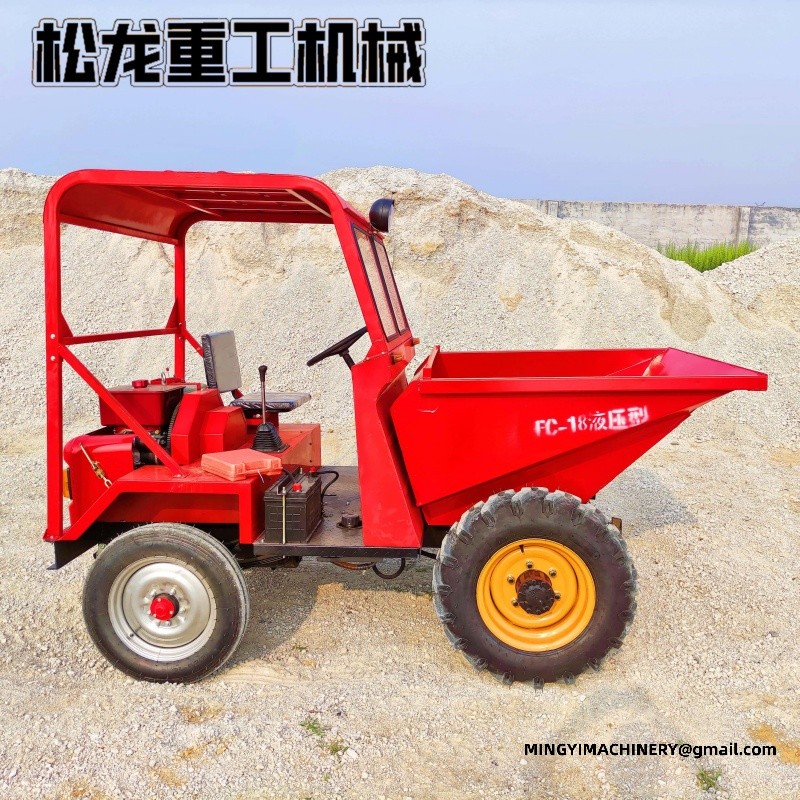
Utilisation matters more than the purchase decision over a few years. A machine of this size that sits idle ties up the same yard space standing still as one that earns, so the buying decision should follow the hours the machine will realistically work. Standardising where possible simplifies everything downstream. When several units of the equipment on site share a service schedule and a parts list, the fleet becomes easier to plan and easier to sell on at replacement time.
Carrying concrete changes the duty entirely. The machine itself with a mixer drum is working against the clock, and the specification follows the delivery distance and the site access rather than the load alone. Drum bodies need power and stability. The model in question set up for concrete has to carry the drum, the load and the water, and the frame and brakes should be specified for that combined weight. Cleaning and discharge are part of the job. The machine in that duty used for concrete is judged on how quickly it can discharge and wash out, because that turnaround is what the site is paying for.
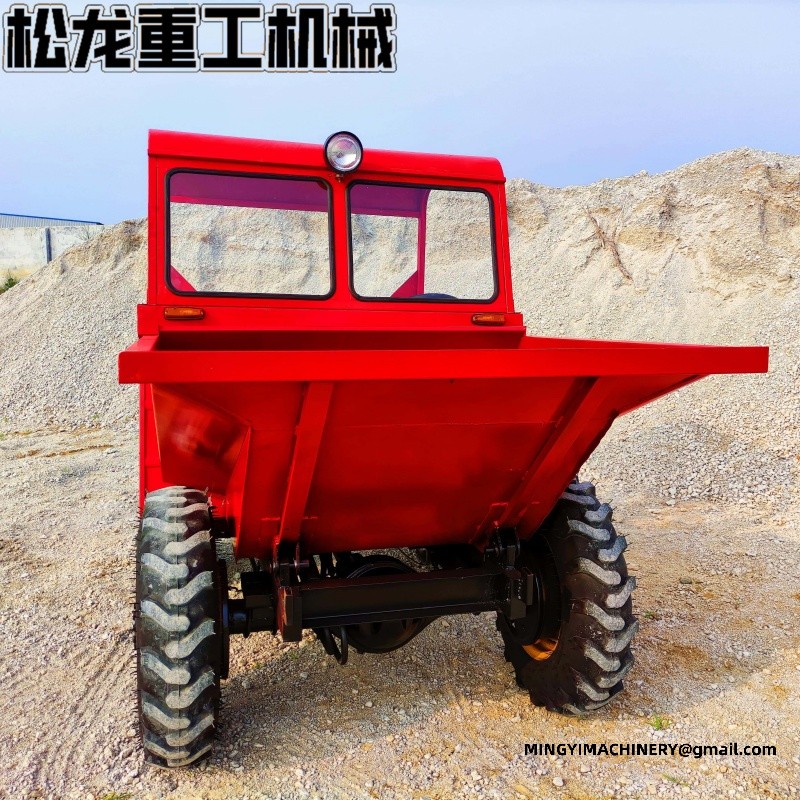
Loading method affects the machine as much as the load does. Material dropped from height into the unit on the job shocks the frame and the body floor, while material placed evenly spreads the load and extends body life. The honest payload figure comes from the duty. A machine built for the work working a smooth haul road carries differently from one crossing ruts and gradients, and the conservative number is the one that keeps the machine working.
Certain parts are designed to be consumed. Knowing which items on the equipment in service are wearing parts, and roughly how long they last in the duty the machine sees, turns replacement into a plan rather than a breakdown. Replacing wear items early is usually simpler. Worn components on the dumper load the parts they run against, so a worn part left too long often becomes a major repair.
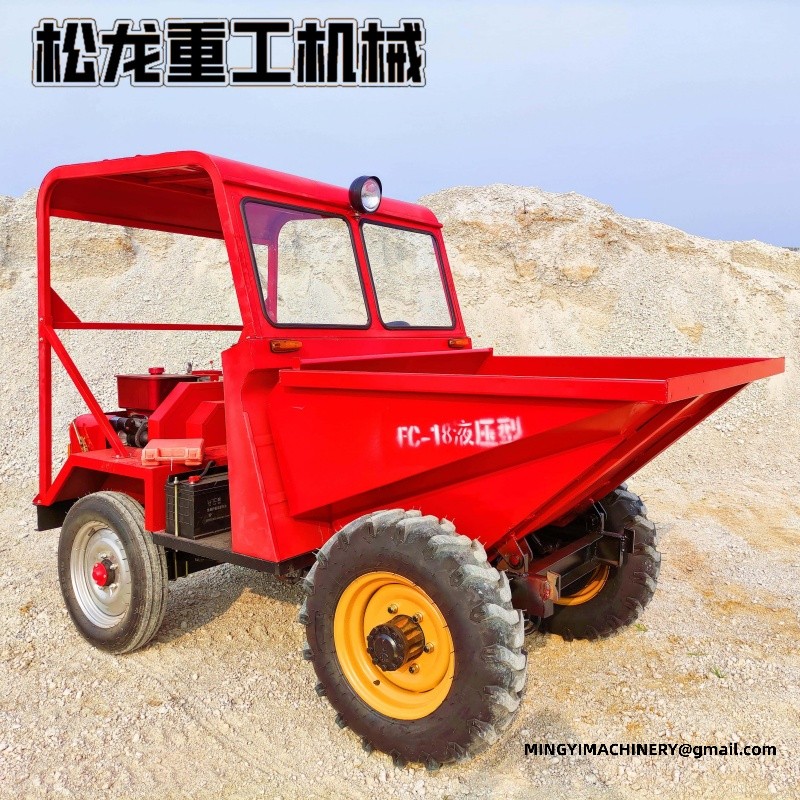
Cold changes how a machine starts and how it warms up. Allowing this class of machine to reach operating temperature before loading it, and using the correct grade of oil and fuel for the season, prevents most cold-start problems. Batteries and fluids are the parts that notice the cold first. The unit in daily use kept on a maintainer through a freezing spell starts on the first turn, while one left standing is the usual cause of a lost morning.
Documentation should be agreed at order stage. The commercial invoice, packing list and any certificate required at destination are part of shipping a machine of this size, and missing papers delay clearance longer than the voyage takes.
The base machine is only as useful as the tool on the end of it. Matching the attachment to the task - rather than to what arrived with the machine - is what lets one the equipment on site cover several jobs across a week.
Cleaning is maintenance, not appearance. Washing the cooling surfaces and clearing packed material from the model in question keeps temperatures where they should be and makes the next inspection quicker and more useful. Sealed points and guarded areas deserve a look in these conditions. The machine in that duty working in abrasive dust benefits from checked boots, intact guards and clean breathers, all of which are quick to verify.
Adding a crane changes the vehicle specification. Hydraulic capacity, frame strength and braking all need to suit the attachment, and it is simpler to specify them at build than to add them later.
Planning helps more than extra lamps. Positioning the equipment in service so that the work is lit from the machine side, and keeping the route clear, does more for safety than adding light to a badly planned task.
Fuel is usually the largest controllable running demand. Operating style, correct tyre or track condition and a clean air supply all move consumption on this class of machine by more than most buyers expect.
Standing still is hard on machinery. A machine of this size left for weeks benefits from a clean, dry, covered space, a charged battery and a fuel system prepared for the layoff, and all three effort very little.
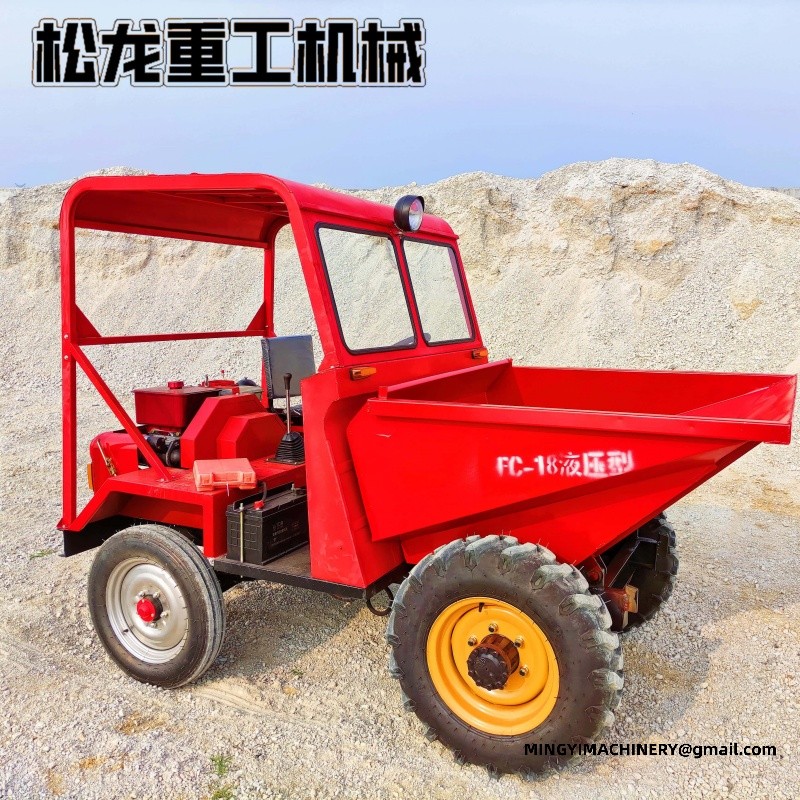
Lead time is part of the specification. Confirming build time, shipping method and what is included before ordering the machine itself prevents the common gap between when the machine is needed and when it can arrive. Delivery planning includes the receiving end. Knowing whether the model in question will be craned, driven or forked off, and whether the site can accept it, is settled before dispatch rather than on the day.
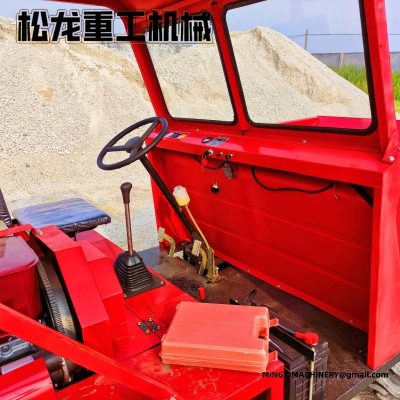
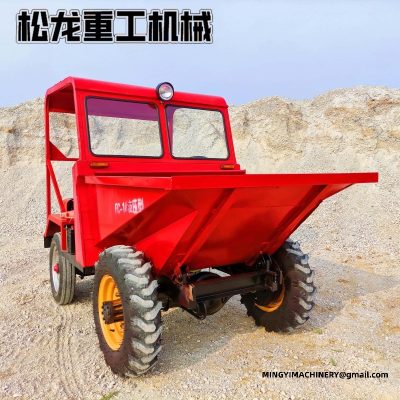
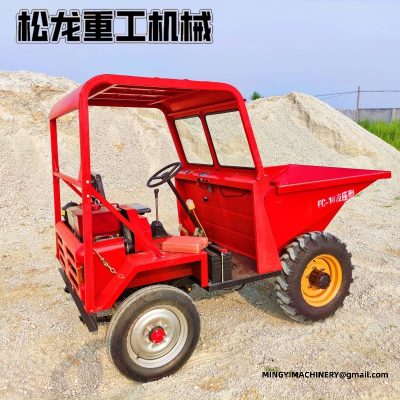
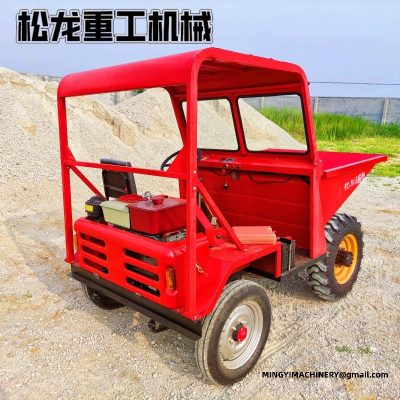
The configurations below are the build sheets most often matched to the unit on the job. Engine, gearbox, axles, frame and body dimensions are confirmed together, because the body size and the axle rating have to suit the load before the engine rating matters.
| # | 14.Luxury | 15.Standard | 23.Upgraded | 4.Upgraded |
|---|---|---|---|---|
| 1 | Two-cylinder diesel engine, 38 hp | Four-cylinder 490 diesel engine | Four-cylinder 4108 turbocharged diesel engine | Single-cylinder diesel engine, 25 hp |
| 2 | Part-time gearbox, selectable 2WD/4WD | Full-time gearbox with four-wheel drive | Model 140 part-time gearbox, selectable 2WD/4WD | Full-time gearbox with four-wheel drive |
| 3 | High/low range with crawler gear | High/low range with crawler gear | High/low range with crawler gear | High/low range with crawler gear |
| 4 | Enclosed cab | Simple cab | Simple cab | Front axle clutch |
| 5 | Six 700-16 mountain tyres | Oil brakes | Six 825R16 steel-belted radial tyres | Fully enclosed cab |
| 6 | Model 212 front axle | Four 700-16 mountain tyres | Reinforced ISUZU-pattern front axle | Oil brakes |
| 7 | Reinforced 130 rear axle | Front axle 212 | Reinforced 1080 rear axle | Four 700-16 mountain tyres |
| 8 | Air cut-off brakes | Rear axle 130 | Air cut-off brakes | Front axle 212 |
| 9 | Reinforced 60 x 140 mm square tube frame | Reinforced 60 x 140 mm square tube frame | Reinforced 80 x 180 mm square tube frame | Rear axle 130 |
| 10 | Rear body 2.2 m long x 1.5 m wide x 0.45 m high | Rear body 2.2 m long x 1.5 m wide x 0.45 m high | Rear body 3.0 m long x 2.2 m wide x 0.45 m high | Reinforced 60 x 140 mm square tube frame |
| 11 | Tailgate with self-dumping function | Tailgate with self-dumping function | Tailgate with self-dumping function | Rear body 2.2 m long x 1.5 m wide x 0.45 m high |
| 12 | Side-opening rear body tailgate | Hydraulic power steering | Hydraulic power steering | Tailgate with self-dumping function |
| 13 | Hydraulic power steering | Twin hydraulic rams | Twin hydraulic rams | Hydraulic power steering |
| 14 | Twin hydraulic rams | Two-person comfort seat | Two-person comfort seat | Twin hydraulic rams |
| 15 | Heavy-duty leaf springs | Twin-battery electric start | Heavy-duty leaf springs | Two-person comfort seat |
| 16 | Two-person comfort seat | Round-nose bonnet | Twin-battery electric start | Twin-battery electric start |
| 17 | Twin-battery electric start | — | Square-nose bonnet | Square-nose bonnet |
| 18 | Round-nose bonnet | — | — | — |
The calendar decides more than the specification does. Planning when the equipment in service will be working, when it will be serviced and when it can be spared keeps the maintenance out of the weeks that matter.
The record should follow the machine, not the owner. When this class of machine changes hands the service history travels with it, and a complete folder is often the difference between a quick sale and a long one.
Container loading is a planning exercise. The overall dimensions and the operating weight of a machine of this size decide whether it ships whole, partly disassembled or with the attachment removed, and that decision is made before the booking.
Humidity attacks the parts that are not used. Storage in a damp climate means the machine itself needs the exposed metal protected and the machine run regularly, because standing still does more damage than working.
Loading is where most damage happens. Ramps, angle of approach and the condition of the ground under them matter more than the machine when the machine in that duty is being loaded, and a careful driver is worth more than a fast one.
A good handover covers the awkward cases, not just the easy ones. Starting a machine built for the work on a slope, turning in a confined space and recovering from soft ground are the situations an operator should meet first with someone beside them.
Machines rarely fail without warning. A change in sound, a slower function or a new leak on the dumper is the machine saying something early, and listening then takes a fraction of the time that waiting does.
Every line above is a build item rather than an optional extra, and the final sheet for this class of machine is confirmed against the destination, the ground and the load before production.
E-mail:sales@mingycn.com
LINE(ID):mingyicn









