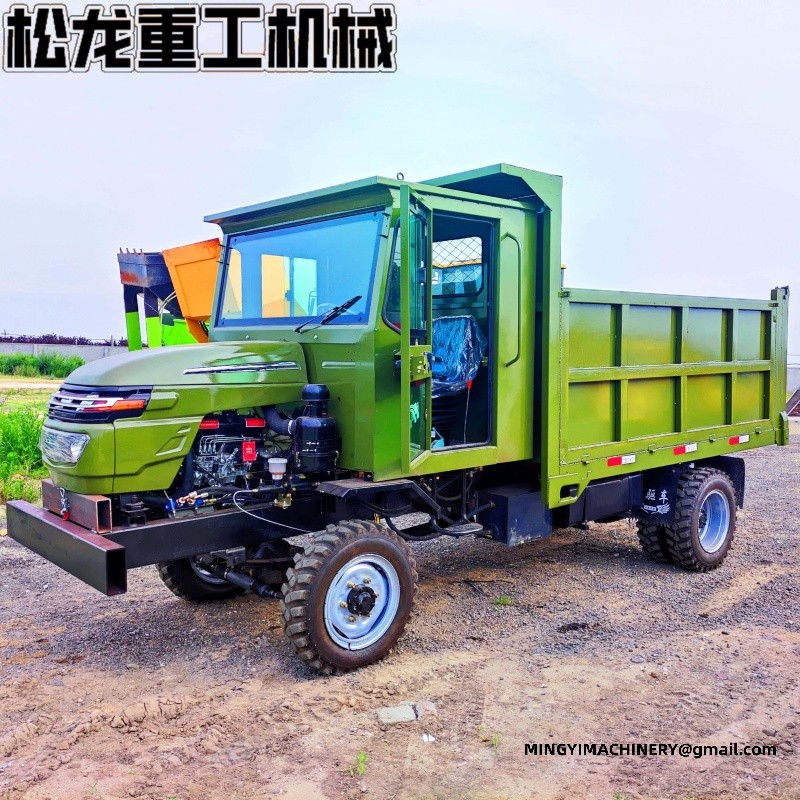
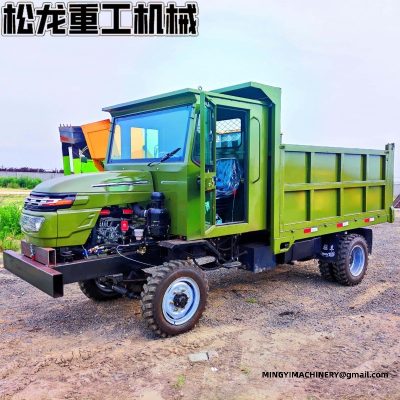
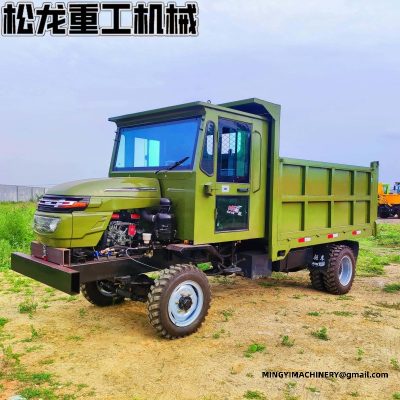
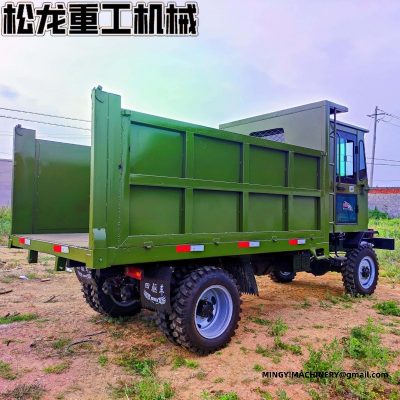
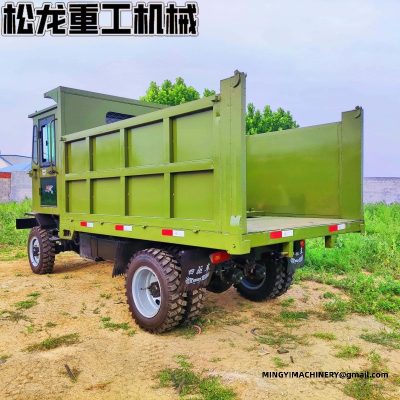
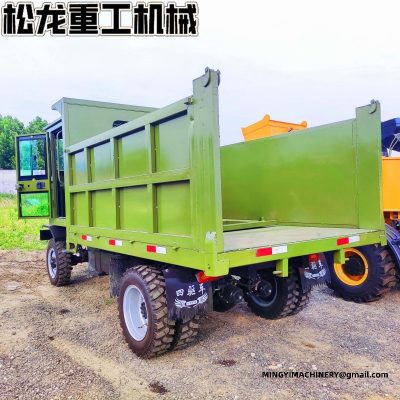
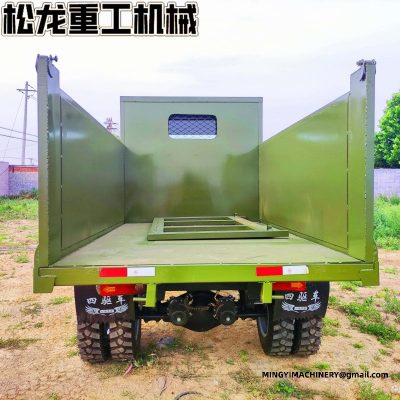
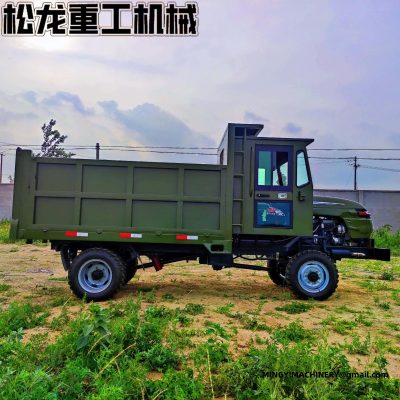
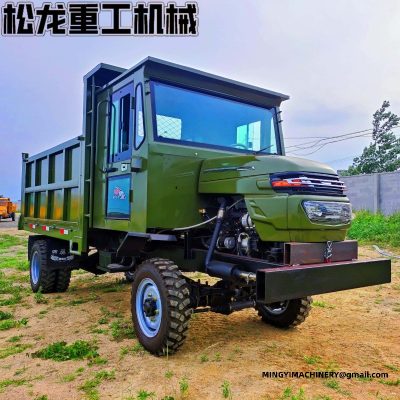
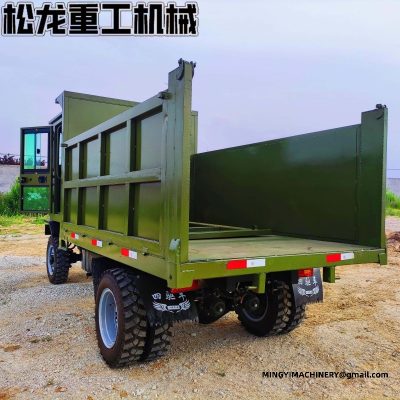
Every the dumper leaves the shop configured for a particular buyer. This page explains the choices that configuration involves, covering frame, power, running gear, cab and attachments, and what each one means once the machine is on site.
Four-wheel drive is only part of soft ground capability. Tyre choice, ground clearance and weight distribution decide whether this class of machine keeps moving in a paddy field or a marsh, and all three are specified rather than assumed.
Documentation should be agreed at order stage. The commercial invoice, packing list and any certificate required at destination are part of shipping the unit in daily use, and missing papers delay clearance longer than the voyage takes.
Gradient is where a haul vehicle earns its keep. A machine of this size with a crawler gear and a low range climbs loaded where a road vehicle would need a second attempt, and that difference decides whether a track is usable at all. Descending matters as much as climbing. A loaded the machine itself on a steep gradient needs engine braking and brakes in good order, and the safe practice is to plan the descent before the load rather than during it. Ground and gradient together set the limit. Loose surface on a slope reduces what the equipment on site can pull regardless of engine power, so the surface survey belongs before the specification.
Cold changes how a machine starts and how it warms up. Allowing the model in question to reach operating temperature before loading it, and using the correct grade of oil and fuel for the season, prevents most cold-start problems. Batteries and fluids are the parts that notice the cold first. The machine in that duty kept on a maintainer through a freezing spell starts on the first turn, while one left standing is the usual cause of a lost morning.
Remote diagnosis shortens most faults. A walk-around on video with the panels open often identifies the cause on the unit on the job without waiting for a visit, and avoids shipping a part that turns out not to be needed.
Resale starts at purchase. Specification choices, service records and the condition of wearing parts are what a buyer looks at, and a machine built for the work that has been maintained on schedule is worth more than one that merely looks clean. Records are part of the asset. Keeping the service history and the hour records with the equipment in service makes it easier to sell, easier to insure and easier to justify the replacement machine internally.
Certain parts are designed to be consumed. Knowing which items on the dumper are wearing parts, and roughly how long they last in the duty the machine sees, turns replacement into a plan rather than a breakdown. Replacing wear items early is usually simpler. Worn components on this class of machine load the parts they run against, so a worn part left too long often becomes a major repair.
Power unit choice is usually a parts question, not a performance one. Two buyers can order the same a machine of this size and sensibly choose different engines, because the right answer depends on which brand the local workshop already supports. Matching the engine to the duty matters more than the peak rating. The unit in daily use that spends its day at part load benefits from a different setup than one that works at full output, and the difference shows in fuel use over a season.
Machine productivity depends on what happens around it. Deliveries, other trades and the sequence of work decide how much of the shift the machine itself spends actually working rather than waiting. Access and storage are worth settling early. Where the model in question will be parked, refuelled and serviced on site affects the working day more than most specification details, and it takes nothing to plan. Sequencing avoids rework. Doing the work in the order that suits the ground and the following trades keeps the machine in that duty productive and prevents finishing a task that then has to be opened up again.
Most incidents around machinery come from the space rather than the machine. Exclusion zones, a clear signal person and a check on what is behind the equipment in service before it moves cover the large majority of the risk on a working site. Personal protective equipment and a stop rule are simple controls. Agreeing before work starts that anyone can stop the job is the single measure that most often prevents a serious incident near a machine built for the work.
Commissioning is the point where most avoidable issues are found. Checking levels, fasteners and function on the dumper before it goes to work takes an hour and prevents a claim conversation later. Warranty terms are clearer when they are read before purchase. Knowing what is covered, what counts as a wearing item and what documentation is required makes a claim on this class of machine straightforward rather than contested. Early faults are usually simple. The unit in daily use that behaves differently in its first few hours is more often mis-set than defective, and a call to the supplier at that point usually resolves it the same day.
Utilisation matters more than the purchase decision over a few years. The equipment on site that sits idle ties up the same yard space standing still as one that earns, so the buying decision should follow the hours the machine will realistically work. Standardising where possible simplifies everything downstream. When several units of the machine itself share a service schedule and a parts list, the fleet becomes easier to plan and easier to sell on at replacement time.
Drum bodies need power and stability. The machine in that duty set up for concrete has to carry the drum, the load and the water, and the frame and brakes should be specified for that combined weight.
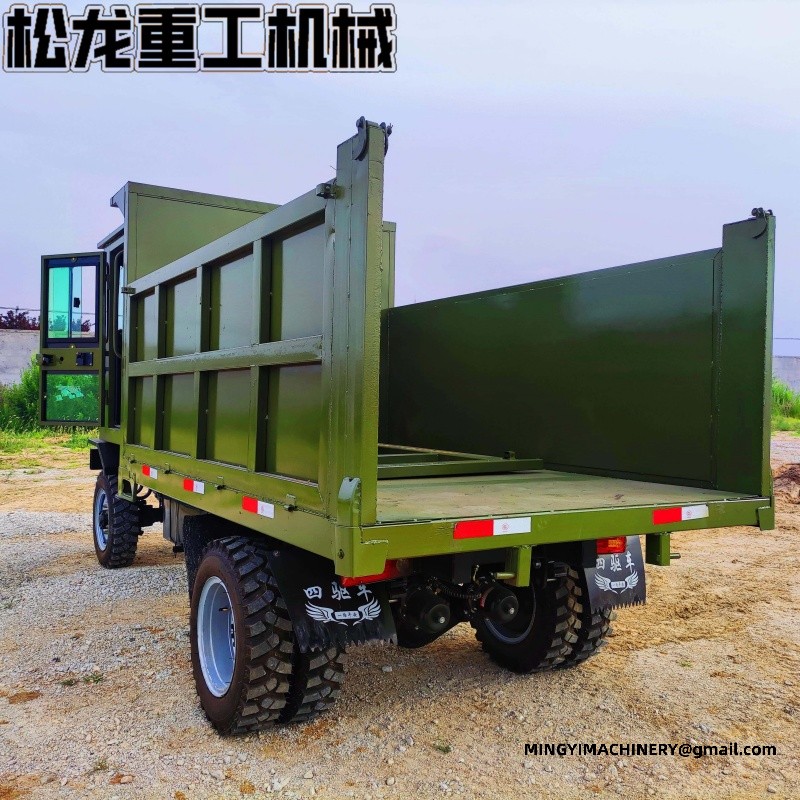
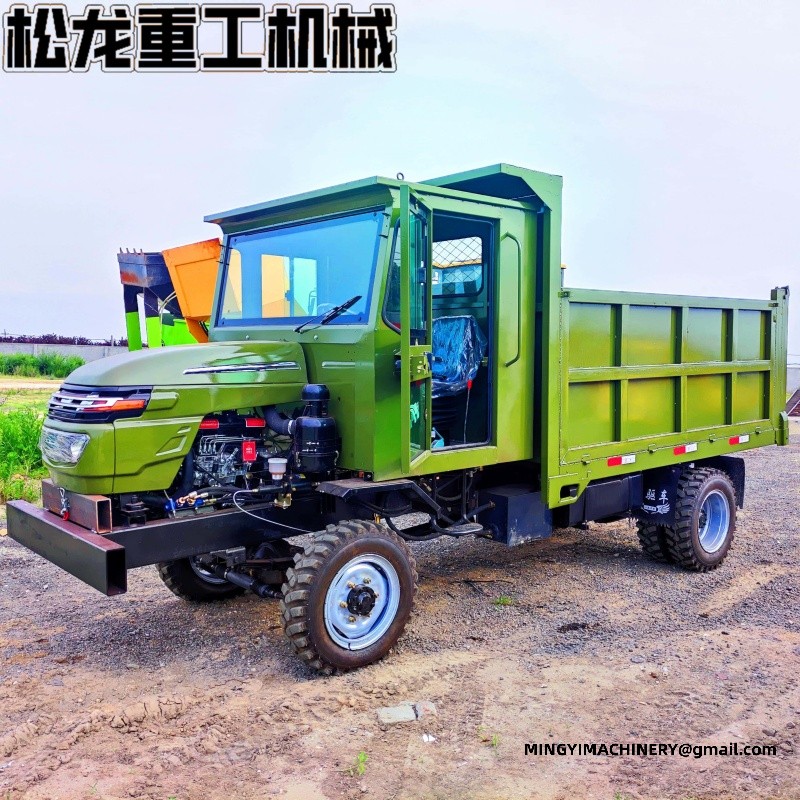
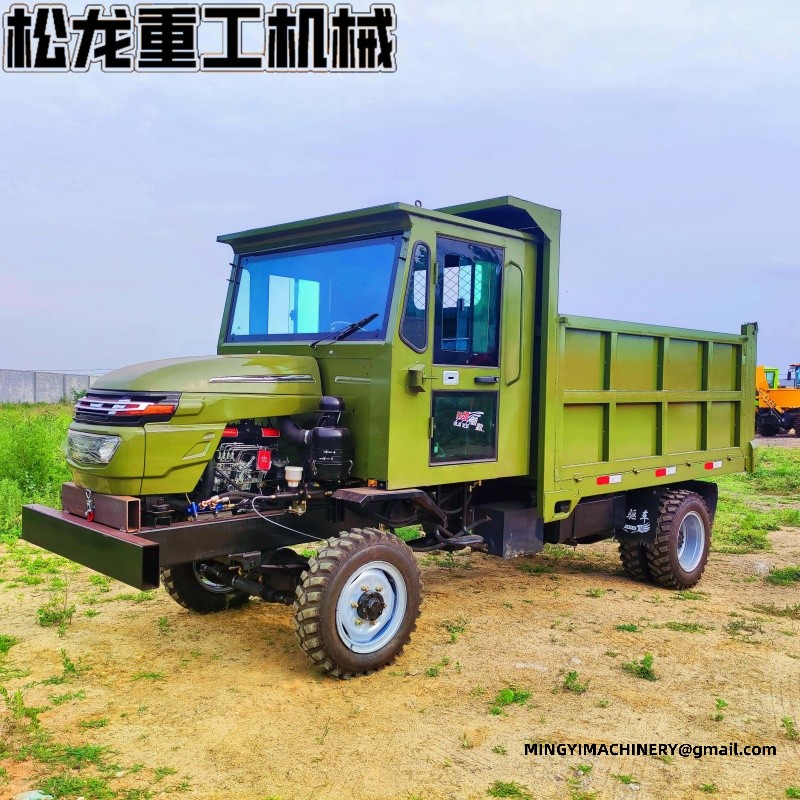
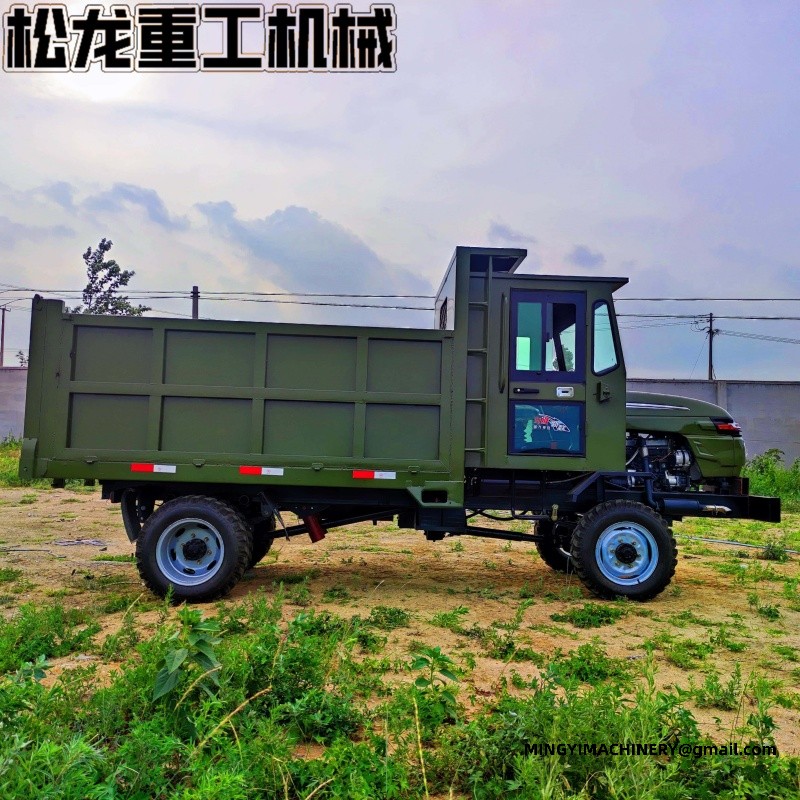
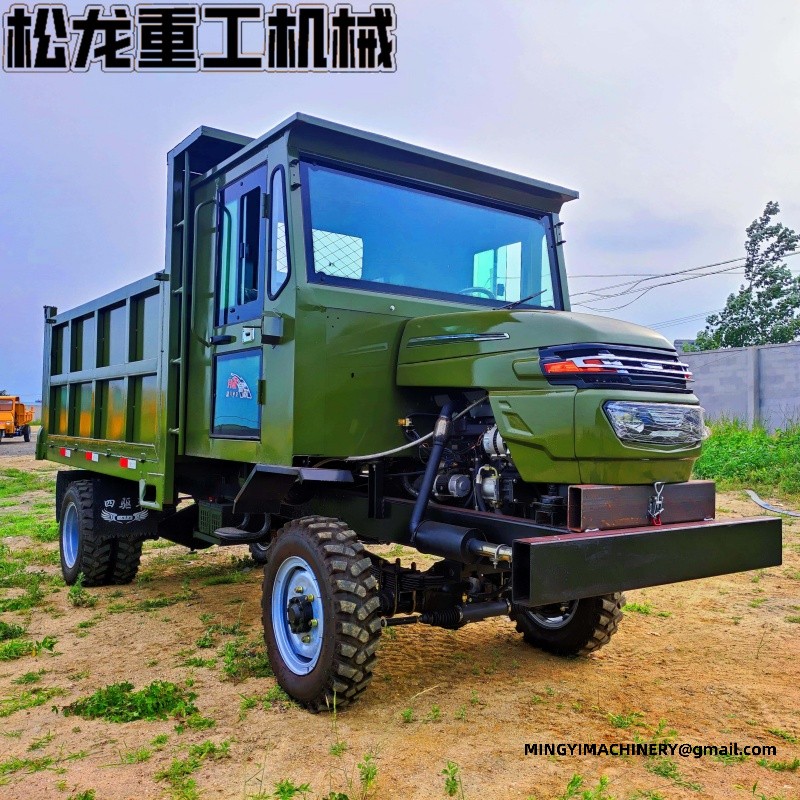
The configurations below are the build sheets most often matched to a machine built for the work. Engine, gearbox, axles, frame and body dimensions are confirmed together, because the body size and the axle rating have to suit the load before the engine rating matters.
| # | 13.Upgraded | 24.Luxury | 6.Standard | 8.Luxury |
|---|---|---|---|---|
| 1 | Two-cylinder diesel engine, 38 hp | Four-cylinder 4108 turbocharged diesel engine | Single-cylinder diesel engine, 28 hp | Single-cylinder diesel engine, 28 hp |
| 2 | Full-time gearbox with four-wheel drive | Model 145 part-time gearbox, selectable 2WD/4WD | Full-time gearbox with four-wheel drive | Part-time gearbox, selectable 2WD/4WD |
| 3 | High/low range with crawler gear | High/low range with crawler gear | High/low range with crawler gear | High/low range with crawler gear |
| 4 | Front axle clutch | Fully enclosed cab | Simple cab | Enclosed cab |
| 5 | Fully enclosed cab | Six 825R16 steel-belted radial tyres | Oil brakes | Six 700-16 mountain tyres |
| 6 | Oil brakes | Reinforced ISUZU-pattern front axle | Four 700-16 mountain tyres | Model 212 front axle |
| 7 | Four 700-16 mountain tyres | Reinforced 1080 rear axle | Front axle 212 | Model 130 rear axle |
| 8 | Front axle 212 | Air cut-off brakes | Rear axle 130 | Air cut-off brakes |
| 9 | Rear axle 130 | Reinforced 80 x 180 mm square tube frame | Reinforced 60 x 140 mm square tube frame | Reinforced 60 x 140 mm square tube frame |
| 10 | Reinforced 60 x 140 mm square tube frame | Rear body 3.0 m long x 2.2 m wide x 0.45 m high | Rear body 2.2 m long x 1.5 m wide x 0.45 m high | Rear body 2.2 m long x 1.5 m wide x 0.45 m high |
| 11 | Rear body 2.2 m long x 1.5 m wide x 0.45 m high | Tailgate with self-dumping function | Tailgate with self-dumping function | Tailgate with self-dumping function |
| 12 | Tailgate with self-dumping function | Side-opening rear body tailgate with cab ladder | Hydraulic power steering | Side-opening rear body tailgate |
| 13 | Hydraulic power steering | Hydraulic power steering | Twin hydraulic rams | Hydraulic power steering |
| 14 | Twin hydraulic rams | Twin hydraulic rams | Two-person comfort seat | Twin hydraulic rams |
| 15 | Two-person comfort seat | Two-person comfort seat | Twin-battery electric start | Two-person comfort seat |
| 16 | Twin-battery electric start | Heavy-duty leaf springs | Square-nose bonnet | Heavy-duty leaf springs |
| 17 | Round-nose bonnet | Twin-battery electric start | — | Twin-battery electric start |
| 18 | — | Square-nose bonnet | — | Square-nose bonnet |
A stored machine should be brought back carefully. Before the dumper returns to work the fluids, the brakes and the controls are checked, because months of standing change more than a weekend does.
Transport shakes things loose. A short check of the unit in daily use after the crate is opened, covering the same points the pre-delivery inspection covered, is the most useful insurance available on delivery day.
The symptom is usually not at the fault. A hydraulic function that has become sluggish on the equipment on site may point to a filter, a relief setting or a pump, and starting with the simple checks avoids the wrong guess.
Travel time is not working time, and it should be planned as its own item. The hours spent moving the model in question between jobs are hours not worked, and a trailer that matches the machine reduces them every single trip.
A machine that only one person can use is a single point of failure. Training a second operator on the unit on the job takes a day and removes the dependency that otherwise governs holidays, illness and busy weeks.
Heat and dust shorten service intervals rather than machine life. In these conditions the filters on the equipment in service need attention more often, and the cooling surfaces need to be kept clear to hold the working temperature.
The machine is only half of what arrives. The parts book, the service schedule and the declarations that come with this class of machine are what let the owner register, insure and maintain it without a second round of emails.
Wear items are predictable once the machine has settled in. After the first service interval the pattern on a machine of this size is visible, and the parts that were replaced become the parts that are kept.
Every line above is a build item rather than an optional extra, and the final sheet for the equipment on site is confirmed against the destination, the ground and the load before production.
E-mail:sales@mingycn.com
LINE(ID):mingyicn
4x4 site dumper









