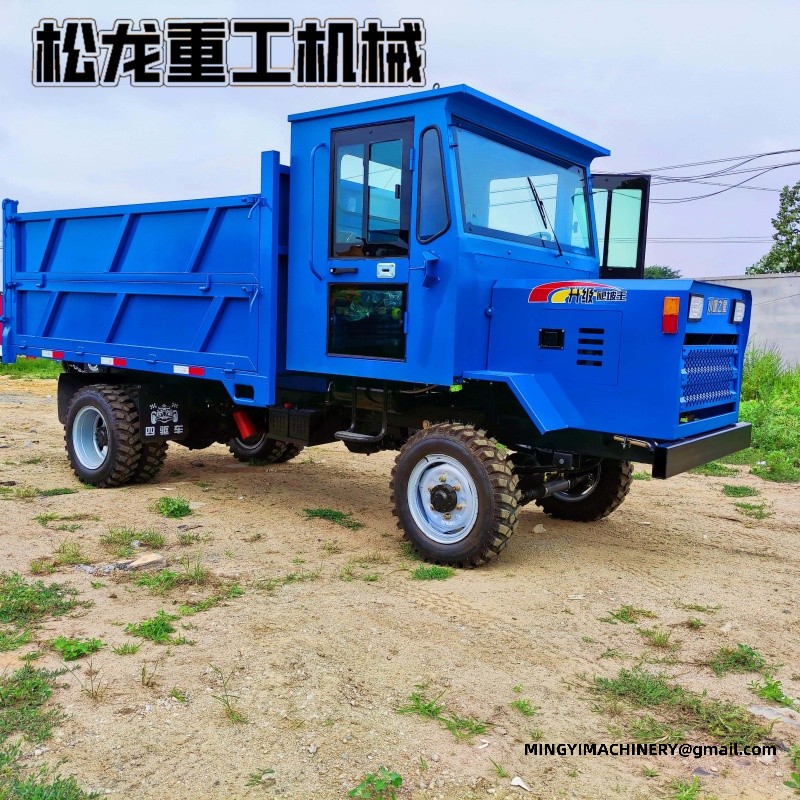
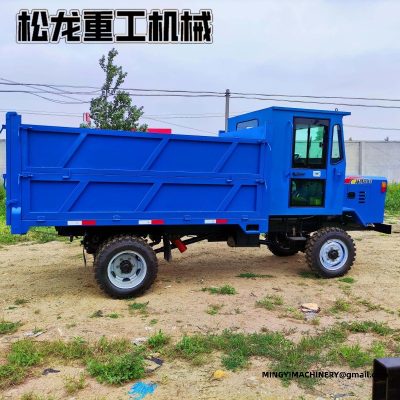
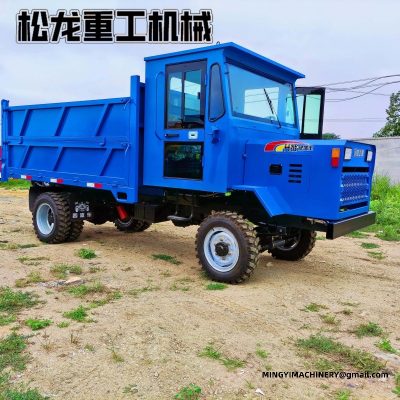
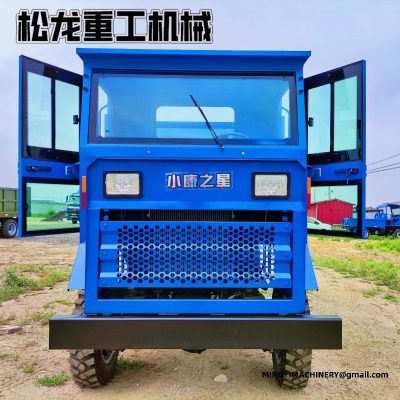
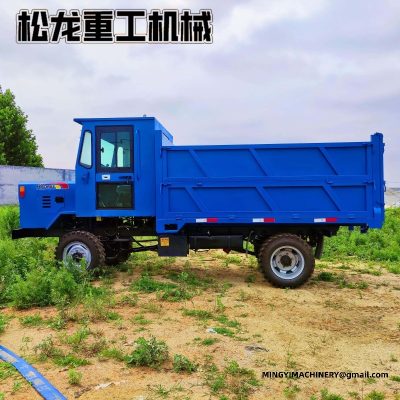
Two buyers can order the dumper for the same nominal job and receive different machines, because the ground and the access decide more than the workload does. The sections below explain which questions separate the two cases.
Build options are where a standard machine becomes the right machine. Colour, guarding, lighting, seating and hydraulic provisions can usually be set at build time on this class of machine, and are far simpler then than as a retrofit.
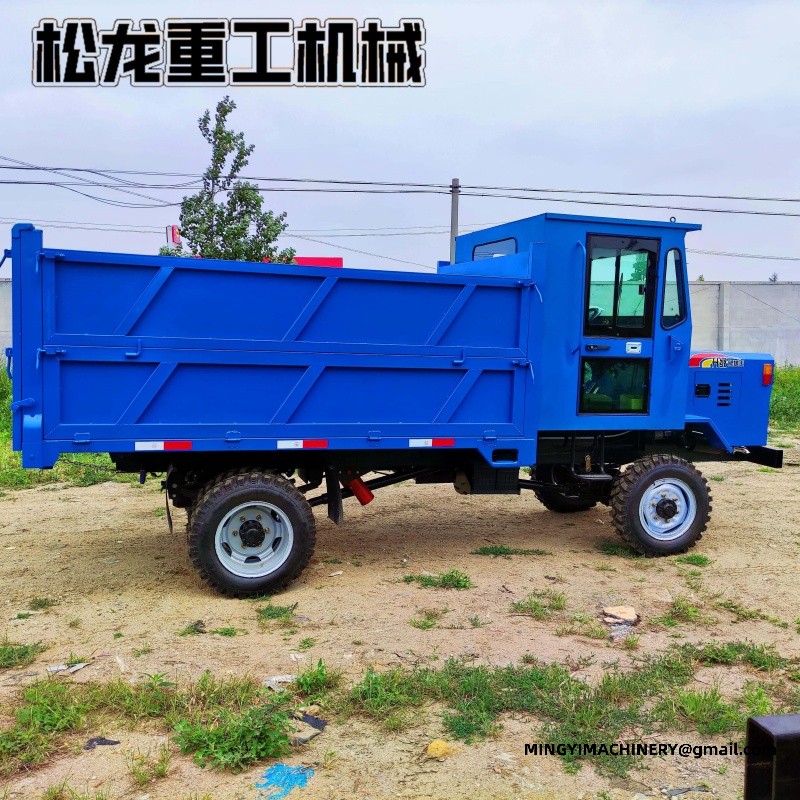
Handover should include the documents as well as the keys. Parts list, service schedule and the operator notes for the unit in daily use are what the workshop needs in month six, and they are much harder to obtain later. A short familiarisation session prevents the early faults. Most first-month problems on a machine of this size come from unfamiliarity with controls, limits or checks rather than from the machine itself. Keeping the manuals where they can be reached matters. The equipment on site whose documents stay with the machine gets serviced on schedule; one whose paperwork was filed elsewhere tends to run on memory instead.
Slopes and edges deserve a separate check. The machine itself that is stable on level ground behaves differently across a gradient, and the safe working angle is a number worth knowing rather than estimating. Personal protective equipment and a stop rule are simple controls. Agreeing before work starts that anyone can stop the job is the single measure that most often prevents a serious incident near the model in question.
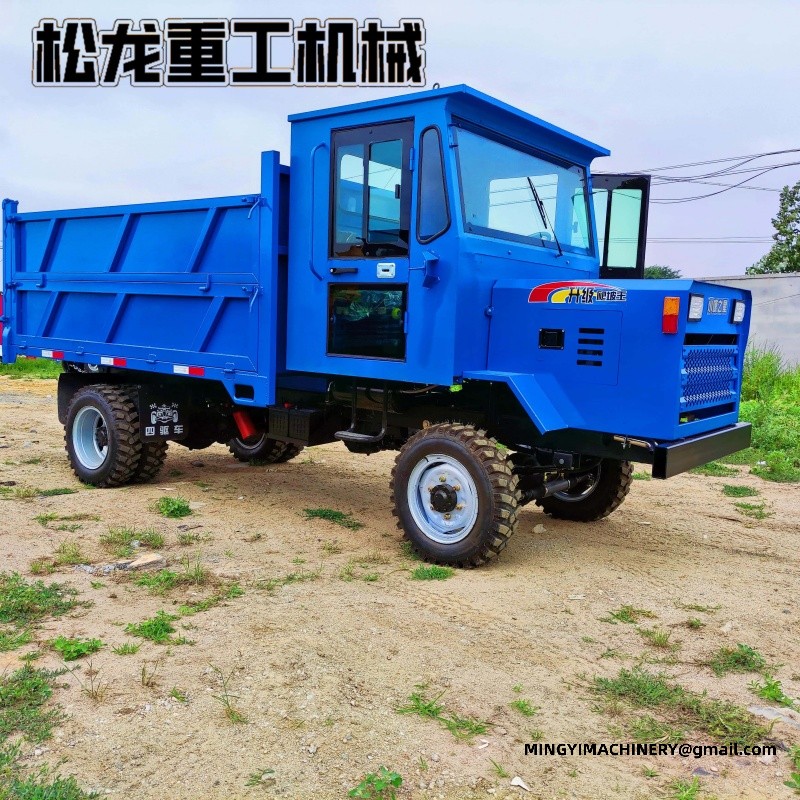
Farm work is seasonal and varied. The machine in that duty that hauls feed in one month and muck or aggregate in the next earns its place by being usable across the year rather than by being optimised for one task. Ground on farms is often soft and often shared with livestock. The unit on the job working there needs to cross pasture without rutting it badly, and tyre and weight choices follow from that.
A crane or grab turns a haul vehicle into a loading machine. A machine built for the work fitted with a hydraulic crane loads itself, which removes a second machine from the job and is often the whole reason for specifying one.
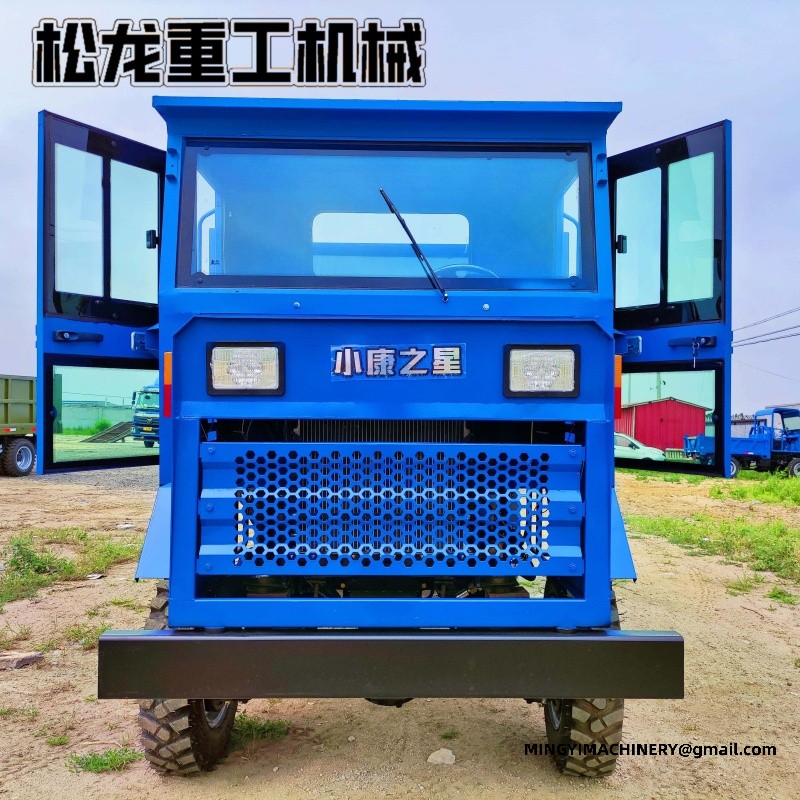
The decision is economic as well as technical. Comparing the work of reconfiguring the equipment in service against a different machine is a short calculation that usually gives a clear answer.
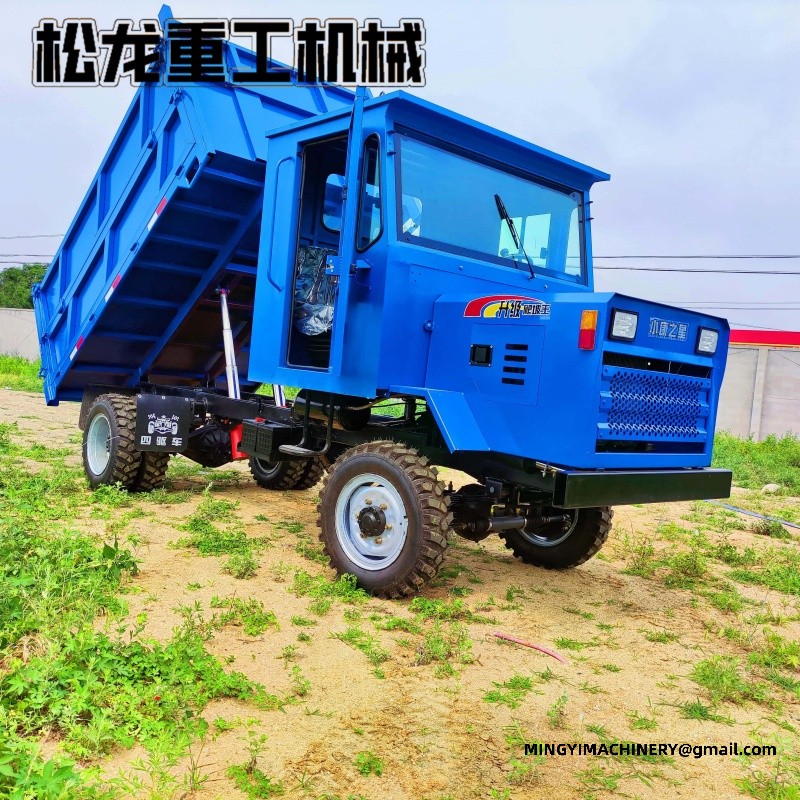
Moving the machine is part of owning it. Overall length, width and height decide which trailer or container the dumper fits, and a machine that needs a permit or an abnormal load escort is a machine with a delivery delay built in. Owners who work across several sites should check the transport dimensions before ordering. This class of machine that fits a standard trailer can be moved by any operator with a suitable vehicle, while an over-width machine narrows that choice and complicates every move.
A water tank turns the vehicle into a different machine. The unit in daily use carrying water for dust control or irrigation is specified around tank size, baffles and the route, because a part-filled tank behaves very differently on a slope. Water is heavy and it moves. Baffles and sensible speeds matter on a machine of this size with a tank body, and the specification should reflect the ground the vehicle will cross rather than only the volume needed.
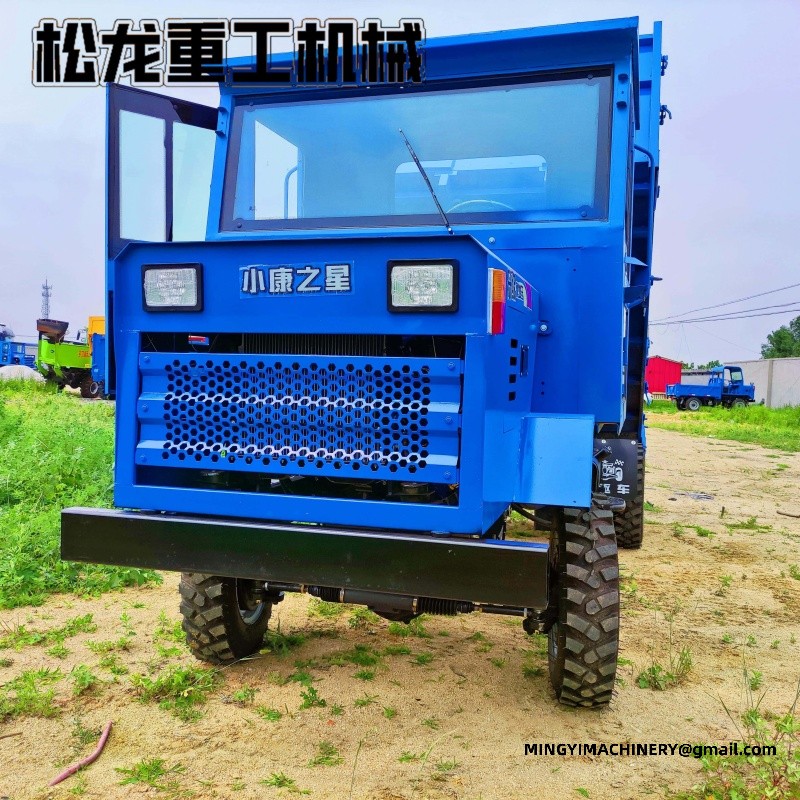
The working surface should be surveyed before the model in question is specified. A machine that is stable on compacted gravel can be unusable on the same site after rain, and the difference shows up as lost days rather than as a fault. Traction and flotation are two separate questions. The machine itself may have the power for a slope and still not have the grip, so the surface, not the engine rating, is usually what limits the working day.
Gradient is where a haul vehicle earns its keep. The unit on the job with a crawler gear and a low range climbs loaded where a road vehicle would need a second attempt, and that difference decides whether a track is usable at all.
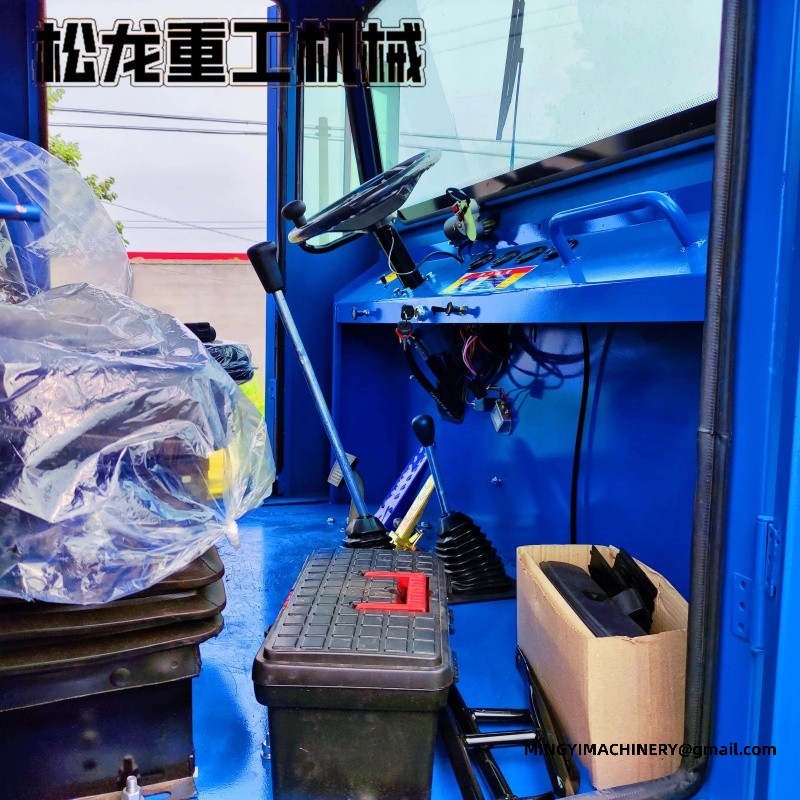
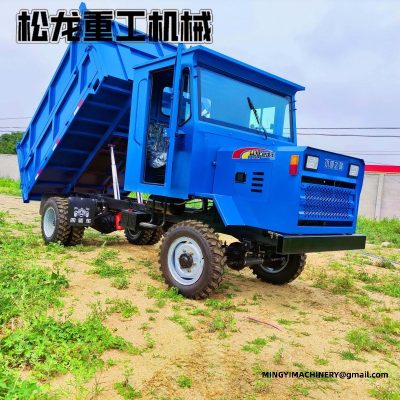
The tipping body is the part that does the work. The equipment in service specified with twin hydraulic rams and a tailgate that opens under load unloads in one pass, which matters more on a short haul than top speed does. Unloading method should follow the material. Wet spoil, aggregate and green timber behave differently in the body, and matching the body and tailgate arrangement to the load is what keeps the dumper cycling rather than being hand-cleared.
Resale starts at purchase. Specification choices, service records and the condition of wearing parts are what a buyer looks at, and this class of machine that has been maintained on schedule is worth more than one that merely looks clean. Replacement timing is a planning decision. Knowing the intended working life of the unit in daily use lets an owner sell while the machine still has value rather than after a major repair becomes due.
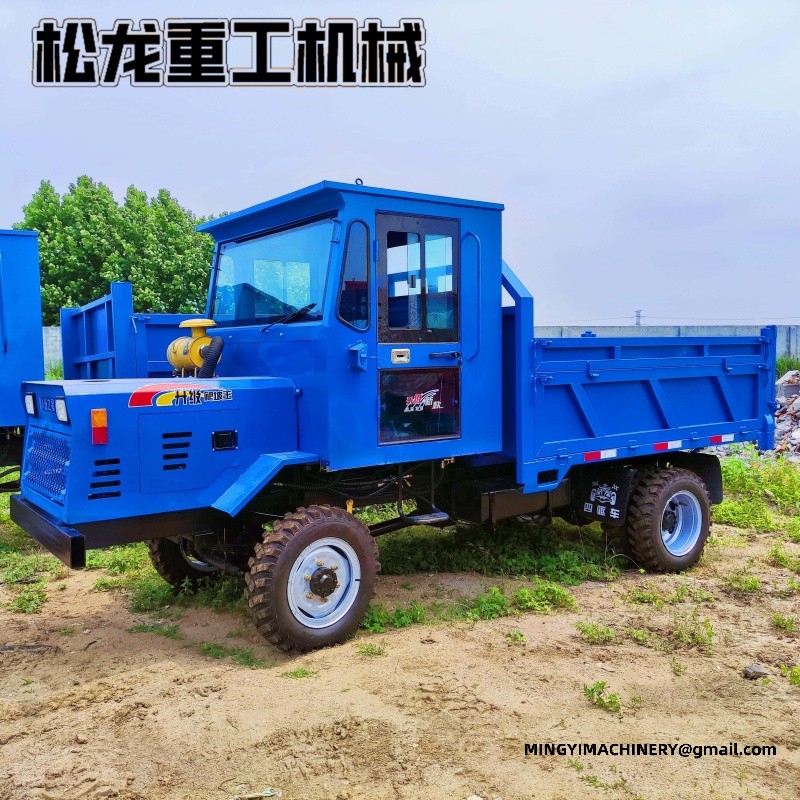
Container loading is a planning exercise. Confirming how the equipment on site is packed and how many units fit a container is what turns a per-unit freight estimate into a delivered figure the buyer can actually plan against.
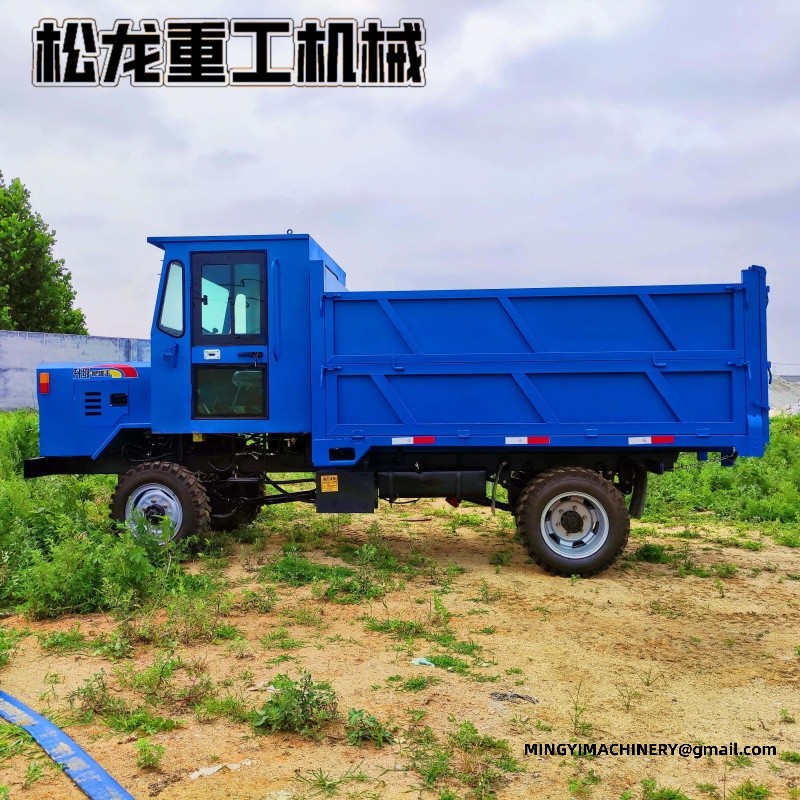
Machine output varies more between operators than between brands. Smooth, planned movements put less load on the structure and use less fuel, and that difference is visible on the hour meter and in the service bills for the machine itself. Familiarisation should cover the limits as well as the controls. Knowing where the model in question loses stability, how it behaves at full reach, and what the warning lights mean prevents the incidents that are put down to bad luck. A short handover pays for itself. Operators who understand why the machine in that duty is set up the way it is will report a change in behaviour early, which is usually the point where a repair is simplest.
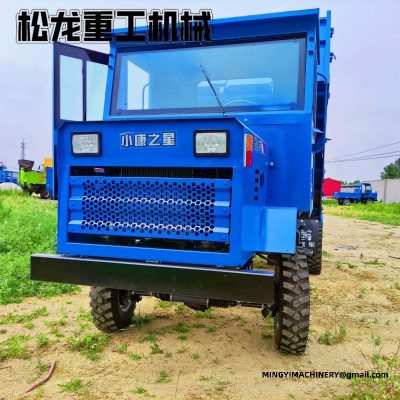
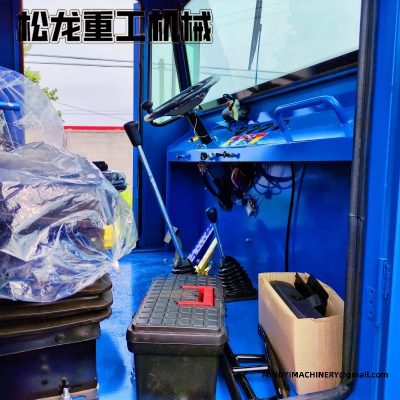
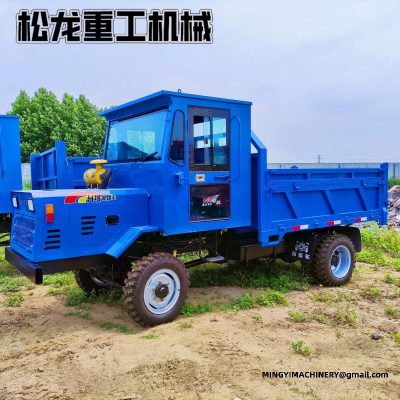
The configurations below are the build sheets most often matched to a machine built for the work. Engine, gearbox, axles, frame and body dimensions are confirmed together, because the body size and the axle rating have to suit the load before the engine rating matters.
| # | 10.Upgraded | 11.Luxury | 19.Upgraded | 7.Upgraded |
|---|---|---|---|---|
| 1 | Single-cylinder diesel engine, 32 hp | Single-cylinder diesel engine, 32 hp | Four-cylinder 4102 turbocharged diesel engine | Single-cylinder diesel engine, 28 hp |
| 2 | Full-time gearbox with four-wheel drive | Part-time gearbox, selectable 2WD/4WD | Model 140 part-time gearbox with four-wheel drive | Full-time gearbox with four-wheel drive |
| 3 | High/low range with crawler gear | High/low range with crawler gear | High/low range with crawler gear | High/low range with crawler gear |
| 4 | Front axle clutch | Enclosed cab | Fully enclosed cab | Front axle clutch |
| 5 | Fully enclosed cab | Six 700-16 mountain tyres | Six 750R16 steel-belted radial tyres | Fully enclosed cab |
| 6 | Oil brakes | Model 212 front axle | Reinforced ISUZU-pattern front axle | Oil brakes |
| 7 | Four 700-16 mountain tyres | Model 130 rear axle | Reinforced 1061 rear axle | Four 700-16 mountain tyres |
| 8 | Front axle 212 | Air cut-off brakes | Air cut-off brakes | Front axle 212 |
| 9 | Rear axle 130 | Reinforced 60 x 140 mm square tube frame | Reinforced 80 x 180 mm square tube frame | Rear axle 130 |
| 10 | Reinforced 60 x 140 mm square tube frame | Rear body 2.2 m long x 1.5 m wide x 0.45 m high | Rear body 3.0 m long x 2.1 m wide x 0.45 m high | Reinforced 60 x 140 mm square tube frame |
| 11 | Rear body 2.2 m long x 1.5 m wide x 0.45 m high | Tailgate with self-dumping function | Tailgate with self-dumping function | Rear body 2.2 m long x 1.5 m wide x 0.45 m high |
| 12 | Tailgate with self-dumping function | Side-opening rear body tailgate | Side-opening rear body tailgate with cab ladder | Tailgate with self-dumping function |
| 13 | Hydraulic power steering | Hydraulic power steering | Hydraulic power steering | Hydraulic power steering |
| 14 | Twin hydraulic rams | Twin hydraulic rams | Twin hydraulic rams | Twin hydraulic rams |
| 15 | Two-person comfort seat | Two-person comfort seat | Two-person comfort seat | Two-person comfort seat |
| 16 | Twin-battery electric start | Heavy-duty leaf springs | Thickened heavy-duty leaf springs | Twin-battery electric start |
| 17 | Square-nose bonnet | Twin-battery electric start | Twin-battery electric start | Square-nose bonnet |
| 18 | — | Square-nose bonnet | Square-nose bonnet | — |
An added function should pay for itself quickly. Whether the dumper gains a different bucket, a hydraulic service or a protection package, the test is the number of days a year it is actually used.
A written record is worth more than a good memory. Dates, hours and the parts fitted on the unit in daily use turn a guess about the next service into a fact, and they are the first thing a buyer asks to see.
Export packing is part of the machine, not an afterthought. The equipment on site is blocked and braced inside the container so that it arrives in the same condition it left, and the load plan is decided by the dimensions rather than by what fits loosely.
Seasonal work rewards a machine that can change duty. Through the year the model in question may move from one task to another, and the attachment list should be chosen for the whole year rather than for the first job.
Temperature and pressure are the two things worth watching. The unit on the job that runs hotter than it used to, or whose pressure has drifted, is reporting a problem that is still simple to fix.
The battery and the fuel are the first things to suffer in storage. Preparing the equipment in service properly at the start of the idle period avoids the flat battery and the contaminated tank that greet an unprepared machine.
Every line above is a build item rather than an optional extra, and the final sheet for the dumper is confirmed against the destination, the ground and the load before production.
E-mail:sales@mingycn.com
LINE(ID):mingyicn









