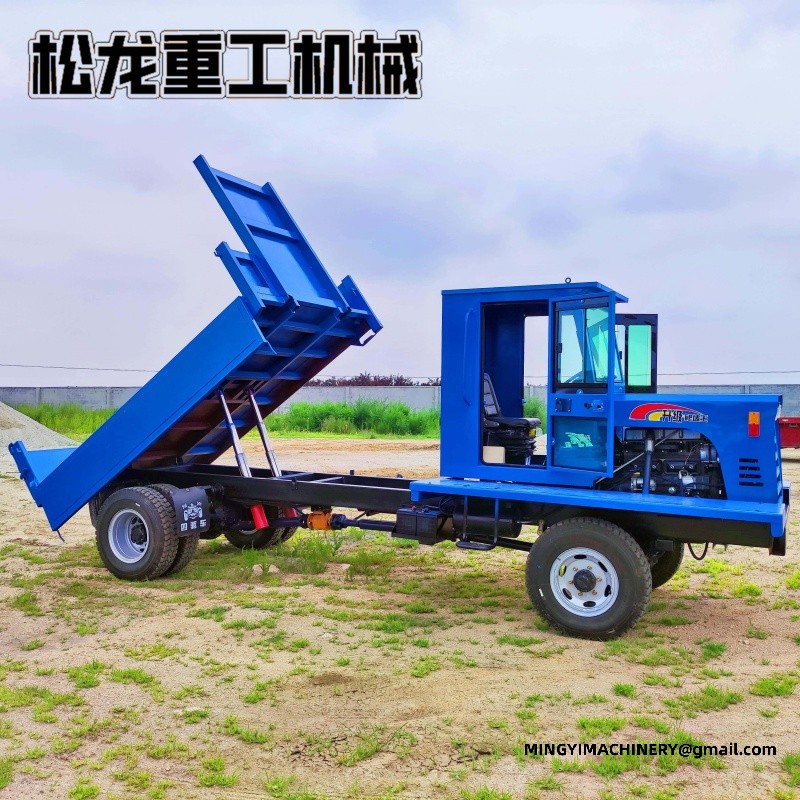
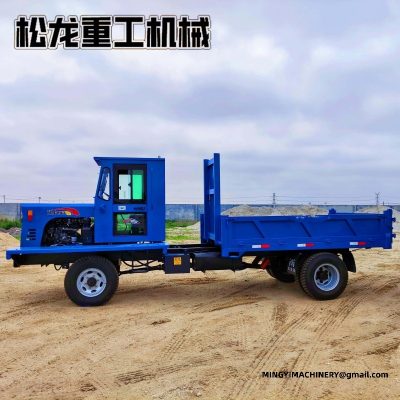
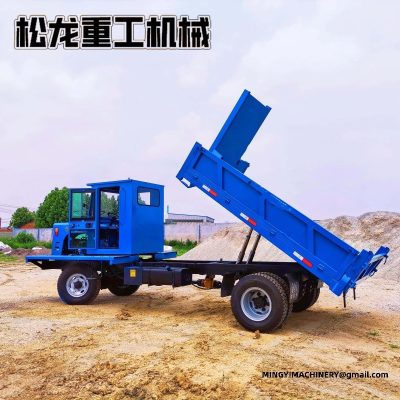
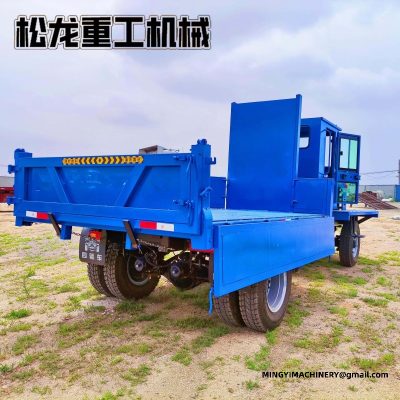
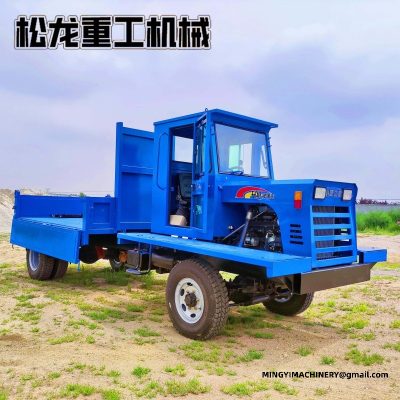
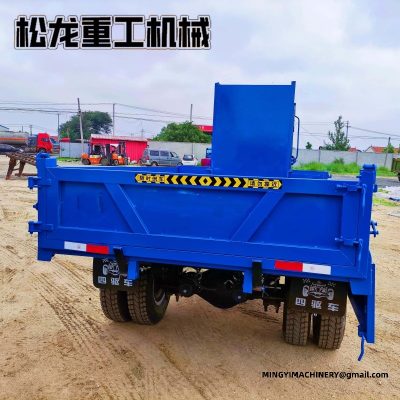
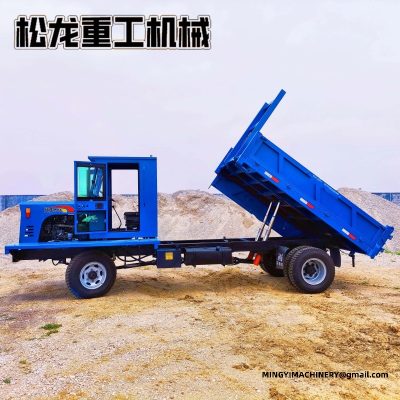
Most enquiries about the dumper start with a job rather than a machine. Someone has a site, a material and a deadline, and the specification follows from those three. This page works back from the job to the build sheet.
Fleet value comes from interchangeability. Operators who can step between machines without retraining, and a workshop that stocks one set of filters, keep utilisation higher than a fleet of individually optimised units.
Keeping the manuals where they can be reached matters. This class of machine whose documents stay with the machine gets serviced on schedule; one whose paperwork was filed elsewhere tends to run on memory instead.
Machine output varies more between operators than between brands. Smooth, planned movements put less load on the structure and use less fuel, and that difference is visible on the hour meter and in the service bills for the unit in daily use. A short handover pays for itself. Operators who understand why a machine of this size is set up the way it is will report a change in behaviour early, which is usually the point where a repair is simplest.
Emissions documentation is part of engine selection for some destinations. Confirming which units can be supplied and documented for the destination country is worth doing at enquiry stage rather than after the build sheet is signed. Matching the engine to the duty matters more than the peak rating. The equipment on site that spends its day at part load benefits from a different setup than one that works at full output, and the difference shows in fuel use over a season.
Certain parts are designed to be consumed. Knowing which items on the machine itself are wearing parts, and roughly how long they last in the duty the machine sees, turns replacement into a plan rather than a breakdown. Wear rate follows conditions far more than hours. The model in question working on abrasive ground or in mud will consume undercarriage or tyre life much faster than the same machine on clean ground.
Most failures start as something small that a walk-around would have caught. Fluid levels, belt tension, tyre or track condition and any fresh leak are the items worth two minutes at the start of each shift on the machine in that duty. Service intervals exist because wear is predictable. Following the maker schedule on the unit on the job takes far less time than repairing the damage that follows a missed oil change or a filter left in place past its life.
Commissioning is the point where most avoidable issues are found. Checking levels, fasteners and function on a machine built for the work before it goes to work takes an hour and prevents a claim conversation later. Warranty terms are clearer when they are read before purchase. Knowing what is covered, what counts as a wearing item and what documentation is required makes a claim on the equipment in service straightforward rather than contested.
Lead time is part of the specification. Confirming build time, shipping method and what is included before ordering the dumper prevents the common gap between when the machine is needed and when it can arrive. Delivery planning includes the receiving end. Knowing whether this class of machine will be craned, driven or forked off, and whether the site can accept it, is settled before dispatch rather than on the day.
Batteries and fluids are the parts that notice the cold first. A machine of this size kept on a maintainer through a freezing spell starts on the first turn, while one left standing is the usual cause of a lost morning.
Access and storage are worth settling early. Where the machine itself will be parked, refuelled and serviced on site affects the working day more than most specification details, and it takes nothing to plan. Sequencing avoids rework. Doing the work in the order that suits the ground and the following trades keeps the model in question productive and prevents finishing a task that then has to be opened up again.
Buyers who specify the unit on the job on paper before enquiring get specifications that can be compared. Without that list, two suppliers will propose two different machines and the simpler one is usually the smaller one, not the better value.
Seasonal work changes the maintenance calendar. Machines that work hard for two months and stand for ten need preparation before storage and a check before returning to work, and both are simpler than the repairs they prevent.
Export orders add steps that domestic buyers never see. Packed dimensions, securing points, documentation and any dismantling required are all settled before the dumper leaves the factory, and each one affects the freight booking. Container loading is a planning exercise. Confirming how this class of machine is packed and how many units fit a container is what turns a per-unit freight estimate into a delivered figure the buyer can actually plan against.
Stability follows the load and its position. Knowing the rated capacity of a machine of this size at the working radius, rather than at its best case, is what keeps handling predictable and the machine upright.
Descending matters as much as climbing. A loaded the model in question on a steep gradient needs engine braking and brakes in good order, and the safe practice is to plan the descent before the load rather than during it. Ground and gradient together set the limit. Loose surface on a slope reduces what the machine itself can pull regardless of engine power, so the surface survey belongs before the specification.
Reconfiguration can extend the useful life of a machine. The unit on the job that no longer suits the current work may suit it again with a different attachment, guarding or control arrangement.
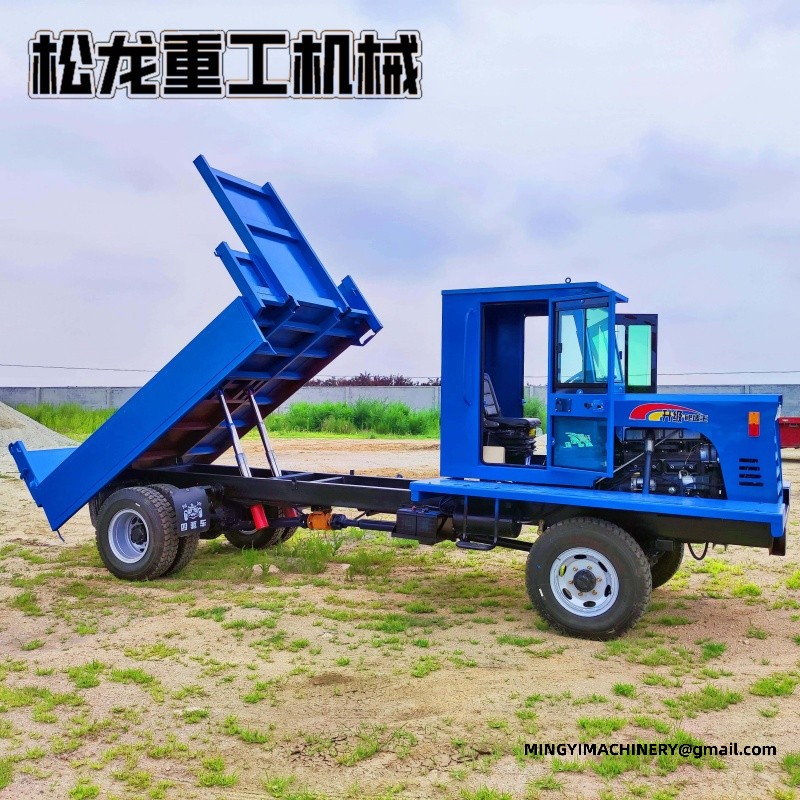
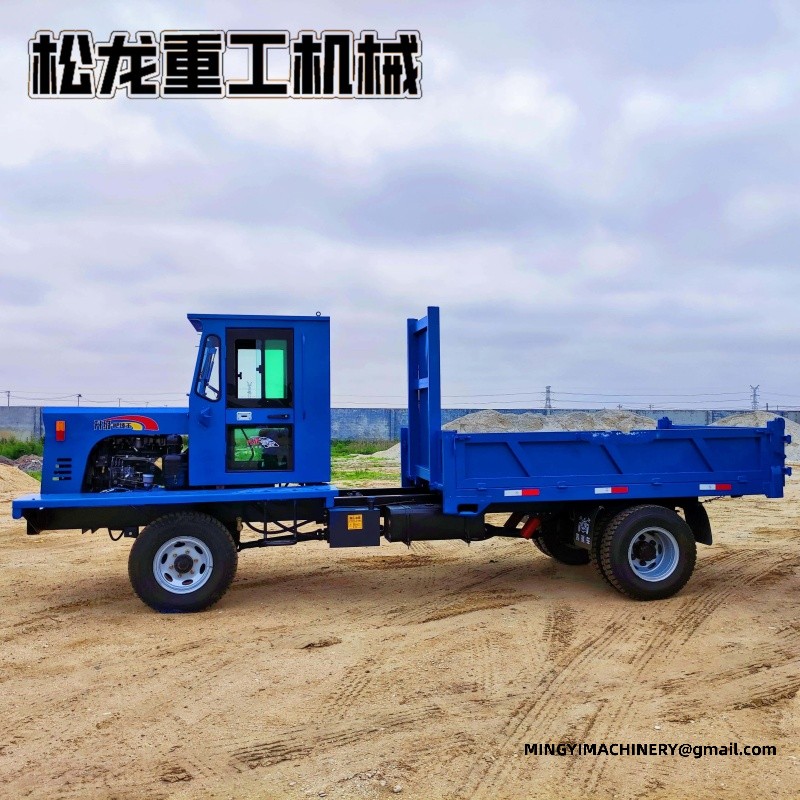
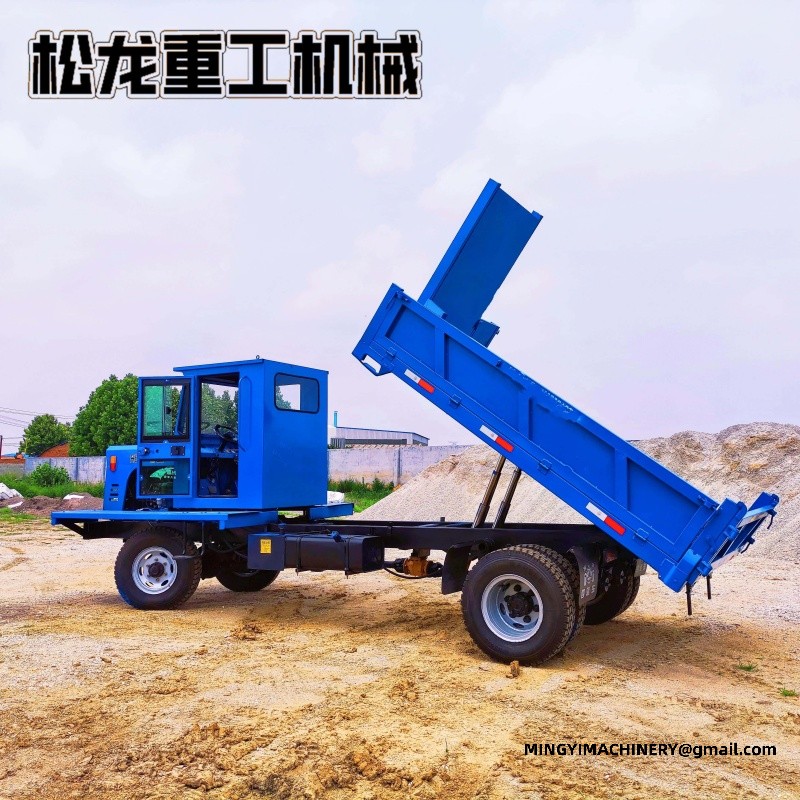
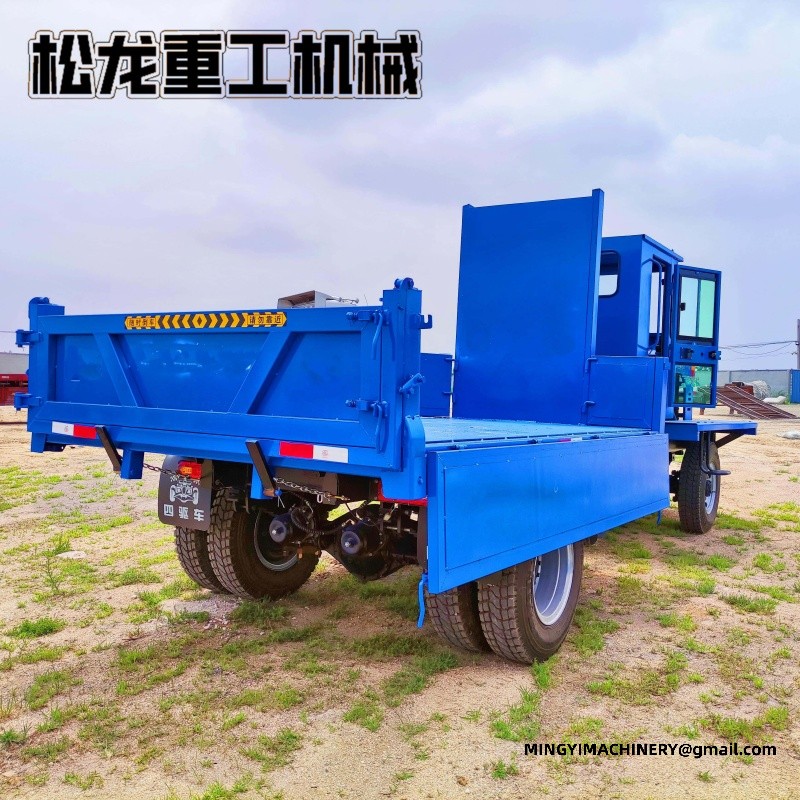
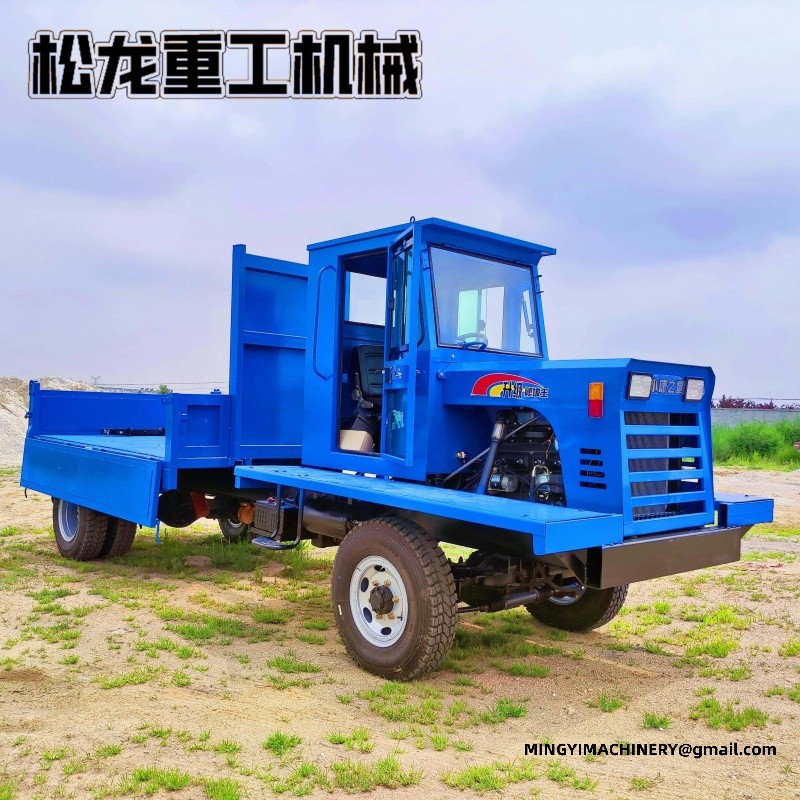
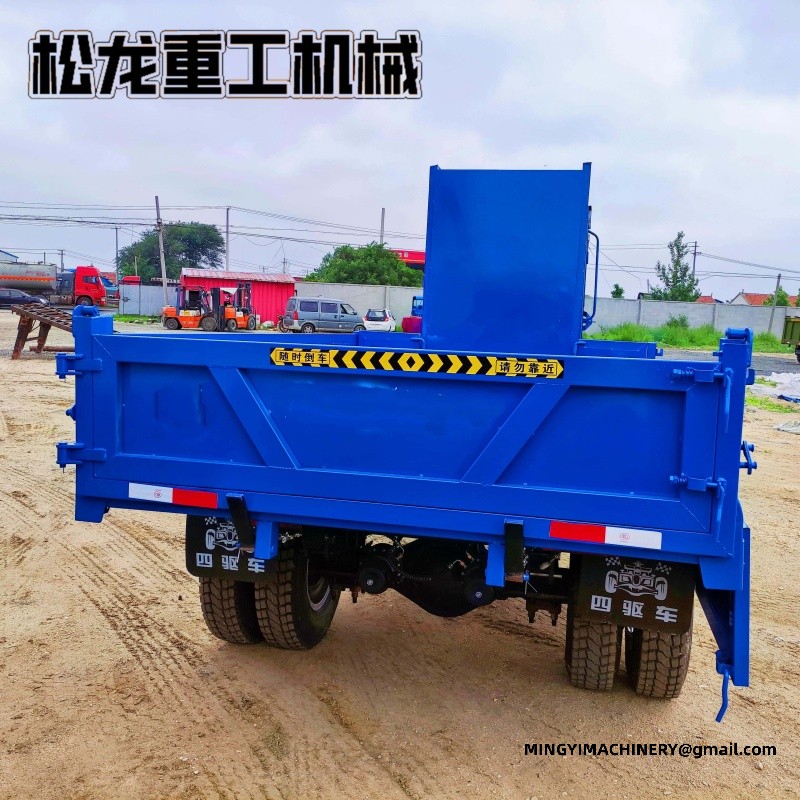
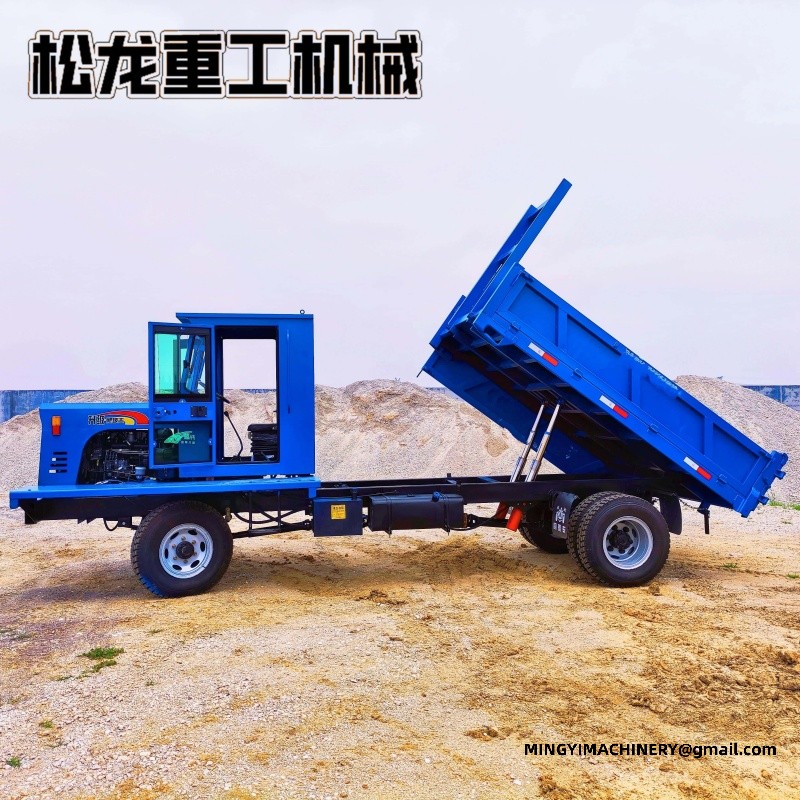
The configurations below are the build sheets most often matched to the equipment in service. Engine, gearbox, axles, frame and body dimensions are confirmed together, because the body size and the axle rating have to suit the load before the engine rating matters.
| # | 18.Standard | 22.Luxury | 4.Upgraded | 9.Standard |
|---|---|---|---|---|
| 1 | Four-cylinder 4102 turbocharged diesel engine | Four-cylinder 4105 turbocharged diesel engine | Single-cylinder diesel engine, 25 hp | Single-cylinder diesel engine, 32 hp |
| 2 | Model 140 part-time gearbox with four-wheel drive | Model 145 part-time gearbox with four-wheel drive | Full-time gearbox with four-wheel drive | Full-time gearbox with four-wheel drive |
| 3 | High/low range with crawler gear | High/low range with crawler gear | High/low range with crawler gear | High/low range with crawler gear |
| 4 | Simple cab | Fully enclosed cab | Front axle clutch | Simple cab |
| 5 | Oil brakes | Six 825R16 steel-belted radial tyres | Fully enclosed cab | Oil brakes |
| 6 | Six 700-16 mountain tyres | Reinforced ISUZU-pattern front axle | Oil brakes | Four 700-16 mountain tyres |
| 7 | Reinforced ISUZU-pattern front axle | Reinforced 1080 rear axle | Four 700-16 mountain tyres | Front axle 212 |
| 8 | Reinforced 1061 rear axle | Air cut-off brakes | Front axle 212 | Rear axle 130 |
| 9 | Reinforced 80 x 180 mm square tube frame | Reinforced 80 x 180 mm square tube frame | Rear axle 130 | Reinforced 60 x 140 mm square tube frame |
| 10 | Rear body 2.2 m long x 2.1 m wide x 0.45 m high | Rear body 3.0 m long x 2.2 m wide x 0.45 m high | Reinforced 60 x 140 mm square tube frame | Rear body 2.2 m long x 1.5 m wide x 0.45 m high |
| 11 | Tailgate with self-dumping function | Tailgate with self-dumping function | Rear body 2.2 m long x 1.5 m wide x 0.45 m high | Tailgate with self-dumping function |
| 12 | Hydraulic power steering | Side-opening rear body tailgate with cab ladder | Tailgate with self-dumping function | Hydraulic power steering |
| 13 | Twin hydraulic rams | Hydraulic power steering | Hydraulic power steering | Twin hydraulic rams |
| 14 | Two-person comfort seat | Twin hydraulic rams | Twin hydraulic rams | Two-person comfort seat |
| 15 | Twin-battery electric start | Two-person comfort seat | Two-person comfort seat | Twin-battery electric start |
| 16 | Square-nose bonnet | Heavy-duty leaf springs | Twin-battery electric start | Square-nose bonnet |
| 17 | — | Twin-battery electric start | Square-nose bonnet | — |
| 18 | — | Square-nose bonnet | — | — |
The first hour on site should be slow. Before this class of machine is put to work the fluid levels are rechecked after transport, the fasteners are gone over and the machine is run light so that anything loosened in transit shows up early.
Tropical operation is a specification question as much as a maintenance one. The cooling capacity, the sealing and the corrosion protection fitted to a machine of this size are what make the difference once the ambient temperature rises.
Fluid quality is a storage problem before it is a machine problem. Water and sediment in a drum will find the injection system of the machine itself eventually, and a settling period is nothing compared with a pump.
The symptom is usually not at the fault. A hydraulic function that has become sluggish on the machine in that duty may point to a filter, a relief setting or a pump, and starting with the simple checks avoids the wrong guess.
Securing the load is not optional. Lashing a machine built for the work at the points intended for it, checking the tension before the vehicle moves and rechecking after the first kilometres is standard practice rather than extra care.
Downtime is simplest when it is planned. Booking the service for the dumper in the quiet part of the season takes nothing from the schedule, while the same work in the busy weeks gives up a day of output every time.
A machine that only one person can use is a single point of failure. Training a second operator on the unit in daily use takes a day and removes the dependency that otherwise governs holidays, illness and busy weeks.
Every line above is a build item rather than an optional extra, and the final sheet for a machine of this size is confirmed against the destination, the ground and the load before production.
E-mail:sales@mingycn.com
LINE(ID):mingyicn









