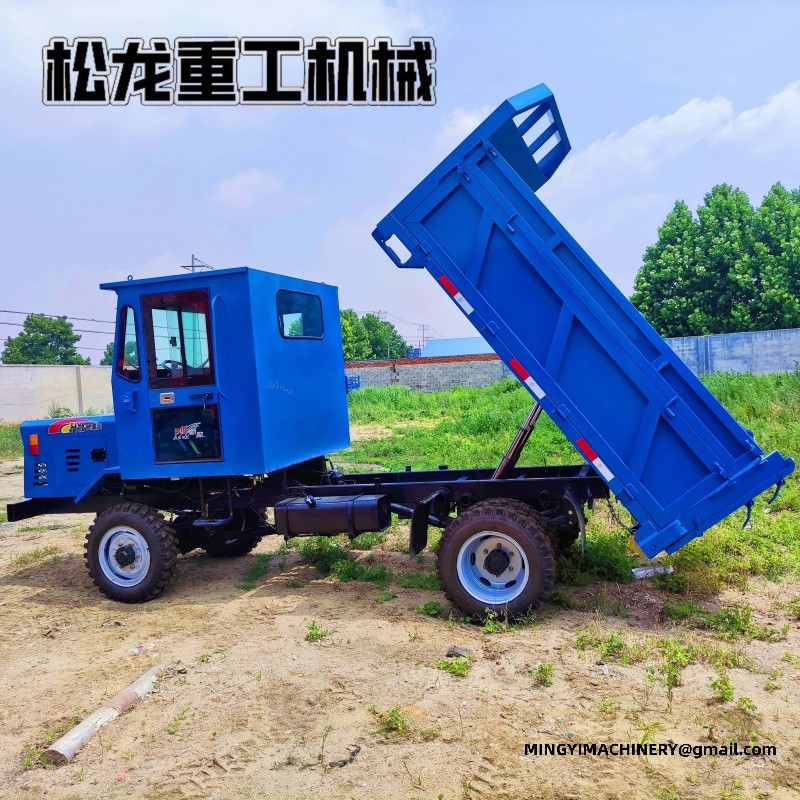
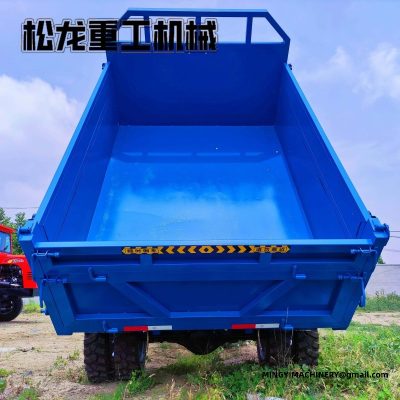
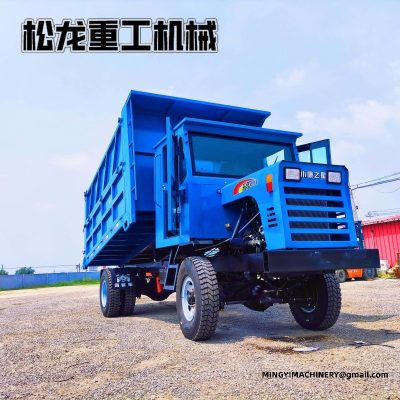
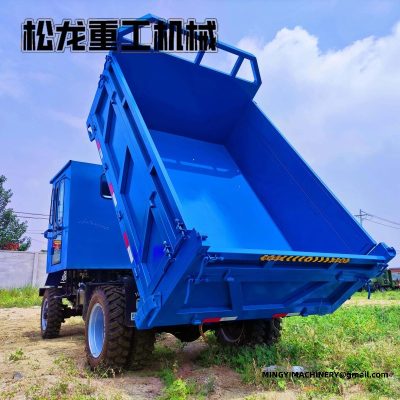
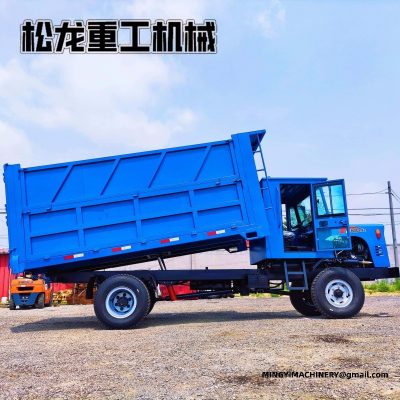
The specification of the dumper is only half the picture. The other half is how it behaves on a working day: how it starts cold, how it copes with dust, how long a service takes and how it travels between sites. Both halves are covered below.
The working surface should be surveyed before the unit in daily use is specified. A machine that is stable on compacted gravel can be unusable on the same site after rain, and the difference shows up as lost days rather than as a fault. Traction and flotation are two separate questions. This class of machine may have the power for a slope and still not have the grip, so the surface, not the engine rating, is usually what limits the working day.
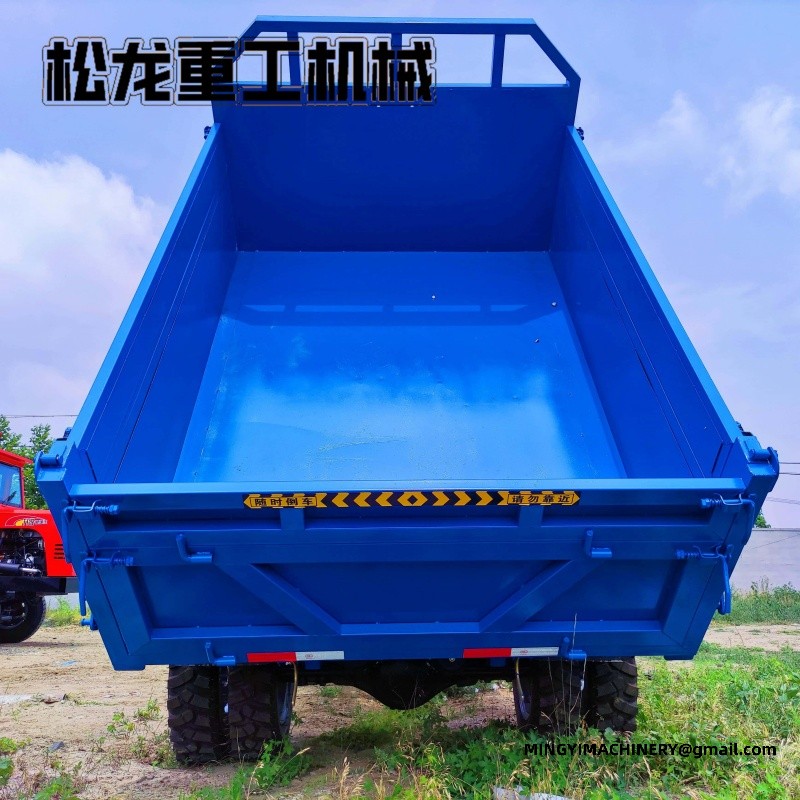
Handover should include the documents as well as the keys. Parts list, service schedule and the operator notes for a machine of this size are what the workshop needs in month six, and they are much harder to obtain later. A short familiarisation session prevents the early faults. Most first-month problems on the equipment on site come from unfamiliarity with controls, limits or checks rather than from the machine itself. Keeping the manuals where they can be reached matters. The machine itself whose documents stay with the machine gets serviced on schedule; one whose paperwork was filed elsewhere tends to run on memory instead.
Resale starts at purchase. Specification choices, service records and the condition of wearing parts are what a buyer looks at, and the model in question that has been maintained on schedule is worth more than one that merely looks clean. Replacement timing is a planning decision. Knowing the intended working life of the machine in that duty lets an owner sell while the machine still has value rather than after a major repair becomes due.
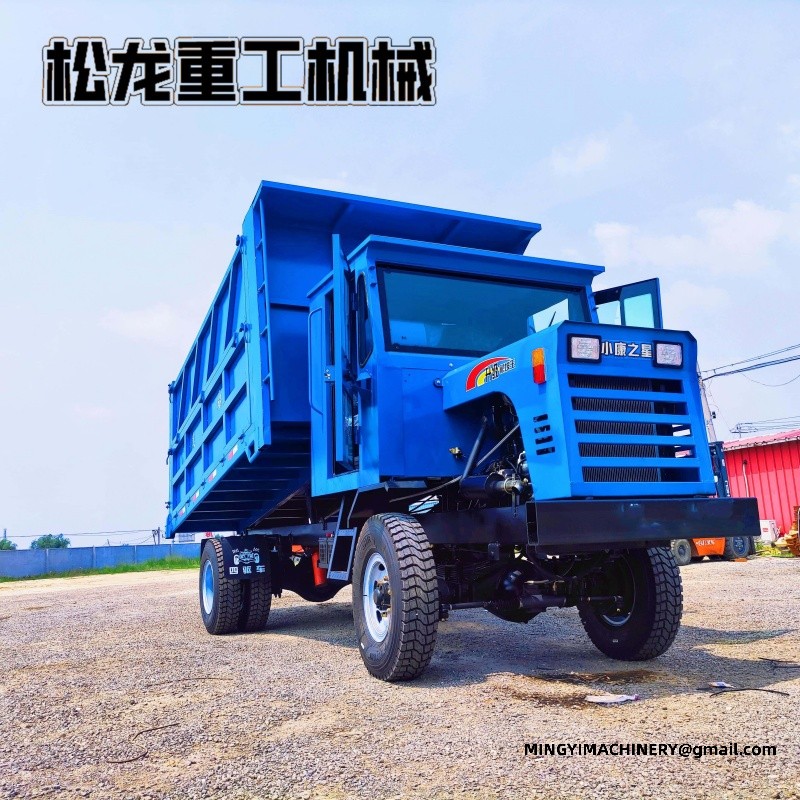
The base machine is only as useful as the tool on the end of it. Matching the attachment to the task - rather than to what arrived with the machine - is what lets one the unit on the job cover several jobs across a week. Attachment decisions are best made before delivery. Specifying hydraulics and couplers at build time is simpler than adding them later, and it avoids the downtime of a workshop visit in the first month.
A crane or grab turns a haul vehicle into a loading machine. A machine built for the work fitted with a hydraulic crane loads itself, which removes a second machine from the job and is often the whole reason for specifying one.
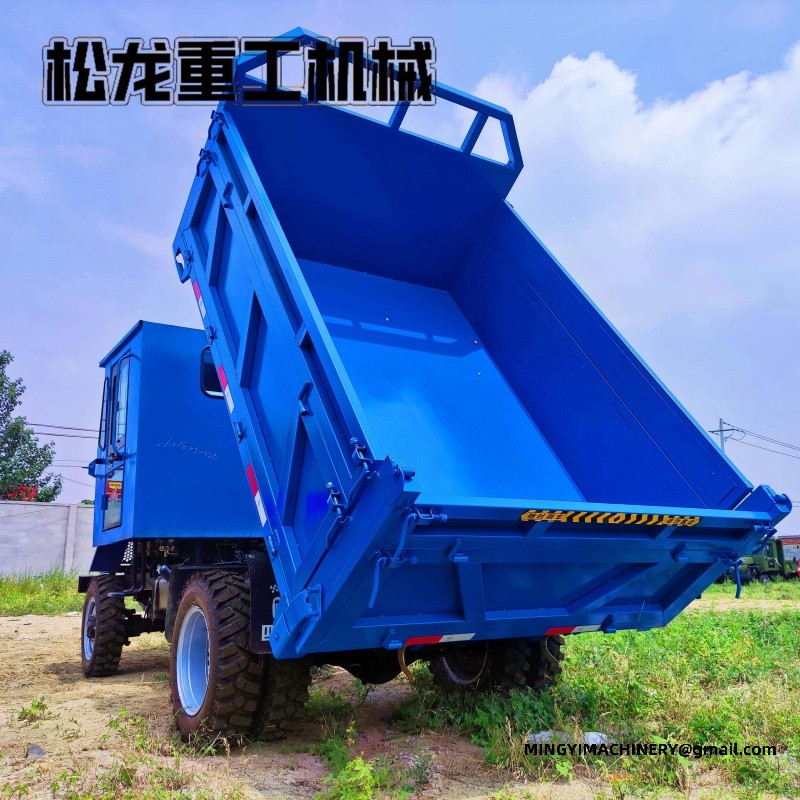
Parts availability usually decides the engine and the brand. A machine built around components the local network already carries is serviced from stock, which is the difference between a day lost and a week lost. Remote diagnosis shortens most faults. A walk-around on video with the panels open often identifies the cause on the equipment in service without waiting for a visit, and avoids shipping a part that turns out not to be needed.
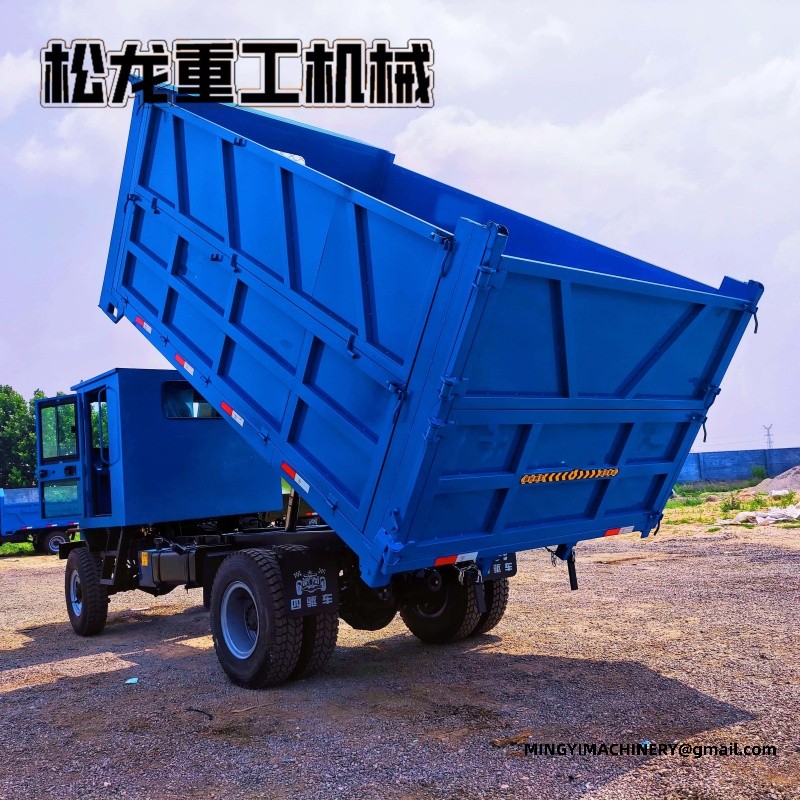
A simple log helps. Recording hours, fuel and any adjustment made to the dumper gives the workshop a history, and that history is what turns an intermittent fault into a one-visit repair instead of three.
Sealed points and guarded areas deserve a look in these conditions. This class of machine working in abrasive dust benefits from checked boots, intact guards and clean breathers, all of which are quick to verify.
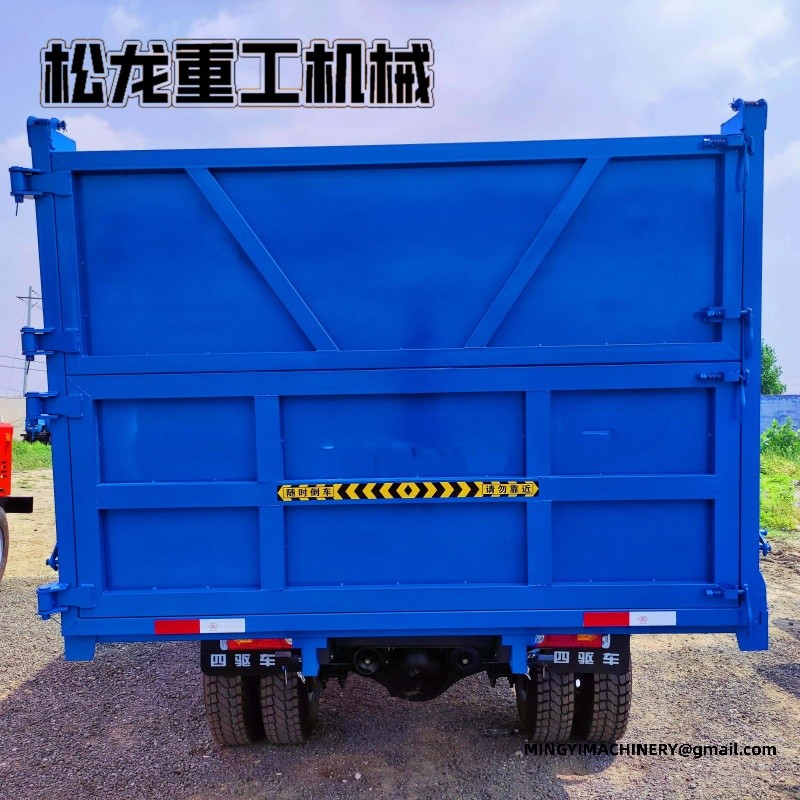
Farm work is seasonal and varied. A machine of this size that hauls feed in one month and muck or aggregate in the next earns its place by being usable across the year rather than by being optimised for one task. Ground on farms is often soft and often shared with livestock. The equipment on site working there needs to cross pasture without rutting it badly, and tyre and weight choices follow from that.
A periodic start is better than none. Running the model in question to operating temperature during a long layoff keeps seals and the charging system in better condition than leaving it untouched until the next job.
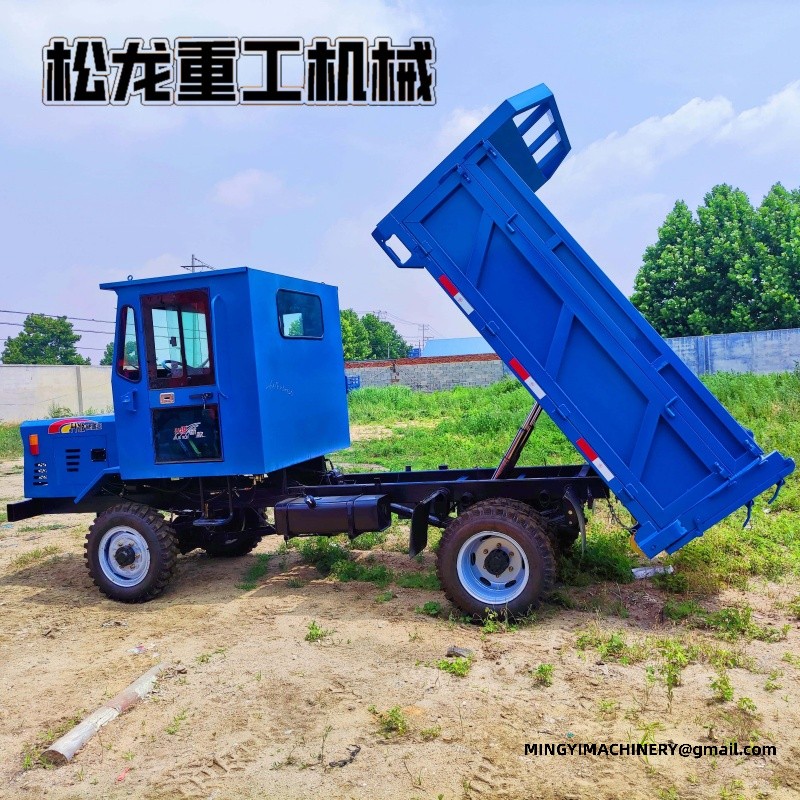
A water tank turns the vehicle into a different machine. The unit on the job carrying water for dust control or irrigation is specified around tank size, baffles and the route, because a part-filled tank behaves very differently on a slope. Water is heavy and it moves. Baffles and sensible speeds matter on a machine built for the work with a tank body, and the specification should reflect the ground the vehicle will cross rather than only the volume needed.
Visibility from the seat is different at night. Reflections, shadows and glare all hide detail, so the dumper used after dark benefits from clean lenses, working wipers and a slower working pace. Planning helps more than extra lamps. Positioning the this class of machine so that the work is lit from the machine side, and keeping the route clear, does more for safety than adding light to a badly planned task.
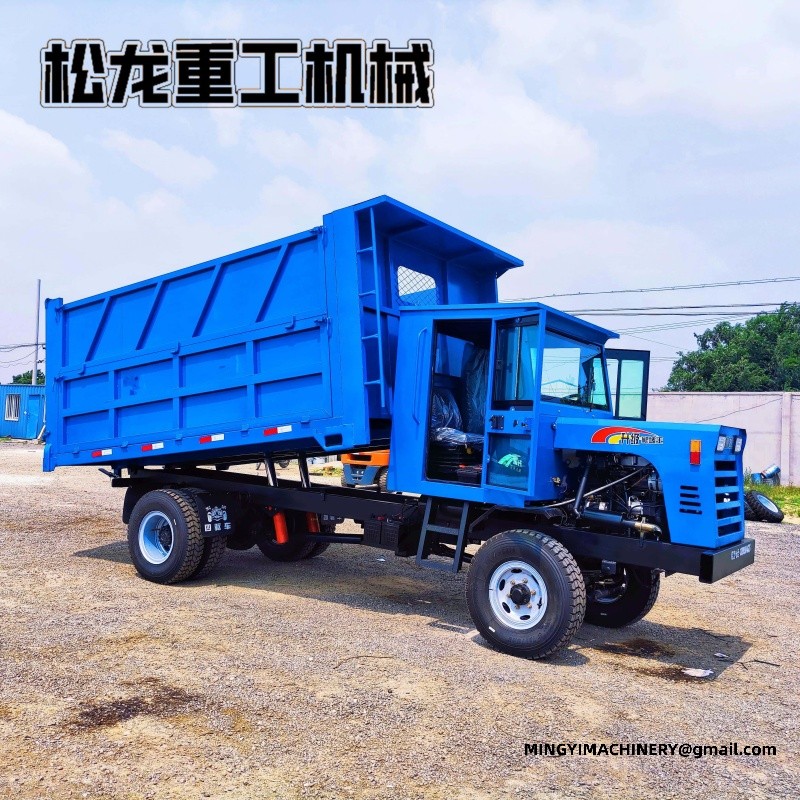
Payload is limited by the axles and the frame before it is limited by the body volume. Specifying a machine of this size against the material density gives a realistic figure, because a body that looks half full can already be at its limit with rock. Loading method affects the machine as much as the load does. Material dropped from height into the equipment on site shocks the frame and the body floor, while material placed evenly spreads the load and extends body life. The honest payload figure comes from the duty. The machine itself working a smooth haul road carries differently from one crossing ruts and gradients, and the conservative number is the one that keeps the machine working.
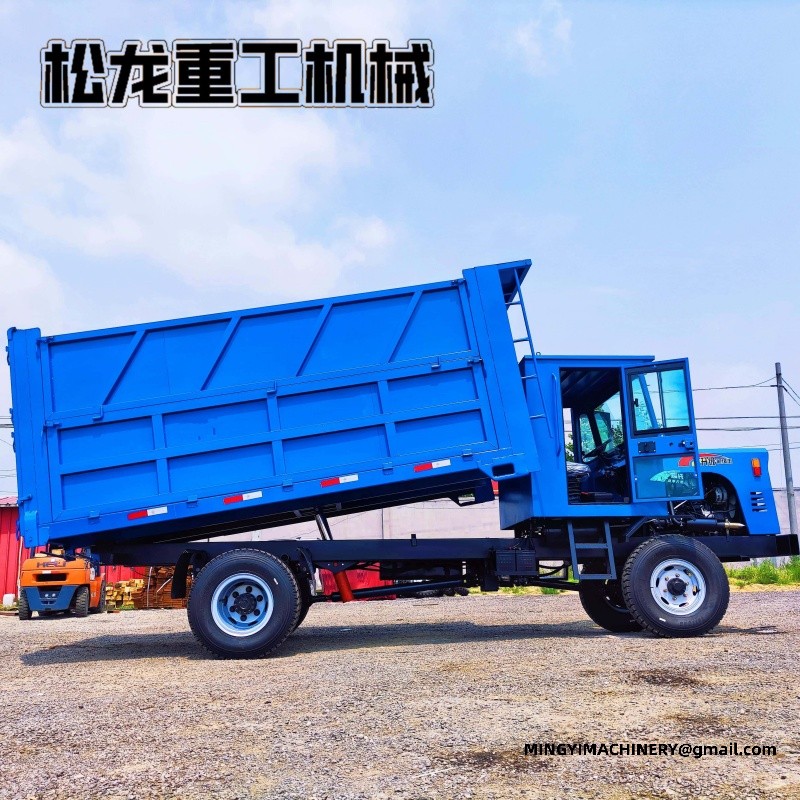
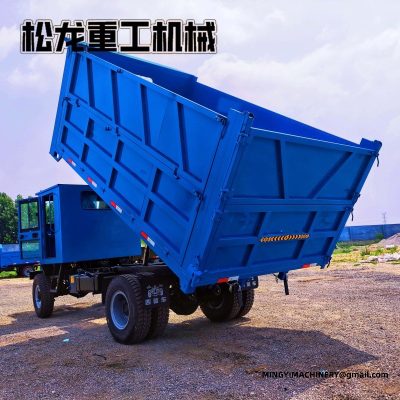
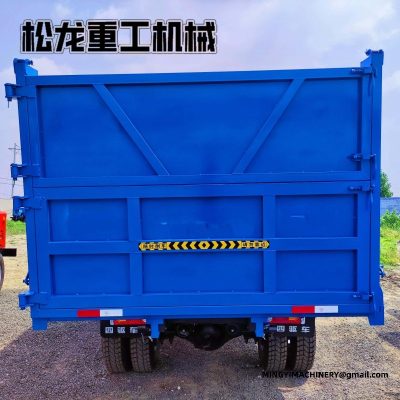
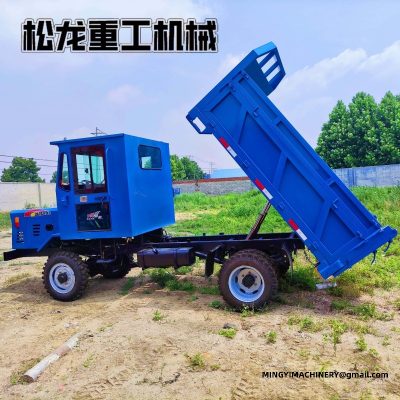
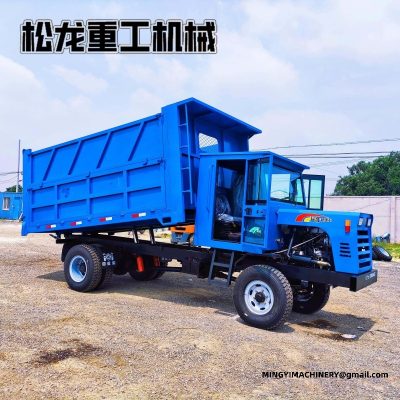
The configurations below are the build sheets most often matched to the machine in that duty. Engine, gearbox, axles, frame and body dimensions are confirmed together, because the body size and the axle rating have to suit the load before the engine rating matters.
| # | 12.Standard | 13.Upgraded | 16.Upgraded | 9.Standard |
|---|---|---|---|---|
| 1 | Two-cylinder diesel engine, 38 hp | Two-cylinder diesel engine, 38 hp | Four-cylinder 490 diesel engine | Single-cylinder diesel engine, 32 hp |
| 2 | Full-time gearbox with four-wheel drive | Full-time gearbox with four-wheel drive | Full-time gearbox with four-wheel drive | Full-time gearbox with four-wheel drive |
| 3 | High/low range with crawler gear | High/low range with crawler gear | High/low range with crawler gear | High/low range with crawler gear |
| 4 | Simple cab | Front axle clutch | Fully enclosed cab | Simple cab |
| 5 | Oil brakes | Fully enclosed cab | Oil brakes | Oil brakes |
| 6 | Four 700-16 mountain tyres | Oil brakes | Six 700-16 mountain tyres | Four 700-16 mountain tyres |
| 7 | Front axle 212 | Four 700-16 mountain tyres | Front axle 212 | Front axle 212 |
| 8 | Rear axle 130 | Front axle 212 | Rear axle 130 | Rear axle 130 |
| 9 | Reinforced 60 x 140 mm square tube frame | Rear axle 130 | Reinforced 60 x 140 mm square tube frame | Reinforced 60 x 140 mm square tube frame |
| 10 | Rear body 2.2 m long x 1.5 m wide x 0.45 m high | Reinforced 60 x 140 mm square tube frame | Rear body 2.2 m long x 1.5 m wide x 0.45 m high | Rear body 2.2 m long x 1.5 m wide x 0.45 m high |
| 11 | Tailgate with self-dumping function | Rear body 2.2 m long x 1.5 m wide x 0.45 m high | Tailgate with self-dumping function | Tailgate with self-dumping function |
| 12 | Hydraulic power steering | Tailgate with self-dumping function | Hydraulic power steering | Hydraulic power steering |
| 13 | Twin hydraulic rams | Hydraulic power steering | Twin hydraulic rams | Twin hydraulic rams |
| 14 | Two-person comfort seat | Twin hydraulic rams | Two-person comfort seat | Two-person comfort seat |
| 15 | Twin-battery electric start | Two-person comfort seat | Twin-battery electric start | Twin-battery electric start |
| 16 | Round-nose bonnet | Twin-battery electric start | Round-nose bonnet | Square-nose bonnet |
| 17 | — | Round-nose bonnet | — | — |
The paperwork matters as much as the packing. Serial numbers, dimensions and weights recorded for a machine built for the work at loading are the same figures the destination needs, and a mismatch here loses more days than the voyage itself.
The last hour before packing is the best time to find a fault. Running the dumper through its full working cycle, checking for leaks under load and confirming that the controls match the specification avoids a conversation across time zones later.
Service history also protects the warranty position. Evidence that the unit in daily use was maintained at the specified intervals and with the specified fluids settles questions that would otherwise be argued.
Securing the load is not optional. Lashing the equipment on site at the points intended for it, checking the tension before the vehicle moves and rechecking after the first kilometres is standard practice rather than extra care.
The battery and the fuel are the first things to suffer in storage. Preparing the model in question properly at the start of the idle period avoids the flat battery and the contaminated tank that greet an unprepared machine.
The specification for oil is written for a reason. Using the grade and the change interval set for the unit on the job keeps the engine and the hydraulic system inside the range they were designed for.
Retrofitting is limited by the base machine. Before anything is added to the equipment in service the hydraulic flow, the mounting interface and the stability allowance have to be checked, because those limits are what decide what is sensible.
The machine should be introduced to the site as well as the operator. Walking the route this class of machine will take, noting the soft spots and the turns, prevents the kind of first-day incident that has nothing to do with the machine.
Every line above is a build item rather than an optional extra, and the final sheet for the unit in daily use is confirmed against the destination, the ground and the load before production.
E-mail:sales@mingycn.com
LINE(ID):mingyicn









