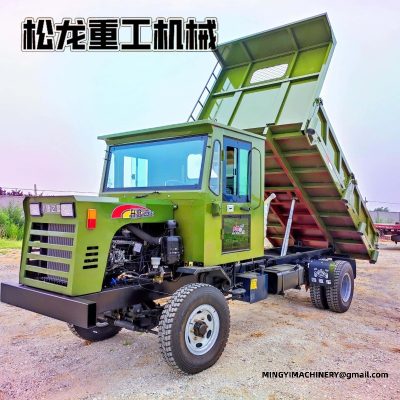
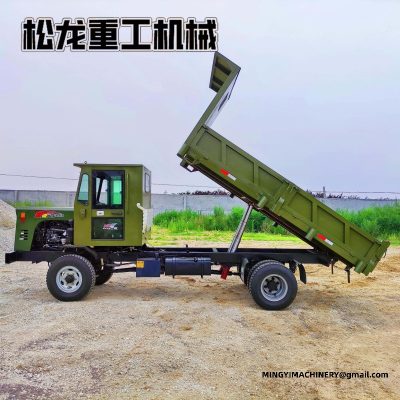
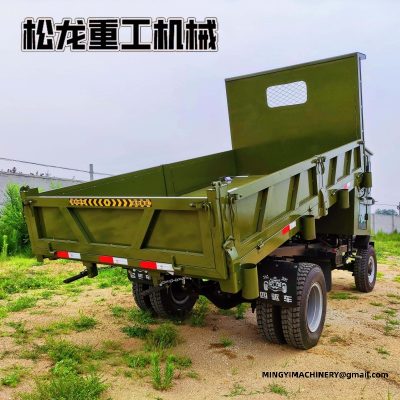
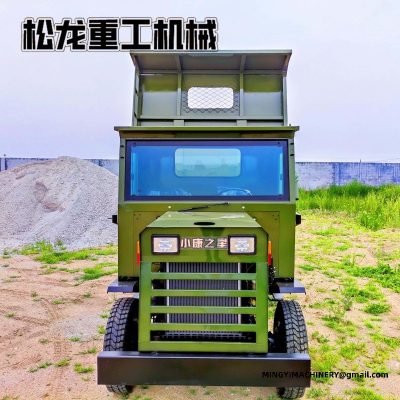
The specification of the dumper is only half the picture. The other half is how it behaves on a working day: how it starts cold, how it copes with dust, how long a service takes and how it travels between sites. Both halves are covered below.
Replacement timing is a planning decision. Knowing the intended working life of this class of machine lets an owner sell while the machine still has value rather than after a major repair becomes due.
Soft ground punishes the wrong tyre. Mountain pattern tyres on the unit in daily use clear mud that a road pattern would pack with, and the difference is measured in whether the machine finishes the day. Recovering a stuck vehicle takes longer than preventing it. Planning the route, avoiding the worst ground and knowing where the a machine of this size will turn is what keeps a soft-ground job productive.
Farm users also value simplicity. The equipment on site that can be serviced in the yard with common tools and common parts suits a farm better than one that needs a dealer visit for routine work.
Owners who work across several sites should check the transport dimensions before ordering. The machine itself that fits a standard trailer can be moved by any operator with a suitable vehicle, while an over-width machine narrows that choice and complicates every move. Shipping dimensions matter as much on export orders as they do locally. Confirming the packed size of the model in question before booking avoids re-booking freight after the machine is built.
Gradient is where a haul vehicle earns its keep. The machine in that duty with a crawler gear and a low range climbs loaded where a road vehicle would need a second attempt, and that difference decides whether a track is usable at all. Ground and gradient together set the limit. Loose surface on a slope reduces what the unit on the job can pull regardless of engine power, so the surface survey belongs before the specification.
Personal protective equipment and a stop rule are simple controls. Agreeing before work starts that anyone can stop the job is the single measure that most often prevents a serious incident near a machine built for the work.
Certain parts are designed to be consumed. Knowing which items on the equipment in service are wearing parts, and roughly how long they last in the duty the machine sees, turns replacement into a plan rather than a breakdown. Wear rate follows conditions far more than hours. The dumper working on abrasive ground or in mud will consume undercarriage or tyre life much faster than the same machine on clean ground. Replacing wear items early is usually simpler. Worn components on this class of machine load the parts they run against, so a worn part left too long often becomes a major repair.
The order should state the configuration in writing. Engine, attachments, colour, documents and any market requirement are clearer on the build sheet for the unit in daily use than in a conversation after delivery.
Handover should include the documents as well as the keys. Parts list, service schedule and the operator notes for the equipment on site are what the workshop needs in month six, and they are much harder to obtain later. Keeping the manuals where they can be reached matters. The machine itself whose documents stay with the machine gets serviced on schedule; one whose paperwork was filed elsewhere tends to run on memory instead.
Fleet buyers often want consistency rather than variety. Specifying the machine in that duty so that several units share controls, filters and service points reduces training time and keeps the parts shelf small. Customisation should still be limited to what the work needs. Each addition to the unit on the job is another item to maintain, so the useful question is not what can be added but what the job list actually requires.
A water tank turns the vehicle into a different machine. The equipment in service carrying water for dust control or irrigation is specified around tank size, baffles and the route, because a part-filled tank behaves very differently on a slope.
Standardising where possible simplifies everything downstream. When several units of this class of machine share a service schedule and a parts list, the fleet becomes easier to plan and easier to sell on at replacement time.
Fuel is usually the largest controllable running demand. Operating style, correct tyre or track condition and a clean air supply all move consumption on a machine of this size by more than most buyers expect. Consumption is best measured over a full week rather than judged per hour. Idle time, repositioning and waiting for other trades are often the largest share of the fuel the equipment on site burns on a site. Planning the work to reduce empty movement is free. Fewer repositioning cycles on the machine itself means less fuel, less wear on the undercarriage or tyres and more of the shift spent on productive work.
Power unit choice is usually a parts question, not a performance one. Two buyers can order the same the unit on the job and sensibly choose different engines, because the right answer depends on which brand the local workshop already supports. Emissions documentation is part of engine selection for some destinations. Confirming which units can be supplied and documented for the destination country is worth doing at enquiry stage rather than after the build sheet is signed. Matching the engine to the duty matters more than the peak rating. The machine in that duty that spends its day at part load benefits from a different setup than one that works at full output, and the difference shows in fuel use over a season.
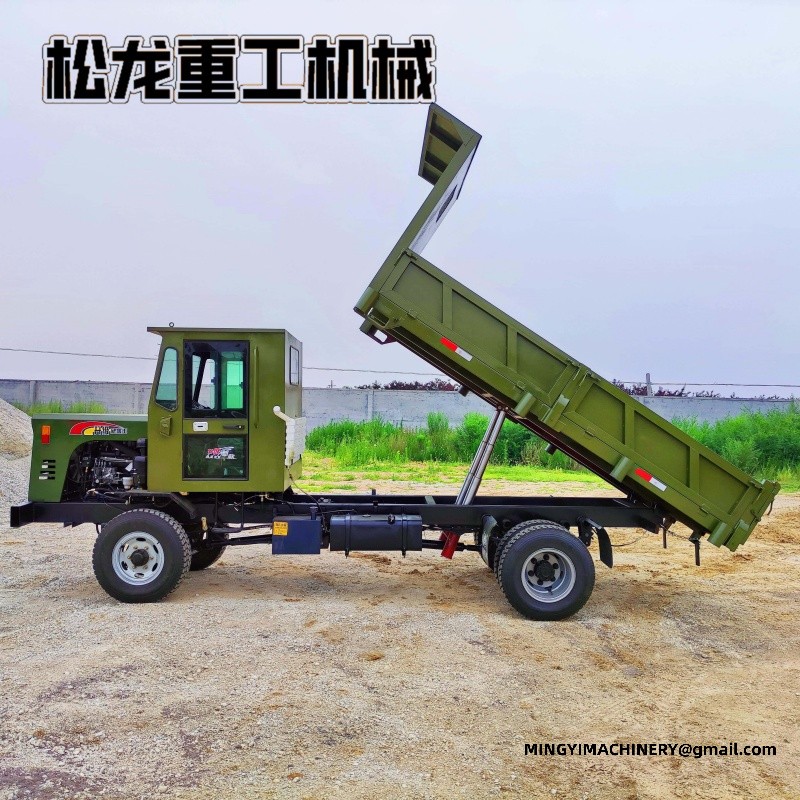
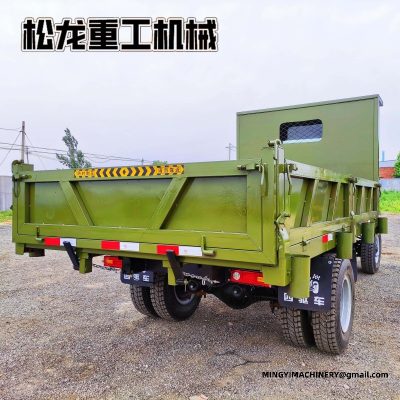
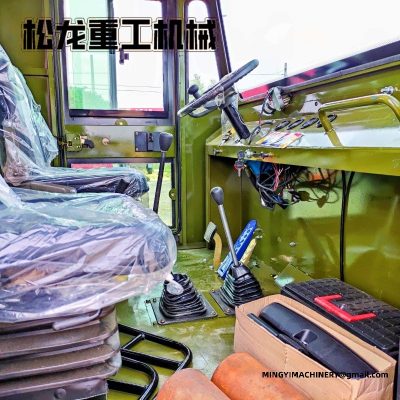
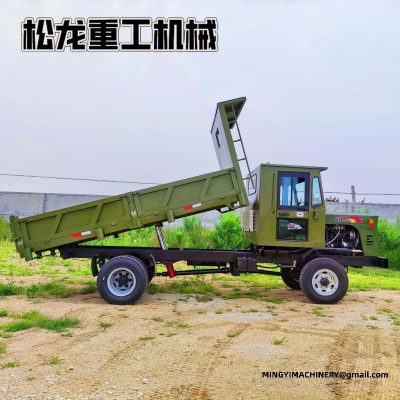
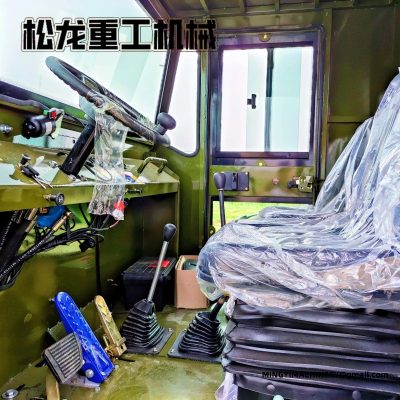
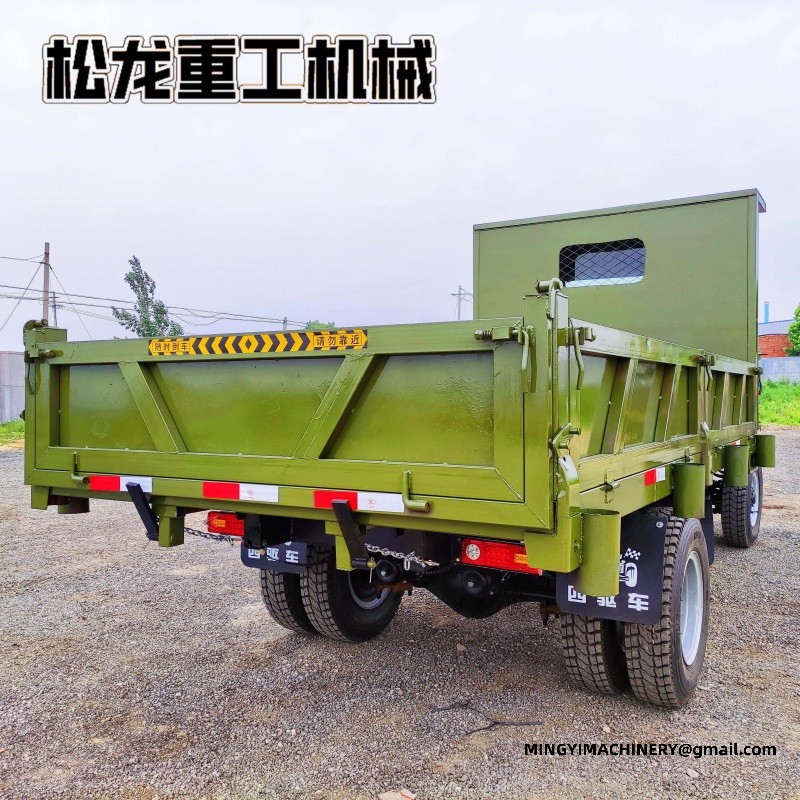
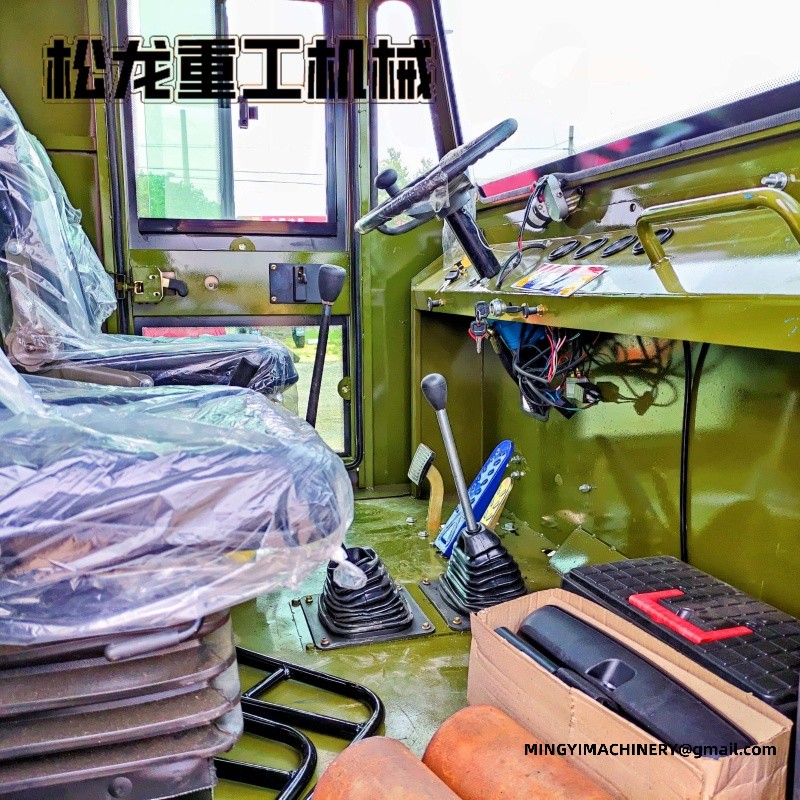
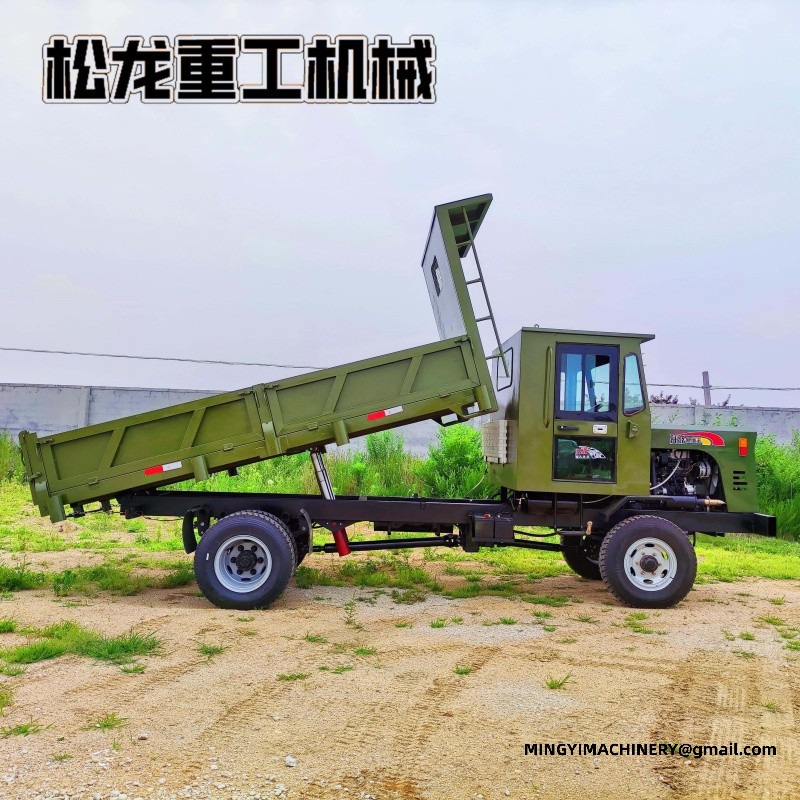
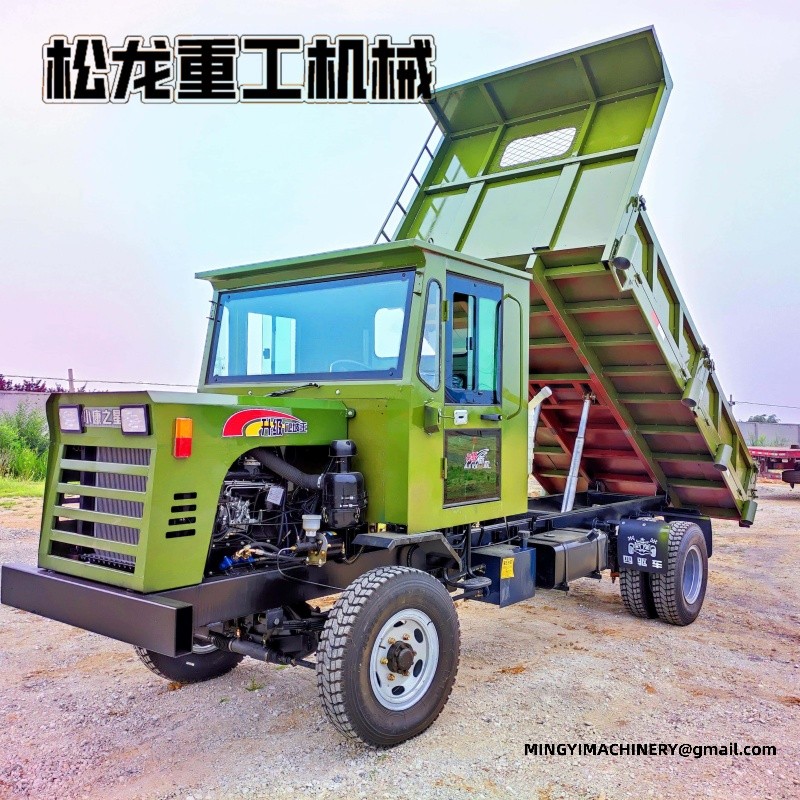
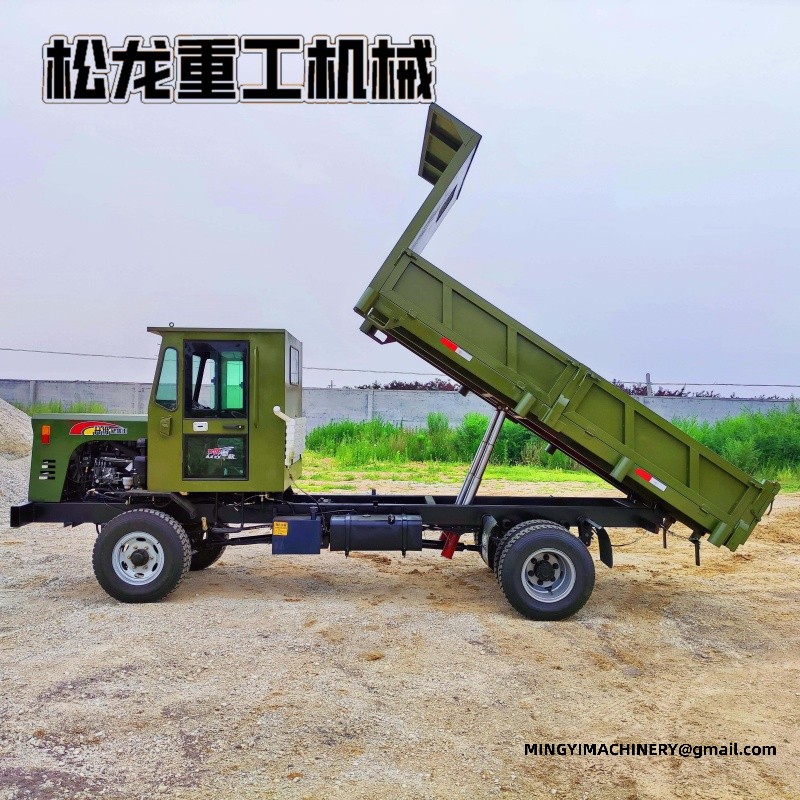
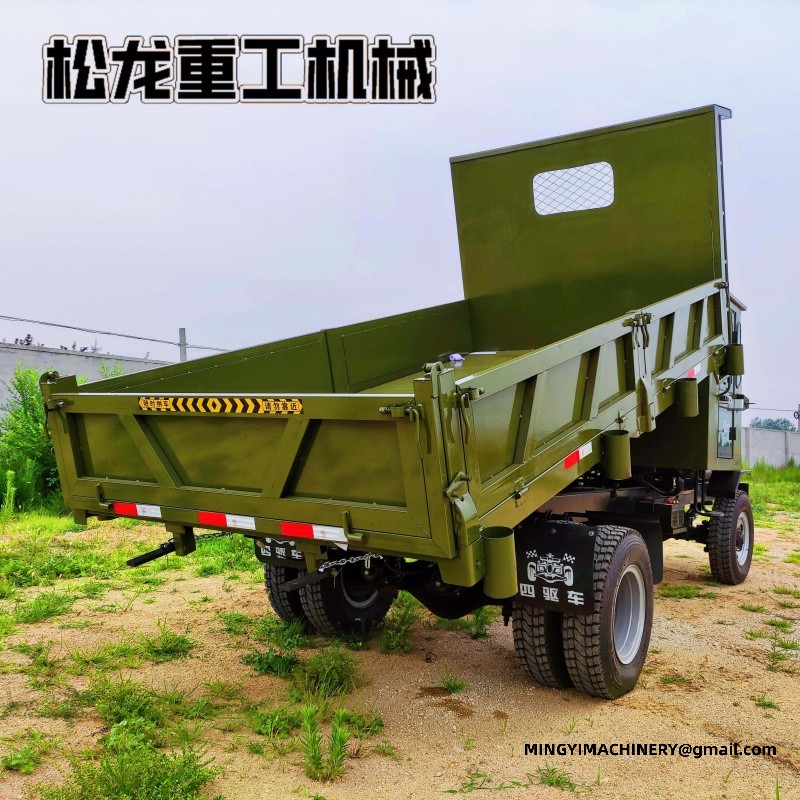
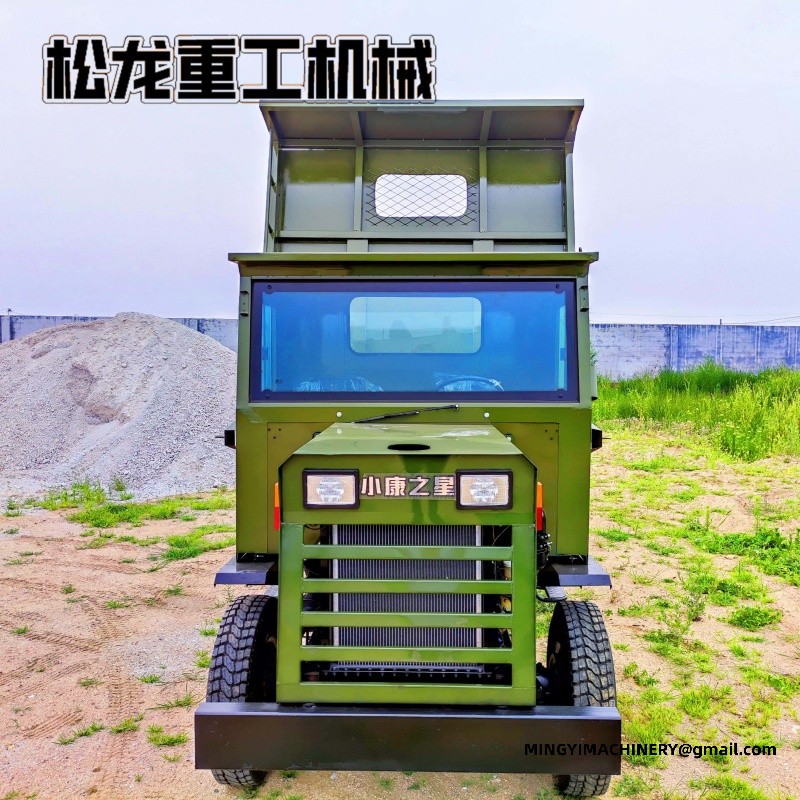
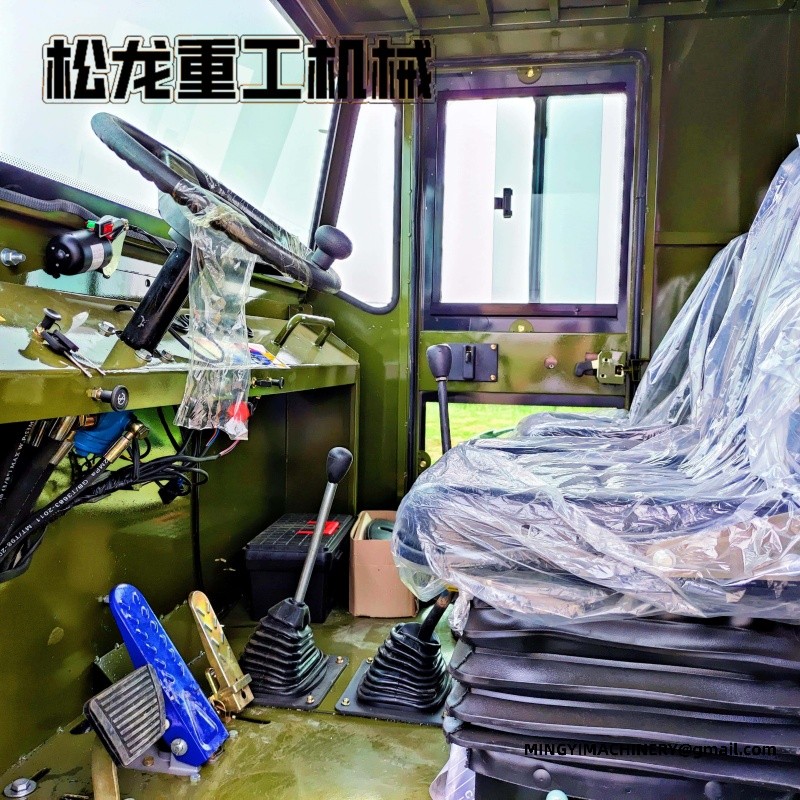
The configurations below are the build sheets most often matched to the equipment in service. Engine, gearbox, axles, frame and body dimensions are confirmed together, because the body size and the axle rating have to suit the load before the engine rating matters.
| # | 24.Luxury | 3.Standard | 6.Standard | 7.Upgraded |
|---|---|---|---|---|
| 1 | Four-cylinder 4108 turbocharged diesel engine | Single-cylinder diesel engine, 25 hp | Single-cylinder diesel engine, 28 hp | Single-cylinder diesel engine, 28 hp |
| 2 | Model 145 part-time gearbox, selectable 2WD/4WD | Full-time gearbox with four-wheel drive | Full-time gearbox with four-wheel drive | Full-time gearbox with four-wheel drive |
| 3 | High/low range with crawler gear | High/low range with crawler gear | High/low range with crawler gear | High/low range with crawler gear |
| 4 | Fully enclosed cab | Simple cab | Simple cab | Front axle clutch |
| 5 | Six 825R16 steel-belted radial tyres | Oil brakes | Oil brakes | Fully enclosed cab |
| 6 | Reinforced ISUZU-pattern front axle | Four 700-16 mountain tyres | Four 700-16 mountain tyres | Oil brakes |
| 7 | Reinforced 1080 rear axle | Front axle 212 | Front axle 212 | Four 700-16 mountain tyres |
| 8 | Air cut-off brakes | Rear axle 130 | Rear axle 130 | Front axle 212 |
| 9 | Reinforced 80 x 180 mm square tube frame | Reinforced 60 x 140 mm square tube frame | Reinforced 60 x 140 mm square tube frame | Rear axle 130 |
| 10 | Rear body 3.0 m long x 2.2 m wide x 0.45 m high | Rear body 2.2 m long x 1.5 m wide x 0.45 m high | Rear body 2.2 m long x 1.5 m wide x 0.45 m high | Reinforced 60 x 140 mm square tube frame |
| 11 | Tailgate with self-dumping function | Tailgate with self-dumping function | Tailgate with self-dumping function | Rear body 2.2 m long x 1.5 m wide x 0.45 m high |
| 12 | Side-opening rear body tailgate with cab ladder | Hydraulic power steering | Hydraulic power steering | Tailgate with self-dumping function |
| 13 | Hydraulic power steering | Twin hydraulic rams | Twin hydraulic rams | Hydraulic power steering |
| 14 | Twin hydraulic rams | Two-person comfort seat | Two-person comfort seat | Twin hydraulic rams |
| 15 | Two-person comfort seat | Twin-battery electric start | Twin-battery electric start | Two-person comfort seat |
| 16 | Heavy-duty leaf springs | Square-nose bonnet | Square-nose bonnet | Twin-battery electric start |
| 17 | Twin-battery electric start | — | — | Square-nose bonnet |
| 18 | Square-nose bonnet | — | — | — |
Tropical operation is a specification question as much as a maintenance one. The cooling capacity, the sealing and the corrosion protection fitted to this class of machine are what make the difference once the ambient temperature rises.
A cold start is easier when the machine is prepared the night before. The routine that keeps a machine of this size working through winter is mostly a matter of fuel, battery and patience in the first ten minutes of the day.
The battery and the fuel are the first things to suffer in storage. Preparing the machine itself properly at the start of the idle period avoids the flat battery and the contaminated tank that greet an unprepared machine.
Securing the load is not optional. Lashing the machine in that duty at the points intended for it, checking the tension before the vehicle moves and rechecking after the first kilometres is standard practice rather than extra care.
The paperwork matters as much as the packing. Serial numbers, dimensions and weights recorded for a machine built for the work at loading are the same figures the destination needs, and a mismatch here loses more days than the voyage itself.
Downtime is simplest when it is planned. Booking the service for the dumper in the quiet part of the season takes nothing from the schedule, while the same work in the busy weeks gives up a day of output every time.
Every line above is a build item rather than an optional extra, and the final sheet for this class of machine is confirmed against the destination, the ground and the load before production.
E-mail:sales@mingycn.com
LINE(ID):mingyicn









