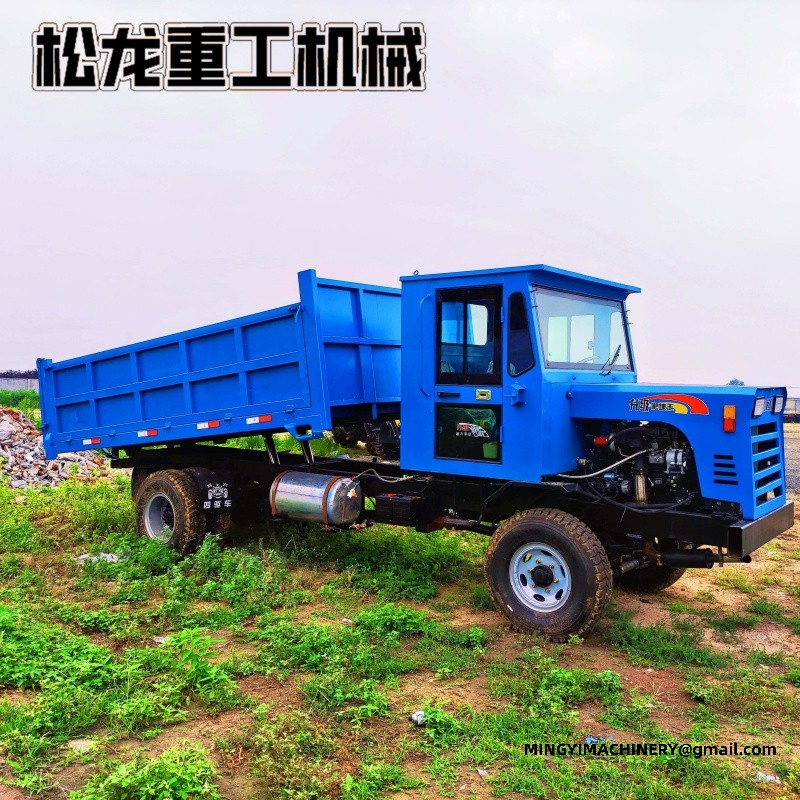
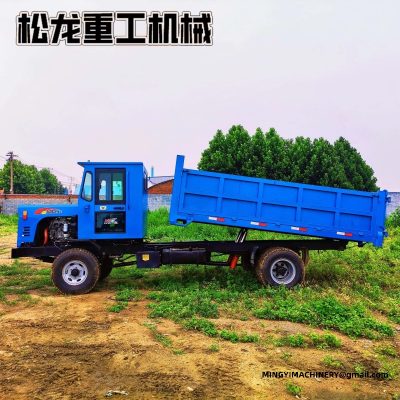
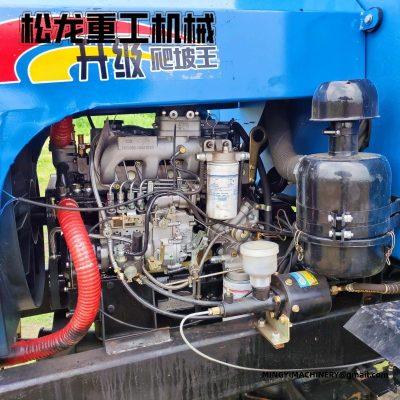
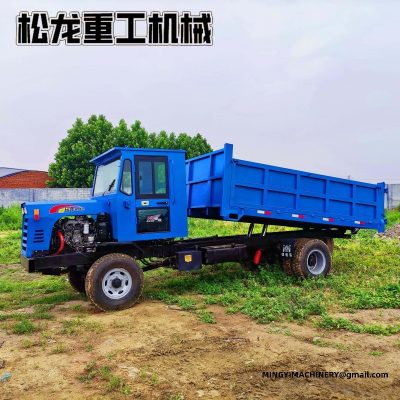
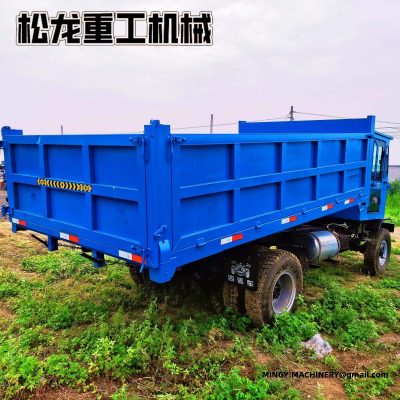
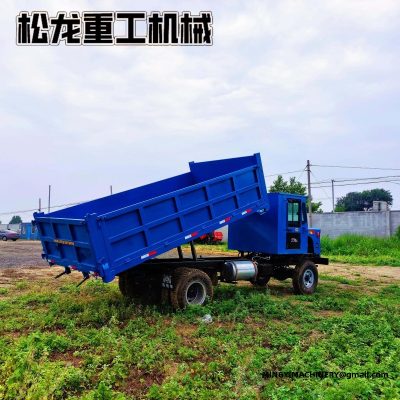
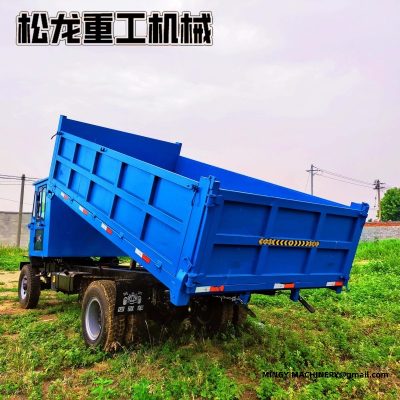
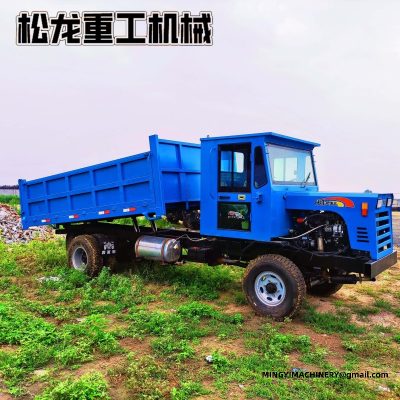
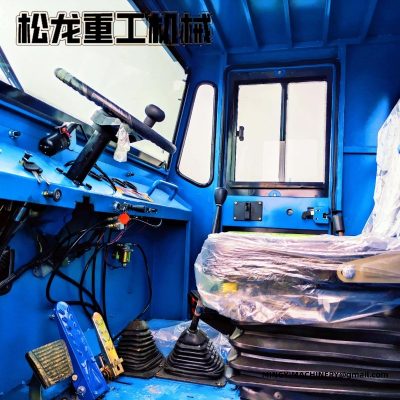
The dumper is built for the work that fills the calendar rather than the work that looks impressive. This page sets out what the machine does, where it fits and what to settle before ordering, so the specification can be matched to the job instead of guessed at.
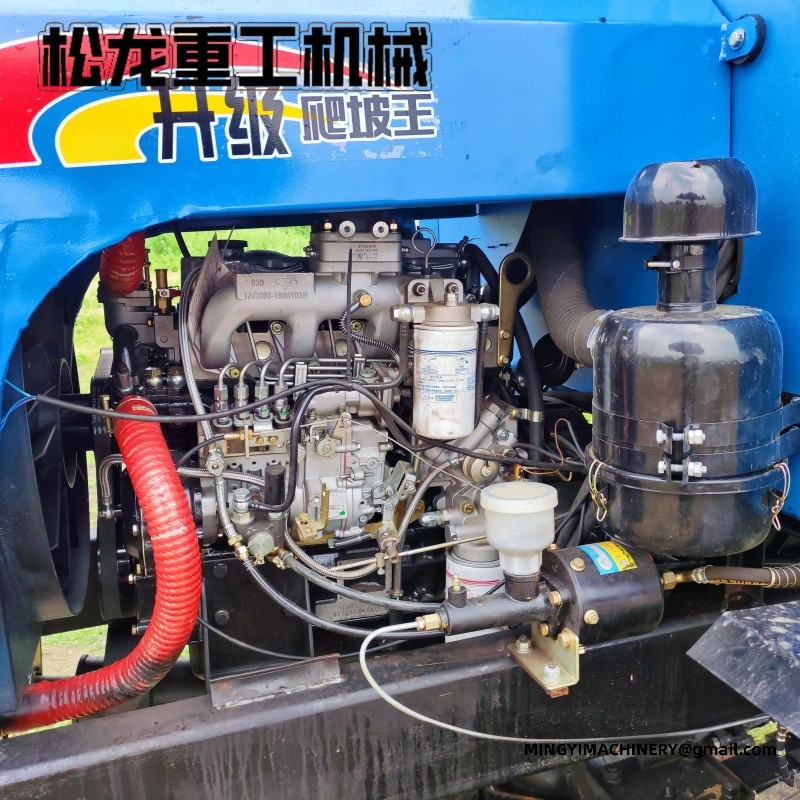
Support after delivery is a parts question. Filters, belts, hoses and the wearing items specific to this class of machine are what a buyer should plan to hold before the first service interval rather than order after a failure. Parts availability usually decides the engine and the brand. A machine built around components the local network already carries is serviced from stock, which is the difference between a day lost and a week lost.
Stability follows the load and its position. Knowing the rated capacity of the unit in daily use at the working radius, rather than at its best case, is what keeps handling predictable and the machine upright.
Keeping the manuals where they can be reached matters. A machine of this size whose documents stay with the machine gets serviced on schedule; one whose paperwork was filed elsewhere tends to run on memory instead.
Shipping dimensions matter as much on export orders as they do locally. Confirming the packed size of the equipment on site before booking avoids re-booking freight after the machine is built.
Attachment decisions are best made before delivery. Specifying hydraulics and couplers at build time is simpler than adding them later, and it avoids the downtime of a workshop visit in the first month. Most owners find that the second attachment changes how often the machine is used. The machine itself that was bought for one task often becomes the general machine on site once a second tool is available.
Planning the work to reduce empty movement is free. Fewer repositioning cycles on the model in question means less fuel, less wear on the undercarriage or tyres and more of the shift spent on productive work.
Before-storage preparation prevents most return-to-work faults. Draining or treating fuel, protecting exposed rods and relieving pressure where the maker specifies it are the items worth an hour when the machine in that duty is parked.
Batteries and fluids are the parts that notice the cold first. The unit on the job kept on a maintainer through a freezing spell starts on the first turn, while one left standing is the usual cause of a lost morning.
Ground decides more of the outcome than power does. Soft, wet or loose surfaces call for a wider footprint and lower ground pressure, while hard standing allows a narrower machine that turns in less space and travels faster between tasks. Traction and flotation are two separate questions. The equipment in service may have the power for a slope and still not have the grip, so the surface, not the engine rating, is usually what limits the working day.
Most incidents around machinery come from the space rather than the machine. Exclusion zones, a clear signal person and a check on what is behind the class of machine before it moves cover the large majority of the risk on a working site.
Build options are where a standard machine becomes the right machine. Colour, guarding, lighting, seating and hydraulic provisions can usually be set at build time on a machine of this size, and are far simpler then than as a retrofit. Customisation should still be limited to what the work needs. Each addition to the equipment on site is another item to maintain, so the useful question is not what can be added but what the job list actually requires.
Drum bodies need power and stability. The model in question set up for concrete has to carry the drum, the load and the water, and the frame and brakes should be specified for that combined weight.
Commissioning is the point where most avoidable issues are found. Checking levels, fasteners and function on the machine in that duty before it goes to work takes an hour and prevents a claim conversation later. Warranty terms are clearer when they are read before purchase. Knowing what is covered, what counts as a wearing item and what documentation is required makes a claim on the unit on the job straightforward rather than contested.
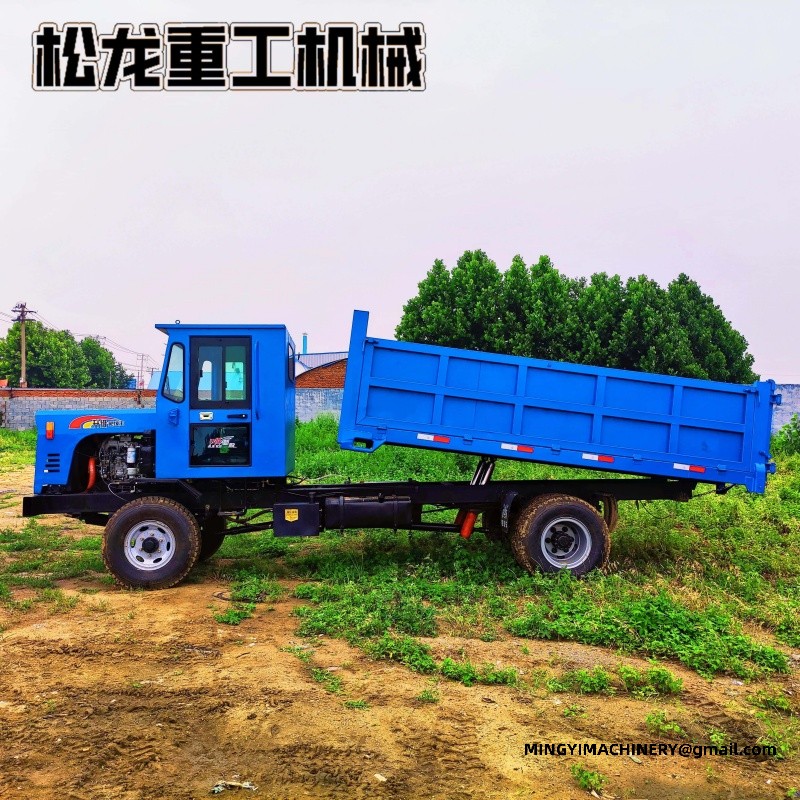
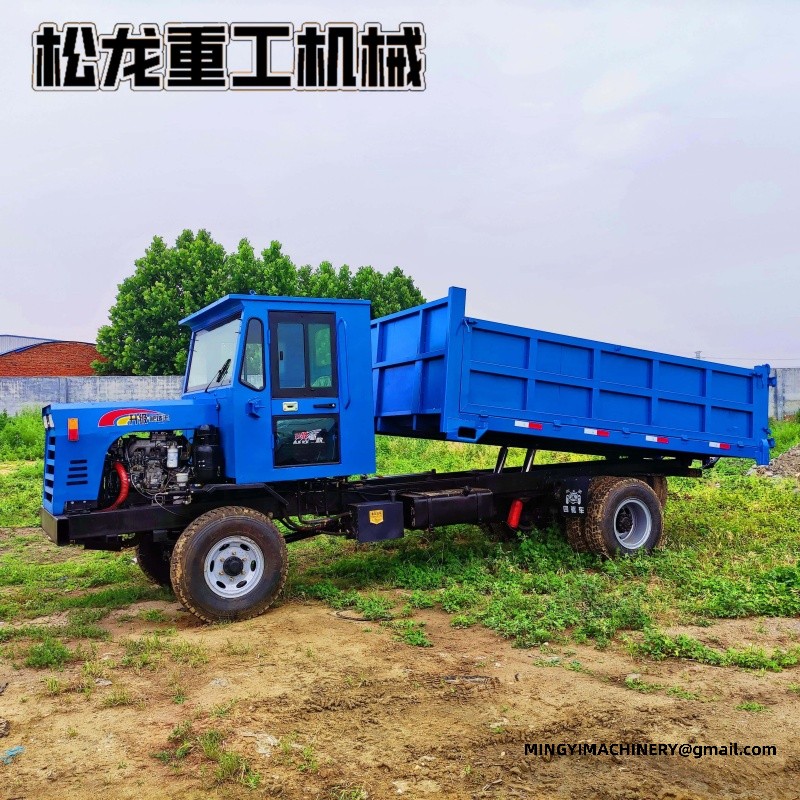
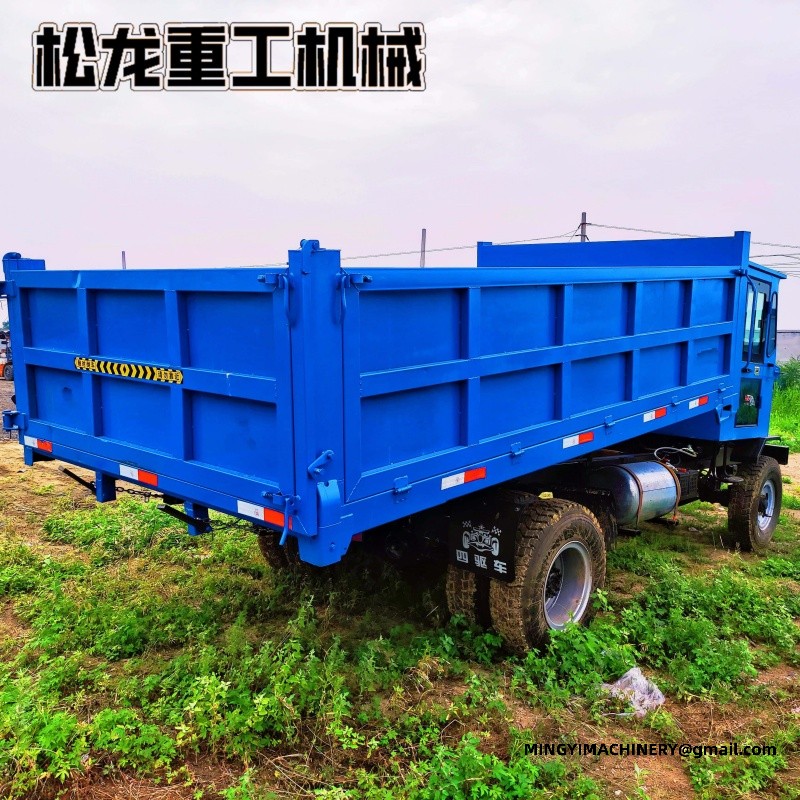
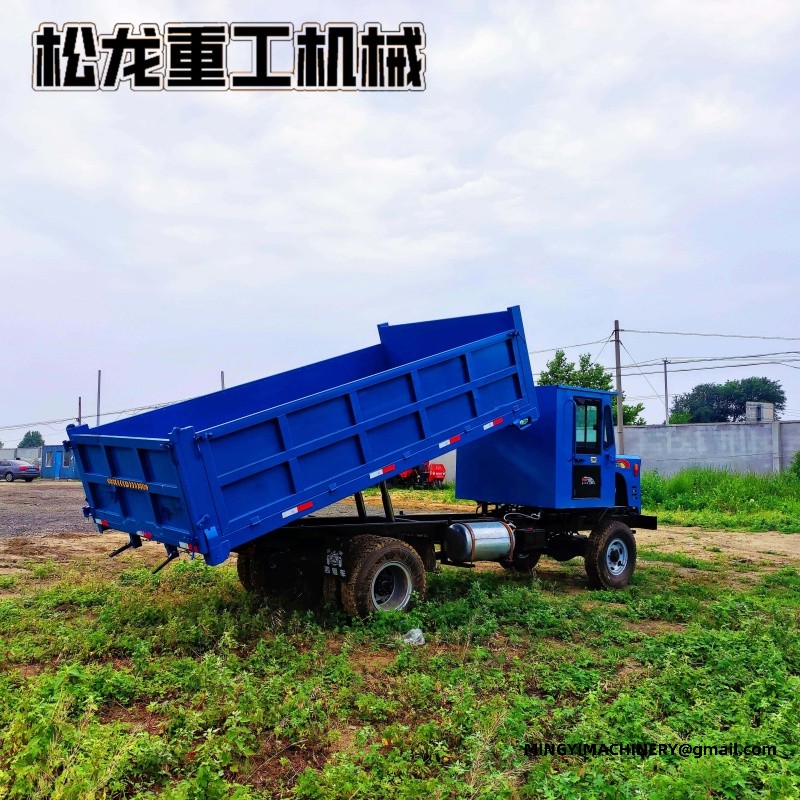
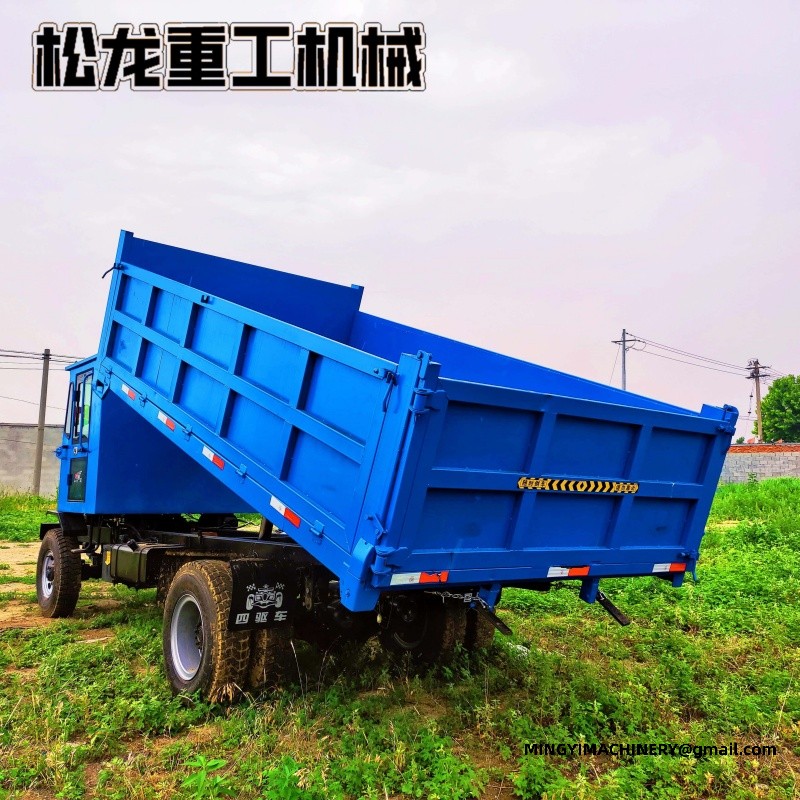
The tipping body is the part that does the work. The equipment in service specified with twin hydraulic rams and a tailgate that opens under load unloads in one pass, which matters more on a short haul than top speed does.
A crane or grab turns a haul vehicle into a loading machine. This class of machine fitted with a hydraulic crane loads itself, which removes a second machine from the job and is often the whole reason for specifying one. Stability governs what the crane can do. Outriggers, ground condition and load radius decide the safe figure on the unit in daily use, and those are checked before the lift rather than discovered during it. Adding a crane changes the vehicle specification. Hydraulic capacity, frame strength and braking all need to suit the attachment, and it is simpler to specify them at build than to add them later.
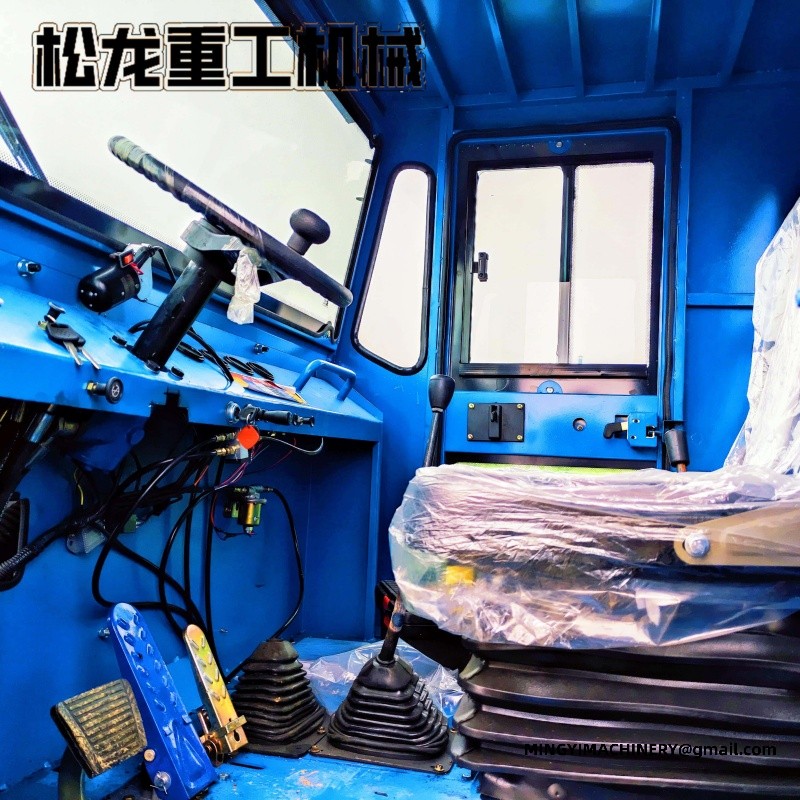
Access and storage are worth settling early. Where the equipment on site will be parked, refuelled and serviced on site affects the working day more than most specification details, and it takes nothing to plan.
Fleet value comes from interchangeability. Operators who can step between machines without retraining, and a workshop that stocks one set of filters, keep utilisation higher than a fleet of individually optimised units. Utilisation matters more than the purchase decision over a few years. The model in question that sits idle ties up the same yard space standing still as one that earns, so the buying decision should follow the hours the machine will realistically work.
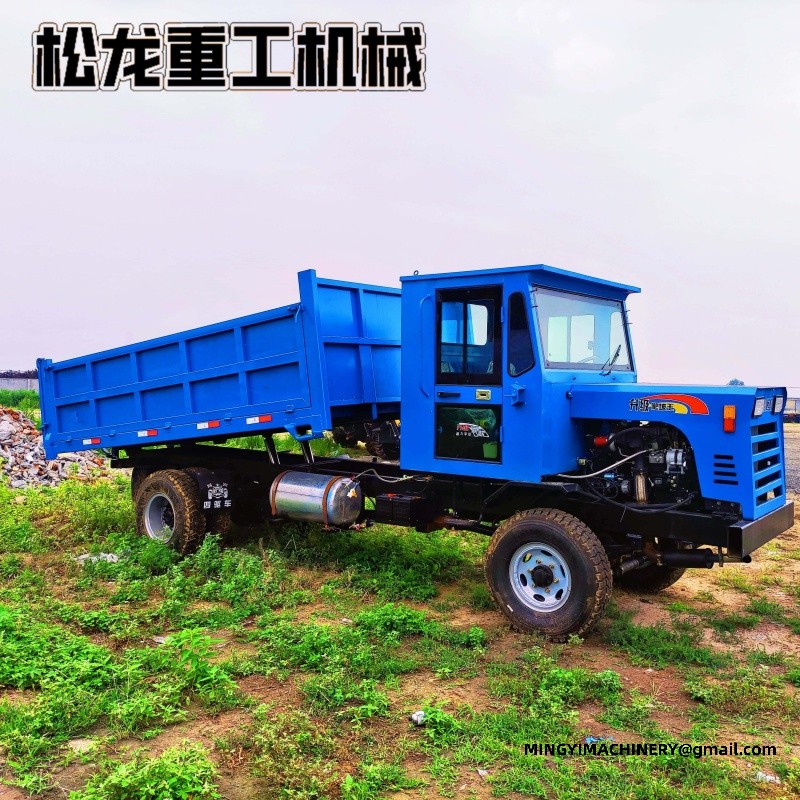
The configurations below are the build sheets most often matched to the unit on the job. Engine, gearbox, axles, frame and body dimensions are confirmed together, because the body size and the axle rating have to suit the load before the engine rating matters.
| # | 10.Upgraded | 13.Upgraded | 17.Luxury | 4.Upgraded |
|---|---|---|---|---|
| 1 | Single-cylinder diesel engine, 32 hp | Two-cylinder diesel engine, 38 hp | Four-cylinder 490 diesel engine | Single-cylinder diesel engine, 25 hp |
| 2 | Full-time gearbox with four-wheel drive | Full-time gearbox with four-wheel drive | Part-time gearbox, selectable 2WD/4WD | Full-time gearbox with four-wheel drive |
| 3 | High/low range with crawler gear | High/low range with crawler gear | High/low range with crawler gear | High/low range with crawler gear |
| 4 | Front axle clutch | Front axle clutch | Fully enclosed cab | Front axle clutch |
| 5 | Fully enclosed cab | Fully enclosed cab | Six 700-16 mountain tyres | Fully enclosed cab |
| 6 | Oil brakes | Oil brakes | Reinforced 130 front axle | Oil brakes |
| 7 | Four 700-16 mountain tyres | Four 700-16 mountain tyres | Reinforced ISUZU-pattern rear axle | Four 700-16 mountain tyres |
| 8 | Front axle 212 | Front axle 212 | Air cut-off brakes | Front axle 212 |
| 9 | Rear axle 130 | Rear axle 130 | Reinforced 60 x 140 mm square tube frame | Rear axle 130 |
| 10 | Reinforced 60 x 140 mm square tube frame | Reinforced 60 x 140 mm square tube frame | Rear body 2.2 m long x 1.8 m wide x 0.45 m high | Reinforced 60 x 140 mm square tube frame |
| 11 | Rear body 2.2 m long x 1.5 m wide x 0.45 m high | Rear body 2.2 m long x 1.5 m wide x 0.45 m high | Tailgate with self-dumping function | Rear body 2.2 m long x 1.5 m wide x 0.45 m high |
| 12 | Tailgate with self-dumping function | Tailgate with self-dumping function | Side-opening rear body tailgate | Tailgate with self-dumping function |
| 13 | Hydraulic power steering | Hydraulic power steering | Hydraulic power steering | Hydraulic power steering |
| 14 | Twin hydraulic rams | Twin hydraulic rams | Twin hydraulic rams | Twin hydraulic rams |
| 15 | Two-person comfort seat | Two-person comfort seat | Two-person comfort seat | Two-person comfort seat |
| 16 | Twin-battery electric start | Twin-battery electric start | Heavy-duty leaf springs | Twin-battery electric start |
| 17 | Square-nose bonnet | Round-nose bonnet | Twin-battery electric start | Square-nose bonnet |
| 18 | — | — | Round-nose bonnet | — |
Different operators suit different work. The person who is quickest with the equipment in service on open ground is not always the one who is safest in a confined space, and having both available is a genuine advantage.
Familiarisation is not the same as reading the manual. Sitting on this class of machine, working through the controls at low speed and learning where the machine balances takes an hour, and that hour is what keeps the first week uneventful.
Retrofitting is limited by the base machine. Before anything is added to a machine of this size the hydraulic flow, the mounting interface and the stability allowance have to be checked, because those limits are what decide what is sensible.
Heat and dust shorten service intervals rather than machine life. In these conditions the filters on the machine itself need attention more often, and the cooling surfaces need to be kept clear to hold the working temperature.
Cold exposes weak batteries, thick oil and water in the fuel. Preparing the machine in that duty for winter means the right grade of oil, a battery in good condition and fuel that will not wax in the tank overnight.
The calendar decides more than the specification does. Planning when a machine built for the work will be working, when it will be serviced and when it can be spared keeps the maintenance out of the weeks that matter.
The first hour on site should be slow. Before the dumper is put to work the fluid levels are rechecked after transport, the fasteners are gone over and the machine is run light so that anything loosened in transit shows up early.
Travel time is not working time, and it should be planned as its own item. The hours spent moving the unit in daily use between jobs are hours not worked, and a trailer that matches the machine reduces them every single trip.
Every line above is a build item rather than an optional extra, and the final sheet for a machine of this size is confirmed against the destination, the ground and the load before production.
E-mail:sales@mingycn.com
LINE(ID):mingyicn









