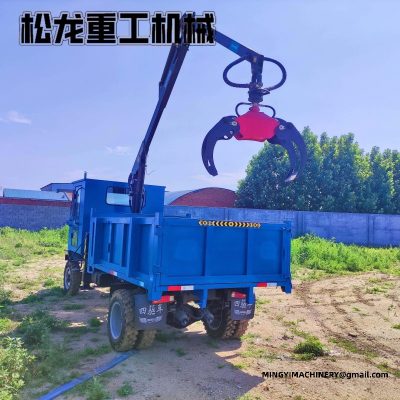
Buyers comparing the dumper are usually weighing the same few things, among them working range, the width of the access, the surface it runs on and how quickly it can be serviced. This page takes each in turn and leaves the numbers together at the end.
Machine output varies more between operators than between brands. Smooth, planned movements put less load on the structure and use less fuel, and that difference is visible on the hour meter and in the service bills for this class of machine. A short handover pays for itself. Operators who understand why the unit in daily use is set up the way it is will report a change in behaviour early, which is usually the point where a repair is simplest.
Keeping the manuals where they can be reached matters. A machine of this size whose documents stay with the machine gets serviced on schedule; one whose paperwork was filed elsewhere tends to run on memory instead.
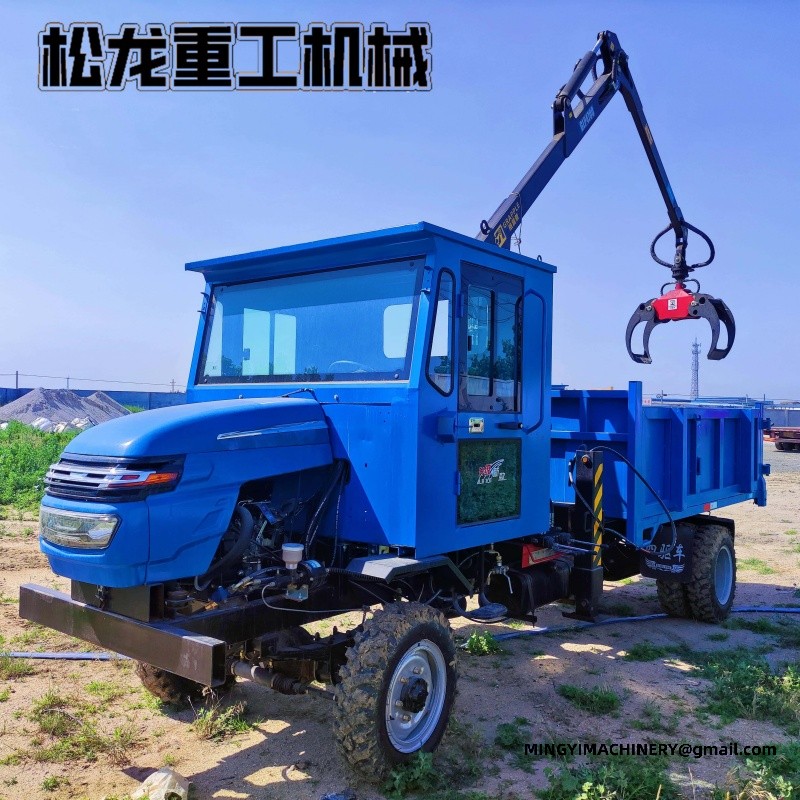
The base machine is only as useful as the tool on the end of it. Matching the attachment to the task - rather than to what arrived with the machine - is what lets one the machine itself cover several jobs across a week. Most owners find that the second attachment changes how often the machine is used. The equipment on site that was bought for one task often becomes the general machine on site once a second tool is available.
A water tank turns the vehicle into a different machine. The model in question carrying water for dust control or irrigation is specified around tank size, baffles and the route, because a part-filled tank behaves very differently on a slope. Dust control work is repetitive and time-critical. The machine in that duty with the right tank and spray arrangement covers more ground per shift, which is usually the point of the exercise.
Before-storage preparation prevents most return-to-work faults. Draining or treating fuel, protecting exposed rods and relieving pressure where the maker specifies it are the items worth an hour when the unit on the job is parked.
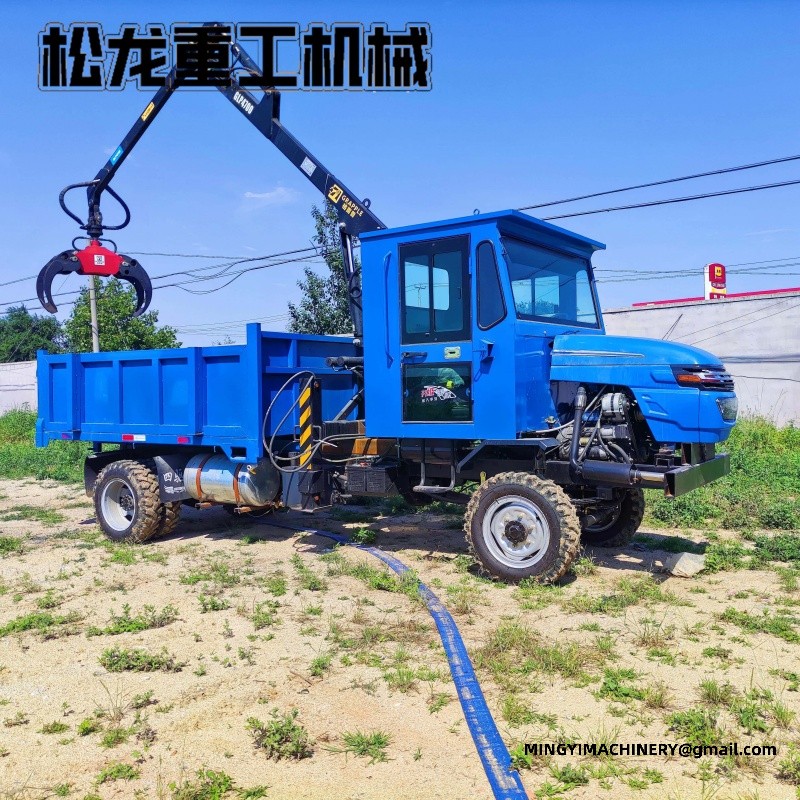
Batteries and fluids are the parts that notice the cold first. A machine built for the work kept on a maintainer through a freezing spell starts on the first turn, while one left standing is the usual cause of a lost morning.
Build options are where a standard machine becomes the right machine. Colour, guarding, lighting, seating and hydraulic provisions can usually be set at build time on the equipment in service, and are far simpler then than as a retrofit. Customisation should still be limited to what the work needs. Each addition to the dumper is another item to maintain, so the useful question is not what can be added but what the job list actually requires.
Payload is limited by the axles and the frame before it is limited by the body volume. Specifying this class of machine against the material density gives a realistic figure, because a body that looks half full can already be at its limit with rock. The honest payload figure comes from the duty. The unit in daily use working a smooth haul road carries differently from one crossing ruts and gradients, and the conservative number is the one that keeps the machine working.
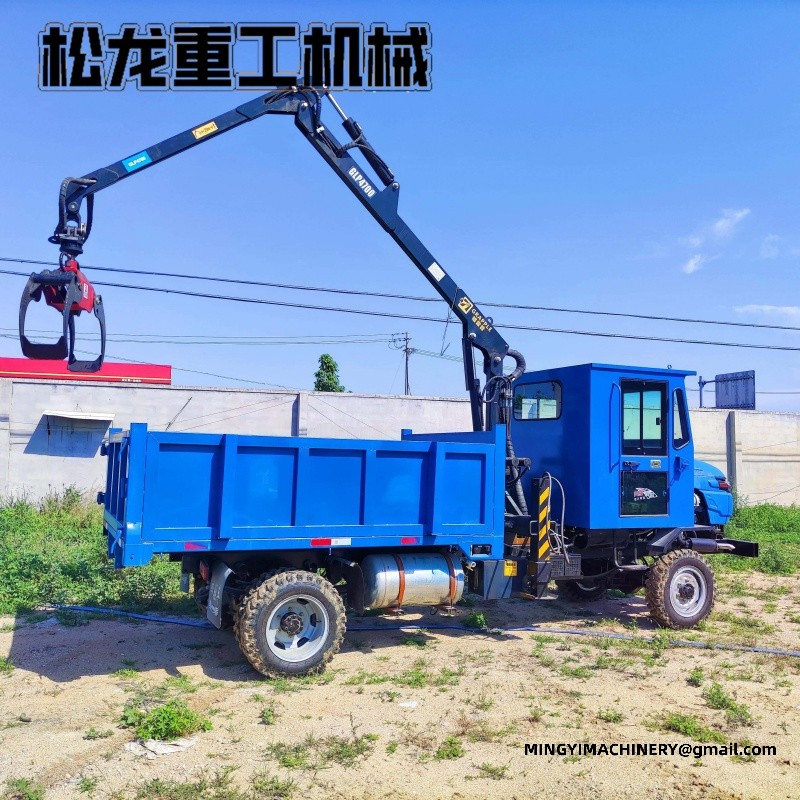
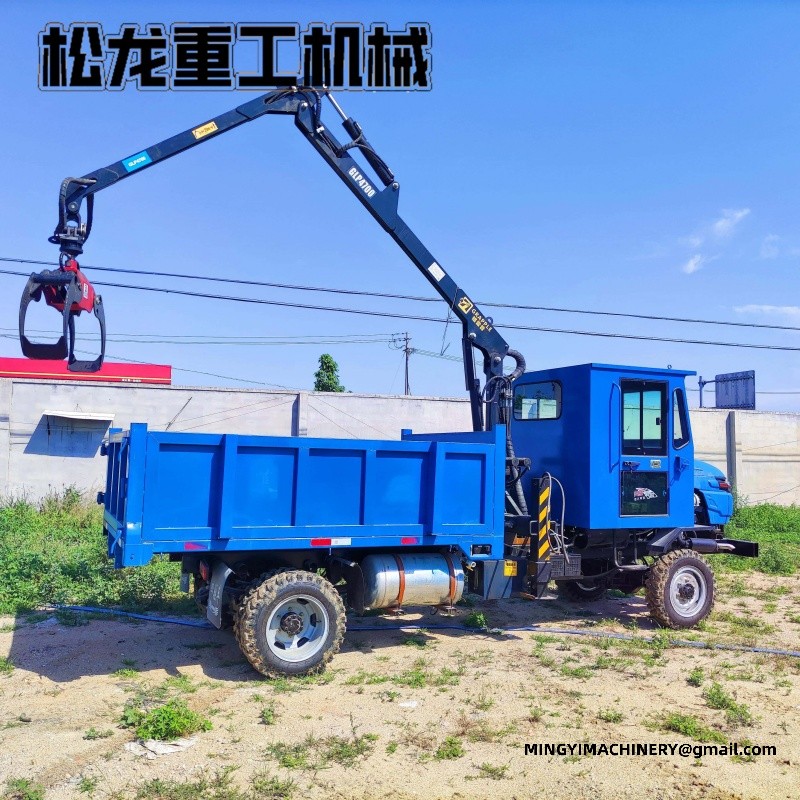
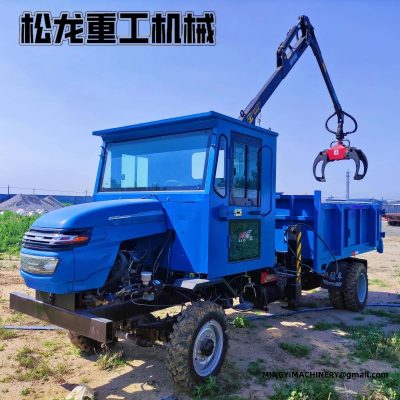
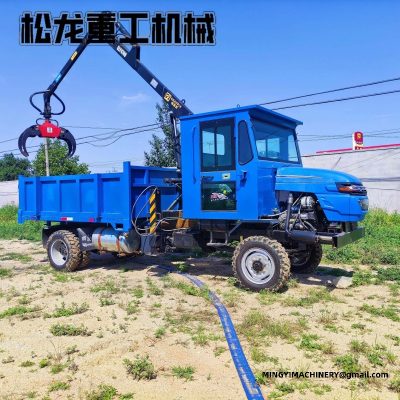
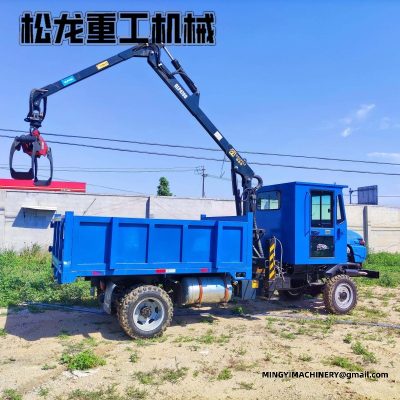
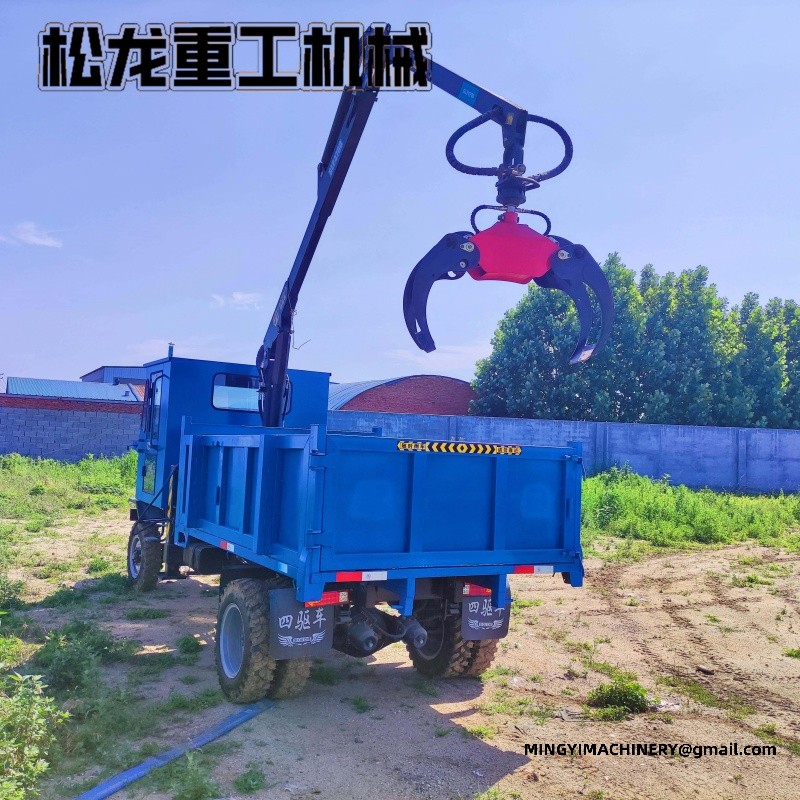
A crane or grab turns a haul vehicle into a loading machine. The equipment on site fitted with a hydraulic crane loads itself, which removes a second machine from the job and is often the whole reason for specifying one. Adding a crane changes the vehicle specification. Hydraulic capacity, frame strength and braking all need to suit the attachment, and it is simpler to specify them at build than to add them later.
Buyers who specify the model in question on paper before enquiring get specifications that can be compared. Without that list, two suppliers will propose two different machines and the simpler one is usually the smaller one, not the better value.
Resale starts at purchase. Specification choices, service records and the condition of wearing parts are what a buyer looks at, and the machine in that duty that has been maintained on schedule is worth more than one that merely looks clean. Replacement timing is a planning decision. Knowing the intended working life of the unit on the job lets an owner sell while the machine still has value rather than after a major repair becomes due. Records are part of the asset. Keeping the service history and the hour records with a machine built for the work makes it easier to sell, easier to insure and easier to justify the replacement machine internally.
Certain parts are designed to be consumed. Knowing which items on the dumper are wearing parts, and roughly how long they last in the duty the machine sees, turns replacement into a plan rather than a breakdown. Wear rate follows conditions far more than hours. This class of machine working on abrasive ground or in mud will consume undercarriage or tyre life much faster than the same machine on clean ground.
Most incidents around machinery come from the space rather than the machine. Exclusion zones, a clear signal person and a check on what is behind the machine of this size before it moves cover the large majority of the risk on a working site.
Seasonal work changes the maintenance calendar. Machines that work hard for two months and stand for ten need preparation before storage and a check before returning to work, and both are simpler than the repairs they prevent.
Descending matters as much as climbing. A loaded the machine in that duty on a steep gradient needs engine braking and brakes in good order, and the safe practice is to plan the descent before the load rather than during it. Ground and gradient together set the limit. Loose surface on a slope reduces what the model in question can pull regardless of engine power, so the surface survey belongs before the specification.
Unloading method should follow the material. Wet spoil, aggregate and green timber behave differently in the body, and matching the body and tailgate arrangement to the load is what keeps a machine built for the work cycling rather than being hand-cleared. Body size is a compromise with access. A larger body on the equipment in service carries more per trip but needs more room to turn and tip, so the useful question is how many trips the route allows rather than how much it holds.
The configurations below are the build sheets most often matched to this class of machine. Engine, gearbox, axles, frame and body dimensions are confirmed together, because the body size and the axle rating have to suit the load before the engine rating matters.
| # | 12.Standard | 13.Upgraded | 18.Standard | 3.Standard |
|---|---|---|---|---|
| 1 | Two-cylinder diesel engine, 38 hp | Two-cylinder diesel engine, 38 hp | Four-cylinder 4102 turbocharged diesel engine | Single-cylinder diesel engine, 25 hp |
| 2 | Full-time gearbox with four-wheel drive | Full-time gearbox with four-wheel drive | Model 140 part-time gearbox with four-wheel drive | Full-time gearbox with four-wheel drive |
| 3 | High/low range with crawler gear | High/low range with crawler gear | High/low range with crawler gear | High/low range with crawler gear |
| 4 | Simple cab | Front axle clutch | Simple cab | Simple cab |
| 5 | Oil brakes | Fully enclosed cab | Oil brakes | Oil brakes |
| 6 | Four 700-16 mountain tyres | Oil brakes | Six 700-16 mountain tyres | Four 700-16 mountain tyres |
| 7 | Front axle 212 | Four 700-16 mountain tyres | Reinforced ISUZU-pattern front axle | Front axle 212 |
| 8 | Rear axle 130 | Front axle 212 | Reinforced 1061 rear axle | Rear axle 130 |
| 9 | Reinforced 60 x 140 mm square tube frame | Rear axle 130 | Reinforced 80 x 180 mm square tube frame | Reinforced 60 x 140 mm square tube frame |
| 10 | Rear body 2.2 m long x 1.5 m wide x 0.45 m high | Reinforced 60 x 140 mm square tube frame | Rear body 2.2 m long x 2.1 m wide x 0.45 m high | Rear body 2.2 m long x 1.5 m wide x 0.45 m high |
| 11 | Tailgate with self-dumping function | Rear body 2.2 m long x 1.5 m wide x 0.45 m high | Tailgate with self-dumping function | Tailgate with self-dumping function |
| 12 | Hydraulic power steering | Tailgate with self-dumping function | Hydraulic power steering | Hydraulic power steering |
| 13 | Twin hydraulic rams | Hydraulic power steering | Twin hydraulic rams | Twin hydraulic rams |
| 14 | Two-person comfort seat | Twin hydraulic rams | Two-person comfort seat | Two-person comfort seat |
| 15 | Twin-battery electric start | Two-person comfort seat | Twin-battery electric start | Twin-battery electric start |
| 16 | Round-nose bonnet | Twin-battery electric start | Square-nose bonnet | Square-nose bonnet |
| 17 | — | Round-nose bonnet | — | — |
Rubber, seals and hoses age whether the machine works or not. Keeping a machine of this size out of direct sun and off damp ground slows that, and running it briefly at intervals keeps everything moving.
The first hour on site should be slow. Before the machine itself is put to work the fluid levels are rechecked after transport, the fasteners are gone over and the machine is run light so that anything loosened in transit shows up early.
Service history also protects the warranty position. Evidence that the machine in that duty was maintained at the specified intervals and with the specified fluids settles questions that would otherwise be argued.
Dust is the enemy of every rotating joint. Keeping the radiator and the air intake of a machine built for the work clean, and cleaning them before they are blocked rather than after, is what separates a machine that lasts from one that overheats.
Retrofitting is limited by the base machine. Before anything is added to the dumper the hydraulic flow, the mounting interface and the stability allowance have to be checked, because those limits are what decide what is sensible.
The parts that stop a machine are rarely the parts that are hardest to find. Filters, belts, seals and the ground engaging tools on the unit in daily use are easy to hold and slow to replace, which is why they belong on the shelf rather than on an order.
Every line above is a build item rather than an optional extra, and the final sheet for a machine of this size is confirmed against the destination, the ground and the load before production.
E-mail:sales@mingycn.com
LINE(ID):mingyicn









