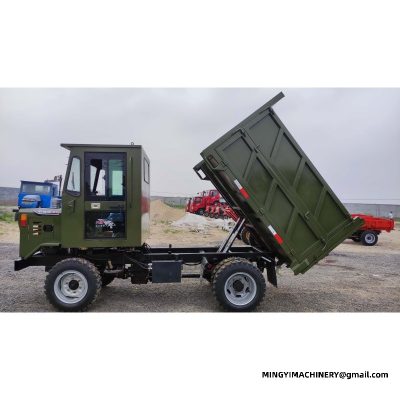
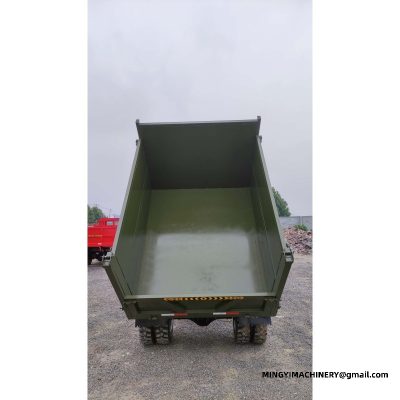
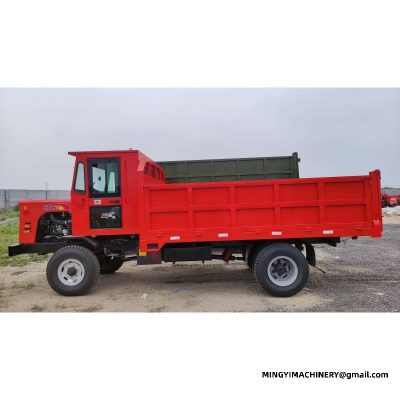
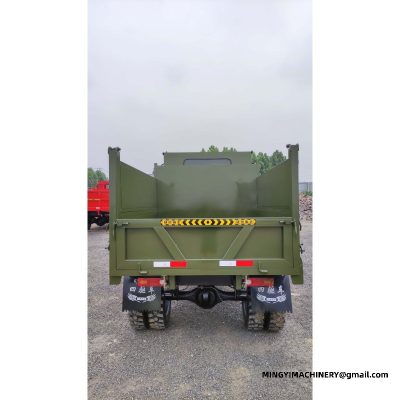
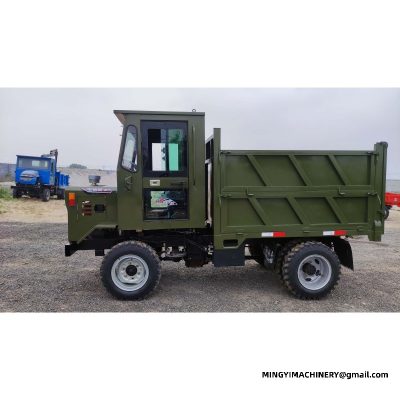
Forestry transport is about carrying a full load over ground that was never meant to carry it, then getting the machine free again when the surface lets go. A vehicle that can only move empty is of no use at the landing, and one that cannot climb out of a soft patch with a load on will hold up the whole operation. Load capacity and self-recovery are therefore the two things to settle first. The four configurations below are built around them, from the axles that take the weight to the tyres that find grip when the ruts open up.
A forestry vehicle carries its load low, but the weight still concentrates on the rear axle, and everything behind the cab has to be built to take it shift after shift. The rear axle is where most failures begin, which is why the axle choice here deserves more attention than the engine badge. The 11.Luxury and the 8.Luxury pair a Model 212 front axle with a Model 130 rear axle, while the 23.Upgraded steps up to a reinforced ISUZU-pattern front axle and a reinforced 1080 rear axle. Getting the rear end right is what keeps a loaded machine on the road instead of in the shop.
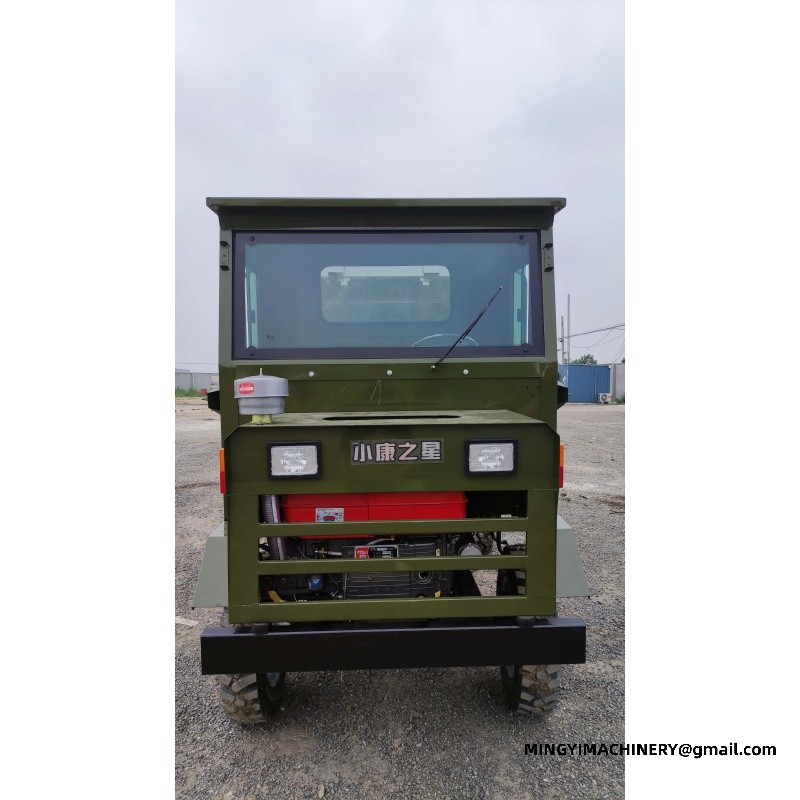
Every forestry route has a section that swallows a wheel once a week, and the difference between a ten-minute stop and a stuck machine is how the driveline is arranged. Full-time four-wheel drive keeps both axles pulling before the driver knows there is a problem, which is the 15.Standard's answer. The 11.Luxury, the 23.Upgraded and the 8.Luxury use a selectable or Model 140 part-time gearbox so the driver chooses when drive goes to both ends. A machine that can put power to all four wheels the moment a wheel starts to spin usually climbs out under its own power.
Low speed with full torque is what drags a loaded vehicle clear of a soft patch without tearing the ground into a deeper hole. High and low range with a crawler gear is fitted to all four configurations, and in a recovery it is the crawler gear that does the work, letting the wheels turn slowly enough to find grip instead of spinning the surface away. The same gear holds a loaded machine on a slow climb where momentum would break traction. It is the difference between easing out of trouble and digging in deeper, and it should never be treated as an optional extra.
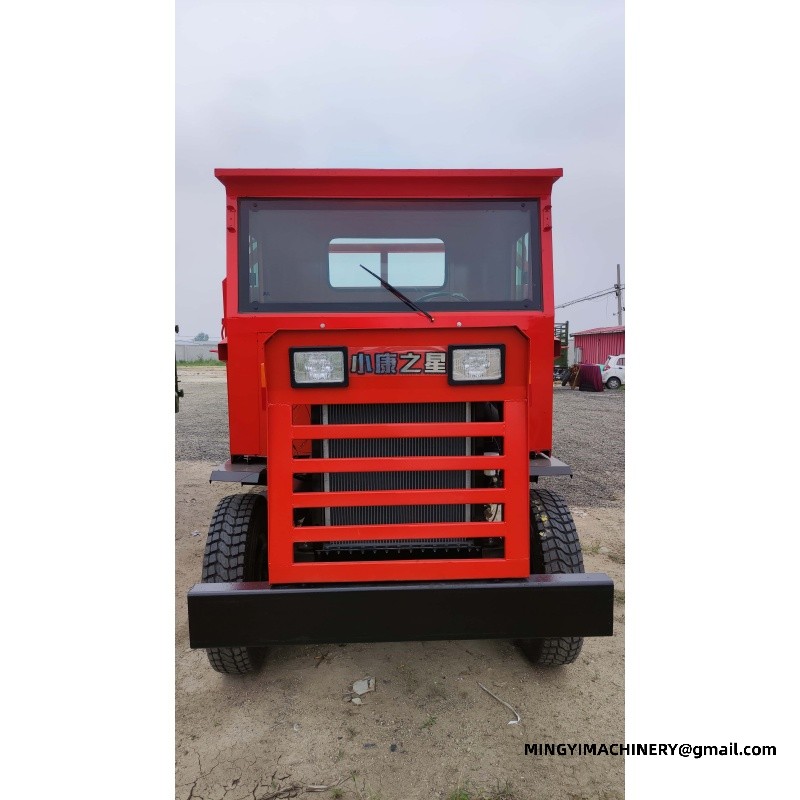
The 700-16 mountain tyre is fitted to the 11.Luxury and the 8.Luxury because its open tread throws mud clear and reaches down to the firm layer beneath a wet surface. The 23.Upgraded carries six 825R16 steel-belted radial tyres for a route that is graded for part of the year, where the machine covers distance rather than fighting for grip. The 15.Standard runs four 700-16 mountain tyres, a lighter footprint matched to a lighter machine on a shorter route. A photograph of the worst section of the route is the quickest way to confirm which tyre the build needs.
The heaviest thing a forestry vehicle does is come down a soft slope with a full body, and that is where the brake type is decided. The 11.Luxury, the 23.Upgraded and the 8.Luxury all run air cut-off brakes, which hold their bite down a long grade where the driver is on the pedal for minutes at a time. The 15.Standard uses oil brakes for its lighter, flatter duty. Choosing air cut-off for the heavier configurations is not an upgrade for its own sake; it is what keeps a full load under control when the road drops away.
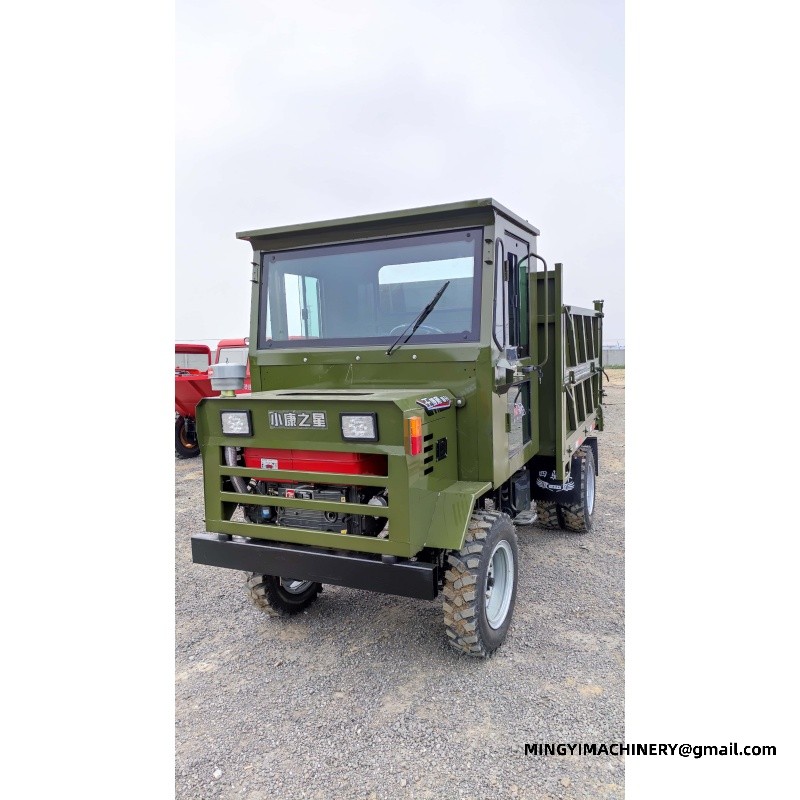
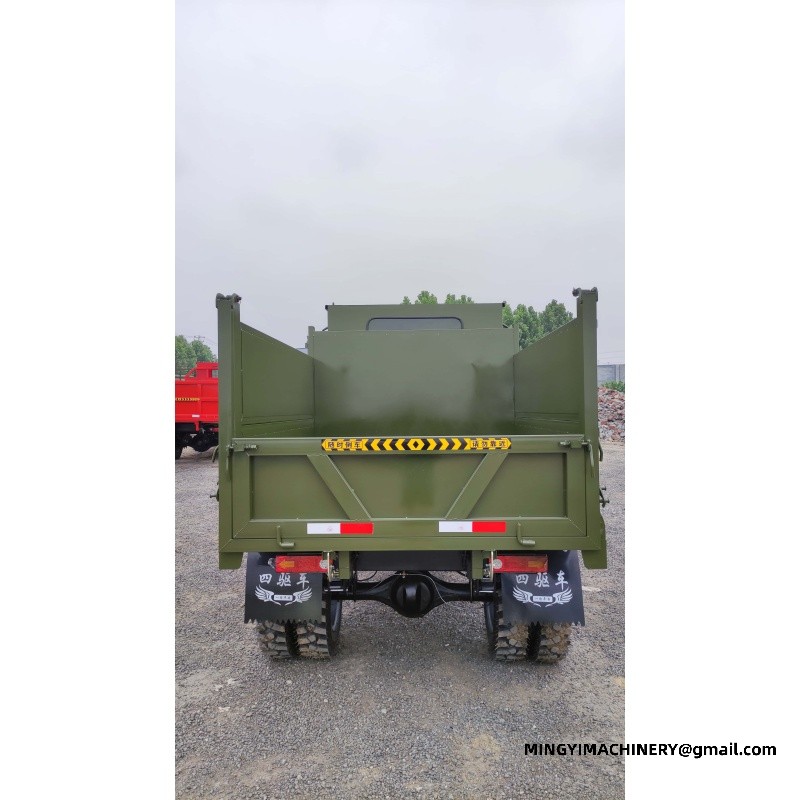
The frame is the spine that carries the body and keeps the axles in line, and its section tells you what the machine was built to take. Three configurations sit on the reinforced 60 x 140 mm square tube frame, which is plenty for the 2.2 m body, while the 23.Upgraded uses the reinforced 80 x 180 mm frame to carry its 3.0 m body. A frame that is too light flexes under a full load and works the welds until something lets go. On a forestry route the frame is working on every rut and every log, so depth matters more than it looks on paper.
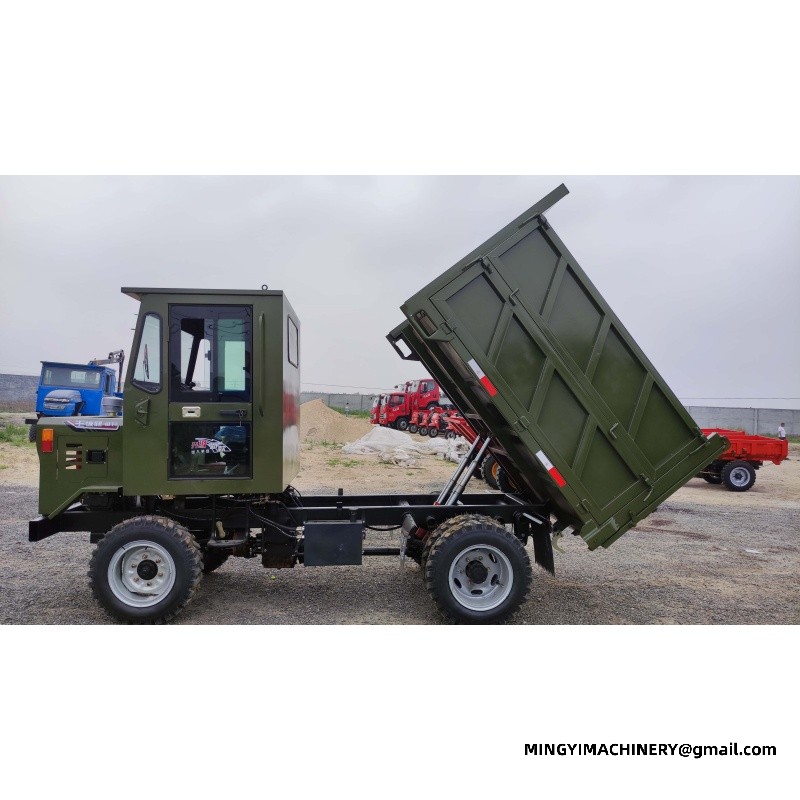
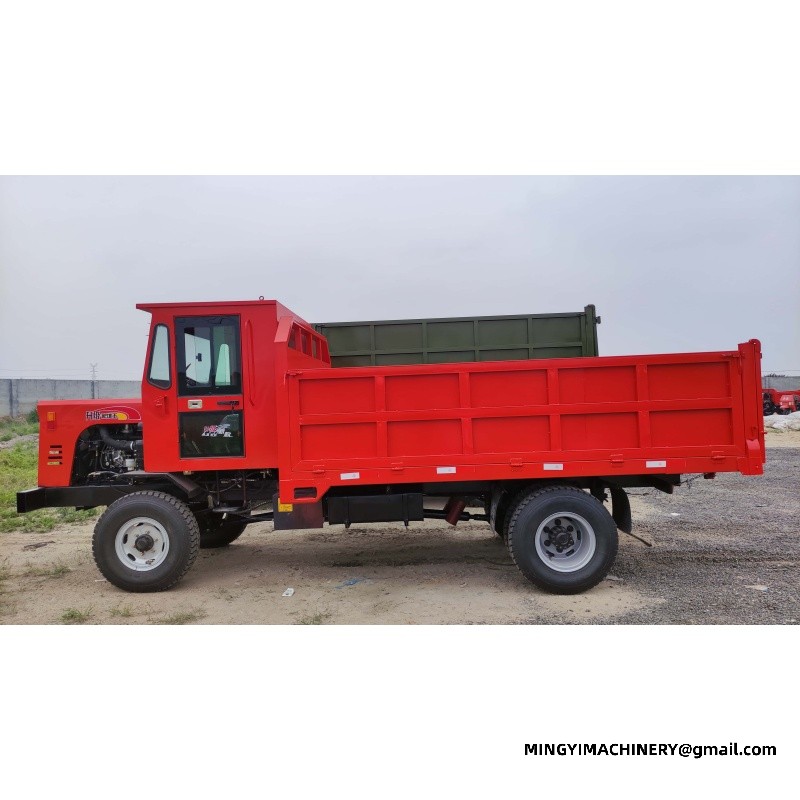
The body has to match the material, and forestry loads are usually long rather than heavy. Three of the four configurations carry a 2.2 m long body, 1.5 m wide and 0.45 m high, which suits short rounds and firewood. The 23.Upgraded stretches to a 3.0 m body, 2.2 m wide, for stems that would otherwise overhang the tailgate. Every body has a tailgate with a self-dumping function, so the load starts to leave before the body is fully raised. Match the body length to the longest stem the machine must carry, not to the average one.
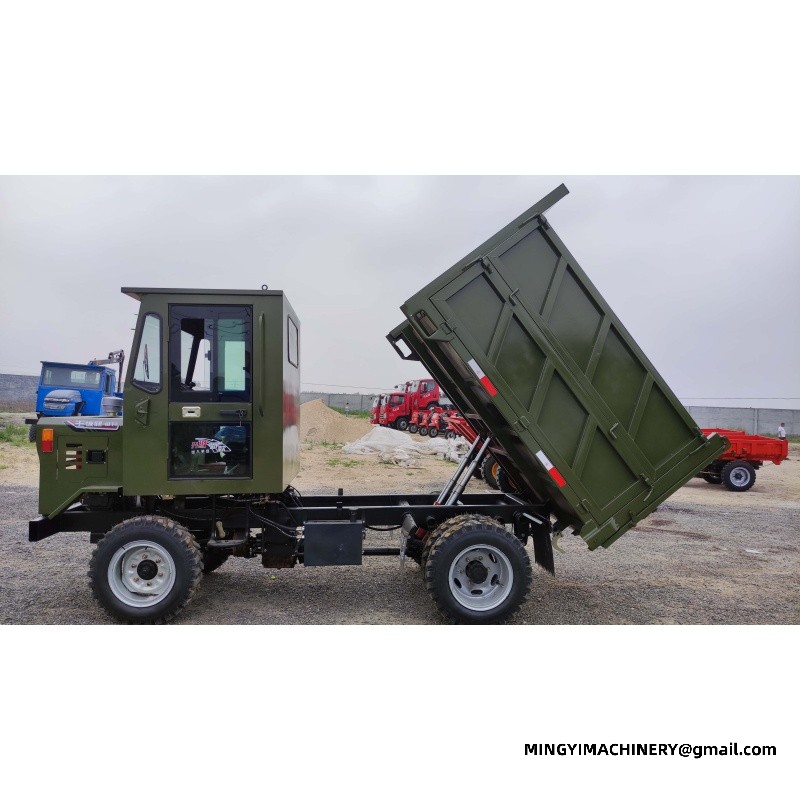
The range is built around how much the machine must carry and how far. The 11.Luxury and the 8.Luxury use a single-cylinder diesel of 32 hp and 28 hp for light, short runs, the 15.Standard a four-cylinder 490 diesel for a steady middle duty, and the 23.Upgraded a four-cylinder 4108 turbocharged diesel for the heaviest, longest haul. The turbocharged machine is the one for a full 3.0 m body on a real gradient, while the single-cylinder machines suit a smaller load moved a shorter distance. The split is about the loaded run, not the empty one.
A side-opening rear body tailgate on the 11.Luxury and the 8.Luxury lets the driver spread the load along a line rather than drop it in one mound. In forestry work that is the difference between leaving timber where the next machine wants it and having to re-handle it later. The self-dumping function works with the tailgate so the load begins to slide out before the body reaches full height, which unloads the machine faster and lets it turn for the next run sooner. That is a small option that changes the shape of the whole working day.
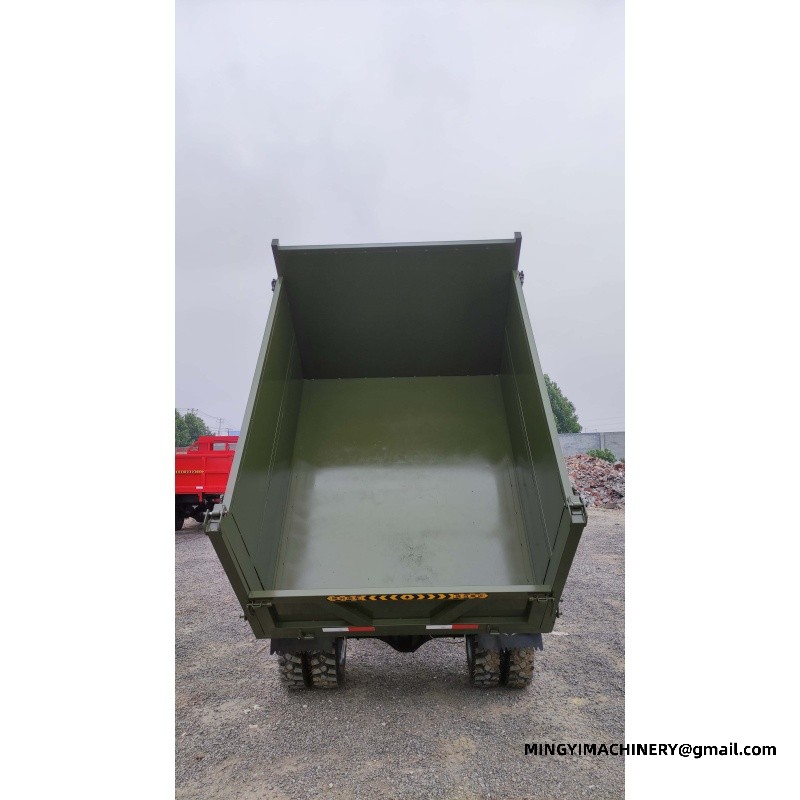
Twin hydraulic rams lift the body on every configuration, and the reason they are paired rather than single is the way a forestry load behaves. Timber settles as the machine moves, so by the time it stops to dump one side of the body is carrying more than the other. Two rams raise that uneven body square instead of letting it twist, and the self-dumping tailgate starts the load moving early so the machine is not left holding a full body at height. On a forest track there is rarely level ground to choose, so the tipping has to be right the first time.
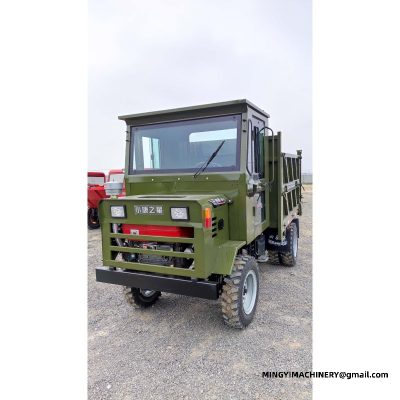
Hydraulic power steering is fitted throughout and is what lets the driver thread a loaded machine between stumps without fighting the wheel all day. The two-person comfort seat carries a second worker to the landing, which saves a separate trip in a forest where movement is slow. Cab choice follows the season: the 11.Luxury and the 8.Luxury use an enclosed cab, and the 15.Standard and 23.Upgraded a simple cab for dry, warm work. Pick the cab for the worst weather the crew will work in, not for the best day the season has to offer.
The suspension carries the body and everything in it, and a forestry load is never gentle. Heavy-duty leaf springs on the 11.Luxury and the 8.Luxury take the working load of a body filled to the rails, and the same springs keep the axles planted when the ground is uneven. Springs that are under-spec let the body rock and work the frame until a crack starts. On a forest route the suspension is earning its keep on every metre, so this is a line on the sheet to spend rather than save. It is also where an overloaded machine shows up first.
Twin-battery electric start is standard on all four configurations, and it matters most when the machine has sat all night in the open. A single battery gives a weak crank on a cold engine and soon refuses, while the paired batteries turn it over and fire it first time. A forestry vehicle parked at the landing is usually a long way from a charger or a second machine, so the difference is a late start against a clean one. The extra battery also carries the lights and the idle load between runs. For a crew that starts before sunrise, this is a detail that earns its keep every cold season.
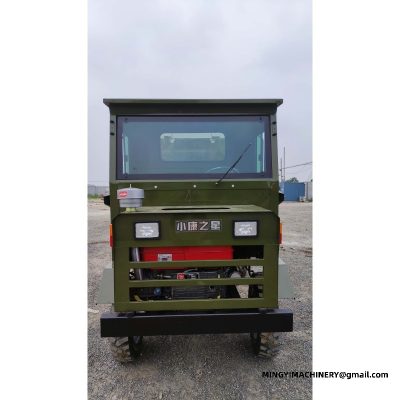
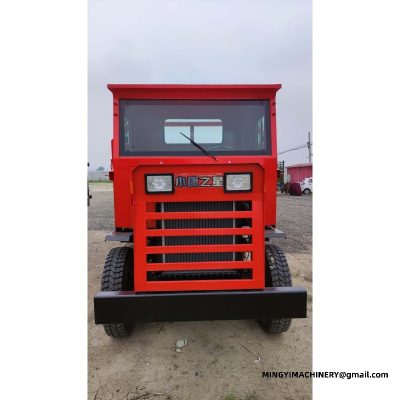
The bonnet shape is partly a preference and partly a clearance question, and it is worth settling before the machine is built. The 11.Luxury and the 8.Luxury use a square-nose bonnet, and the 15.Standard a round-nose, which sits slightly lower in the front and can suit work under low branches. The choice rarely changes how the machine performs, but it can change how easy it is to open the engine bay for the daily checks in the field. Tell the factory which side the driver services the machine from, and the bonnet decision mostly makes itself.
To land on the right build, describe the work rather than the machine. The three things that matter are the fullest body you will run, the softest patch on the route, and how far the load travels, and from those the factory can name the configuration without guessing. When the choice is close, favour the heavier rear axle and the 80 x 180 mm frame, since a forestry vehicle that is under-built at the back will spend its life in the shop. Send the worst-case figures, not the average, and the sheet writes itself without a second round of questions.
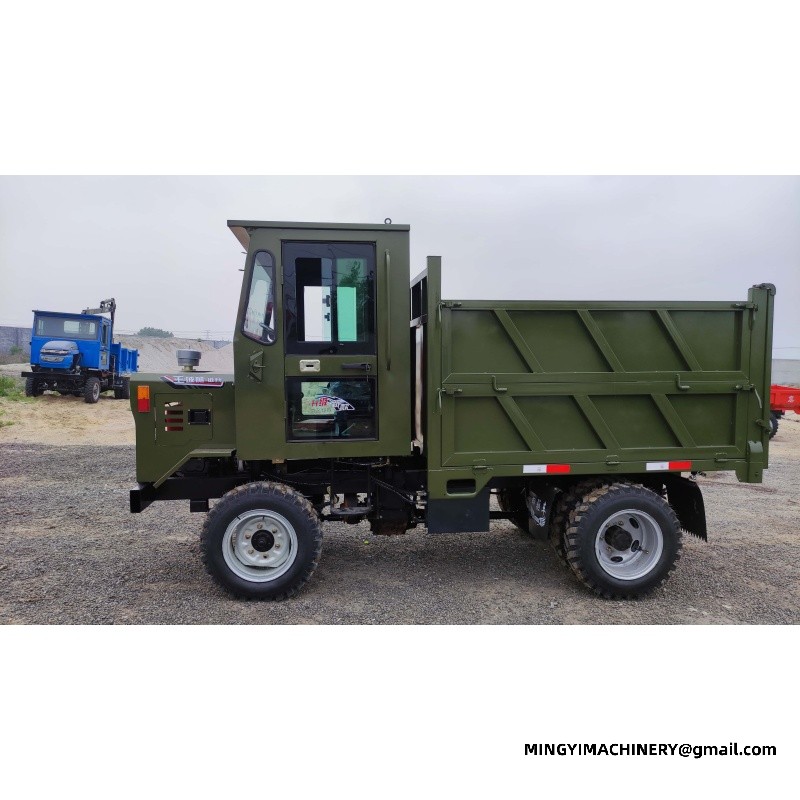
| # | 11.Luxury | 15.Standard | 23.Upgraded | 8.Luxury |
|---|---|---|---|---|
| 1 | Single-cylinder diesel engine, 32 hp | Four-cylinder 490 diesel engine | Four-cylinder 4108 turbocharged diesel engine | Single-cylinder diesel engine, 28 hp |
| 2 | Part-time gearbox, selectable 2WD/4WD | Full-time gearbox with four-wheel drive | Model 140 part-time gearbox, selectable 2WD/4WD | Part-time gearbox, selectable 2WD/4WD |
| 3 | High/low range with crawler gear | High/low range with crawler gear | High/low range with crawler gear | High/low range with crawler gear |
| 4 | Enclosed cab | Simple cab | Simple cab | Enclosed cab |
| 5 | Six 700-16 mountain tyres | Oil brakes | Six 825R16 steel-belted radial tyres | Six 700-16 mountain tyres |
| 6 | Model 212 front axle | Four 700-16 mountain tyres | Reinforced ISUZU-pattern front axle | Model 212 front axle |
| 7 | Model 130 rear axle | Front axle 212 | Reinforced 1080 rear axle | Model 130 rear axle |
| 8 | Air cut-off brakes | Rear axle 130 | Air cut-off brakes | Air cut-off brakes |
| 9 | Reinforced 60 x 140 mm square tube frame | Reinforced 60 x 140 mm square tube frame | Reinforced 80 x 180 mm square tube frame | Reinforced 60 x 140 mm square tube frame |
| 10 | Rear body 2.2 m long x 1.5 m wide x 0.45 m high | Rear body 2.2 m long x 1.5 m wide x 0.45 m high | Rear body 3.0 m long x 2.2 m wide x 0.45 m high | Rear body 2.2 m long x 1.5 m wide x 0.45 m high |
| 11 | Tailgate with self-dumping function | Tailgate with self-dumping function | Tailgate with self-dumping function | Tailgate with self-dumping function |
| 12 | Side-opening rear body tailgate | Hydraulic power steering | Hydraulic power steering | Side-opening rear body tailgate |
| 13 | Hydraulic power steering | Twin hydraulic rams | Twin hydraulic rams | Hydraulic power steering |
| 14 | Twin hydraulic rams | Two-person comfort seat | Two-person comfort seat | Twin hydraulic rams |
| 15 | Two-person comfort seat | Twin-battery electric start | Heavy-duty leaf springs | Two-person comfort seat |
| 16 | Heavy-duty leaf springs | Round-nose bonnet | Twin-battery electric start | Heavy-duty leaf springs |
| 17 | Twin-battery electric start | — | Square-nose bonnet | Twin-battery electric start |
| 18 | Square-nose bonnet | — | — | Square-nose bonnet |
For a specification discussion or a build sheet for this forestry transport vehicle, contact mingyimachinery@gmail.com or reach us on LINE (ID: mingyicn).









