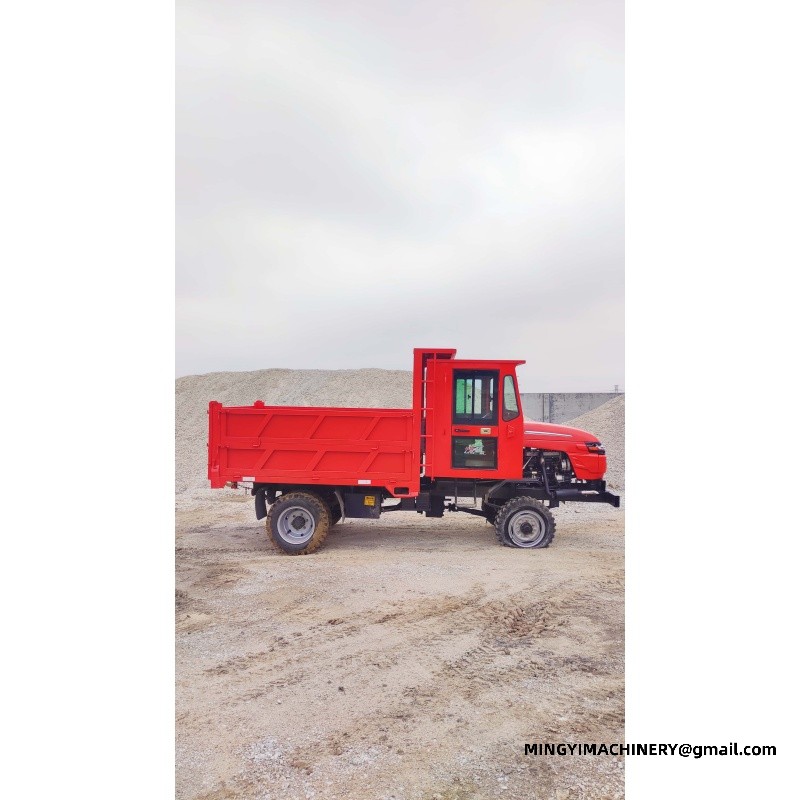
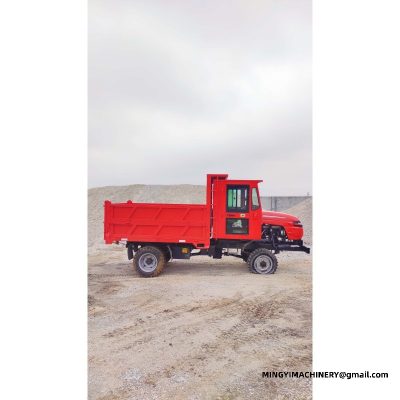
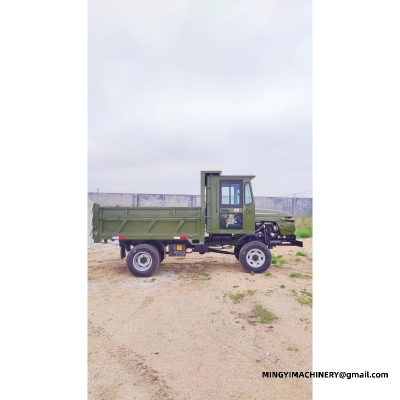
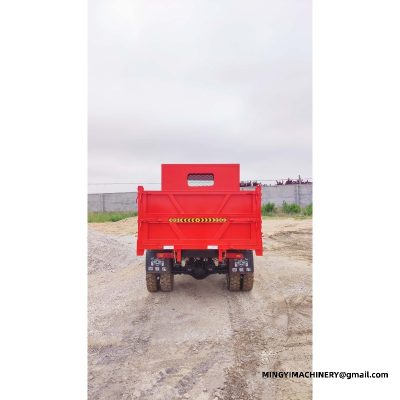
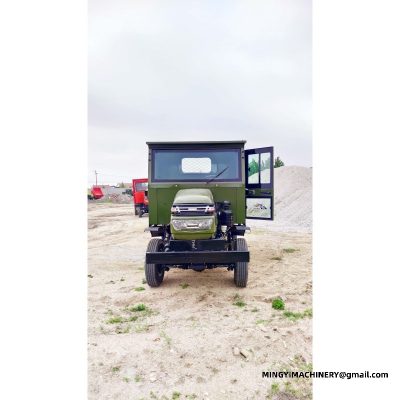
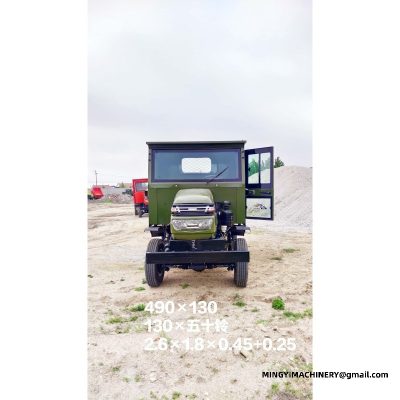
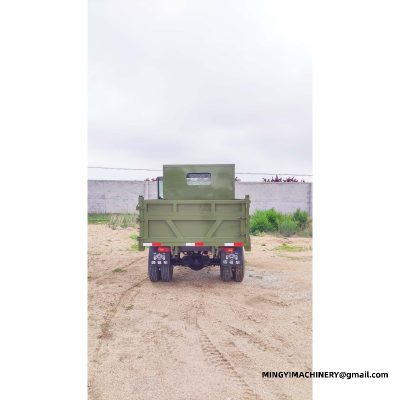
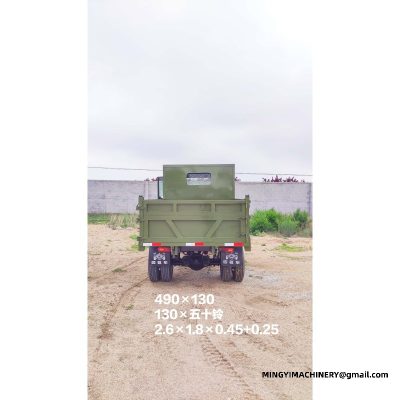
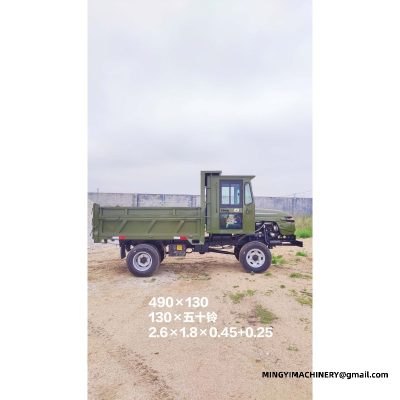
The range covered here includes the dumper in the configurations that are built and shipped. Rather than repeat a specification table on its own, the sections below explain what each figure means in use and where the trade-offs sit.
Drum bodies need power and stability. This class of machine set up for concrete has to carry the drum, the load and the water, and the frame and brakes should be specified for that combined weight. Cleaning and discharge are part of the job. The unit in daily use used for concrete is judged on how quickly it can discharge and wash out, because that turnaround is what the site is paying for.
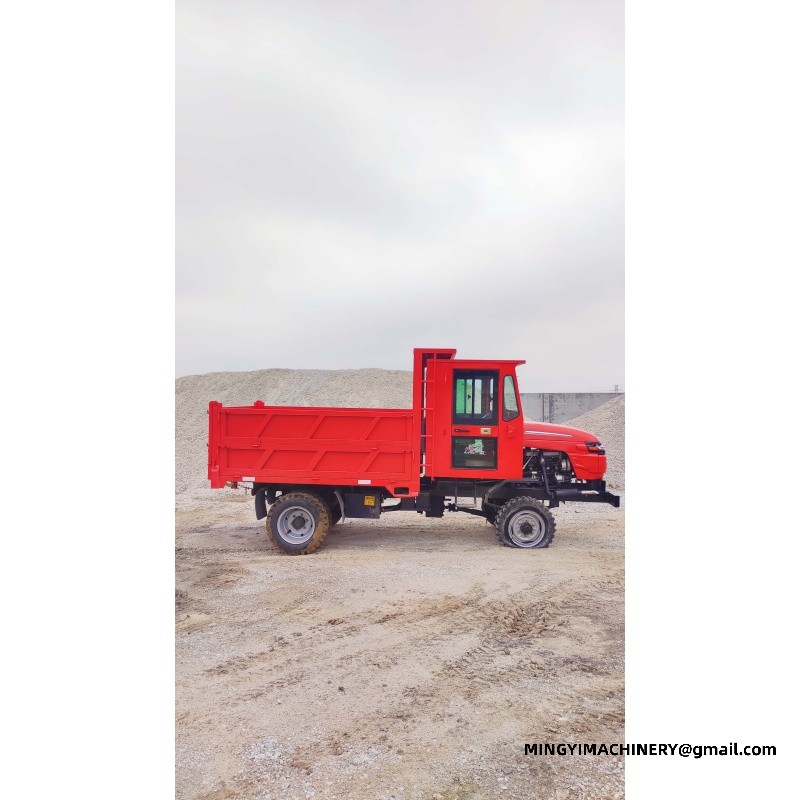
Water is heavy and it moves. Baffles and sensible speeds matter on a machine of this size with a tank body, and the specification should reflect the ground the vehicle will cross rather than only the volume needed. Dust control work is repetitive and time-critical. The equipment on site with the right tank and spray arrangement covers more ground per shift, which is usually the point of the exercise.
Abrasive conditions shorten service intervals. Air filters, seals and any exposed sliding surface on the machine itself need attention more often in dusty or muddy work, and the extra checks prevent far more wear than the time they take. Cleaning is maintenance, not appearance. Washing the cooling surfaces and clearing packed material from the model in question keeps temperatures where they should be and makes the next inspection quicker and more useful. Sealed points and guarded areas deserve a look in these conditions. The machine in that duty working in abrasive dust benefits from checked boots, intact guards and clean breathers, all of which are quick to verify.
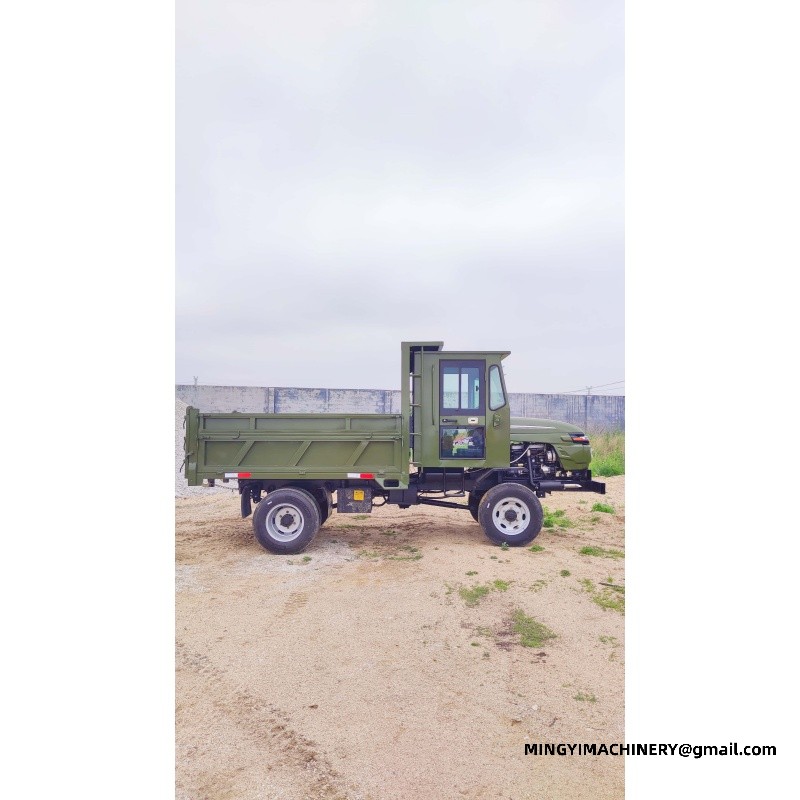
The order should state the configuration in writing. Engine, attachments, colour, documents and any market requirement are clearer on the build sheet for the unit on the job than in a conversation after delivery.
Customisation should still be limited to what the work needs. Each addition to a machine built for the work is another item to maintain, so the useful question is not what can be added but what the job list actually requires.
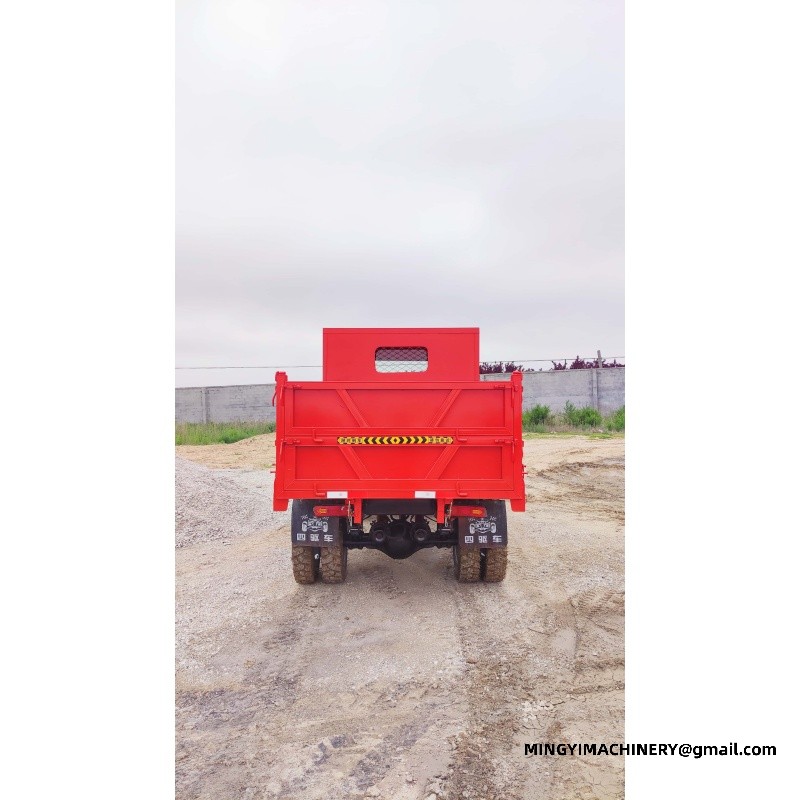
Certain parts are designed to be consumed. Knowing which items on the equipment in service are wearing parts, and roughly how long they last in the duty the machine sees, turns replacement into a plan rather than a breakdown.
Farm work is seasonal and varied. The dumper that hauls feed in one month and muck or aggregate in the next earns its place by being usable across the year rather than by being optimised for one task. Farm users also value simplicity. This class of machine that can be serviced in the yard with common tools and common parts suits a farm better than one that needs a dealer visit for routine work.
Fuel is usually the largest controllable running demand. Operating style, correct tyre or track condition and a clean air supply all move consumption on the unit in daily use by more than most buyers expect. Consumption is best measured over a full week rather than judged per hour. Idle time, repositioning and waiting for other trades are often the largest share of the fuel a machine of this size burns on a site.
Owners who work across several sites should check the transport dimensions before ordering. The machine itself that fits a standard trailer can be moved by any operator with a suitable vehicle, while an over-width machine narrows that choice and complicates every move.
Body size is a compromise with access. A larger body on the machine in that duty carries more per trip but needs more room to turn and tip, so the useful question is how many trips the route allows rather than how much it holds.
Handover should include the documents as well as the keys. Parts list, service schedule and the operator notes for a machine built for the work are what the workshop needs in month six, and they are much harder to obtain later. Keeping the manuals where they can be reached matters. The equipment in service whose documents stay with the machine gets serviced on schedule; one whose paperwork was filed elsewhere tends to run on memory instead.
Most owners find that the second attachment changes how often the machine is used. This class of machine that was bought for one task often becomes the general machine on site once a second tool is available.
Standardising where possible simplifies everything downstream. When several units of a machine of this size share a service schedule and a parts list, the fleet becomes easier to plan and easier to sell on at replacement time.
Reconfiguration can extend the useful life of a machine. The machine itself that no longer suits the current work may suit it again with a different attachment, guarding or control arrangement. Upgrades should be checked against the base machine. Hydraulic capacity, mounting interface and stability all limit what can reasonably be added to the model in question, and confirming those limits avoids an unsatisfactory result.
The honest payload figure comes from the duty. The unit on the job working a smooth haul road carries differently from one crossing ruts and gradients, and the conservative number is the one that keeps the machine working.
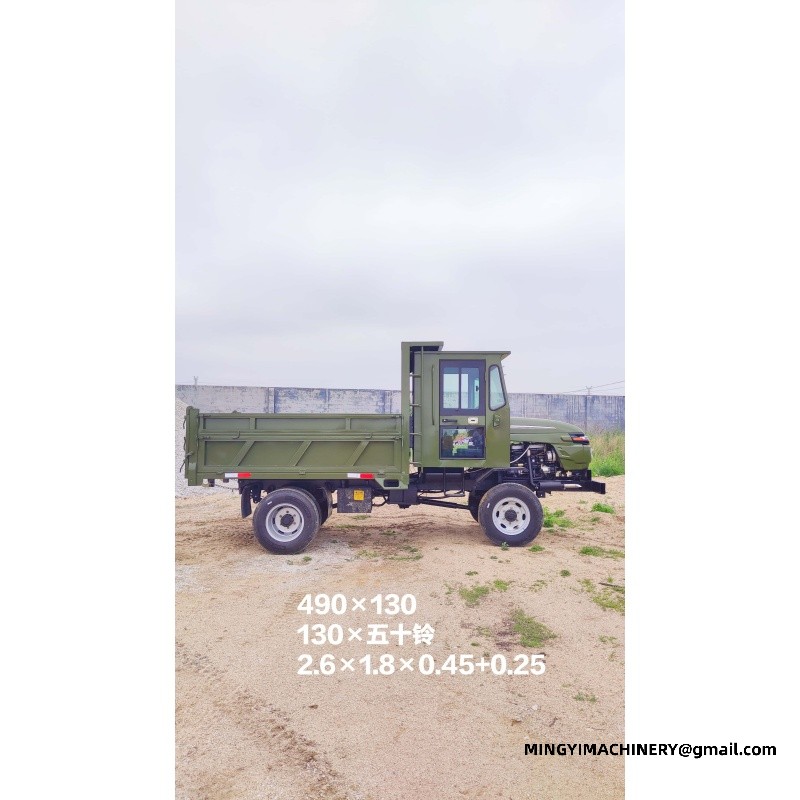
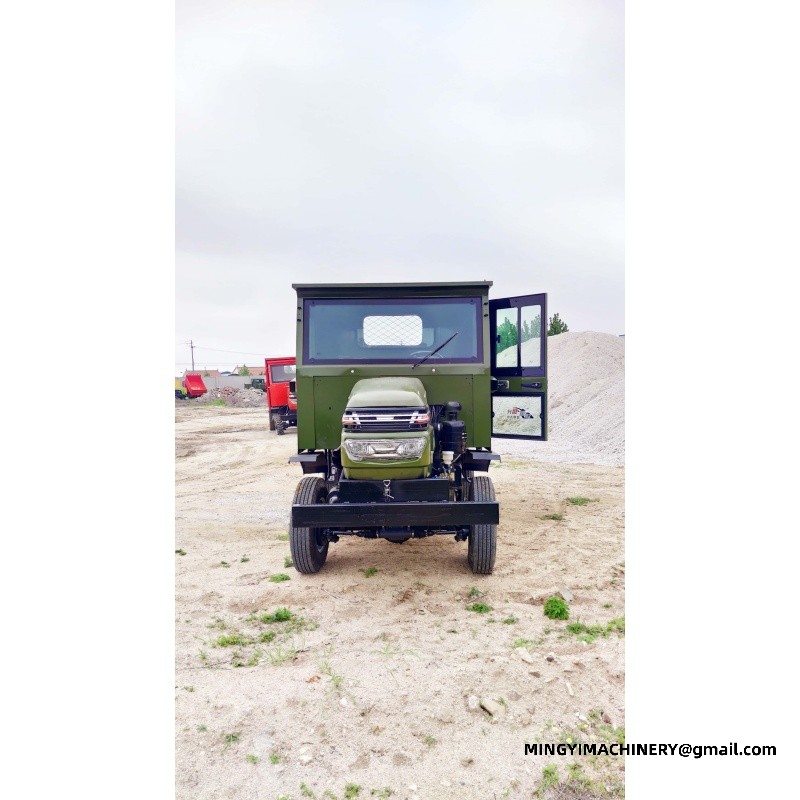
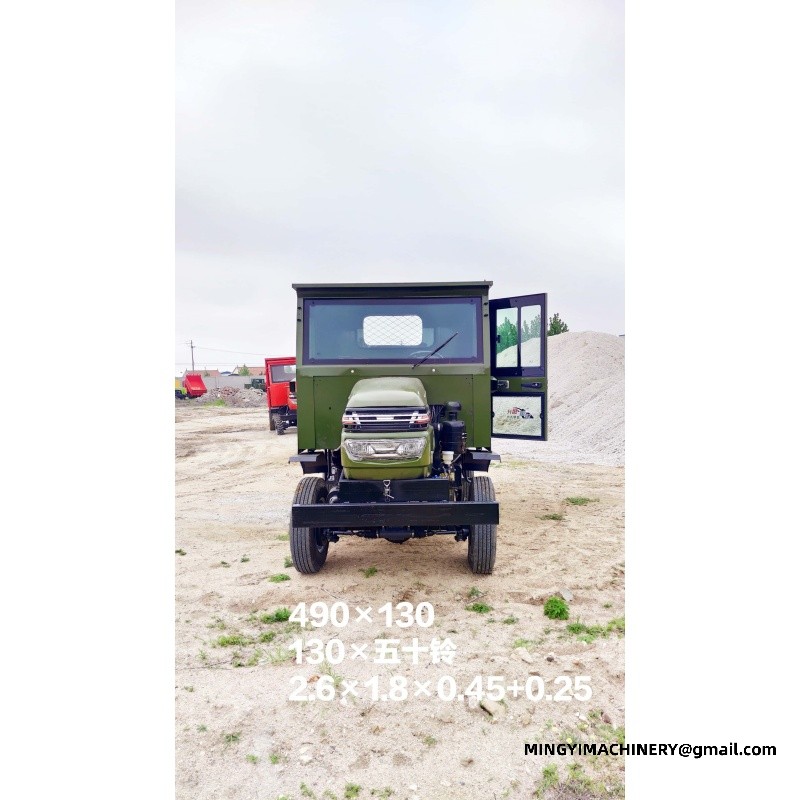
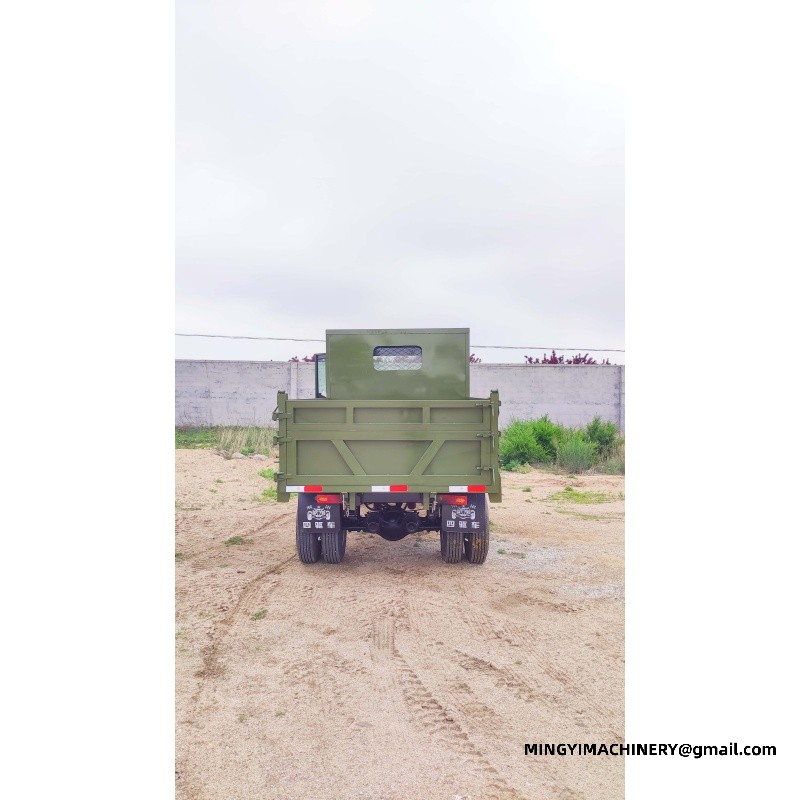
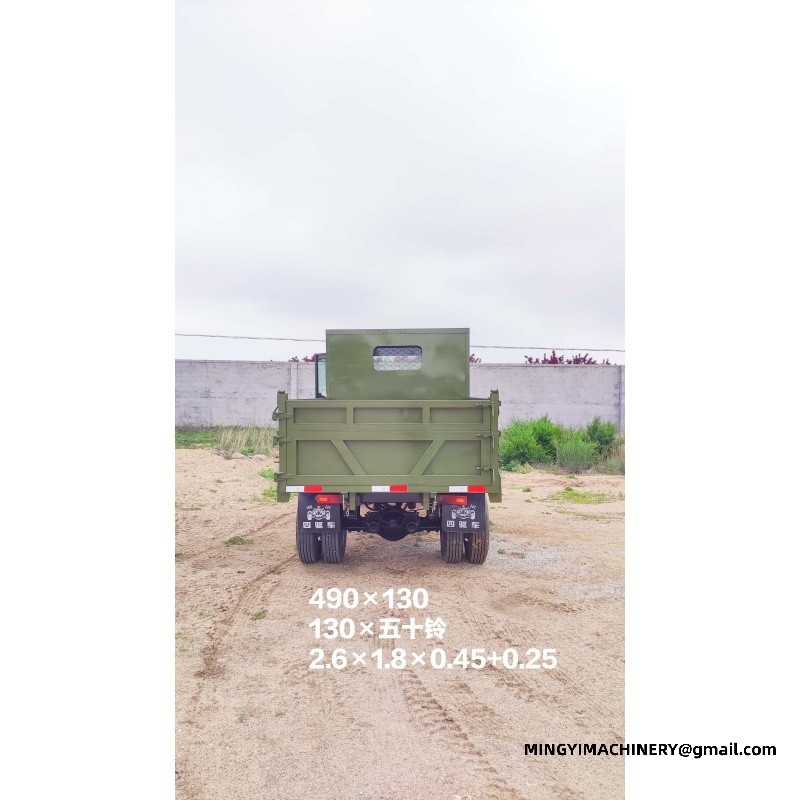
The configurations below are the build sheets most often matched to the equipment in service. Engine, gearbox, axles, frame and body dimensions are confirmed together, because the body size and the axle rating have to suit the load before the engine rating matters.
| # | 11.Luxury | 13.Upgraded | 16.Upgraded | 19.Upgraded |
|---|---|---|---|---|
| 1 | Single-cylinder diesel engine, 32 hp | Two-cylinder diesel engine, 38 hp | Four-cylinder 490 diesel engine | Four-cylinder 4102 turbocharged diesel engine |
| 2 | Part-time gearbox, selectable 2WD/4WD | Full-time gearbox with four-wheel drive | Full-time gearbox with four-wheel drive | Model 140 part-time gearbox with four-wheel drive |
| 3 | High/low range with crawler gear | High/low range with crawler gear | High/low range with crawler gear | High/low range with crawler gear |
| 4 | Enclosed cab | Front axle clutch | Fully enclosed cab | Fully enclosed cab |
| 5 | Six 700-16 mountain tyres | Fully enclosed cab | Oil brakes | Six 750R16 steel-belted radial tyres |
| 6 | Model 212 front axle | Oil brakes | Six 700-16 mountain tyres | Reinforced ISUZU-pattern front axle |
| 7 | Model 130 rear axle | Four 700-16 mountain tyres | Front axle 212 | Reinforced 1061 rear axle |
| 8 | Air cut-off brakes | Front axle 212 | Rear axle 130 | Air cut-off brakes |
| 9 | Reinforced 60 x 140 mm square tube frame | Rear axle 130 | Reinforced 60 x 140 mm square tube frame | Reinforced 80 x 180 mm square tube frame |
| 10 | Rear body 2.2 m long x 1.5 m wide x 0.45 m high | Reinforced 60 x 140 mm square tube frame | Rear body 2.2 m long x 1.5 m wide x 0.45 m high | Rear body 3.0 m long x 2.1 m wide x 0.45 m high |
| 11 | Tailgate with self-dumping function | Rear body 2.2 m long x 1.5 m wide x 0.45 m high | Tailgate with self-dumping function | Tailgate with self-dumping function |
| 12 | Side-opening rear body tailgate | Tailgate with self-dumping function | Hydraulic power steering | Side-opening rear body tailgate with cab ladder |
| 13 | Hydraulic power steering | Hydraulic power steering | Twin hydraulic rams | Hydraulic power steering |
| 14 | Twin hydraulic rams | Twin hydraulic rams | Two-person comfort seat | Twin hydraulic rams |
| 15 | Two-person comfort seat | Two-person comfort seat | Twin-battery electric start | Two-person comfort seat |
| 16 | Heavy-duty leaf springs | Twin-battery electric start | Round-nose bonnet | Thickened heavy-duty leaf springs |
| 17 | Twin-battery electric start | Round-nose bonnet | — | Twin-battery electric start |
| 18 | Square-nose bonnet | — | — | Square-nose bonnet |
Transport shakes things loose. A short check of this class of machine after the crate is opened, covering the same points the pre-delivery inspection covered, is the most useful insurance available on delivery day.
How a machine travels decides how it starts on arrival. Securing a machine of this size against movement, protecting the exposed cylinders and keeping the battery and fluids in the right state for the voyage all belong to the packing list.
Securing the load is not optional. Lashing the machine itself at the points intended for it, checking the tension before the vehicle moves and rechecking after the first kilometres is standard practice rather than extra care.
Workload is rarely even across the year, and the machine should be specified for the busy weeks. The machine in that duty sized only for the average month will be the limiting factor exactly when the work is worth the most.
Fluid quality is a storage problem before it is a machine problem. Water and sediment in a drum will find the injection system of a machine built for the work eventually, and a settling period is nothing compared with a pump.
Tropical operation is a specification question as much as a maintenance one. The cooling capacity, the sealing and the corrosion protection fitted to the dumper are what make the difference once the ambient temperature rises.
Rubber, seals and hoses age whether the machine works or not. Keeping the unit in daily use out of direct sun and off damp ground slows that, and running it briefly at intervals keeps everything moving.
Familiarisation is not the same as reading the manual. Sitting on the equipment on site, working through the controls at low speed and learning where the machine balances takes an hour, and that hour is what keeps the first week uneventful.
Every line above is a build item rather than an optional extra, and the final sheet for the machine itself is confirmed against the destination, the ground and the load before production.
E-mail:sales@mingycn.com
LINE(ID):mingyicn









