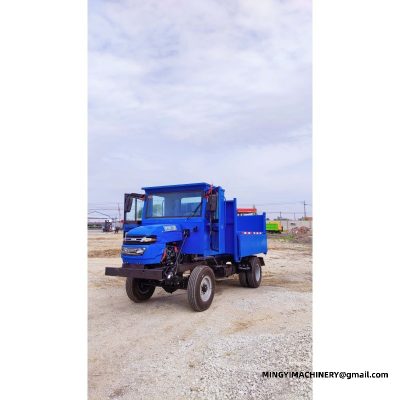
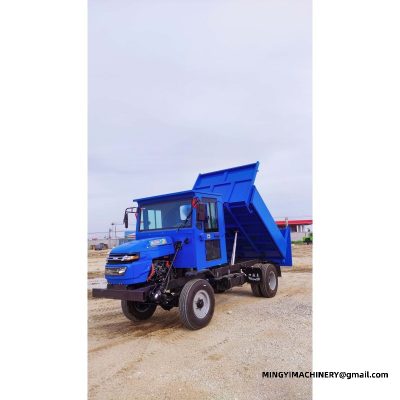
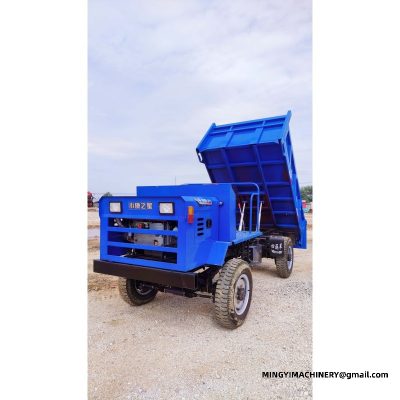
There is a version of the dumper for almost every site, and the differences are practical rather than cosmetic. What follows is organised the way a specification is actually settled: the job first, then the ground, then the machine, then the paperwork.
Descending matters as much as climbing. A loaded this class of machine on a steep gradient needs engine braking and brakes in good order, and the safe practice is to plan the descent before the load rather than during it.
Cold changes how a machine starts and how it warms up. Allowing the unit in daily use to reach operating temperature before loading it, and using the correct grade of oil and fuel for the season, prevents most cold-start problems.
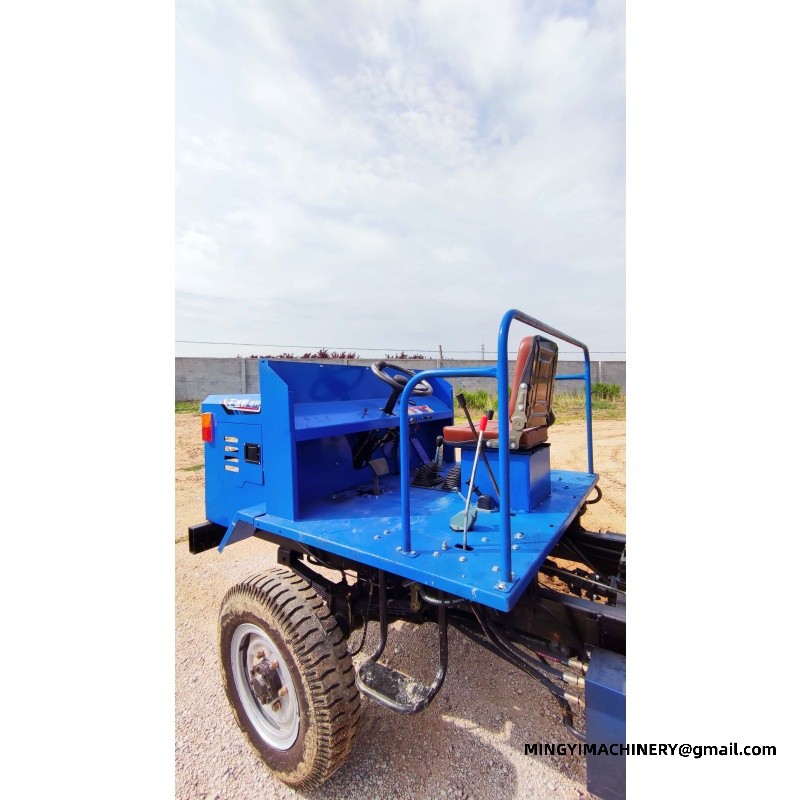
The decision is economic as well as technical. Comparing the work of reconfiguring a machine of this size against a different machine is a short calculation that usually gives a clear answer.
Warranty terms are clearer when they are read before purchase. Knowing what is covered, what counts as a wearing item and what documentation is required makes a claim on the equipment on site straightforward rather than contested. Early faults are usually simple. The machine itself that behaves differently in its first few hours is more often mis-set than defective, and a call to the supplier at that point usually resolves it the same day.
Cleaning is maintenance, not appearance. Washing the cooling surfaces and clearing packed material from the model in question keeps temperatures where they should be and makes the next inspection quicker and more useful.
Parts availability usually decides the engine and the brand. A machine built around components the local network already carries is serviced from stock, which is the difference between a day lost and a week lost. Remote diagnosis shortens most faults. A walk-around on video with the panels open often identifies the cause on the machine in that duty without waiting for a visit, and avoids shipping a part that turns out not to be needed.
Machine productivity depends on what happens around it. Deliveries, other trades and the sequence of work decide how much of the shift the unit on the job spends actually working rather than waiting. Access and storage are worth settling early. Where a machine built for the work will be parked, refuelled and serviced on site affects the working day more than most specification details, and it takes nothing to plan.
Lead time is part of the specification. Confirming build time, shipping method and what is included before ordering the equipment in service prevents the common gap between when the machine is needed and when it can arrive.
Wear rate follows conditions far more than hours. This class of machine working on abrasive ground or in mud will consume undercarriage or tyre life much faster than the same machine on clean ground. Replacing wear items early is usually simpler. Worn components on the unit in daily use load the parts they run against, so a worn part left too long often becomes a major repair.
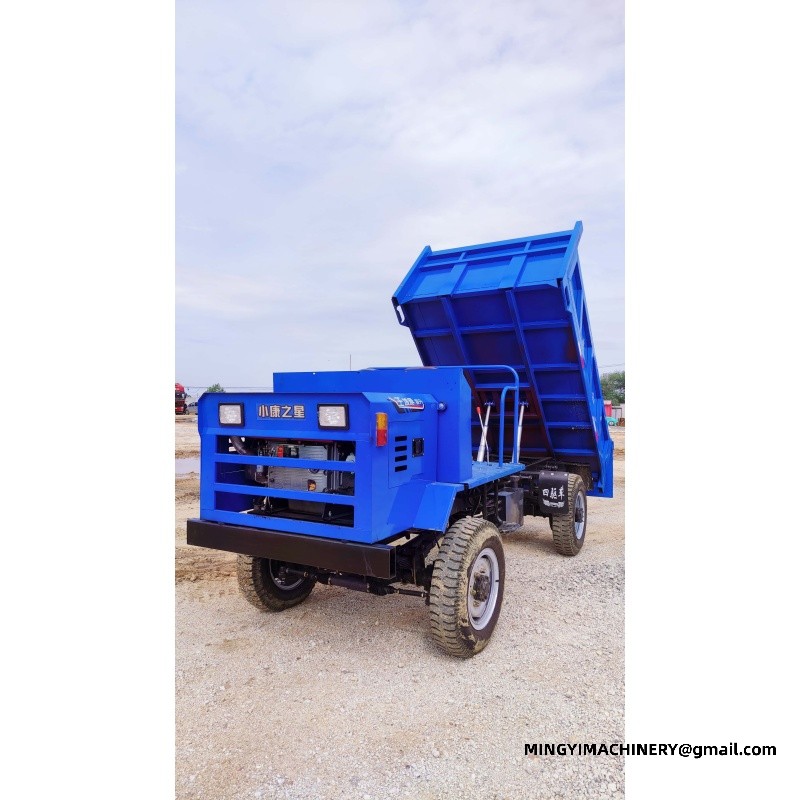
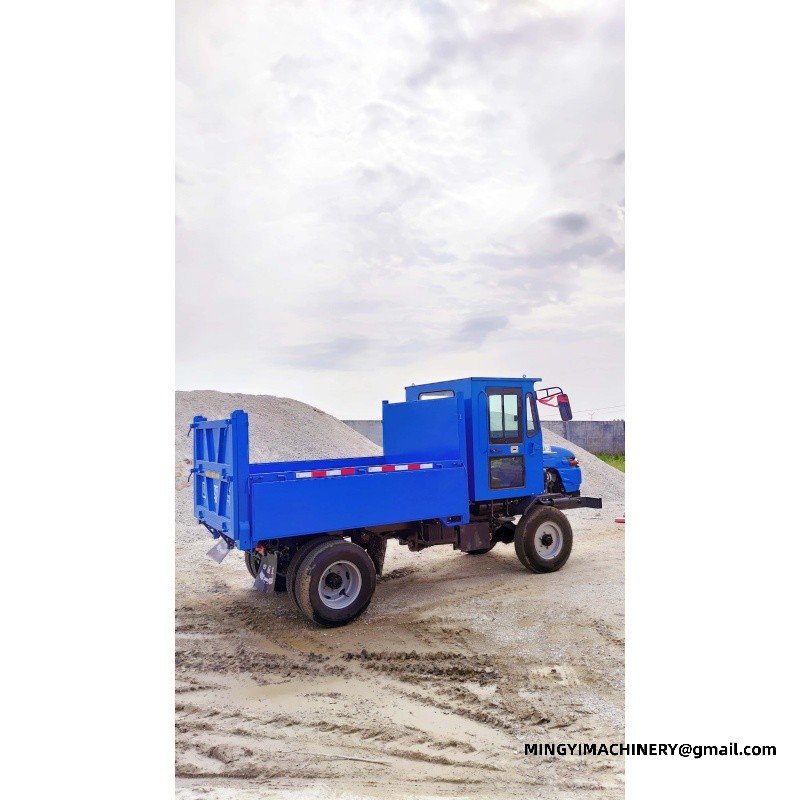
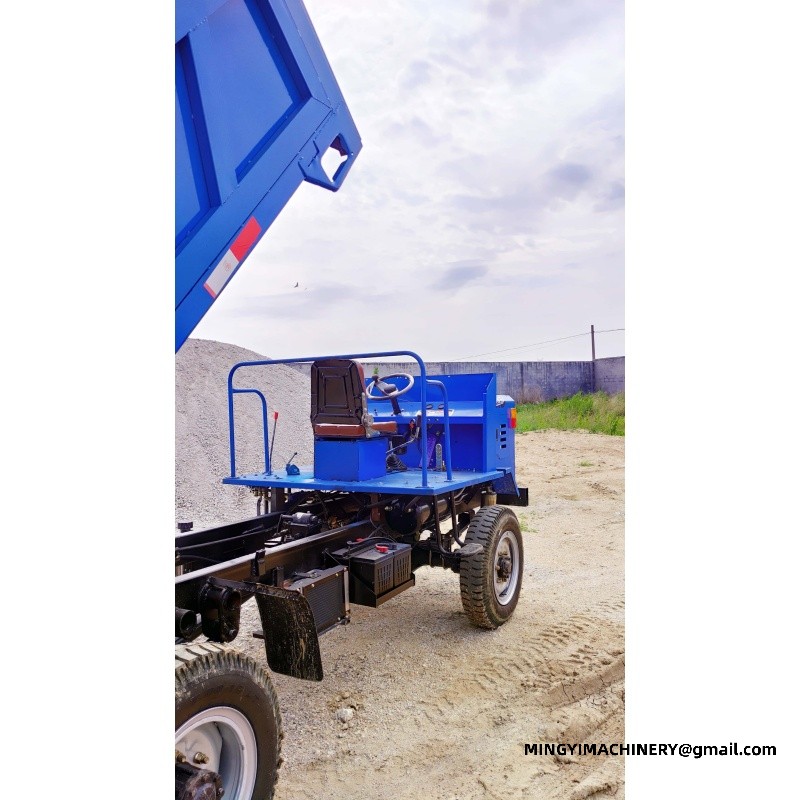
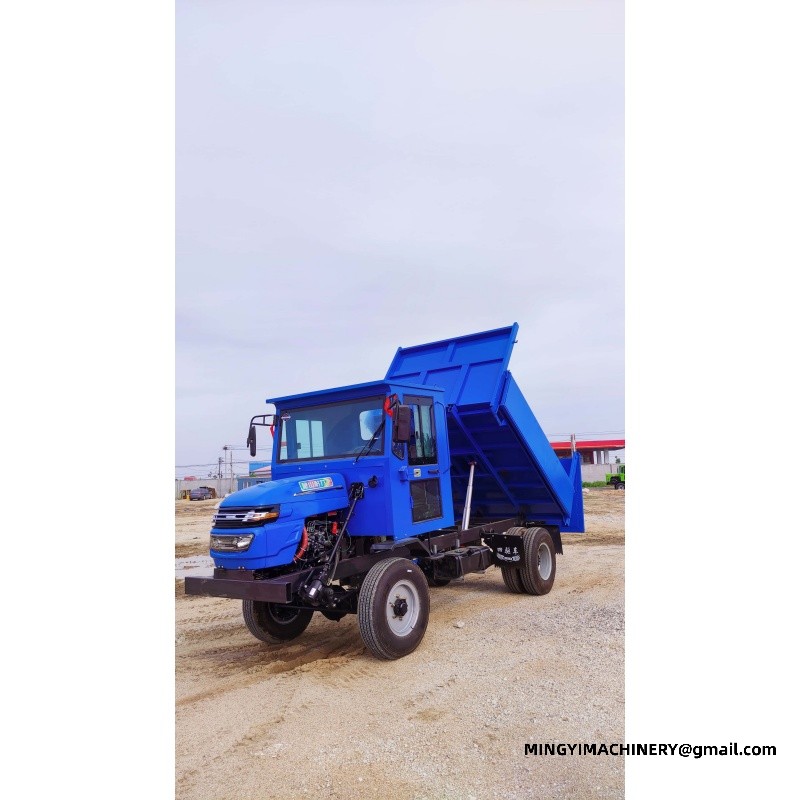
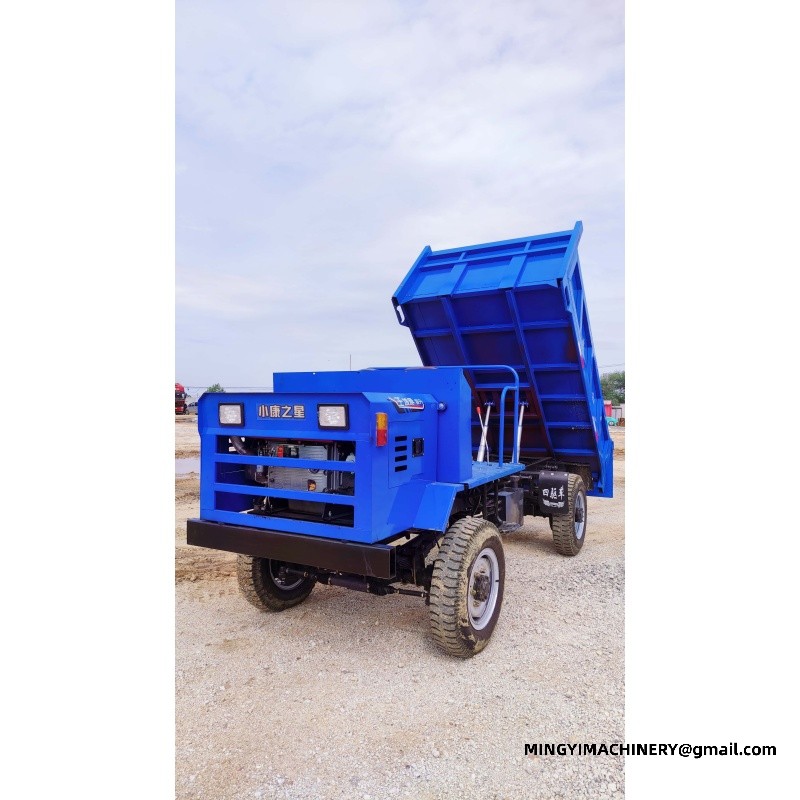
The tipping body is the part that does the work. The equipment on site specified with twin hydraulic rams and a tailgate that opens under load unloads in one pass, which matters more on a short haul than top speed does. Unloading method should follow the material. Wet spoil, aggregate and green timber behave differently in the body, and matching the body and tailgate arrangement to the load is what keeps the machine itself cycling rather than being hand-cleared.
Quarry and tunnel work is hard on vehicles. Abrasive dust, sharp material and continuous loading mean the machine in that duty in this duty needs attention to filtration, body wear and brake condition far more often. Size matters underground. Overall height and width decide whether the unit on the job can work in a tunnel at all, and those dimensions are the first thing to confirm rather than the last. Haul cycles in a quarry are short and repetitive. A machine built for the work specified for that pattern benefits from a body that dumps cleanly and quickly, because the time saved per cycle is the whole allowance.
Hour planning helps at resale as well. The dumper with a recorded service history and a sensible hour count is easier to sell than one with the same hours and no records, whatever its condition.
The working surface should be surveyed before a machine of this size is specified. A machine that is stable on compacted gravel can be unusable on the same site after rain, and the difference shows up as lost days rather than as a fault. Traction and flotation are two separate questions. The unit in daily use may have the power for a slope and still not have the grip, so the surface, not the engine rating, is usually what limits the working day.
The base machine is only as useful as the tool on the end of it. Matching the attachment to the task - rather than to what arrived with the machine - is what lets one the machine itself cover several jobs across a week. Attachment decisions are best made before delivery. Specifying hydraulics and couplers at build time is simpler than adding them later, and it avoids the downtime of a workshop visit in the first month.
Export orders add steps that domestic buyers never see. Packed dimensions, securing points, documentation and any dismantling required are all settled before the machine in that duty leaves the factory, and each one affects the freight booking. Documentation should be agreed at order stage. The commercial invoice, packing list and any certificate required at destination are part of shipping the unit on the job, and missing papers delay clearance longer than the voyage takes.
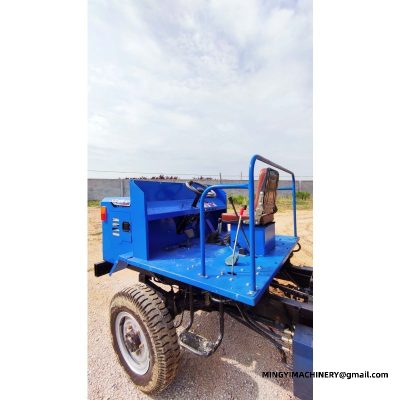
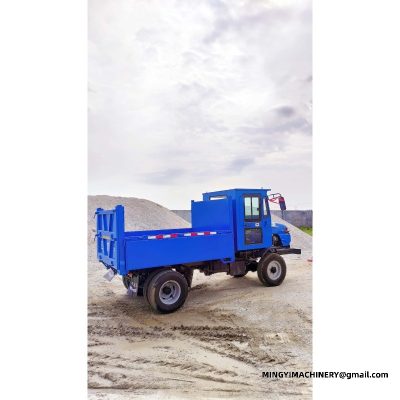
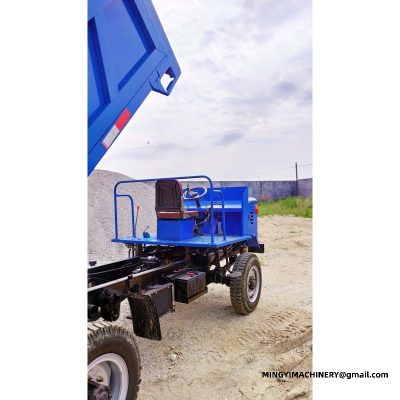
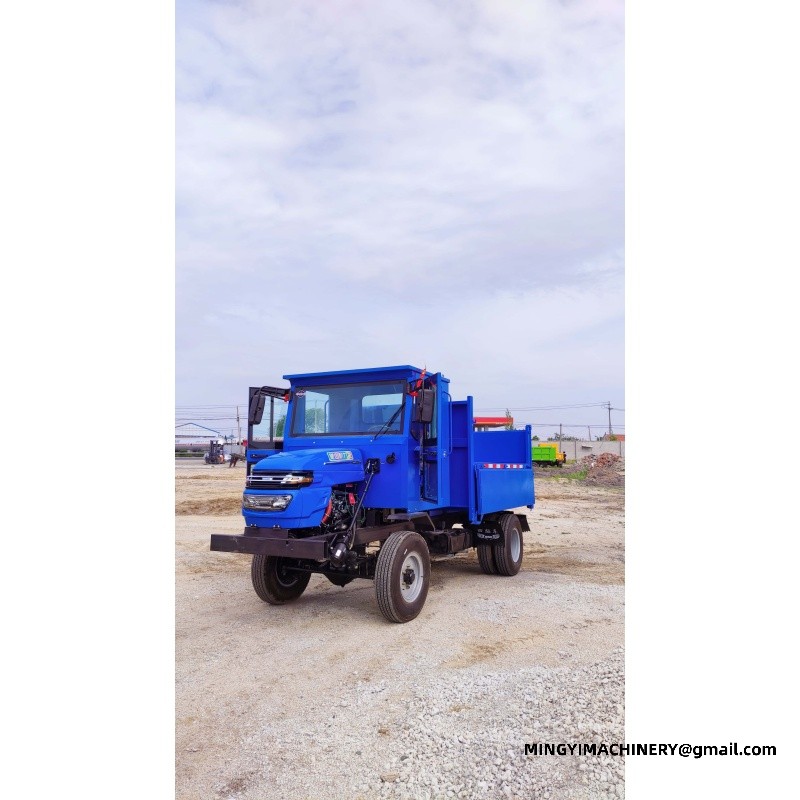
The configurations below are the build sheets most often matched to the equipment in service. Engine, gearbox, axles, frame and body dimensions are confirmed together, because the body size and the axle rating have to suit the load before the engine rating matters.
| # | 11.Luxury | 14.Luxury | 3.Standard | 6.Standard |
|---|---|---|---|---|
| 1 | Single-cylinder diesel engine, 32 hp | Two-cylinder diesel engine, 38 hp | Single-cylinder diesel engine, 25 hp | Single-cylinder diesel engine, 28 hp |
| 2 | Part-time gearbox, selectable 2WD/4WD | Part-time gearbox, selectable 2WD/4WD | Full-time gearbox with four-wheel drive | Full-time gearbox with four-wheel drive |
| 3 | High/low range with crawler gear | High/low range with crawler gear | High/low range with crawler gear | High/low range with crawler gear |
| 4 | Enclosed cab | Enclosed cab | Simple cab | Simple cab |
| 5 | Six 700-16 mountain tyres | Six 700-16 mountain tyres | Oil brakes | Oil brakes |
| 6 | Model 212 front axle | Model 212 front axle | Four 700-16 mountain tyres | Four 700-16 mountain tyres |
| 7 | Model 130 rear axle | Reinforced 130 rear axle | Front axle 212 | Front axle 212 |
| 8 | Air cut-off brakes | Air cut-off brakes | Rear axle 130 | Rear axle 130 |
| 9 | Reinforced 60 x 140 mm square tube frame | Reinforced 60 x 140 mm square tube frame | Reinforced 60 x 140 mm square tube frame | Reinforced 60 x 140 mm square tube frame |
| 10 | Rear body 2.2 m long x 1.5 m wide x 0.45 m high | Rear body 2.2 m long x 1.5 m wide x 0.45 m high | Rear body 2.2 m long x 1.5 m wide x 0.45 m high | Rear body 2.2 m long x 1.5 m wide x 0.45 m high |
| 11 | Tailgate with self-dumping function | Tailgate with self-dumping function | Tailgate with self-dumping function | Tailgate with self-dumping function |
| 12 | Side-opening rear body tailgate | Side-opening rear body tailgate | Hydraulic power steering | Hydraulic power steering |
| 13 | Hydraulic power steering | Hydraulic power steering | Twin hydraulic rams | Twin hydraulic rams |
| 14 | Twin hydraulic rams | Twin hydraulic rams | Two-person comfort seat | Two-person comfort seat |
| 15 | Two-person comfort seat | Heavy-duty leaf springs | Twin-battery electric start | Twin-battery electric start |
| 16 | Heavy-duty leaf springs | Two-person comfort seat | Square-nose bonnet | Square-nose bonnet |
| 17 | Twin-battery electric start | Twin-battery electric start | — | — |
| 18 | Square-nose bonnet | Round-nose bonnet | — | — |
Standing still is harder on a machine than working. Preparing this class of machine for a long idle period means clean fluids, a charged battery and protection for the exposed surfaces, because neglect is not the same as rest.
Retrofitting is limited by the base machine. Before anything is added to a machine of this size the hydraulic flow, the mounting interface and the stability allowance have to be checked, because those limits are what decide what is sensible.
Winter is hard on rubber and on seals as much as on the engine. Parking the machine itself under cover, keeping the tracks or tyres off standing water and checking the hoses for cracking are all part of the season.
Training is simpler than repair. An hour spent with a new operator on the machine in that duty, covering the limits and the awkward cases, is the least lengthy hour in the whole ownership.
Commissioning is where the specification meets the ground. The settings chosen for a machine built for the work are confirmed against the actual site, and the working pattern is adjusted before the machine is asked for a full day.
Operators who come from a different machine need a short conversion. The controls on the dumper follow the usual pattern, but the response, the sightlines and the stopping distance are learned by doing rather than by reading.
A spares list should follow the duty cycle. The unit in daily use working every day in abrasive dust consumes filters and cutting edges far faster than the same machine used once a week, and the shelf should be stocked for the harder case.
Every line above is a build item rather than an optional extra, and the final sheet for a machine of this size is confirmed against the destination, the ground and the load before production.
E-mail:sales@mingycn.com
LINE(ID):mingyicn









