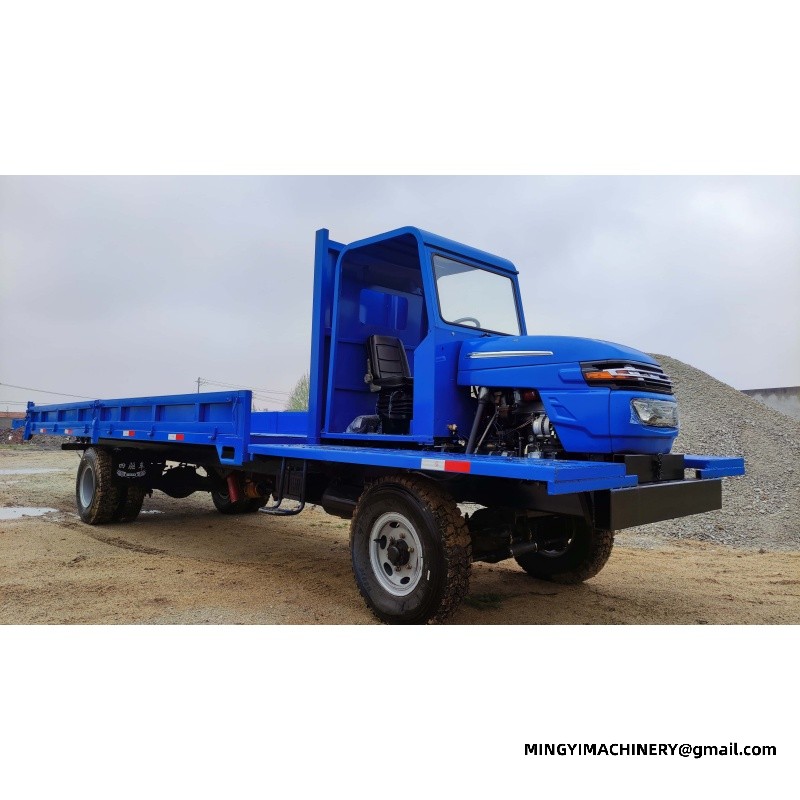
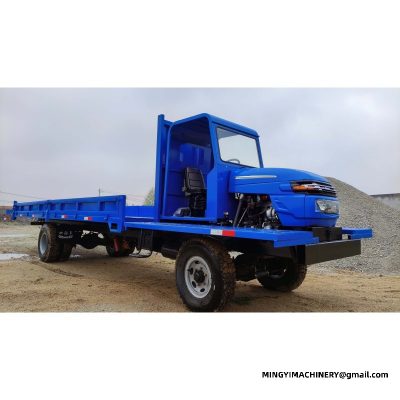
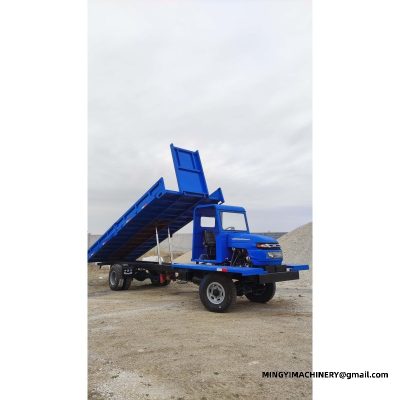
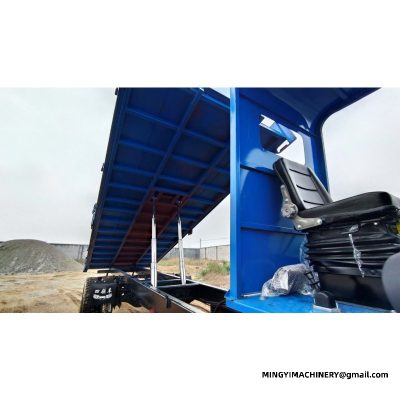
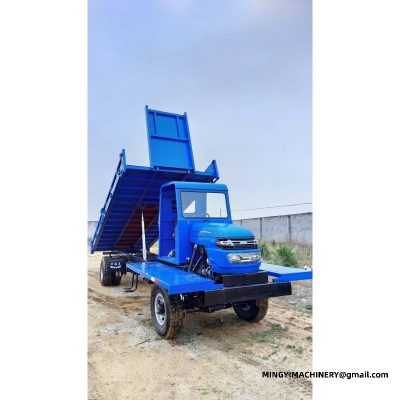
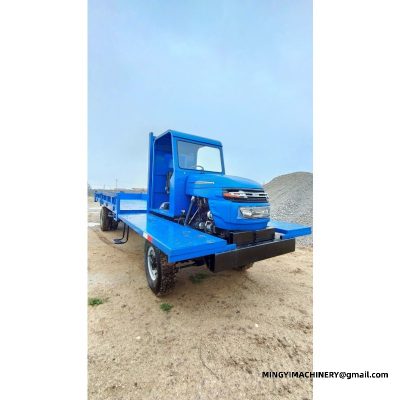
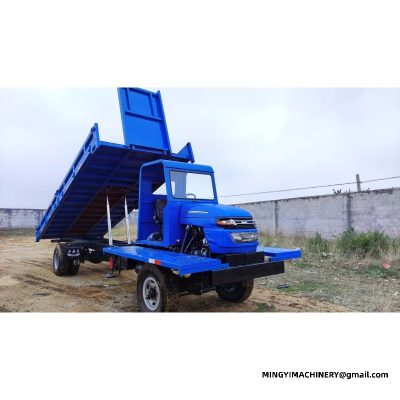
Most enquiries about the dumper start with a job rather than a machine. Someone has a site, a material and a deadline, and the specification follows from those three. This page works back from the job to the build sheet.
Replacement timing is a planning decision. Knowing the intended working life of this class of machine lets an owner sell while the machine still has value rather than after a major repair becomes due.
Payload is limited by the axles and the frame before it is limited by the body volume. Specifying the unit in daily use against the material density gives a realistic figure, because a body that looks half full can already be at its limit with rock. Loading method affects the machine as much as the load does. Material dropped from height into a machine of this size shocks the frame and the body floor, while material placed evenly spreads the load and extends body life.
Handover should include the documents as well as the keys. Parts list, service schedule and the operator notes for the equipment on site are what the workshop needs in month six, and they are much harder to obtain later. Keeping the manuals where they can be reached matters. The machine itself whose documents stay with the machine gets serviced on schedule; one whose paperwork was filed elsewhere tends to run on memory instead.
Working after daylight changes the risk. Lighting coverage on the machine in that duty and across the working area, plus high-visibility clothing for anyone on foot, are the items that make low-light work practical. Visibility from the seat is different at night. Reflections, shadows and glare all hide detail, so the model in question used after dark benefits from clean lenses, working wipers and a slower working pace. Planning helps more than extra lamps. Positioning the unit on the job so that the work is lit from the machine side, and keeping the route clear, does more for safety than adding light to a badly planned task.
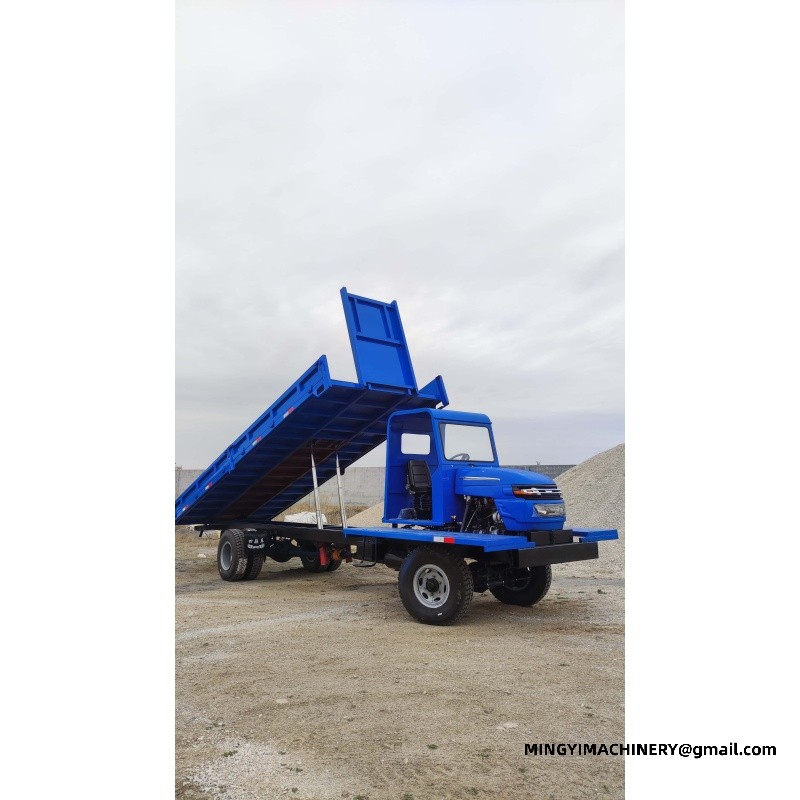
Ground and gradient together set the limit. Loose surface on a slope reduces what a machine built for the work can pull regardless of engine power, so the surface survey belongs before the specification.
Duty cycle is the honest measure of a machine. The equipment in service working a few hours a week has different needs from one working two shifts, and the cooling, filtration and service intervals should follow the hours rather than the calendar. Seasonal work changes the maintenance calendar. Machines that work hard for two months and stand for ten need preparation before storage and a check before returning to work, and both are simpler than the repairs they prevent. Hour planning helps at resale as well. The dumper with a recorded service history and a sensible hour count is easier to sell than one with the same hours and no records, whatever its condition.
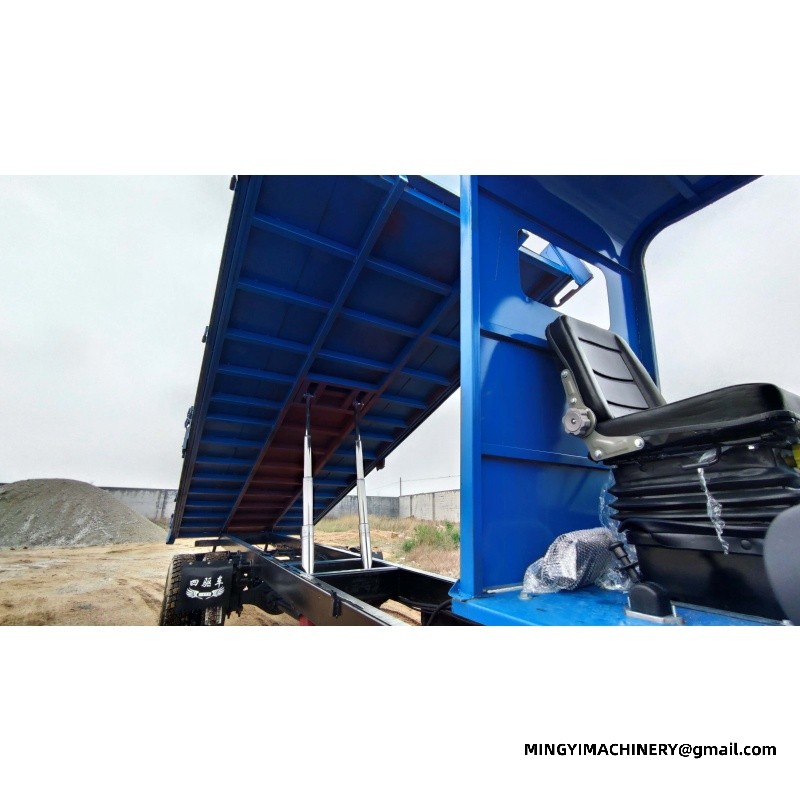
The specification should be written from the job backwards. Listing the loads, the ground and the hours first, then matching this class of machine to that list, avoids buying capacity the work never uses and avoids discovering a shortfall in the first week.
Certain parts are designed to be consumed. Knowing which items on the unit in daily use are wearing parts, and roughly how long they last in the duty the machine sees, turns replacement into a plan rather than a breakdown.
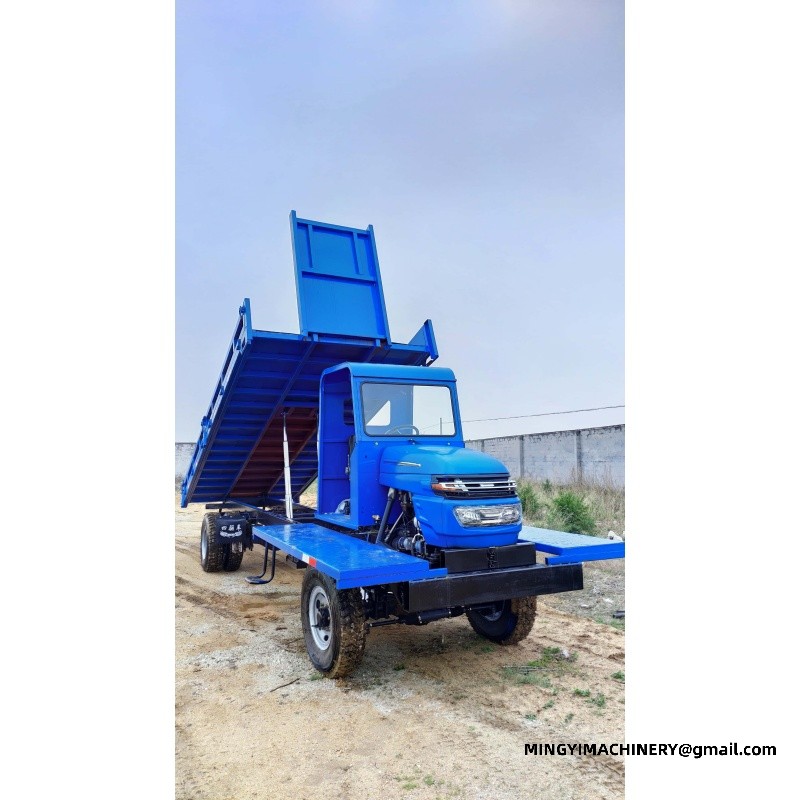
Sequencing avoids rework. Doing the work in the order that suits the ground and the following trades keeps the equipment on site productive and prevents finishing a task that then has to be opened up again.
Haul cycles in a quarry are short and repetitive. The model in question specified for that pattern benefits from a body that dumps cleanly and quickly, because the time saved per cycle is the whole allowance.
Cold changes how a machine starts and how it warms up. Allowing the unit on the job to reach operating temperature before loading it, and using the correct grade of oil and fuel for the season, prevents most cold-start problems. Batteries and fluids are the parts that notice the cold first. A machine built for the work kept on a maintainer through a freezing spell starts on the first turn, while one left standing is the usual cause of a lost morning. Low temperatures also make materials behave differently. Ground that is frozen hard in the morning can be soft by midday, and planning the sequence around that is easier than fighting it with the equipment in service.
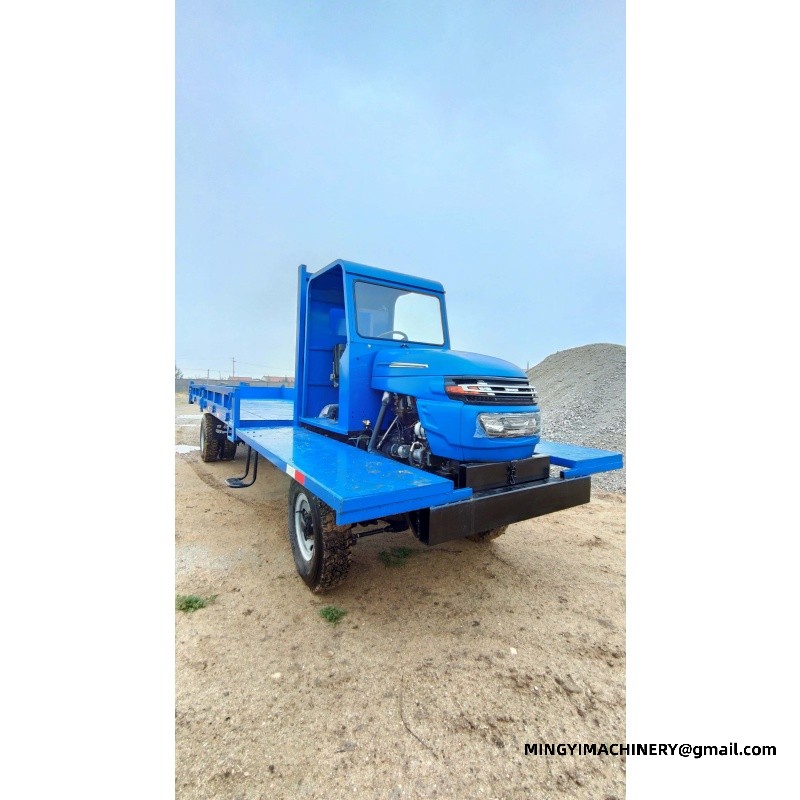
Parts availability usually decides the engine and the brand. A machine built around components the local network already carries is serviced from stock, which is the difference between a day lost and a week lost. Remote diagnosis shortens most faults. A walk-around on video with the panels open often identifies the cause on this class of machine without waiting for a visit, and avoids shipping a part that turns out not to be needed.
Access tracks in forestry are narrow, soft and often steep. A machine of this size chosen for that work is chosen for the track, and the body, cab and tyre specification follow from the route rather than from the load alone.
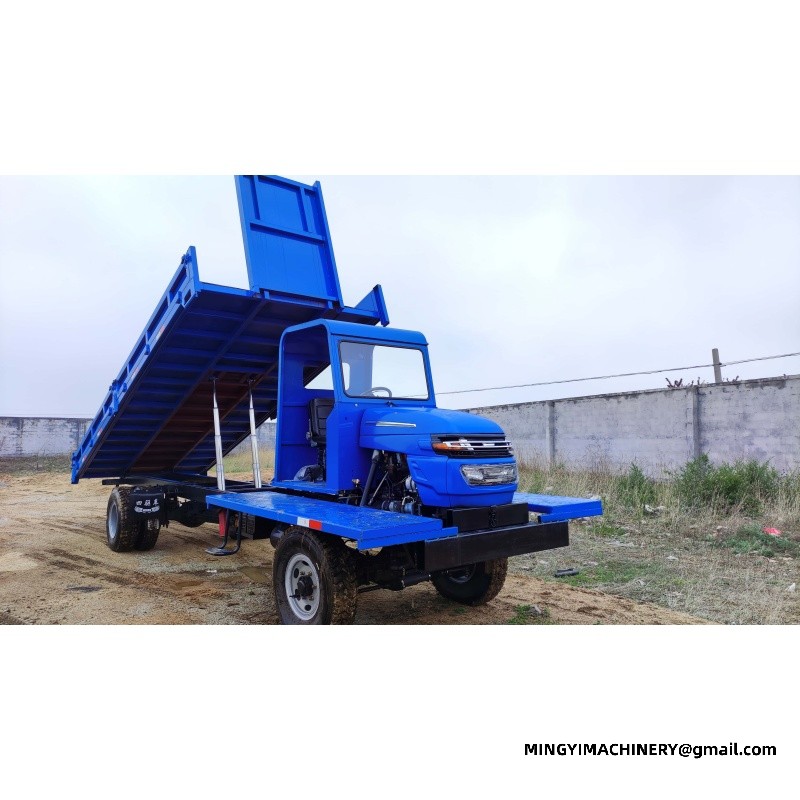
Owners who work across several sites should check the transport dimensions before ordering. The machine itself that fits a standard trailer can be moved by any operator with a suitable vehicle, while an over-width machine narrows that choice and complicates every move.
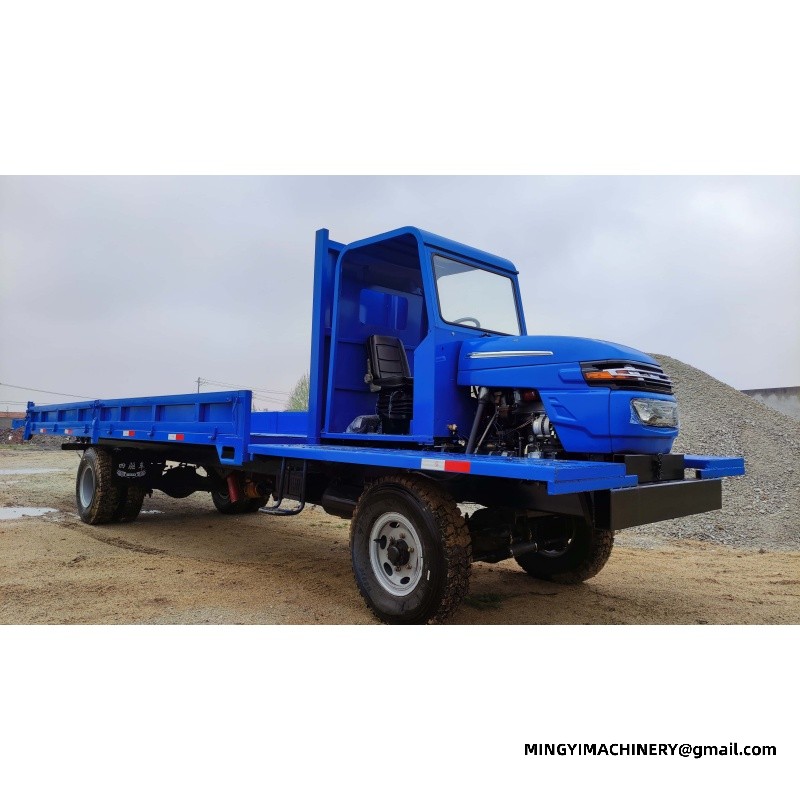
The configurations below are the build sheets most often matched to the machine in that duty. Engine, gearbox, axles, frame and body dimensions are confirmed together, because the body size and the axle rating have to suit the load before the engine rating matters.
| # | 18.Standard | 20.Luxury | 24.Luxury | 4.Upgraded |
|---|---|---|---|---|
| 1 | Four-cylinder 4102 turbocharged diesel engine | Four-cylinder 4102 turbocharged diesel engine | Four-cylinder 4108 turbocharged diesel engine | Single-cylinder diesel engine, 25 hp |
| 2 | Model 140 part-time gearbox with four-wheel drive | Model 140 part-time gearbox with four-wheel drive | Model 145 part-time gearbox, selectable 2WD/4WD | Full-time gearbox with four-wheel drive |
| 3 | High/low range with crawler gear | High/low range with crawler gear | High/low range with crawler gear | High/low range with crawler gear |
| 4 | Simple cab | Fully enclosed cab | Fully enclosed cab | Front axle clutch |
| 5 | Oil brakes | Six 825R16 steel-belted radial tyres | Six 825R16 steel-belted radial tyres | Fully enclosed cab |
| 6 | Six 700-16 mountain tyres | Reinforced ISUZU-pattern front axle | Reinforced ISUZU-pattern front axle | Oil brakes |
| 7 | Reinforced ISUZU-pattern front axle | Reinforced 1080 rear axle | Reinforced 1080 rear axle | Four 700-16 mountain tyres |
| 8 | Reinforced 1061 rear axle | Air cut-off brakes | Air cut-off brakes | Front axle 212 |
| 9 | Reinforced 80 x 180 mm square tube frame | Reinforced 80 x 180 mm square tube frame | Reinforced 80 x 180 mm square tube frame | Rear axle 130 |
| 10 | Rear body 2.2 m long x 2.1 m wide x 0.45 m high | Rear body 3.0 m long x 2.2 m wide x 0.45 m high | Rear body 3.0 m long x 2.2 m wide x 0.45 m high | Reinforced 60 x 140 mm square tube frame |
| 11 | Tailgate with self-dumping function | Tailgate with self-dumping function | Tailgate with self-dumping function | Rear body 2.2 m long x 1.5 m wide x 0.45 m high |
| 12 | Hydraulic power steering | Side-opening rear body tailgate with cab ladder | Side-opening rear body tailgate with cab ladder | Tailgate with self-dumping function |
| 13 | Twin hydraulic rams | Hydraulic power steering | Hydraulic power steering | Hydraulic power steering |
| 14 | Two-person comfort seat | Twin hydraulic rams | Twin hydraulic rams | Twin hydraulic rams |
| 15 | Twin-battery electric start | Two-person comfort seat | Two-person comfort seat | Two-person comfort seat |
| 16 | Square-nose bonnet | Heavy-duty thickened leaf springs | Heavy-duty leaf springs | Twin-battery electric start |
| 17 | — | Twin-battery electric start | Twin-battery electric start | Square-nose bonnet |
| 18 | — | Square-nose bonnet | Square-nose bonnet | — |
| 19 | — | Four-cylinder 4105 turbocharged | — | — |
| 20 | — | Four-cylinder 4108 turbocharged | — | — |
| 21 | — | Single-cylinder engine, 25 hp | — | — |
| 22 | — | Single-cylinder engine, 28 hp | — | — |
| 23 | — | Single-cylinder engine, 32 hp | — | — |
| 24 | — | Two-cylinder engine, 38 hp | — | — |
| 25 | — | Four-cylinder 490 engine | — | — |
| 26 | — | Four-cylinder 4102 turbocharged engine | — | — |
Temperature and pressure are the two things worth watching. A machine built for the work that runs hotter than it used to, or whose pressure has drifted, is reporting a problem that is still simple to fix.
The calendar decides more than the specification does. Planning when the dumper will be working, when it will be serviced and when it can be spared keeps the maintenance out of the weeks that matter.
Documentation should match the machine that was actually built. The sheet supplied with the unit in daily use records the configuration as delivered, because the generic catalogue description is not what the customer needs when ordering a part.
Holding spares is about downtime rather than the shelf itself. The question for the equipment on site is not how large the part is but how long the machine sits while it is found, and a small shelf answers that better than a fast courier.
The machine should be introduced to the site as well as the operator. Walking the route the model in question will take, noting the soft spots and the turns, prevents the kind of first-day incident that has nothing to do with the machine.
Different operators suit different work. The person who is quickest with the unit on the job on open ground is not always the one who is safest in a confined space, and having both available is a genuine advantage.
Export packing is part of the machine, not an afterthought. The equipment in service is blocked and braced inside the container so that it arrives in the same condition it left, and the load plan is decided by the dimensions rather than by what fits loosely.
Every line above is a build item rather than an optional extra, and the final sheet for the dumper is confirmed against the destination, the ground and the load before production.
E-mail:sales@mingycn.com
LINE(ID):mingyicn









