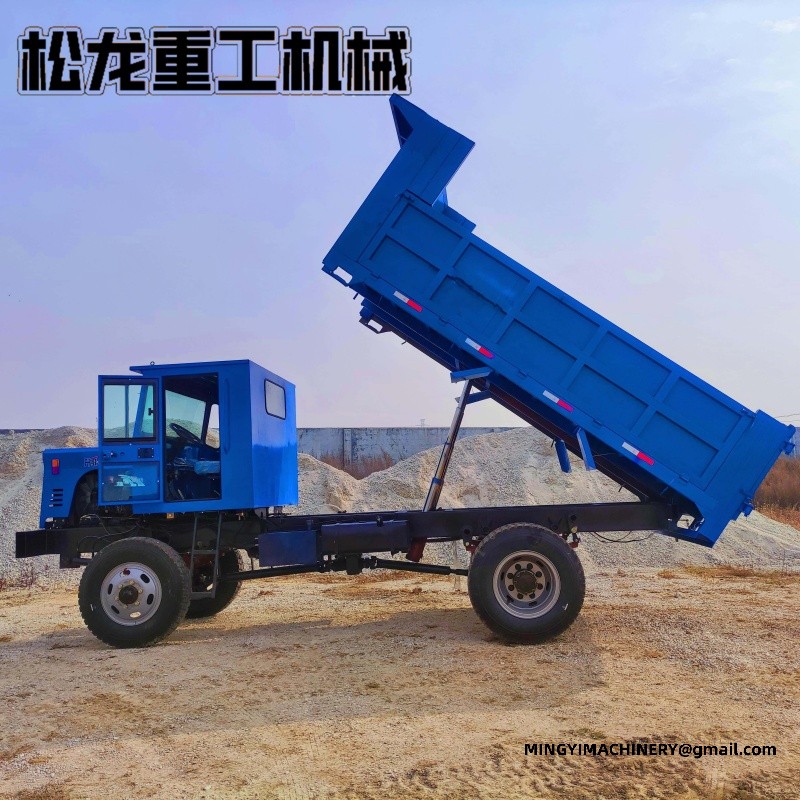
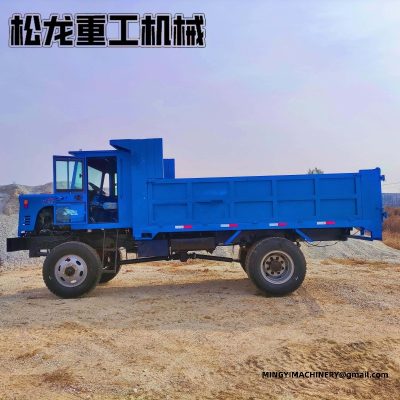
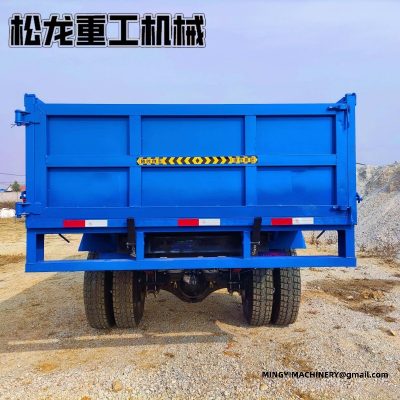
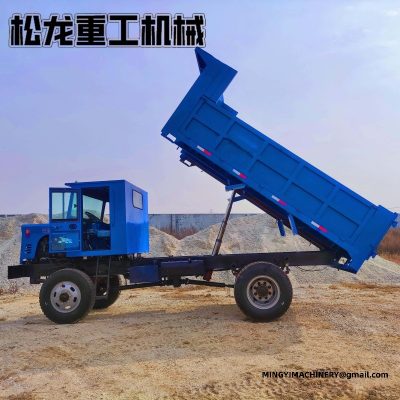
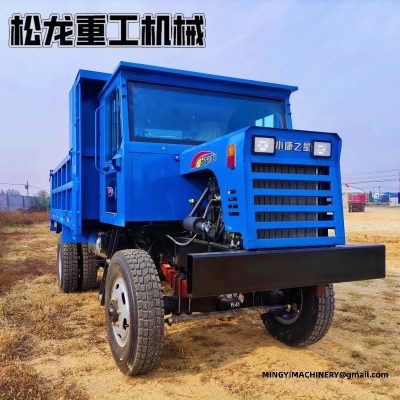
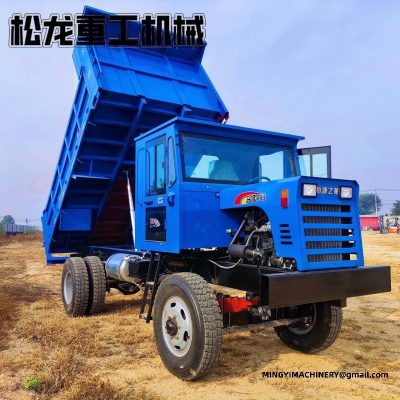
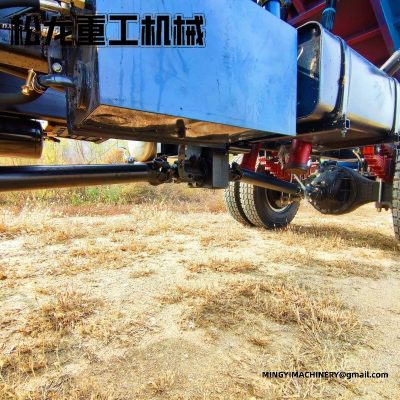
This page covers the dumper for buyers who already know the job and now need the machine. It sets out what the build includes, what can be changed, what the operator should expect in the first weeks and what the service schedule looks like.
Recovering a stuck vehicle takes longer than preventing it. Planning the route, avoiding the worst ground and knowing where the class of machine will turn is what keeps a soft-ground job productive.
Carrying concrete changes the duty entirely. The unit in daily use with a mixer drum is working against the clock, and the specification follows the delivery distance and the site access rather than the load alone. Drum bodies need power and stability. A machine of this size set up for concrete has to carry the drum, the load and the water, and the frame and brakes should be specified for that combined weight.
Size matters underground. Overall height and width decide whether the equipment on site can work in a tunnel at all, and those dimensions are the first thing to confirm rather than the last. Haul cycles in a quarry are short and repetitive. The machine itself specified for that pattern benefits from a body that dumps cleanly and quickly, because the time saved per cycle is the whole allowance.
A short familiarisation session prevents the early faults. Most first-month problems on the model in question come from unfamiliarity with controls, limits or checks rather than from the machine itself.
The specification should be written from the job backwards. Listing the loads, the ground and the hours first, then matching the unit on the job to that list, avoids buying capacity the work never uses and avoids discovering a shortfall in the first week. Buyers who specify a machine built for the work on paper before enquiring get specifications that can be compared. Without that list, two suppliers will propose two different machines and the simpler one is usually the smaller one, not the better value. A written duty list is the simplest part of the purchase. It takes an hour to note the material, the distance, the gradient and the hours per week, and it is what turns the machine in that duty enquiry into a machine that fits.
Fuel is usually the largest controllable running demand. Operating style, correct tyre or track condition and a clean air supply all move consumption on the equipment in service by more than most buyers expect. Consumption is best measured over a full week rather than judged per hour. Idle time, repositioning and waiting for other trades are often the largest share of the fuel the dumper burns on a site.
Owners who work across several sites should check the transport dimensions before ordering. This class of machine that fits a standard trailer can be moved by any operator with a suitable vehicle, while an over-width machine narrows that choice and complicates every move.
Cold changes how a machine starts and how it warms up. Allowing the unit in daily use to reach operating temperature before loading it, and using the correct grade of oil and fuel for the season, prevents most cold-start problems. Low temperatures also make materials behave differently. Ground that is frozen hard in the morning can be soft by midday, and planning the sequence around that is easier than fighting it with a machine of this size.
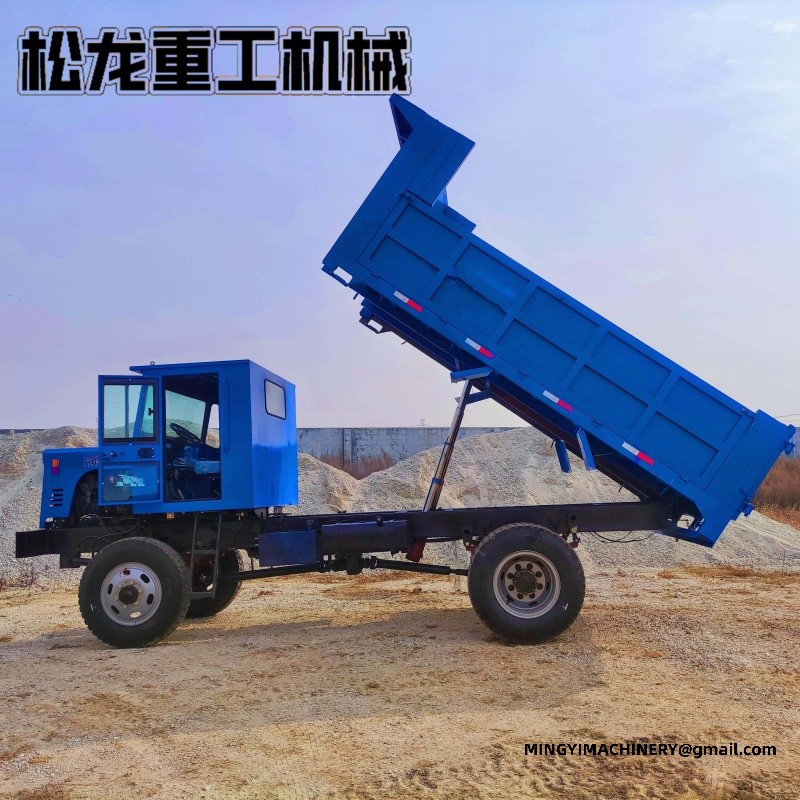
Body size is a compromise with access. A larger body on the machine itself carries more per trip but needs more room to turn and tip, so the useful question is how many trips the route allows rather than how much it holds.
A crane or grab turns a haul vehicle into a loading machine. The machine in that duty fitted with a hydraulic crane loads itself, which removes a second machine from the job and is often the whole reason for specifying one.
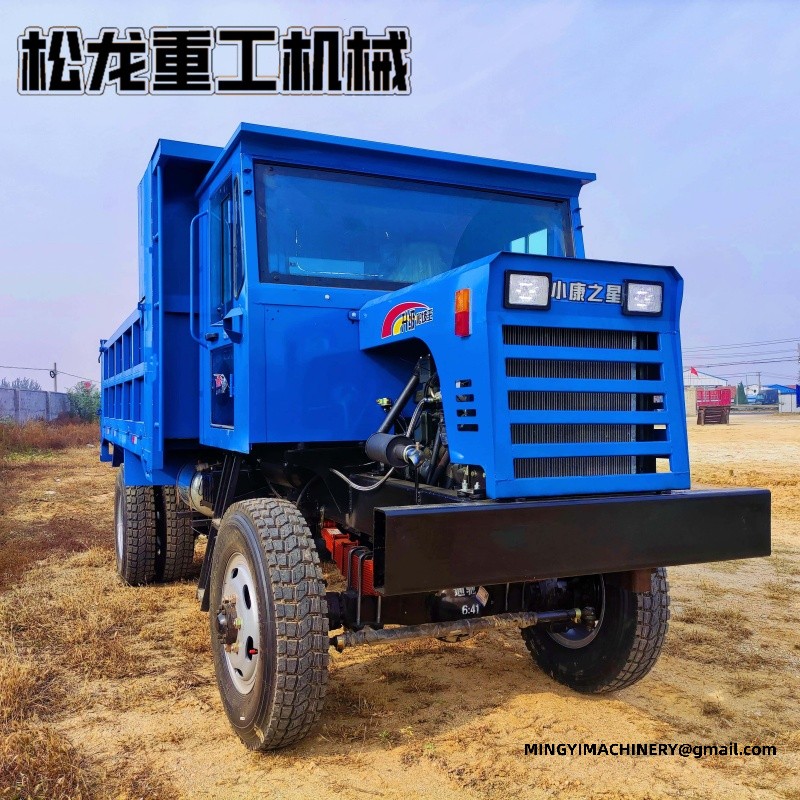
Power unit choice is usually a parts question, not a performance one. Two buyers can order the same a machine built for the work and sensibly choose different engines, because the right answer depends on which brand the local workshop already supports. Emissions documentation is part of engine selection for some destinations. Confirming which units can be supplied and documented for the destination country is worth doing at enquiry stage rather than after the build sheet is signed.
Warranty terms are clearer when they are read before purchase. Knowing what is covered, what counts as a wearing item and what documentation is required makes a claim on the equipment in service straightforward rather than contested. Early faults are usually simple. The dumper that behaves differently in its first few hours is more often mis-set than defective, and a call to the supplier at that point usually resolves it the same day.
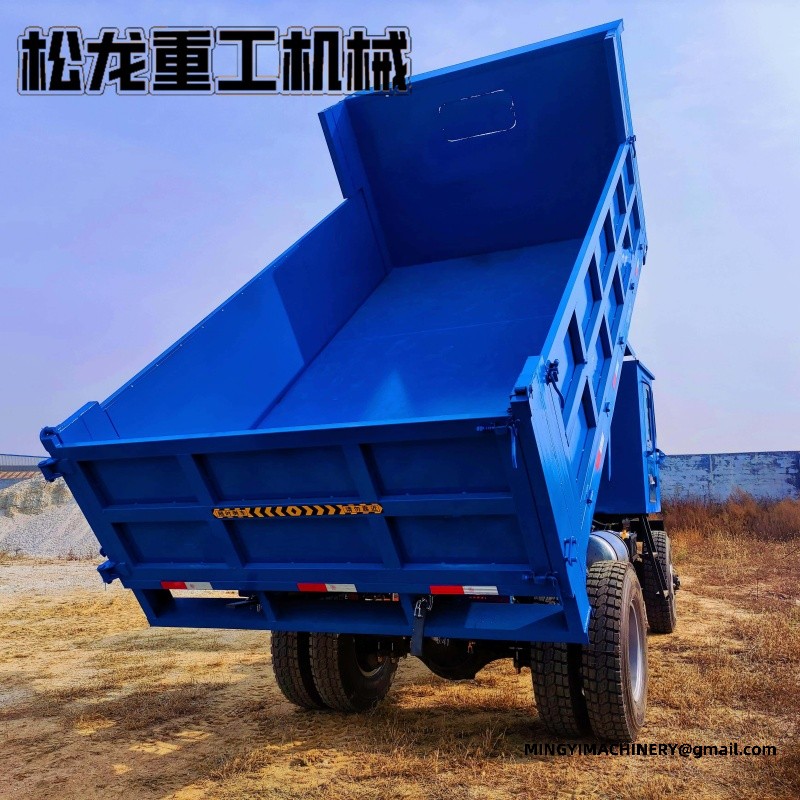
Standing still is hard on machinery. The unit in daily use left for weeks benefits from a clean, dry, covered space, a charged battery and a fuel system prepared for the layoff, and all three effort very little. A periodic start is better than none. Running a machine of this size to operating temperature during a long layoff keeps seals and the charging system in better condition than leaving it untouched until the next job.
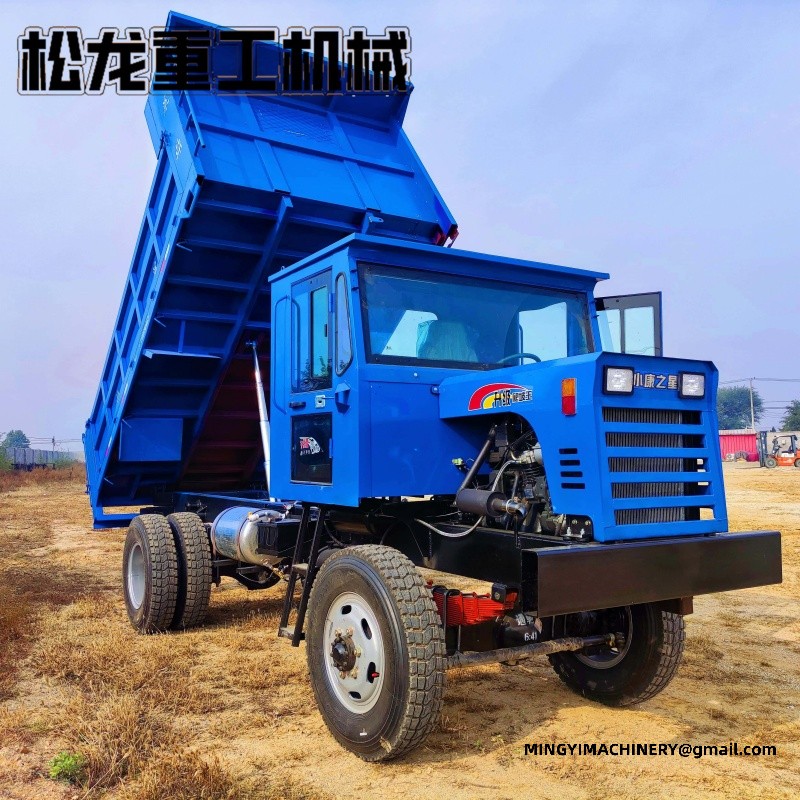
Certain parts are designed to be consumed. Knowing which items on the machine itself are wearing parts, and roughly how long they last in the duty the machine sees, turns replacement into a plan rather than a breakdown.
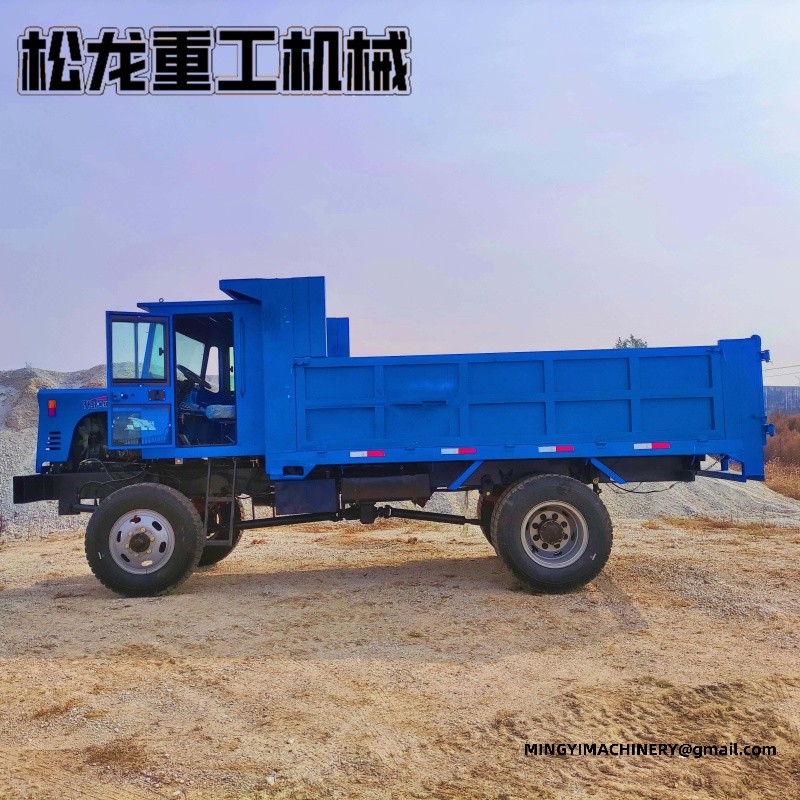
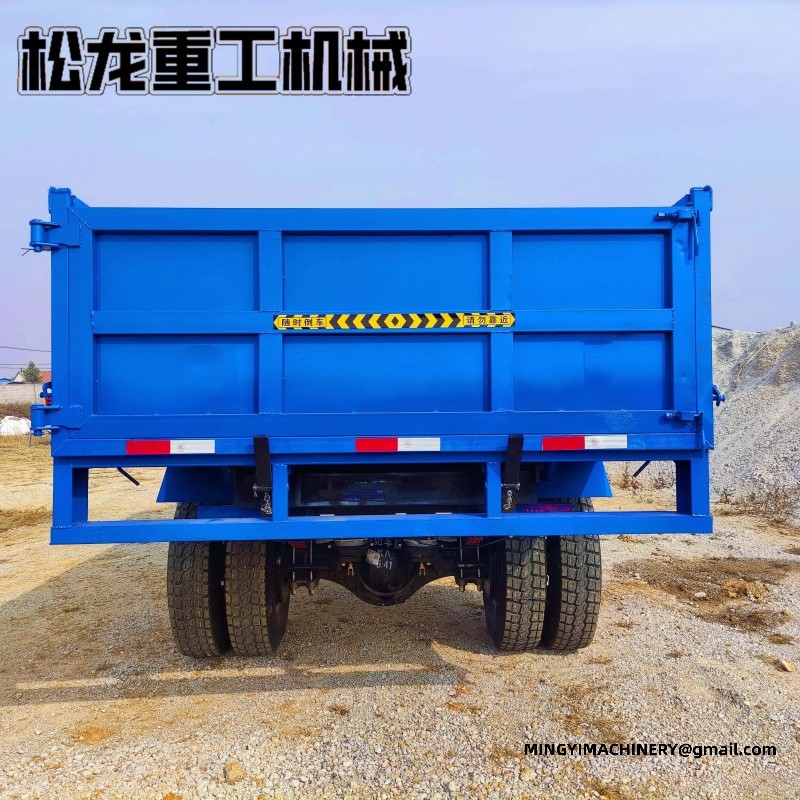
The configurations below are the build sheets most often matched to the machine in that duty. Engine, gearbox, axles, frame and body dimensions are confirmed together, because the body size and the axle rating have to suit the load before the engine rating matters.
| # | 10.Upgraded | 11.Luxury | 12.Standard | 19.Upgraded |
|---|---|---|---|---|
| 1 | Single-cylinder diesel engine, 32 hp | Single-cylinder diesel engine, 32 hp | Two-cylinder diesel engine, 38 hp | Four-cylinder 4102 turbocharged diesel engine |
| 2 | Full-time gearbox with four-wheel drive | Part-time gearbox, selectable 2WD/4WD | Full-time gearbox with four-wheel drive | Model 140 part-time gearbox with four-wheel drive |
| 3 | High/low range with crawler gear | High/low range with crawler gear | High/low range with crawler gear | High/low range with crawler gear |
| 4 | Front axle clutch | Enclosed cab | Simple cab | Fully enclosed cab |
| 5 | Fully enclosed cab | Six 700-16 mountain tyres | Oil brakes | Six 750R16 steel-belted radial tyres |
| 6 | Oil brakes | Model 212 front axle | Four 700-16 mountain tyres | Reinforced ISUZU-pattern front axle |
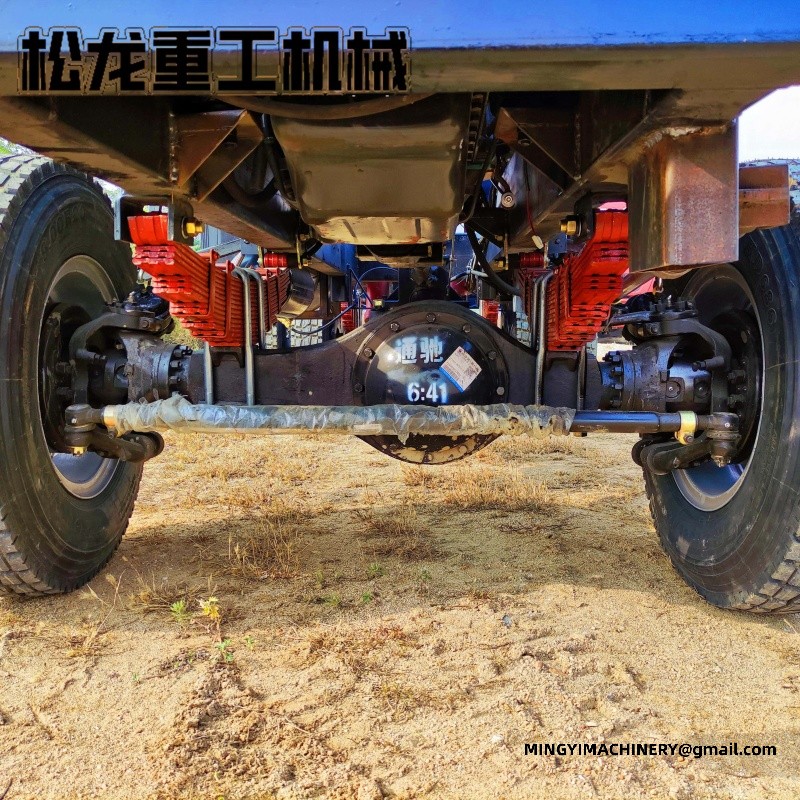
| 7 | Four 700-16 mountain tyres | Model 130 rear axle | Front axle 212 | Reinforced 1061 rear axle |
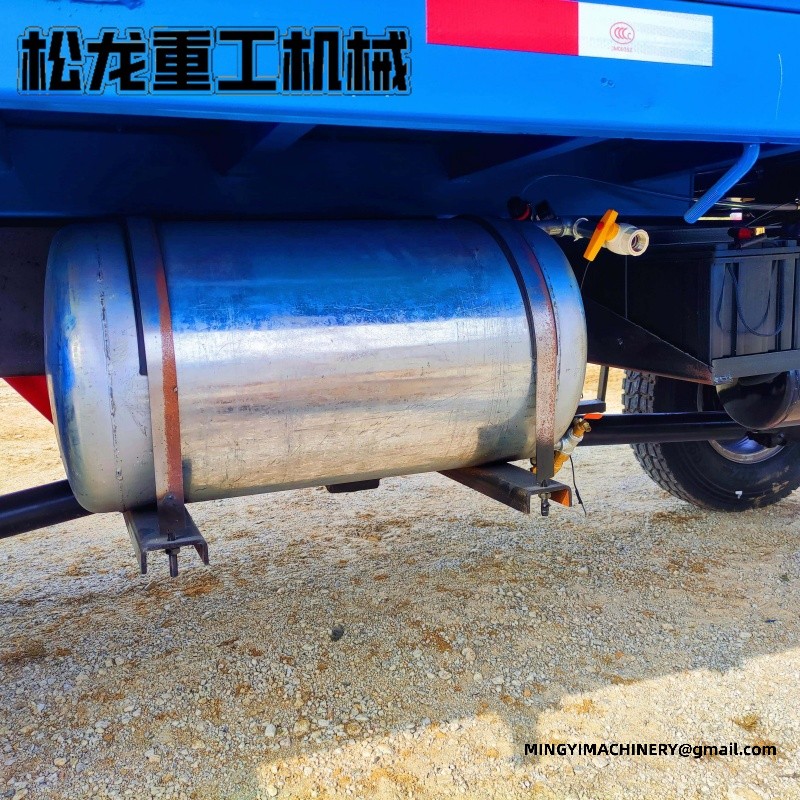
| 8 | Front axle 212 | Air cut-off brakes | Rear axle 130 | Air cut-off brakes |
| 9 | Rear axle 130 | Reinforced 60 x 140 mm square tube frame | Reinforced 60 x 140 mm square tube frame | Reinforced 80 x 180 mm square tube frame |
| 10 | Reinforced 60 x 140 mm square tube frame | Rear body 2.2 m long x 1.5 m wide x 0.45 m high | Rear body 2.2 m long x 1.5 m wide x 0.45 m high | Rear body 3.0 m long x 2.1 m wide x 0.45 m high |
| 11 | Rear body 2.2 m long x 1.5 m wide x 0.45 m high | Tailgate with self-dumping function | Tailgate with self-dumping function | Tailgate with self-dumping function |
| 12 | Tailgate with self-dumping function | Side-opening rear body tailgate | Hydraulic power steering | Side-opening rear body tailgate with cab ladder |
| 13 | Hydraulic power steering | Hydraulic power steering | Twin hydraulic rams | Hydraulic power steering |
| 14 | Twin hydraulic rams | Twin hydraulic rams | Two-person comfort seat | Twin hydraulic rams |
| 15 | Two-person comfort seat | Two-person comfort seat | Twin-battery electric start | Two-person comfort seat |
| 16 | Twin-battery electric start | Heavy-duty leaf springs | Round-nose bonnet | Thickened heavy-duty leaf springs |
| 17 | Square-nose bonnet | Twin-battery electric start | — | Twin-battery electric start |
| 18 | — | Square-nose bonnet | — | Square-nose bonnet |
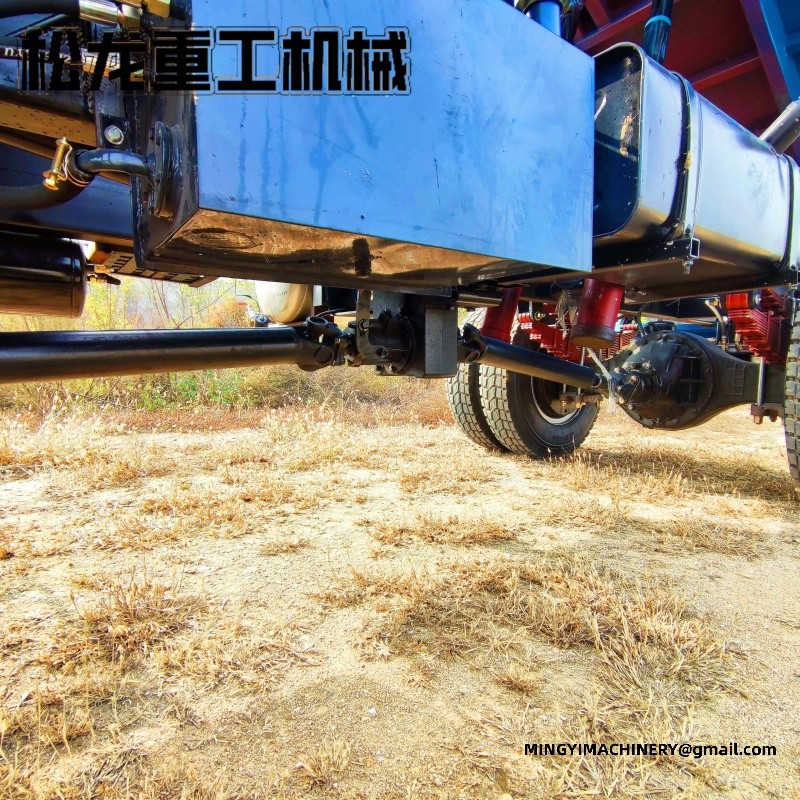
A good handover covers the awkward cases, not just the easy ones. Starting a machine built for the work on a slope, turning in a confined space and recovering from soft ground are the situations an operator should meet first with someone beside them.
The last hour before packing is the best time to find a fault. Running the dumper through its full working cycle, checking for leaks under load and confirming that the controls match the specification avoids a conversation across time zones later.
Contamination is easier to prevent than to cure. Keeping the filler caps sealed, the funnels clean and the containers closed around the unit in daily use is unglamorous work that shows up as reliability later.
Humidity attacks the parts that are not used. Storage in a damp climate means the equipment on site needs the exposed metal protected and the machine run regularly, because standing still does more damage than working.
Service history also protects the warranty position. Evidence that the model in question was maintained at the specified intervals and with the specified fluids settles questions that would otherwise be argued.
Starting is only the first problem. Until the unit on the job reaches working temperature the hydraulic response is slower and the seals are stiffer, and warming the machine before asking for full output avoids unnecessary strain.
Holding spares is about downtime rather than the shelf itself. The question for the equipment in service is not how large the part is but how long the machine sits while it is found, and a small shelf answers that better than a fast courier.
Standing still is harder on a machine than working. Preparing this class of machine for a long idle period means clean fluids, a charged battery and protection for the exposed surfaces, because neglect is not the same as rest.
Every line above is a build item rather than an optional extra, and the final sheet for the unit in daily use is confirmed against the destination, the ground and the load before production.
E-mail:sales@mingycn.com
LINE(ID):mingyicn









