There is a version of the dumper for almost every site, and the differences are practical rather than cosmetic. What follows is organised the way a specification is actually settled: the job first, then the ground, then the machine, then the paperwork.
Haul cycles in a quarry are short and repetitive. This class of machine specified for that pattern benefits from a body that dumps cleanly and quickly, because the time saved per cycle is the whole allowance.
Ballast and attachment weight change the machine. Adding a heavy tool to the unit in daily use moves the centre of gravity, and the counterweight or configuration should be matched to the tool rather than assumed.
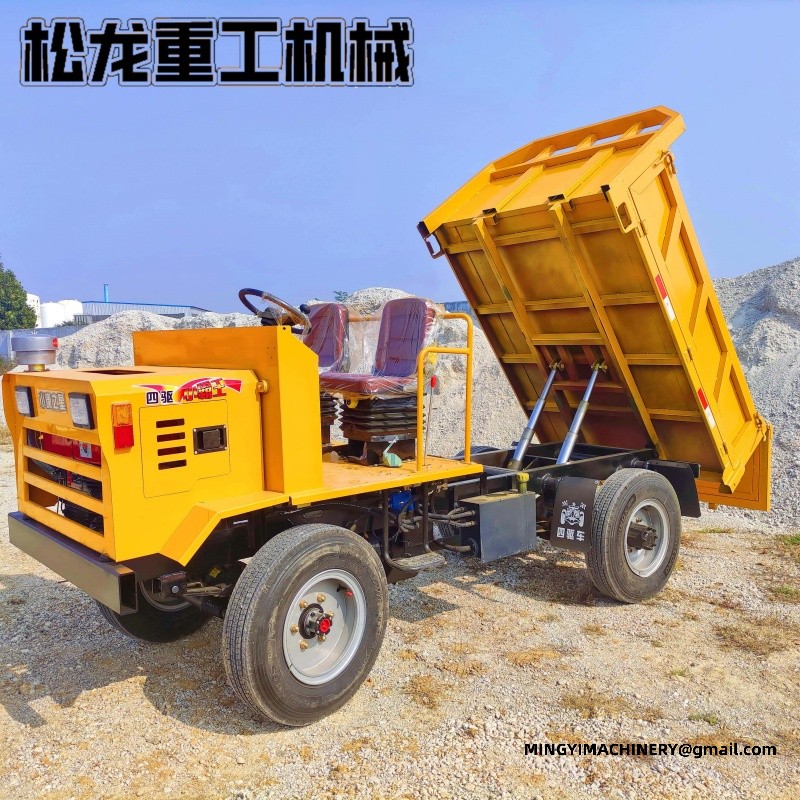
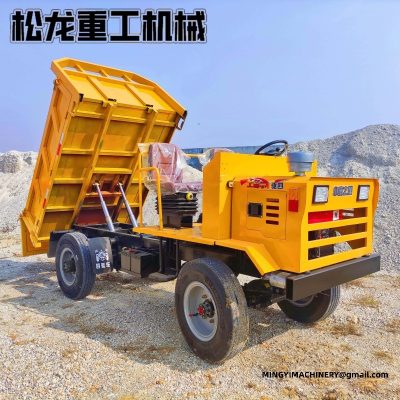
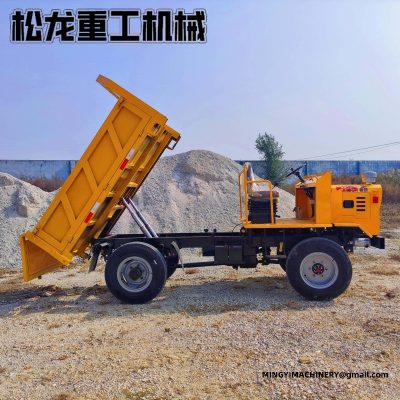
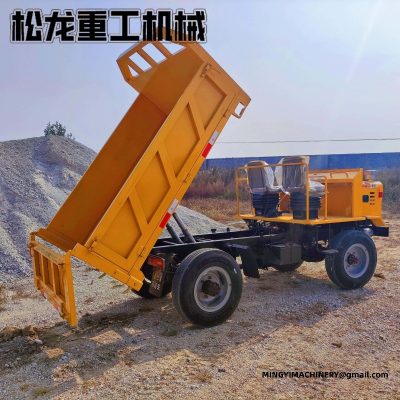
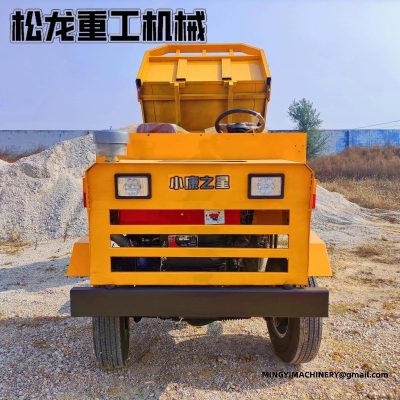
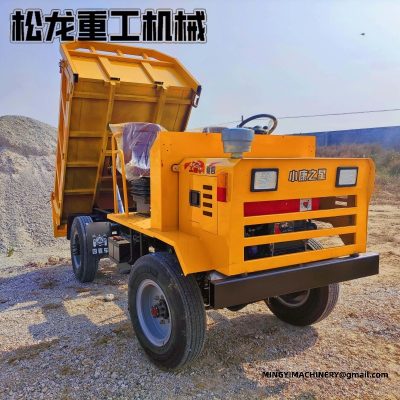
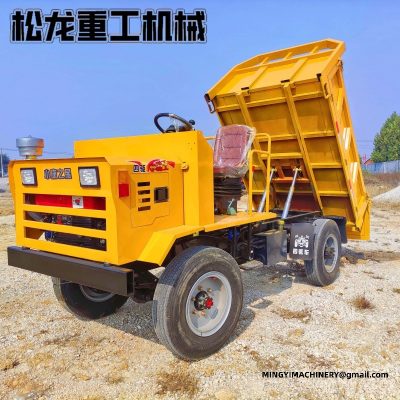
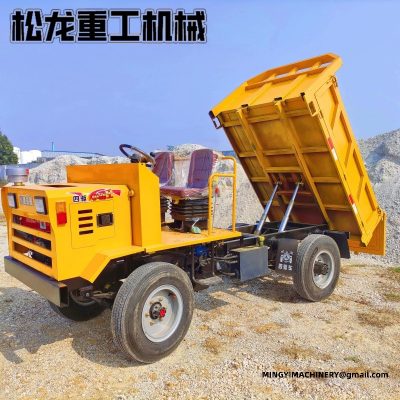
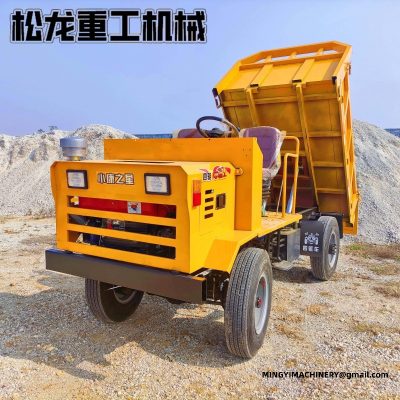
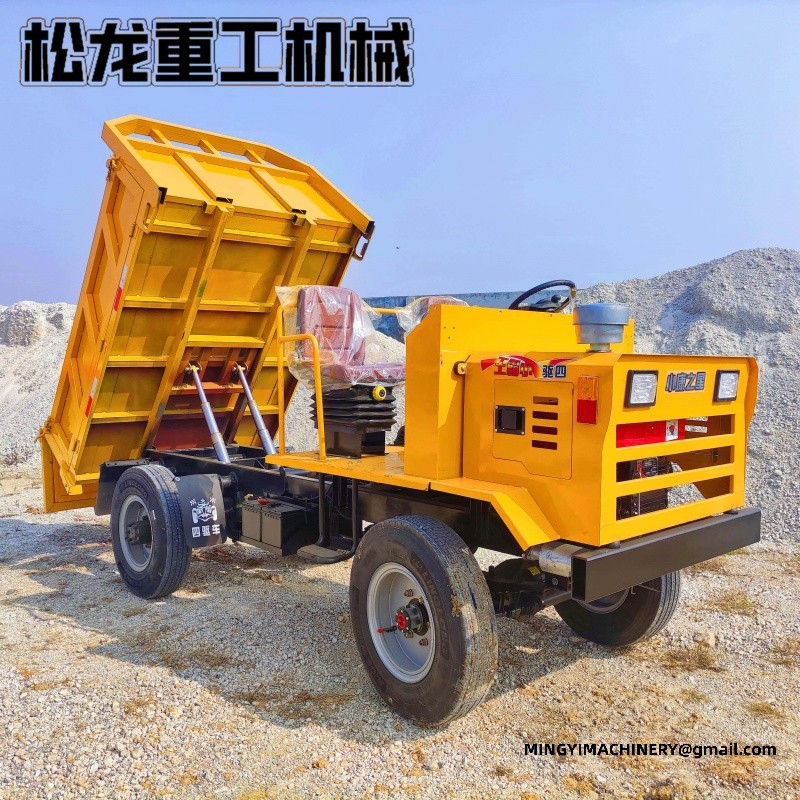
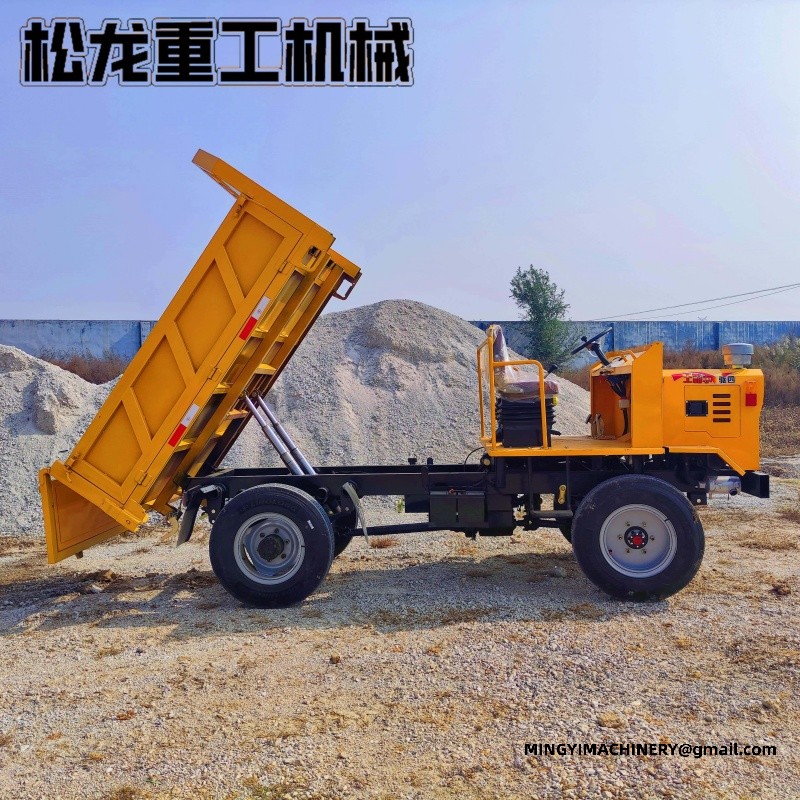
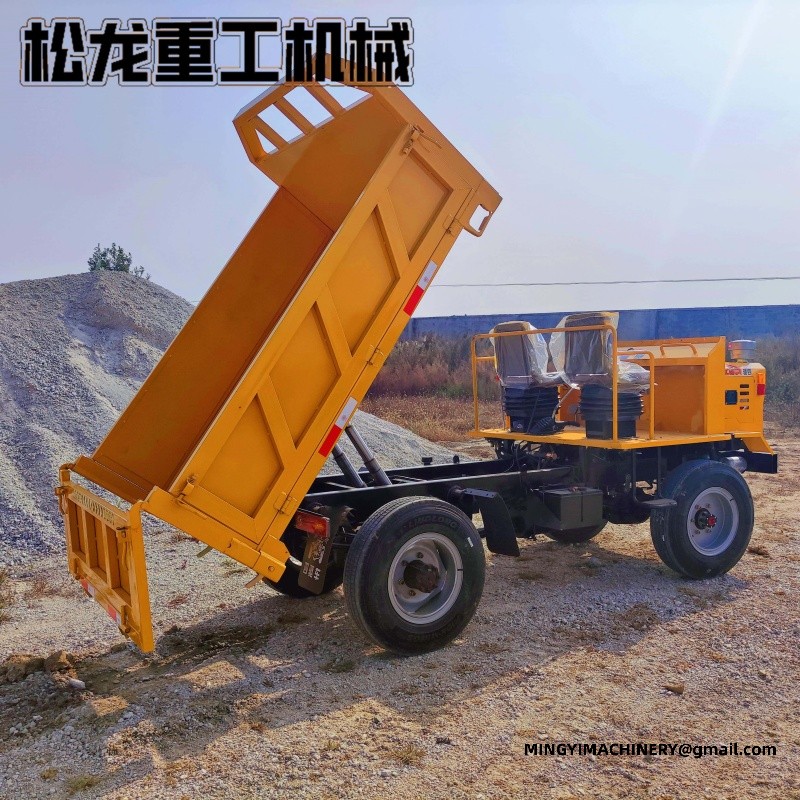
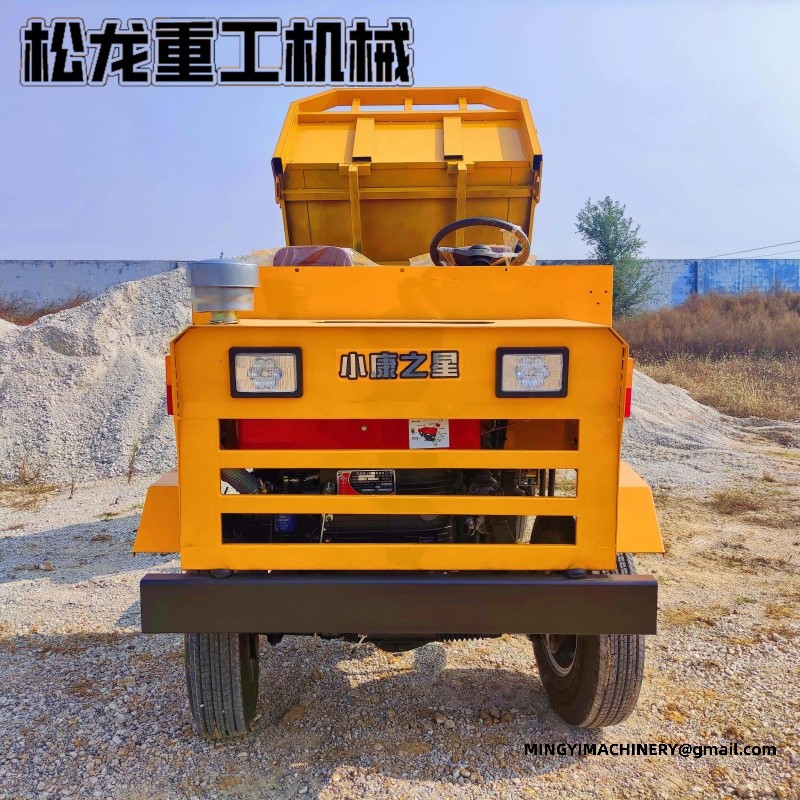
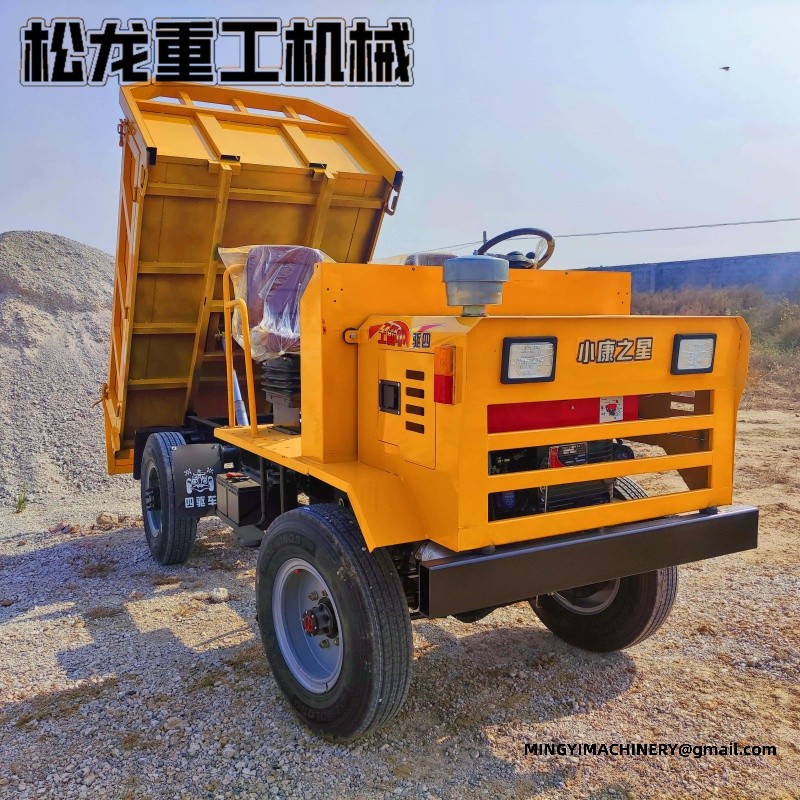
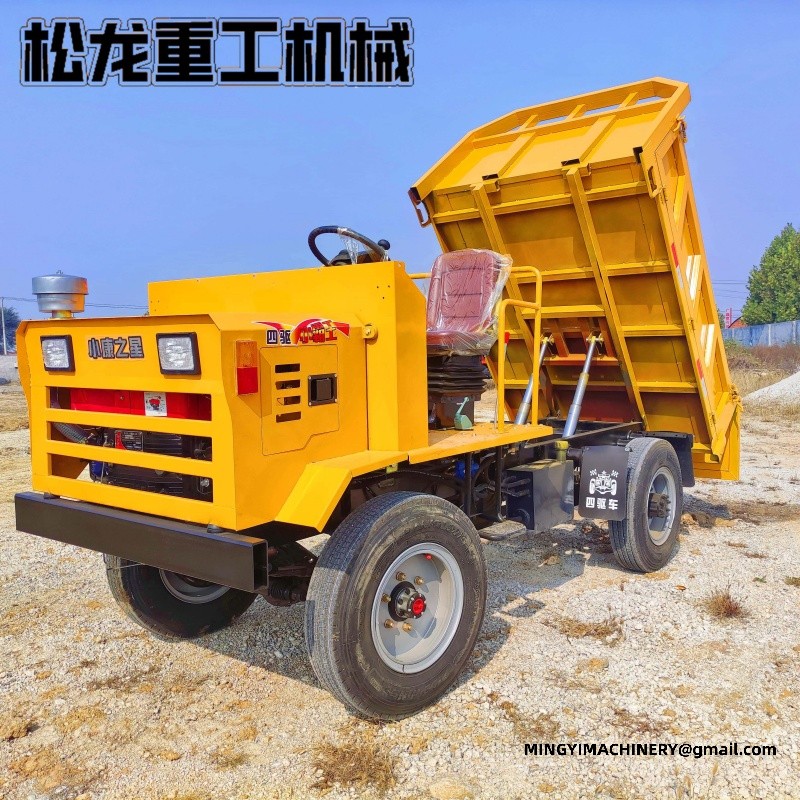
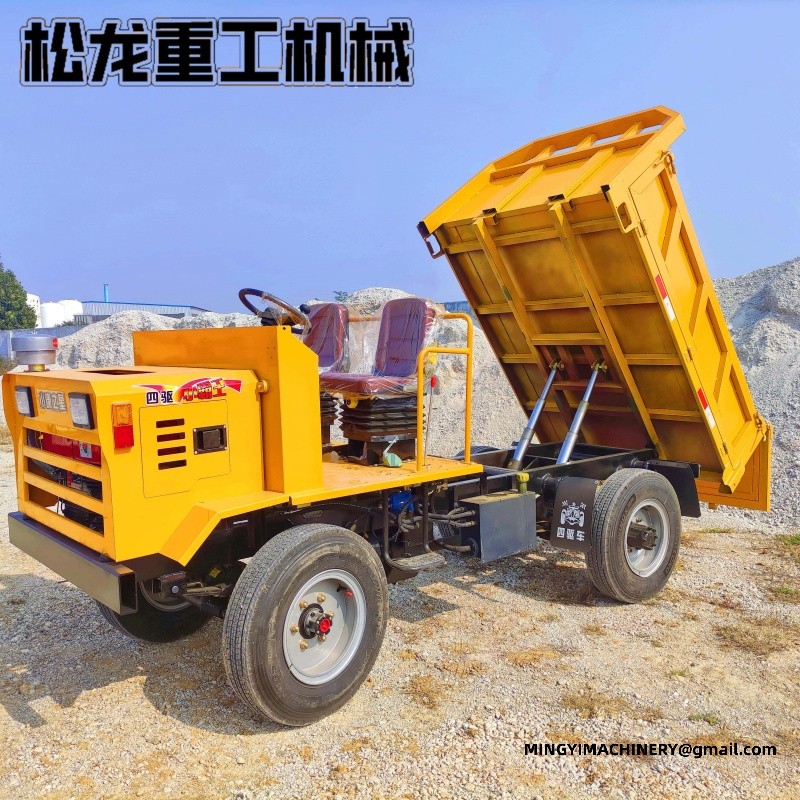
The tipping body is the part that does the work. A machine of this size specified with twin hydraulic rams and a tailgate that opens under load unloads in one pass, which matters more on a short haul than top speed does. Body size is a compromise with access. A larger body on the equipment on site carries more per trip but needs more room to turn and tip, so the useful question is how many trips the route allows rather than how much it holds.
Most incidents around machinery come from the space rather than the machine. Exclusion zones, a clear signal person and a check on what is behind the machine in that duty before it moves cover the large majority of the risk on a working site. Slopes and edges deserve a separate check. The machine itself that is stable on level ground behaves differently across a gradient, and the safe working angle is a number worth knowing rather than estimating. Personal protective equipment and a stop rule are simple controls. Agreeing before work starts that anyone can stop the job is the single measure that most often prevents a serious incident near the model in question.
Customisation should still be limited to what the work needs. Each addition to the unit on the job is another item to maintain, so the useful question is not what can be added but what the job list actually requires.
Working after daylight changes the risk. Lighting coverage on the equipment in service and across the working area, plus high-visibility clothing for anyone on foot, are the items that make low-light work practical. Visibility from the seat is different at night. Reflections, shadows and glare all hide detail, so a machine built for the work used after dark benefits from clean lenses, working wipers and a slower working pace.
Fuel is usually the largest controllable running demand. Operating style, correct tyre or track condition and a clean air supply all move consumption on the dumper by more than most buyers expect. Consumption is best measured over a full week rather than judged per hour. Idle time, repositioning and waiting for other trades are often the largest share of the fuel this class of machine burns on a site. Planning the work to reduce empty movement is free. Fewer repositioning cycles on the unit in daily use means less fuel, less wear on the undercarriage or tyres and more of the shift spent on productive work.
Owners who work across several sites should check the transport dimensions before ordering. A machine of this size that fits a standard trailer can be moved by any operator with a suitable vehicle, while an over-width machine narrows that choice and complicates every move. Shipping dimensions matter as much on export orders as they do locally. Confirming the packed size of the equipment on site before booking avoids re-booking freight after the machine is built.
Standardising where possible simplifies everything downstream. When several units of the model in question share a service schedule and a parts list, the fleet becomes easier to plan and easier to sell on at replacement time.
Support after delivery is a parts question. Filters, belts, hoses and the wearing items specific to the unit on the job are what a buyer should plan to hold before the first service interval rather than order after a failure. Parts availability usually decides the engine and the brand. A machine built around components the local network already carries is serviced from stock, which is the difference between a day lost and a week lost. Remote diagnosis shortens most faults. A walk-around on video with the panels open often identifies the cause on a machine built for the work without waiting for a visit, and avoids shipping a part that turns out not to be needed.
Sequencing avoids rework. Doing the work in the order that suits the ground and the following trades keeps the dumper productive and prevents finishing a task that then has to be opened up again.
Duty cycle is the honest measure of a machine. The unit in daily use working a few hours a week has different needs from one working two shifts, and the cooling, filtration and service intervals should follow the hours rather than the calendar. Seasonal work changes the maintenance calendar. Machines that work hard for two months and stand for ten need preparation before storage and a check before returning to work, and both are simpler than the repairs they prevent. Hour planning helps at resale as well. A machine of this size with a recorded service history and a sensible hour count is easier to sell than one with the same hours and no records, whatever its condition.
Water is heavy and it moves. Baffles and sensible speeds matter on the machine itself with a tank body, and the specification should reflect the ground the vehicle will cross rather than only the volume needed. Dust control work is repetitive and time-critical. The model in question with the right tank and spray arrangement covers more ground per shift, which is usually the point of the exercise.
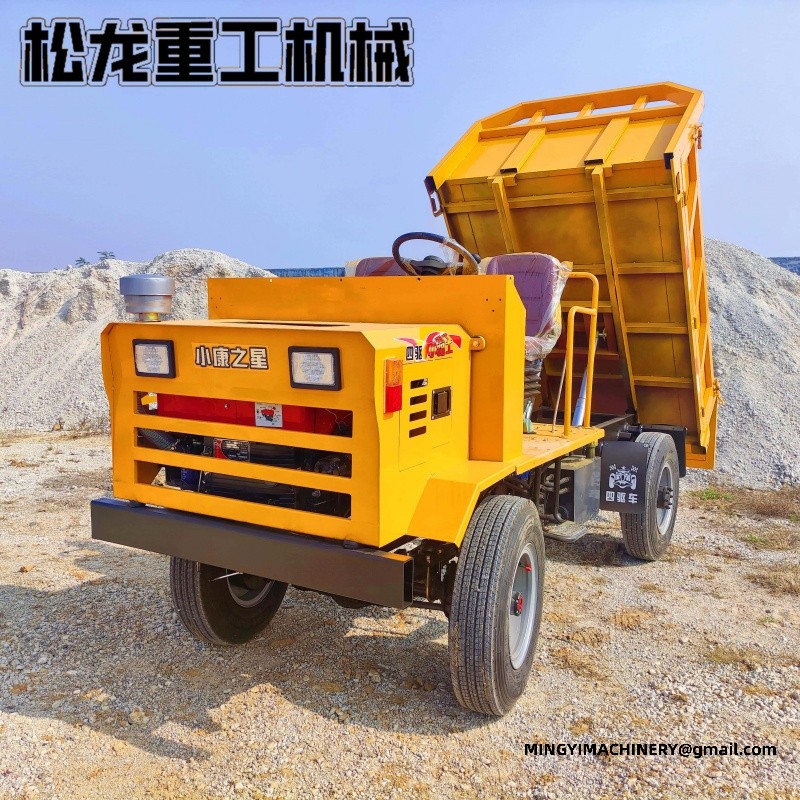
The configurations below are the build sheets most often matched to the unit on the job. Engine, gearbox, axles, frame and body dimensions are confirmed together, because the body size and the axle rating have to suit the load before the engine rating matters.
| # | 12.Standard | 15.Standard | 4.Upgraded | 5.Luxury |
|---|---|---|---|---|
| 1 | Two-cylinder diesel engine, 38 hp | Four-cylinder 490 diesel engine | Single-cylinder diesel engine, 25 hp | Single-cylinder diesel engine, 25 hp |
| 2 | Full-time gearbox with four-wheel drive | Full-time gearbox with four-wheel drive | Full-time gearbox with four-wheel drive | Part-time gearbox with four-wheel drive |
| 3 | High/low range with crawler gear | High/low range with crawler gear | High/low range with crawler gear | High/low range with crawler gear |
| 4 | Simple cab | Simple cab | Front axle clutch | Enclosed cab |
| 5 | Oil brakes | Oil brakes | Fully enclosed cab | Six 700-16 mountain tyres |
| 6 | Four 700-16 mountain tyres | Four 700-16 mountain tyres | Oil brakes | Model 212 front axle |
| 7 | Front axle 212 | Front axle 212 | Four 700-16 mountain tyres | Model 130 rear axle |
| 8 | Rear axle 130 | Rear axle 130 | Front axle 212 | Air cut-off brakes |
| 9 | Reinforced 60 x 140 mm square tube frame | Reinforced 60 x 140 mm square tube frame | Rear axle 130 | Reinforced 60 x 140 mm square tube frame |
| 10 | Rear body 2.2 m long x 1.5 m wide x 0.45 m high | Rear body 2.2 m long x 1.5 m wide x 0.45 m high | Reinforced 60 x 140 mm square tube frame | Rear body 2.2 m long x 1.5 m wide x 0.45 m high |
| 11 | Tailgate with self-dumping function | Tailgate with self-dumping function | Rear body 2.2 m long x 1.5 m wide x 0.45 m high | Tailgate with self-dumping function |
| 12 | Hydraulic power steering | Hydraulic power steering | Tailgate with self-dumping function | Side-opening rear body tailgate |
| 13 | Twin hydraulic rams | Twin hydraulic rams | Hydraulic power steering | Hydraulic power steering |
| 14 | Two-person comfort seat | Two-person comfort seat | Twin hydraulic rams | Twin hydraulic rams |
| 15 | Twin-battery electric start | Twin-battery electric start | Two-person comfort seat | Two-person comfort seat |
| 16 | Round-nose bonnet | Round-nose bonnet | Twin-battery electric start | Heavy-duty leaf springs |
| 17 | — | — | Square-nose bonnet | Twin-battery electric start |
| 18 | — | — | — | Square-nose bonnet |
Wear items are predictable once the machine has settled in. After the first service interval the pattern on the equipment in service is visible, and the parts that were replaced become the parts that are kept.
A machine should be inspected while it is still on our floor rather than after it lands. For this class of machine that means the engine is run to temperature, the hydraulics are cycled through full travel, and every function is checked against the build sheet before the crate is closed.
A stored machine should be brought back carefully. Before a machine of this size returns to work the fluids, the brakes and the controls are checked, because months of standing change more than a weekend does.
Contamination is easier to prevent than to cure. Keeping the filler caps sealed, the funnels clean and the containers closed around the machine itself is unglamorous work that shows up as reliability later.
The machine should be introduced to the site as well as the operator. Walking the route the machine in that duty will take, noting the soft spots and the turns, prevents the kind of first-day incident that has nothing to do with the machine.
The calendar decides more than the specification does. Planning when a machine built for the work will be working, when it will be serviced and when it can be spared keeps the maintenance out of the weeks that matter.
Most additions are easier to plan than to add. Hydraulic services, mounting brackets and electrical capacity on the dumper are build items, and deciding them at the specification stage is far easier than doing it later.
Every line above is a build item rather than an optional extra, and the final sheet for this class of machine is confirmed against the destination, the ground and the load before production.
E-mail:sales@mingycn.com
LINE(ID):mingyicn









