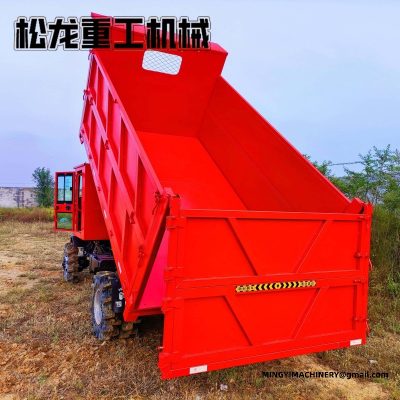
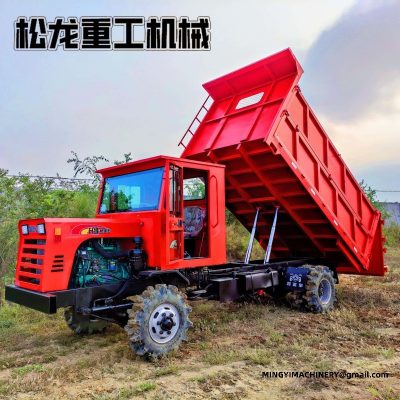
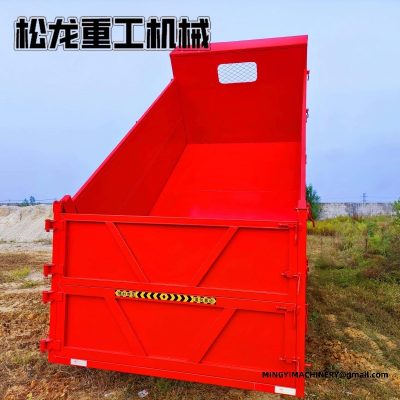
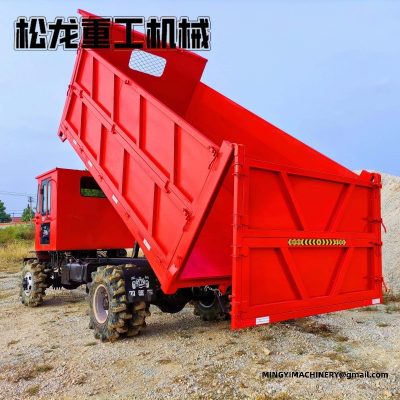
This page covers the dumper for buyers who already know the job and now need the machine. It sets out what the build includes, what can be changed, what the operator should expect in the first weeks and what the service schedule looks like.
Most failures start as something small that a walk-around would have caught. Fluid levels, belt tension, tyre or track condition and any fresh leak are the items worth two minutes at the start of each shift on this class of machine. Service intervals exist because wear is predictable. Following the maker schedule on the unit in daily use takes far less time than repairing the damage that follows a missed oil change or a filter left in place past its life.
Fleet value comes from interchangeability. Operators who can step between machines without retraining, and a workshop that stocks one set of filters, keep utilisation higher than a fleet of individually optimised units. Utilisation matters more than the purchase decision over a few years. A machine of this size that sits idle ties up the same yard space standing still as one that earns, so the buying decision should follow the hours the machine will realistically work.
Build options are where a standard machine becomes the right machine. Colour, guarding, lighting, seating and hydraulic provisions can usually be set at build time on the equipment on site, and are far simpler then than as a retrofit. Customisation should still be limited to what the work needs. Each addition to the machine itself is another item to maintain, so the useful question is not what can be added but what the job list actually requires.
Drum bodies need power and stability. The model in question set up for concrete has to carry the drum, the load and the water, and the frame and brakes should be specified for that combined weight.
Shipping dimensions matter as much on export orders as they do locally. Confirming the packed size of the machine in that duty before booking avoids re-booking freight after the machine is built.
Records are part of the asset. Keeping the service history and the hour records with the unit on the job makes it easier to sell, easier to insure and easier to justify the replacement machine internally.
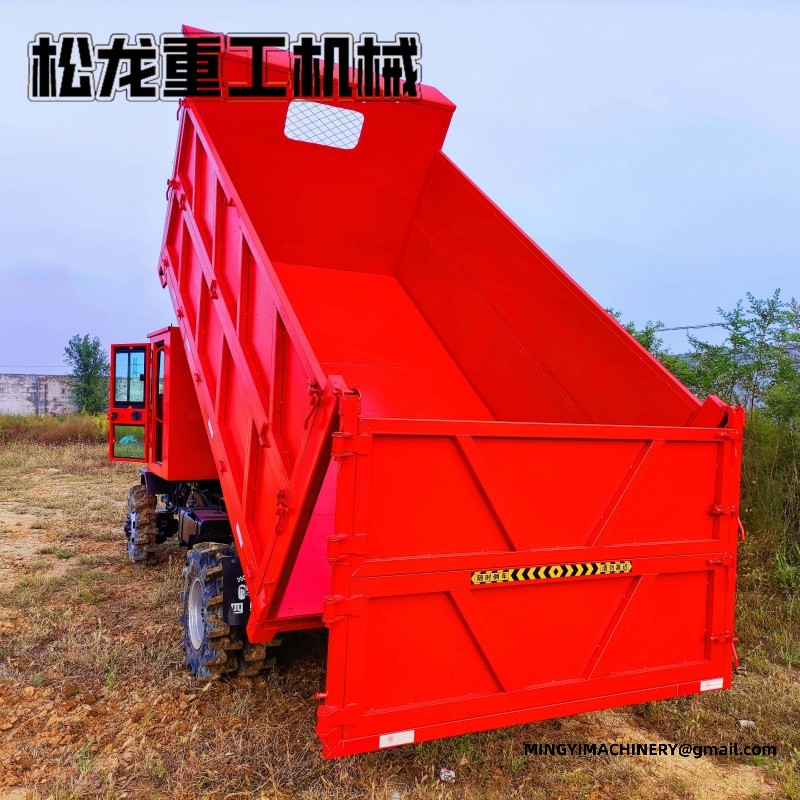
Timber work changes what the vehicle carries. A machine built for the work fitted with a log grab loads and unloads without a second machine, which is usually the reason a forestry contractor specifies one over a conventional truck.
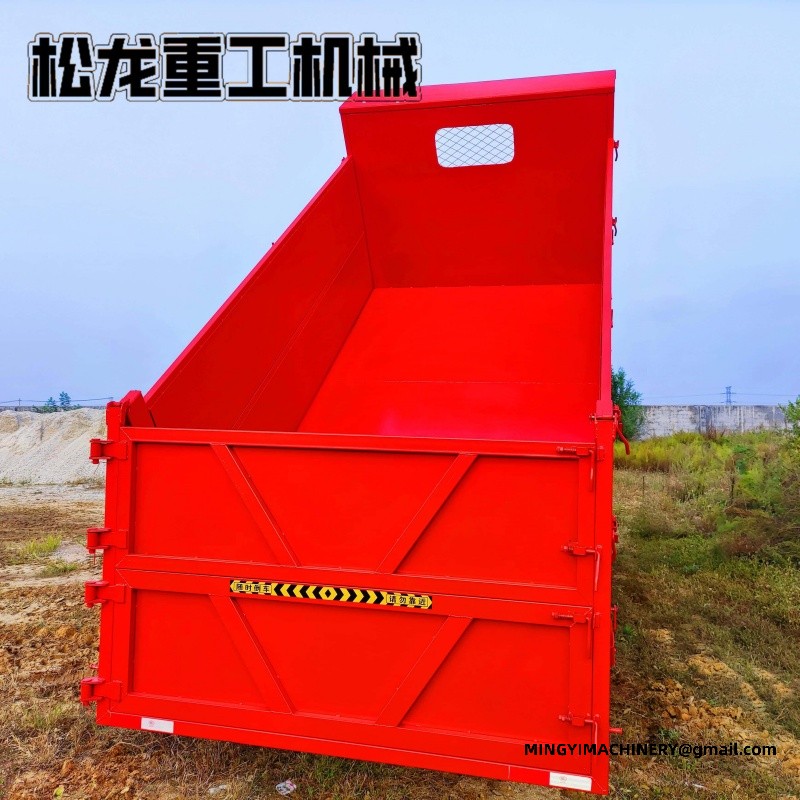
Unloading method should follow the material. Wet spoil, aggregate and green timber behave differently in the body, and matching the body and tailgate arrangement to the load is what keeps the equipment in service cycling rather than being hand-cleared. Body size is a compromise with access. A larger body on the dumper carries more per trip but needs more room to turn and tip, so the useful question is how many trips the route allows rather than how much it holds.
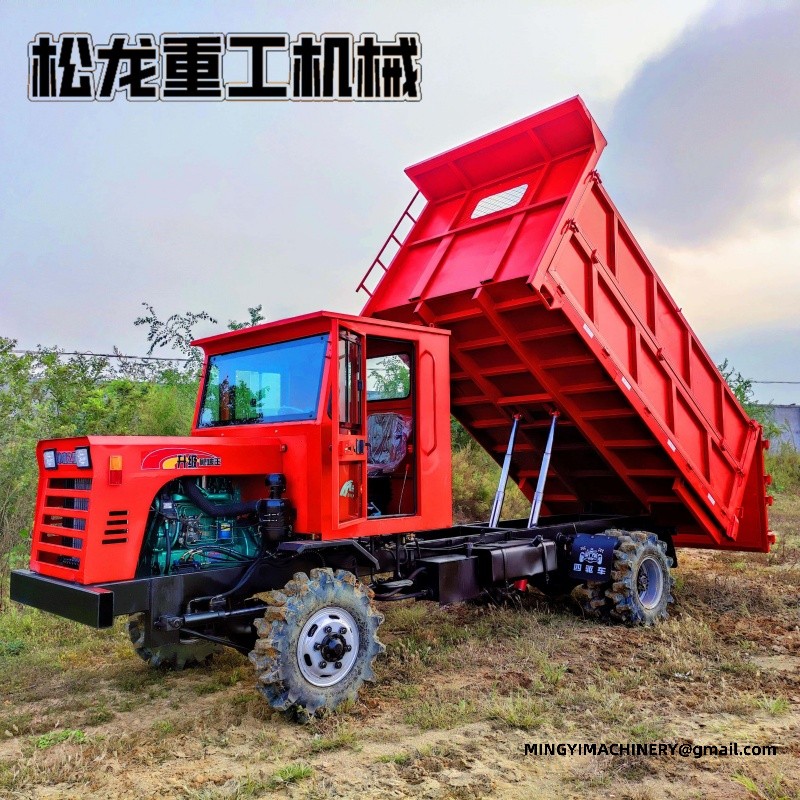
Parts availability usually decides the engine and the brand. A machine built around components the local network already carries is serviced from stock, which is the difference between a day lost and a week lost.
A water tank turns the vehicle into a different machine. A machine of this size carrying water for dust control or irrigation is specified around tank size, baffles and the route, because a part-filled tank behaves very differently on a slope. Dust control work is repetitive and time-critical. The equipment on site with the right tank and spray arrangement covers more ground per shift, which is usually the point of the exercise.
Personal protective equipment and a stop rule are simple controls. Agreeing before work starts that anyone can stop the job is the single measure that most often prevents a serious incident near the model in question.
Lead time is part of the specification. Confirming build time, shipping method and what is included before ordering the unit on the job prevents the common gap between when the machine is needed and when it can arrive. Delivery planning includes the receiving end. Knowing whether a machine built for the work will be craned, driven or forked off, and whether the site can accept it, is settled before dispatch rather than on the day.
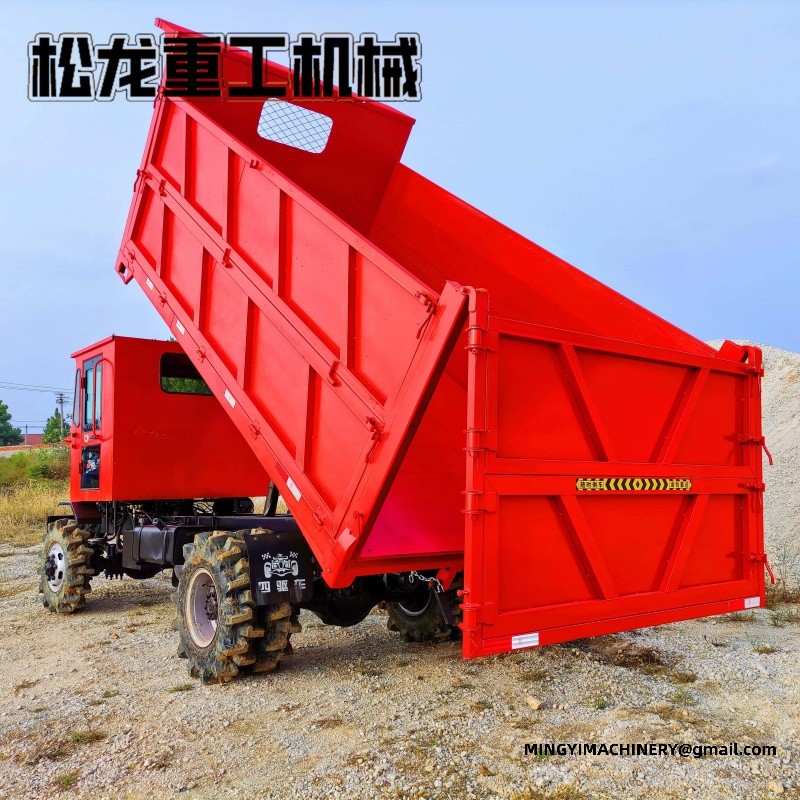
Farm work is seasonal and varied. The dumper that hauls feed in one month and muck or aggregate in the next earns its place by being usable across the year rather than by being optimised for one task. Ground on farms is often soft and often shared with livestock. This class of machine working there needs to cross pasture without rutting it badly, and tyre and weight choices follow from that. Farm users also value simplicity. The unit in daily use that can be serviced in the yard with common tools and common parts suits a farm better than one that needs a dealer visit for routine work.
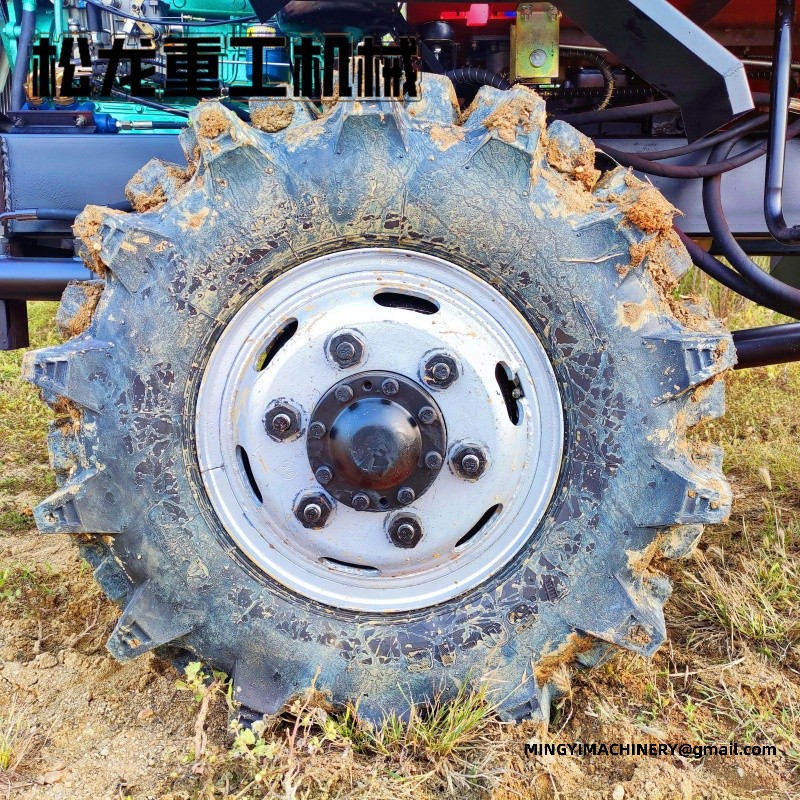
Certain parts are designed to be consumed. Knowing which items on the equipment on site are wearing parts, and roughly how long they last in the duty the machine sees, turns replacement into a plan rather than a breakdown. Wear rate follows conditions far more than hours. The machine itself working on abrasive ground or in mud will consume undercarriage or tyre life much faster than the same machine on clean ground.
Commissioning is the point where most avoidable issues are found. Checking levels, fasteners and function on the model in question before it goes to work takes an hour and prevents a claim conversation later. Warranty terms are clearer when they are read before purchase. Knowing what is covered, what counts as a wearing item and what documentation is required makes a claim on the machine in that duty straightforward rather than contested. Early faults are usually simple. The unit on the job that behaves differently in its first few hours is more often mis-set than defective, and a call to the supplier at that point usually resolves it the same day.
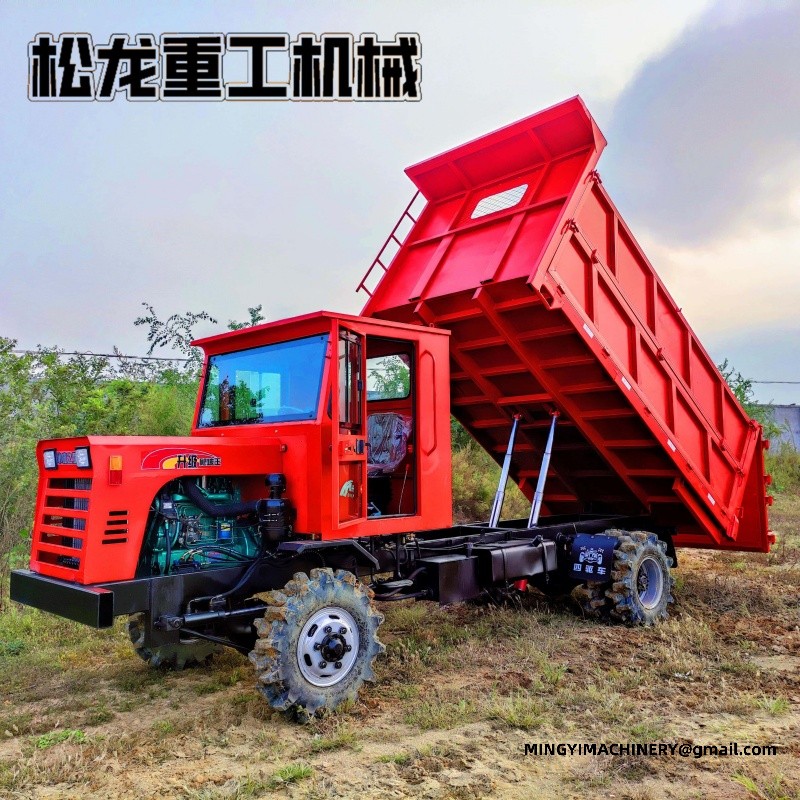
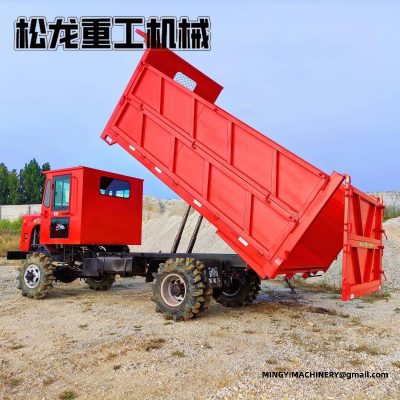
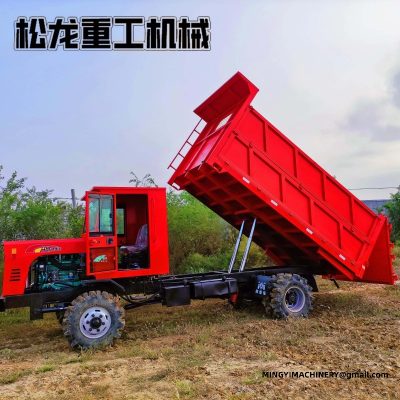
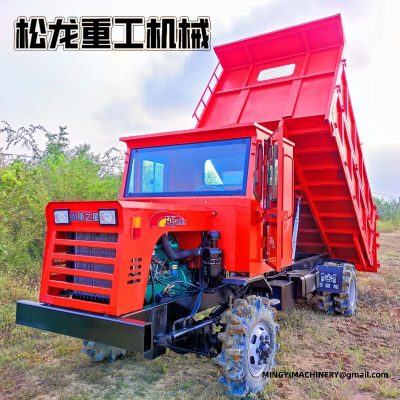
The configurations below are the build sheets most often matched to the equipment in service. Engine, gearbox, axles, frame and body dimensions are confirmed together, because the body size and the axle rating have to suit the load before the engine rating matters.
| # | 15.Standard | 17.Luxury | 19.Upgraded | 21.Upgraded |
|---|---|---|---|---|
| 1 | Four-cylinder 490 diesel engine | Four-cylinder 490 diesel engine | Four-cylinder 4102 turbocharged diesel engine | Four-cylinder 4105 turbocharged diesel engine |
| 2 | Full-time gearbox with four-wheel drive | Part-time gearbox, selectable 2WD/4WD | Model 140 part-time gearbox with four-wheel drive | Model 140 part-time gearbox with four-wheel drive |
| 3 | High/low range with crawler gear | High/low range with crawler gear | High/low range with crawler gear | High/low range with crawler gear |
| 4 | Simple cab | Fully enclosed cab | Fully enclosed cab | Simple cab |
| 5 | Oil brakes | Six 700-16 mountain tyres | Six 750R16 steel-belted radial tyres | Six 825R16 steel-belted radial tyres |
| 6 | Four 700-16 mountain tyres | Reinforced 130 front axle | Reinforced ISUZU-pattern front axle | Reinforced ISUZU-pattern front axle |
| 7 | Front axle 212 | Reinforced ISUZU-pattern rear axle | Reinforced 1061 rear axle | Reinforced 1080 rear axle with air cut-off brake |
| 8 | Rear axle 130 | Air cut-off brakes | Air cut-off brakes | Air cut-off brakes |
| 9 | Reinforced 60 x 140 mm square tube frame | Reinforced 60 x 140 mm square tube frame | Reinforced 80 x 180 mm square tube frame | Reinforced 80 x 180 mm square tube frame |
| 10 | Rear body 2.2 m long x 1.5 m wide x 0.45 m high | Rear body 2.2 m long x 1.8 m wide x 0.45 m high | Rear body 3.0 m long x 2.1 m wide x 0.45 m high | Rear body 3.0 m long x 2.2 m wide x 0.45 m high |
| 11 | Tailgate with self-dumping function | Tailgate with self-dumping function | Tailgate with self-dumping function | Tailgate with self-dumping function |
| 12 | Hydraulic power steering | Side-opening rear body tailgate | Side-opening rear body tailgate with cab ladder | Hydraulic power steering |
| 13 | Twin hydraulic rams | Hydraulic power steering | Hydraulic power steering | Twin hydraulic rams |
| 14 | Two-person comfort seat | Twin hydraulic rams | Twin hydraulic rams | Two-person comfort seat |
| 15 | Twin-battery electric start | Two-person comfort seat | Two-person comfort seat | Heavy-duty leaf springs |
| 16 | Round-nose bonnet | Heavy-duty leaf springs | Thickened heavy-duty leaf springs | Twin-battery electric start |
| 17 | — | Twin-battery electric start | Twin-battery electric start | Square-nose bonnet |
| 18 | — | Round-nose bonnet | Square-nose bonnet | — |
The symptom is usually not at the fault. A hydraulic function that has become sluggish on this class of machine may point to a filter, a relief setting or a pump, and starting with the simple checks avoids the wrong guess.
Service history also protects the warranty position. Evidence that a machine of this size was maintained at the specified intervals and with the specified fluids settles questions that would otherwise be argued.
The first hour on site should be slow. Before the machine itself is put to work the fluid levels are rechecked after transport, the fasteners are gone over and the machine is run light so that anything loosened in transit shows up early.
How a machine travels decides how it starts on arrival. Securing the machine in that duty against movement, protecting the exposed cylinders and keeping the battery and fluids in the right state for the voyage all belong to the packing list.
Seasonal work rewards a machine that can change duty. Through the year a machine built for the work may move from one task to another, and the attachment list should be chosen for the whole year rather than for the first job.
Most engine trouble starts with what went into the tank. Clean fuel, stored properly and filtered before it reaches the dumper, prevents more downtime than any other single habit an owner can adopt.
A spares list should follow the duty cycle. The unit in daily use working every day in abrasive dust consumes filters and cutting edges far faster than the same machine used once a week, and the shelf should be stocked for the harder case.
Every line above is a build item rather than an optional extra, and the final sheet for a machine of this size is confirmed against the destination, the ground and the load before production.
E-mail:sales@mingycn.com
LINE(ID):mingyicn









