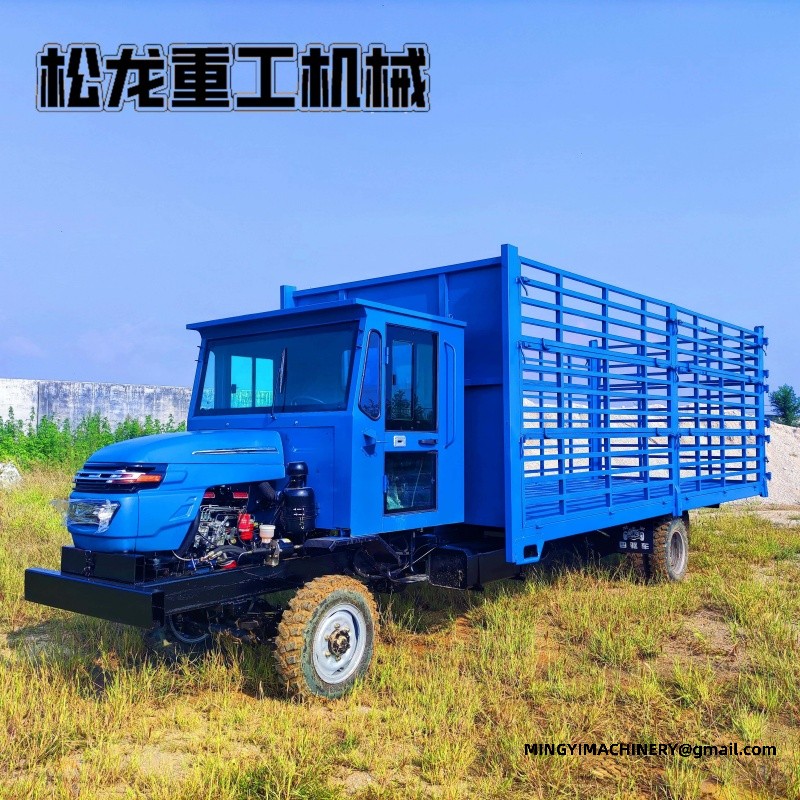
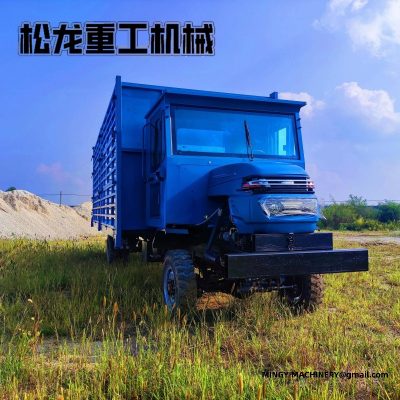
Two buyers can order the dumper for the same nominal job and receive different machines, because the ground and the access decide more than the workload does. The sections below explain which questions separate the two cases.
The working surface should be surveyed before this class of machine is specified. A machine that is stable on compacted gravel can be unusable on the same site after rain, and the difference shows up as lost days rather than as a fault.
Fleet value comes from interchangeability. Operators who can step between machines without retraining, and a workshop that stocks one set of filters, keep utilisation higher than a fleet of individually optimised units. Standardising where possible simplifies everything downstream. When several units of the unit in daily use share a service schedule and a parts list, the fleet becomes easier to plan and easier to sell on at replacement time.
Duty cycle is the honest measure of a machine. A machine of this size working a few hours a week has different needs from one working two shifts, and the cooling, filtration and service intervals should follow the hours rather than the calendar. Hour planning helps at resale as well. The equipment on site with a recorded service history and a sensible hour count is easier to sell than one with the same hours and no records, whatever its condition.
Stability governs what the crane can do. Outriggers, ground condition and load radius decide the safe figure on the machine itself, and those are checked before the lift rather than discovered during it.
Container loading is a planning exercise. Confirming how the model in question is packed and how many units fit a container is what turns a per-unit freight estimate into a delivered figure the buyer can actually plan against. Documentation should be agreed at order stage. The commercial invoice, packing list and any certificate required at destination are part of shipping the machine in that duty, and missing papers delay clearance longer than the voyage takes.
Ground on farms is often soft and often shared with livestock. The unit on the job working there needs to cross pasture without rutting it badly, and tyre and weight choices follow from that.
Replacement timing is a planning decision. Knowing the intended working life of a machine built for the work lets an owner sell while the machine still has value rather than after a major repair becomes due. Records are part of the asset. Keeping the service history and the hour records with the equipment in service makes it easier to sell, easier to insure and easier to justify the replacement machine internally.
Moving the machine is part of owning it. Overall length, width and height decide which trailer or container the dumper fits, and a machine that needs a permit or an abnormal load escort is a machine with a delivery delay built in. Owners who work across several sites should check the transport dimensions before ordering. This class of machine that fits a standard trailer can be moved by any operator with a suitable vehicle, while an over-width machine narrows that choice and complicates every move. Shipping dimensions matter as much on export orders as they do locally. Confirming the packed size of the unit in daily use before booking avoids re-booking freight after the machine is built.
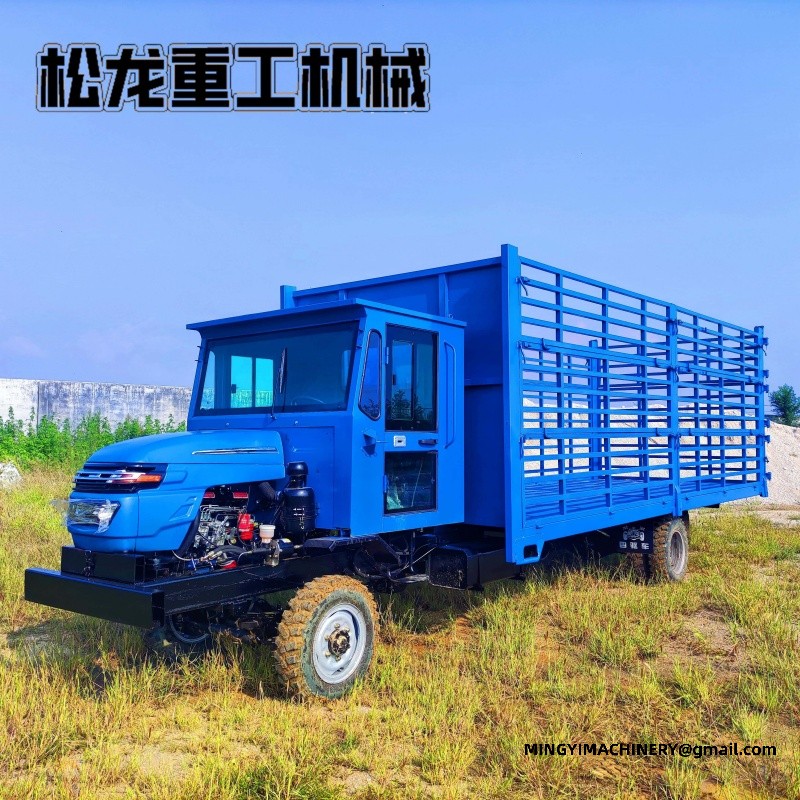
Build options are where a standard machine becomes the right machine. Colour, guarding, lighting, seating and hydraulic provisions can usually be set at build time on the equipment on site, and are far simpler then than as a retrofit. Fleet buyers often want consistency rather than variety. Specifying the machine itself so that several units share controls, filters and service points reduces training time and keeps the parts shelf small.
Quarry and tunnel work is hard on vehicles. Abrasive dust, sharp material and continuous loading mean the machine in that duty in this duty needs attention to filtration, body wear and brake condition far more often.
Support after delivery is a parts question. Filters, belts, hoses and the wearing items specific to a machine built for the work are what a buyer should plan to hold before the first service interval rather than order after a failure.
The order should state the configuration in writing. Engine, attachments, colour, documents and any market requirement are clearer on the build sheet for the dumper than in a conversation after delivery. Delivery planning includes the receiving end. Knowing whether this class of machine will be craned, driven or forked off, and whether the site can accept it, is settled before dispatch rather than on the day.
Machine productivity depends on what happens around it. Deliveries, other trades and the sequence of work decide how much of the shift a machine of this size spends actually working rather than waiting.
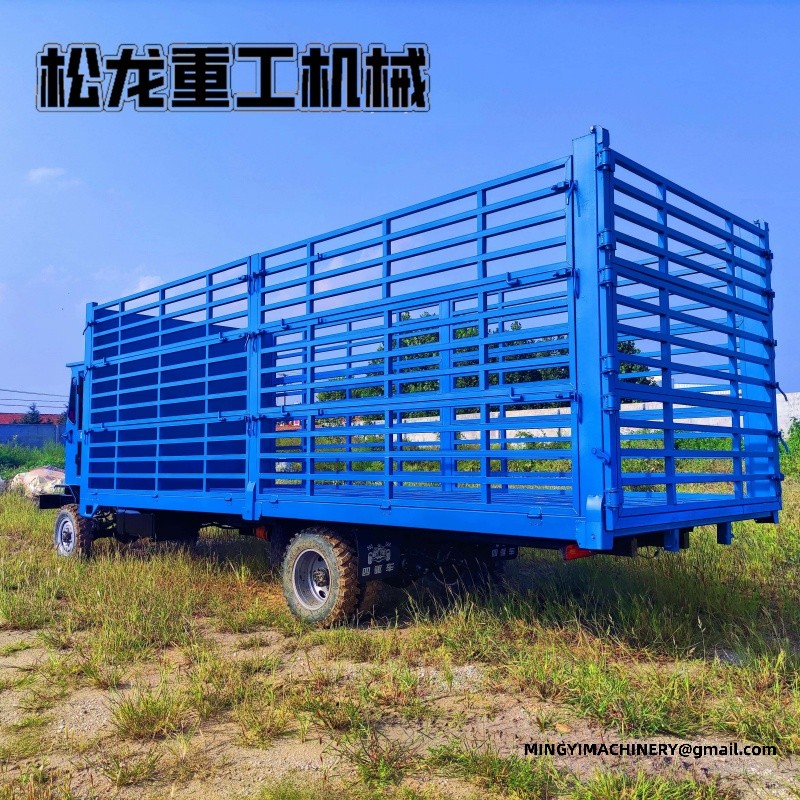
Upgrades should be checked against the base machine. Hydraulic capacity, mounting interface and stability all limit what can reasonably be added to the machine itself, and confirming those limits avoids an unsatisfactory result.
A short handover pays for itself. Operators who understand why the model in question is set up the way it is will report a change in behaviour early, which is usually the point where a repair is simplest.
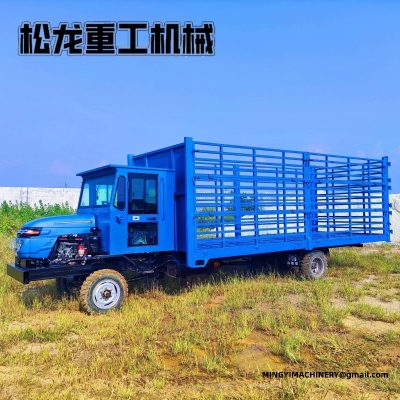
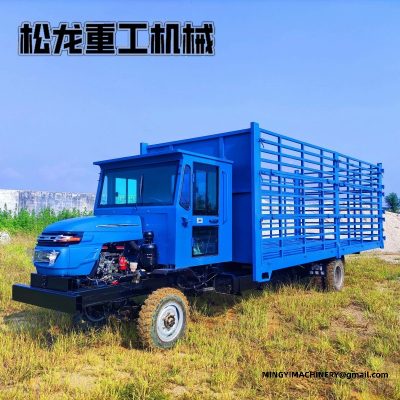
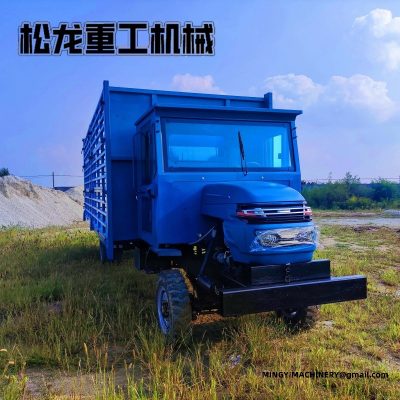
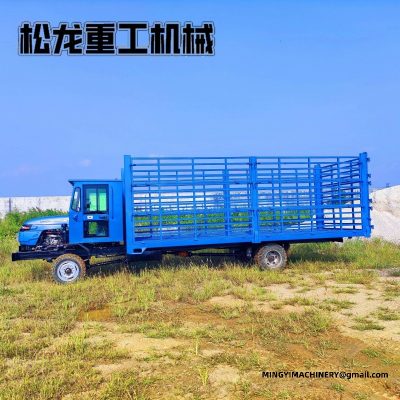
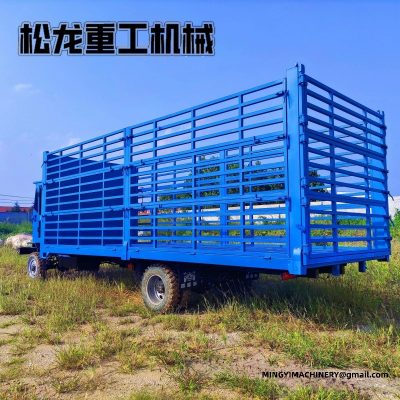
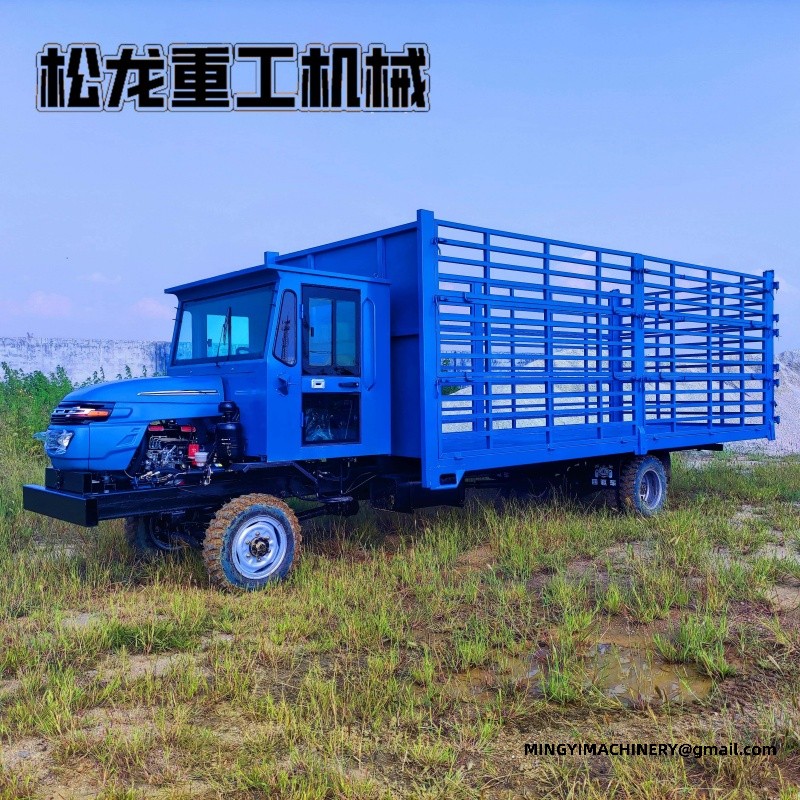
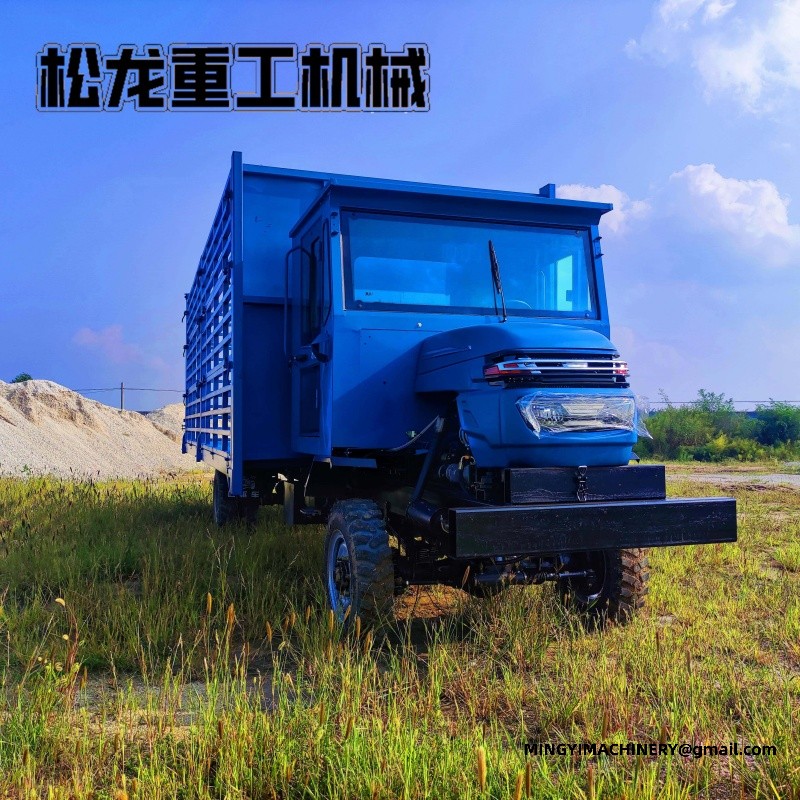
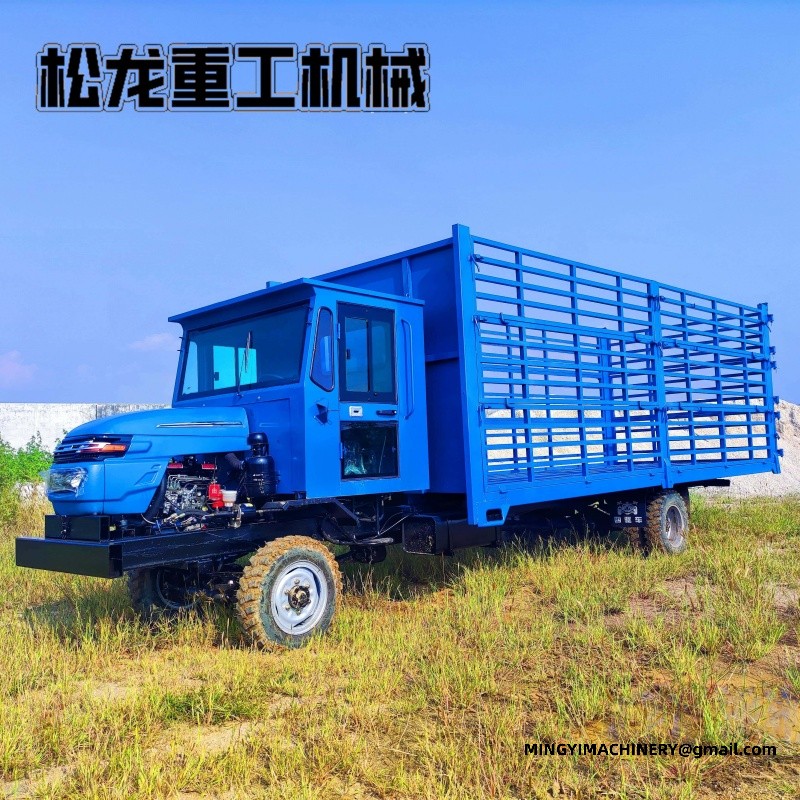
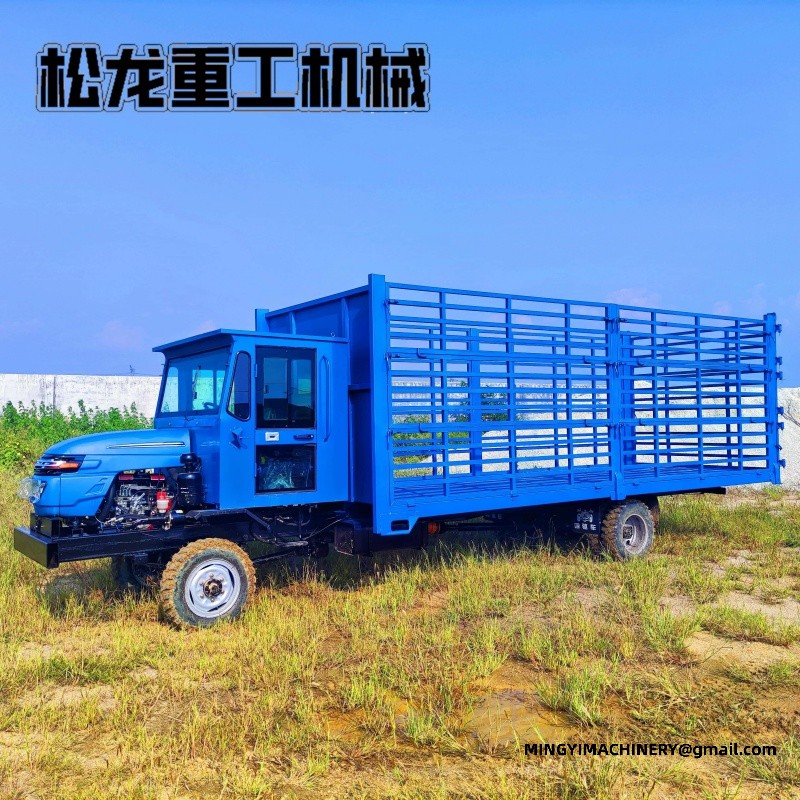
The configurations below are the build sheets most often matched to the unit on the job. Engine, gearbox, axles, frame and body dimensions are confirmed together, because the body size and the axle rating have to suit the load before the engine rating matters.
| # | 14.Luxury | 20.Luxury | 24.Luxury | 5.Luxury |
|---|---|---|---|---|
| 1 | Two-cylinder diesel engine, 38 hp | Four-cylinder 4102 turbocharged diesel engine | Four-cylinder 4108 turbocharged diesel engine | Single-cylinder diesel engine, 25 hp |
| 2 | Part-time gearbox, selectable 2WD/4WD | Model 140 part-time gearbox with four-wheel drive | Model 145 part-time gearbox, selectable 2WD/4WD | Part-time gearbox with four-wheel drive |
| 3 | High/low range with crawler gear | High/low range with crawler gear | High/low range with crawler gear | High/low range with crawler gear |
| 4 | Enclosed cab | Fully enclosed cab | Fully enclosed cab | Enclosed cab |
| 5 | Six 700-16 mountain tyres | Six 825R16 steel-belted radial tyres | Six 825R16 steel-belted radial tyres | Six 700-16 mountain tyres |
| 6 | Model 212 front axle | Reinforced ISUZU-pattern front axle | Reinforced ISUZU-pattern front axle | Model 212 front axle |
| 7 | Reinforced 130 rear axle | Reinforced 1080 rear axle | Reinforced 1080 rear axle | Model 130 rear axle |
| 8 | Air cut-off brakes | Air cut-off brakes | Air cut-off brakes | Air cut-off brakes |
| 9 | Reinforced 60 x 140 mm square tube frame | Reinforced 80 x 180 mm square tube frame | Reinforced 80 x 180 mm square tube frame | Reinforced 60 x 140 mm square tube frame |
| 10 | Rear body 2.2 m long x 1.5 m wide x 0.45 m high | Rear body 3.0 m long x 2.2 m wide x 0.45 m high | Rear body 3.0 m long x 2.2 m wide x 0.45 m high | Rear body 2.2 m long x 1.5 m wide x 0.45 m high |
| 11 | Tailgate with self-dumping function | Tailgate with self-dumping function | Tailgate with self-dumping function | Tailgate with self-dumping function |
| 12 | Side-opening rear body tailgate | Side-opening rear body tailgate with cab ladder | Side-opening rear body tailgate with cab ladder | Side-opening rear body tailgate |
| 13 | Hydraulic power steering | Hydraulic power steering | Hydraulic power steering | Hydraulic power steering |
| 14 | Twin hydraulic rams | Twin hydraulic rams | Twin hydraulic rams | Twin hydraulic rams |
| 15 | Heavy-duty leaf springs | Two-person comfort seat | Two-person comfort seat | Two-person comfort seat |
| 16 | Two-person comfort seat | Heavy-duty thickened leaf springs | Heavy-duty leaf springs | Heavy-duty leaf springs |
| 17 | Twin-battery electric start | Twin-battery electric start | Twin-battery electric start | Twin-battery electric start |
| 18 | Round-nose bonnet | Square-nose bonnet | Square-nose bonnet | Square-nose bonnet |
| 19 | — | Four-cylinder 4105 turbocharged | — | — |
| 20 | — | Four-cylinder 4108 turbocharged | — | — |
| 21 | — | Single-cylinder engine, 25 hp | — | — |
| 22 | — | Single-cylinder engine, 28 hp | — | — |
| 23 | — | Single-cylinder engine, 32 hp | — | — |
| 24 | — | Two-cylinder engine, 38 hp | — | — |
| 25 | — | Four-cylinder 490 engine | — | — |
| 26 | — | Four-cylinder 4102 turbocharged engine | — | — |
Transport shakes things loose. A short check of the equipment in service after the crate is opened, covering the same points the pre-delivery inspection covered, is the most useful insurance available on delivery day.
Securing the load is not optional. Lashing this class of machine at the points intended for it, checking the tension before the vehicle moves and rechecking after the first kilometres is standard practice rather than extra care.
The machine is only half of what arrives. The parts book, the service schedule and the declarations that come with a machine of this size are what let the owner register, insure and maintain it without a second round of emails.
Rubber, seals and hoses age whether the machine works or not. Keeping the machine itself out of direct sun and off damp ground slows that, and running it briefly at intervals keeps everything moving.
Contamination is easier to prevent than to cure. Keeping the filler caps sealed, the funnels clean and the containers closed around the machine in that duty is unglamorous work that shows up as reliability later.
Machines rarely fail without warning. A change in sound, a slower function or a new leak on a machine built for the work is the machine saying something early, and listening then takes a fraction of the time that waiting does.
Downtime is simplest when it is planned. Booking the service for the dumper in the quiet part of the season takes nothing from the schedule, while the same work in the busy weeks gives up a day of output every time.
Every line above is a build item rather than an optional extra, and the final sheet for this class of machine is confirmed against the destination, the ground and the load before production.
E-mail:sales@mingycn.com
LINE(ID):mingyicn









