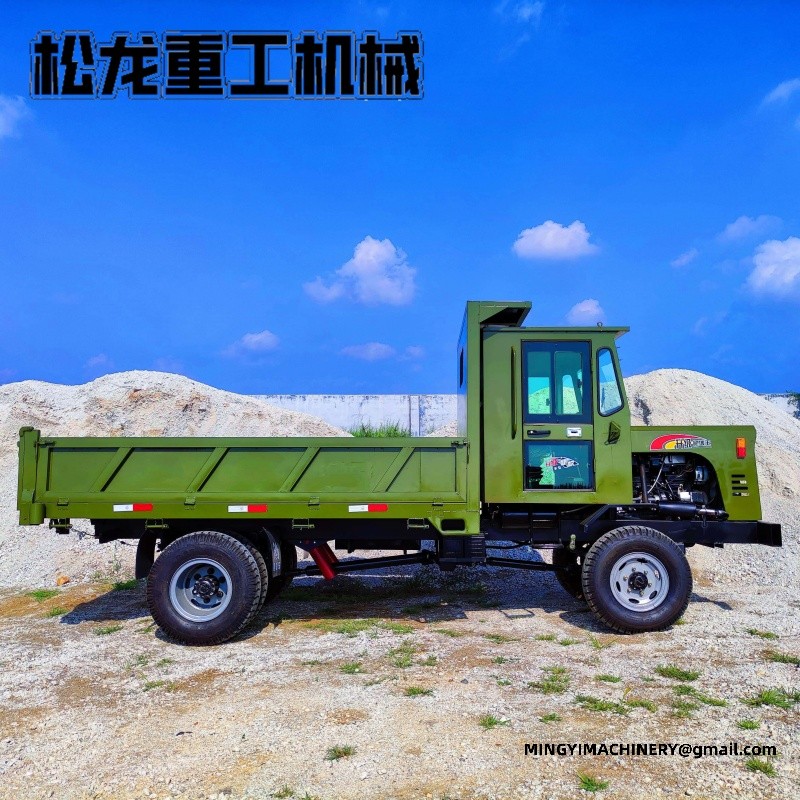
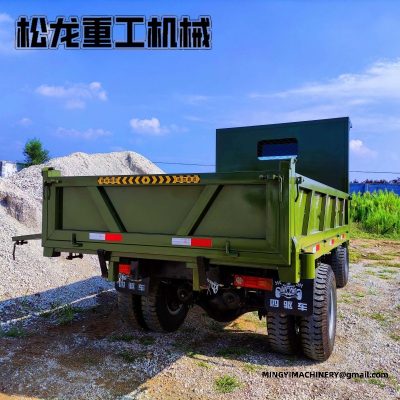
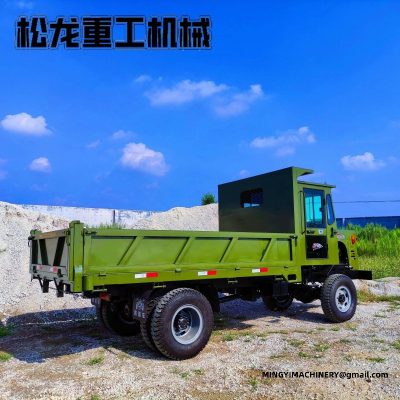
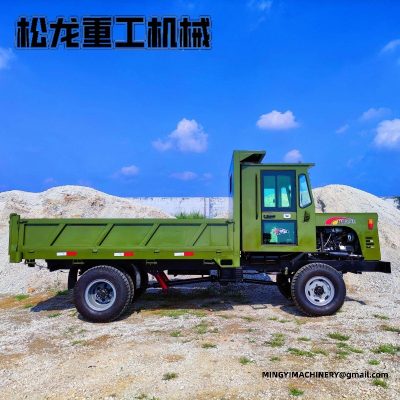
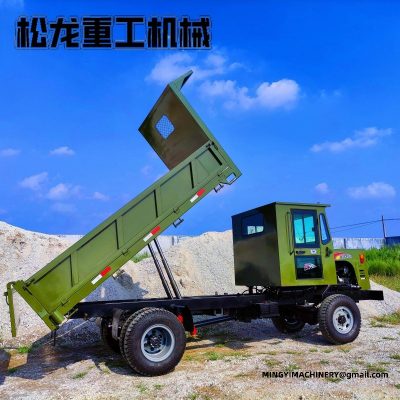
Most enquiries about the dumper start with a job rather than a machine. Someone has a site, a material and a deadline, and the specification follows from those three. This page works back from the job to the build sheet.
Lead time is part of the specification. Confirming build time, shipping method and what is included before ordering this class of machine prevents the common gap between when the machine is needed and when it can arrive. The order should state the configuration in writing. Engine, attachments, colour, documents and any market requirement are clearer on the build sheet for the unit in daily use than in a conversation after delivery. Delivery planning includes the receiving end. Knowing whether a machine of this size will be craned, driven or forked off, and whether the site can accept it, is settled before dispatch rather than on the day.
A crane or grab turns a haul vehicle into a loading machine. The equipment on site fitted with a hydraulic crane loads itself, which removes a second machine from the job and is often the whole reason for specifying one.
Build options are where a standard machine becomes the right machine. Colour, guarding, lighting, seating and hydraulic provisions can usually be set at build time on the machine itself, and are far simpler then than as a retrofit. Fleet buyers often want consistency rather than variety. Specifying the model in question so that several units share controls, filters and service points reduces training time and keeps the parts shelf small.
Handover should include the documents as well as the keys. Parts list, service schedule and the operator notes for the machine in that duty are what the workshop needs in month six, and they are much harder to obtain later. A short familiarisation session prevents the early faults. Most first-month problems on the unit on the job come from unfamiliarity with controls, limits or checks rather than from the machine itself. Keeping the manuals where they can be reached matters. A machine built for the work whose documents stay with the machine gets serviced on schedule; one whose paperwork was filed elsewhere tends to run on memory instead.
Recovering a stuck vehicle takes longer than preventing it. Planning the route, avoiding the worst ground and knowing where the equipment in service will turn is what keeps a soft-ground job productive.
Resale starts at purchase. Specification choices, service records and the condition of wearing parts are what a buyer looks at, and the dumper that has been maintained on schedule is worth more than one that merely looks clean. Replacement timing is a planning decision. Knowing the intended working life of this class of machine lets an owner sell while the machine still has value rather than after a major repair becomes due.
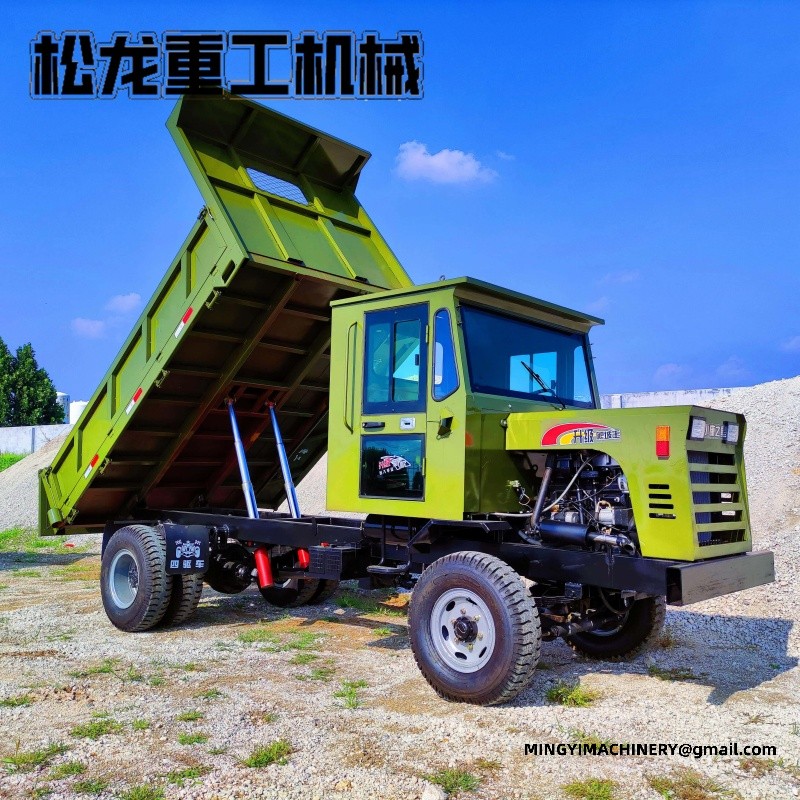
The specification should be written from the job backwards. Listing the loads, the ground and the hours first, then matching a machine of this size to that list, avoids buying capacity the work never uses and avoids discovering a shortfall in the first week. Buyers who specify the equipment on site on paper before enquiring get specifications that can be compared. Without that list, two suppliers will propose two different machines and the simpler one is usually the smaller one, not the better value. A written duty list is the simplest part of the purchase. It takes an hour to note the material, the distance, the gradient and the hours per week, and it is what turns the unit in daily use enquiry into a machine that fits.
Cold changes how a machine starts and how it warms up. Allowing the machine itself to reach operating temperature before loading it, and using the correct grade of oil and fuel for the season, prevents most cold-start problems. Low temperatures also make materials behave differently. Ground that is frozen hard in the morning can be soft by midday, and planning the sequence around that is easier than fighting it with the model in question.
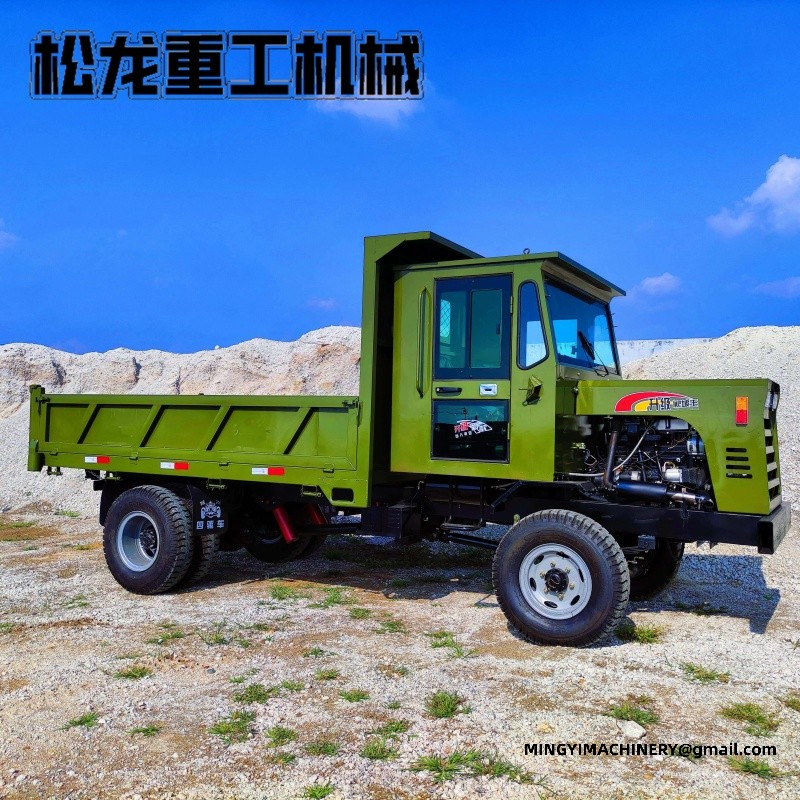
Hour planning helps at resale as well. The unit on the job with a recorded service history and a sensible hour count is easier to sell than one with the same hours and no records, whatever its condition.
Container loading is a planning exercise. Confirming how the equipment in service is packed and how many units fit a container is what turns a per-unit freight estimate into a delivered figure the buyer can actually plan against.
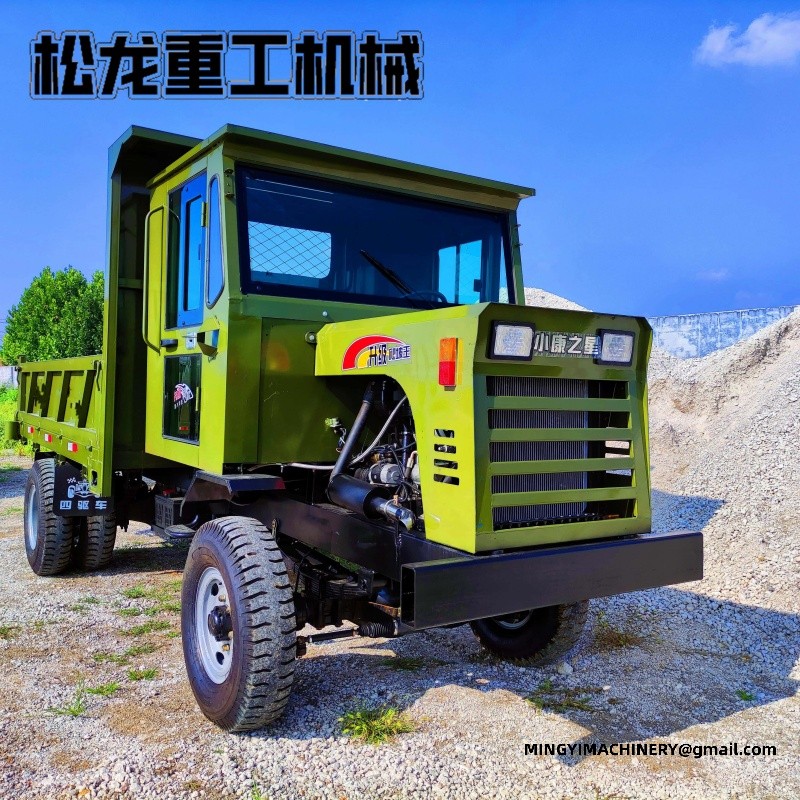
Consumption is best measured over a full week rather than judged per hour. Idle time, repositioning and waiting for other trades are often the largest share of the fuel this class of machine burns on a site.
Slopes and edges deserve a separate check. A machine of this size that is stable on level ground behaves differently across a gradient, and the safe working angle is a number worth knowing rather than estimating.
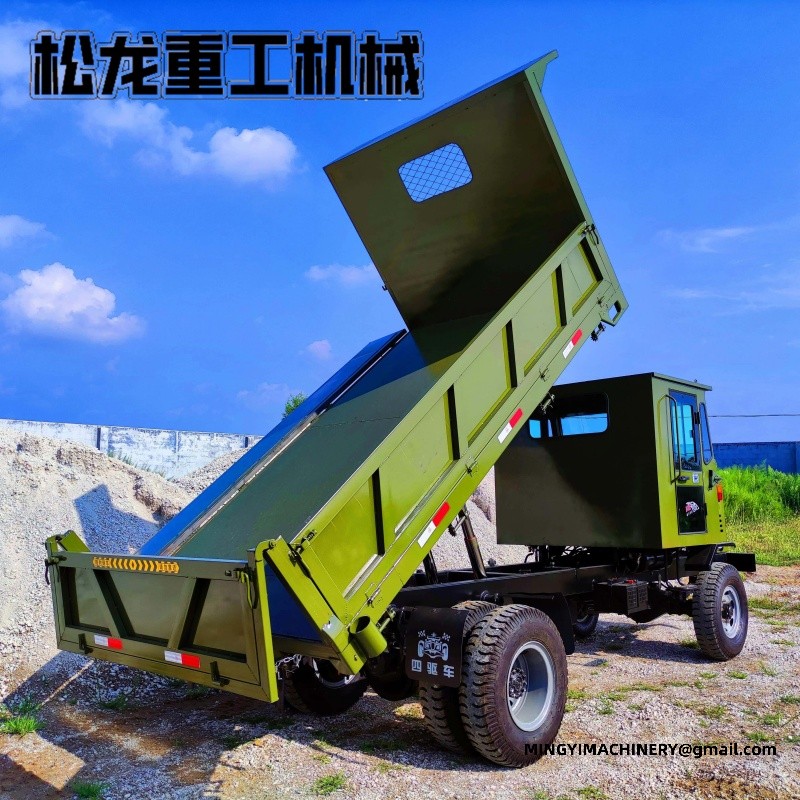
Visibility from the seat is different at night. Reflections, shadows and glare all hide detail, so the machine itself used after dark benefits from clean lenses, working wipers and a slower working pace. Planning helps more than extra lamps. Positioning the model in question so that the work is lit from the machine side, and keeping the route clear, does more for safety than adding light to a badly planned task.
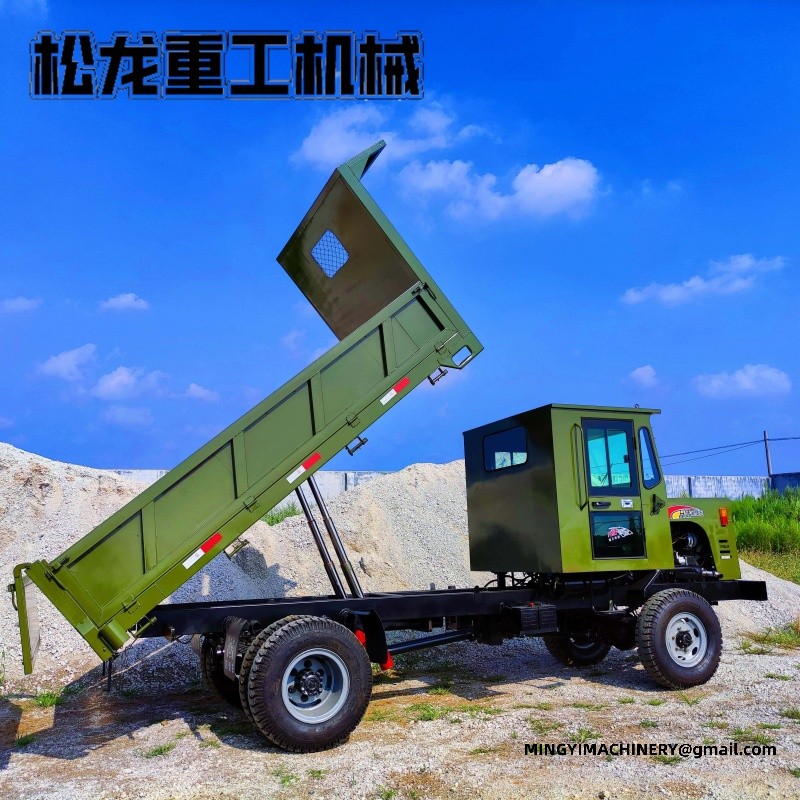
Access tracks in forestry are narrow, soft and often steep. The unit on the job chosen for that work is chosen for the track, and the body, cab and tyre specification follow from the route rather than from the load alone. Protection matters in timber work. Guarding, lighting and a cab that keeps branches out are the items that keep a machine built for the work working through a season rather than being repaired through it.
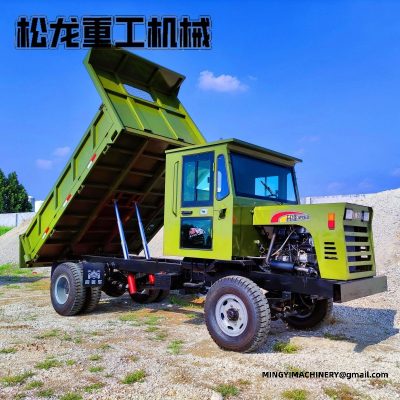
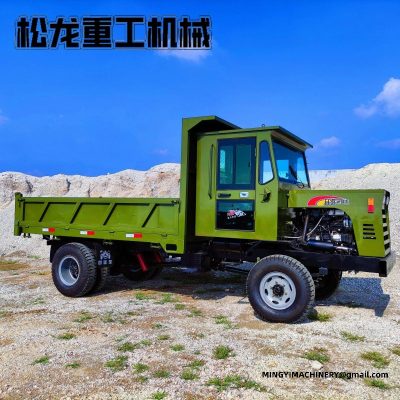
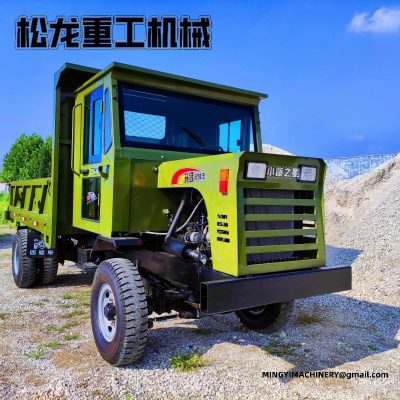
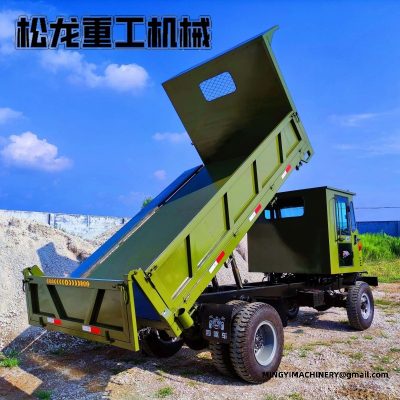
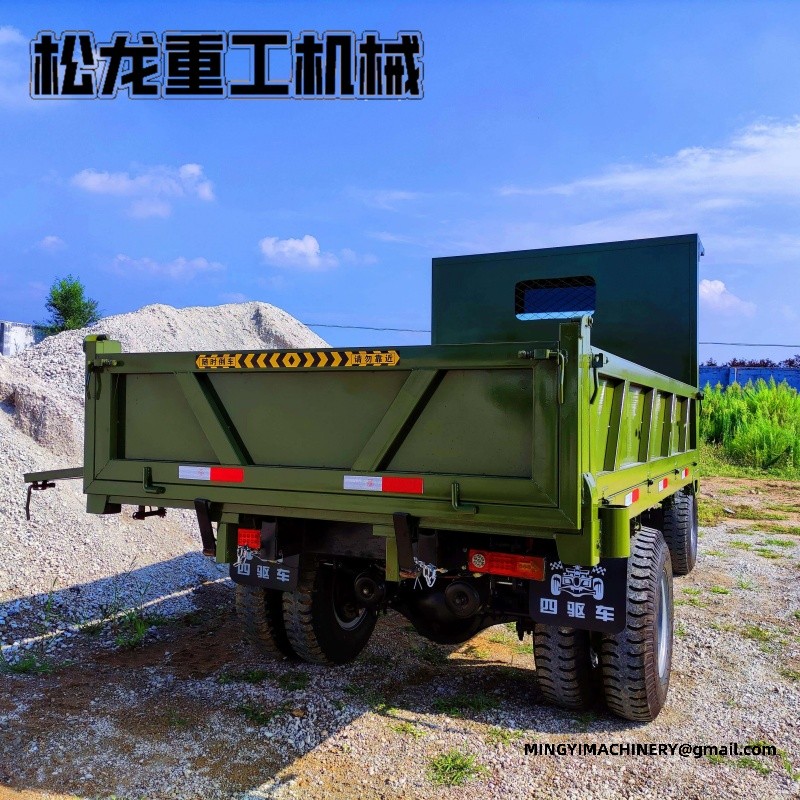
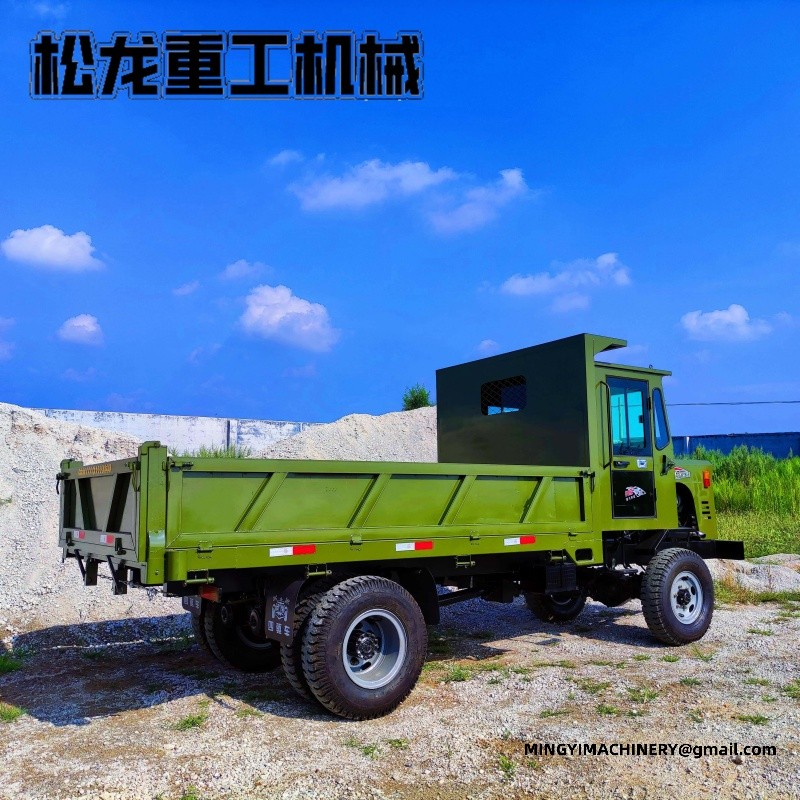
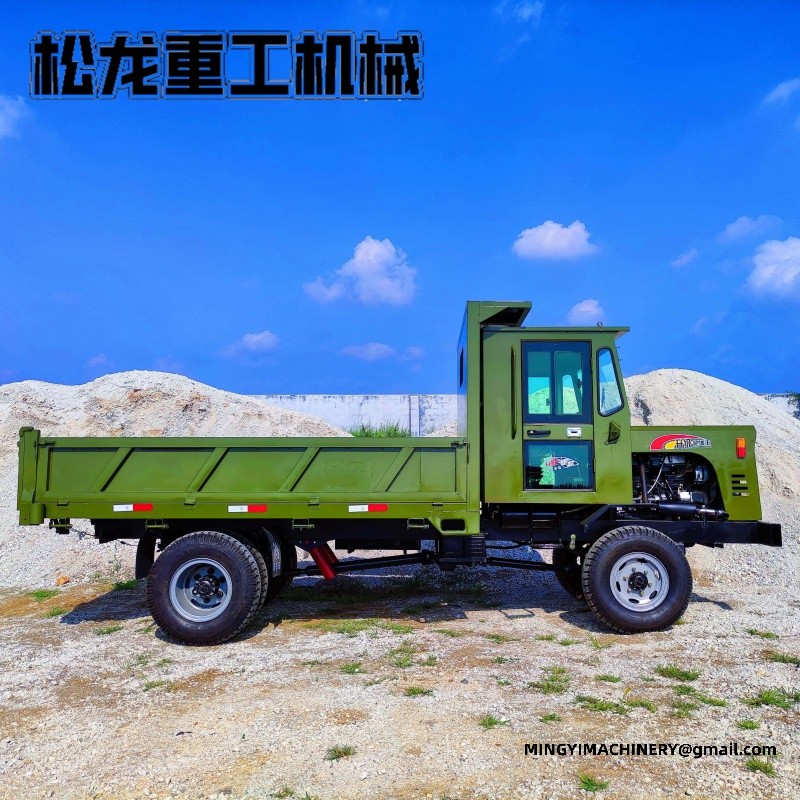
The configurations below are the build sheets most often matched to the dumper. Engine, gearbox, axles, frame and body dimensions are confirmed together, because the body size and the axle rating have to suit the load before the engine rating matters.
| # | 19.Upgraded | 24.Luxury | 3.Standard | 5.Luxury |
|---|---|---|---|---|
| 1 | Four-cylinder 4102 turbocharged diesel engine | Four-cylinder 4108 turbocharged diesel engine | Single-cylinder diesel engine, 25 hp | Single-cylinder diesel engine, 25 hp |
| 2 | Model 140 part-time gearbox with four-wheel drive | Model 145 part-time gearbox, selectable 2WD/4WD | Full-time gearbox with four-wheel drive | Part-time gearbox with four-wheel drive |
| 3 | High/low range with crawler gear | High/low range with crawler gear | High/low range with crawler gear | High/low range with crawler gear |
| 4 | Fully enclosed cab | Fully enclosed cab | Simple cab | Enclosed cab |
| 5 | Six 750R16 steel-belted radial tyres | Six 825R16 steel-belted radial tyres | Oil brakes | Six 700-16 mountain tyres |
| 6 | Reinforced ISUZU-pattern front axle | Reinforced ISUZU-pattern front axle | Four 700-16 mountain tyres | Model 212 front axle |
| 7 | Reinforced 1061 rear axle | Reinforced 1080 rear axle | Front axle 212 | Model 130 rear axle |
| 8 | Air cut-off brakes | Air cut-off brakes | Rear axle 130 | Air cut-off brakes |
| 9 | Reinforced 80 x 180 mm square tube frame | Reinforced 80 x 180 mm square tube frame | Reinforced 60 x 140 mm square tube frame | Reinforced 60 x 140 mm square tube frame |
| 10 | Rear body 3.0 m long x 2.1 m wide x 0.45 m high | Rear body 3.0 m long x 2.2 m wide x 0.45 m high | Rear body 2.2 m long x 1.5 m wide x 0.45 m high | Rear body 2.2 m long x 1.5 m wide x 0.45 m high |
| 11 | Tailgate with self-dumping function | Tailgate with self-dumping function | Tailgate with self-dumping function | Tailgate with self-dumping function |
| 12 | Side-opening rear body tailgate with cab ladder | Side-opening rear body tailgate with cab ladder | Hydraulic power steering | Side-opening rear body tailgate |
| 13 | Hydraulic power steering | Hydraulic power steering | Twin hydraulic rams | Hydraulic power steering |
| 14 | Twin hydraulic rams | Twin hydraulic rams | Two-person comfort seat | Twin hydraulic rams |
| 15 | Two-person comfort seat | Two-person comfort seat | Twin-battery electric start | Two-person comfort seat |
| 16 | Thickened heavy-duty leaf springs | Heavy-duty leaf springs | Square-nose bonnet | Heavy-duty leaf springs |
| 17 | Twin-battery electric start | Twin-battery electric start | — | Twin-battery electric start |
| 18 | Square-nose bonnet | Square-nose bonnet | — | Square-nose bonnet |
Transport shakes things loose. A short check of the unit in daily use after the crate is opened, covering the same points the pre-delivery inspection covered, is the most useful insurance available on delivery day.
Fluid quality is a storage problem before it is a machine problem. Water and sediment in a drum will find the injection system of the equipment on site eventually, and a settling period is nothing compared with a pump.
A machine that works on one site still has to reach the next. The overall dimensions and the operating weight of the model in question decide what trailer or truck is needed, and that decision belongs before the job is booked.
Container loading is a planning exercise. The overall dimensions and the operating weight of the unit on the job decide whether it ships whole, partly disassembled or with the attachment removed, and that decision is made before the booking.
Retrofitting is limited by the base machine. Before anything is added to the equipment in service the hydraulic flow, the mounting interface and the stability allowance have to be checked, because those limits are what decide what is sensible.
Workload is rarely even across the year, and the machine should be specified for the busy weeks. This class of machine sized only for the average month will be the limiting factor exactly when the work is worth the most.
Holding spares is about downtime rather than the shelf itself. The question for a machine of this size is not how large the part is but how long the machine sits while it is found, and a small shelf answers that better than a fast courier.
Documentation should match the machine that was actually built. The sheet supplied with the machine itself records the configuration as delivered, because the generic catalogue description is not what the customer needs when ordering a part.
Every line above is a build item rather than an optional extra, and the final sheet for the model in question is confirmed against the destination, the ground and the load before production.
E-mail:sales@mingycn.com
LINE(ID):mingyicn









