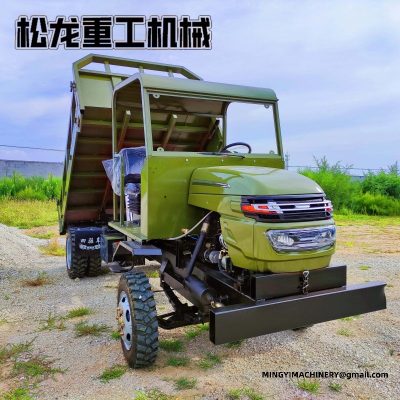
Choosing the dumper usually comes down to a handful of decisions made early: size, power, the ground it will work on and the attachments it has to carry. The notes below follow that order, because each one narrows the next.
Size matters underground. Overall height and width decide whether this class of machine can work in a tunnel at all, and those dimensions are the first thing to confirm rather than the last.
Remote diagnosis shortens most faults. A walk-around on video with the panels open often identifies the cause on the unit in daily use without waiting for a visit, and avoids shipping a part that turns out not to be needed.
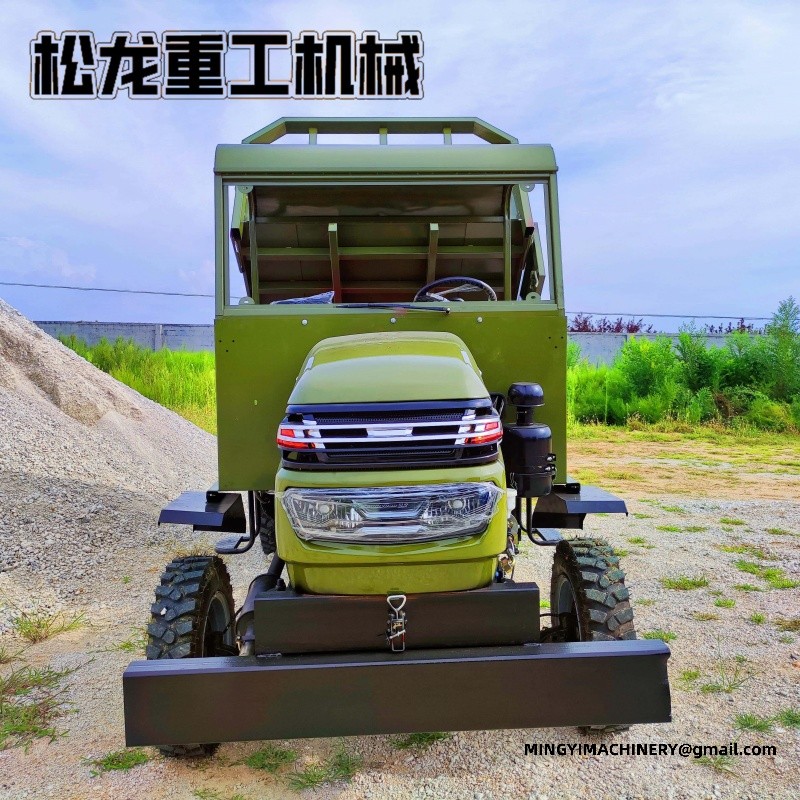
Moving the machine is part of owning it. Overall length, width and height decide which trailer or container a machine of this size fits, and a machine that needs a permit or an abnormal load escort is a machine with a delivery delay built in.
Warranty terms are clearer when they are read before purchase. Knowing what is covered, what counts as a wearing item and what documentation is required makes a claim on the equipment on site straightforward rather than contested.
Carrying concrete changes the duty entirely. The machine itself with a mixer drum is working against the clock, and the specification follows the delivery distance and the site access rather than the load alone. Drum bodies need power and stability. The model in question set up for concrete has to carry the drum, the load and the water, and the frame and brakes should be specified for that combined weight. Cleaning and discharge are part of the job. The machine in that duty used for concrete is judged on how quickly it can discharge and wash out, because that turnaround is what the site is paying for.
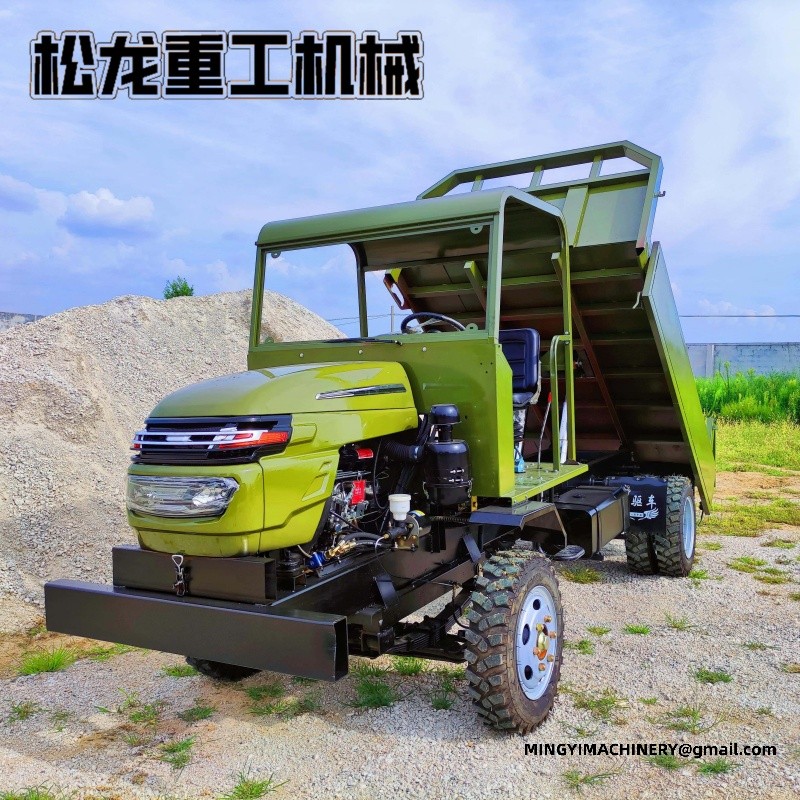
Cold changes how a machine starts and how it warms up. Allowing the unit on the job to reach operating temperature before loading it, and using the correct grade of oil and fuel for the season, prevents most cold-start problems. Batteries and fluids are the parts that notice the cold first. A machine built for the work kept on a maintainer through a freezing spell starts on the first turn, while one left standing is the usual cause of a lost morning.
Buyers who specify the dumper on paper before enquiring get specifications that can be compared. Without that list, two suppliers will propose two different machines and the simpler one is usually the smaller one, not the better value. A written duty list is the simplest part of the purchase. It takes an hour to note the material, the distance, the gradient and the hours per week, and it is what turns the equipment in service enquiry into a machine that fits.
Cleaning is maintenance, not appearance. Washing the cooling surfaces and clearing packed material from this class of machine keeps temperatures where they should be and makes the next inspection quicker and more useful. Sealed points and guarded areas deserve a look in these conditions. The unit in daily use working in abrasive dust benefits from checked boots, intact guards and clean breathers, all of which are quick to verify.
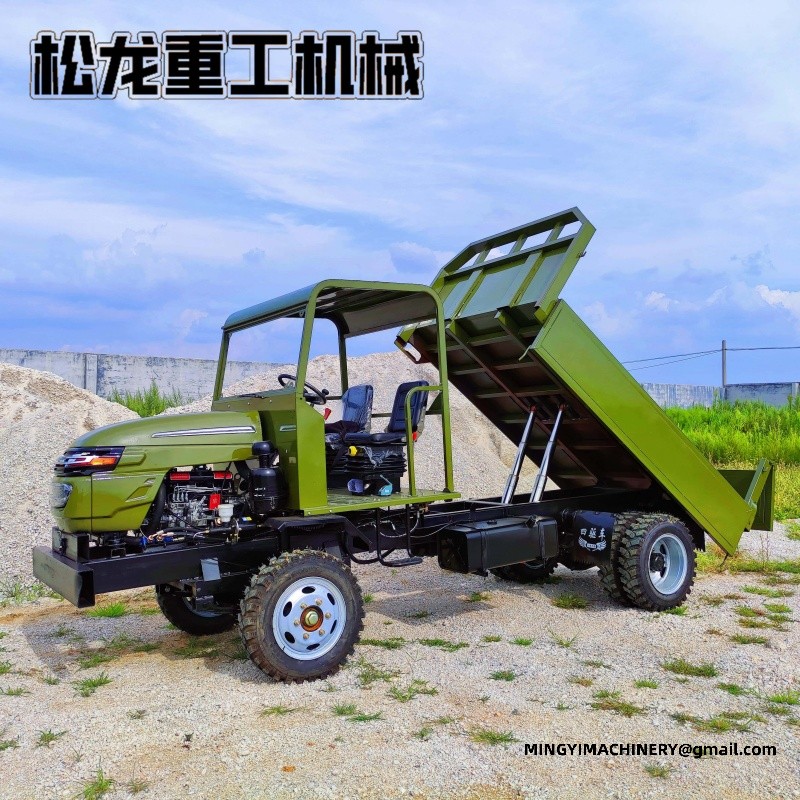
Working after daylight changes the risk. Lighting coverage on the equipment on site and across the working area, plus high-visibility clothing for anyone on foot, are the items that make low-light work practical.
Ground decides more of the outcome than power does. Soft, wet or loose surfaces call for a wider footprint and lower ground pressure, while hard standing allows a narrower machine that turns in less space and travels faster between tasks.
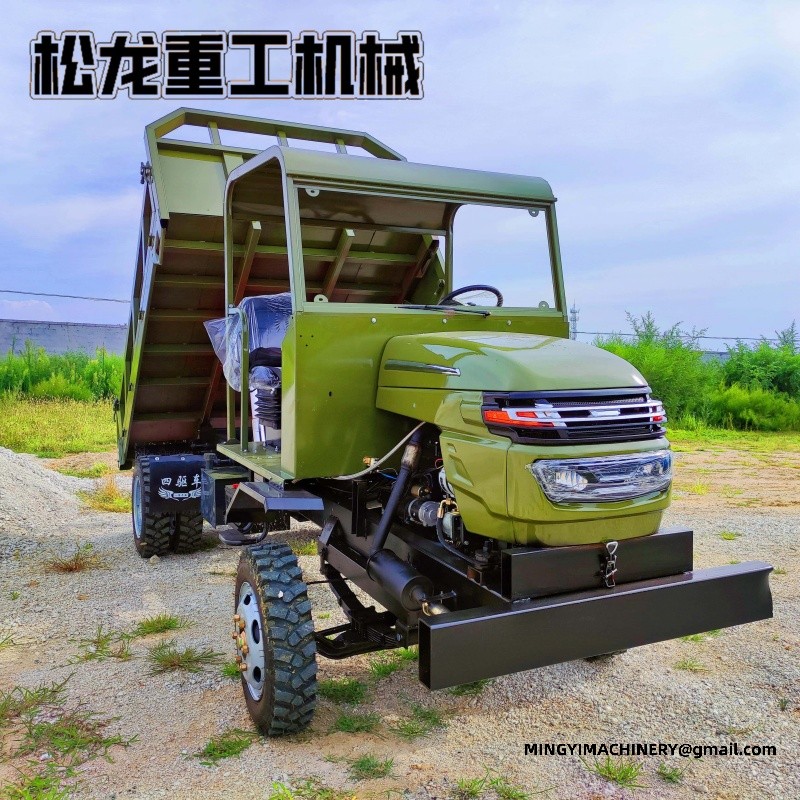
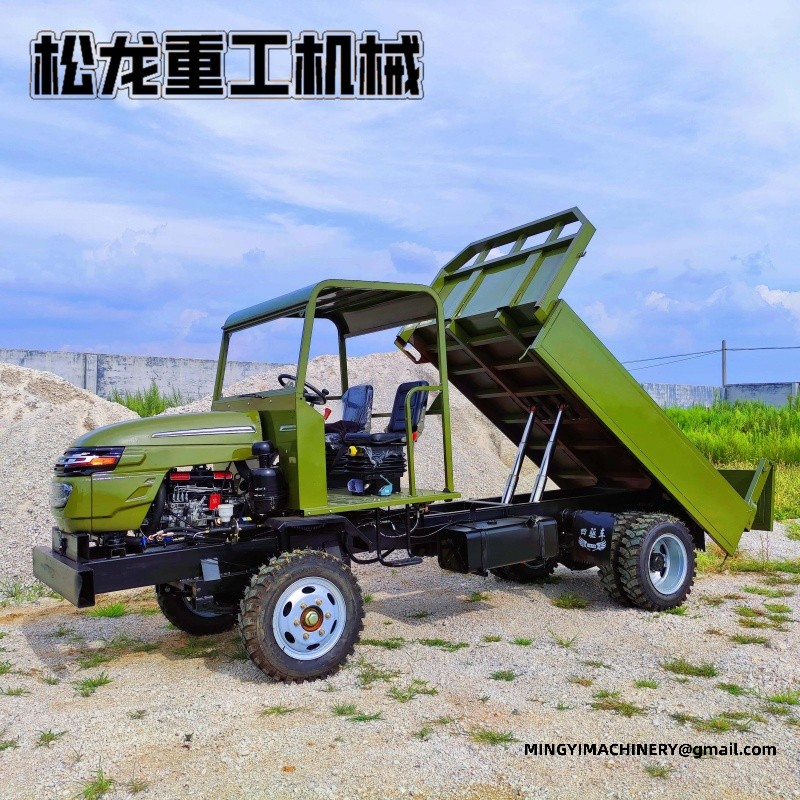
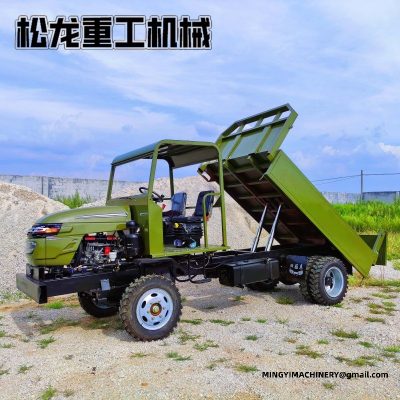
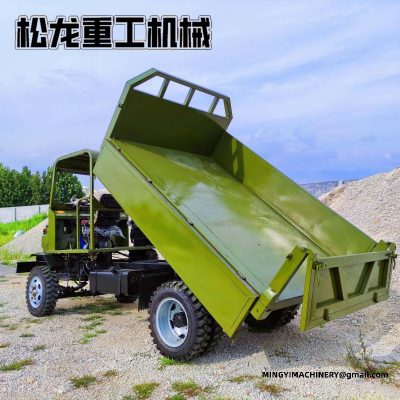
The tipping body is the part that does the work. The machine in that duty specified with twin hydraulic rams and a tailgate that opens under load unloads in one pass, which matters more on a short haul than top speed does. Unloading method should follow the material. Wet spoil, aggregate and green timber behave differently in the body, and matching the body and tailgate arrangement to the load is what keeps the unit on the job cycling rather than being hand-cleared. Body size is a compromise with access. A larger body on a machine built for the work carries more per trip but needs more room to turn and tip, so the useful question is how many trips the route allows rather than how much it holds.
Lead time is part of the specification. Confirming build time, shipping method and what is included before ordering the dumper prevents the common gap between when the machine is needed and when it can arrive. The order should state the configuration in writing. Engine, attachments, colour, documents and any market requirement are clearer on the build sheet for this class of machine than in a conversation after delivery.
Standing still is hard on machinery. A machine of this size left for weeks benefits from a clean, dry, covered space, a charged battery and a fuel system prepared for the layoff, and all three effort very little.
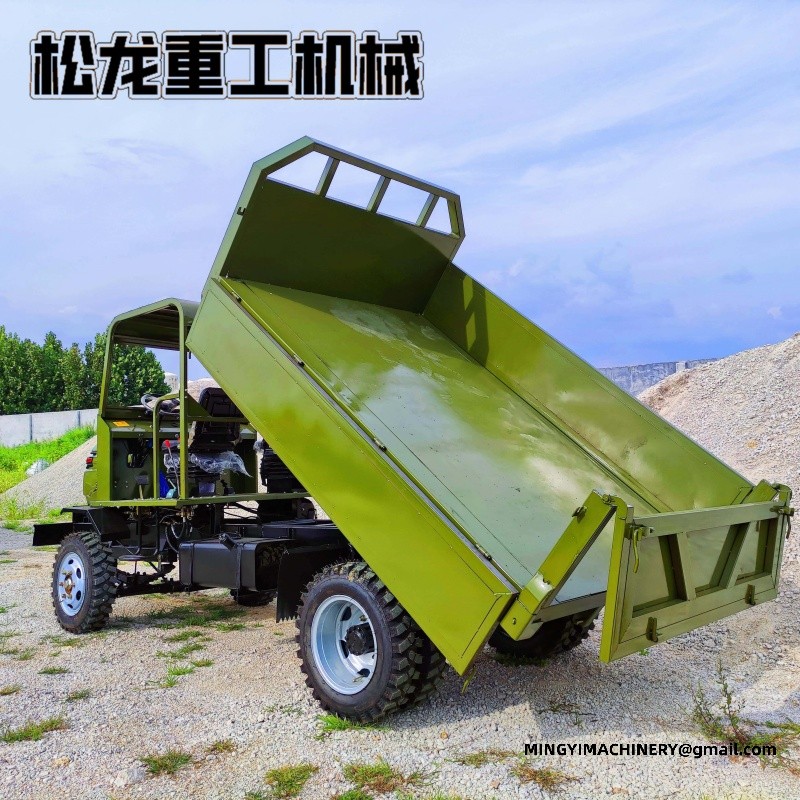
Loading method affects the machine as much as the load does. Material dropped from height into the machine itself shocks the frame and the body floor, while material placed evenly spreads the load and extends body life. The honest payload figure comes from the duty. The model in question working a smooth haul road carries differently from one crossing ruts and gradients, and the conservative number is the one that keeps the machine working.
Water is heavy and it moves. Baffles and sensible speeds matter on the unit on the job with a tank body, and the specification should reflect the ground the vehicle will cross rather than only the volume needed.
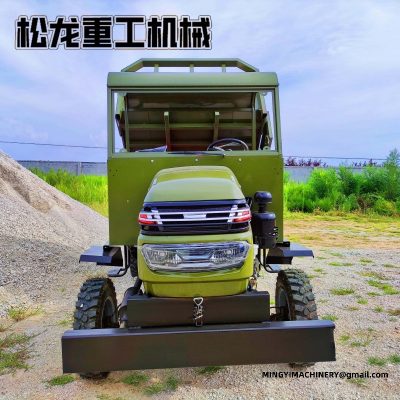
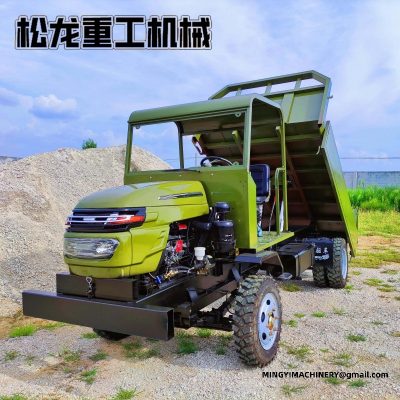
The configurations below are the build sheets most often matched to the equipment in service. Engine, gearbox, axles, frame and body dimensions are confirmed together, because the body size and the axle rating have to suit the load before the engine rating matters.
| # | 13.Upgraded | 5.Luxury | 8.Luxury | 9.Standard |
|---|---|---|---|---|
| 1 | Two-cylinder diesel engine, 38 hp | Single-cylinder diesel engine, 25 hp | Single-cylinder diesel engine, 28 hp | Single-cylinder diesel engine, 32 hp |
| 2 | Full-time gearbox with four-wheel drive | Part-time gearbox with four-wheel drive | Part-time gearbox, selectable 2WD/4WD | Full-time gearbox with four-wheel drive |
| 3 | High/low range with crawler gear | High/low range with crawler gear | High/low range with crawler gear | High/low range with crawler gear |
| 4 | Front axle clutch | Enclosed cab | Enclosed cab | Simple cab |
| 5 | Fully enclosed cab | Six 700-16 mountain tyres | Six 700-16 mountain tyres | Oil brakes |
| 6 | Oil brakes | Model 212 front axle | Model 212 front axle | Four 700-16 mountain tyres |
| 7 | Four 700-16 mountain tyres | Model 130 rear axle | Model 130 rear axle | Front axle 212 |
| 8 | Front axle 212 | Air cut-off brakes | Air cut-off brakes | Rear axle 130 |
| 9 | Rear axle 130 | Reinforced 60 x 140 mm square tube frame | Reinforced 60 x 140 mm square tube frame | Reinforced 60 x 140 mm square tube frame |
| 10 | Reinforced 60 x 140 mm square tube frame | Rear body 2.2 m long x 1.5 m wide x 0.45 m high | Rear body 2.2 m long x 1.5 m wide x 0.45 m high | Rear body 2.2 m long x 1.5 m wide x 0.45 m high |
| 11 | Rear body 2.2 m long x 1.5 m wide x 0.45 m high | Tailgate with self-dumping function | Tailgate with self-dumping function | Tailgate with self-dumping function |
| 12 | Tailgate with self-dumping function | Side-opening rear body tailgate | Side-opening rear body tailgate | Hydraulic power steering |
| 13 | Hydraulic power steering | Hydraulic power steering | Hydraulic power steering | Twin hydraulic rams |
| 14 | Twin hydraulic rams | Twin hydraulic rams | Twin hydraulic rams | Two-person comfort seat |
| 15 | Two-person comfort seat | Two-person comfort seat | Two-person comfort seat | Twin-battery electric start |
| 16 | Twin-battery electric start | Heavy-duty leaf springs | Heavy-duty leaf springs | Square-nose bonnet |
| 17 | Round-nose bonnet | Twin-battery electric start | Twin-battery electric start | — |
| 18 | — | Square-nose bonnet | Square-nose bonnet | — |
Operators who come from a different machine need a short conversion. The controls on this class of machine follow the usual pattern, but the response, the sightlines and the stopping distance are learned by doing rather than by reading.
The machine is only half of what arrives. The parts book, the service schedule and the declarations that come with a machine of this size are what let the owner register, insure and maintain it without a second round of emails.
An added function should pay for itself quickly. Whether the machine itself gains a different bucket, a hydraulic service or a protection package, the test is the number of days a year it is actually used.
Most engine trouble starts with what went into the tank. Clean fuel, stored properly and filtered before it reaches the machine in that duty, prevents more downtime than any other single habit an owner can adopt.
The symptom is usually not at the fault. A hydraulic function that has become sluggish on a machine built for the work may point to a filter, a relief setting or a pump, and starting with the simple checks avoids the wrong guess.
Training is simpler than repair. An hour spent with a new operator on the dumper, covering the limits and the awkward cases, is the least lengthy hour in the whole ownership.
Cold exposes weak batteries, thick oil and water in the fuel. Preparing the unit in daily use for winter means the right grade of oil, a battery in good condition and fuel that will not wax in the tank overnight.
Every line above is a build item rather than an optional extra, and the final sheet for a machine of this size is confirmed against the destination, the ground and the load before production.
E-mail:sales@mingycn.com
LINE(ID):mingyicn









