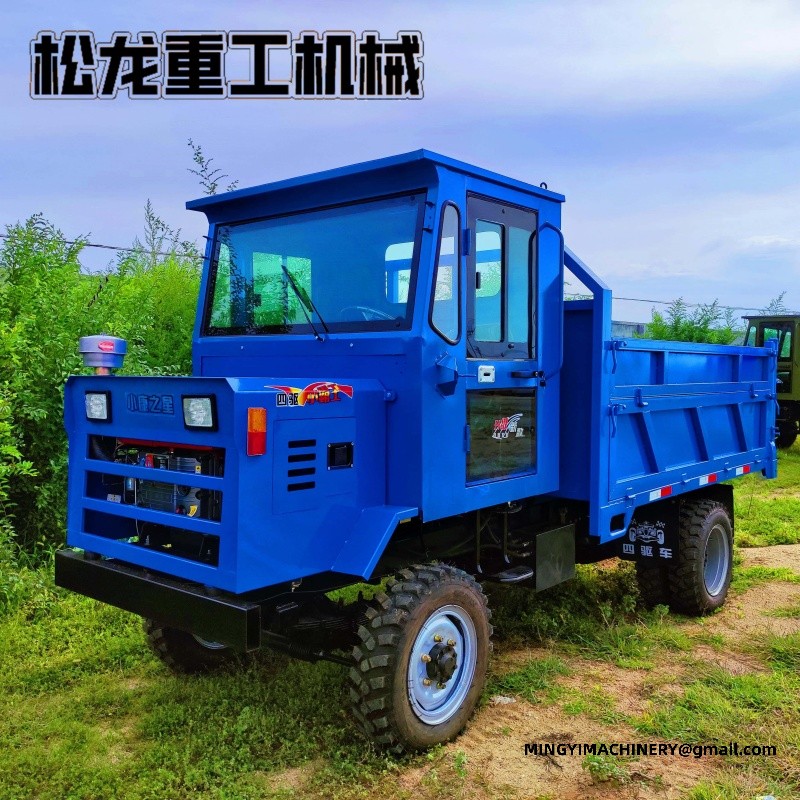
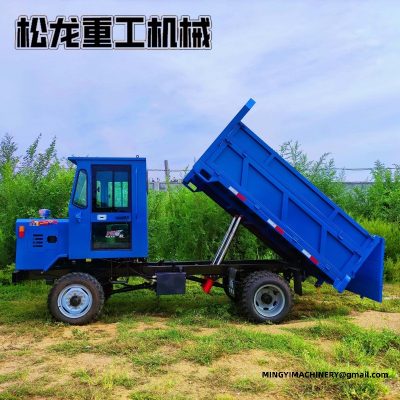
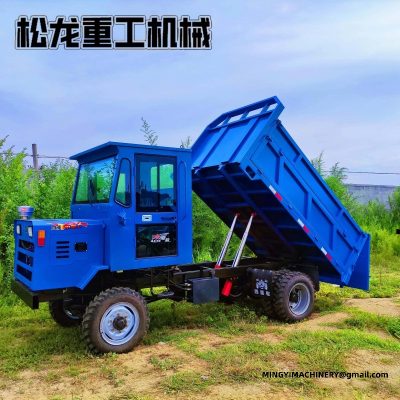
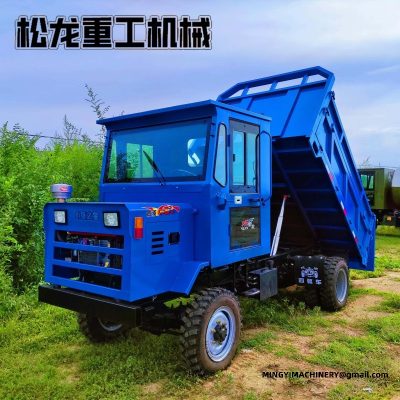
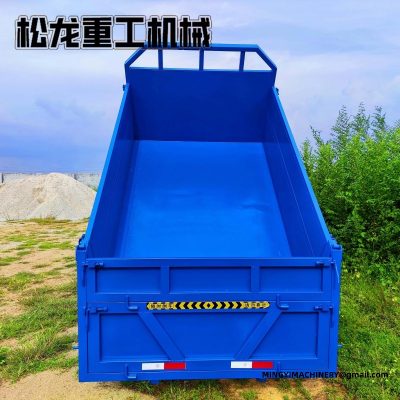
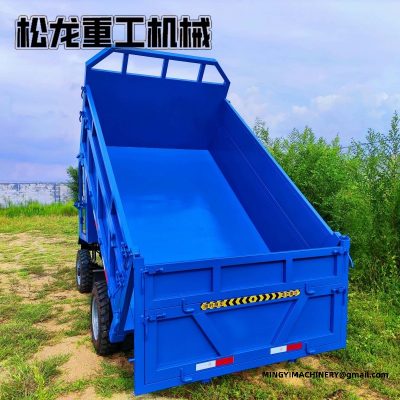
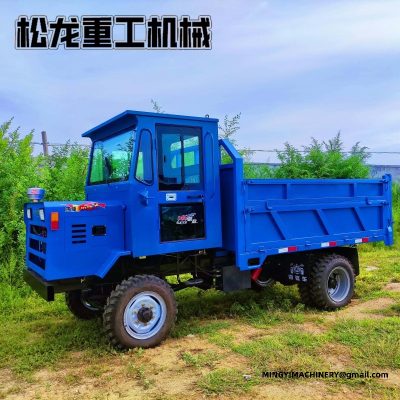
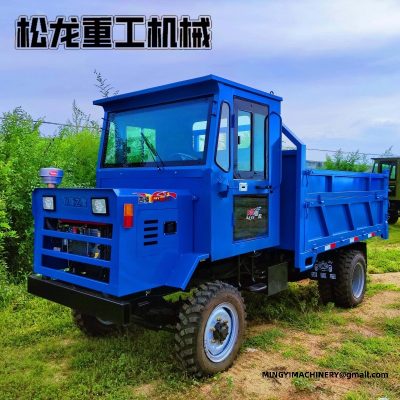
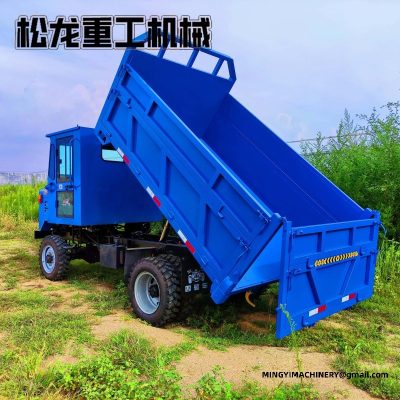
Where the dumper is used matters as much as what it is. Ground, climate, access and the skill of the operator all change the right answer, which is why the sections below start from the working conditions and work towards the specification.
Matching All Terrain Transport Vehicle with hydraulic tipping body - export packing and shipping to ground conditions
Ground decides more of the outcome than power does. Soft, wet or loose surfaces call for a wider footprint and lower ground pressure, while hard standing allows a narrower machine that turns in less space and travels faster between tasks. The working surface should be surveyed before this class of machine is specified. A machine that is stable on compacted gravel can be unusable on the same site after rain, and the difference shows up as lost days rather than as a fault.
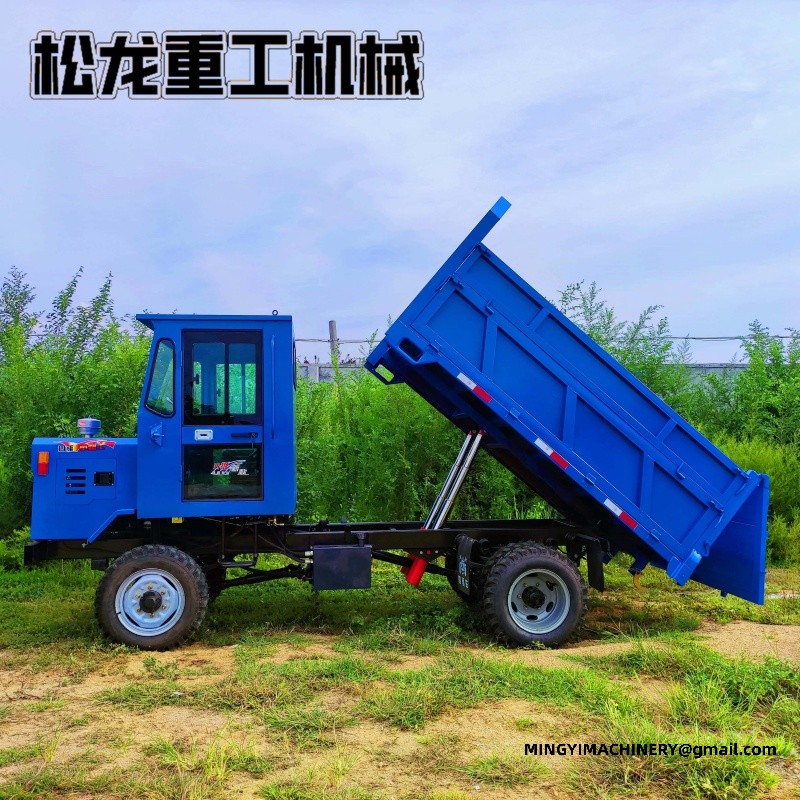
Farm work is seasonal and varied. The unit in daily use that hauls feed in one month and muck or aggregate in the next earns its place by being usable across the year rather than by being optimised for one task. Farm users also value simplicity. A machine of this size that can be serviced in the yard with common tools and common parts suits a farm better than one that needs a dealer visit for routine work.
Fitting All Terrain Transport Vehicle with hydraulic tipping body - export packing and shipping into the wider site plan
Machine productivity depends on what happens around it. Deliveries, other trades and the sequence of work decide how much of the shift the equipment on site spends actually working rather than waiting. Access and storage are worth settling early. Where the machine itself will be parked, refuelled and serviced on site affects the working day more than most specification details, and it takes nothing to plan.
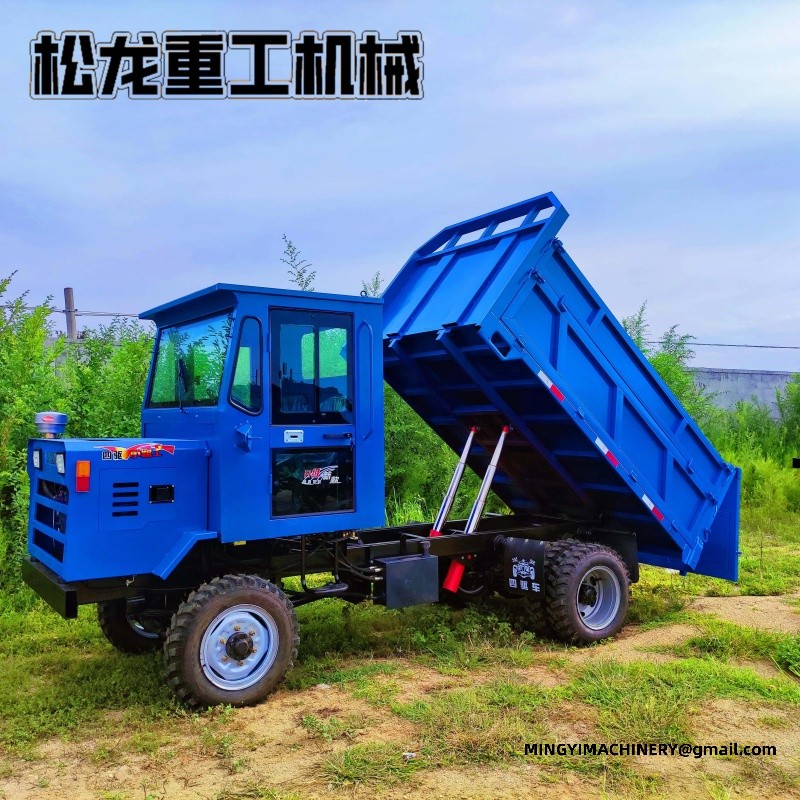
Warranty terms are clearer when they are read before purchase. Knowing what is covered, what counts as a wearing item and what documentation is required makes a claim on the model in question straightforward rather than contested. Early faults are usually simple. The machine in that duty that behaves differently in its first few hours is more often mis-set than defective, and a call to the supplier at that point usually resolves it the same day.
Dust, mud and abrasive conditions around All Terrain Transport Vehicle with hydraulic tipping body - export packing and shipping
Cleaning is maintenance, not appearance. Washing the cooling surfaces and clearing packed material from the unit on the job keeps temperatures where they should be and makes the next inspection quicker and more useful.
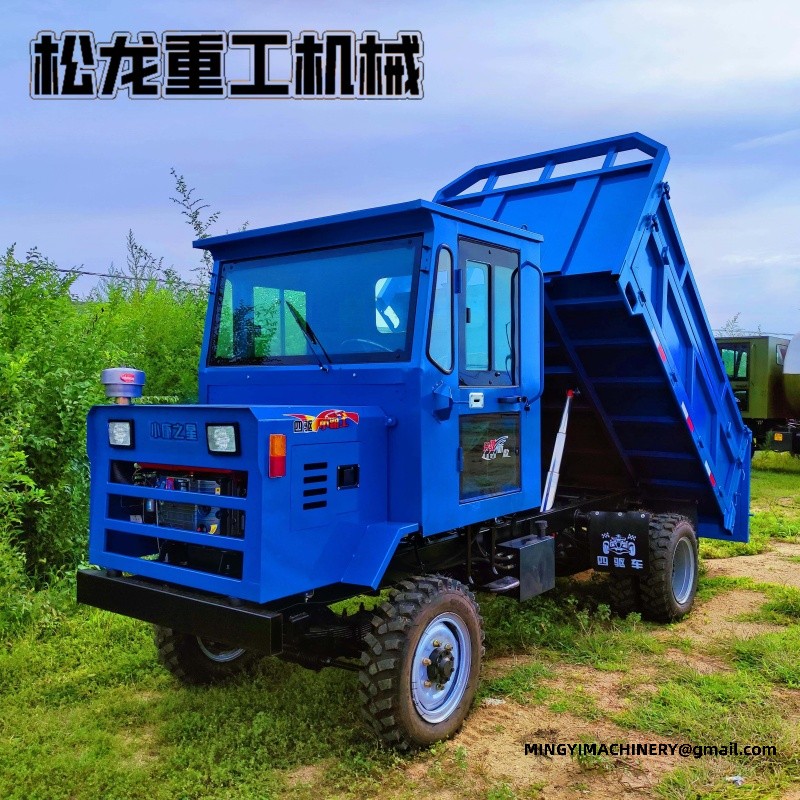
Handover and documentation for All Terrain Transport Vehicle with hydraulic tipping body - export packing and shipping
A short familiarisation session prevents the early faults. Most first-month problems on a machine built for the work come from unfamiliarity with controls, limits or checks rather than from the machine itself.
Ordering, lead time and delivery of All Terrain Transport Vehicle with hydraulic tipping body - export packing and shipping
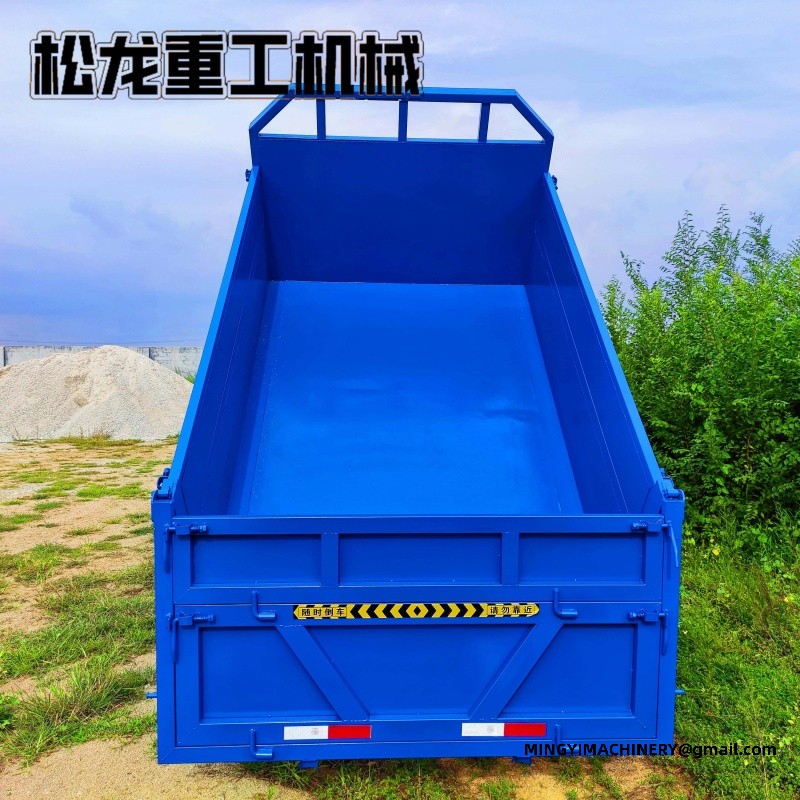
Lead time is part of the specification. Confirming build time, shipping method and what is included before ordering the equipment in service prevents the common gap between when the machine is needed and when it can arrive.
Soft ground, paddy fields and mud with All Terrain Transport Vehicle with hydraulic tipping body - export packing and shipping
Four-wheel drive is only part of soft ground capability. Tyre choice, ground clearance and weight distribution decide whether the dumper keeps moving in a paddy field or a marsh, and all three are specified rather than assumed. Soft ground punishes the wrong tyre. Mountain pattern tyres on this class of machine clear mud that a road pattern would pack with, and the difference is measured in whether the machine finishes the day. Recovering a stuck vehicle takes longer than preventing it. Planning the route, avoiding the worst ground and knowing where the unit in daily use will turn is what keeps a soft-ground job productive.
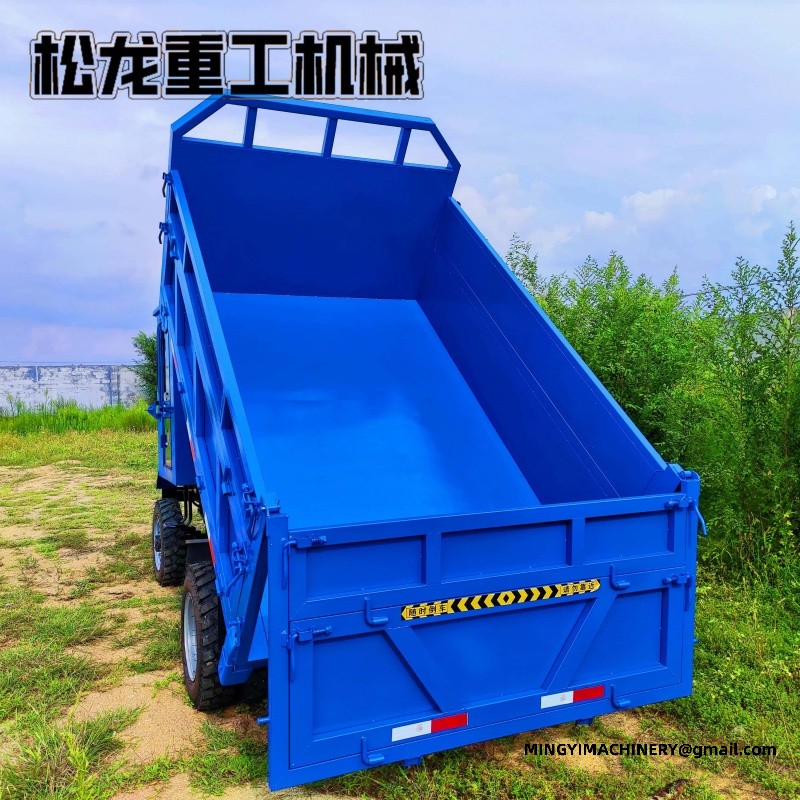
Customisation should still be limited to what the work needs. Each addition to the equipment on site is another item to maintain, so the useful question is not what can be added but what the job list actually requires.
Working after daylight changes the risk. Lighting coverage on the machine in that duty and across the working area, plus high-visibility clothing for anyone on foot, are the items that make low-light work practical. Visibility from the seat is different at night. Reflections, shadows and glare all hide detail, so the model in question used after dark benefits from clean lenses, working wipers and a slower working pace. Planning helps more than extra lamps. Positioning the unit on the job so that the work is lit from the machine side, and keeping the route clear, does more for safety than adding light to a badly planned task.
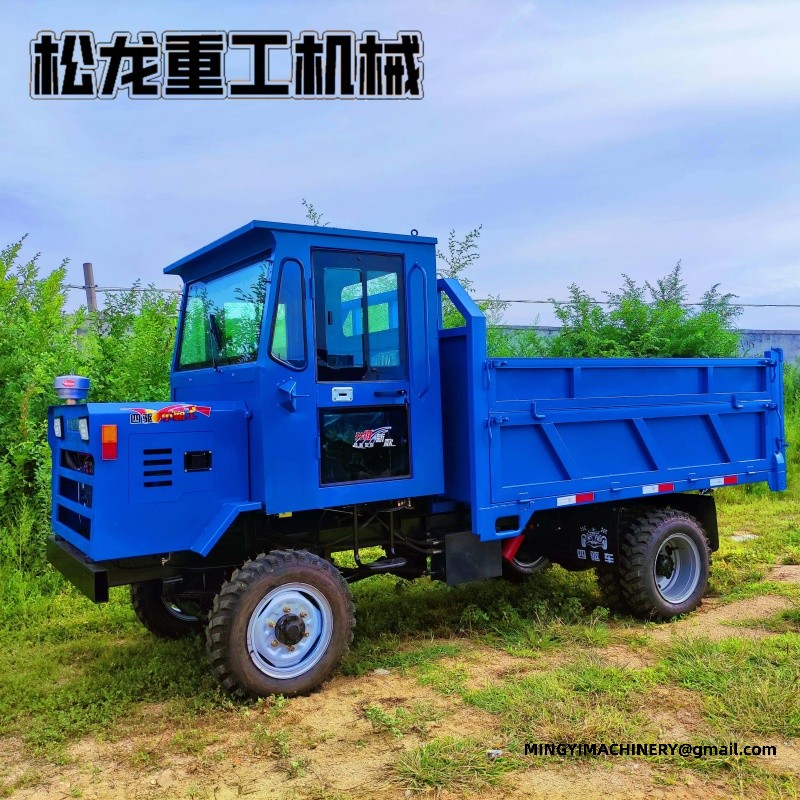
Resale starts at purchase. Specification choices, service records and the condition of wearing parts are what a buyer looks at, and a machine built for the work that has been maintained on schedule is worth more than one that merely looks clean.
Fleet value comes from interchangeability. Operators who can step between machines without retraining, and a workshop that stocks one set of filters, keep utilisation higher than a fleet of individually optimised units. Utilisation matters more than the purchase decision over a few years. The dumper that sits idle ties up the same yard space standing still as one that earns, so the buying decision should follow the hours the machine will realistically work. Standardising where possible simplifies everything downstream. When several units of this class of machine share a service schedule and a parts list, the fleet becomes easier to plan and easier to sell on at replacement time.
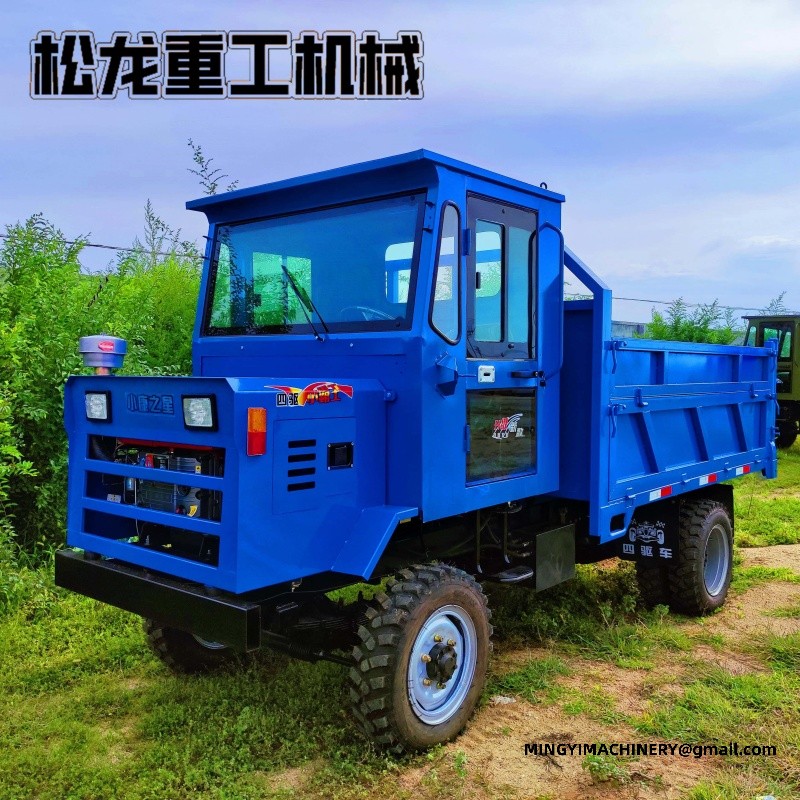
Duty cycle is the honest measure of a machine. A machine of this size working a few hours a week has different needs from one working two shifts, and the cooling, filtration and service intervals should follow the hours rather than the calendar. Seasonal work changes the maintenance calendar. Machines that work hard for two months and stand for ten need preparation before storage and a check before returning to work, and both are simpler than the repairs they prevent. Hour planning helps at resale as well. The equipment on site with a recorded service history and a sensible hour count is easier to sell than one with the same hours and no records, whatever its condition.
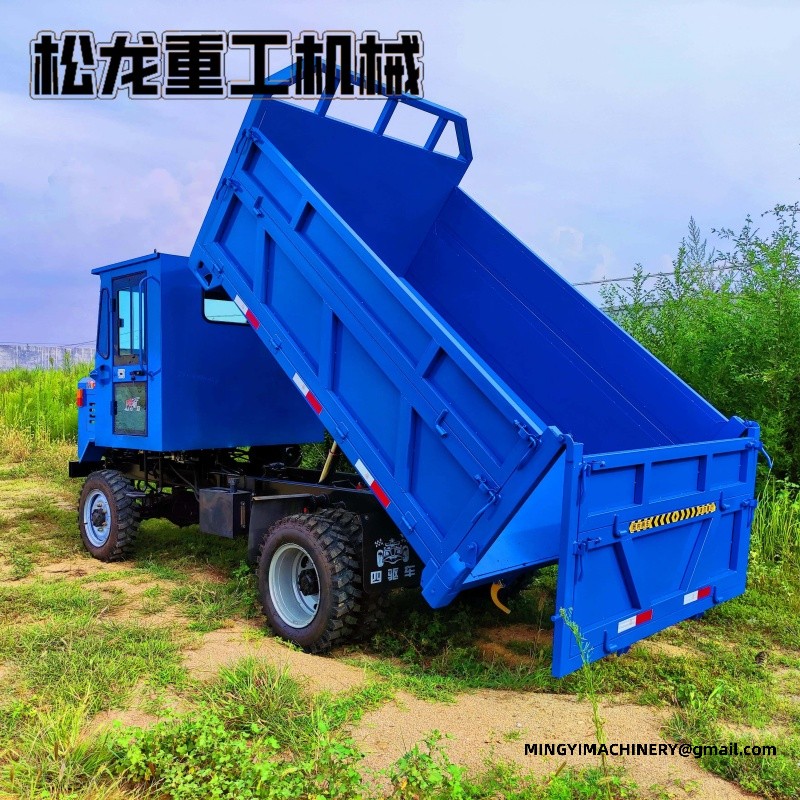
Owners who work across several sites should check the transport dimensions before ordering. The model in question that fits a standard trailer can be moved by any operator with a suitable vehicle, while an over-width machine narrows that choice and complicates every move.
The configurations below are the build sheets most often matched to the unit on the job. Engine, gearbox, axles, frame and body dimensions are confirmed together, because the body size and the axle rating have to suit the load before the engine rating matters.
| # | 15.Standard | 18.Standard | 4.Upgraded | 9.Standard |
|---|---|---|---|---|
| 1 | Four-cylinder 490 diesel engine | Four-cylinder 4102 turbocharged diesel engine | Single-cylinder diesel engine, 25 hp | Single-cylinder diesel engine, 32 hp |
| 2 | Full-time gearbox with four-wheel drive | Model 140 part-time gearbox with four-wheel drive | Full-time gearbox with four-wheel drive | Full-time gearbox with four-wheel drive |
| 3 | High/low range with crawler gear | High/low range with crawler gear | High/low range with crawler gear | High/low range with crawler gear |
| 4 | Simple cab | Simple cab | Front axle clutch | Simple cab |
| 5 | Oil brakes | Oil brakes | Fully enclosed cab | Oil brakes |
| 6 | Four 700-16 mountain tyres | Six 700-16 mountain tyres | Oil brakes | Four 700-16 mountain tyres |
| 7 | Front axle 212 | Reinforced ISUZU-pattern front axle | Four 700-16 mountain tyres | Front axle 212 |
| 8 | Rear axle 130 | Reinforced 1061 rear axle | Front axle 212 | Rear axle 130 |
| 9 | Reinforced 60 x 140 mm square tube frame | Reinforced 80 x 180 mm square tube frame | Rear axle 130 | Reinforced 60 x 140 mm square tube frame |
| 10 | Rear body 2.2 m long x 1.5 m wide x 0.45 m high | Rear body 2.2 m long x 2.1 m wide x 0.45 m high | Reinforced 60 x 140 mm square tube frame | Rear body 2.2 m long x 1.5 m wide x 0.45 m high |
| 11 | Tailgate with self-dumping function | Tailgate with self-dumping function | Rear body 2.2 m long x 1.5 m wide x 0.45 m high | Tailgate with self-dumping function |
| 12 | Hydraulic power steering | Hydraulic power steering | Tailgate with self-dumping function | Hydraulic power steering |
| 13 | Twin hydraulic rams | Twin hydraulic rams | Hydraulic power steering | Twin hydraulic rams |
| 14 | Two-person comfort seat | Two-person comfort seat | Twin hydraulic rams | Two-person comfort seat |
| 15 | Twin-battery electric start | Twin-battery electric start | Two-person comfort seat | Twin-battery electric start |
| 16 | Round-nose bonnet | Square-nose bonnet | Twin-battery electric start | Square-nose bonnet |
| 17 | — | — | Square-nose bonnet | — |
Patterns show up in the record before they show up in the machine. Rising oil consumption or a filter that keeps blocking on the equipment in service is obvious on paper long before it becomes a failure on site.
Familiarisation is not the same as reading the manual. Sitting on this class of machine, working through the controls at low speed and learning where the machine balances takes an hour, and that hour is what keeps the first week uneventful.
The machine is only half of what arrives. The parts book, the service schedule and the declarations that come with a machine of this size are what let the owner register, insure and maintain it without a second round of emails.
Later changes are easier when they were anticipated. Asking for the extra hydraulic circuit or the heavier mounting plate on the machine itself at build time adds little and leaves the option open.
Winter is hard on rubber and on seals as much as on the engine. Parking the machine in that duty under cover, keeping the tracks or tyres off standing water and checking the hoses for cracking are all part of the season.
Tropical operation is a specification question as much as a maintenance one. The cooling capacity, the sealing and the corrosion protection fitted to a machine built for the work are what make the difference once the ambient temperature rises.
The paperwork matters as much as the packing. Serial numbers, dimensions and weights recorded for the dumper at loading are the same figures the destination needs, and a mismatch here loses more days than the voyage itself.
Every line above is a build item rather than an optional extra, and the final sheet for this class of machine is confirmed against the destination, the ground and the load before production.
E-mail:sales@mingycn.com
LINE(ID):mingyicn









