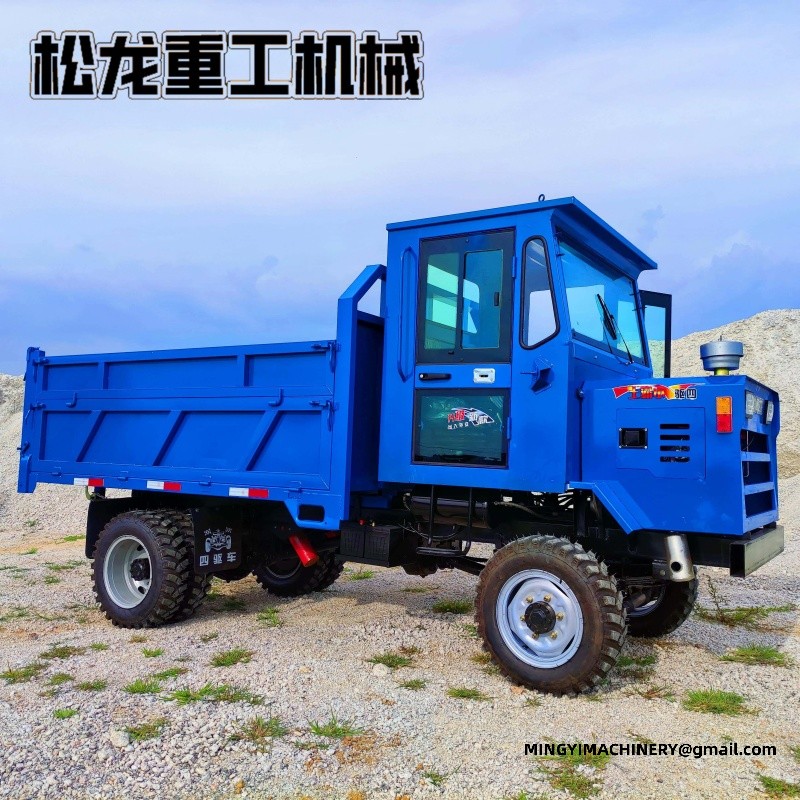
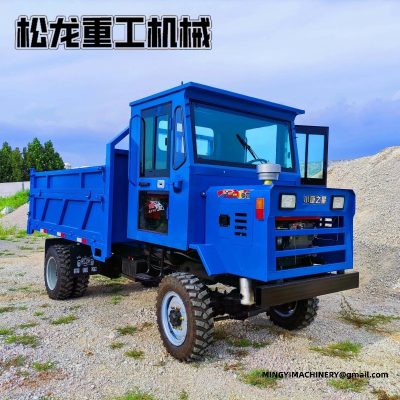
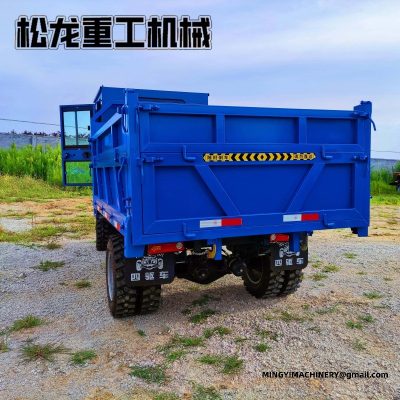
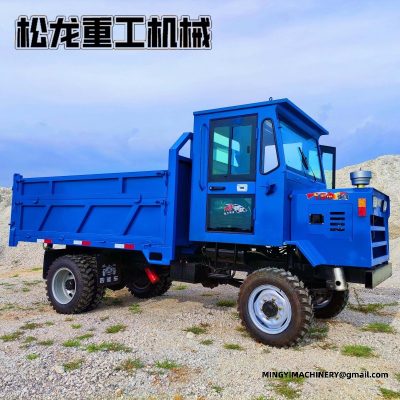
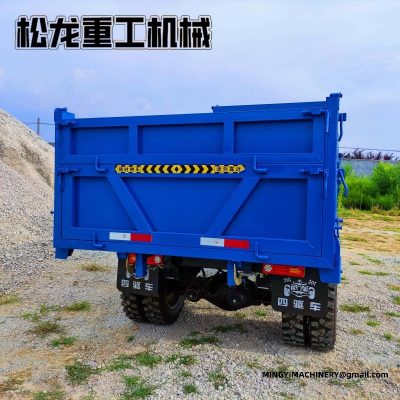
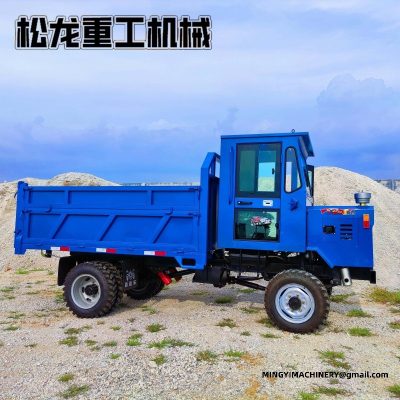
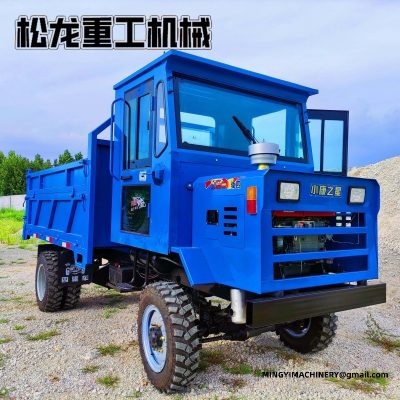
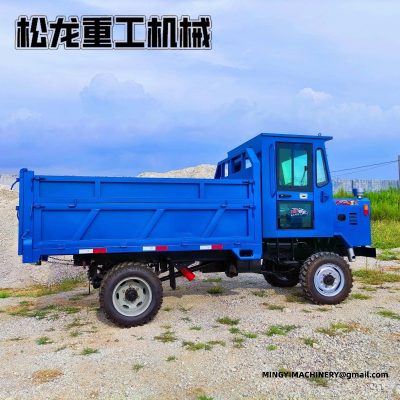
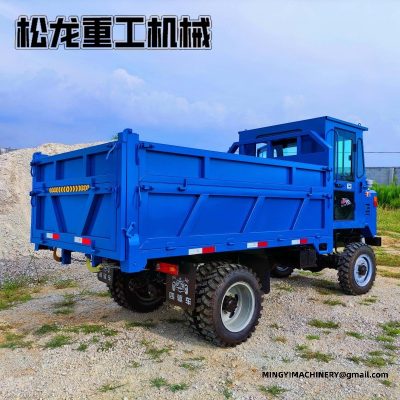
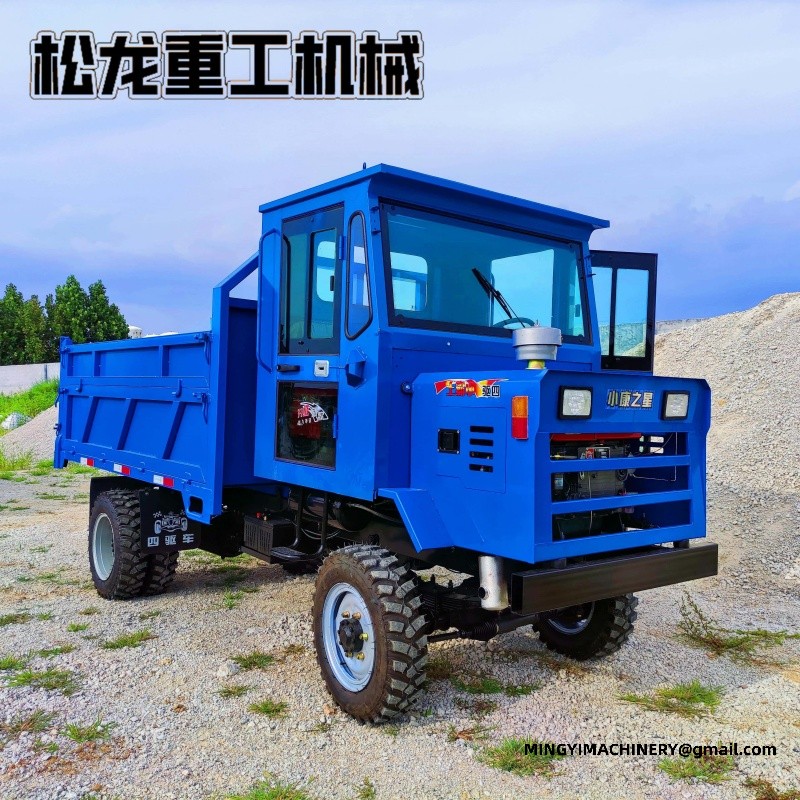
The dumper is built for the work that fills the calendar rather than the work that looks impressive. This page sets out what the machine does, where it fits and what to settle before ordering, so the specification can be matched to the job instead of guessed at.
Loading method affects the machine as much as the load does. Material dropped from height into this class of machine shocks the frame and the body floor, while material placed evenly spreads the load and extends body life.
Shipping dimensions matter as much on export orders as they do locally. Confirming the packed size of the unit in daily use before booking avoids re-booking freight after the machine is built.
Machine productivity depends on what happens around it. Deliveries, other trades and the sequence of work decide how much of the shift a machine of this size spends actually working rather than waiting. Access and storage are worth settling early. Where the equipment on site will be parked, refuelled and serviced on site affects the working day more than most specification details, and it takes nothing to plan. Sequencing avoids rework. Doing the work in the order that suits the ground and the following trades keeps the machine itself productive and prevents finishing a task that then has to be opened up again.
Drum bodies need power and stability. The model in question set up for concrete has to carry the drum, the load and the water, and the frame and brakes should be specified for that combined weight.
Standing still is hard on machinery. The machine in that duty left for weeks benefits from a clean, dry, covered space, a charged battery and a fuel system prepared for the layoff, and all three effort very little. Before-storage preparation prevents most return-to-work faults. Draining or treating fuel, protecting exposed rods and relieving pressure where the maker specifies it are the items worth an hour when the unit on the job is parked.
Buyers who specify the equipment in service on paper before enquiring get specifications that can be compared. Without that list, two suppliers will propose two different machines and the simpler one is usually the smaller one, not the better value. A written duty list is the simplest part of the purchase. It takes an hour to note the material, the distance, the gradient and the hours per week, and it is what turns a machine built for the work enquiry into a machine that fits.
Attachment decisions are best made before delivery. Specifying hydraulics and couplers at build time is simpler than adding them later, and it avoids the downtime of a workshop visit in the first month. Most owners find that the second attachment changes how often the machine is used. The dumper that was bought for one task often becomes the general machine on site once a second tool is available.
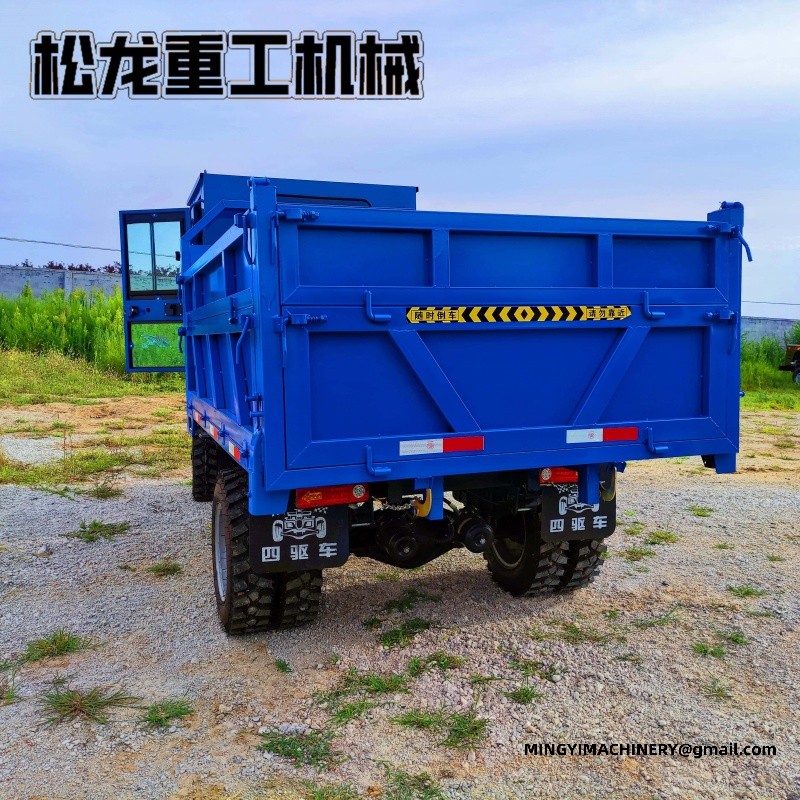
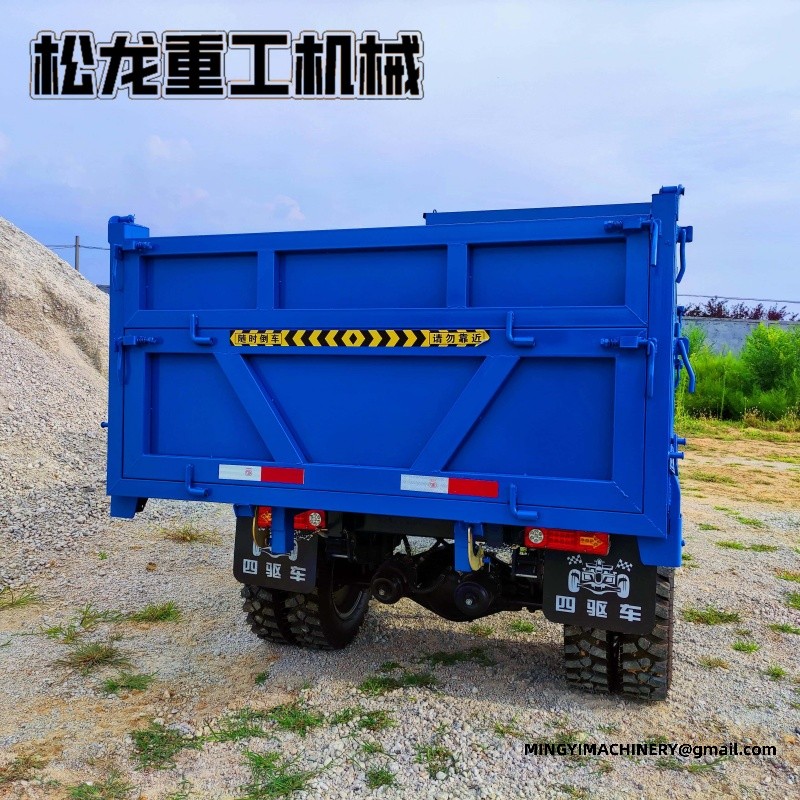
The tipping body is the part that does the work. This class of machine specified with twin hydraulic rams and a tailgate that opens under load unloads in one pass, which matters more on a short haul than top speed does. Unloading method should follow the material. Wet spoil, aggregate and green timber behave differently in the body, and matching the body and tailgate arrangement to the load is what keeps the unit in daily use cycling rather than being hand-cleared. Body size is a compromise with access. A larger body on a machine of this size carries more per trip but needs more room to turn and tip, so the useful question is how many trips the route allows rather than how much it holds.
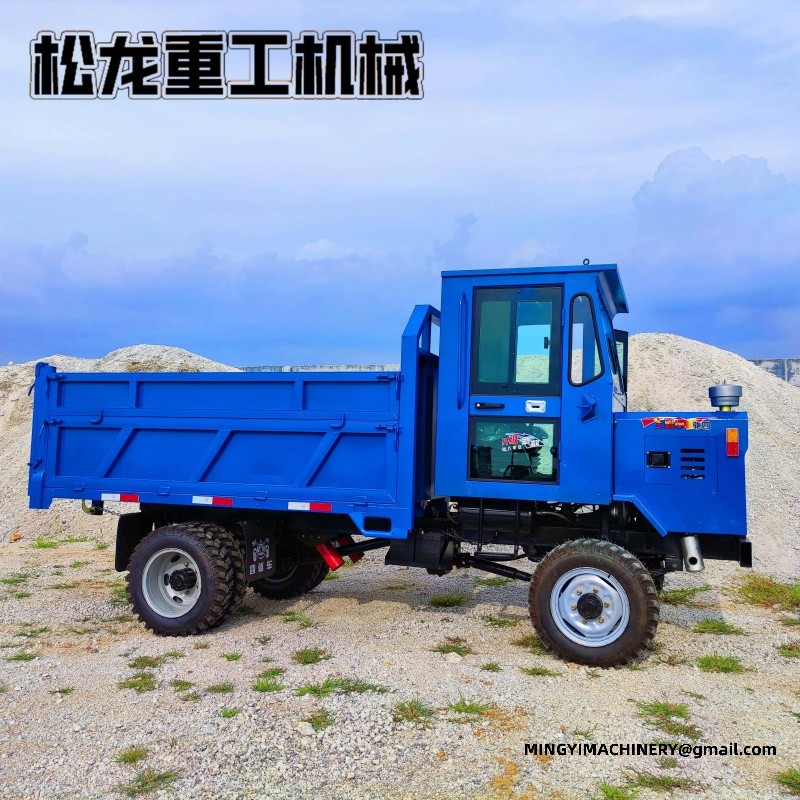
Power unit choice is usually a parts question, not a performance one. Two buyers can order the same the model in question and sensibly choose different engines, because the right answer depends on which brand the local workshop already supports. Matching the engine to the duty matters more than the peak rating. The machine itself that spends its day at part load benefits from a different setup than one that works at full output, and the difference shows in fuel use over a season.
Warranty terms are clearer when they are read before purchase. Knowing what is covered, what counts as a wearing item and what documentation is required makes a claim on the machine in that duty straightforward rather than contested.
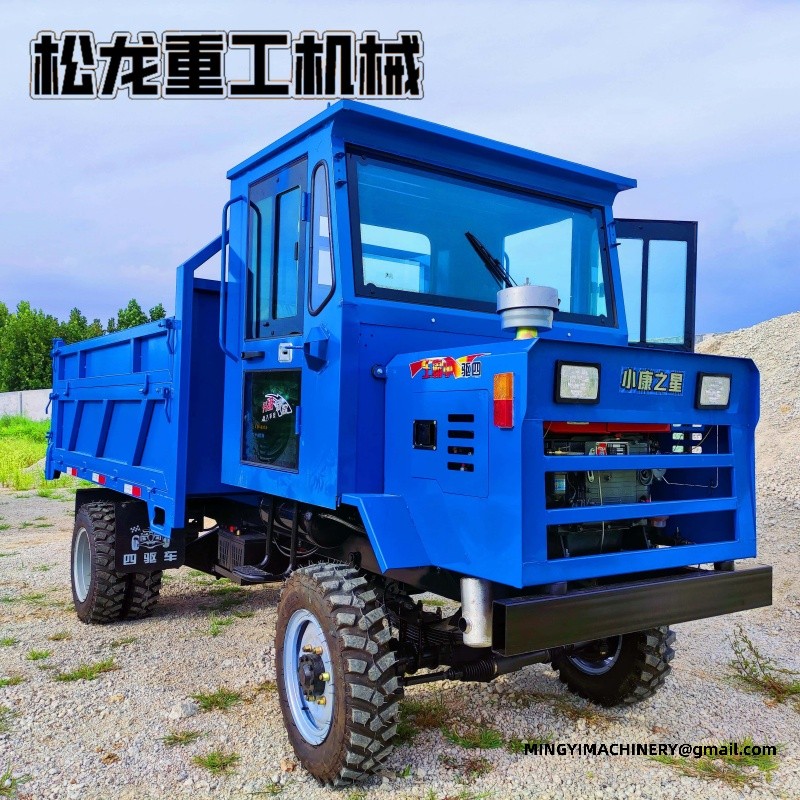
Certain parts are designed to be consumed. Knowing which items on a machine built for the work are wearing parts, and roughly how long they last in the duty the machine sees, turns replacement into a plan rather than a breakdown. Replacing wear items early is usually simpler. Worn components on the equipment in service load the parts they run against, so a worn part left too long often becomes a major repair.
Batteries and fluids are the parts that notice the cold first. This class of machine kept on a maintainer through a freezing spell starts on the first turn, while one left standing is the usual cause of a lost morning.
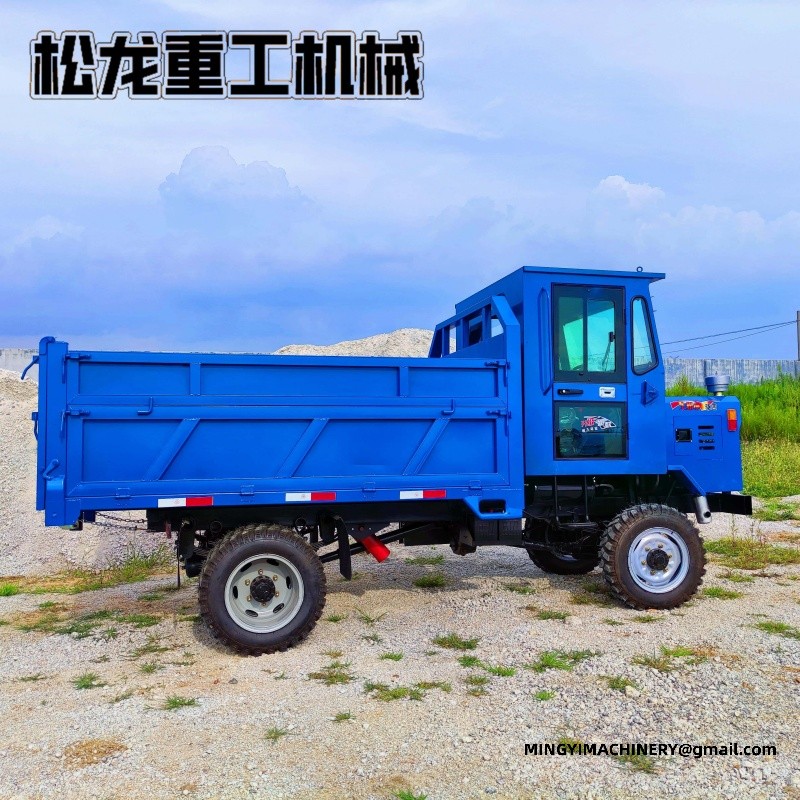
Remote diagnosis shortens most faults. A walk-around on video with the panels open often identifies the cause on a machine of this size without waiting for a visit, and avoids shipping a part that turns out not to be needed.
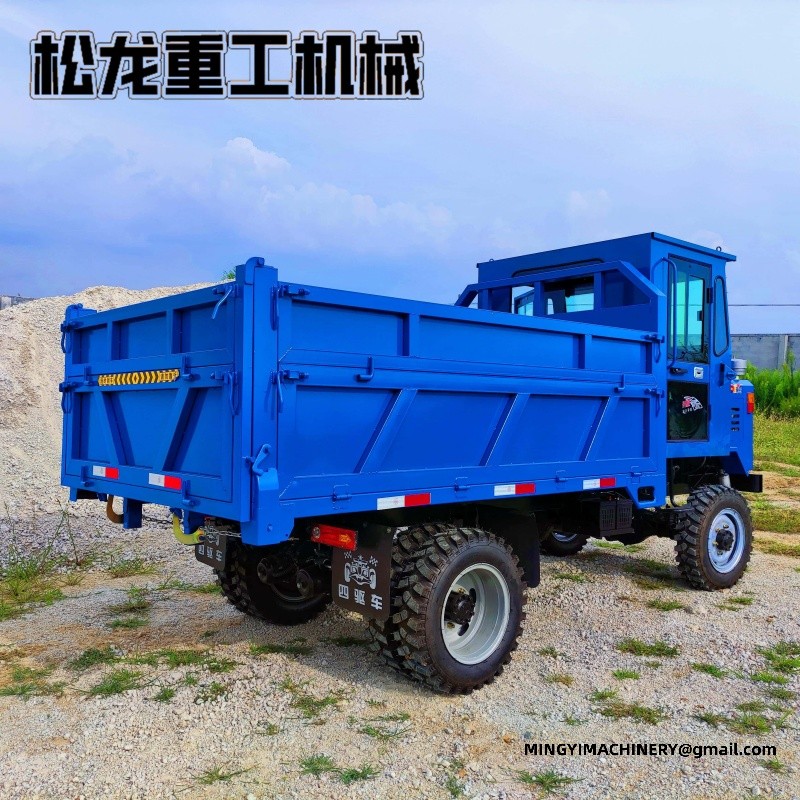
Reconfiguration can extend the useful life of a machine. The machine itself that no longer suits the current work may suit it again with a different attachment, guarding or control arrangement.
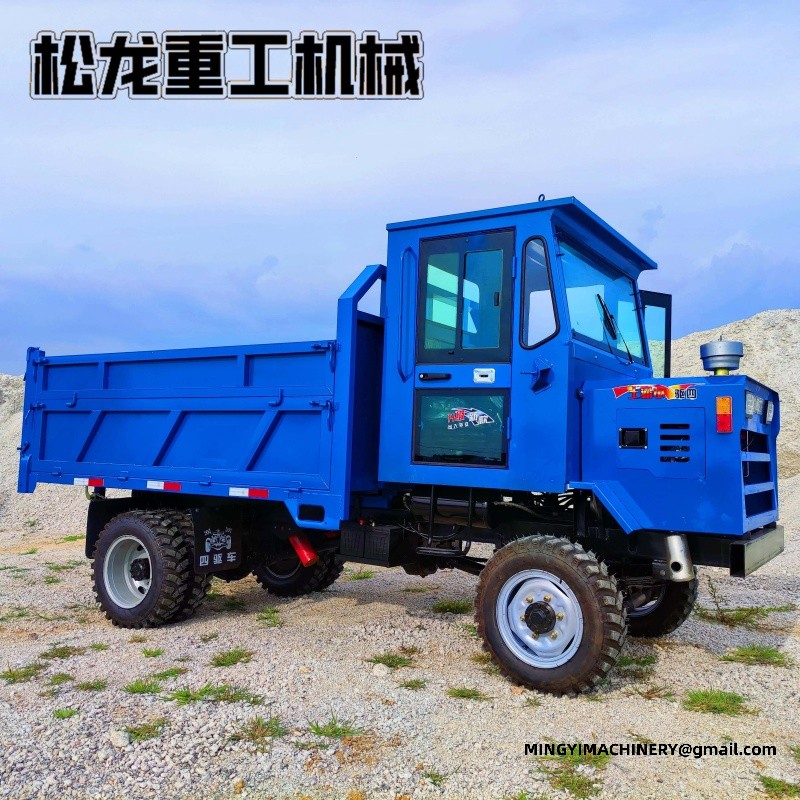
The configurations below are the build sheets most often matched to the machine in that duty. Engine, gearbox, axles, frame and body dimensions are confirmed together, because the body size and the axle rating have to suit the load before the engine rating matters.
| # | 20.Luxury | 21.Upgraded | 23.Upgraded | 5.Luxury |
|---|---|---|---|---|
| 1 | Four-cylinder 4102 turbocharged diesel engine | Four-cylinder 4105 turbocharged diesel engine | Four-cylinder 4108 turbocharged diesel engine | Single-cylinder diesel engine, 25 hp |
| 2 | Model 140 part-time gearbox with four-wheel drive | Model 140 part-time gearbox with four-wheel drive | Model 140 part-time gearbox, selectable 2WD/4WD | Part-time gearbox with four-wheel drive |
| 3 | High/low range with crawler gear | High/low range with crawler gear | High/low range with crawler gear | High/low range with crawler gear |
| 4 | Fully enclosed cab | Simple cab | Simple cab | Enclosed cab |
| 5 | Six 825R16 steel-belted radial tyres | Six 825R16 steel-belted radial tyres | Six 825R16 steel-belted radial tyres | Six 700-16 mountain tyres |
| 6 | Reinforced ISUZU-pattern front axle | Reinforced ISUZU-pattern front axle | Reinforced ISUZU-pattern front axle | Model 212 front axle |
| 7 | Reinforced 1080 rear axle | Reinforced 1080 rear axle with air cut-off brake | Reinforced 1080 rear axle | Model 130 rear axle |
| 8 | Air cut-off brakes | Air cut-off brakes | Air cut-off brakes | Air cut-off brakes |
| 9 | Reinforced 80 x 180 mm square tube frame | Reinforced 80 x 180 mm square tube frame | Reinforced 80 x 180 mm square tube frame | Reinforced 60 x 140 mm square tube frame |
| 10 | Rear body 3.0 m long x 2.2 m wide x 0.45 m high | Rear body 3.0 m long x 2.2 m wide x 0.45 m high | Rear body 3.0 m long x 2.2 m wide x 0.45 m high | Rear body 2.2 m long x 1.5 m wide x 0.45 m high |
| 11 | Tailgate with self-dumping function | Tailgate with self-dumping function | Tailgate with self-dumping function | Tailgate with self-dumping function |
| 12 | Side-opening rear body tailgate with cab ladder | Hydraulic power steering | Hydraulic power steering | Side-opening rear body tailgate |
| 13 | Hydraulic power steering | Twin hydraulic rams | Twin hydraulic rams | Hydraulic power steering |
| 14 | Twin hydraulic rams | Two-person comfort seat | Two-person comfort seat | Twin hydraulic rams |
| 15 | Two-person comfort seat | Heavy-duty leaf springs | Heavy-duty leaf springs | Two-person comfort seat |
| 16 | Heavy-duty thickened leaf springs | Twin-battery electric start | Twin-battery electric start | Heavy-duty leaf springs |
| 17 | Twin-battery electric start | Square-nose bonnet | Square-nose bonnet | Twin-battery electric start |
| 18 | Square-nose bonnet | — | — | Square-nose bonnet |
| 19 | Four-cylinder 4105 turbocharged | — | — | — |
| 20 | Four-cylinder 4108 turbocharged | — | — | — |
| 21 | Single-cylinder engine, 25 hp | — | — | — |
| 22 | Single-cylinder engine, 28 hp | — | — | — |
| 23 | Single-cylinder engine, 32 hp | — | — | — |
| 24 | Two-cylinder engine, 38 hp | — | — | — |
| 25 | Four-cylinder 490 engine | — | — | — |
| 26 | Four-cylinder 4102 turbocharged engine | — | — | — |
Familiarisation is not the same as reading the manual. Sitting on a machine built for the work, working through the controls at low speed and learning where the machine balances takes an hour, and that hour is what keeps the first week uneventful.
Loading is where most damage happens. Ramps, angle of approach and the condition of the ground under them matter more than the machine when the dumper is being loaded, and a careful driver is worth more than a fast one.
How a machine travels decides how it starts on arrival. Securing the unit in daily use against movement, protecting the exposed cylinders and keeping the battery and fluids in the right state for the voyage all belong to the packing list.
Machines rarely fail without warning. A change in sound, a slower function or a new leak on the equipment on site is the machine saying something early, and listening then takes a fraction of the time that waiting does.
Fluid quality is a storage problem before it is a machine problem. Water and sediment in a drum will find the injection system of the model in question eventually, and a settling period is nothing compared with a pump.
Humidity attacks the parts that are not used. Storage in a damp climate means the unit on the job needs the exposed metal protected and the machine run regularly, because standing still does more damage than working.
Wear items are predictable once the machine has settled in. After the first service interval the pattern on the equipment in service is visible, and the parts that were replaced become the parts that are kept.
A machine that only one person can use is a single point of failure. Training a second operator on this class of machine takes a day and removes the dependency that otherwise governs holidays, illness and busy weeks.
Every line above is a build item rather than an optional extra, and the final sheet for the unit in daily use is confirmed against the destination, the ground and the load before production.
E-mail:sales@mingycn.com
LINE(ID):mingyicn









