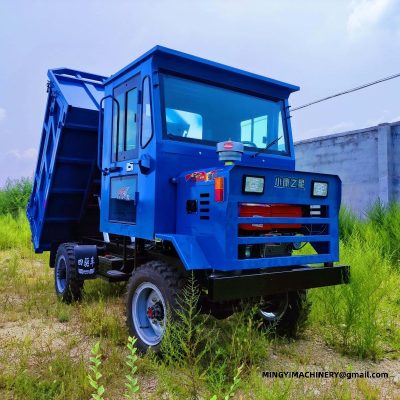
Buyers comparing the dumper are usually weighing the same few things, among them working range, the width of the access, the surface it runs on and how quickly it can be serviced. This page takes each in turn and leaves the numbers together at the end.
A water tank turns the vehicle into a different machine. This class of machine carrying water for dust control or irrigation is specified around tank size, baffles and the route, because a part-filled tank behaves very differently on a slope. Dust control work is repetitive and time-critical. The unit in daily use with the right tank and spray arrangement covers more ground per shift, which is usually the point of the exercise.
Batteries and fluids are the parts that notice the cold first. A machine of this size kept on a maintainer through a freezing spell starts on the first turn, while one left standing is the usual cause of a lost morning.
Handover should include the documents as well as the keys. Parts list, service schedule and the operator notes for the equipment on site are what the workshop needs in month six, and they are much harder to obtain later.
Timber work changes what the vehicle carries. The machine itself fitted with a log grab loads and unloads without a second machine, which is usually the reason a forestry contractor specifies one over a conventional truck.
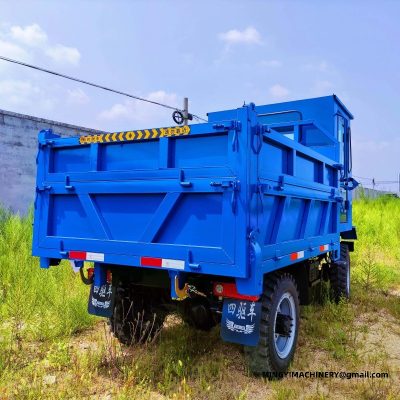
Unloading method should follow the material. Wet spoil, aggregate and green timber behave differently in the body, and matching the body and tailgate arrangement to the load is what keeps the model in question cycling rather than being hand-cleared. Body size is a compromise with access. A larger body on the machine in that duty carries more per trip but needs more room to turn and tip, so the useful question is how many trips the route allows rather than how much it holds.
Shipping dimensions matter as much on export orders as they do locally. Confirming the packed size of the unit on the job before booking avoids re-booking freight after the machine is built.
Cleaning and discharge are part of the job. A machine built for the work used for concrete is judged on how quickly it can discharge and wash out, because that turnaround is what the site is paying for.
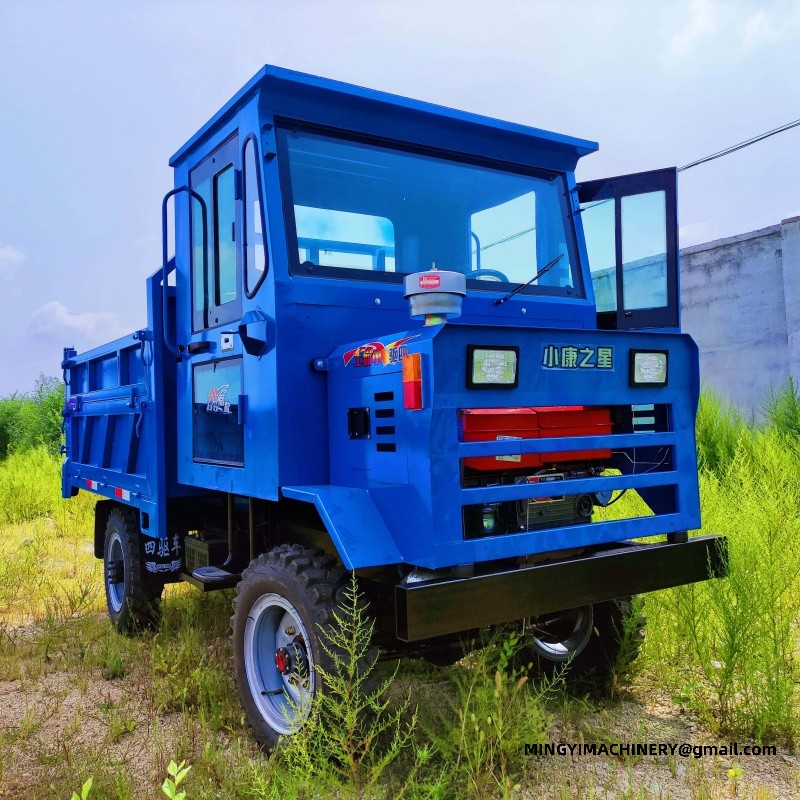
Abrasive conditions shorten service intervals. Air filters, seals and any exposed sliding surface on the equipment in service need attention more often in dusty or muddy work, and the extra checks prevent far more wear than the time they take.
Access and storage are worth settling early. Where this class of machine will be parked, refuelled and serviced on site affects the working day more than most specification details, and it takes nothing to plan. Sequencing avoids rework. Doing the work in the order that suits the ground and the following trades keeps the unit in daily use productive and prevents finishing a task that then has to be opened up again.
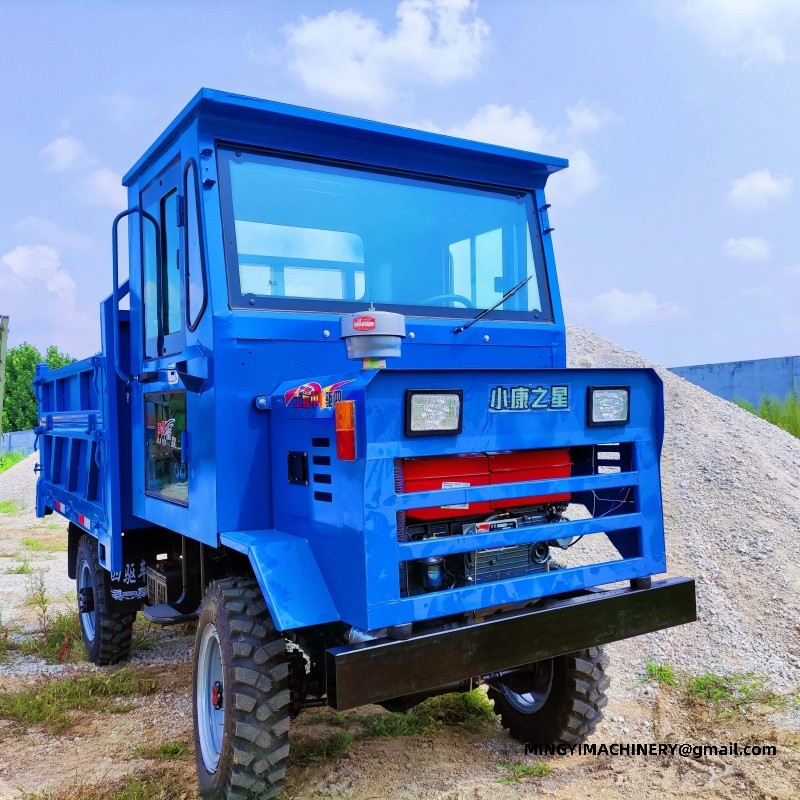
Delivery planning includes the receiving end. Knowing whether the equipment on site will be craned, driven or forked off, and whether the site can accept it, is settled before dispatch rather than on the day.
Build options are where a standard machine becomes the right machine. Colour, guarding, lighting, seating and hydraulic provisions can usually be set at build time on the model in question, and are far simpler then than as a retrofit. Customisation should still be limited to what the work needs. Each addition to the machine in that duty is another item to maintain, so the useful question is not what can be added but what the job list actually requires.
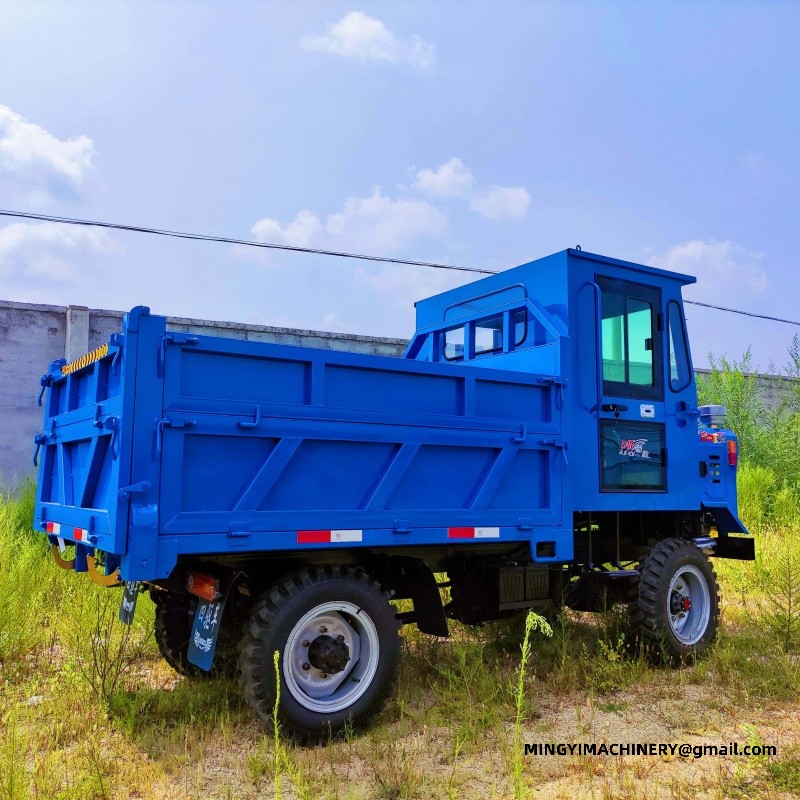
Emissions documentation is part of engine selection for some destinations. Confirming which units can be supplied and documented for the destination country is worth doing at enquiry stage rather than after the build sheet is signed.
Traction and flotation are two separate questions. The equipment in service may have the power for a slope and still not have the grip, so the surface, not the engine rating, is usually what limits the working day.
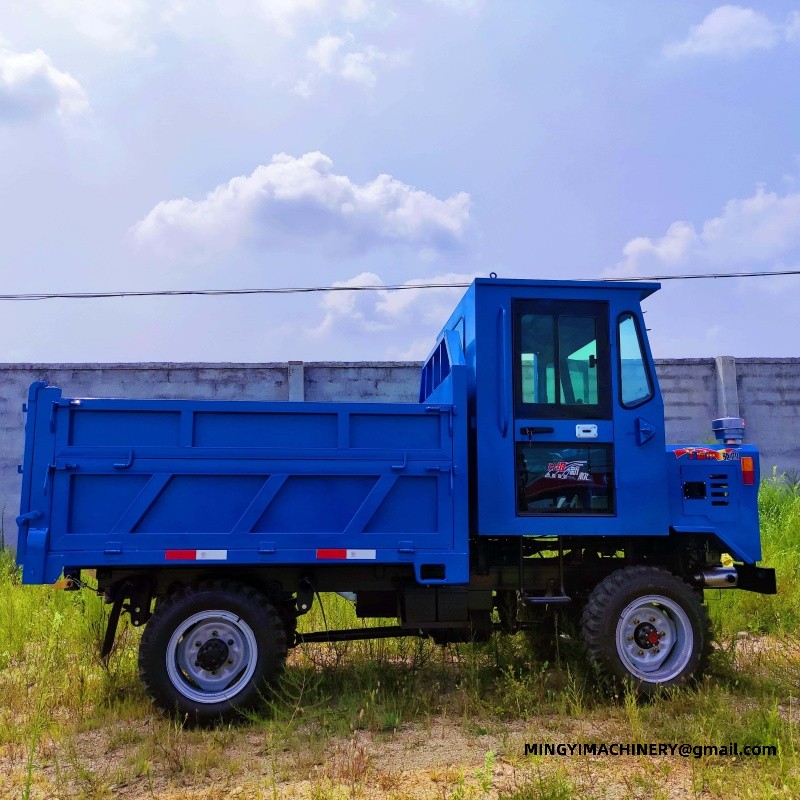
A crane or grab turns a haul vehicle into a loading machine. This class of machine fitted with a hydraulic crane loads itself, which removes a second machine from the job and is often the whole reason for specifying one. Stability governs what the crane can do. Outriggers, ground condition and load radius decide the safe figure on the unit in daily use, and those are checked before the lift rather than discovered during it. Adding a crane changes the vehicle specification. Hydraulic capacity, frame strength and braking all need to suit the attachment, and it is simpler to specify them at build than to add them later.
Planning helps more than extra lamps. Positioning the equipment on site so that the work is lit from the machine side, and keeping the route clear, does more for safety than adding light to a badly planned task.
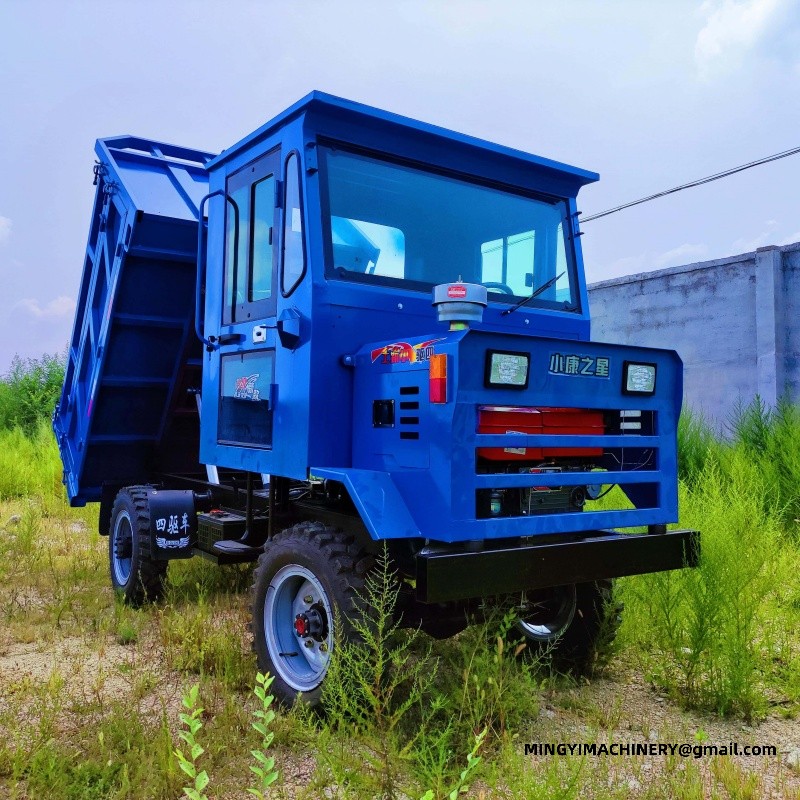
Stability follows the load and its position. Knowing the rated capacity of the model in question at the working radius, rather than at its best case, is what keeps handling predictable and the machine upright.
Gradient is where a haul vehicle earns its keep. The unit on the job with a crawler gear and a low range climbs loaded where a road vehicle would need a second attempt, and that difference decides whether a track is usable at all. Ground and gradient together set the limit. Loose surface on a slope reduces what a machine built for the work can pull regardless of engine power, so the surface survey belongs before the specification.
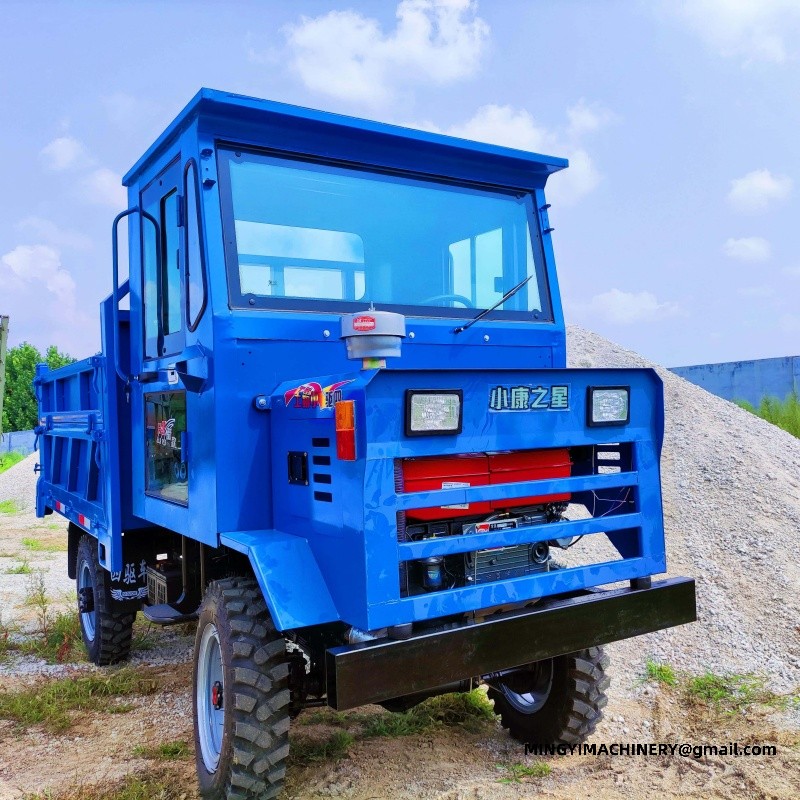
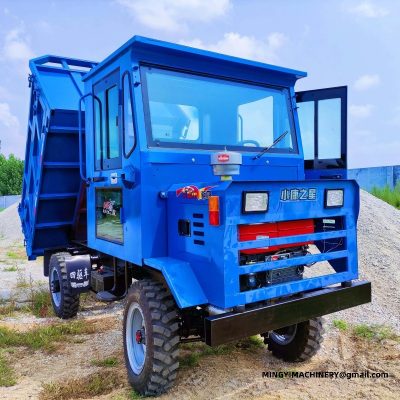
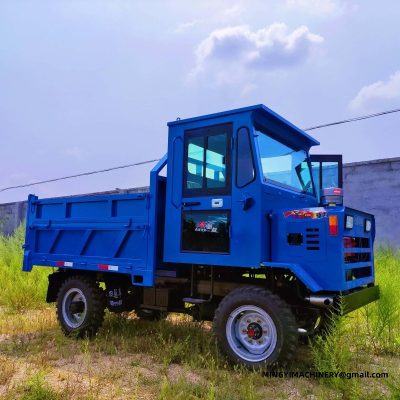
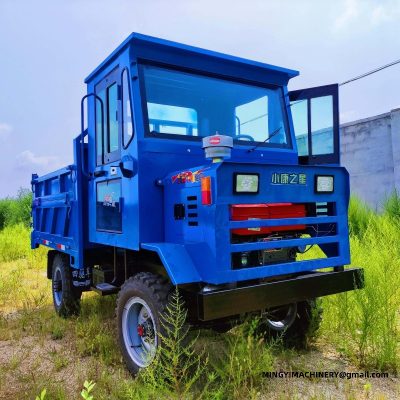
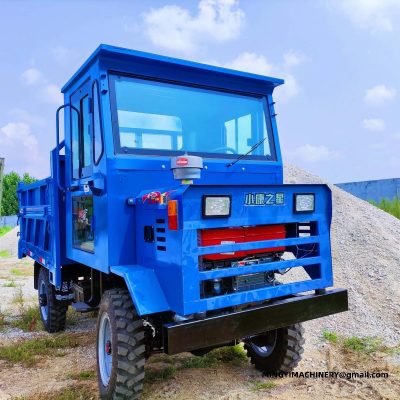
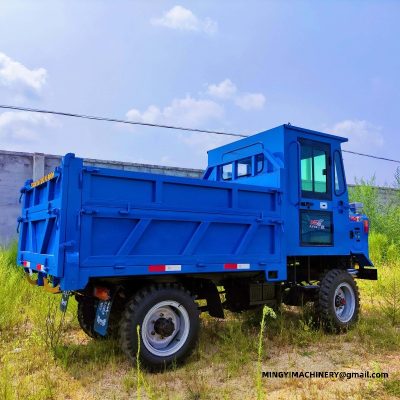
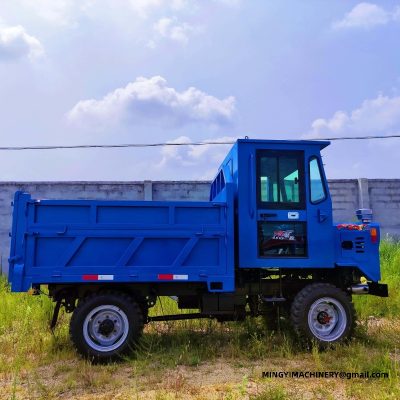
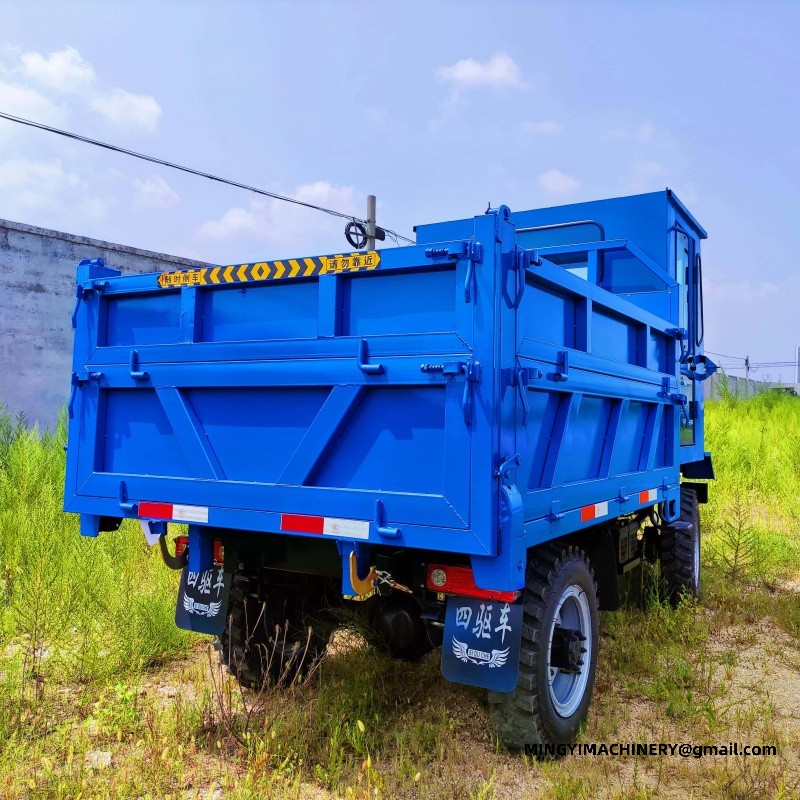
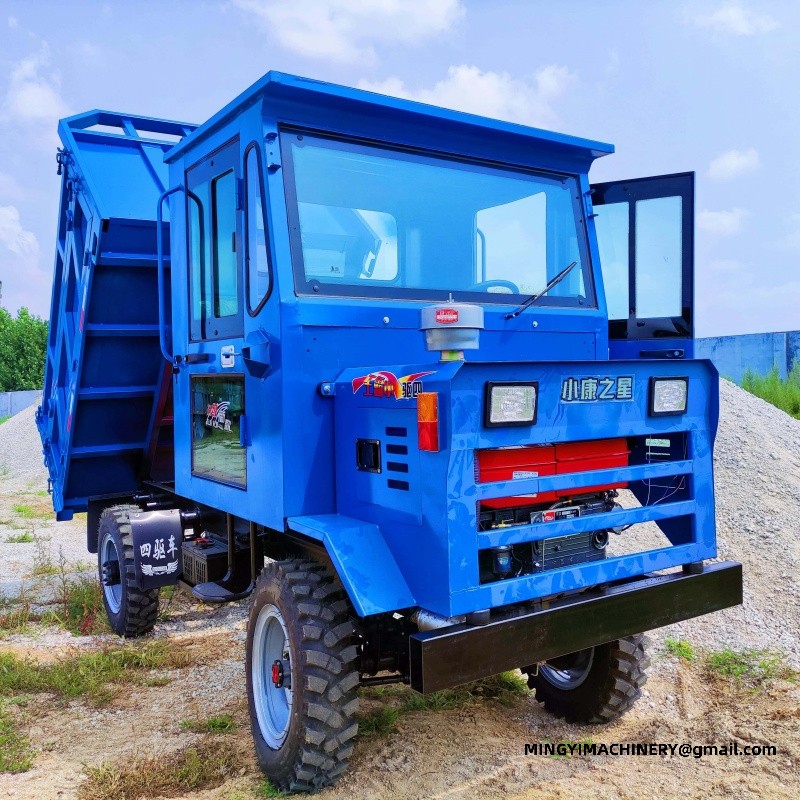
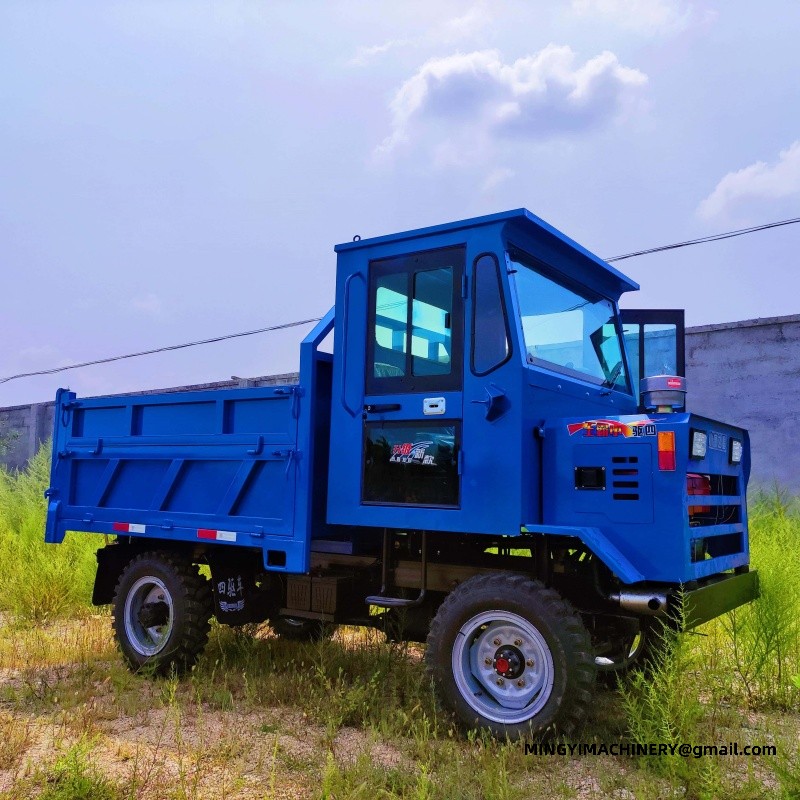
The configurations below are the build sheets most often matched to the dumper. Engine, gearbox, axles, frame and body dimensions are confirmed together, because the body size and the axle rating have to suit the load before the engine rating matters.
| # | 11.Luxury | 13.Upgraded | 17.Luxury | 7.Upgraded |
|---|---|---|---|---|
| 1 | Single-cylinder diesel engine, 32 hp | Two-cylinder diesel engine, 38 hp | Four-cylinder 490 diesel engine | Single-cylinder diesel engine, 28 hp |
| 2 | Part-time gearbox, selectable 2WD/4WD | Full-time gearbox with four-wheel drive | Part-time gearbox, selectable 2WD/4WD | Full-time gearbox with four-wheel drive |
| 3 | High/low range with crawler gear | High/low range with crawler gear | High/low range with crawler gear | High/low range with crawler gear |
| 4 | Enclosed cab | Front axle clutch | Fully enclosed cab | Front axle clutch |
| 5 | Six 700-16 mountain tyres | Fully enclosed cab | Six 700-16 mountain tyres | Fully enclosed cab |
| 6 | Model 212 front axle | Oil brakes | Reinforced 130 front axle | Oil brakes |
| 7 | Model 130 rear axle | Four 700-16 mountain tyres | Reinforced ISUZU-pattern rear axle | Four 700-16 mountain tyres |
| 8 | Air cut-off brakes | Front axle 212 | Air cut-off brakes | Front axle 212 |
| 9 | Reinforced 60 x 140 mm square tube frame | Rear axle 130 | Reinforced 60 x 140 mm square tube frame | Rear axle 130 |
| 10 | Rear body 2.2 m long x 1.5 m wide x 0.45 m high | Reinforced 60 x 140 mm square tube frame | Rear body 2.2 m long x 1.8 m wide x 0.45 m high | Reinforced 60 x 140 mm square tube frame |
| 11 | Tailgate with self-dumping function | Rear body 2.2 m long x 1.5 m wide x 0.45 m high | Tailgate with self-dumping function | Rear body 2.2 m long x 1.5 m wide x 0.45 m high |
| 12 | Side-opening rear body tailgate | Tailgate with self-dumping function | Side-opening rear body tailgate | Tailgate with self-dumping function |
| 13 | Hydraulic power steering | Hydraulic power steering | Hydraulic power steering | Hydraulic power steering |
| 14 | Twin hydraulic rams | Twin hydraulic rams | Twin hydraulic rams | Twin hydraulic rams |
| 15 | Two-person comfort seat | Two-person comfort seat | Two-person comfort seat | Two-person comfort seat |
| 16 | Heavy-duty leaf springs | Twin-battery electric start | Heavy-duty leaf springs | Twin-battery electric start |
| 17 | Twin-battery electric start | Round-nose bonnet | Twin-battery electric start | Square-nose bonnet |
| 18 | Square-nose bonnet | — | Round-nose bonnet | — |
The paperwork matters as much as the packing. Serial numbers, dimensions and weights recorded for the unit in daily use at loading are the same figures the destination needs, and a mismatch here loses more days than the voyage itself.
A clear parts book saves more time than any other document. When the equipment on site needs a replacement, the illustration and the part number are what turn a phone call into a shipment instead of a description.
A spares list should follow the duty cycle. The model in question working every day in abrasive dust consumes filters and cutting edges far faster than the same machine used once a week, and the shelf should be stocked for the harder case.
A written record is worth more than a good memory. Dates, hours and the parts fitted on the unit on the job turn a guess about the next service into a fact, and they are the first thing a buyer asks to see.
The specification for oil is written for a reason. Using the grade and the change interval set for the equipment in service keeps the engine and the hydraulic system inside the range they were designed for.
Starting is only the first problem. Until this class of machine reaches working temperature the hydraulic response is slower and the seals are stiffer, and warming the machine before asking for full output avoids unnecessary strain.
A good handover covers the awkward cases, not just the easy ones. Starting a machine of this size on a slope, turning in a confined space and recovering from soft ground are the situations an operator should meet first with someone beside them.
Every line above is a build item rather than an optional extra, and the final sheet for the equipment on site is confirmed against the destination, the ground and the load before production.
E-mail:sales@mingycn.com
LINE(ID):mingyicn









