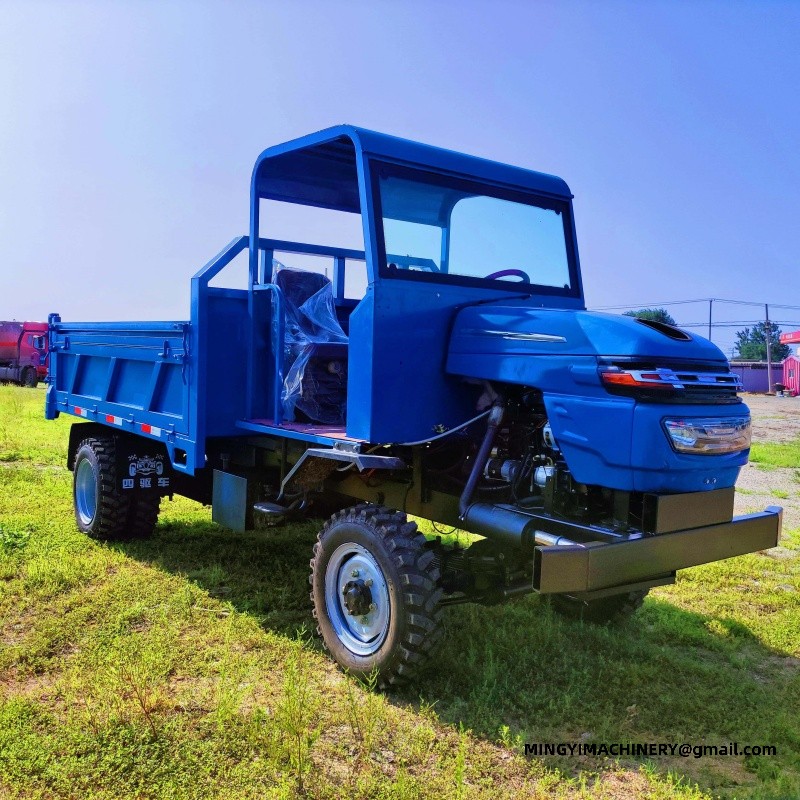
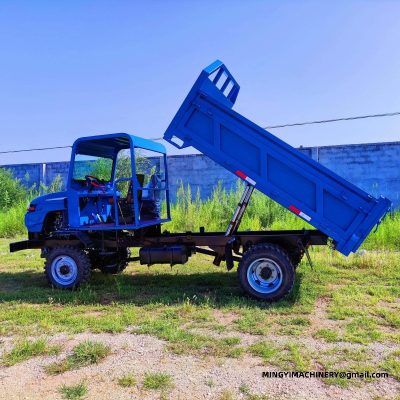
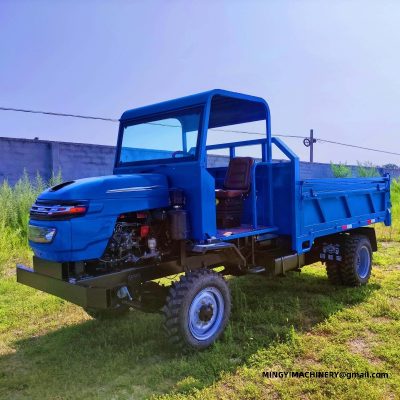
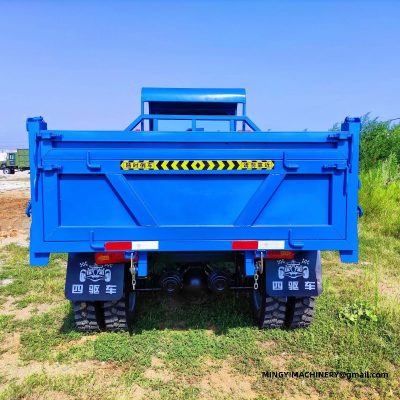
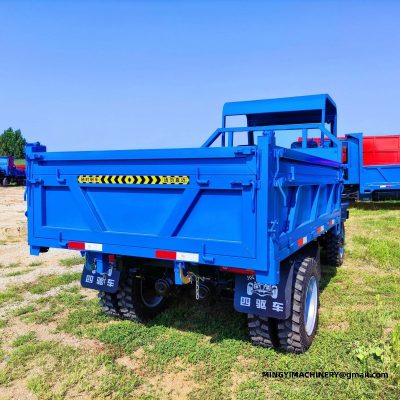
Every the dumper leaves the shop configured for a particular buyer. This page explains the choices that configuration involves, covering frame, power, running gear, cab and attachments, and what each one means once the machine is on site.
Batteries and fluids are the parts that notice the cold first. This class of machine kept on a maintainer through a freezing spell starts on the first turn, while one left standing is the usual cause of a lost morning. Low temperatures also make materials behave differently. Ground that is frozen hard in the morning can be soft by midday, and planning the sequence around that is easier than fighting it with the unit in daily use.
Ballast and attachment weight change the machine. Adding a heavy tool to a machine of this size moves the centre of gravity, and the counterweight or configuration should be matched to the tool rather than assumed. Carrying and travelling with a load needs its own plan. Speed, gradient and surface all matter more once the equipment on site is loaded, and the safe combination is the conservative one.
Resale starts at purchase. Specification choices, service records and the condition of wearing parts are what a buyer looks at, and the machine itself that has been maintained on schedule is worth more than one that merely looks clean. Replacement timing is a planning decision. Knowing the intended working life of the model in question lets an owner sell while the machine still has value rather than after a major repair becomes due.
Wear rate follows conditions far more than hours. The machine in that duty working on abrasive ground or in mud will consume undercarriage or tyre life much faster than the same machine on clean ground. Replacing wear items early is usually simpler. Worn components on the unit on the job load the parts they run against, so a worn part left too long often becomes a major repair.
Carrying concrete changes the duty entirely. A machine built for the work with a mixer drum is working against the clock, and the specification follows the delivery distance and the site access rather than the load alone. Cleaning and discharge are part of the job. The equipment in service used for concrete is judged on how quickly it can discharge and wash out, because that turnaround is what the site is paying for.
Machine productivity depends on what happens around it. Deliveries, other trades and the sequence of work decide how much of the shift the dumper spends actually working rather than waiting. Sequencing avoids rework. Doing the work in the order that suits the ground and the following trades keeps this class of machine productive and prevents finishing a task that then has to be opened up again.
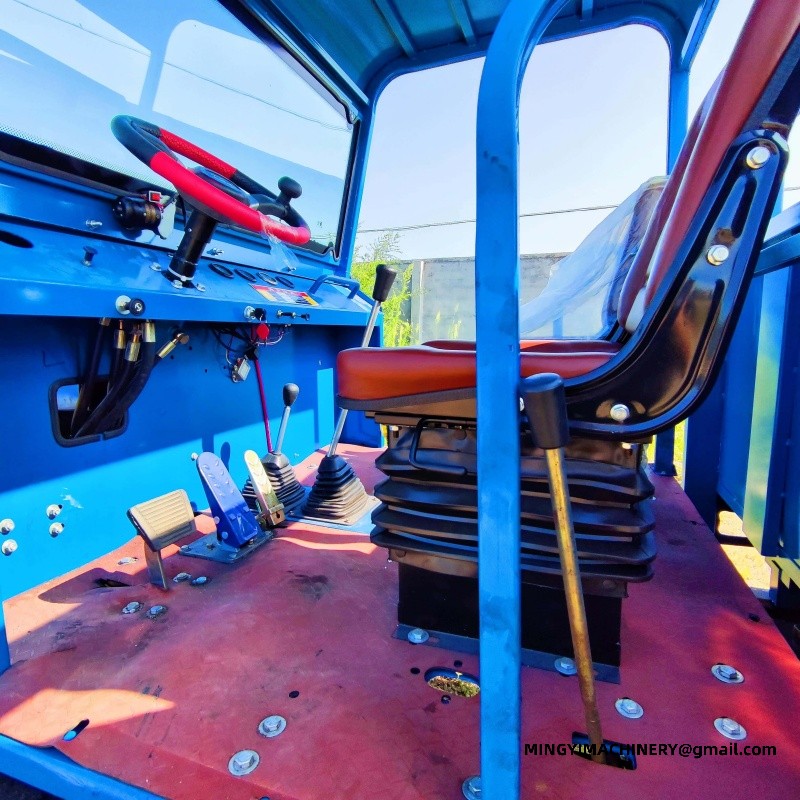
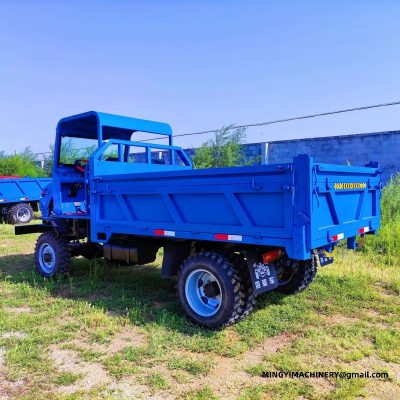
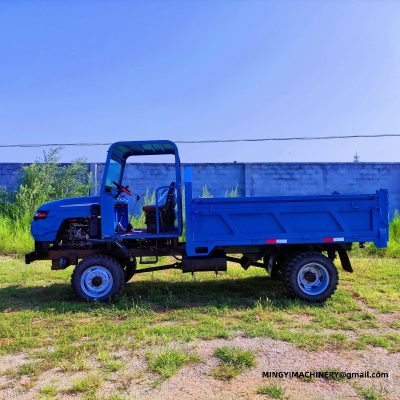
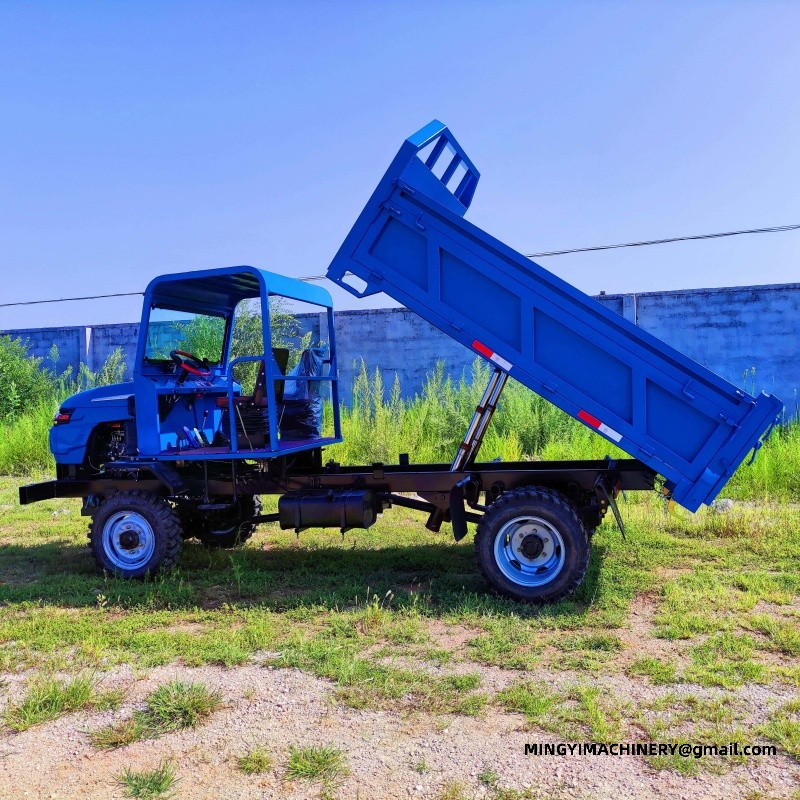
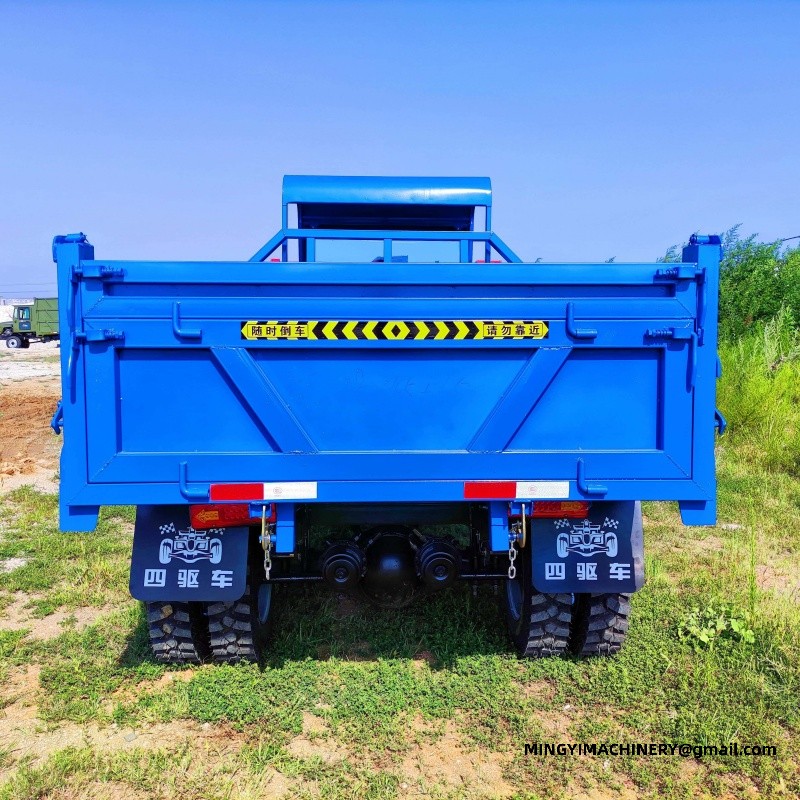
The tipping body is the part that does the work. The unit in daily use specified with twin hydraulic rams and a tailgate that opens under load unloads in one pass, which matters more on a short haul than top speed does. Unloading method should follow the material. Wet spoil, aggregate and green timber behave differently in the body, and matching the body and tailgate arrangement to the load is what keeps a machine of this size cycling rather than being hand-cleared.
Slopes and edges deserve a separate check. The equipment on site that is stable on level ground behaves differently across a gradient, and the safe working angle is a number worth knowing rather than estimating. Personal protective equipment and a stop rule are simple controls. Agreeing before work starts that anyone can stop the job is the single measure that most often prevents a serious incident near the machine itself.
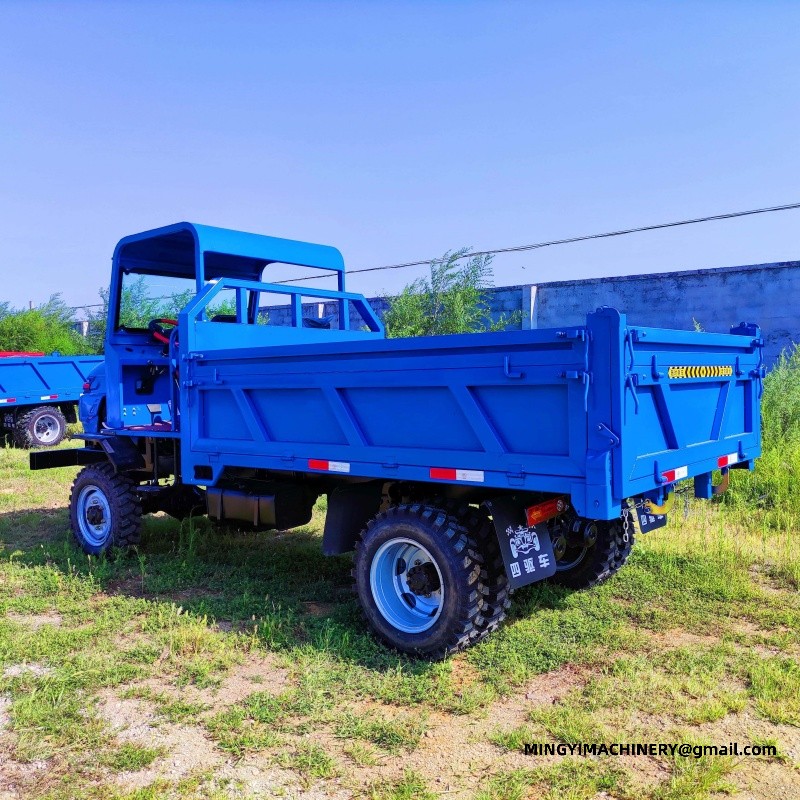
Farm work is seasonal and varied. The machine in that duty that hauls feed in one month and muck or aggregate in the next earns its place by being usable across the year rather than by being optimised for one task. Ground on farms is often soft and often shared with livestock. The unit on the job working there needs to cross pasture without rutting it badly, and tyre and weight choices follow from that.
A simple log helps. Recording hours, fuel and any adjustment made to the equipment in service gives the workshop a history, and that history is what turns an intermittent fault into a one-visit repair instead of three.
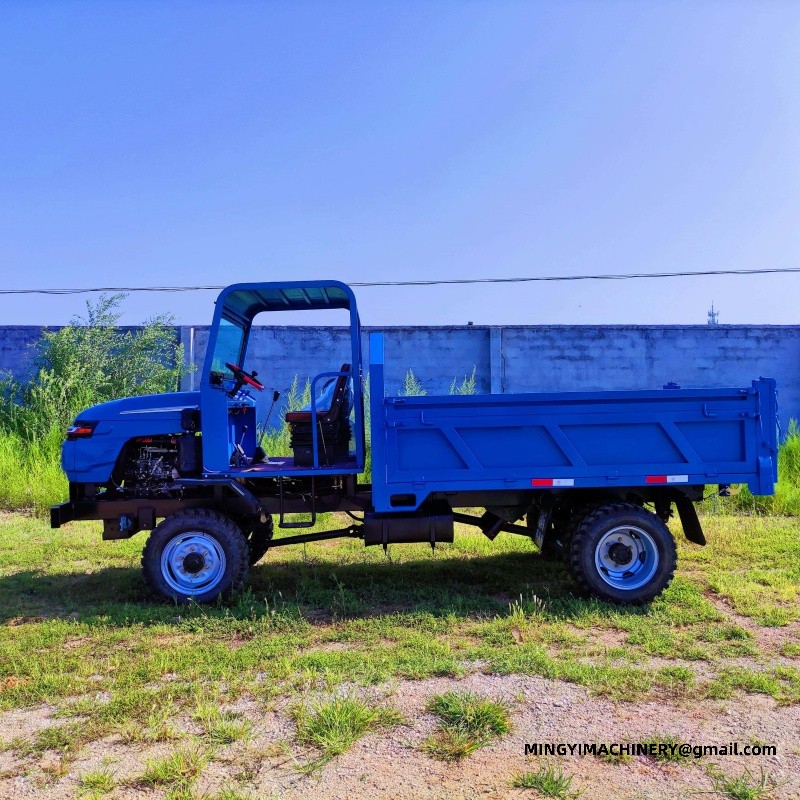
A crane or grab turns a haul vehicle into a loading machine. This class of machine fitted with a hydraulic crane loads itself, which removes a second machine from the job and is often the whole reason for specifying one.
Matching the engine to the duty matters more than the peak rating. A machine of this size that spends its day at part load benefits from a different setup than one that works at full output, and the difference shows in fuel use over a season.
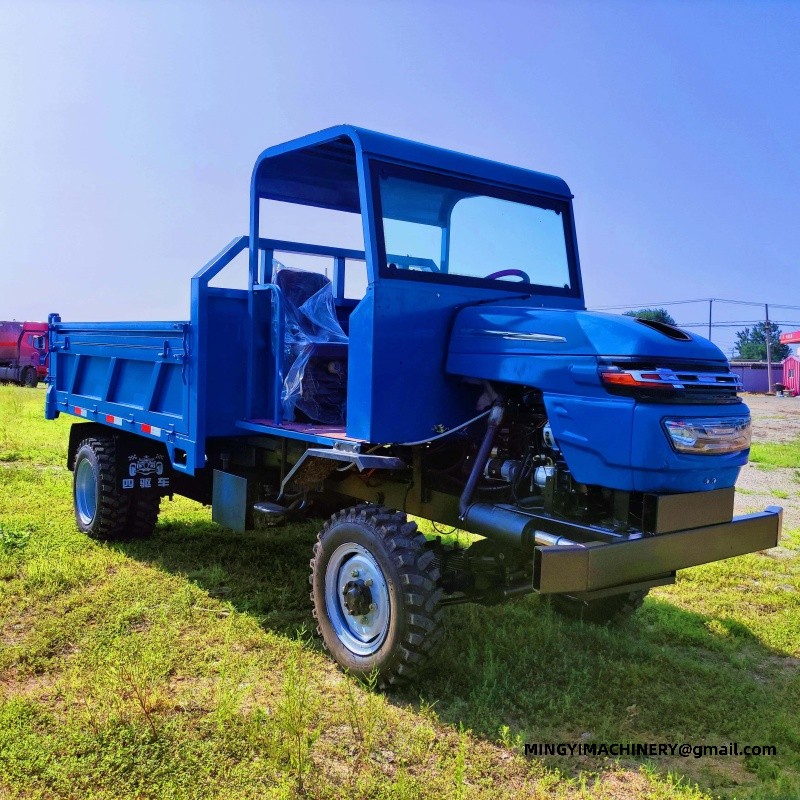
Support after delivery is a parts question. Filters, belts, hoses and the wearing items specific to the machine itself are what a buyer should plan to hold before the first service interval rather than order after a failure. Remote diagnosis shortens most faults. A walk-around on video with the panels open often identifies the cause on the model in question without waiting for a visit, and avoids shipping a part that turns out not to be needed.
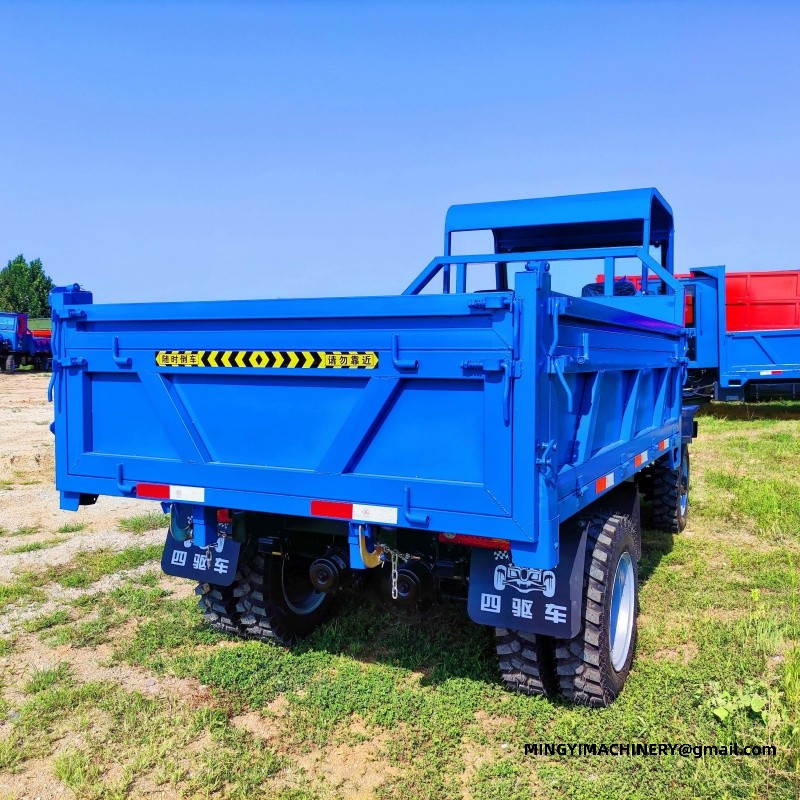
Size matters underground. Overall height and width decide whether the unit on the job can work in a tunnel at all, and those dimensions are the first thing to confirm rather than the last. Haul cycles in a quarry are short and repetitive. A machine built for the work specified for that pattern benefits from a body that dumps cleanly and quickly, because the time saved per cycle is the whole allowance.
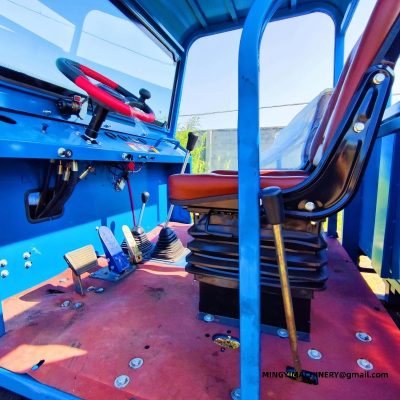
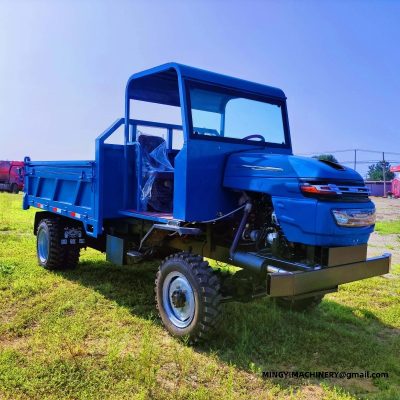
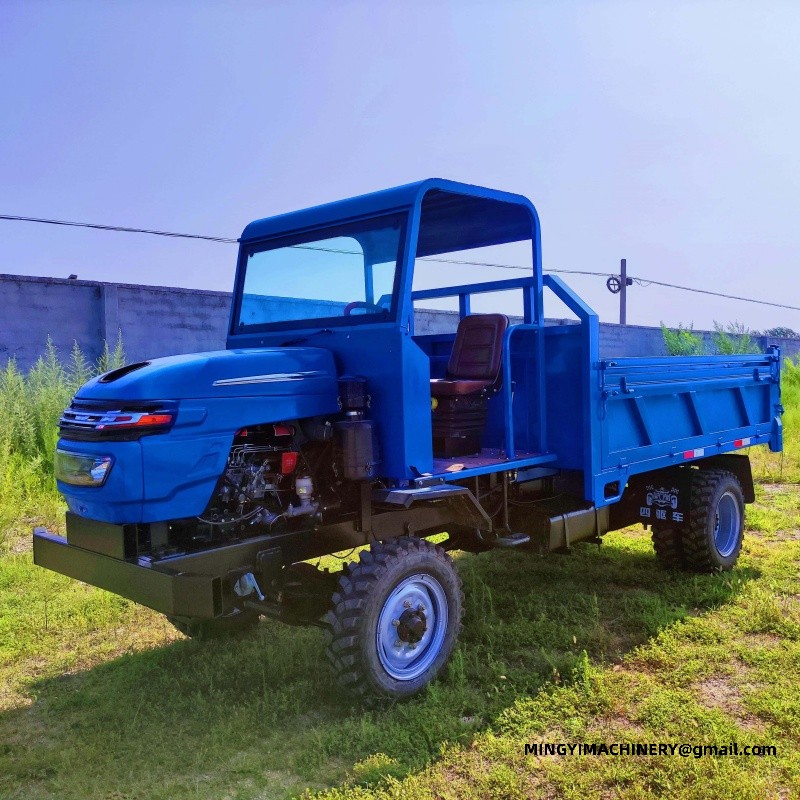
The configurations below are the build sheets most often matched to the dumper. Engine, gearbox, axles, frame and body dimensions are confirmed together, because the body size and the axle rating have to suit the load before the engine rating matters.
| # | 10.Upgraded | 17.Luxury | 24.Luxury | 9.Standard |
|---|---|---|---|---|
| 1 | Single-cylinder diesel engine, 32 hp | Four-cylinder 490 diesel engine | Four-cylinder 4108 turbocharged diesel engine | Single-cylinder diesel engine, 32 hp |
| 2 | Full-time gearbox with four-wheel drive | Part-time gearbox, selectable 2WD/4WD | Model 145 part-time gearbox, selectable 2WD/4WD | Full-time gearbox with four-wheel drive |
| 3 | High/low range with crawler gear | High/low range with crawler gear | High/low range with crawler gear | High/low range with crawler gear |
| 4 | Front axle clutch | Fully enclosed cab | Fully enclosed cab | Simple cab |
| 5 | Fully enclosed cab | Six 700-16 mountain tyres | Six 825R16 steel-belted radial tyres | Oil brakes |
| 6 | Oil brakes | Reinforced 130 front axle | Reinforced ISUZU-pattern front axle | Four 700-16 mountain tyres |
| 7 | Four 700-16 mountain tyres | Reinforced ISUZU-pattern rear axle | Reinforced 1080 rear axle | Front axle 212 |
| 8 | Front axle 212 | Air cut-off brakes | Air cut-off brakes | Rear axle 130 |
| 9 | Rear axle 130 | Reinforced 60 x 140 mm square tube frame | Reinforced 80 x 180 mm square tube frame | Reinforced 60 x 140 mm square tube frame |
| 10 | Reinforced 60 x 140 mm square tube frame | Rear body 2.2 m long x 1.8 m wide x 0.45 m high | Rear body 3.0 m long x 2.2 m wide x 0.45 m high | Rear body 2.2 m long x 1.5 m wide x 0.45 m high |
| 11 | Rear body 2.2 m long x 1.5 m wide x 0.45 m high | Tailgate with self-dumping function | Tailgate with self-dumping function | Tailgate with self-dumping function |
| 12 | Tailgate with self-dumping function | Side-opening rear body tailgate | Side-opening rear body tailgate with cab ladder | Hydraulic power steering |
| 13 | Hydraulic power steering | Hydraulic power steering | Hydraulic power steering | Twin hydraulic rams |
| 14 | Twin hydraulic rams | Twin hydraulic rams | Twin hydraulic rams | Two-person comfort seat |
| 15 | Two-person comfort seat | Two-person comfort seat | Two-person comfort seat | Twin-battery electric start |
| 16 | Twin-battery electric start | Heavy-duty leaf springs | Heavy-duty leaf springs | Square-nose bonnet |
| 17 | Square-nose bonnet | Twin-battery electric start | Twin-battery electric start | — |
| 18 | — | Round-nose bonnet | Square-nose bonnet | — |
The last hour before packing is the best time to find a fault. Running the unit in daily use through its full working cycle, checking for leaks under load and confirming that the controls match the specification avoids a conversation across time zones later.
Dust is the enemy of every rotating joint. Keeping the radiator and the air intake of the equipment on site clean, and cleaning them before they are blocked rather than after, is what separates a machine that lasts from one that overheats.
Transport shakes things loose. A short check of the model in question after the crate is opened, covering the same points the pre-delivery inspection covered, is the most useful insurance available on delivery day.
Documentation should match the machine that was actually built. The sheet supplied with the unit on the job records the configuration as delivered, because the generic catalogue description is not what the customer needs when ordering a part.
Standing still is harder on a machine than working. Preparing the equipment in service for a long idle period means clean fluids, a charged battery and protection for the exposed surfaces, because neglect is not the same as rest.
Operators who come from a different machine need a short conversion. The controls on this class of machine follow the usual pattern, but the response, the sightlines and the stopping distance are learned by doing rather than by reading.
Fluid quality is a storage problem before it is a machine problem. Water and sediment in a drum will find the injection system of a machine of this size eventually, and a settling period is nothing compared with a pump.
Every line above is a build item rather than an optional extra, and the final sheet for the equipment on site is confirmed against the destination, the ground and the load before production.
E-mail:sales@mingycn.com
LINE(ID):mingyicn









