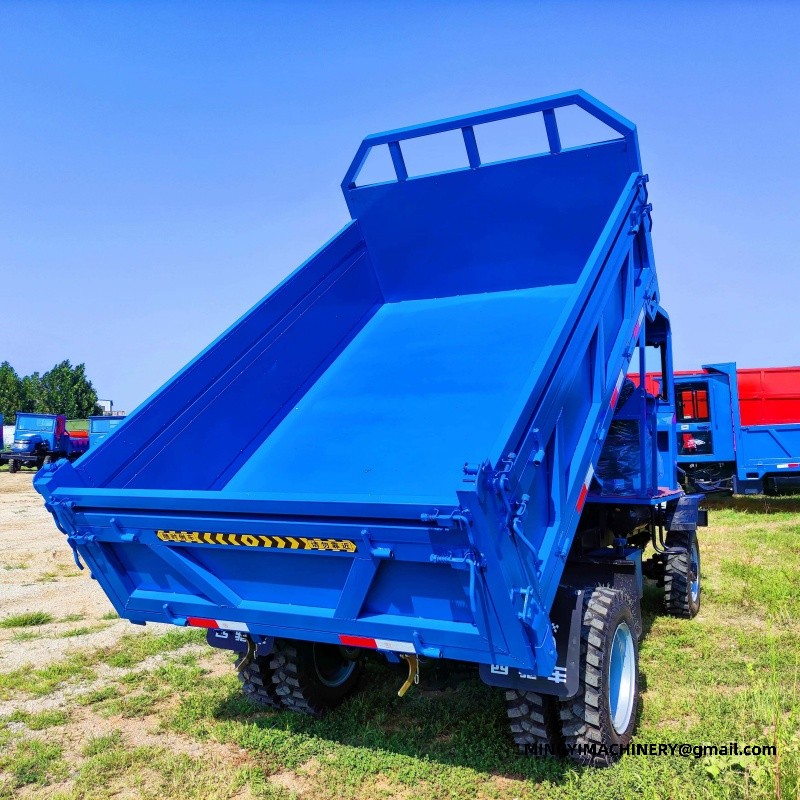
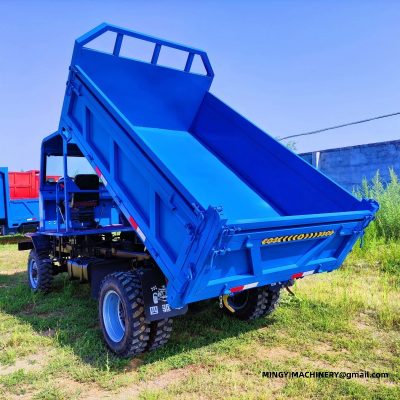
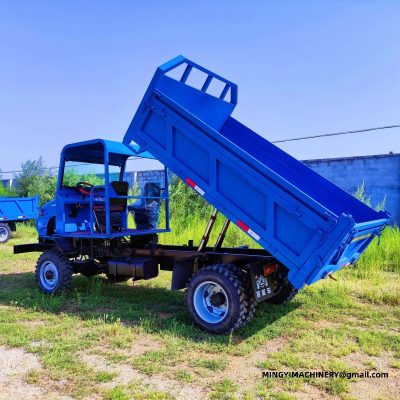
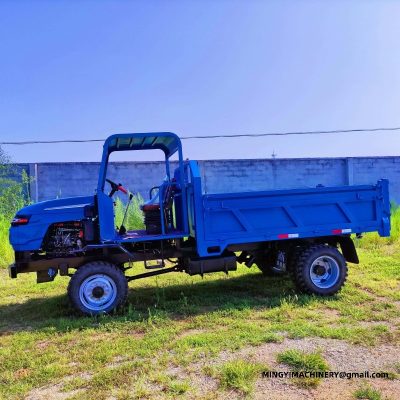
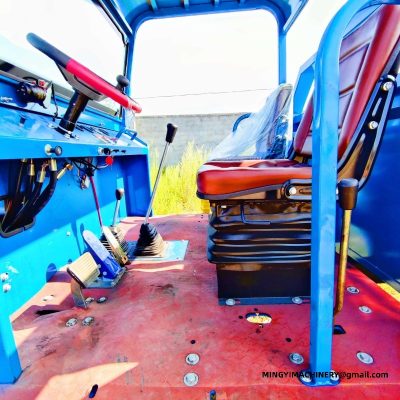
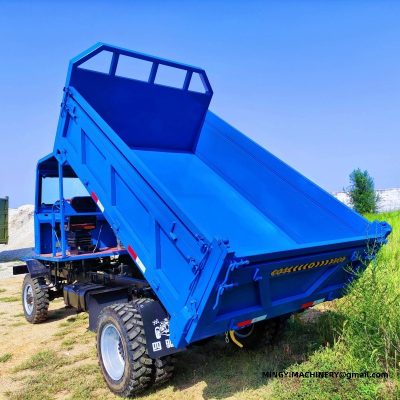
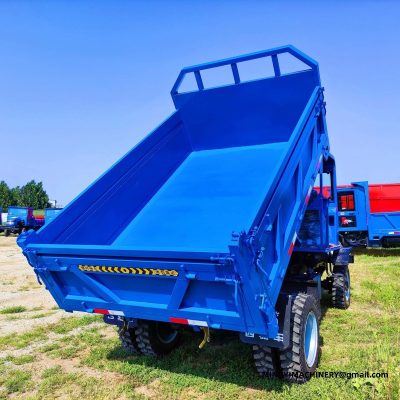
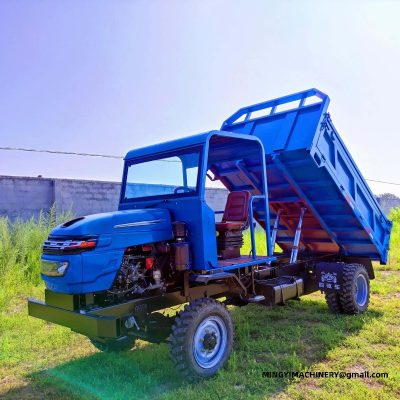
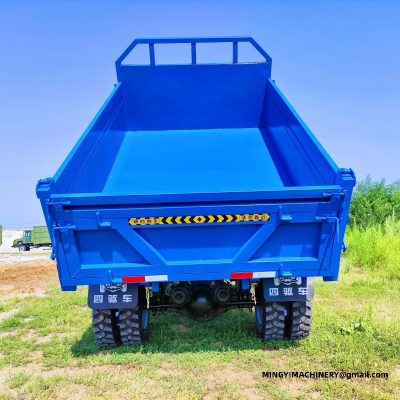
The dumper earns its place by doing one job repeatedly and without fuss. The sections below are written from that angle: what the machine is asked to do each day, what wears, what an operator needs to know and what to confirm before dispatch.
Quarry and tunnel work is hard on vehicles. Abrasive dust, sharp material and continuous loading mean this class of machine in this duty needs attention to filtration, body wear and brake condition far more often.
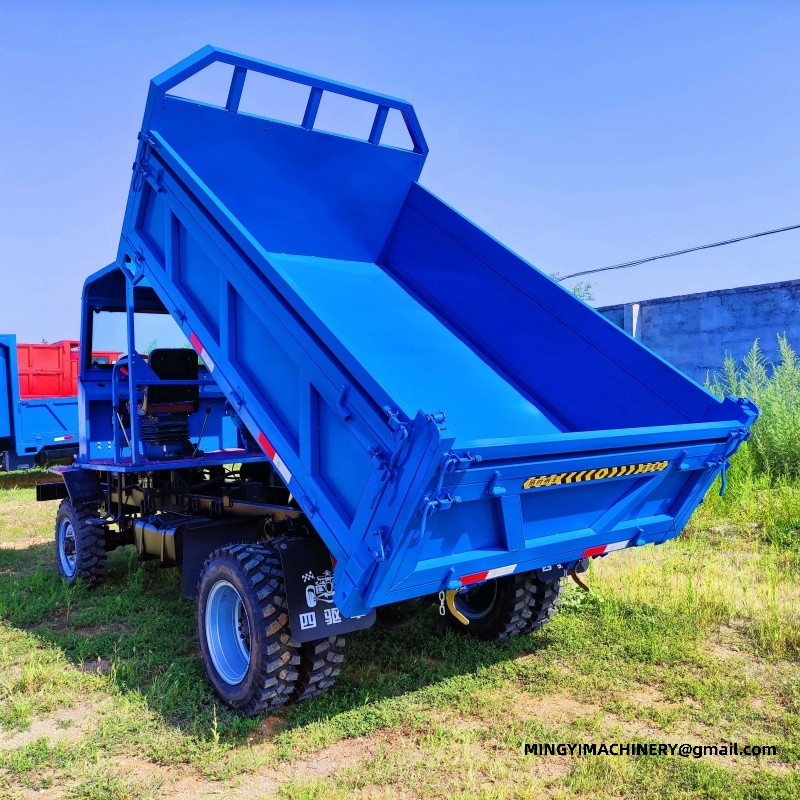
The base machine is only as useful as the tool on the end of it. Matching the attachment to the task - rather than to what arrived with the machine - is what lets one a machine of this size cover several jobs across a week. Attachment decisions are best made before delivery. Specifying hydraulics and couplers at build time is simpler than adding them later, and it avoids the downtime of a workshop visit in the first month. Most owners find that the second attachment changes how often the machine is used. The unit in daily use that was bought for one task often becomes the general machine on site once a second tool is available.
A short familiarisation session prevents the early faults. Most first-month problems on the equipment on site come from unfamiliarity with controls, limits or checks rather than from the machine itself. Keeping the manuals where they can be reached matters. The machine itself whose documents stay with the machine gets serviced on schedule; one whose paperwork was filed elsewhere tends to run on memory instead.
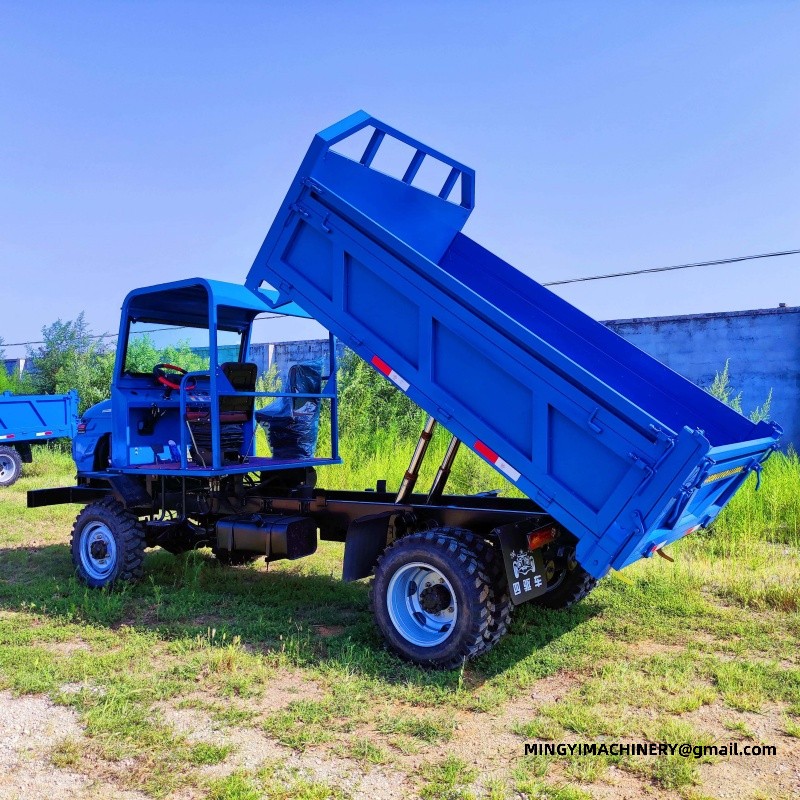
Timber work changes what the vehicle carries. The model in question fitted with a log grab loads and unloads without a second machine, which is usually the reason a forestry contractor specifies one over a conventional truck. Access tracks in forestry are narrow, soft and often steep. The machine in that duty chosen for that work is chosen for the track, and the body, cab and tyre specification follow from the route rather than from the load alone. Protection matters in timber work. Guarding, lighting and a cab that keeps branches out are the items that keep the unit on the job working through a season rather than being repaired through it.
A written duty list is the simplest part of the purchase. It takes an hour to note the material, the distance, the gradient and the hours per week, and it is what turns a machine built for the work enquiry into a machine that fits.
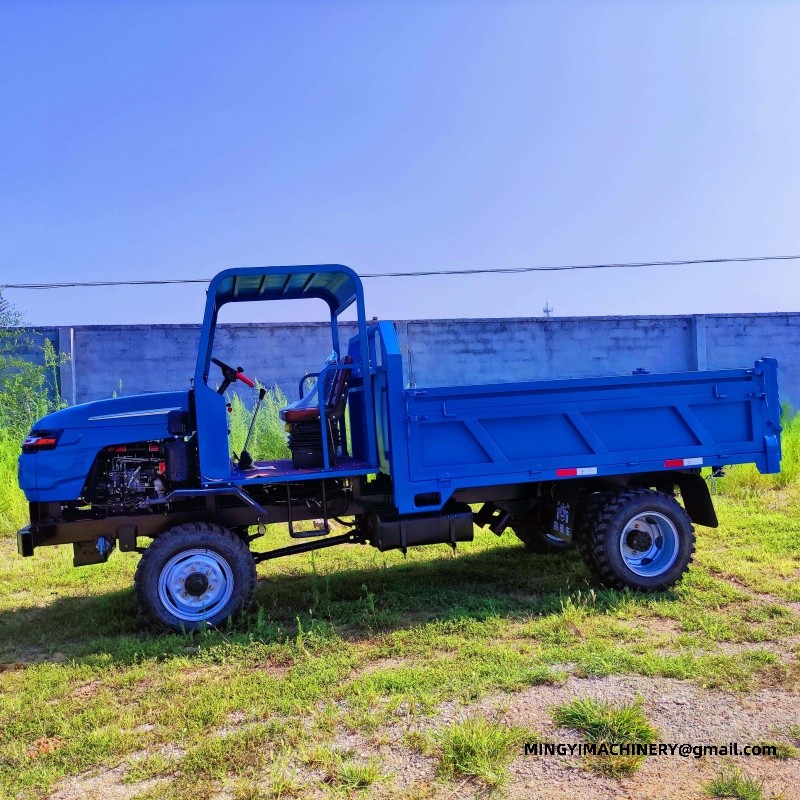
Machine productivity depends on what happens around it. Deliveries, other trades and the sequence of work decide how much of the shift the equipment in service spends actually working rather than waiting.
Consumption is best measured over a full week rather than judged per hour. Idle time, repositioning and waiting for other trades are often the largest share of the fuel the dumper burns on a site. Planning the work to reduce empty movement is free. Fewer repositioning cycles on this class of machine means less fuel, less wear on the undercarriage or tyres and more of the shift spent on productive work.
Ground on farms is often soft and often shared with livestock. The unit in daily use working there needs to cross pasture without rutting it badly, and tyre and weight choices follow from that.
Dust control work is repetitive and time-critical. The equipment on site with the right tank and spray arrangement covers more ground per shift, which is usually the point of the exercise.
Slopes and edges deserve a separate check. The model in question that is stable on level ground behaves differently across a gradient, and the safe working angle is a number worth knowing rather than estimating.
Working after daylight changes the risk. Lighting coverage on the unit on the job and across the working area, plus high-visibility clothing for anyone on foot, are the items that make low-light work practical. Planning helps more than extra lamps. Positioning the machine built for the work so that the work is lit from the machine side, and keeping the route clear, does more for safety than adding light to a badly planned task.
A short handover pays for itself. Operators who understand why the equipment in service is set up the way it is will report a change in behaviour early, which is usually the point where a repair is simplest.
Fleet value comes from interchangeability. Operators who can step between machines without retraining, and a workshop that stocks one set of filters, keep utilisation higher than a fleet of individually optimised units. Standardising where possible simplifies everything downstream. When several units of this class of machine share a service schedule and a parts list, the fleet becomes easier to plan and easier to sell on at replacement time.
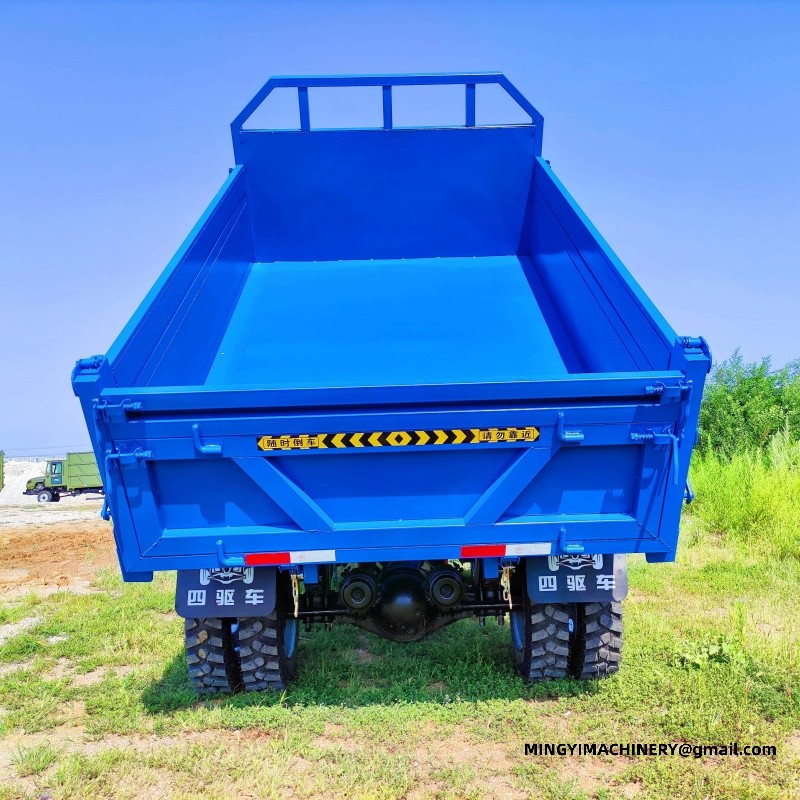
Duty cycle is the honest measure of a machine. A machine of this size working a few hours a week has different needs from one working two shifts, and the cooling, filtration and service intervals should follow the hours rather than the calendar. Hour planning helps at resale as well. The equipment on site with a recorded service history and a sensible hour count is easier to sell than one with the same hours and no records, whatever its condition.
The configurations below are the build sheets most often matched to the model in question. Engine, gearbox, axles, frame and body dimensions are confirmed together, because the body size and the axle rating have to suit the load before the engine rating matters.
| # | 22.Luxury | 3.Standard | 5.Luxury | 6.Standard |
|---|---|---|---|---|
| 1 | Four-cylinder 4105 turbocharged diesel engine | Single-cylinder diesel engine, 25 hp | Single-cylinder diesel engine, 25 hp | Single-cylinder diesel engine, 28 hp |
| 2 | Model 145 part-time gearbox with four-wheel drive | Full-time gearbox with four-wheel drive | Part-time gearbox with four-wheel drive | Full-time gearbox with four-wheel drive |
| 3 | High/low range with crawler gear | High/low range with crawler gear | High/low range with crawler gear | High/low range with crawler gear |
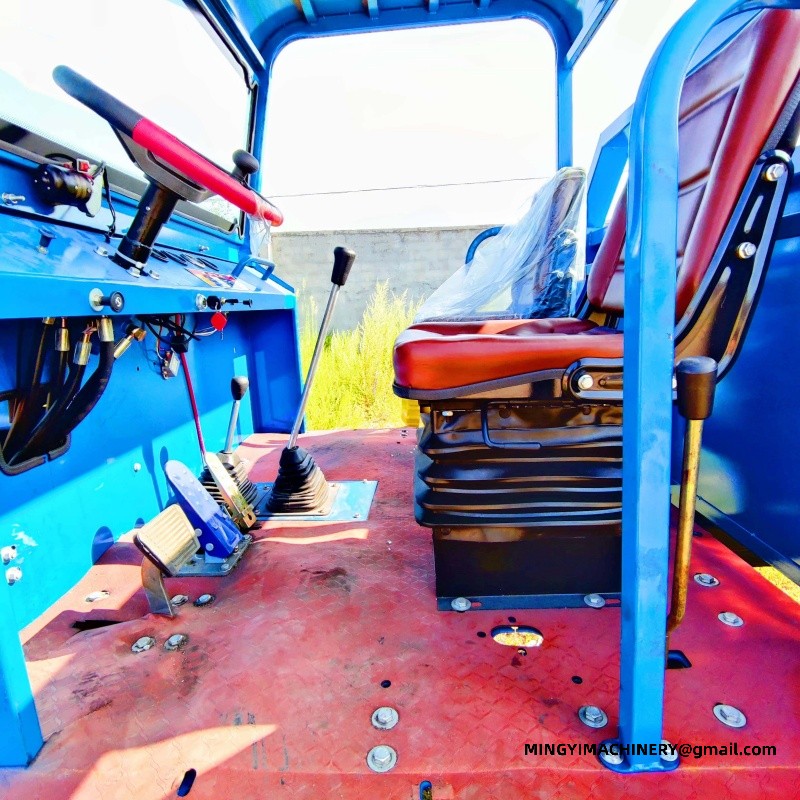
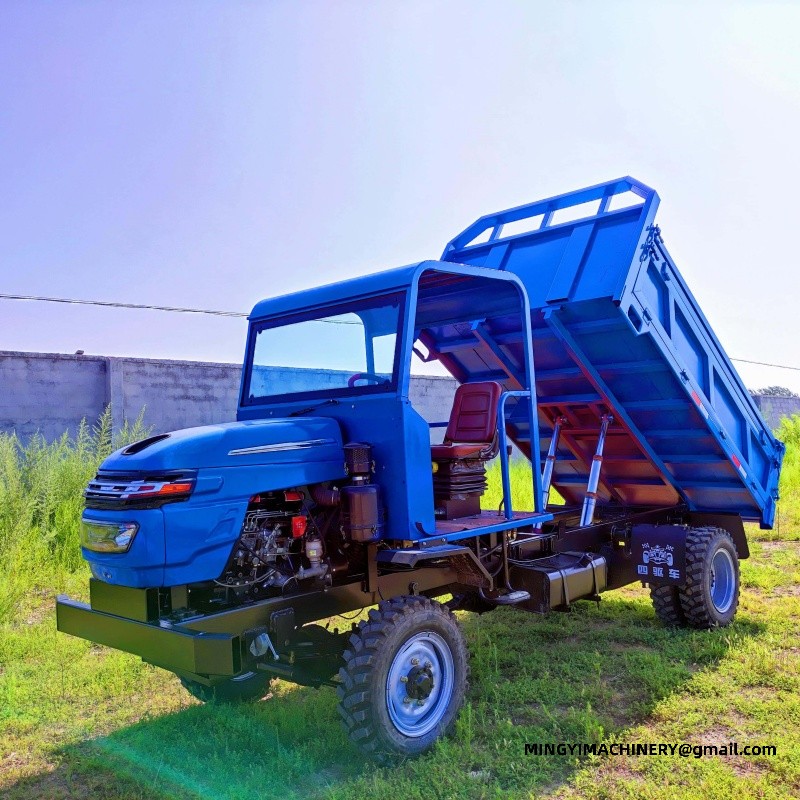
| 4 | Fully enclosed cab | Simple cab | Enclosed cab | Simple cab |
| 5 | Six 825R16 steel-belted radial tyres | Oil brakes | Six 700-16 mountain tyres | Oil brakes |
| 6 | Reinforced ISUZU-pattern front axle | Four 700-16 mountain tyres | Model 212 front axle | Four 700-16 mountain tyres |
| 7 | Reinforced 1080 rear axle | Front axle 212 | Model 130 rear axle | Front axle 212 |
| 8 | Air cut-off brakes | Rear axle 130 | Air cut-off brakes | Rear axle 130 |
| 9 | Reinforced 80 x 180 mm square tube frame | Reinforced 60 x 140 mm square tube frame | Reinforced 60 x 140 mm square tube frame | Reinforced 60 x 140 mm square tube frame |
| 10 | Rear body 3.0 m long x 2.2 m wide x 0.45 m high | Rear body 2.2 m long x 1.5 m wide x 0.45 m high | Rear body 2.2 m long x 1.5 m wide x 0.45 m high | Rear body 2.2 m long x 1.5 m wide x 0.45 m high |
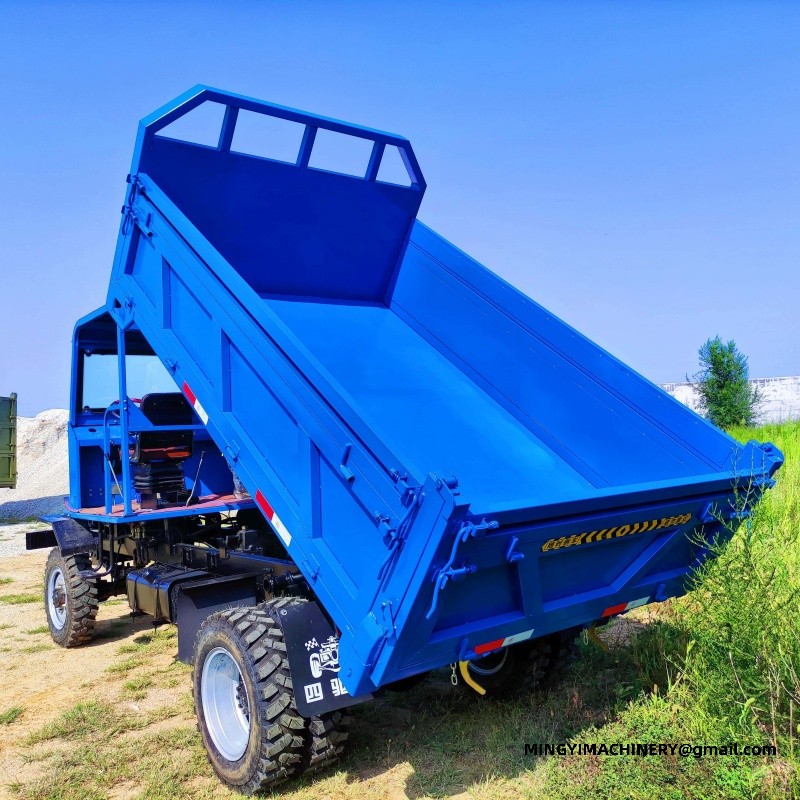
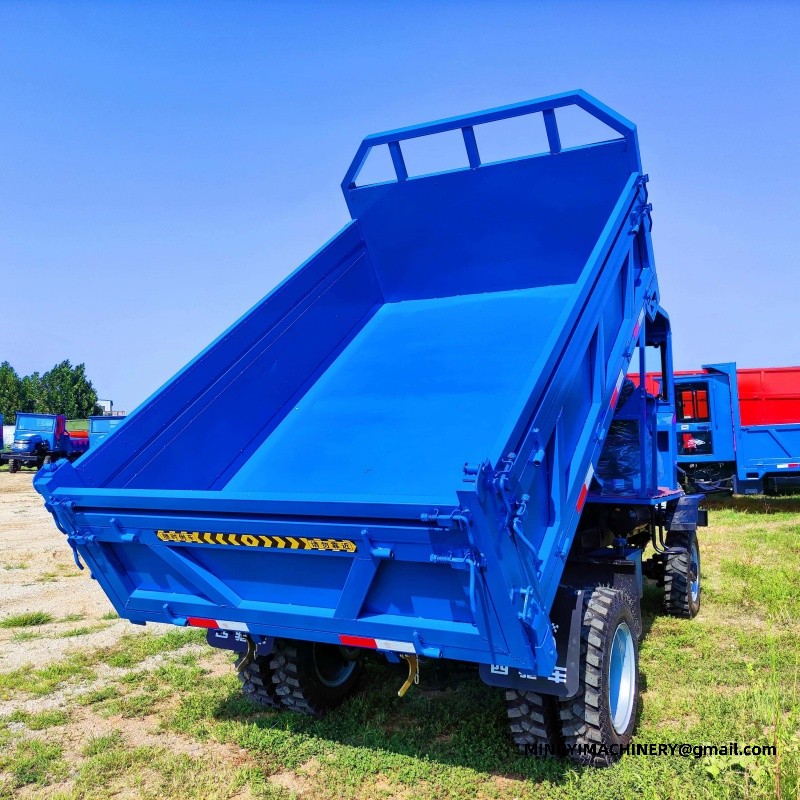
| 11 | Tailgate with self-dumping function | Tailgate with self-dumping function | Tailgate with self-dumping function | Tailgate with self-dumping function |
| 12 | Side-opening rear body tailgate with cab ladder | Hydraulic power steering | Side-opening rear body tailgate | Hydraulic power steering |
| 13 | Hydraulic power steering | Twin hydraulic rams | Hydraulic power steering | Twin hydraulic rams |
| 14 | Twin hydraulic rams | Two-person comfort seat | Twin hydraulic rams | Two-person comfort seat |
| 15 | Two-person comfort seat | Twin-battery electric start | Two-person comfort seat | Twin-battery electric start |
| 16 | Heavy-duty leaf springs | Square-nose bonnet | Heavy-duty leaf springs | Square-nose bonnet |
| 17 | Twin-battery electric start | — | Twin-battery electric start | — |
| 18 | Square-nose bonnet | — | Square-nose bonnet | — |
Tropical operation is a specification question as much as a maintenance one. The cooling capacity, the sealing and the corrosion protection fitted to the unit on the job are what make the difference once the ambient temperature rises.
A written record is worth more than a good memory. Dates, hours and the parts fitted on the equipment in service turn a guess about the next service into a fact, and they are the first thing a buyer asks to see.
Operators notice things first because they hear the machine every day. Encouraging the person on this class of machine to report small changes, and acting on them, is the most effective maintenance programme there is.
The machine should be introduced to the site as well as the operator. Walking the route a machine of this size will take, noting the soft spots and the turns, prevents the kind of first-day incident that has nothing to do with the machine.
The parts that stop a machine are rarely the parts that are hardest to find. Filters, belts, seals and the ground engaging tools on the machine itself are easy to hold and slow to replace, which is why they belong on the shelf rather than on an order.
What the customer sees on arrival is decided before departure. The walk-around given to the machine in that duty covers the same points the operator will check on day one, so there are no surprises when the crate is opened at the destination.
Operators who come from a different machine need a short conversion. The controls on a machine built for the work follow the usual pattern, but the response, the sightlines and the stopping distance are learned by doing rather than by reading.
Loading is where most damage happens. Ramps, angle of approach and the condition of the ground under them matter more than the machine when the dumper is being loaded, and a careful driver is worth more than a fast one.
Every line above is a build item rather than an optional extra, and the final sheet for this class of machine is confirmed against the destination, the ground and the load before production.
E-mail:sales@mingycn.com
LINE(ID):mingyicn









