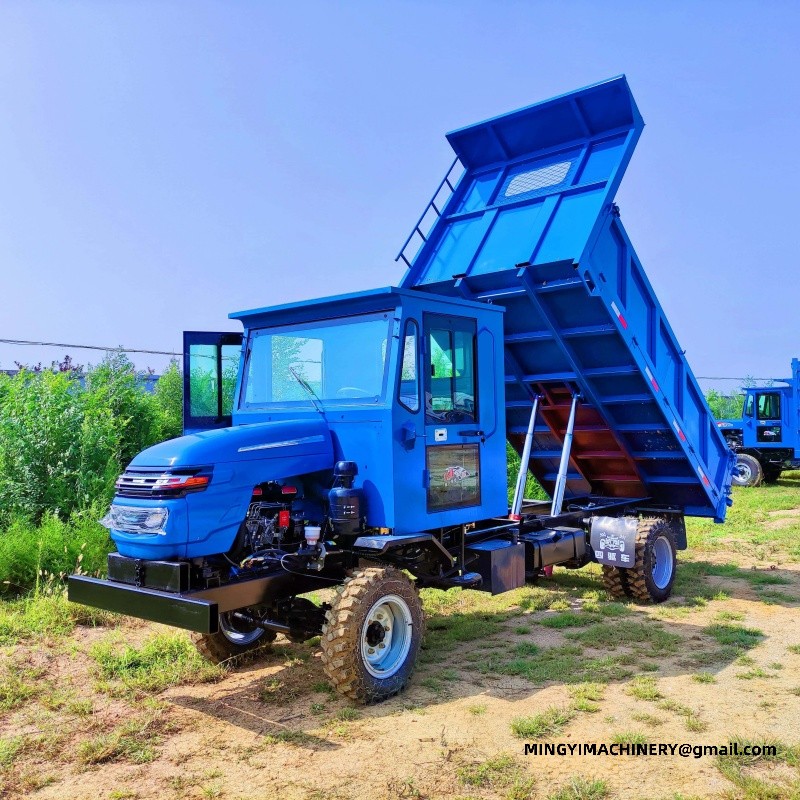
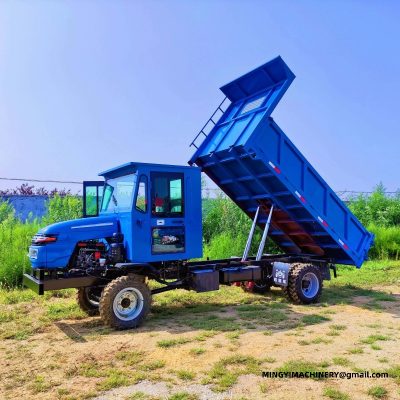
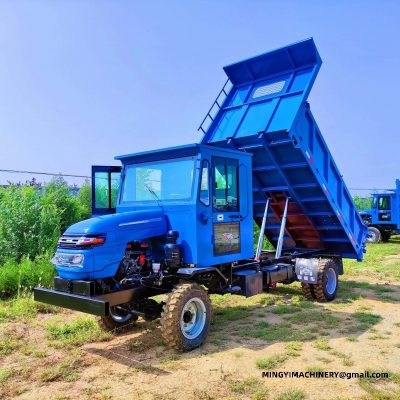
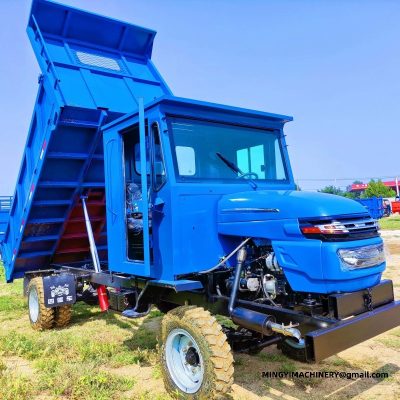
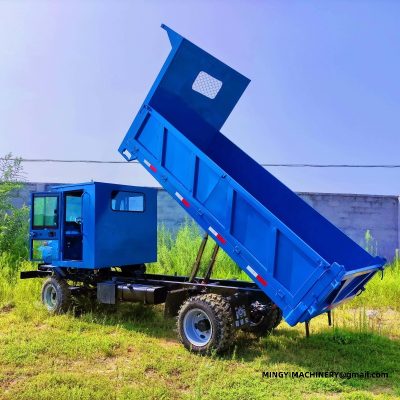
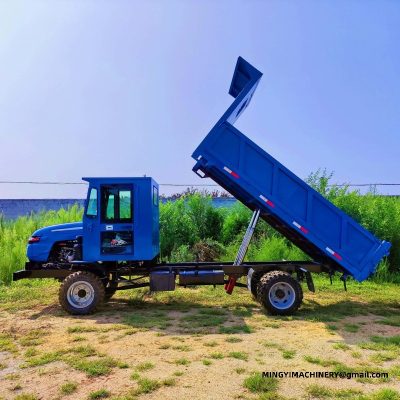
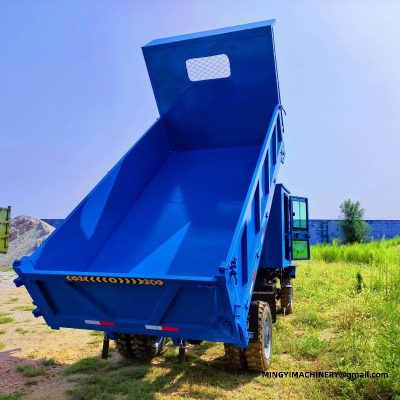
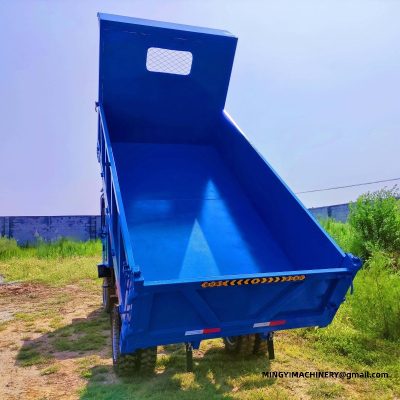
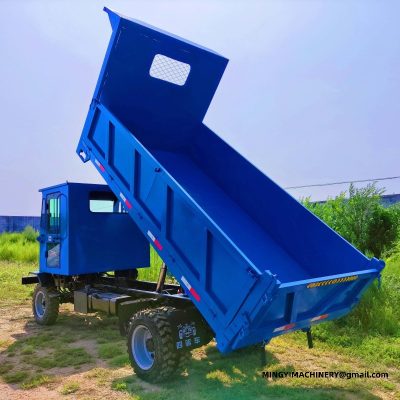
In a mine, a machine that cannot grip is a machine that cannot work, and grip is not a number on a specification sheet but a property that lives in the patch of rubber pressed against the ground. Strong traction comes from three things working together: the contact area of the tyre, the pressure that holds it down, and the surface it bites into. The four Mingyi builds on this page split deliberately between four and six tyres, between mountain and radial patterns, and between single and twin driven ends, and each choice trades one kind of grip for another. This section explains how to read those trades.
Everything a machine can pull, push or climb starts from the contact patch, the flat area of tyre that touches the ground at any moment. A larger patch spreads the machine's weight over more ground and lets it walk over soft or loose surfaces instead of sinking; a smaller patch concentrates the same weight and bites harder into firm, rough rock. This is why two machines with the same engine can feel completely different on the same haul road. The patch is set by the tyre size, the tyre count, the pressure and the load, and those four are the levers a mine manager pulls when the ground changes.
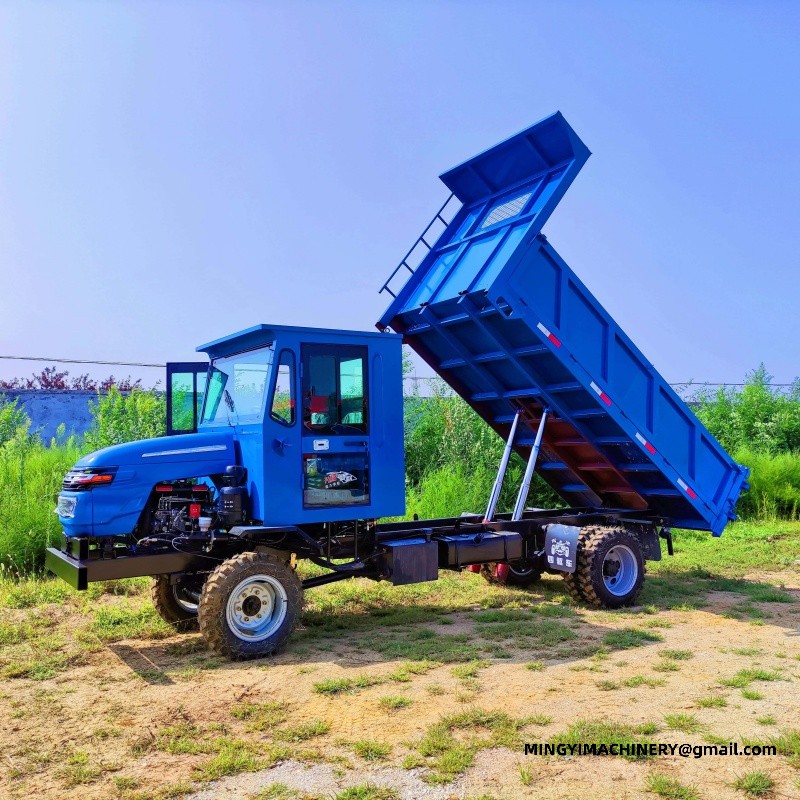
A tyre grips in two ways at once. Its carcass flexes to follow the ground, and its tread bars dig into whatever is loose on top of it. On firm rock the tread works like a set of small teeth, catching the surface; on mud and loose fill the carcass matters more, because a soft, wide footprint floats the machine where a narrow, hard one would cut through and dig a hole. The mountain pattern fitted across these builds is designed for the second case, clearing the tread as the wheel turns so each bar meets the ground fresh rather than packed full of mud. That self-cleaning action is the difference between moving and spinning.
The table offers two tyre families, and the choice between them is a choice between two kinds of ground. The 700-16 mountain tyres on the 15.Standard, 8.Luxury and 9.Standard are open, aggressive and self-cleaning, built for a surface that is wet, loose or stony and for a machine that needs grip more than it needs speed. The six 825R16 steel-belted radial tyres on the 22.Luxury put more rubber on the road in a flatter, more stable footprint, and they suit a mine where the haul road is graded and drained and the machine covers distance. Neither is stronger; they are strong for different floors.
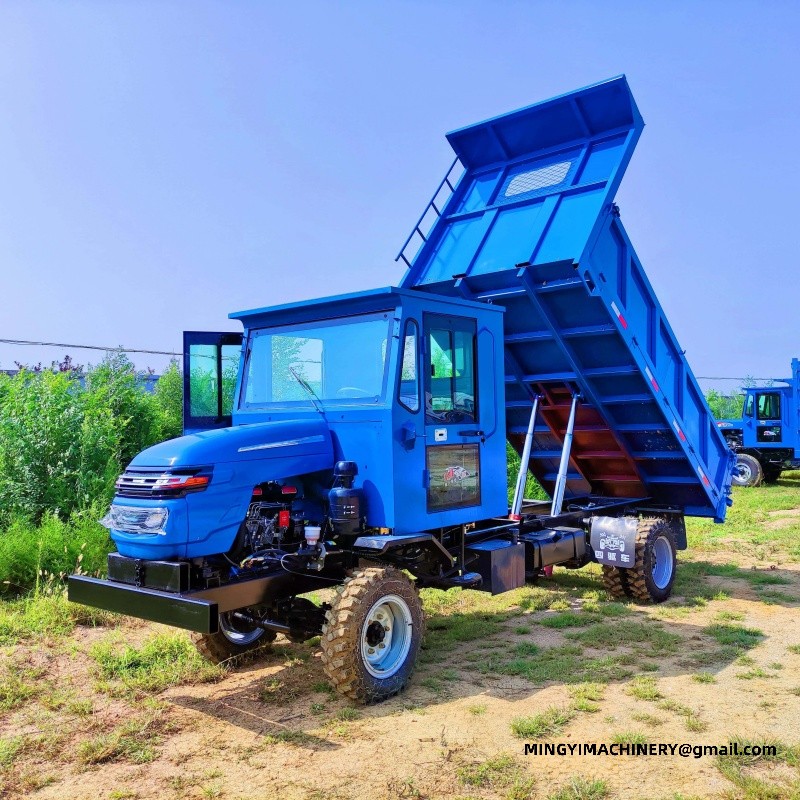
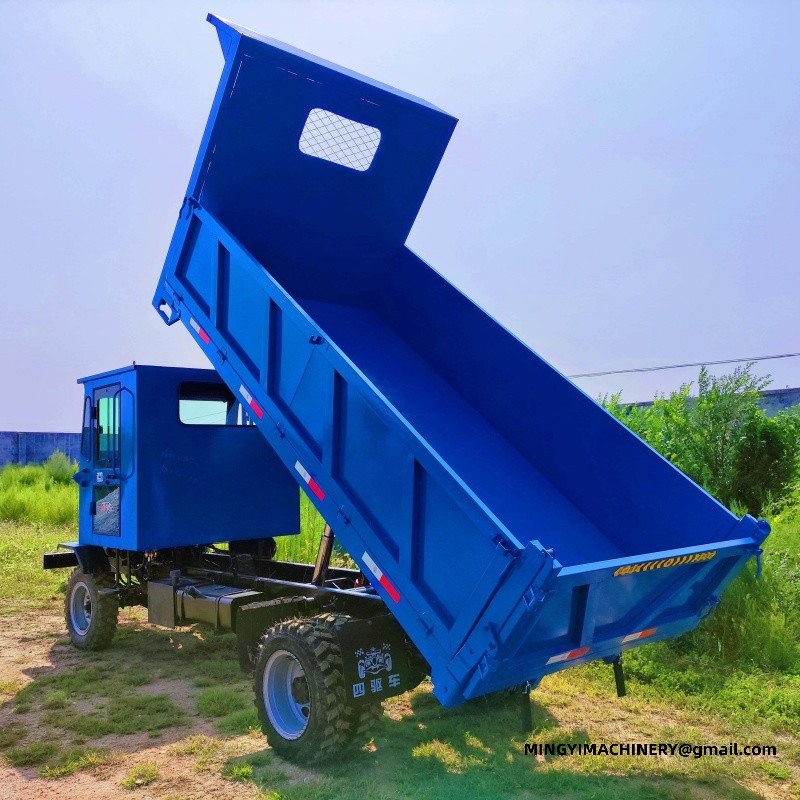
The split between four and six tyres is the simplest traction decision in the table and the one buyers read past too quickly. The 15.Standard and the 9.Standard run four 700-16 mountain tyres, while the 8.Luxury runs six of the same and the 22.Luxury six 825R16 radials. The extra pair adds contact area without adding much weight, so a six-wheel machine floats over soft ground where a four-wheel machine of the same load would begin to sink. The trade is steering and turning: six tyres scrub in a tight turn. On a long, straight haul road the extra patch wins; in a tight pit the four-wheel machine is more nimble.
Soft ground fails by letting the tyre in, and the machine's answer is to keep the pressure at each patch low enough that the surface holds. The arithmetic is simple to state and hard to guess at: the same loaded weight spread over six tyres presses each patch less than it would over four. This is why the heavier builds in the table move to six wheels and, on the 22.Luxury, to the wider 825R16 radial at the same time. A mine that works a wet pit floor or a loose stockpile should read the tyre count as a flotation decision before anything else, because grip that comes from not sinking is cheaper than grip that comes from power.
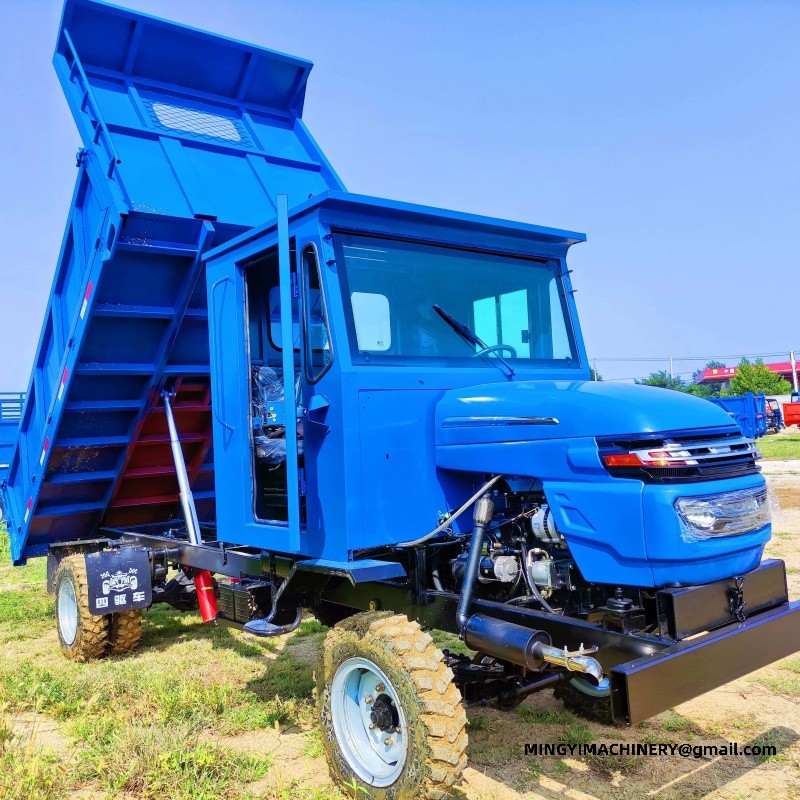
Tyre pressure is the one traction lever the mine can change daily, and it is almost always set wrong by habit rather than by the ground. A hard tyre keeps its shape and rolls easily on a firm road, but it shrinks the contact patch and lets a wheel spin on loose ground. A softer tyre flattens into the ground and grips more, at the expense of more heat and more sidewall flex on a long fast haul. The right pressure is not a fixed number for a machine but a number chosen for the day's surface, and a mine that hauls firm road in the morning and soft floor in the afternoon should set the tyres for the softest ground it will cross.
Where the drive reaches the ground changes how a machine behaves when the going is loose. The 15.Standard and the 9.Standard are full-time four-wheel drive, keeping pull at both ends all the time; the 22.Luxury uses a Model 145 part-time box and the 8.Luxury a part-time selectable box, so the driver chooses when the front axle joins in. Full-time drive puts the front tyres to work continuously, which is what a soft or greasy pit floor wants; part-time drive lets the front axle rest on firm road, which spares the tyres and the front axle clutch and suits a machine that only needs four driven wheels at the face.
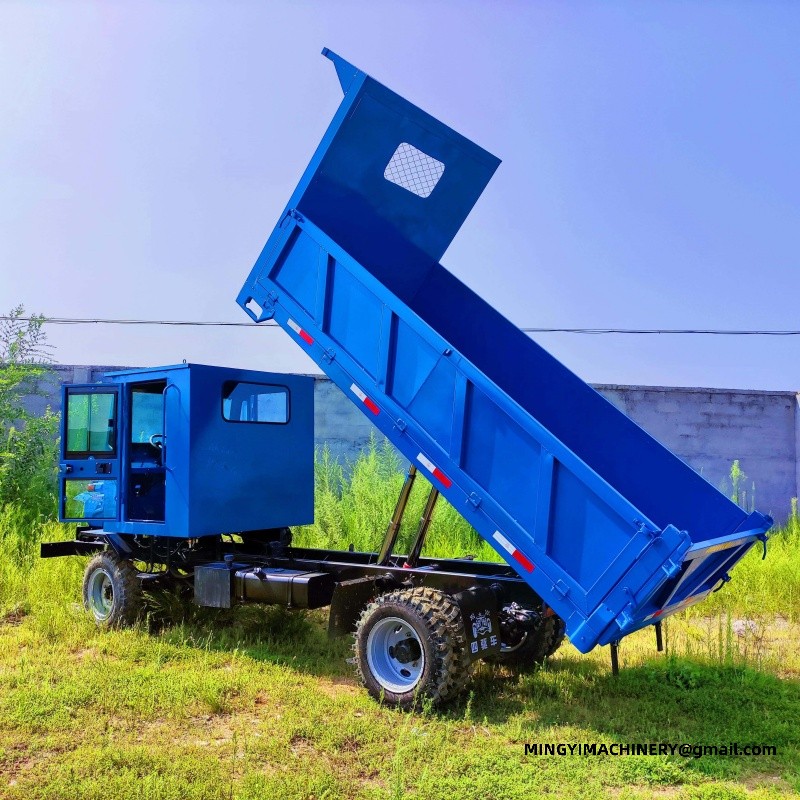
Grip is only useful if the structure behind it does not flex or wind up under load, and here the table divides by weight. The 15.Standard, 8.Luxury and 9.Standard sit on the reinforced 60 x 140 mm square tube frame with a 212-pattern front axle and a 130-pattern rear; the 22.Luxury steps up to the reinforced 80 x 180 mm frame with a reinforced ISUZU-pattern front axle and a 1080 rear axle. The larger frame and axles exist to hold the bigger 3.0 m body and the radial tyres in line while they pull, because traction that twists the chassis only wastes the pull it generates.
How the load sits in the body decides how much of the machine's weight rests on the driven wheels at the moment it matters. Material loaded toward the back lightens the front and lets a front axle spin on a climb; material heaped to one side loads one set of tyres and unloads the other, and the twin hydraulic rams on every build exist in part to lift an uneven load without twisting the body. A mine that wants steady traction should load the floor evenly and keep the heaviest material low and forward, so that every contact patch stays pressed into the ground rather than skipping over it.
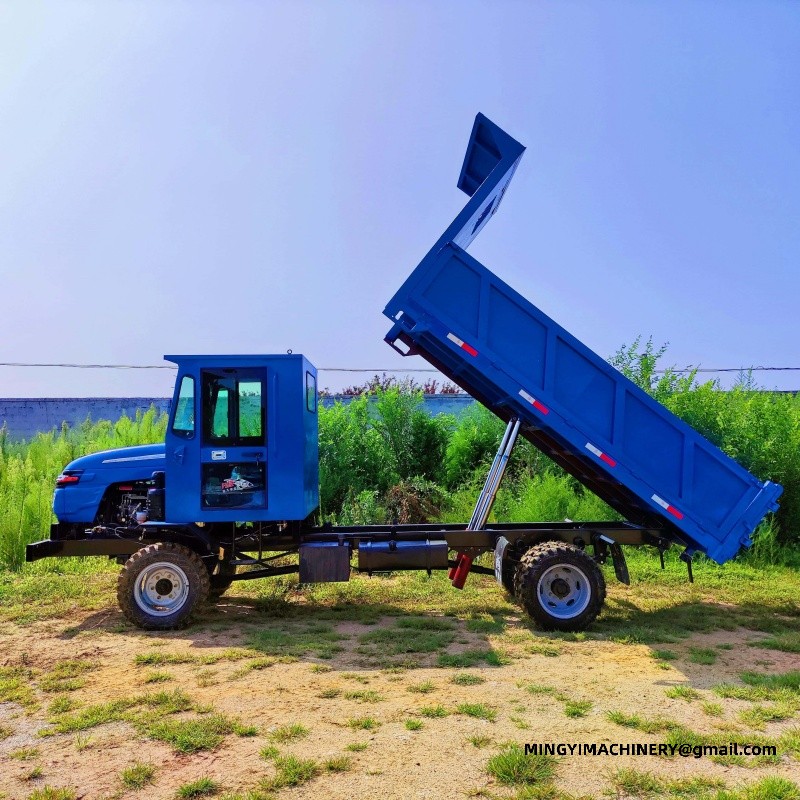
Every build in the table carries high and low range with a crawler gear, and the crawler is the gear that does the real climbing. On a steep, rough gradient the trick is not to storm it but to walk it: a low gear holds the engine in its pulling range and lets the tyres roll rather than spin, and a tyre that rolls keeps its patch pressed flat against the ground. A tyre that spins digs itself a hole and polishes the surface under it. The crawler gear is also what brings a loaded machine back down a slope under control, using the engine rather than the brakes to hold the load.
A mine floor changes with the weather, and the same machine that climbed it dry can be defeated by a day of rain. Water turns dust into mud that packs the tread and floats the tyre, and the open mountain pattern is what sheds that mud as the wheel turns; loose rock rolls under the tyre and wants a softer footprint that wraps the stones rather than skidding over them. The manager's answer is the same in both cases: lower the pressure, drop to the crawler gear, and let the machine walk. Power spent spinning a wet wheel is power that is not moving the load, and it cuts the surface into ruts that every following trip pays for.
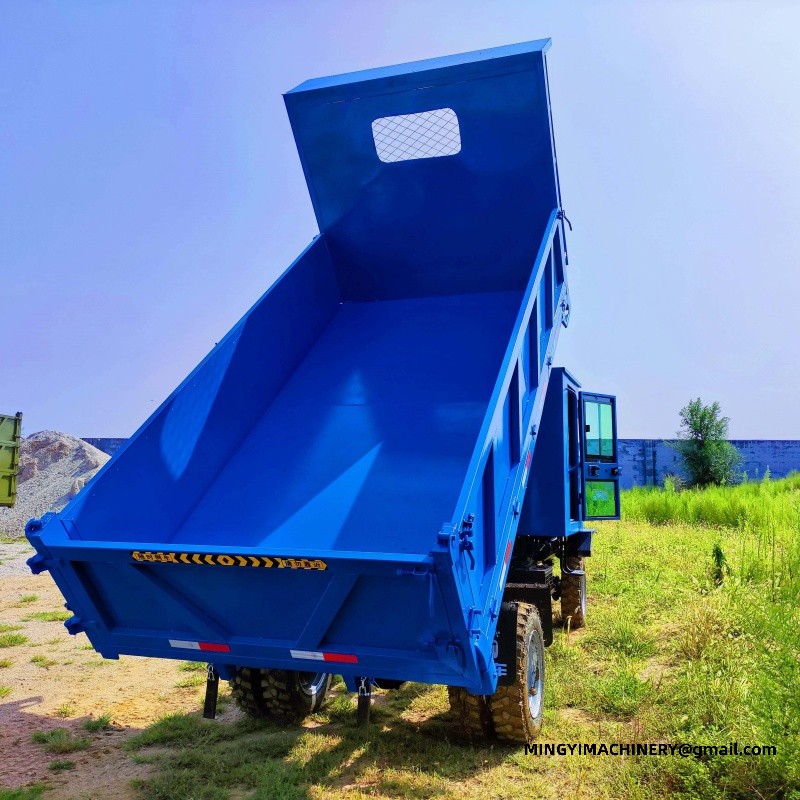
The 22.Luxury is the haul-road machine in the range, and its six 825R16 steel-belted radial tyres are the reason. A radial keeps its tread flat against the ground through a long, fast haul, where a cross-ply mountain tyre would flex, heat and wear; the steel belt holds the tread shape and spreads the load evenly across the width of the patch. Paired with the reinforced 80 x 180 mm frame and the 1080 rear axle, the radial setup is what lets a machine carry the 3.0 m by 2.2 m body up and down a graded road shift after shift without the tyres going soft or the chassis walking.
Traction fades before a tyre fails, and the first sign is usually that the machine no longer climbs what it climbed last week. Tread worn below its working depth stops biting loose ground, and a cracked or cut sidewall can let go under load. On a mine machine the tyres should be walked around at the start of every shift: check the pressure, look for stones caught in the tread, and turn up anything that will be worse by the end of the day. Rotating the wheels and keeping the pressures even across an axle spreads the wear, and a set of tyres that is minded lasts far longer than one that is run until it lets the machine down.
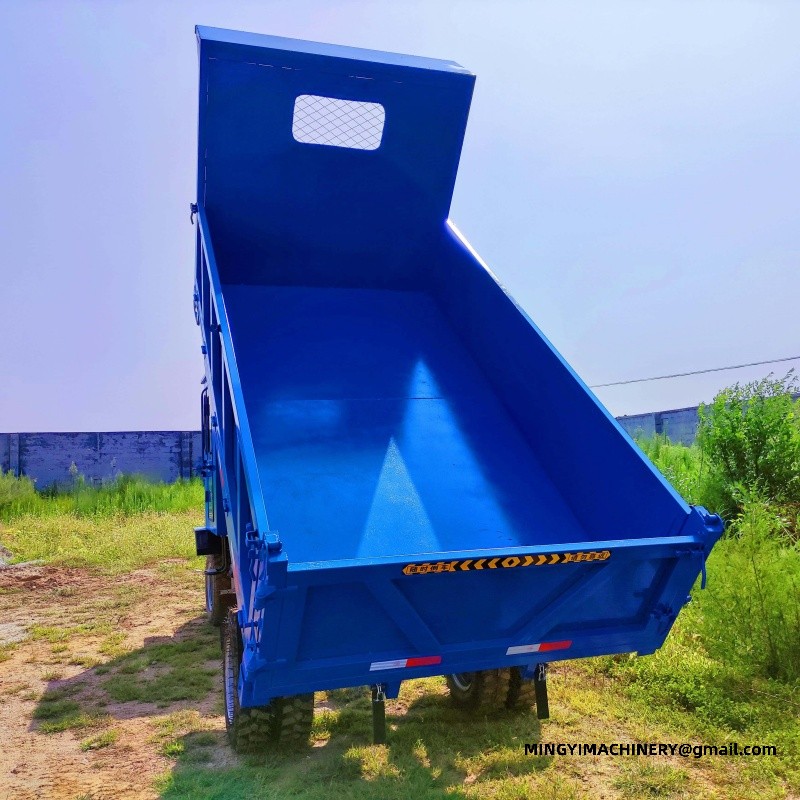
The haul road decides the traction spec more reliably than any rule of thumb, and the way to read it is to walk it once and note what the surface is actually made of. Firm, graded and drained road points to the 22.Luxury and its radials; soft, wet or stony ground points to the mountain pattern, and the only remaining question is whether the load and the flotation call for four wheels or six. A mine that changes its floor with the season may need two setups rather than one, and the table is laid out so that the difference between them is a matter of reading one column against the road.
The four columns carry the whole traction story once the table is read as a set of choices rather than a list. The 15.Standard and the 9.Standard are the light, full-time four-wheel machines on four mountain tyres; the 8.Luxury adds the third axle and the selectable box; the 22.Luxury moves to the big frame, the radial tyres and the part-time Model 145. Each step trades something: flotation for nimbleness, grip for speed, simplicity for load. Pick the column whose tyres, axles and frame match the mine's own floor, and the traction question answers itself before the machine ever reaches the face.
| # | 15.Standard | 22.Luxury | 8.Luxury | 9.Standard |
|---|---|---|---|---|
| 1 | Four-cylinder 490 diesel engine | Four-cylinder 4105 turbocharged diesel engine | Single-cylinder diesel engine, 28 hp | Single-cylinder diesel engine, 32 hp |
| 2 | Full-time gearbox with four-wheel drive | Model 145 part-time gearbox with four-wheel drive | Part-time gearbox, selectable 2WD/4WD | Full-time gearbox with four-wheel drive |
| 3 | High/low range with crawler gear | High/low range with crawler gear | High/low range with crawler gear | High/low range with crawler gear |
| 4 | Simple cab | Fully enclosed cab | Enclosed cab | Simple cab |
| 5 | Oil brakes | Six 825R16 steel-belted radial tyres | Six 700-16 mountain tyres | Oil brakes |
| 6 | Four 700-16 mountain tyres | Reinforced ISUZU-pattern front axle | Model 212 front axle | Four 700-16 mountain tyres |
| 7 | Front axle 212 | Reinforced 1080 rear axle | Model 130 rear axle | Front axle 212 |
| 8 | Rear axle 130 | Air cut-off brakes | Air cut-off brakes | Rear axle 130 |
| 9 | Reinforced 60 x 140 mm square tube frame | Reinforced 80 x 180 mm square tube frame | Reinforced 60 x 140 mm square tube frame | Reinforced 60 x 140 mm square tube frame |
| 10 | Rear body 2.2 m long x 1.5 m wide x 0.45 m high | Rear body 3.0 m long x 2.2 m wide x 0.45 m high | Rear body 2.2 m long x 1.5 m wide x 0.45 m high | Rear body 2.2 m long x 1.5 m wide x 0.45 m high |
| 11 | Tailgate with self-dumping function | Tailgate with self-dumping function | Tailgate with self-dumping function | Tailgate with self-dumping function |
| 12 | Hydraulic power steering | Side-opening rear body tailgate with cab ladder | Side-opening rear body tailgate | Hydraulic power steering |
| 13 | Twin hydraulic rams | Hydraulic power steering | Hydraulic power steering | Twin hydraulic rams |
| 14 | Two-person comfort seat | Twin hydraulic rams | Twin hydraulic rams | Two-person comfort seat |
| 15 | Twin-battery electric start | Two-person comfort seat | Two-person comfort seat | Twin-battery electric start |
| 16 | Round-nose bonnet | Heavy-duty leaf springs | Heavy-duty leaf springs | Square-nose bonnet |
| 17 | — | Twin-battery electric start | Twin-battery electric start | — |
| 18 | — | Square-nose bonnet | Square-nose bonnet | — |
For a specification discussion or a build sheet for this strong-traction mining transport vehicle, contact mingyimachinery@gmail.com or reach us on LINE (ID: mingyicn).









