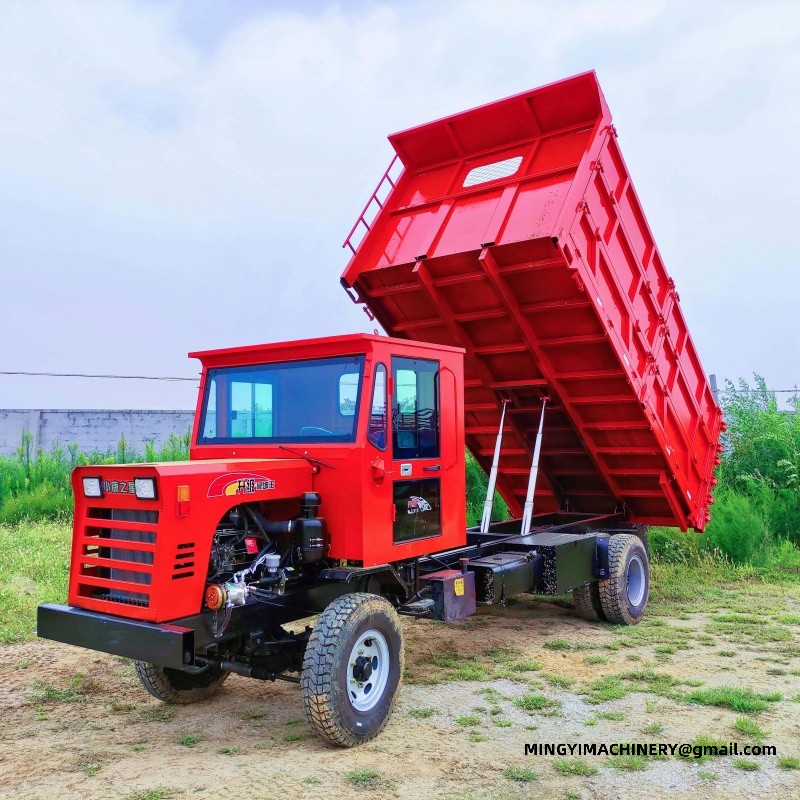
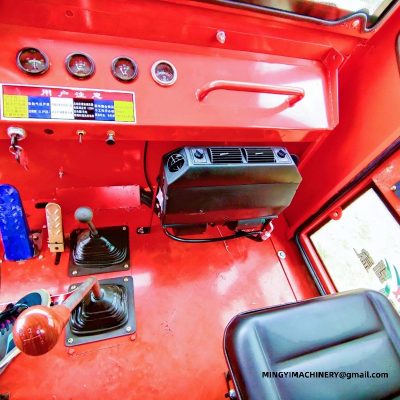
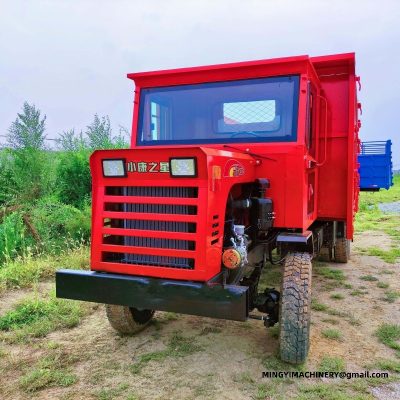
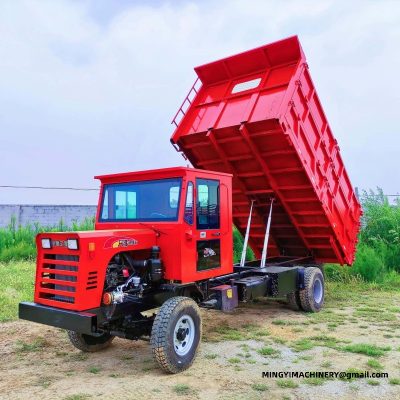
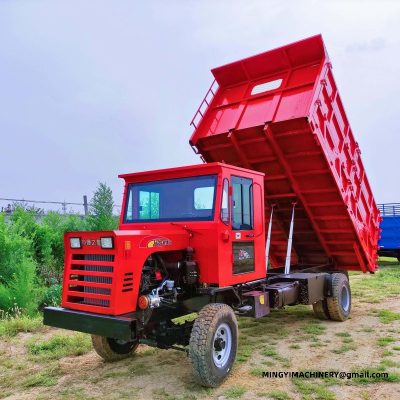
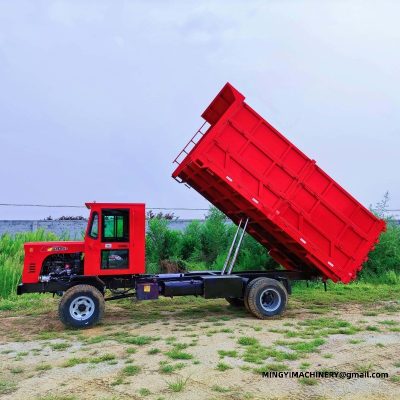
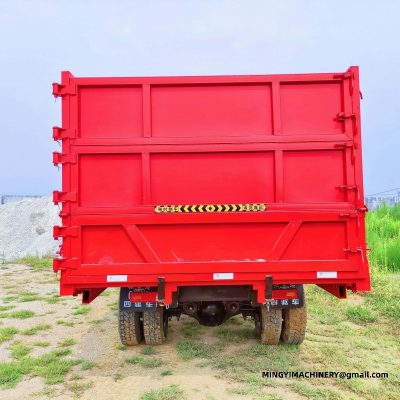
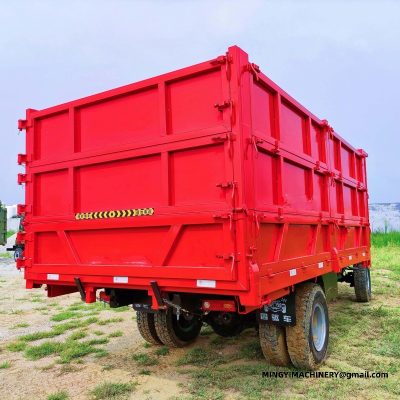
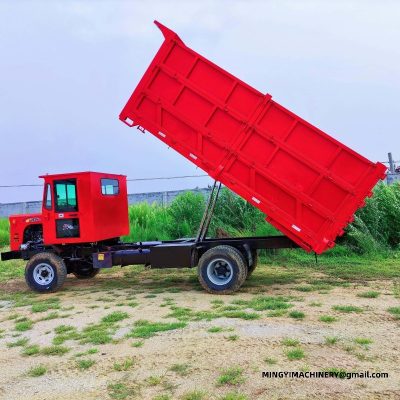
The dumper is usually bought to replace something, whether a method, an older machine or a hired unit. The notes below are written for that comparison: what changes on day one, what stays the same and what to check before the switch is made.
Four-wheel drive is only part of soft ground capability. Tyre choice, ground clearance and weight distribution decide whether this class of machine keeps moving in a paddy field or a marsh, and all three are specified rather than assumed. Soft ground punishes the wrong tyre. Mountain pattern tyres on the unit in daily use clear mud that a road pattern would pack with, and the difference is measured in whether the machine finishes the day. Recovering a stuck vehicle takes longer than preventing it. Planning the route, avoiding the worst ground and knowing where the a machine of this size will turn is what keeps a soft-ground job productive.
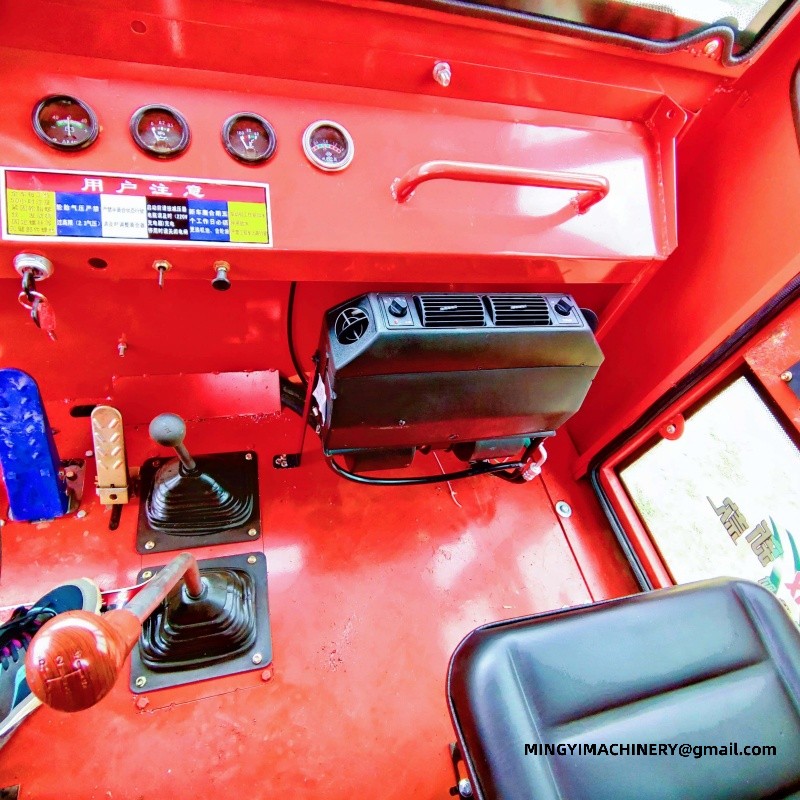
Resale starts at purchase. Specification choices, service records and the condition of wearing parts are what a buyer looks at, and the equipment on site that has been maintained on schedule is worth more than one that merely looks clean.
A water tank turns the vehicle into a different machine. The machine itself carrying water for dust control or irrigation is specified around tank size, baffles and the route, because a part-filled tank behaves very differently on a slope. Water is heavy and it moves. Baffles and sensible speeds matter on the model in question with a tank body, and the specification should reflect the ground the vehicle will cross rather than only the volume needed. Dust control work is repetitive and time-critical. The machine in that duty with the right tank and spray arrangement covers more ground per shift, which is usually the point of the exercise.
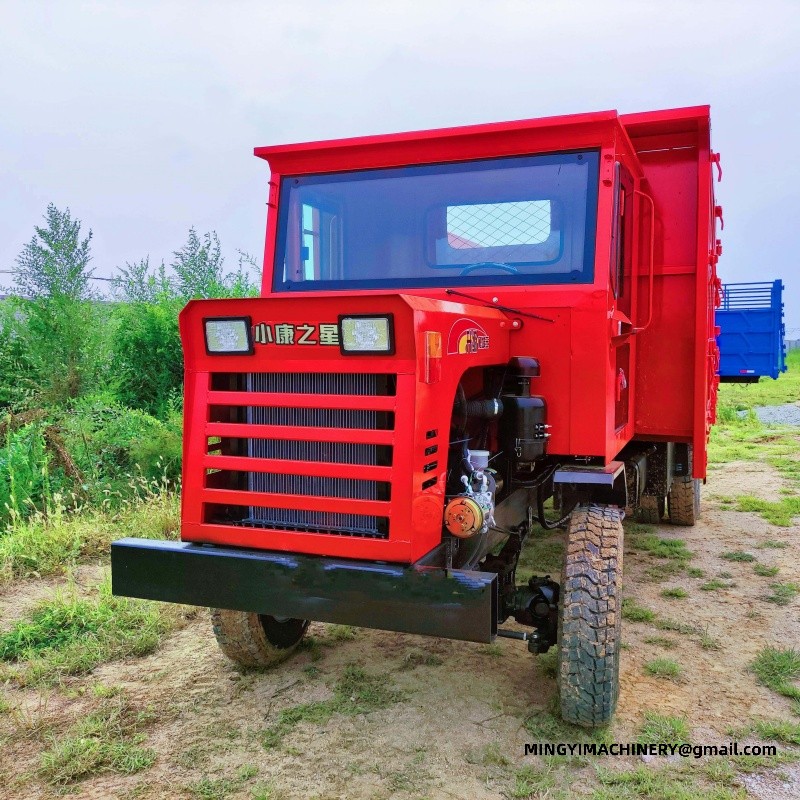
Certain parts are designed to be consumed. Knowing which items on the unit on the job are wearing parts, and roughly how long they last in the duty the machine sees, turns replacement into a plan rather than a breakdown.
Lead time is part of the specification. Confirming build time, shipping method and what is included before ordering a machine built for the work prevents the common gap between when the machine is needed and when it can arrive.
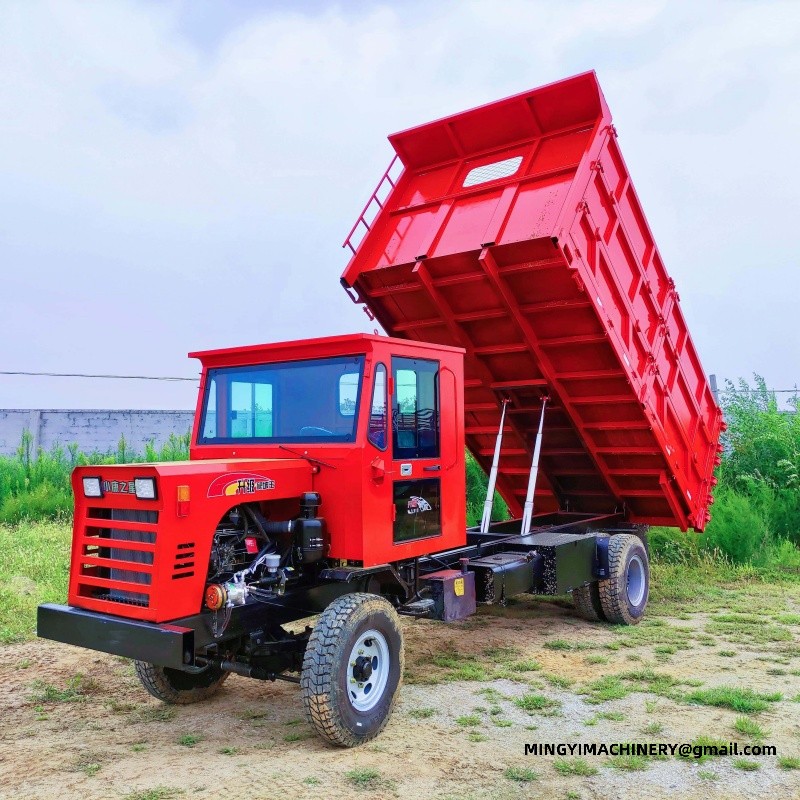
Power unit choice is usually a parts question, not a performance one. Two buyers can order the same the equipment in service and sensibly choose different engines, because the right answer depends on which brand the local workshop already supports. Emissions documentation is part of engine selection for some destinations. Confirming which units can be supplied and documented for the destination country is worth doing at enquiry stage rather than after the build sheet is signed.
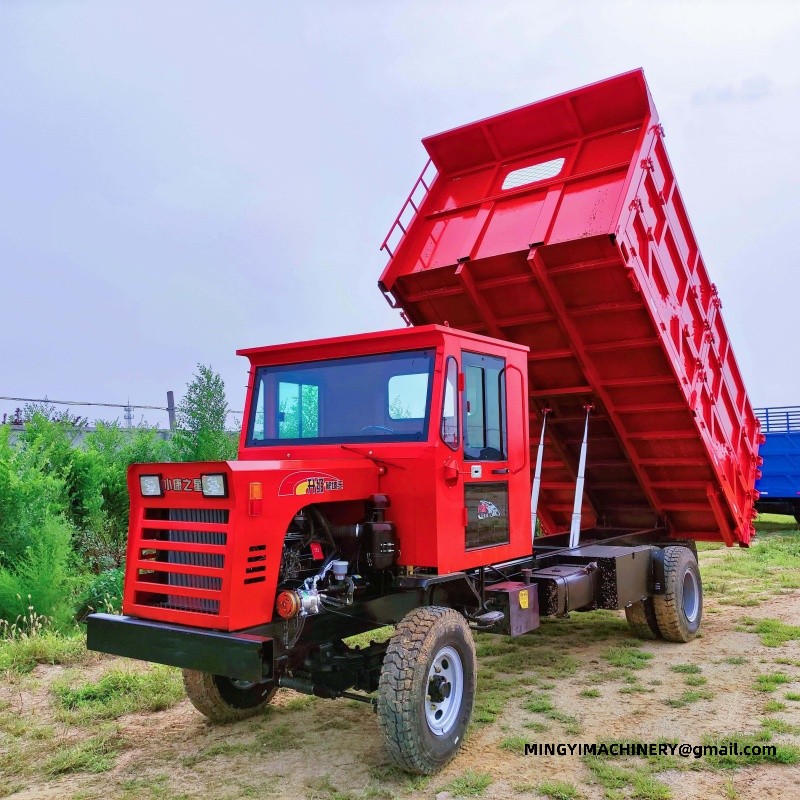
Stability follows the load and its position. Knowing the rated capacity of the dumper at the working radius, rather than at its best case, is what keeps handling predictable and the machine upright. Carrying and travelling with a load needs its own plan. Speed, gradient and surface all matter more once this class of machine is loaded, and the safe combination is the conservative one.
A short familiarisation session prevents the early faults. Most first-month problems on the unit in daily use come from unfamiliarity with controls, limits or checks rather than from the machine itself.
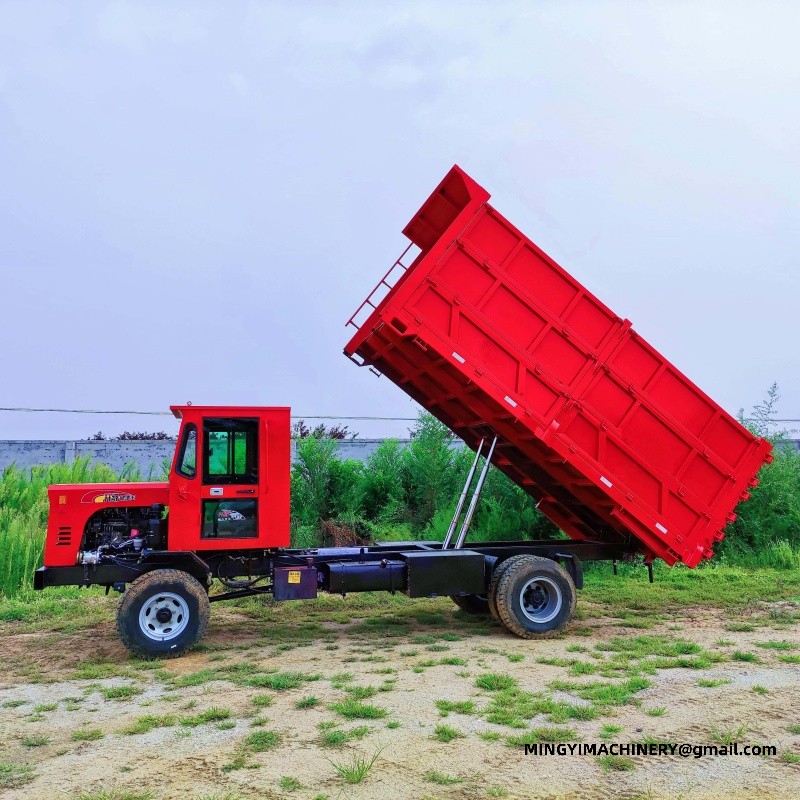
Warranty terms are clearer when they are read before purchase. Knowing what is covered, what counts as a wearing item and what documentation is required makes a claim on a machine of this size straightforward rather than contested. Early faults are usually simple. The equipment on site that behaves differently in its first few hours is more often mis-set than defective, and a call to the supplier at that point usually resolves it the same day.
Farm work is seasonal and varied. The model in question that hauls feed in one month and muck or aggregate in the next earns its place by being usable across the year rather than by being optimised for one task. Farm users also value simplicity. The machine in that duty that can be serviced in the yard with common tools and common parts suits a farm better than one that needs a dealer visit for routine work.
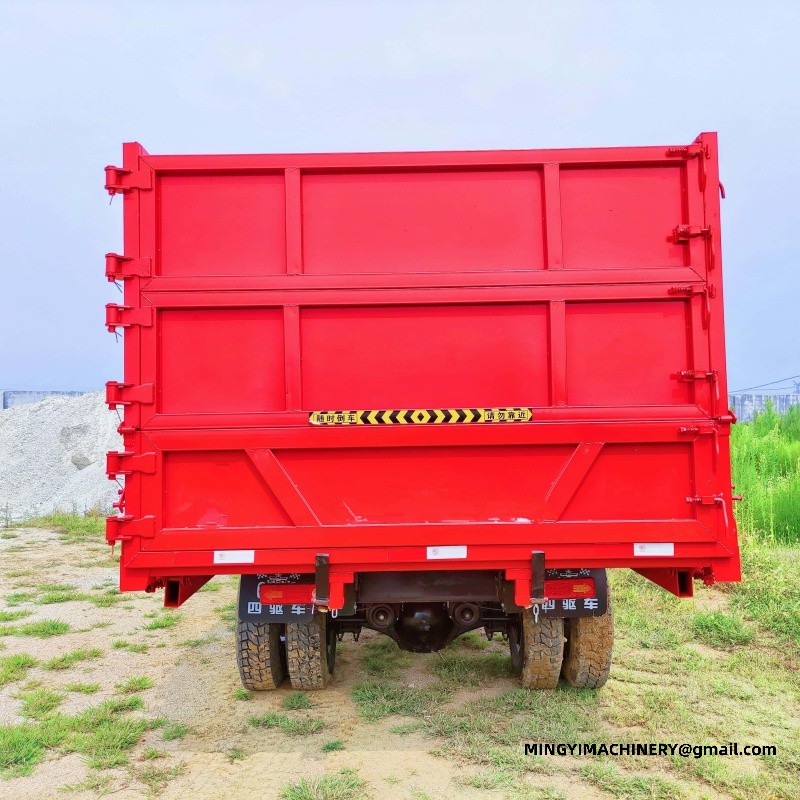
Stability governs what the crane can do. Outriggers, ground condition and load radius decide the safe figure on a machine built for the work, and those are checked before the lift rather than discovered during it. Adding a crane changes the vehicle specification. Hydraulic capacity, frame strength and braking all need to suit the attachment, and it is simpler to specify them at build than to add them later.
Quarry and tunnel work is hard on vehicles. Abrasive dust, sharp material and continuous loading mean the dumper in this duty needs attention to filtration, body wear and brake condition far more often. Size matters underground. Overall height and width decide whether this class of machine can work in a tunnel at all, and those dimensions are the first thing to confirm rather than the last. Haul cycles in a quarry are short and repetitive. The unit in daily use specified for that pattern benefits from a body that dumps cleanly and quickly, because the time saved per cycle is the whole allowance.
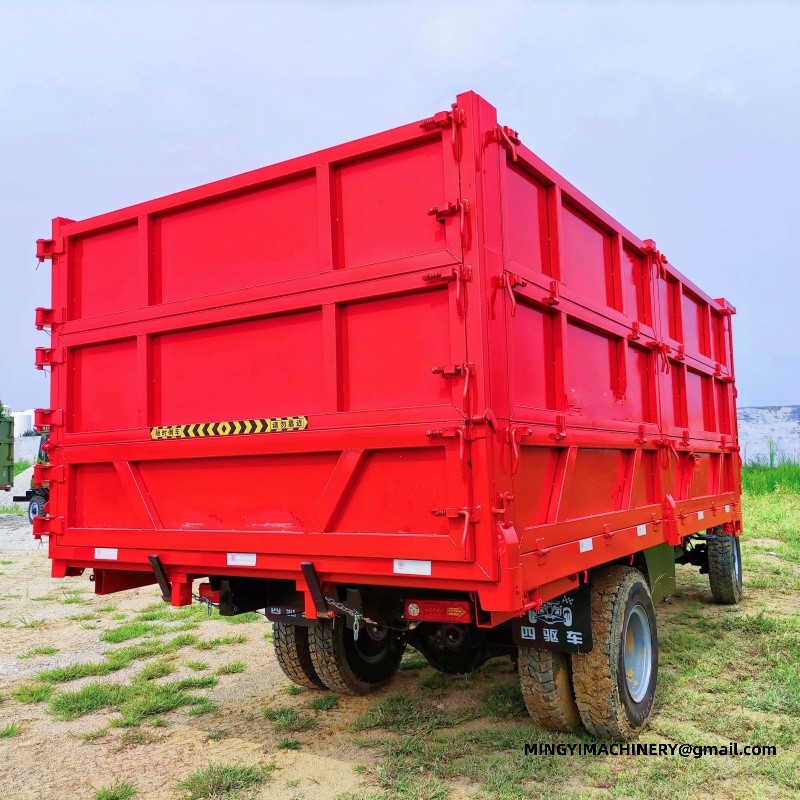
Parts availability usually decides the engine and the brand. A machine built around components the local network already carries is serviced from stock, which is the difference between a day lost and a week lost. Remote diagnosis shortens most faults. A walk-around on video with the panels open often identifies the cause on the equipment on site without waiting for a visit, and avoids shipping a part that turns out not to be needed.
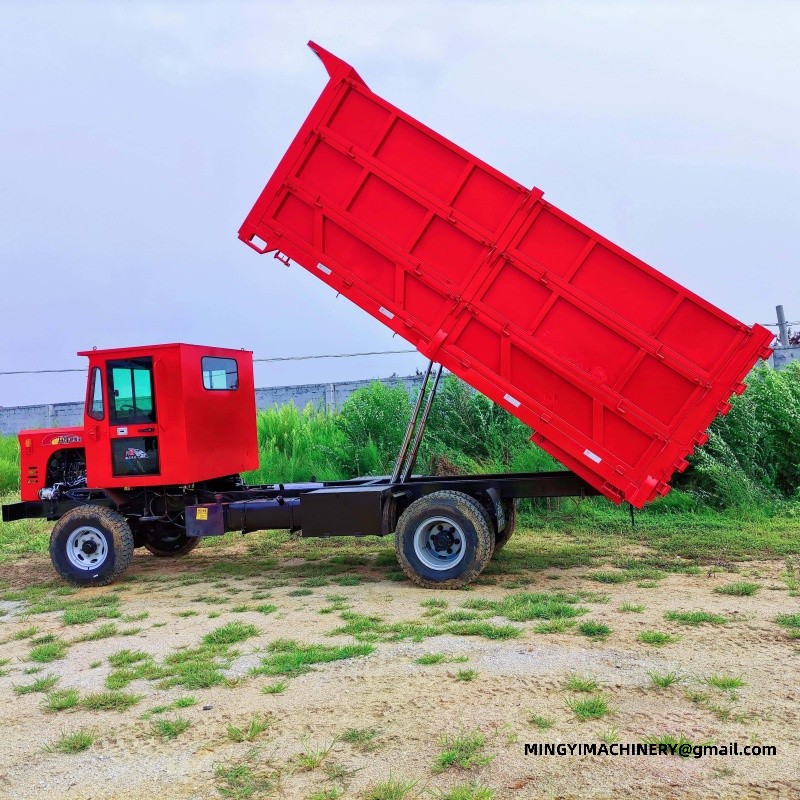
The configurations below are the build sheets most often matched to the model in question. Engine, gearbox, axles, frame and body dimensions are confirmed together, because the body size and the axle rating have to suit the load before the engine rating matters.
| # | 10.Upgraded | 4.Upgraded | 5.Luxury | 9.Standard |
|---|---|---|---|---|
| 1 | Single-cylinder diesel engine, 32 hp | Single-cylinder diesel engine, 25 hp | Single-cylinder diesel engine, 25 hp | Single-cylinder diesel engine, 32 hp |
| 2 | Full-time gearbox with four-wheel drive | Full-time gearbox with four-wheel drive | Part-time gearbox with four-wheel drive | Full-time gearbox with four-wheel drive |
| 3 | High/low range with crawler gear | High/low range with crawler gear | High/low range with crawler gear | High/low range with crawler gear |
| 4 | Front axle clutch | Front axle clutch | Enclosed cab | Simple cab |
| 5 | Fully enclosed cab | Fully enclosed cab | Six 700-16 mountain tyres | Oil brakes |
| 6 | Oil brakes | Oil brakes | Model 212 front axle | Four 700-16 mountain tyres |
| 7 | Four 700-16 mountain tyres | Four 700-16 mountain tyres | Model 130 rear axle | Front axle 212 |
| 8 | Front axle 212 | Front axle 212 | Air cut-off brakes | Rear axle 130 |
| 9 | Rear axle 130 | Rear axle 130 | Reinforced 60 x 140 mm square tube frame | Reinforced 60 x 140 mm square tube frame |
| 10 | Reinforced 60 x 140 mm square tube frame | Reinforced 60 x 140 mm square tube frame | Rear body 2.2 m long x 1.5 m wide x 0.45 m high | Rear body 2.2 m long x 1.5 m wide x 0.45 m high |
| 11 | Rear body 2.2 m long x 1.5 m wide x 0.45 m high | Rear body 2.2 m long x 1.5 m wide x 0.45 m high | Tailgate with self-dumping function | Tailgate with self-dumping function |
| 12 | Tailgate with self-dumping function | Tailgate with self-dumping function | Side-opening rear body tailgate | Hydraulic power steering |
| 13 | Hydraulic power steering | Hydraulic power steering | Hydraulic power steering | Twin hydraulic rams |
| 14 | Twin hydraulic rams | Twin hydraulic rams | Twin hydraulic rams | Two-person comfort seat |
| 15 | Two-person comfort seat | Two-person comfort seat | Two-person comfort seat | Twin-battery electric start |
| 16 | Twin-battery electric start | Twin-battery electric start | Heavy-duty leaf springs | Square-nose bonnet |
| 17 | Square-nose bonnet | Square-nose bonnet | Twin-battery electric start | — |
| 18 | — | — | Square-nose bonnet | — |
Most engine trouble starts with what went into the tank. Clean fuel, stored properly and filtered before it reaches the unit on the job, prevents more downtime than any other single habit an owner can adopt.
Downtime is simplest when it is planned. Booking the service for the equipment in service in the quiet part of the season takes nothing from the schedule, while the same work in the busy weeks gives up a day of output every time.
Transport shakes things loose. A short check of this class of machine after the crate is opened, covering the same points the pre-delivery inspection covered, is the most useful insurance available on delivery day.
The symptom is usually not at the fault. A hydraulic function that has become sluggish on a machine of this size may point to a filter, a relief setting or a pump, and starting with the simple checks avoids the wrong guess.
A good handover covers the awkward cases, not just the easy ones. Starting the machine itself on a slope, turning in a confined space and recovering from soft ground are the situations an operator should meet first with someone beside them.
Training is simpler than repair. An hour spent with a new operator on the machine in that duty, covering the limits and the awkward cases, is the least lengthy hour in the whole ownership.
Travel time is not working time, and it should be planned as its own item. The hours spent moving a machine built for the work between jobs are hours not worked, and a trailer that matches the machine reduces them every single trip.
Holding spares is about downtime rather than the shelf itself. The question for the dumper is not how large the part is but how long the machine sits while it is found, and a small shelf answers that better than a fast courier.
Every line above is a build item rather than an optional extra, and the final sheet for this class of machine is confirmed against the destination, the ground and the load before production.
E-mail:sales@mingycn.com
LINE(ID):mingyicn









