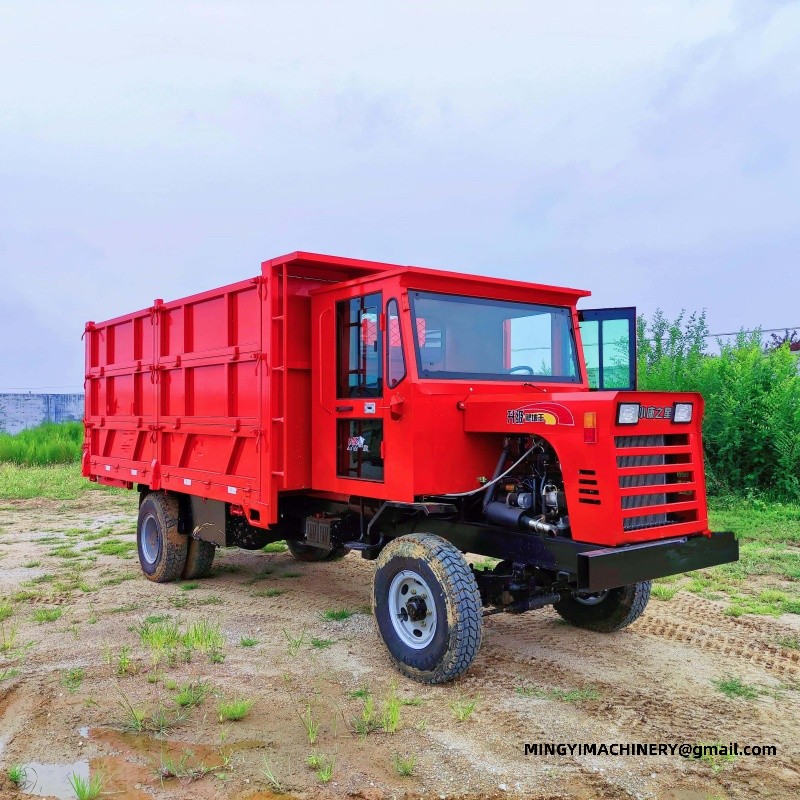
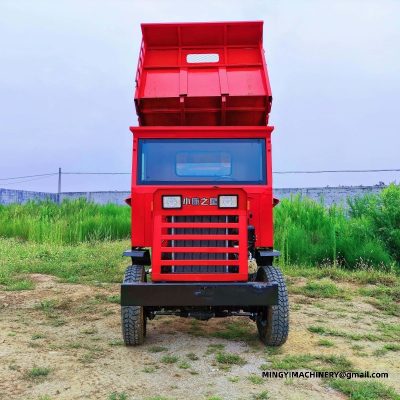
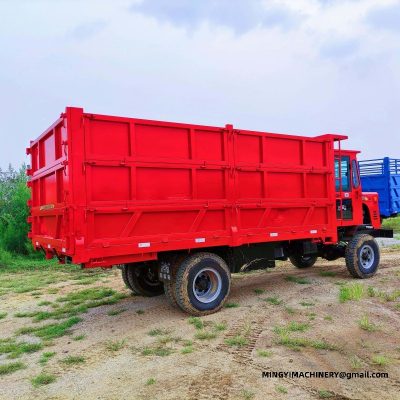
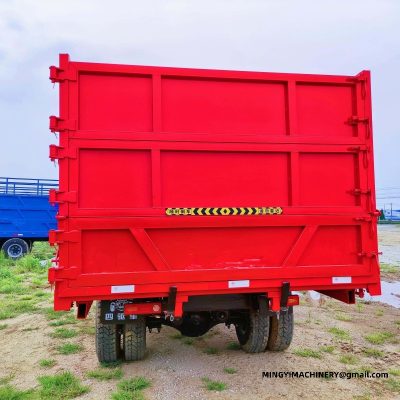
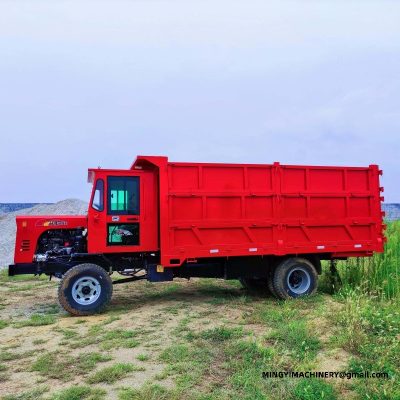
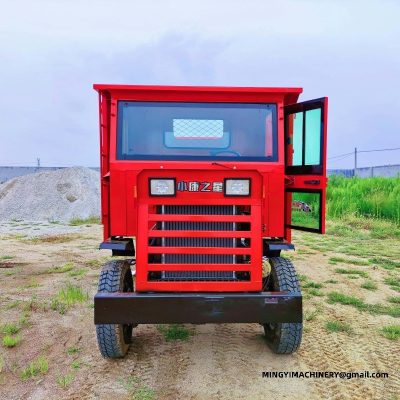
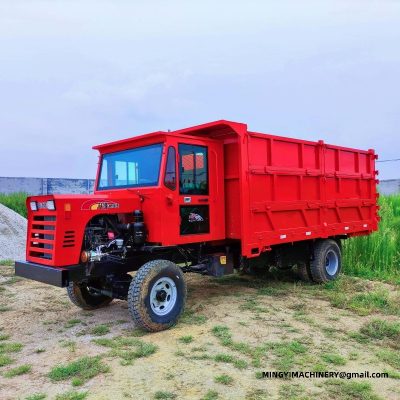
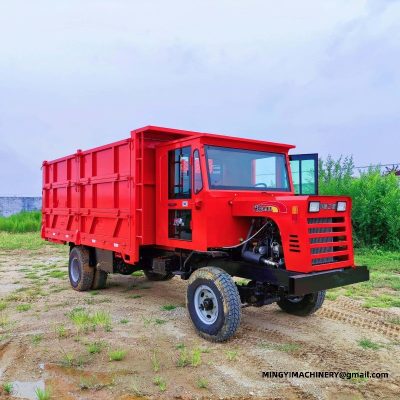
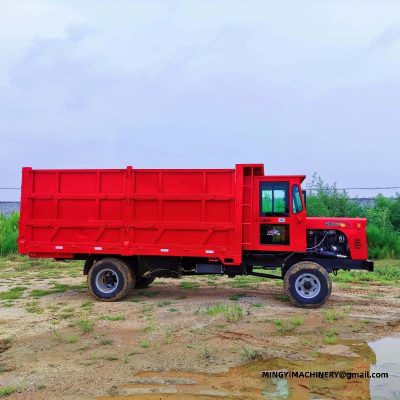
Nothing about the dumper is complicated, but the details are easy to overlook. This page gathers them in one place, from the build and the daily checks through to transport, documents and the support that comes after delivery.
Stability follows the load and its position. Knowing the rated capacity of this class of machine at the working radius, rather than at its best case, is what keeps handling predictable and the machine upright. Ballast and attachment weight change the machine. Adding a heavy tool to the unit in daily use moves the centre of gravity, and the counterweight or configuration should be matched to the tool rather than assumed.
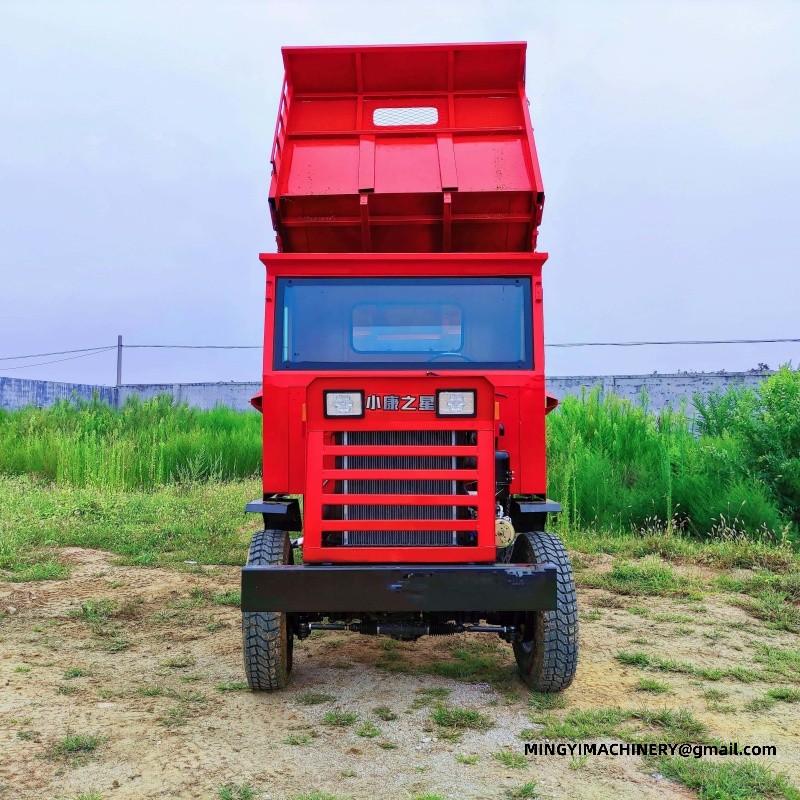
Power unit choice is usually a parts question, not a performance one. Two buyers can order the same the equipment on site and sensibly choose different engines, because the right answer depends on which brand the local workshop already supports. Matching the engine to the duty matters more than the peak rating. A machine of this size that spends its day at part load benefits from a different setup than one that works at full output, and the difference shows in fuel use over a season.
Standing still is hard on machinery. The machine itself left for weeks benefits from a clean, dry, covered space, a charged battery and a fuel system prepared for the layoff, and all three effort very little.
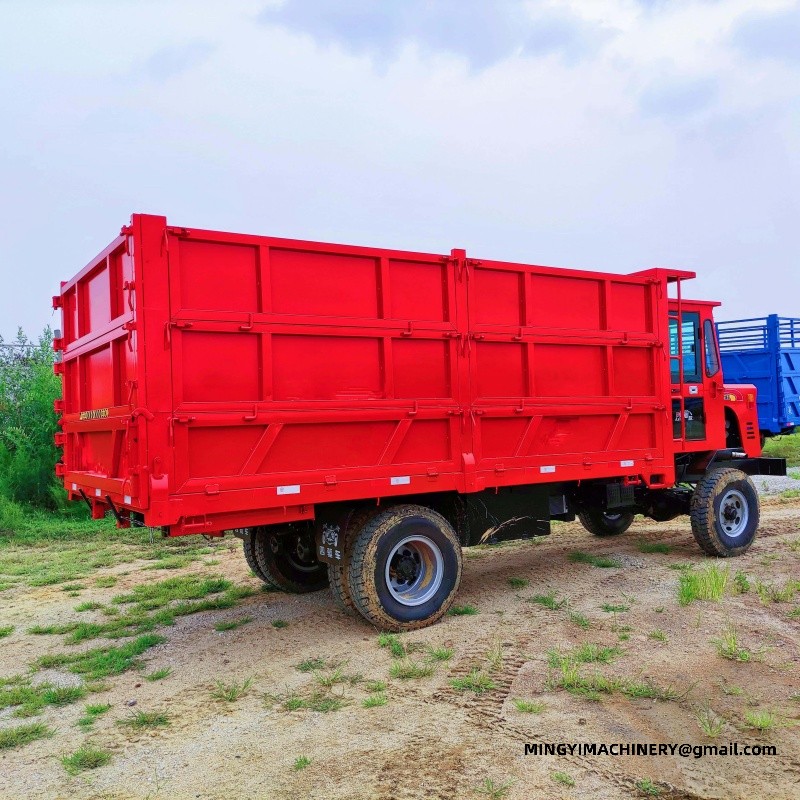
The tipping body is the part that does the work. The model in question specified with twin hydraulic rams and a tailgate that opens under load unloads in one pass, which matters more on a short haul than top speed does. Unloading method should follow the material. Wet spoil, aggregate and green timber behave differently in the body, and matching the body and tailgate arrangement to the load is what keeps the machine in that duty cycling rather than being hand-cleared. Body size is a compromise with access. A larger body on the unit on the job carries more per trip but needs more room to turn and tip, so the useful question is how many trips the route allows rather than how much it holds.
Payload is limited by the axles and the frame before it is limited by the body volume. Specifying a machine built for the work against the material density gives a realistic figure, because a body that looks half full can already be at its limit with rock.
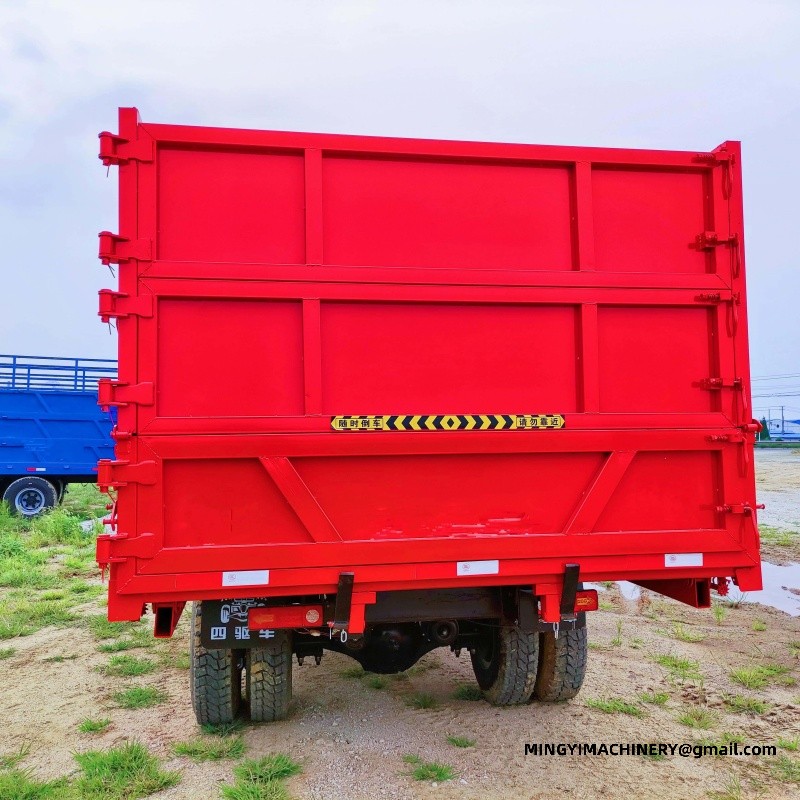
Container loading is a planning exercise. Confirming how the equipment in service is packed and how many units fit a container is what turns a per-unit freight estimate into a delivered figure the buyer can actually plan against. Documentation should be agreed at order stage. The commercial invoice, packing list and any certificate required at destination are part of shipping the dumper, and missing papers delay clearance longer than the voyage takes.
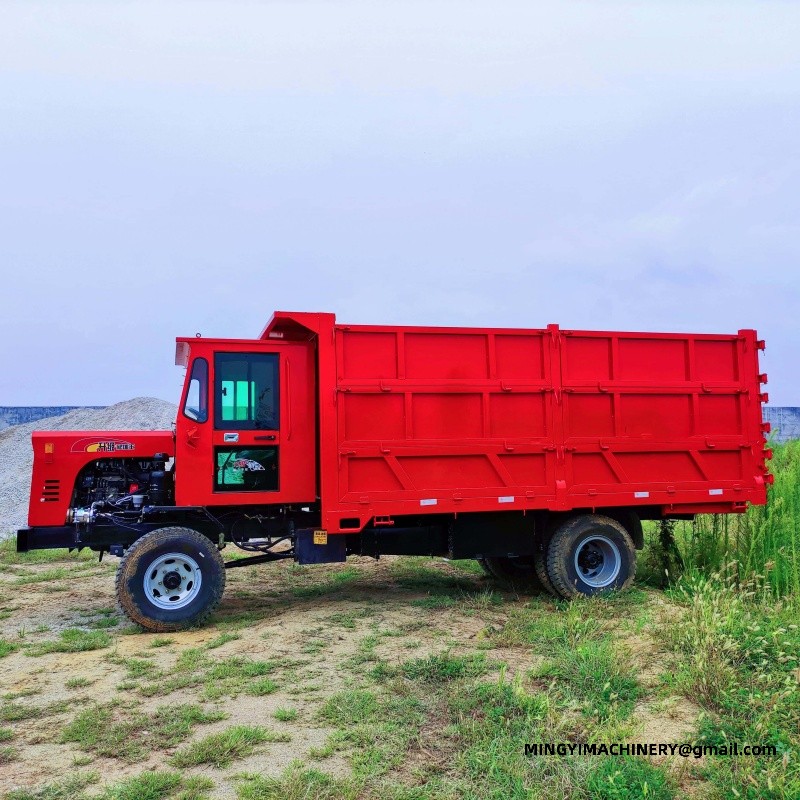
Duty cycle is the honest measure of a machine. This class of machine working a few hours a week has different needs from one working two shifts, and the cooling, filtration and service intervals should follow the hours rather than the calendar.
Utilisation matters more than the purchase decision over a few years. The unit in daily use that sits idle ties up the same yard space standing still as one that earns, so the buying decision should follow the hours the machine will realistically work. Standardising where possible simplifies everything downstream. When several units of a machine of this size share a service schedule and a parts list, the fleet becomes easier to plan and easier to sell on at replacement time.
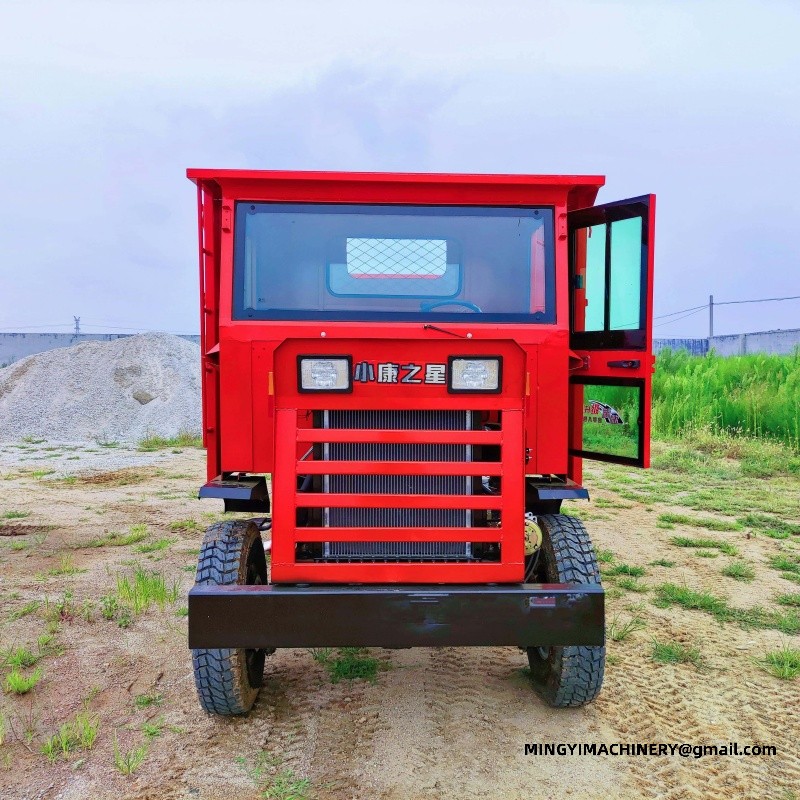
Build options are where a standard machine becomes the right machine. Colour, guarding, lighting, seating and hydraulic provisions can usually be set at build time on the machine itself, and are far simpler then than as a retrofit. Fleet buyers often want consistency rather than variety. Specifying the model in question so that several units share controls, filters and service points reduces training time and keeps the parts shelf small.
Farm work is seasonal and varied. The unit on the job that hauls feed in one month and muck or aggregate in the next earns its place by being usable across the year rather than by being optimised for one task.
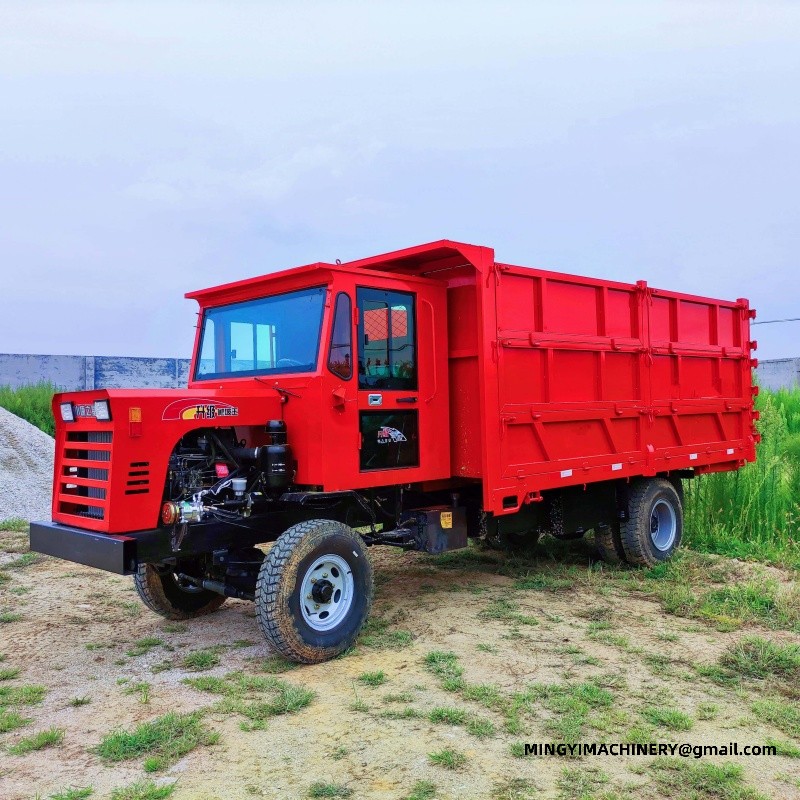
Lead time is part of the specification. Confirming build time, shipping method and what is included before ordering the equipment in service prevents the common gap between when the machine is needed and when it can arrive. The order should state the configuration in writing. Engine, attachments, colour, documents and any market requirement are clearer on the build sheet for the dumper than in a conversation after delivery.
Consumption is best measured over a full week rather than judged per hour. Idle time, repositioning and waiting for other trades are often the largest share of the fuel the unit in daily use burns on a site. Planning the work to reduce empty movement is free. Fewer repositioning cycles on a machine of this size means less fuel, less wear on the undercarriage or tyres and more of the shift spent on productive work.
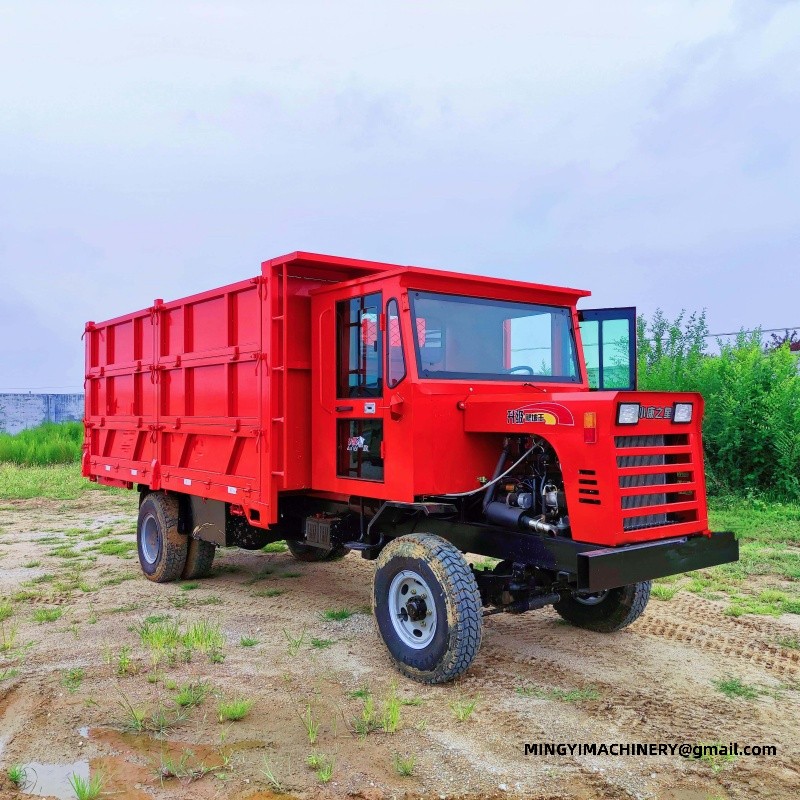
Reconfiguration can extend the useful life of a machine. The machine itself that no longer suits the current work may suit it again with a different attachment, guarding or control arrangement. Upgrades should be checked against the base machine. Hydraulic capacity, mounting interface and stability all limit what can reasonably be added to the model in question, and confirming those limits avoids an unsatisfactory result. The decision is economic as well as technical. Comparing the work of reconfiguring the machine in that duty against a different machine is a short calculation that usually gives a clear answer.
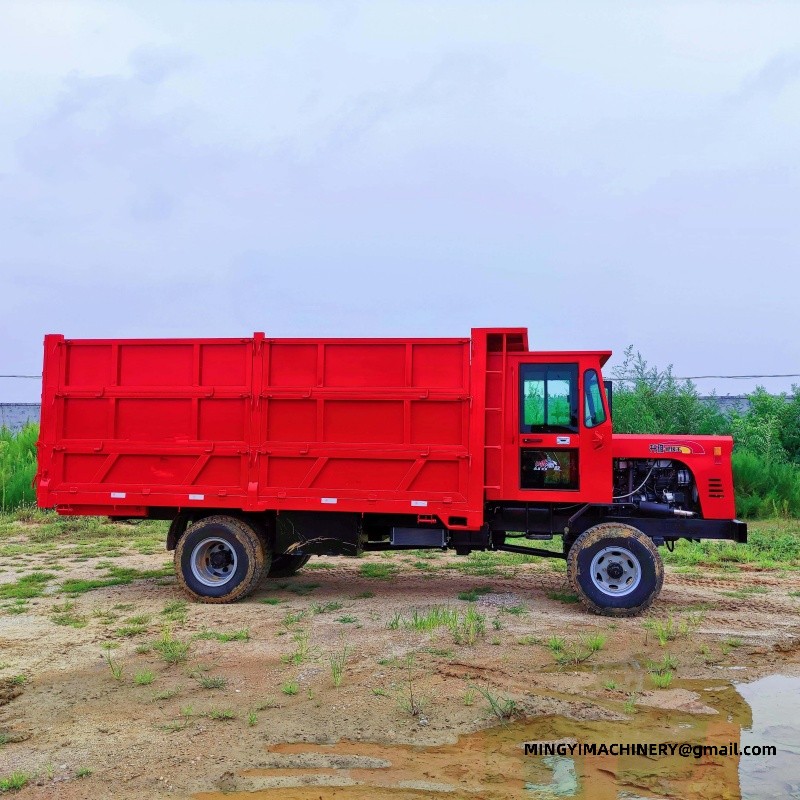
The configurations below are the build sheets most often matched to a machine built for the work. Engine, gearbox, axles, frame and body dimensions are confirmed together, because the body size and the axle rating have to suit the load before the engine rating matters.
| # | 11.Luxury | 4.Upgraded | 7.Upgraded | 9.Standard |
|---|---|---|---|---|
| 1 | Single-cylinder diesel engine, 32 hp | Single-cylinder diesel engine, 25 hp | Single-cylinder diesel engine, 28 hp | Single-cylinder diesel engine, 32 hp |
| 2 | Part-time gearbox, selectable 2WD/4WD | Full-time gearbox with four-wheel drive | Full-time gearbox with four-wheel drive | Full-time gearbox with four-wheel drive |
| 3 | High/low range with crawler gear | High/low range with crawler gear | High/low range with crawler gear | High/low range with crawler gear |
| 4 | Enclosed cab | Front axle clutch | Front axle clutch | Simple cab |
| 5 | Six 700-16 mountain tyres | Fully enclosed cab | Fully enclosed cab | Oil brakes |
| 6 | Model 212 front axle | Oil brakes | Oil brakes | Four 700-16 mountain tyres |
| 7 | Model 130 rear axle | Four 700-16 mountain tyres | Four 700-16 mountain tyres | Front axle 212 |
| 8 | Air cut-off brakes | Front axle 212 | Front axle 212 | Rear axle 130 |
| 9 | Reinforced 60 x 140 mm square tube frame | Rear axle 130 | Rear axle 130 | Reinforced 60 x 140 mm square tube frame |
| 10 | Rear body 2.2 m long x 1.5 m wide x 0.45 m high | Reinforced 60 x 140 mm square tube frame | Reinforced 60 x 140 mm square tube frame | Rear body 2.2 m long x 1.5 m wide x 0.45 m high |
| 11 | Tailgate with self-dumping function | Rear body 2.2 m long x 1.5 m wide x 0.45 m high | Rear body 2.2 m long x 1.5 m wide x 0.45 m high | Tailgate with self-dumping function |
| 12 | Side-opening rear body tailgate | Tailgate with self-dumping function | Tailgate with self-dumping function | Hydraulic power steering |
| 13 | Hydraulic power steering | Hydraulic power steering | Hydraulic power steering | Twin hydraulic rams |
| 14 | Twin hydraulic rams | Twin hydraulic rams | Twin hydraulic rams | Two-person comfort seat |
| 15 | Two-person comfort seat | Two-person comfort seat | Two-person comfort seat | Twin-battery electric start |
| 16 | Heavy-duty leaf springs | Twin-battery electric start | Twin-battery electric start | Square-nose bonnet |
| 17 | Twin-battery electric start | Square-nose bonnet | Square-nose bonnet | — |
| 18 | Square-nose bonnet | — | — | — |
What the customer sees on arrival is decided before departure. The walk-around given to the dumper covers the same points the operator will check on day one, so there are no surprises when the crate is opened at the destination.
Documentation should match the machine that was actually built. The sheet supplied with the unit in daily use records the configuration as delivered, because the generic catalogue description is not what the customer needs when ordering a part.
Downtime is simplest when it is planned. Booking the service for the equipment on site in the quiet part of the season takes nothing from the schedule, while the same work in the busy weeks gives up a day of output every time.
An added function should pay for itself quickly. Whether the model in question gains a different bucket, a hydraulic service or a protection package, the test is the number of days a year it is actually used.
Standing still is harder on a machine than working. Preparing the unit on the job for a long idle period means clean fluids, a charged battery and protection for the exposed surfaces, because neglect is not the same as rest.
Holding spares is about downtime rather than the shelf itself. The question for the equipment in service is not how large the part is but how long the machine sits while it is found, and a small shelf answers that better than a fast courier.
Humidity attacks the parts that are not used. Storage in a damp climate means this class of machine needs the exposed metal protected and the machine run regularly, because standing still does more damage than working.
A written record is worth more than a good memory. Dates, hours and the parts fitted on a machine of this size turn a guess about the next service into a fact, and they are the first thing a buyer asks to see.
Every line above is a build item rather than an optional extra, and the final sheet for the equipment on site is confirmed against the destination, the ground and the load before production.
E-mail:sales@mingycn.com
LINE(ID):mingyicn









