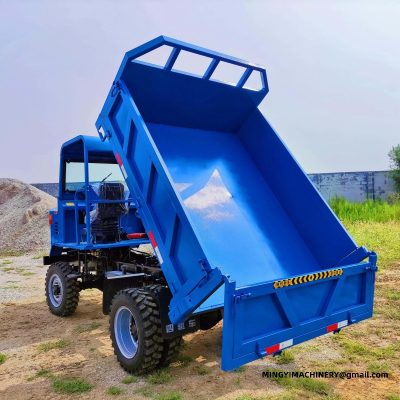
The dumper is usually bought to replace something, whether a method, an older machine or a hired unit. The notes below are written for that comparison: what changes on day one, what stays the same and what to check before the switch is made.
Wear rate follows conditions far more than hours. This class of machine working on abrasive ground or in mud will consume undercarriage or tyre life much faster than the same machine on clean ground.
Planning the work to reduce empty movement is free. Fewer repositioning cycles on the unit in daily use means less fuel, less wear on the undercarriage or tyres and more of the shift spent on productive work.
Cleaning and discharge are part of the job. A machine of this size used for concrete is judged on how quickly it can discharge and wash out, because that turnaround is what the site is paying for.
Ground on farms is often soft and often shared with livestock. The equipment on site working there needs to cross pasture without rutting it badly, and tyre and weight choices follow from that. Farm users also value simplicity. The machine itself that can be serviced in the yard with common tools and common parts suits a farm better than one that needs a dealer visit for routine work.
Fleet buyers often want consistency rather than variety. Specifying the model in question so that several units share controls, filters and service points reduces training time and keeps the parts shelf small.
Abrasive conditions shorten service intervals. Air filters, seals and any exposed sliding surface on the machine in that duty need attention more often in dusty or muddy work, and the extra checks prevent far more wear than the time they take. Sealed points and guarded areas deserve a look in these conditions. The unit on the job working in abrasive dust benefits from checked boots, intact guards and clean breathers, all of which are quick to verify.
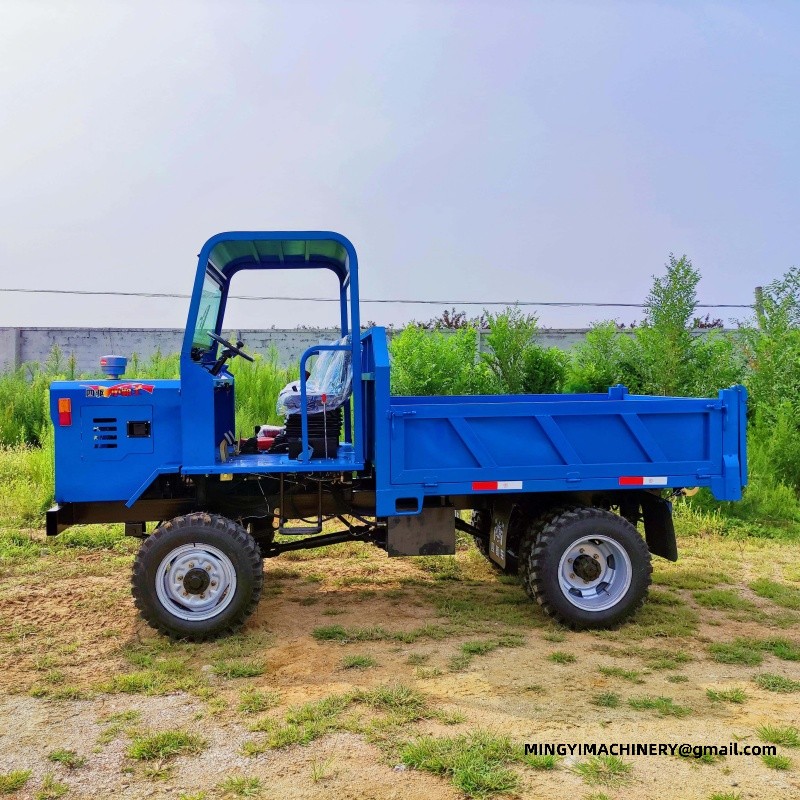
Gradient is where a haul vehicle earns its keep. A machine built for the work with a crawler gear and a low range climbs loaded where a road vehicle would need a second attempt, and that difference decides whether a track is usable at all. Ground and gradient together set the limit. Loose surface on a slope reduces what the equipment in service can pull regardless of engine power, so the surface survey belongs before the specification.
Access and storage are worth settling early. Where the dumper will be parked, refuelled and serviced on site affects the working day more than most specification details, and it takes nothing to plan.
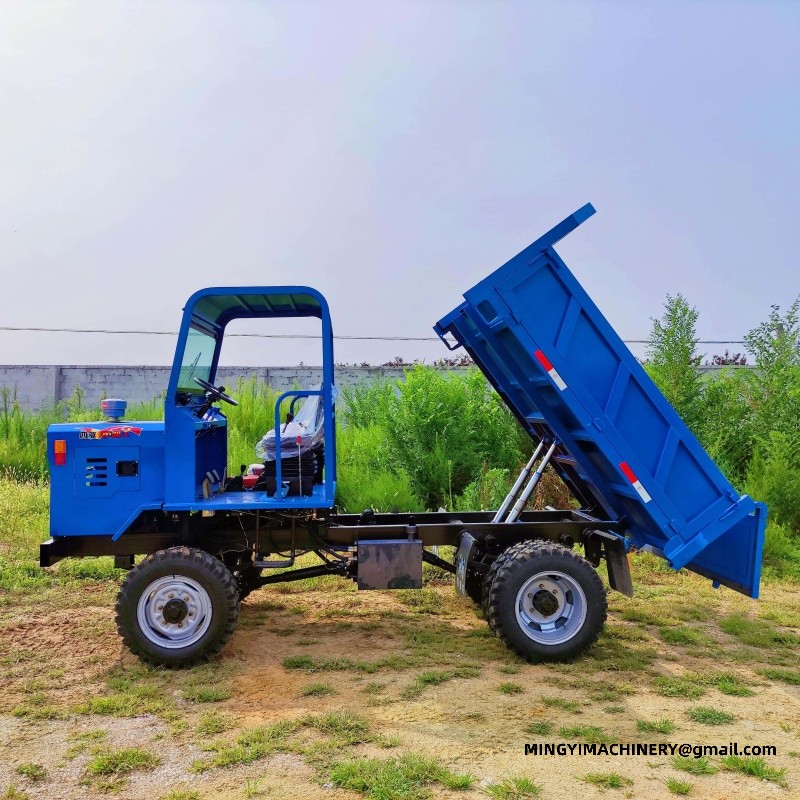
Machine output varies more between operators than between brands. Smooth, planned movements put less load on the structure and use less fuel, and that difference is visible on the hour meter and in the service bills for this class of machine.
Fleet value comes from interchangeability. Operators who can step between machines without retraining, and a workshop that stocks one set of filters, keep utilisation higher than a fleet of individually optimised units. Utilisation matters more than the purchase decision over a few years. A machine of this size that sits idle ties up the same yard space standing still as one that earns, so the buying decision should follow the hours the machine will realistically work.
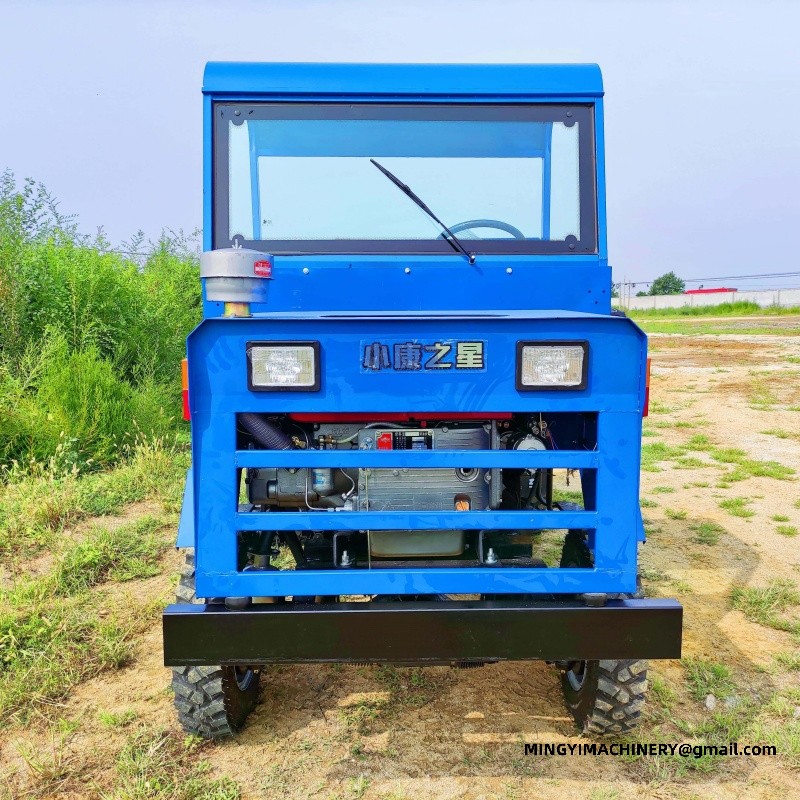
Support after delivery is a parts question. Filters, belts, hoses and the wearing items specific to the machine itself are what a buyer should plan to hold before the first service interval rather than order after a failure. Parts availability usually decides the engine and the brand. A machine built around components the local network already carries is serviced from stock, which is the difference between a day lost and a week lost.
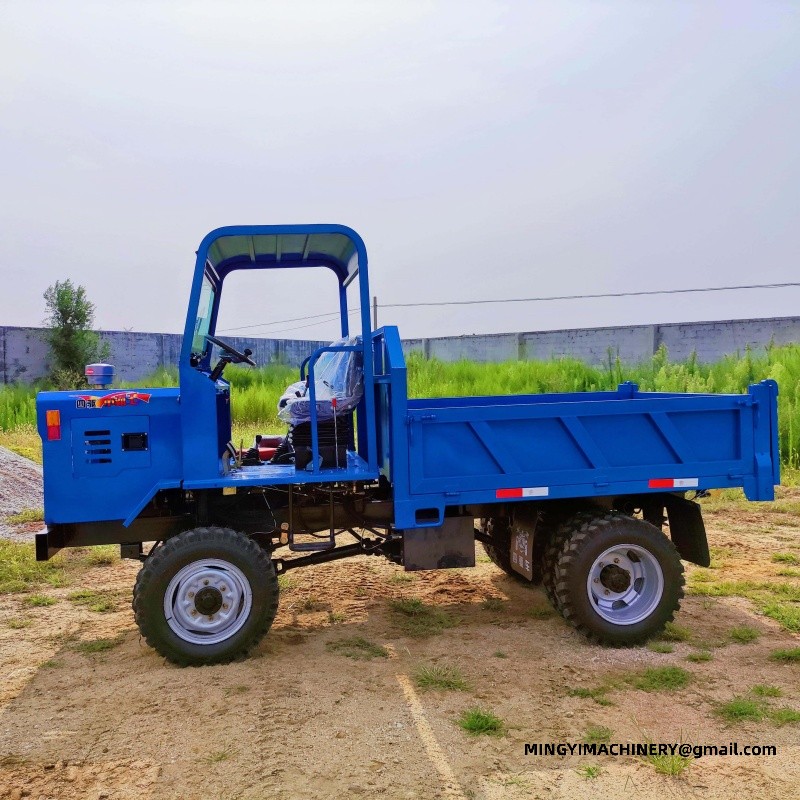
Payload is limited by the axles and the frame before it is limited by the body volume. Specifying the machine in that duty against the material density gives a realistic figure, because a body that looks half full can already be at its limit with rock. The honest payload figure comes from the duty. The unit on the job working a smooth haul road carries differently from one crossing ruts and gradients, and the conservative number is the one that keeps the machine working.
Stability follows the load and its position. Knowing the rated capacity of the equipment in service at the working radius, rather than at its best case, is what keeps handling predictable and the machine upright. Ballast and attachment weight change the machine. Adding a heavy tool to the dumper moves the centre of gravity, and the counterweight or configuration should be matched to the tool rather than assumed. Carrying and travelling with a load needs its own plan. Speed, gradient and surface all matter more once this class of machine is loaded, and the safe combination is the conservative one.
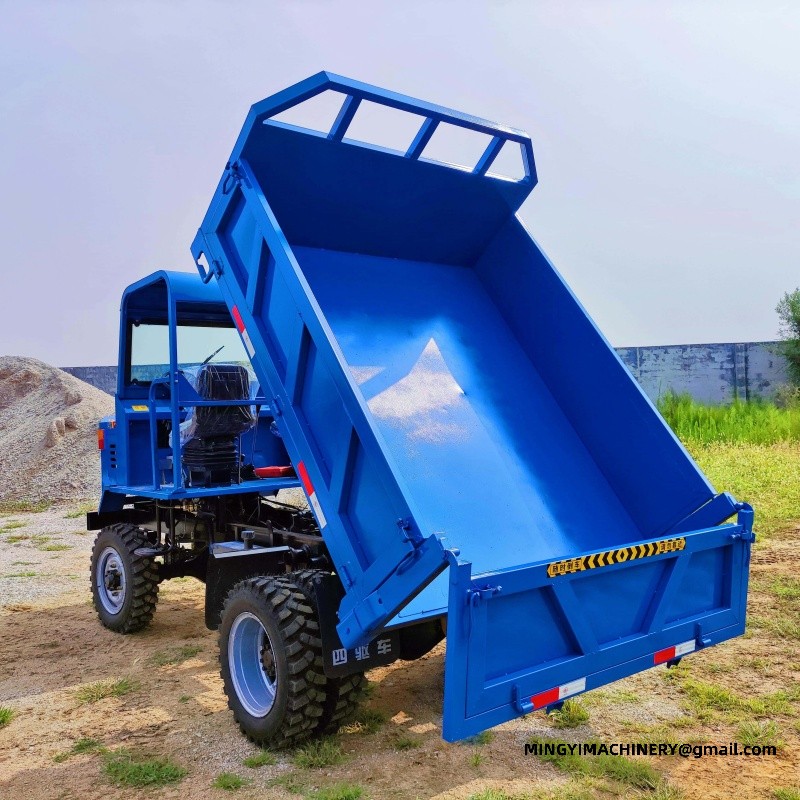
Duty cycle is the honest measure of a machine. A machine of this size working a few hours a week has different needs from one working two shifts, and the cooling, filtration and service intervals should follow the hours rather than the calendar. Seasonal work changes the maintenance calendar. Machines that work hard for two months and stand for ten need preparation before storage and a check before returning to work, and both are simpler than the repairs they prevent.
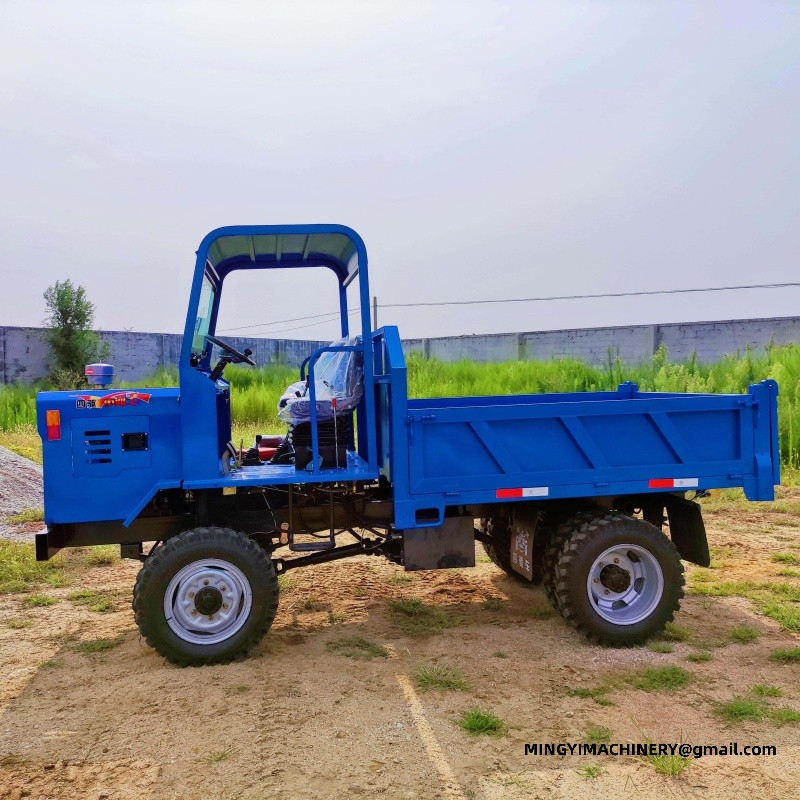
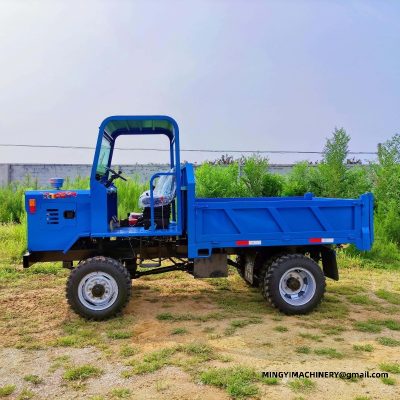
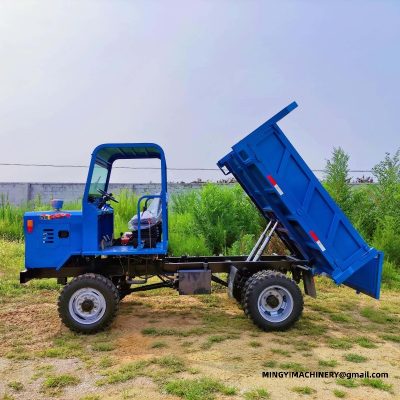
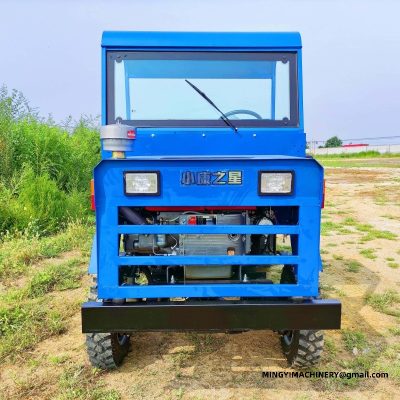
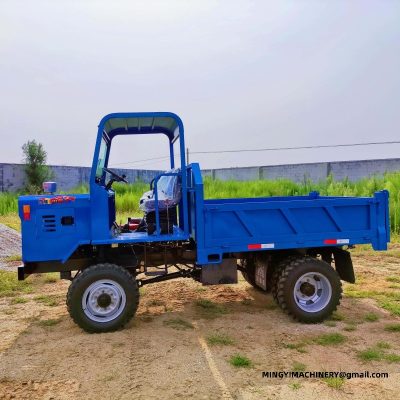
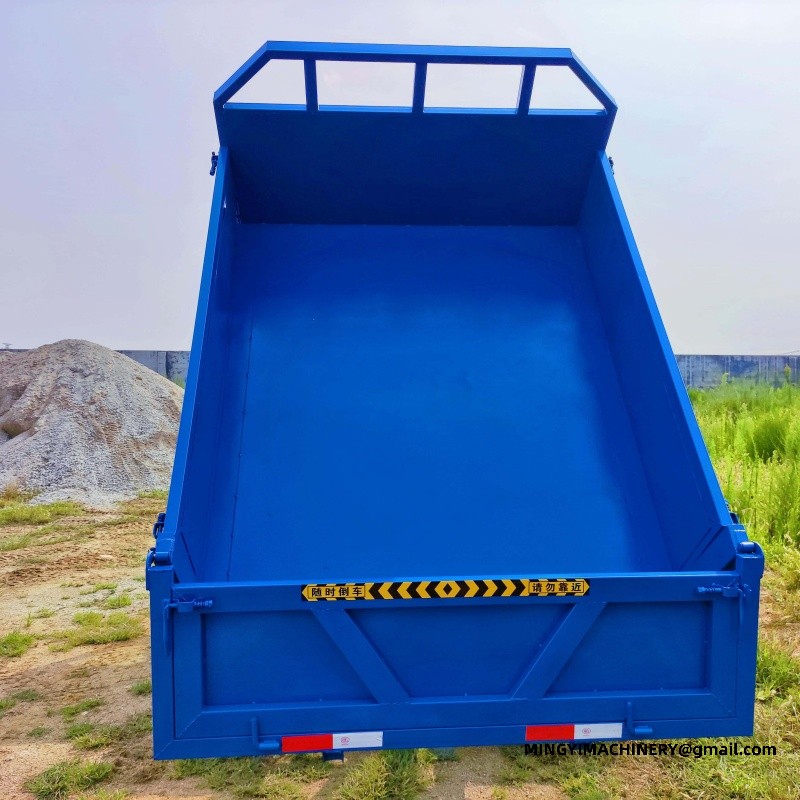
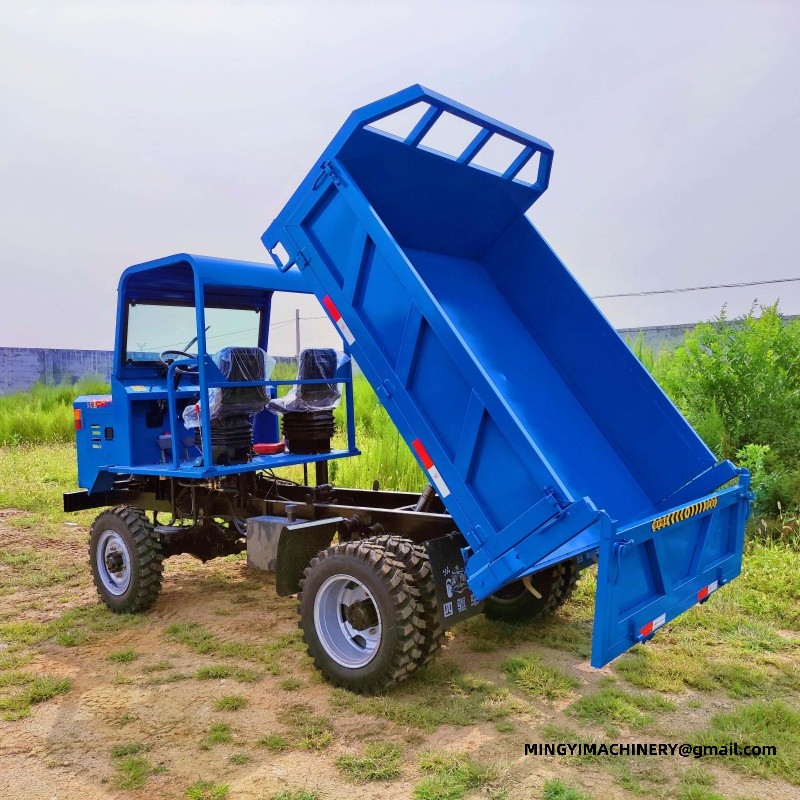
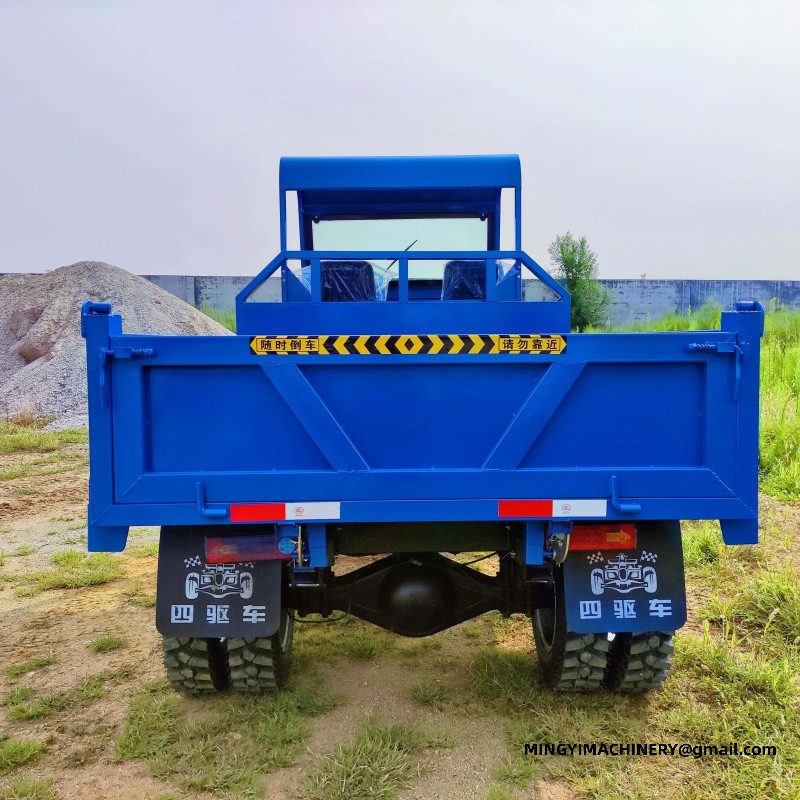
The configurations below are the build sheets most often matched to the machine itself. Engine, gearbox, axles, frame and body dimensions are confirmed together, because the body size and the axle rating have to suit the load before the engine rating matters.
| # | 21.Upgraded | 23.Upgraded | 24.Luxury | 6.Standard |
|---|---|---|---|---|
| 1 | Four-cylinder 4105 turbocharged diesel engine | Four-cylinder 4108 turbocharged diesel engine | Four-cylinder 4108 turbocharged diesel engine | Single-cylinder diesel engine, 28 hp |
| 2 | Model 140 part-time gearbox with four-wheel drive | Model 140 part-time gearbox, selectable 2WD/4WD | Model 145 part-time gearbox, selectable 2WD/4WD | Full-time gearbox with four-wheel drive |
| 3 | High/low range with crawler gear | High/low range with crawler gear | High/low range with crawler gear | High/low range with crawler gear |
| 4 | Simple cab | Simple cab | Fully enclosed cab | Simple cab |
| 5 | Six 825R16 steel-belted radial tyres | Six 825R16 steel-belted radial tyres | Six 825R16 steel-belted radial tyres | Oil brakes |
| 6 | Reinforced ISUZU-pattern front axle | Reinforced ISUZU-pattern front axle | Reinforced ISUZU-pattern front axle | Four 700-16 mountain tyres |
| 7 | Reinforced 1080 rear axle with air cut-off brake | Reinforced 1080 rear axle | Reinforced 1080 rear axle | Front axle 212 |
| 8 | Air cut-off brakes | Air cut-off brakes | Air cut-off brakes | Rear axle 130 |
| 9 | Reinforced 80 x 180 mm square tube frame | Reinforced 80 x 180 mm square tube frame | Reinforced 80 x 180 mm square tube frame | Reinforced 60 x 140 mm square tube frame |
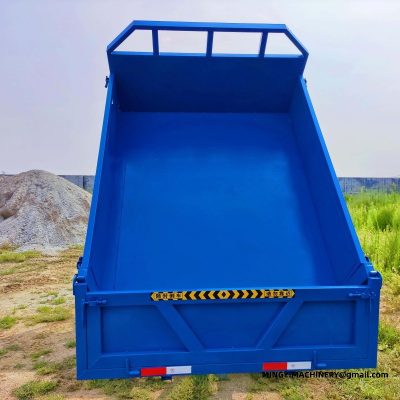
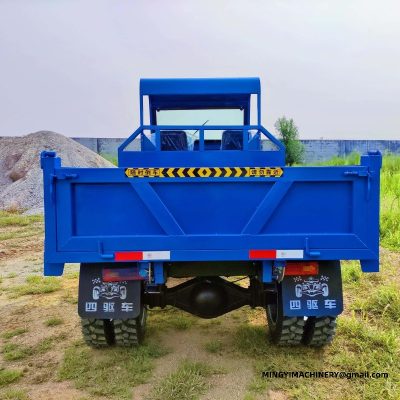
| 10 | Rear body 3.0 m long x 2.2 m wide x 0.45 m high | Rear body 3.0 m long x 2.2 m wide x 0.45 m high | Rear body 3.0 m long x 2.2 m wide x 0.45 m high | Rear body 2.2 m long x 1.5 m wide x 0.45 m high |
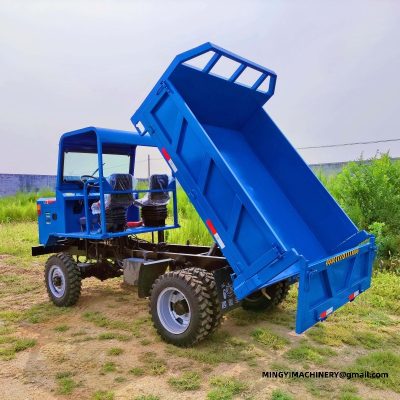
| 11 | Tailgate with self-dumping function | Tailgate with self-dumping function | Tailgate with self-dumping function | Tailgate with self-dumping function |
| 12 | Hydraulic power steering | Hydraulic power steering | Side-opening rear body tailgate with cab ladder | Hydraulic power steering |
| 13 | Twin hydraulic rams | Twin hydraulic rams | Hydraulic power steering | Twin hydraulic rams |
| 14 | Two-person comfort seat | Two-person comfort seat | Twin hydraulic rams | Two-person comfort seat |
| 15 | Heavy-duty leaf springs | Heavy-duty leaf springs | Two-person comfort seat | Twin-battery electric start |
| 16 | Twin-battery electric start | Twin-battery electric start | Heavy-duty leaf springs | Square-nose bonnet |
| 17 | Square-nose bonnet | Square-nose bonnet | Twin-battery electric start | — |
| 18 | — | — | Square-nose bonnet | — |
A machine that works on one site still has to reach the next. The overall dimensions and the operating weight of the machine in that duty decide what trailer or truck is needed, and that decision belongs before the job is booked.
Operators notice things first because they hear the machine every day. Encouraging the person on a machine built for the work to report small changes, and acting on them, is the most effective maintenance programme there is.
The machine is only half of what arrives. The parts book, the service schedule and the declarations that come with the dumper are what let the owner register, insure and maintain it without a second round of emails.
Familiarisation is not the same as reading the manual. Sitting on the unit in daily use, working through the controls at low speed and learning where the machine balances takes an hour, and that hour is what keeps the first week uneventful.
Most additions are easier to plan than to add. Hydraulic services, mounting brackets and electrical capacity on the equipment on site are build items, and deciding them at the specification stage is far easier than doing it later.
The calendar decides more than the specification does. Planning when the model in question will be working, when it will be serviced and when it can be spared keeps the maintenance out of the weeks that matter.
Most engine trouble starts with what went into the tank. Clean fuel, stored properly and filtered before it reaches the unit on the job, prevents more downtime than any other single habit an owner can adopt.
Every line above is a build item rather than an optional extra, and the final sheet for a machine built for the work is confirmed against the destination, the ground and the load before production.
E-mail:sales@mingycn.com
LINE(ID):mingyicn









