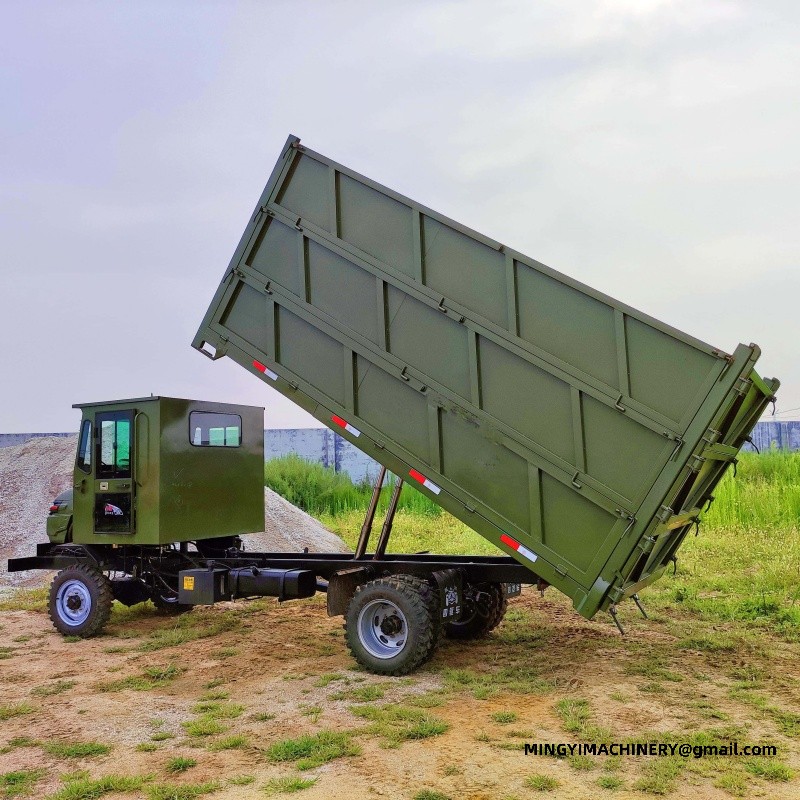
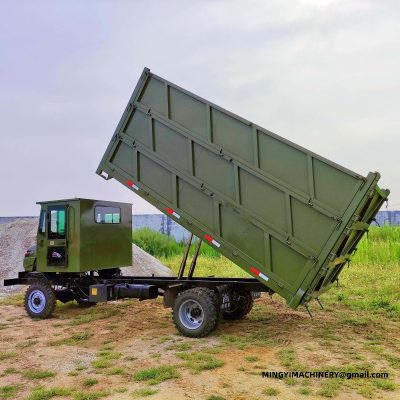
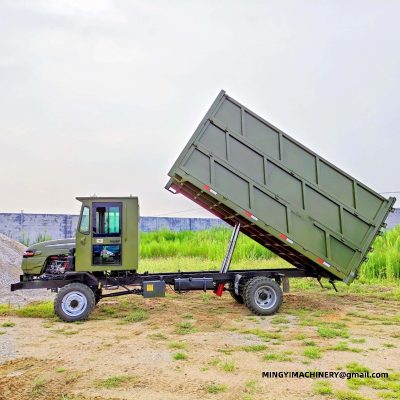
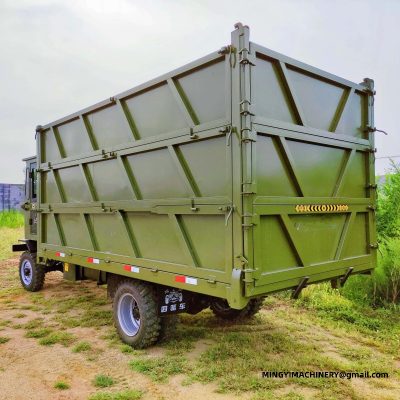
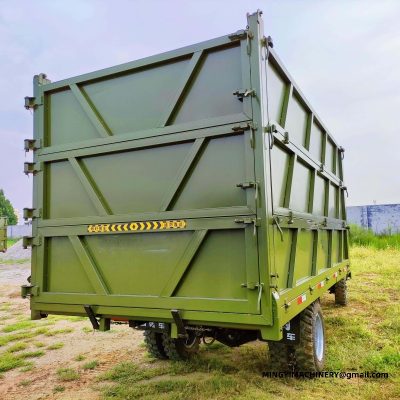
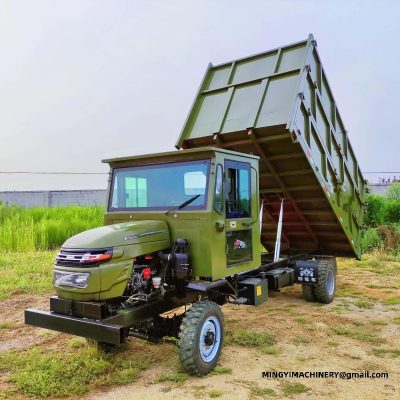
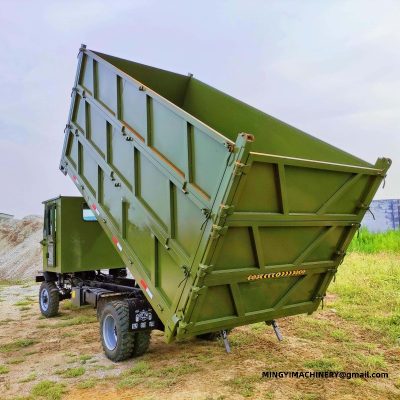
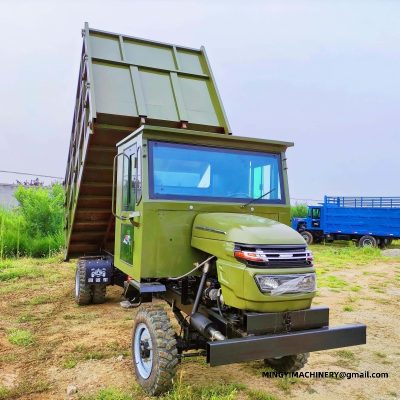
Every the dumper leaves the shop configured for a particular buyer. This page explains the choices that configuration involves, covering frame, power, running gear, cab and attachments, and what each one means once the machine is on site.
Abrasive conditions shorten service intervals. Air filters, seals and any exposed sliding surface on this class of machine need attention more often in dusty or muddy work, and the extra checks prevent far more wear than the time they take. Cleaning is maintenance, not appearance. Washing the cooling surfaces and clearing packed material from the unit in daily use keeps temperatures where they should be and makes the next inspection quicker and more useful.
The order should state the configuration in writing. Engine, attachments, colour, documents and any market requirement are clearer on the build sheet for a machine of this size than in a conversation after delivery. Delivery planning includes the receiving end. Knowing whether the equipment on site will be craned, driven or forked off, and whether the site can accept it, is settled before dispatch rather than on the day.
A short familiarisation session prevents the early faults. Most first-month problems on the machine itself come from unfamiliarity with controls, limits or checks rather than from the machine itself. Keeping the manuals where they can be reached matters. The model in question whose documents stay with the machine gets serviced on schedule; one whose paperwork was filed elsewhere tends to run on memory instead.
Replacing wear items early is usually simpler. Worn components on the machine in that duty load the parts they run against, so a worn part left too long often becomes a major repair.
Quarry and tunnel work is hard on vehicles. Abrasive dust, sharp material and continuous loading mean the unit on the job in this duty needs attention to filtration, body wear and brake condition far more often.
Soft ground punishes the wrong tyre. Mountain pattern tyres on a machine built for the work clear mud that a road pattern would pack with, and the difference is measured in whether the machine finishes the day.
Visibility from the seat is different at night. Reflections, shadows and glare all hide detail, so the equipment in service used after dark benefits from clean lenses, working wipers and a slower working pace. Planning helps more than extra lamps. Positioning the dumper so that the work is lit from the machine side, and keeping the route clear, does more for safety than adding light to a badly planned task.
Machine productivity depends on what happens around it. Deliveries, other trades and the sequence of work decide how much of the shift this class of machine spends actually working rather than waiting. Sequencing avoids rework. Doing the work in the order that suits the ground and the following trades keeps the unit in daily use productive and prevents finishing a task that then has to be opened up again.
Attachment decisions are best made before delivery. Specifying hydraulics and couplers at build time is simpler than adding them later, and it avoids the downtime of a workshop visit in the first month.
A water tank turns the vehicle into a different machine. The machine itself carrying water for dust control or irrigation is specified around tank size, baffles and the route, because a part-filled tank behaves very differently on a slope. Water is heavy and it moves. Baffles and sensible speeds matter on the model in question with a tank body, and the specification should reflect the ground the vehicle will cross rather than only the volume needed.
Hour planning helps at resale as well. The unit on the job with a recorded service history and a sensible hour count is easier to sell than one with the same hours and no records, whatever its condition.
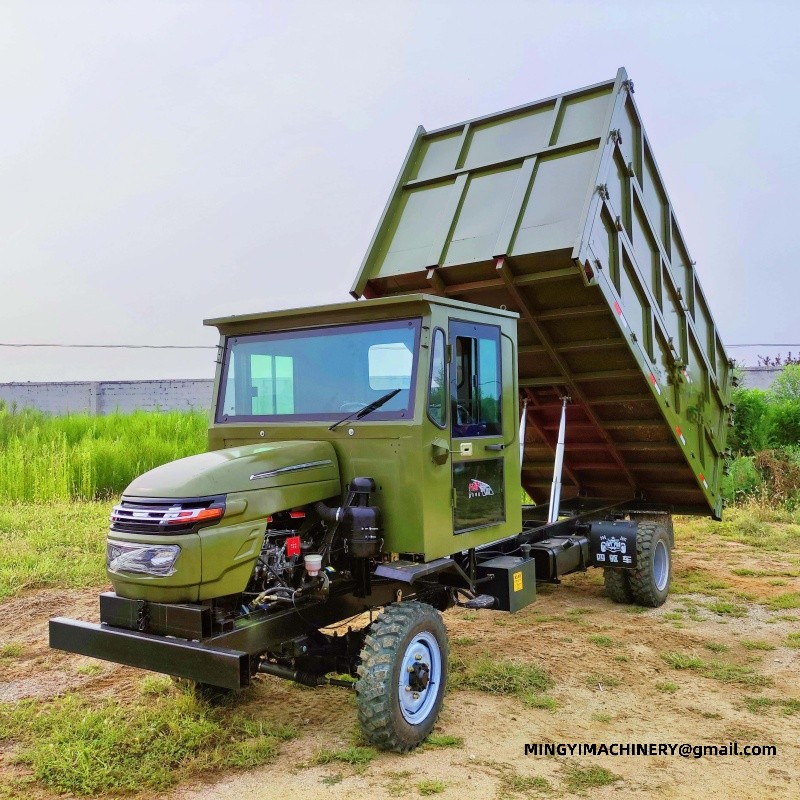
Carrying and travelling with a load needs its own plan. Speed, gradient and surface all matter more once the equipment in service is loaded, and the safe combination is the conservative one.
Moving the machine is part of owning it. Overall length, width and height decide which trailer or container this class of machine fits, and a machine that needs a permit or an abnormal load escort is a machine with a delivery delay built in. Owners who work across several sites should check the transport dimensions before ordering. The unit in daily use that fits a standard trailer can be moved by any operator with a suitable vehicle, while an over-width machine narrows that choice and complicates every move.
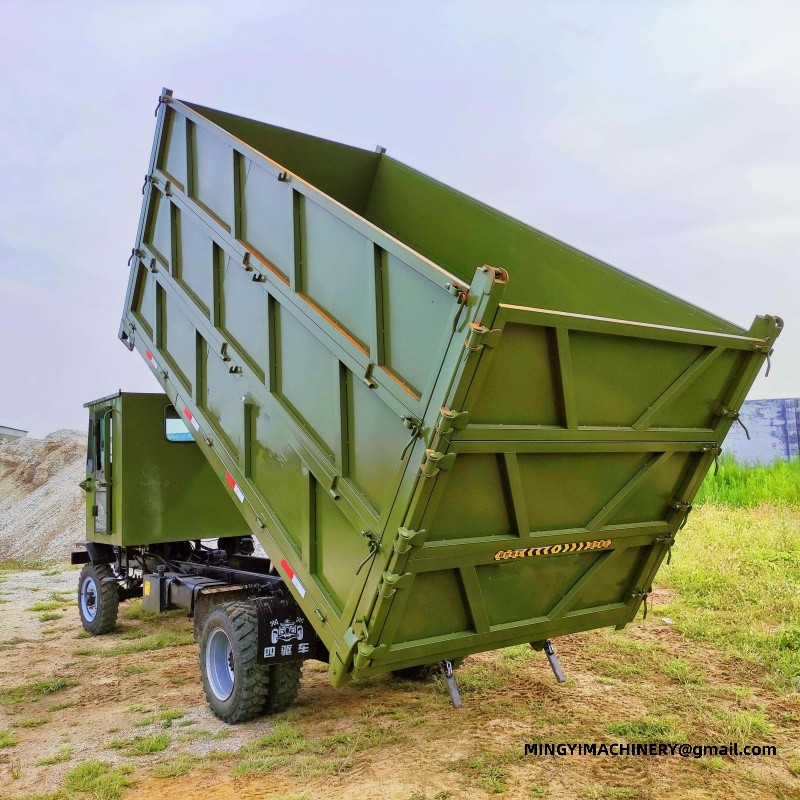
Payload is limited by the axles and the frame before it is limited by the body volume. Specifying the equipment on site against the material density gives a realistic figure, because a body that looks half full can already be at its limit with rock.
Cold changes how a machine starts and how it warms up. Allowing the model in question to reach operating temperature before loading it, and using the correct grade of oil and fuel for the season, prevents most cold-start problems. Low temperatures also make materials behave differently. Ground that is frozen hard in the morning can be soft by midday, and planning the sequence around that is easier than fighting it with the machine in that duty.
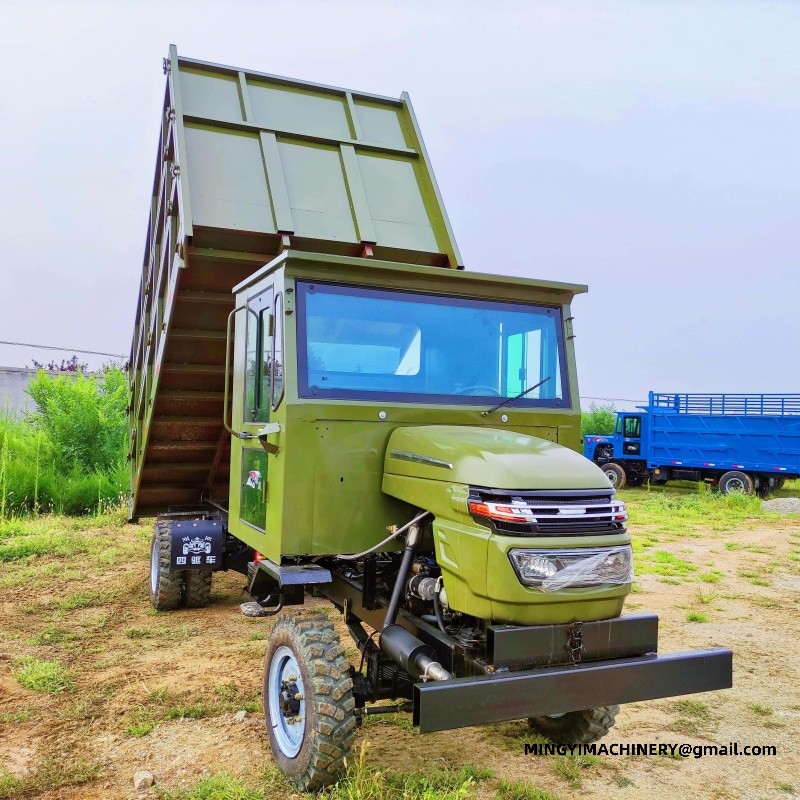
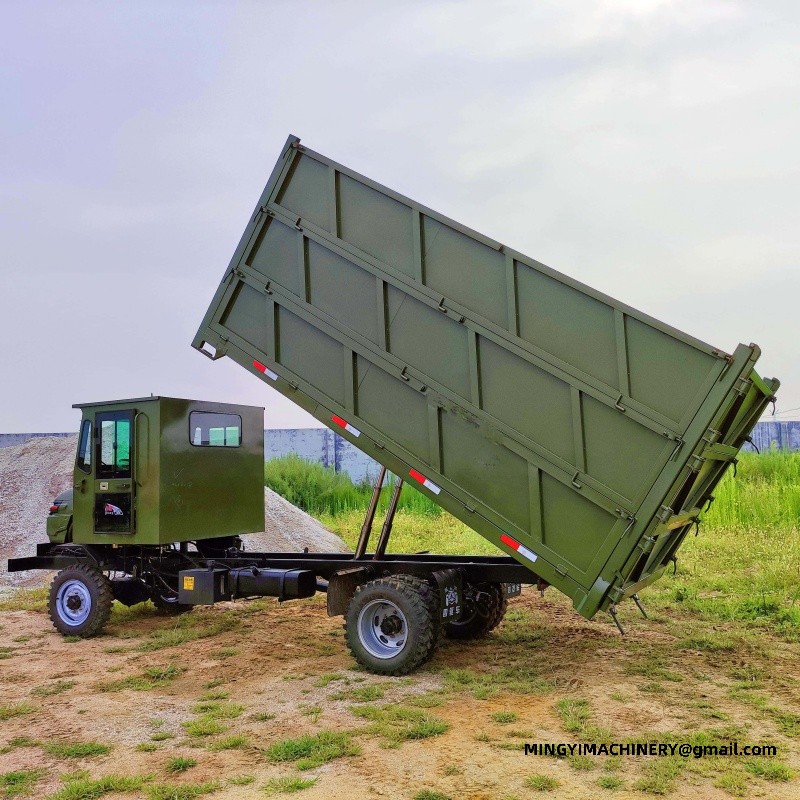
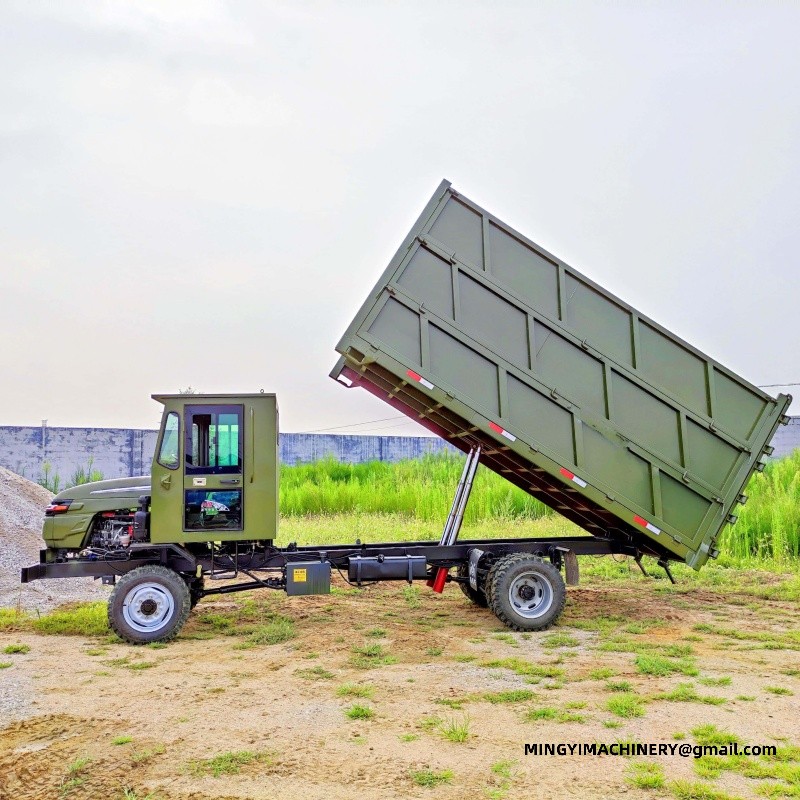
The configurations below are the build sheets most often matched to a machine built for the work. Engine, gearbox, axles, frame and body dimensions are confirmed together, because the body size and the axle rating have to suit the load before the engine rating matters.
| # | 14.Luxury | 18.Standard | 6.Standard | 8.Luxury |
|---|---|---|---|---|
| 1 | Two-cylinder diesel engine, 38 hp | Four-cylinder 4102 turbocharged diesel engine | Single-cylinder diesel engine, 28 hp | Single-cylinder diesel engine, 28 hp |
| 2 | Part-time gearbox, selectable 2WD/4WD | Model 140 part-time gearbox with four-wheel drive | Full-time gearbox with four-wheel drive | Part-time gearbox, selectable 2WD/4WD |
| 3 | High/low range with crawler gear | High/low range with crawler gear | High/low range with crawler gear | High/low range with crawler gear |
| 4 | Enclosed cab | Simple cab | Simple cab | Enclosed cab |
| 5 | Six 700-16 mountain tyres | Oil brakes | Oil brakes | Six 700-16 mountain tyres |
| 6 | Model 212 front axle | Six 700-16 mountain tyres | Four 700-16 mountain tyres | Model 212 front axle |
| 7 | Reinforced 130 rear axle | Reinforced ISUZU-pattern front axle | Front axle 212 | Model 130 rear axle |
| 8 | Air cut-off brakes | Reinforced 1061 rear axle | Rear axle 130 | Air cut-off brakes |
| 9 | Reinforced 60 x 140 mm square tube frame | Reinforced 80 x 180 mm square tube frame | Reinforced 60 x 140 mm square tube frame | Reinforced 60 x 140 mm square tube frame |
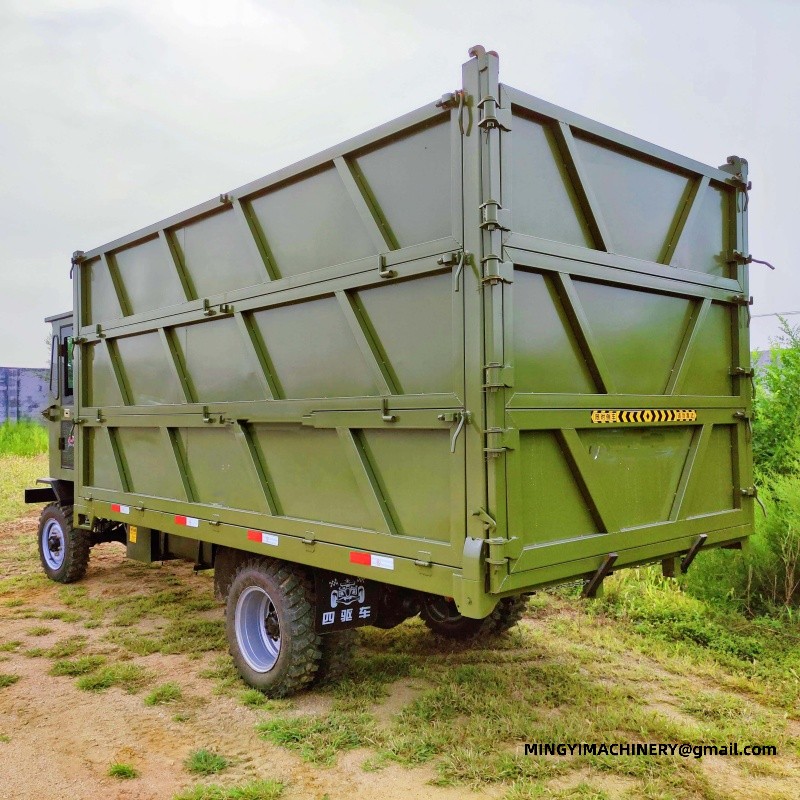
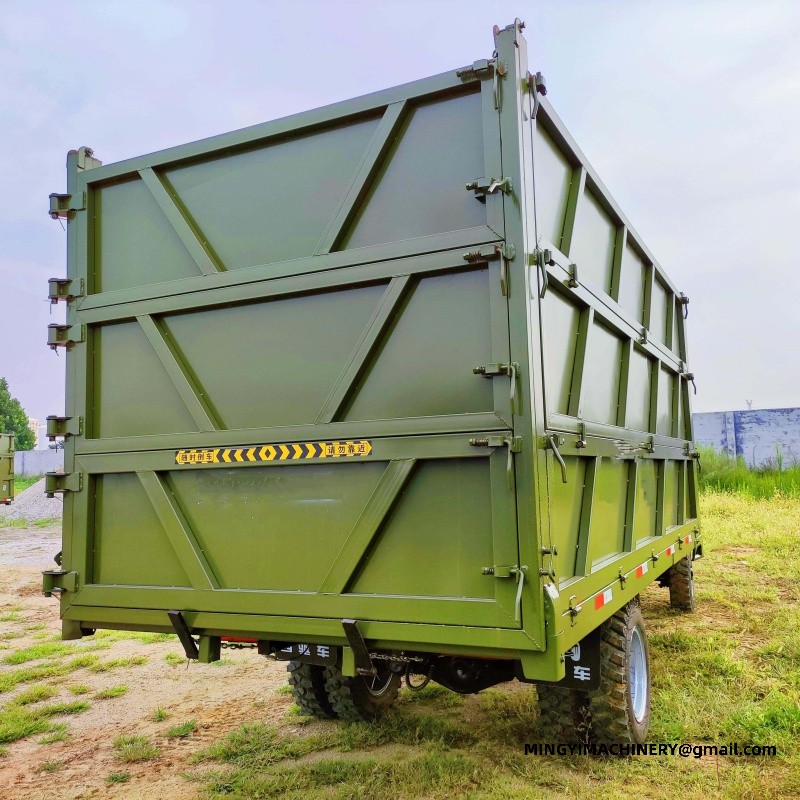
| 10 | Rear body 2.2 m long x 1.5 m wide x 0.45 m high | Rear body 2.2 m long x 2.1 m wide x 0.45 m high | Rear body 2.2 m long x 1.5 m wide x 0.45 m high | Rear body 2.2 m long x 1.5 m wide x 0.45 m high |
| 11 | Tailgate with self-dumping function | Tailgate with self-dumping function | Tailgate with self-dumping function | Tailgate with self-dumping function |
| 12 | Side-opening rear body tailgate | Hydraulic power steering | Hydraulic power steering | Side-opening rear body tailgate |
| 13 | Hydraulic power steering | Twin hydraulic rams | Twin hydraulic rams | Hydraulic power steering |
| 14 | Twin hydraulic rams | Two-person comfort seat | Two-person comfort seat | Twin hydraulic rams |
| 15 | Heavy-duty leaf springs | Twin-battery electric start | Twin-battery electric start | Two-person comfort seat |
| 16 | Two-person comfort seat | Square-nose bonnet | Square-nose bonnet | Heavy-duty leaf springs |
| 17 | Twin-battery electric start | — | — | Twin-battery electric start |
| 18 | Round-nose bonnet | — | — | Square-nose bonnet |
A cold start is easier when the machine is prepared the night before. The routine that keeps the dumper working through winter is mostly a matter of fuel, battery and patience in the first ten minutes of the day.
The last hour before packing is the best time to find a fault. Running the unit in daily use through its full working cycle, checking for leaks under load and confirming that the controls match the specification avoids a conversation across time zones later.
Export packing is part of the machine, not an afterthought. The equipment on site is blocked and braced inside the container so that it arrives in the same condition it left, and the load plan is decided by the dimensions rather than by what fits loosely.
Different operators suit different work. The person who is quickest with the model in question on open ground is not always the one who is safest in a confined space, and having both available is a genuine advantage.
Tropical operation is a specification question as much as a maintenance one. The cooling capacity, the sealing and the corrosion protection fitted to the unit on the job are what make the difference once the ambient temperature rises.
Holding spares is about downtime rather than the shelf itself. The question for the equipment in service is not how large the part is but how long the machine sits while it is found, and a small shelf answers that better than a fast courier.
Transport shakes things loose. A short check of this class of machine after the crate is opened, covering the same points the pre-delivery inspection covered, is the most useful insurance available on delivery day.
A machine that works on one site still has to reach the next. The overall dimensions and the operating weight of a machine of this size decide what trailer or truck is needed, and that decision belongs before the job is booked.
Every line above is a build item rather than an optional extra, and the final sheet for the equipment on site is confirmed against the destination, the ground and the load before production.
E-mail:sales@mingycn.com
LINE(ID):mingyicn









