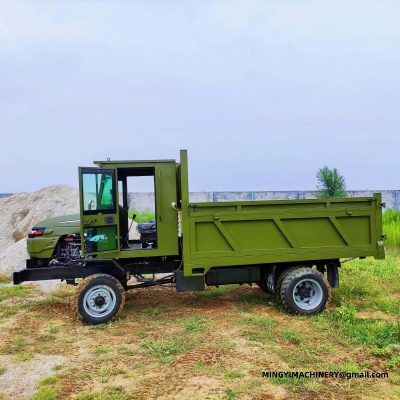
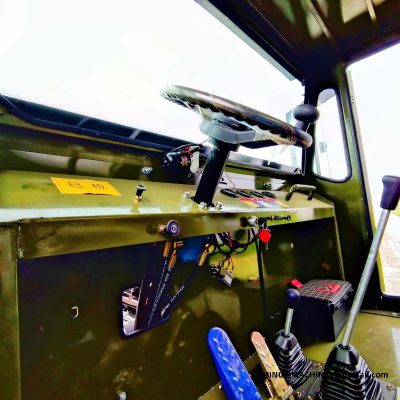
The dumper is usually bought to replace something, whether a method, an older machine or a hired unit. The notes below are written for that comparison: what changes on day one, what stays the same and what to check before the switch is made.
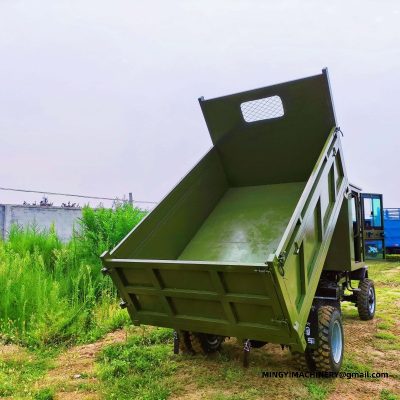
Unloading method should follow the material. Wet spoil, aggregate and green timber behave differently in the body, and matching the body and tailgate arrangement to the load is what keeps this class of machine cycling rather than being hand-cleared. Body size is a compromise with access. A larger body on the unit in daily use carries more per trip but needs more room to turn and tip, so the useful question is how many trips the route allows rather than how much it holds.
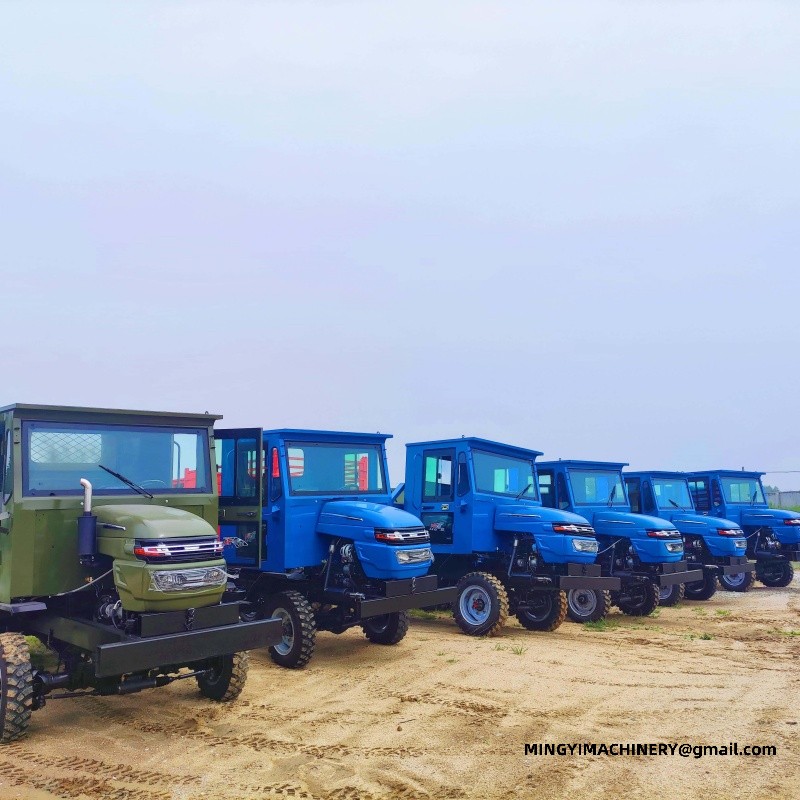
A crane or grab turns a haul vehicle into a loading machine. A machine of this size fitted with a hydraulic crane loads itself, which removes a second machine from the job and is often the whole reason for specifying one. Stability governs what the crane can do. Outriggers, ground condition and load radius decide the safe figure on the equipment on site, and those are checked before the lift rather than discovered during it. Adding a crane changes the vehicle specification. Hydraulic capacity, frame strength and braking all need to suit the attachment, and it is simpler to specify them at build than to add them later.
Planning the work to reduce empty movement is free. Fewer repositioning cycles on the machine itself means less fuel, less wear on the undercarriage or tyres and more of the shift spent on productive work.
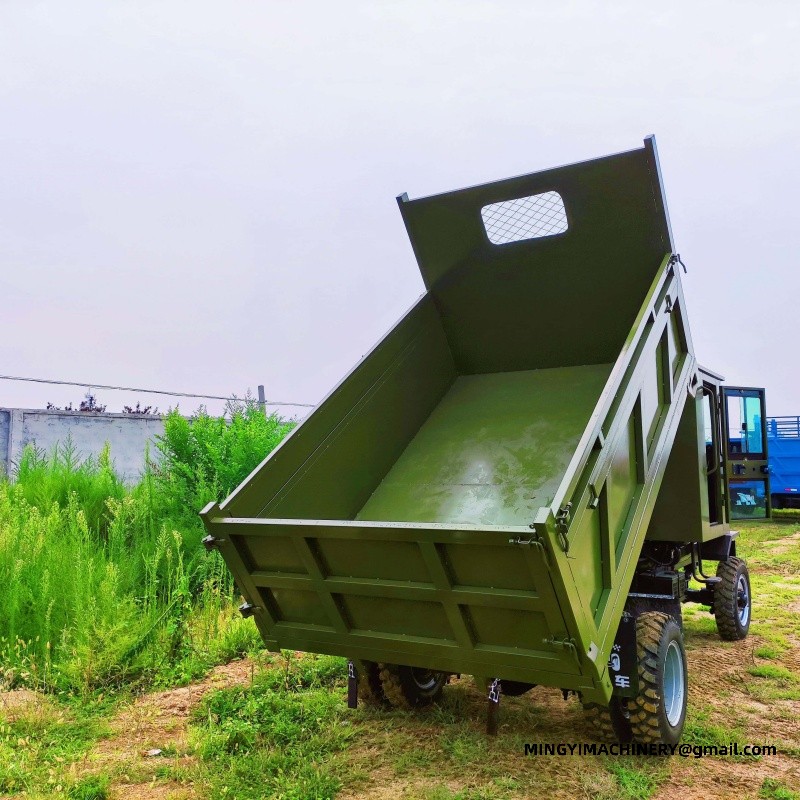
Parts availability usually decides the engine and the brand. A machine built around components the local network already carries is serviced from stock, which is the difference between a day lost and a week lost.
Drum bodies need power and stability. The model in question set up for concrete has to carry the drum, the load and the water, and the frame and brakes should be specified for that combined weight.
Buyers who specify the machine in that duty on paper before enquiring get specifications that can be compared. Without that list, two suppliers will propose two different machines and the simpler one is usually the smaller one, not the better value.
Emissions documentation is part of engine selection for some destinations. Confirming which units can be supplied and documented for the destination country is worth doing at enquiry stage rather than after the build sheet is signed. Matching the engine to the duty matters more than the peak rating. The unit on the job that spends its day at part load benefits from a different setup than one that works at full output, and the difference shows in fuel use over a season.
Machine output varies more between operators than between brands. Smooth, planned movements put less load on the structure and use less fuel, and that difference is visible on the hour meter and in the service bills for a machine built for the work.
Seasonal work changes the maintenance calendar. Machines that work hard for two months and stand for ten need preparation before storage and a check before returning to work, and both are simpler than the repairs they prevent.
Timber work changes what the vehicle carries. This class of machine fitted with a log grab loads and unloads without a second machine, which is usually the reason a forestry contractor specifies one over a conventional truck. Protection matters in timber work. Guarding, lighting and a cab that keeps branches out are the items that keep the unit in daily use working through a season rather than being repaired through it.
Planning helps more than extra lamps. Positioning the equipment on site so that the work is lit from the machine side, and keeping the route clear, does more for safety than adding light to a badly planned task.
Four-wheel drive is only part of soft ground capability. Tyre choice, ground clearance and weight distribution decide whether the model in question keeps moving in a paddy field or a marsh, and all three are specified rather than assumed. Recovering a stuck vehicle takes longer than preventing it. Planning the route, avoiding the worst ground and knowing where the machine in that duty will turn is what keeps a soft-ground job productive.
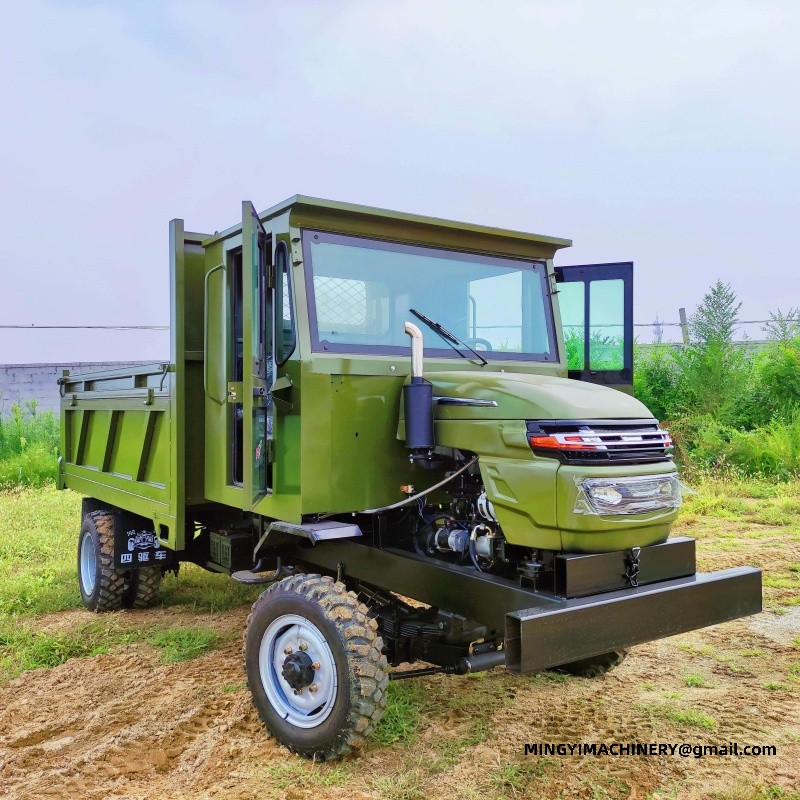
Delivery planning includes the receiving end. Knowing whether a machine built for the work will be craned, driven or forked off, and whether the site can accept it, is settled before dispatch rather than on the day.
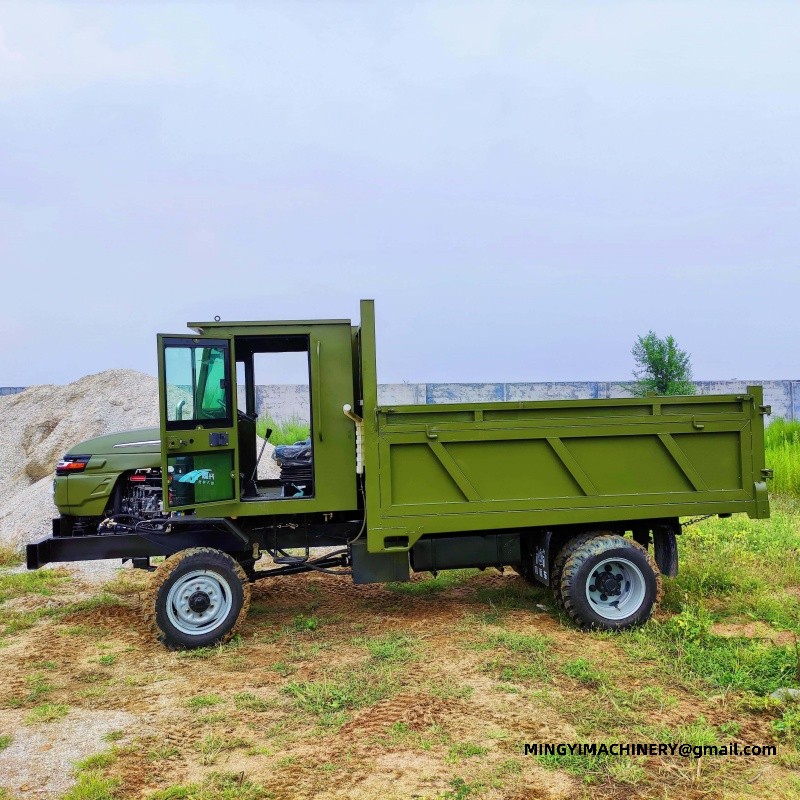
Most failures start as something small that a walk-around would have caught. Fluid levels, belt tension, tyre or track condition and any fresh leak are the items worth two minutes at the start of each shift on the dumper. A simple log helps. Recording hours, fuel and any adjustment made to this class of machine gives the workshop a history, and that history is what turns an intermittent fault into a one-visit repair instead of three.
Low temperatures also make materials behave differently. Ground that is frozen hard in the morning can be soft by midday, and planning the sequence around that is easier than fighting it with a machine of this size.
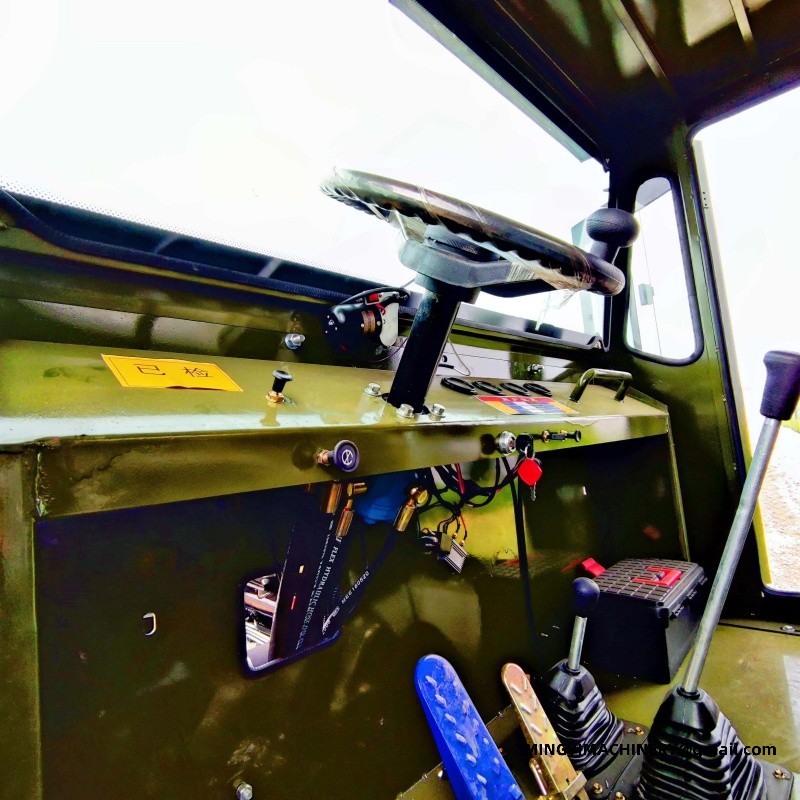
Fleet value comes from interchangeability. Operators who can step between machines without retraining, and a workshop that stocks one set of filters, keep utilisation higher than a fleet of individually optimised units.
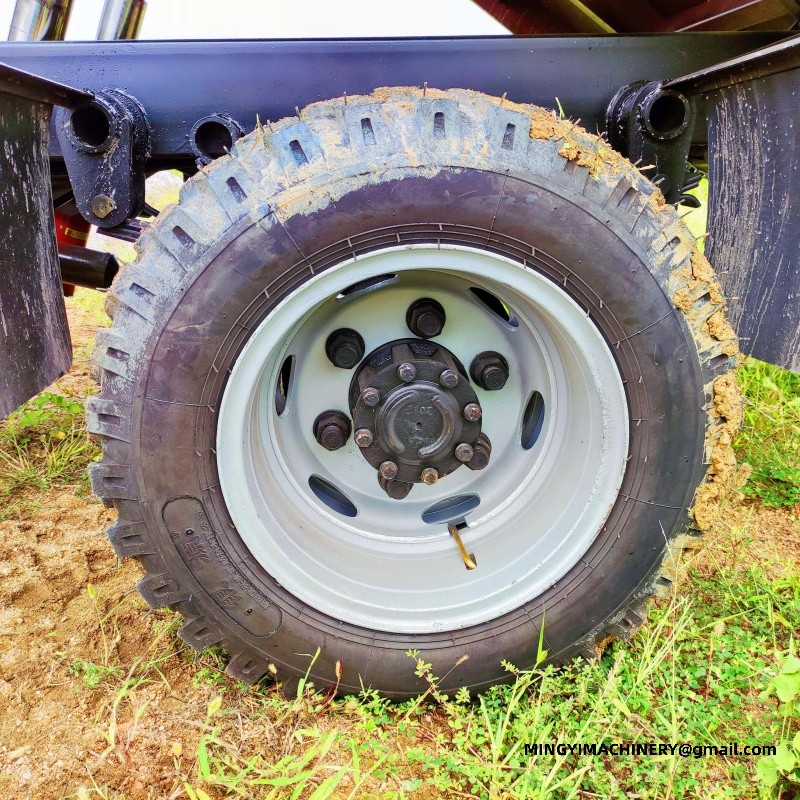
Certain parts are designed to be consumed. Knowing which items on the model in question are wearing parts, and roughly how long they last in the duty the machine sees, turns replacement into a plan rather than a breakdown. Wear rate follows conditions far more than hours. The machine in that duty working on abrasive ground or in mud will consume undercarriage or tyre life much faster than the same machine on clean ground.
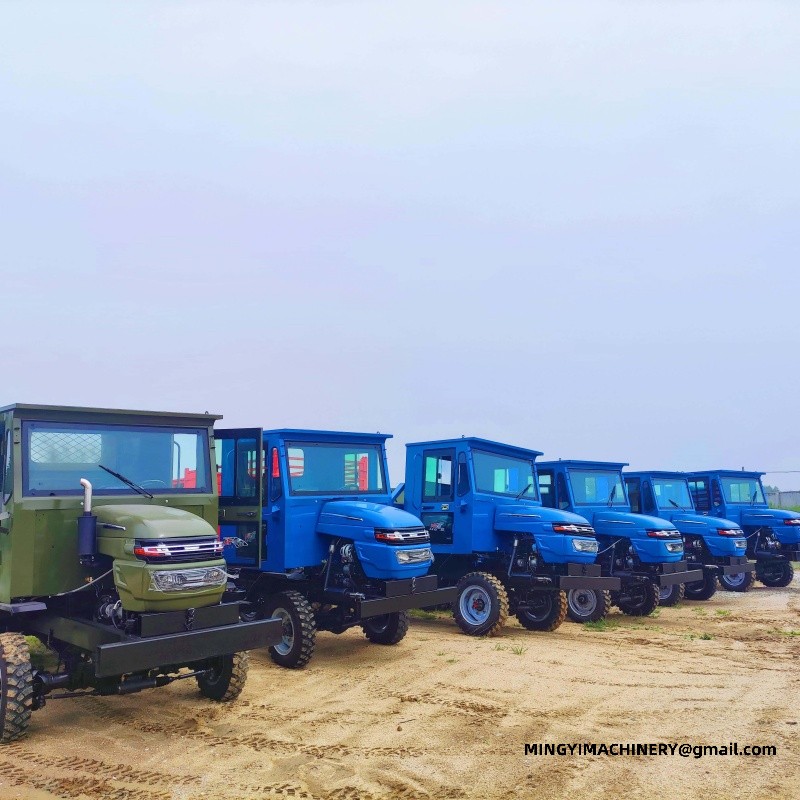
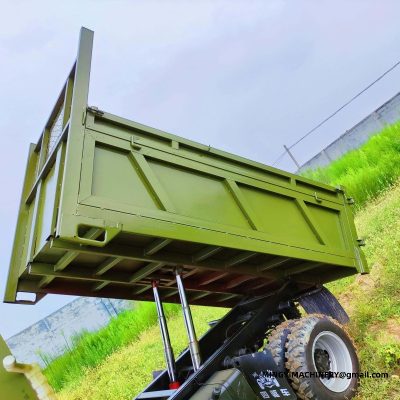
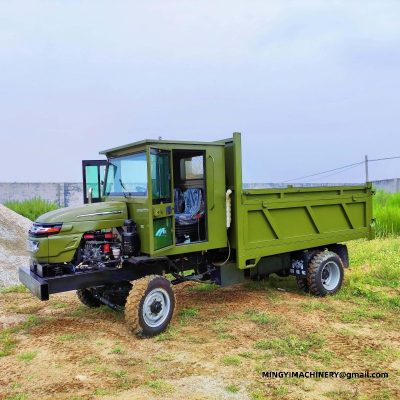
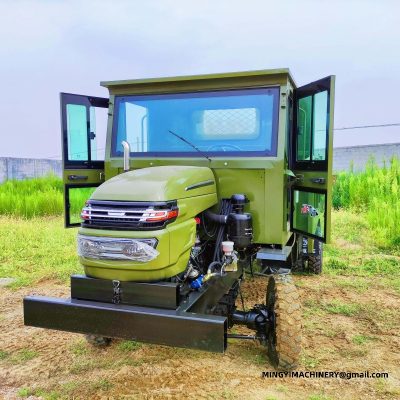
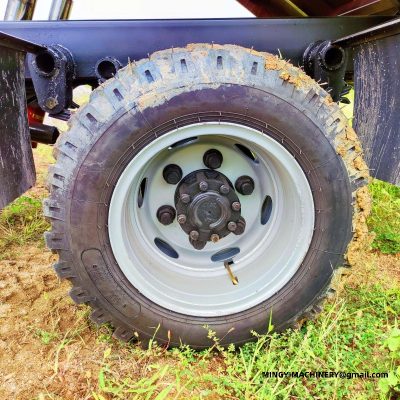
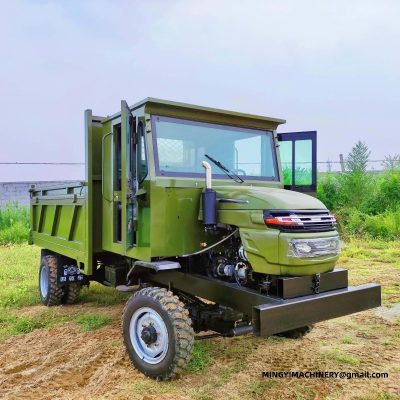
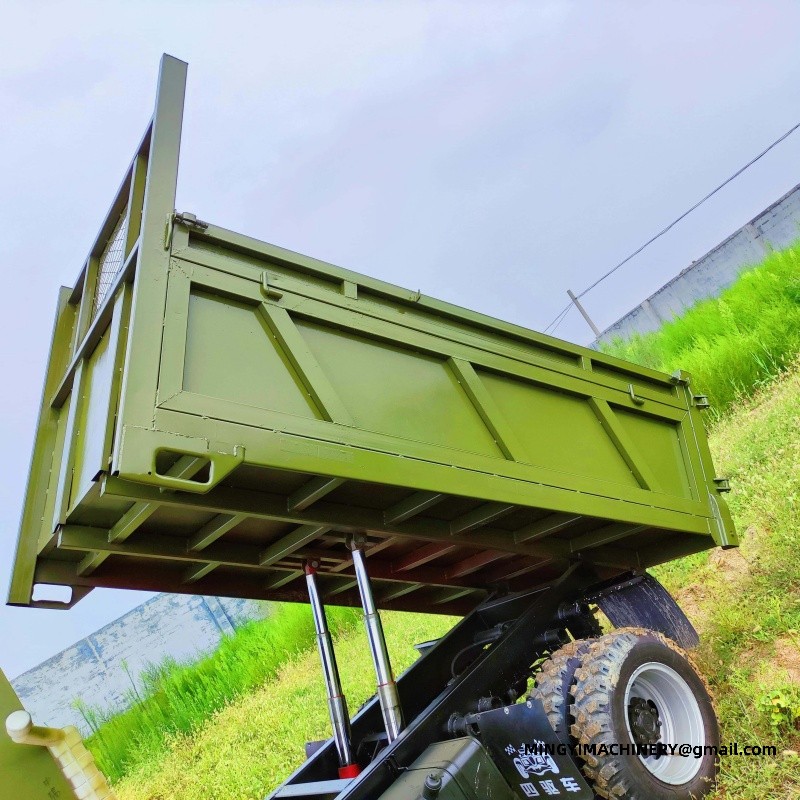
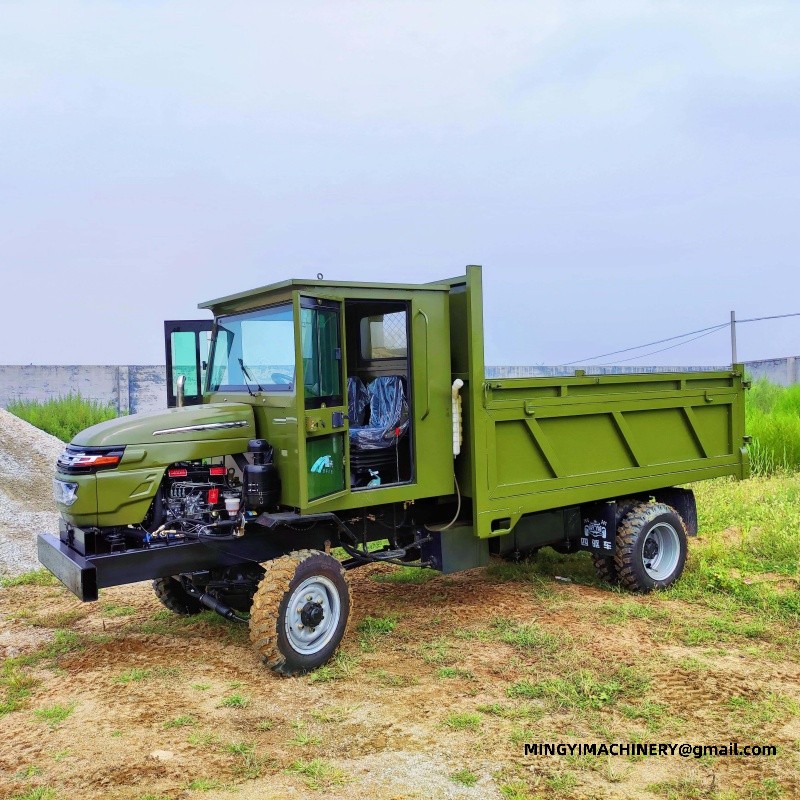
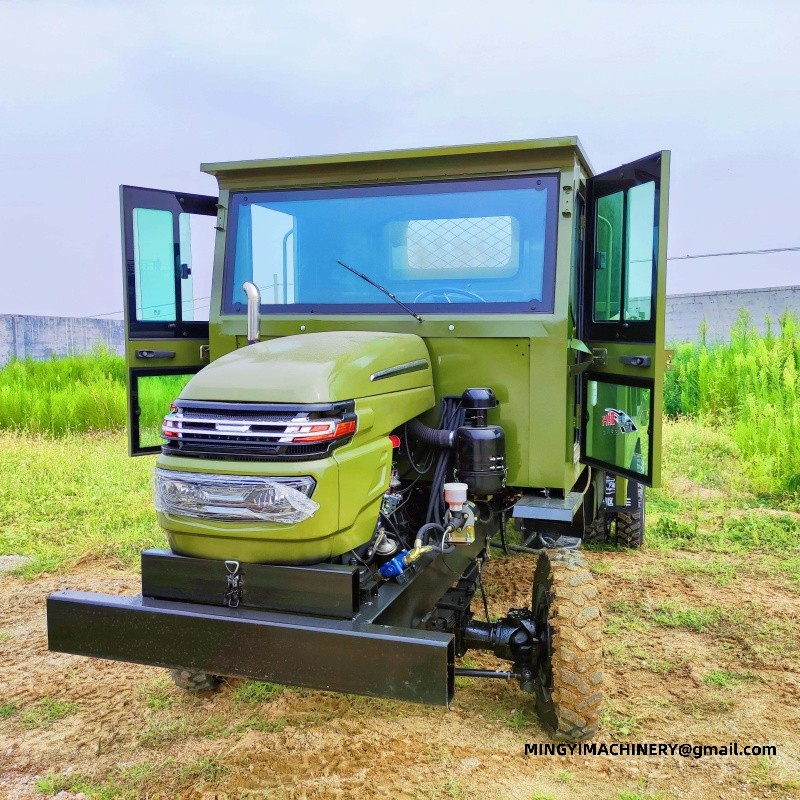
The configurations below are the build sheets most often matched to a machine built for the work. Engine, gearbox, axles, frame and body dimensions are confirmed together, because the body size and the axle rating have to suit the load before the engine rating matters.
| # | 10.Upgraded | 13.Upgraded | 15.Standard | 17.Luxury |
|---|---|---|---|---|
| 1 | Single-cylinder diesel engine, 32 hp | Two-cylinder diesel engine, 38 hp | Four-cylinder 490 diesel engine | Four-cylinder 490 diesel engine |
| 2 | Full-time gearbox with four-wheel drive | Full-time gearbox with four-wheel drive | Full-time gearbox with four-wheel drive | Part-time gearbox, selectable 2WD/4WD |
| 3 | High/low range with crawler gear | High/low range with crawler gear | High/low range with crawler gear | High/low range with crawler gear |
| 4 | Front axle clutch | Front axle clutch | Simple cab | Fully enclosed cab |
| 5 | Fully enclosed cab | Fully enclosed cab | Oil brakes | Six 700-16 mountain tyres |
| 6 | Oil brakes | Oil brakes | Four 700-16 mountain tyres | Reinforced 130 front axle |
| 7 | Four 700-16 mountain tyres | Four 700-16 mountain tyres | Front axle 212 | Reinforced ISUZU-pattern rear axle |
| 8 | Front axle 212 | Front axle 212 | Rear axle 130 | Air cut-off brakes |
| 9 | Rear axle 130 | Rear axle 130 | Reinforced 60 x 140 mm square tube frame | Reinforced 60 x 140 mm square tube frame |
| 10 | Reinforced 60 x 140 mm square tube frame | Reinforced 60 x 140 mm square tube frame | Rear body 2.2 m long x 1.5 m wide x 0.45 m high | Rear body 2.2 m long x 1.8 m wide x 0.45 m high |
| 11 | Rear body 2.2 m long x 1.5 m wide x 0.45 m high | Rear body 2.2 m long x 1.5 m wide x 0.45 m high | Tailgate with self-dumping function | Tailgate with self-dumping function |
| 12 | Tailgate with self-dumping function | Tailgate with self-dumping function | Hydraulic power steering | Side-opening rear body tailgate |
| 13 | Hydraulic power steering | Hydraulic power steering | Twin hydraulic rams | Hydraulic power steering |
| 14 | Twin hydraulic rams | Twin hydraulic rams | Two-person comfort seat | Twin hydraulic rams |
| 15 | Two-person comfort seat | Two-person comfort seat | Twin-battery electric start | Two-person comfort seat |
| 16 | Twin-battery electric start | Twin-battery electric start | Round-nose bonnet | Heavy-duty leaf springs |
| 17 | Square-nose bonnet | Round-nose bonnet | — | Twin-battery electric start |
| 18 | — | — | — | Round-nose bonnet |
Rubber, seals and hoses age whether the machine works or not. Keeping the dumper out of direct sun and off damp ground slows that, and running it briefly at intervals keeps everything moving.
Workload is rarely even across the year, and the machine should be specified for the busy weeks. The unit in daily use sized only for the average month will be the limiting factor exactly when the work is worth the most.
Most additions are easier to plan than to add. Hydraulic services, mounting brackets and electrical capacity on the equipment on site are build items, and deciding them at the specification stage is far easier than doing it later.
The record should follow the machine, not the owner. When the model in question changes hands the service history travels with it, and a complete folder is often the difference between a quick sale and a long one.
The specification for oil is written for a reason. Using the grade and the change interval set for the unit on the job keeps the engine and the hydraulic system inside the range they were designed for.
Humidity attacks the parts that are not used. Storage in a damp climate means the equipment in service needs the exposed metal protected and the machine run regularly, because standing still does more damage than working.
A good handover covers the awkward cases, not just the easy ones. Starting this class of machine on a slope, turning in a confined space and recovering from soft ground are the situations an operator should meet first with someone beside them.
Every line above is a build item rather than an optional extra, and the final sheet for the unit in daily use is confirmed against the destination, the ground and the load before production.
E-mail:sales@mingycn.com
LINE(ID):mingyicn









