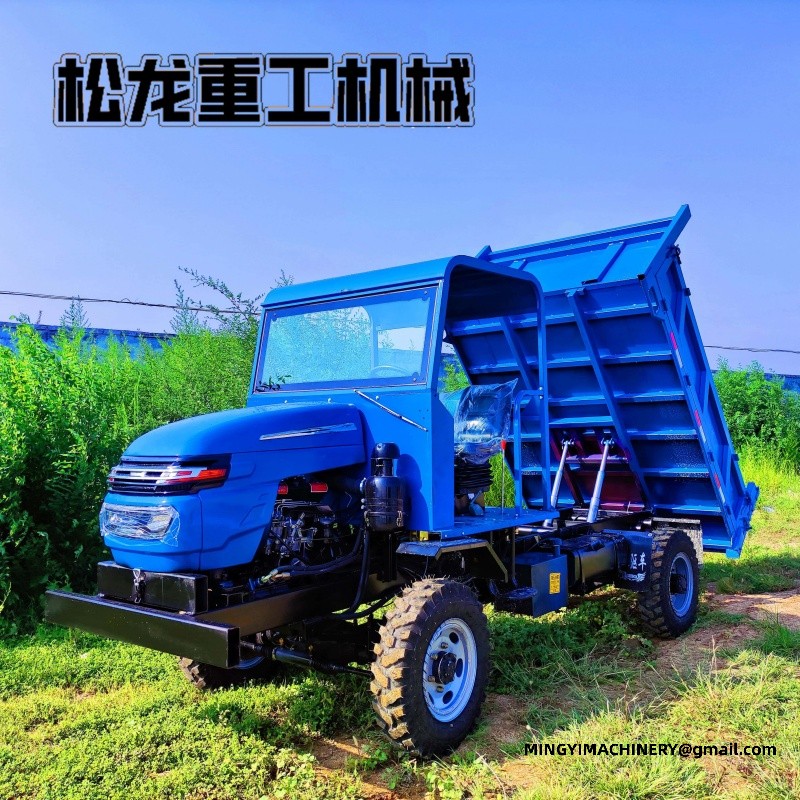
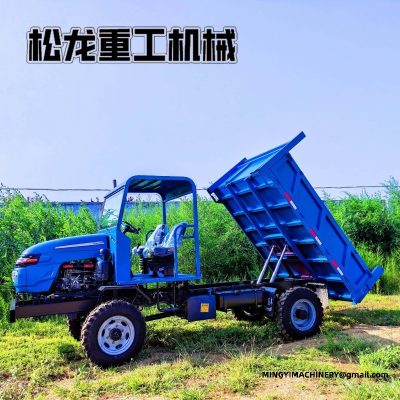
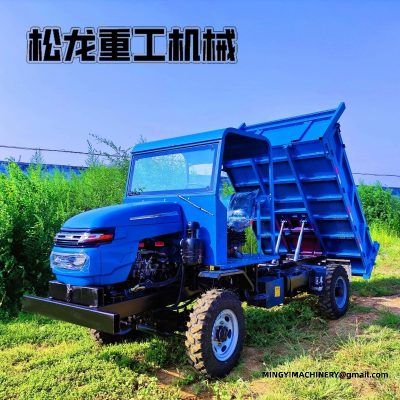
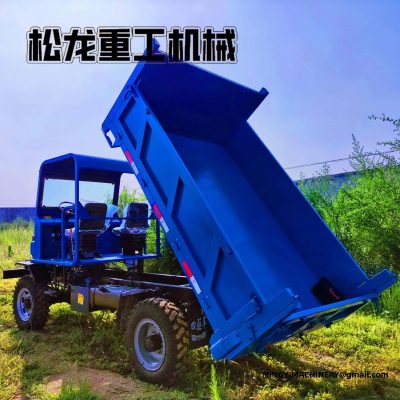
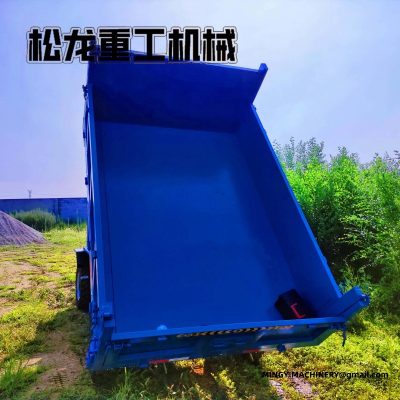
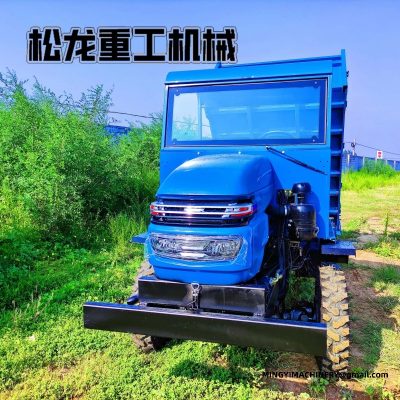
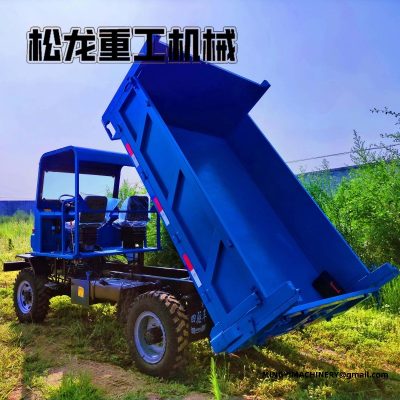
Choosing the dumper usually comes down to a handful of decisions made early: size, power, the ground it will work on and the attachments it has to carry. The notes below follow that order, because each one narrows the next.
Most failures start as something small that a walk-around would have caught. Fluid levels, belt tension, tyre or track condition and any fresh leak are the items worth two minutes at the start of each shift on this class of machine. Service intervals exist because wear is predictable. Following the maker schedule on the unit in daily use takes far less time than repairing the damage that follows a missed oil change or a filter left in place past its life. A simple log helps. Recording hours, fuel and any adjustment made to a machine of this size gives the workshop a history, and that history is what turns an intermittent fault into a one-visit repair instead of three.
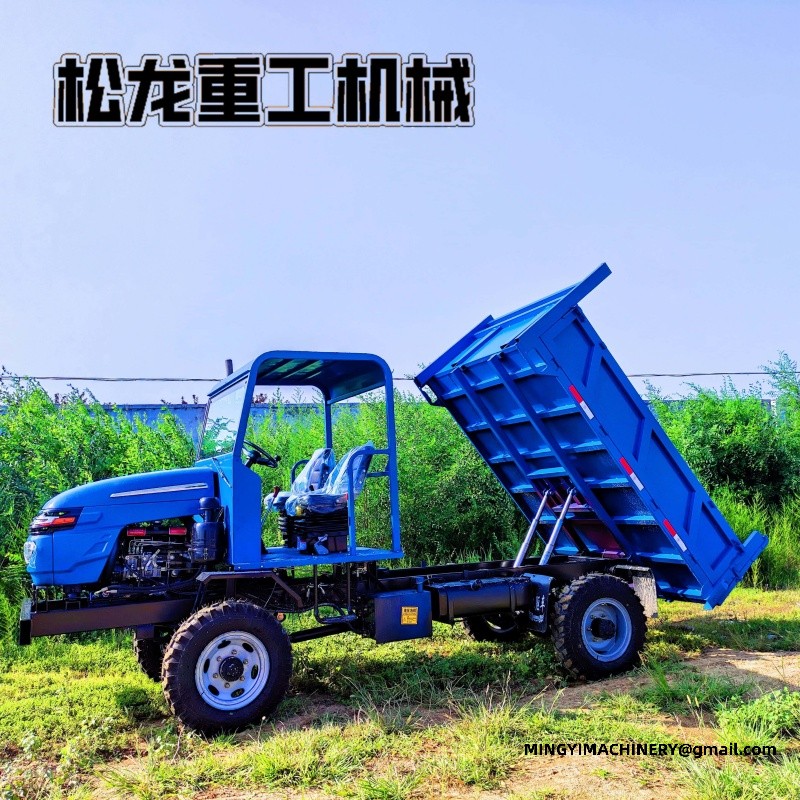
Fuel is usually the largest controllable running demand. Operating style, correct tyre or track condition and a clean air supply all move consumption on the equipment on site by more than most buyers expect. Consumption is best measured over a full week rather than judged per hour. Idle time, repositioning and waiting for other trades are often the largest share of the fuel the machine itself burns on a site.
Access tracks in forestry are narrow, soft and often steep. The model in question chosen for that work is chosen for the track, and the body, cab and tyre specification follow from the route rather than from the load alone.
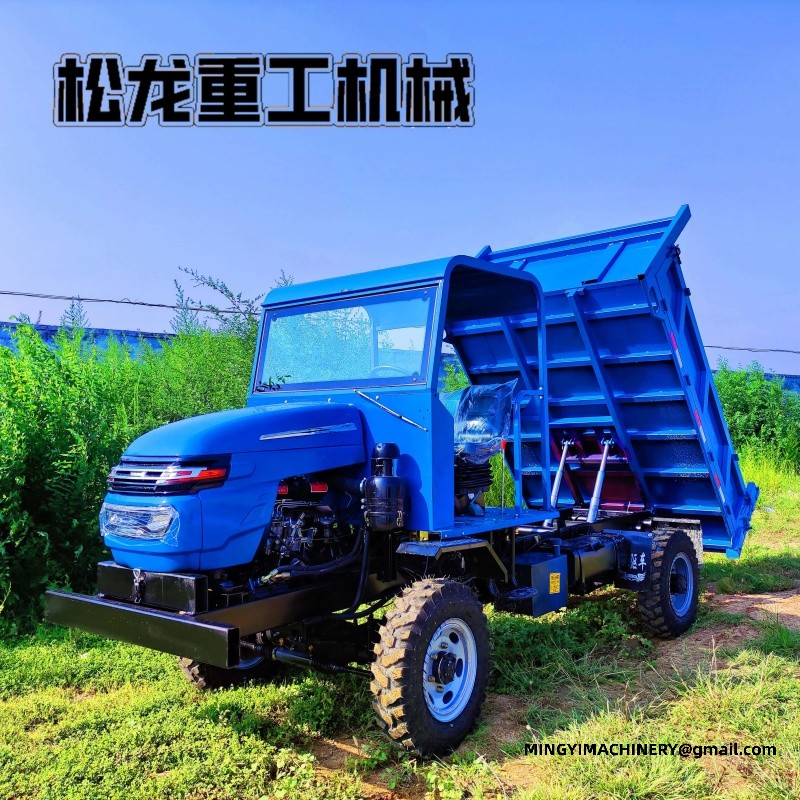
Four-wheel drive is only part of soft ground capability. Tyre choice, ground clearance and weight distribution decide whether the machine in that duty keeps moving in a paddy field or a marsh, and all three are specified rather than assumed. Soft ground punishes the wrong tyre. Mountain pattern tyres on the unit on the job clear mud that a road pattern would pack with, and the difference is measured in whether the machine finishes the day. Recovering a stuck vehicle takes longer than preventing it. Planning the route, avoiding the worst ground and knowing where the machine built for the work will turn is what keeps a soft-ground job productive.
Certain parts are designed to be consumed. Knowing which items on the equipment in service are wearing parts, and roughly how long they last in the duty the machine sees, turns replacement into a plan rather than a breakdown.
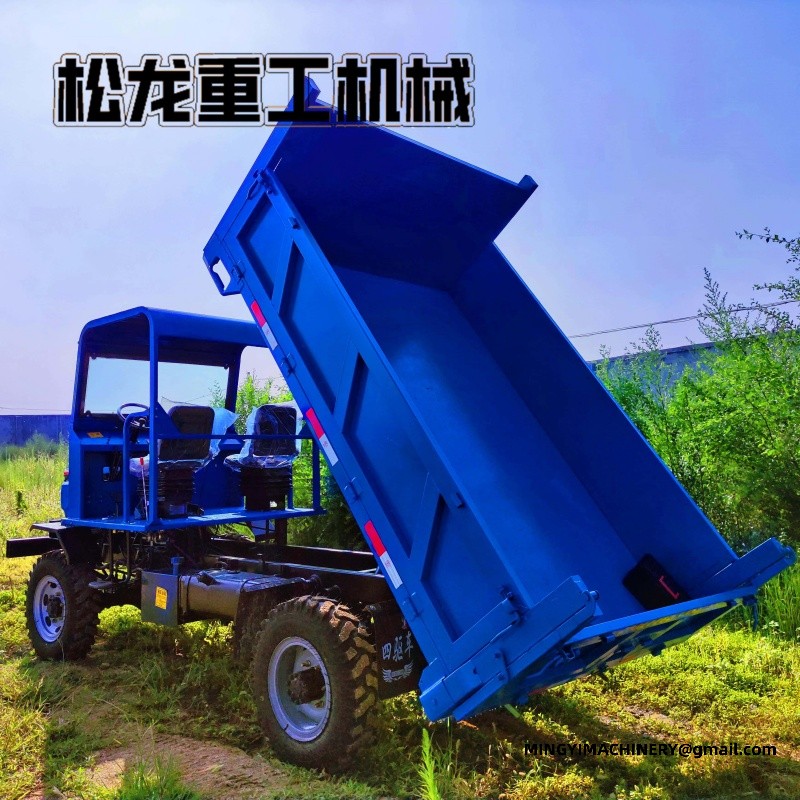
The base machine is only as useful as the tool on the end of it. Matching the attachment to the task - rather than to what arrived with the machine - is what lets one the dumper cover several jobs across a week. Attachment decisions are best made before delivery. Specifying hydraulics and couplers at build time is simpler than adding them later, and it avoids the downtime of a workshop visit in the first month.
Parts availability usually decides the engine and the brand. A machine built around components the local network already carries is serviced from stock, which is the difference between a day lost and a week lost. Remote diagnosis shortens most faults. A walk-around on video with the panels open often identifies the cause on this class of machine without waiting for a visit, and avoids shipping a part that turns out not to be needed.
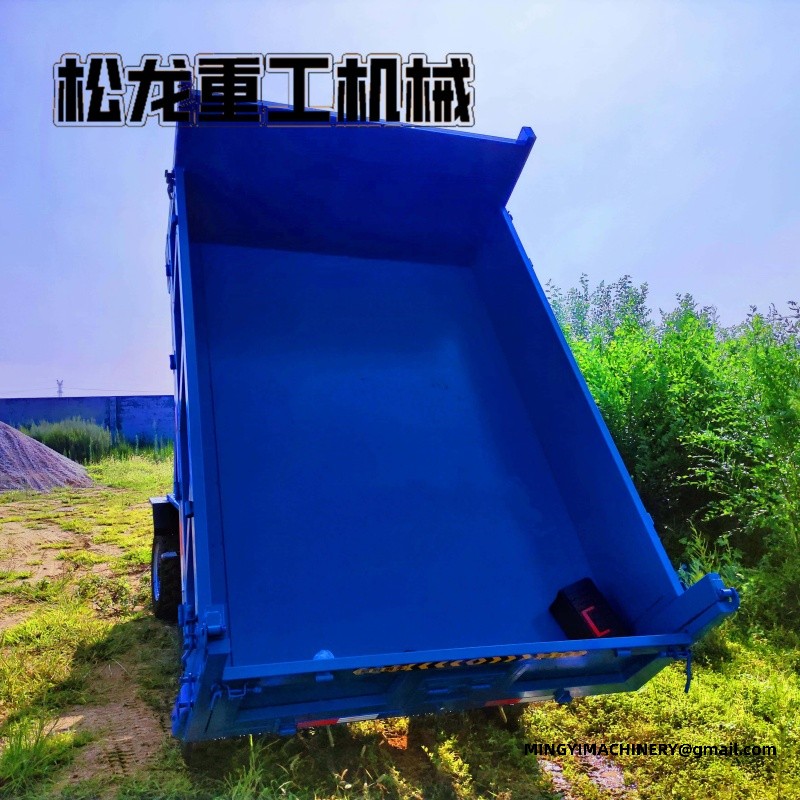
Body size is a compromise with access. A larger body on the unit in daily use carries more per trip but needs more room to turn and tip, so the useful question is how many trips the route allows rather than how much it holds.
Descending matters as much as climbing. A loaded the equipment on site on a steep gradient needs engine braking and brakes in good order, and the safe practice is to plan the descent before the load rather than during it.
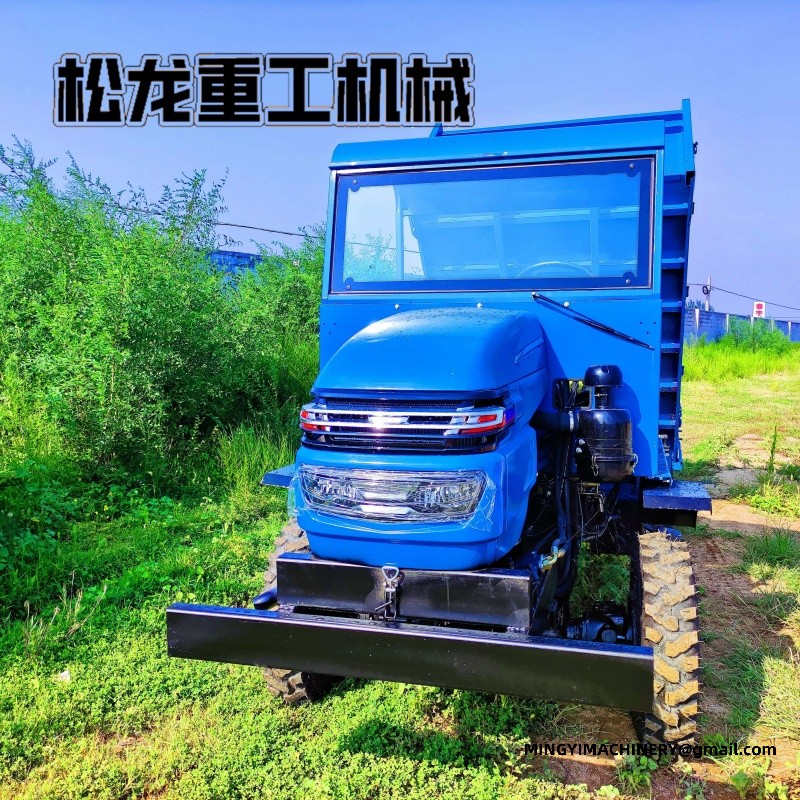
Working after daylight changes the risk. Lighting coverage on the machine in that duty and across the working area, plus high-visibility clothing for anyone on foot, are the items that make low-light work practical. Visibility from the seat is different at night. Reflections, shadows and glare all hide detail, so the model in question used after dark benefits from clean lenses, working wipers and a slower working pace. Planning helps more than extra lamps. Positioning the unit on the job so that the work is lit from the machine side, and keeping the route clear, does more for safety than adding light to a badly planned task.
Export orders add steps that domestic buyers never see. Packed dimensions, securing points, documentation and any dismantling required are all settled before the equipment in service leaves the factory, and each one affects the freight booking. Documentation should be agreed at order stage. The commercial invoice, packing list and any certificate required at destination are part of shipping the dumper, and missing papers delay clearance longer than the voyage takes.
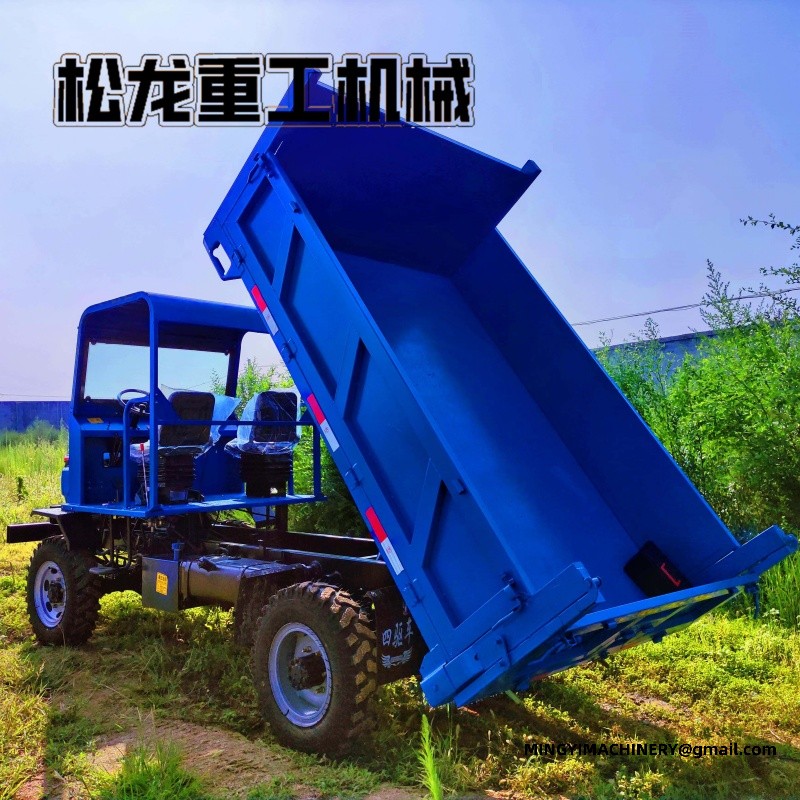
Payload is limited by the axles and the frame before it is limited by the body volume. Specifying the unit in daily use against the material density gives a realistic figure, because a body that looks half full can already be at its limit with rock. Loading method affects the machine as much as the load does. Material dropped from height into a machine of this size shocks the frame and the body floor, while material placed evenly spreads the load and extends body life.
Warranty terms are clearer when they are read before purchase. Knowing what is covered, what counts as a wearing item and what documentation is required makes a claim on the equipment on site straightforward rather than contested. Early faults are usually simple. The machine itself that behaves differently in its first few hours is more often mis-set than defective, and a call to the supplier at that point usually resolves it the same day.
Stability follows the load and its position. Knowing the rated capacity of the machine in that duty at the working radius, rather than at its best case, is what keeps handling predictable and the machine upright. Carrying and travelling with a load needs its own plan. Speed, gradient and surface all matter more once the unit on the job is loaded, and the safe combination is the conservative one.
The configurations below are the build sheets most often matched to the equipment in service. Engine, gearbox, axles, frame and body dimensions are confirmed together, because the body size and the axle rating have to suit the load before the engine rating matters.
| # | 20.Luxury | 21.Upgraded | 5.Luxury | 8.Luxury |
|---|---|---|---|---|
| 1 | Four-cylinder 4102 turbocharged diesel engine | Four-cylinder 4105 turbocharged diesel engine | Single-cylinder diesel engine, 25 hp | Single-cylinder diesel engine, 28 hp |
| 2 | Model 140 part-time gearbox with four-wheel drive | Model 140 part-time gearbox with four-wheel drive | Part-time gearbox with four-wheel drive | Part-time gearbox, selectable 2WD/4WD |
| 3 | High/low range with crawler gear | High/low range with crawler gear | High/low range with crawler gear | High/low range with crawler gear |
| 4 | Fully enclosed cab | Simple cab | Enclosed cab | Enclosed cab |
| 5 | Six 825R16 steel-belted radial tyres | Six 825R16 steel-belted radial tyres | Six 700-16 mountain tyres | Six 700-16 mountain tyres |
| 6 | Reinforced ISUZU-pattern front axle | Reinforced ISUZU-pattern front axle | Model 212 front axle | Model 212 front axle |
| 7 | Reinforced 1080 rear axle | Reinforced 1080 rear axle with air cut-off brake | Model 130 rear axle | Model 130 rear axle |
| 8 | Air cut-off brakes | Air cut-off brakes | Air cut-off brakes | Air cut-off brakes |
| 9 | Reinforced 80 x 180 mm square tube frame | Reinforced 80 x 180 mm square tube frame | Reinforced 60 x 140 mm square tube frame | Reinforced 60 x 140 mm square tube frame |
| 10 | Rear body 3.0 m long x 2.2 m wide x 0.45 m high | Rear body 3.0 m long x 2.2 m wide x 0.45 m high | Rear body 2.2 m long x 1.5 m wide x 0.45 m high | Rear body 2.2 m long x 1.5 m wide x 0.45 m high |
| 11 | Tailgate with self-dumping function | Tailgate with self-dumping function | Tailgate with self-dumping function | Tailgate with self-dumping function |
| 12 | Side-opening rear body tailgate with cab ladder | Hydraulic power steering | Side-opening rear body tailgate | Side-opening rear body tailgate |
| 13 | Hydraulic power steering | Twin hydraulic rams | Hydraulic power steering | Hydraulic power steering |
| 14 | Twin hydraulic rams | Two-person comfort seat | Twin hydraulic rams | Twin hydraulic rams |
| 15 | Two-person comfort seat | Heavy-duty leaf springs | Two-person comfort seat | Two-person comfort seat |
| 16 | Heavy-duty thickened leaf springs | Twin-battery electric start | Heavy-duty leaf springs | Heavy-duty leaf springs |
| 17 | Twin-battery electric start | Square-nose bonnet | Twin-battery electric start | Twin-battery electric start |
| 18 | Square-nose bonnet | — | Square-nose bonnet | Square-nose bonnet |
| 19 | Four-cylinder 4105 turbocharged | — | — | — |
| 20 | Four-cylinder 4108 turbocharged | — | — | — |
| 21 | Single-cylinder engine, 25 hp | — | — | — |
| 22 | Single-cylinder engine, 28 hp | — | — | — |
| 23 | Single-cylinder engine, 32 hp | — | — | — |
| 24 | Two-cylinder engine, 38 hp | — | — | — |
| 25 | Four-cylinder 490 engine | — | — | — |
| 26 | Four-cylinder 4102 turbocharged engine | — | — | — |
Loading is where most damage happens. Ramps, angle of approach and the condition of the ground under them matter more than the machine when this class of machine is being loaded, and a careful driver is worth more than a fast one.
What the customer sees on arrival is decided before departure. The walk-around given to a machine of this size covers the same points the operator will check on day one, so there are no surprises when the crate is opened at the destination.
Rubber, seals and hoses age whether the machine works or not. Keeping the machine itself out of direct sun and off damp ground slows that, and running it briefly at intervals keeps everything moving.
The specification for oil is written for a reason. Using the grade and the change interval set for the machine in that duty keeps the engine and the hydraulic system inside the range they were designed for.
Shared machines need shared habits. Two operators on a machine built for the work should do the same daily checks in the same order, because the check that one person skips is the check that eventually matters.
Service history also protects the warranty position. Evidence that the dumper was maintained at the specified intervals and with the specified fluids settles questions that would otherwise be argued.
The parts that stop a machine are rarely the parts that are hardest to find. Filters, belts, seals and the ground engaging tools on the unit in daily use are easy to hold and slow to replace, which is why they belong on the shelf rather than on an order.
Every line above is a build item rather than an optional extra, and the final sheet for a machine of this size is confirmed against the destination, the ground and the load before production.
E-mail:sales@mingycn.com
LINE(ID):mingyicn









