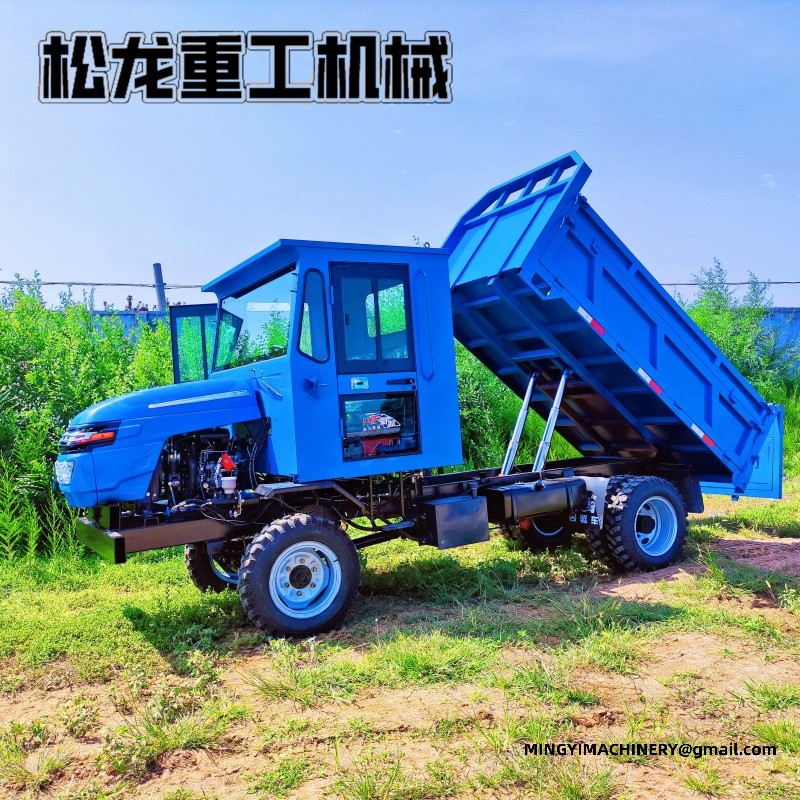
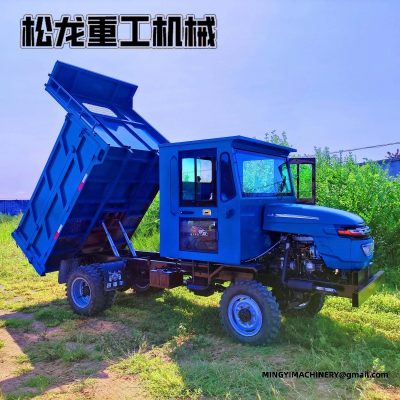
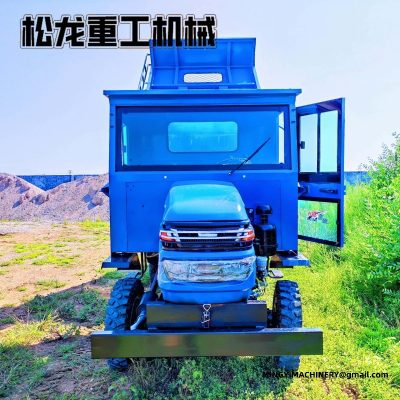
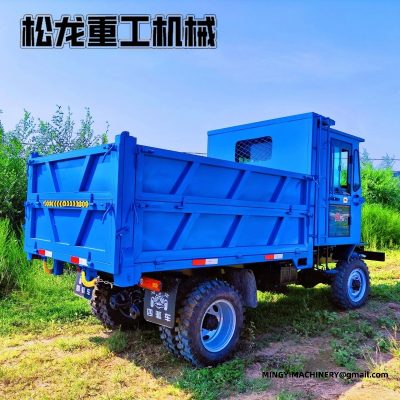
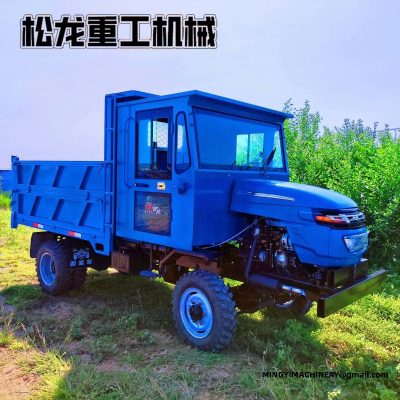
The specification of the dumper is only half the picture. The other half is how it behaves on a working day: how it starts cold, how it copes with dust, how long a service takes and how it travels between sites. Both halves are covered below.
Abrasive conditions shorten service intervals. Air filters, seals and any exposed sliding surface on this class of machine need attention more often in dusty or muddy work, and the extra checks prevent far more wear than the time they take. Sealed points and guarded areas deserve a look in these conditions. The unit in daily use working in abrasive dust benefits from checked boots, intact guards and clean breathers, all of which are quick to verify.
Machine output varies more between operators than between brands. Smooth, planned movements put less load on the structure and use less fuel, and that difference is visible on the hour meter and in the service bills for a machine of this size.
Early faults are usually simple. The equipment on site that behaves differently in its first few hours is more often mis-set than defective, and a call to the supplier at that point usually resolves it the same day.
Standing still is hard on machinery. The machine itself left for weeks benefits from a clean, dry, covered space, a charged battery and a fuel system prepared for the layoff, and all three effort very little. Before-storage preparation prevents most return-to-work faults. Draining or treating fuel, protecting exposed rods and relieving pressure where the maker specifies it are the items worth an hour when the model in question is parked. A periodic start is better than none. Running the machine in that duty to operating temperature during a long layoff keeps seals and the charging system in better condition than leaving it untouched until the next job.
A crane or grab turns a haul vehicle into a loading machine. The unit on the job fitted with a hydraulic crane loads itself, which removes a second machine from the job and is often the whole reason for specifying one. Stability governs what the crane can do. Outriggers, ground condition and load radius decide the safe figure on a machine built for the work, and those are checked before the lift rather than discovered during it.
Fleet value comes from interchangeability. Operators who can step between machines without retraining, and a workshop that stocks one set of filters, keep utilisation higher than a fleet of individually optimised units. Utilisation matters more than the purchase decision over a few years. The equipment in service that sits idle ties up the same yard space standing still as one that earns, so the buying decision should follow the hours the machine will realistically work.
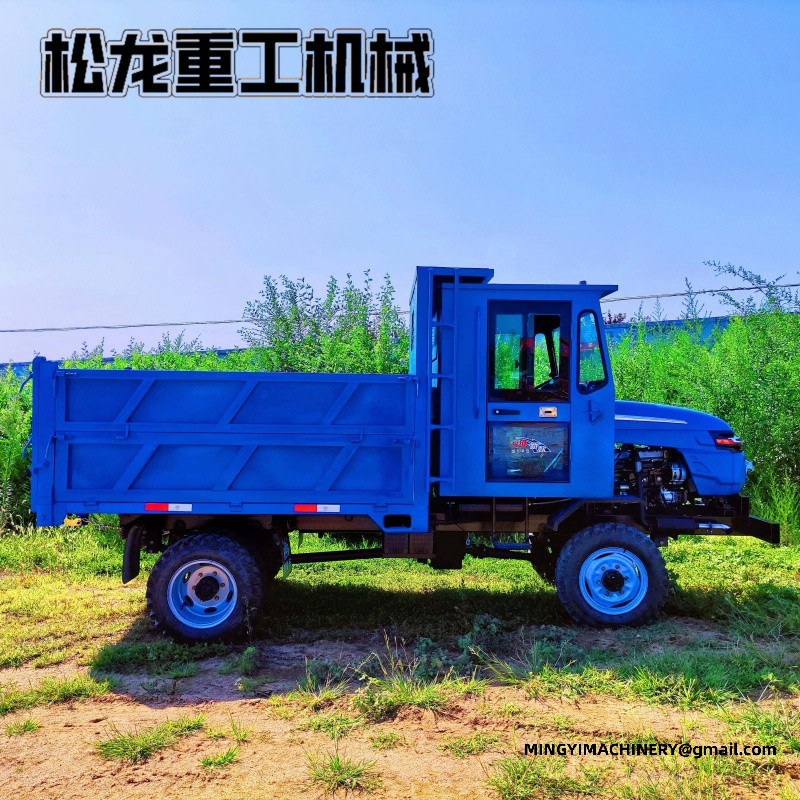
Support after delivery is a parts question. Filters, belts, hoses and the wearing items specific to the dumper are what a buyer should plan to hold before the first service interval rather than order after a failure. Parts availability usually decides the engine and the brand. A machine built around components the local network already carries is serviced from stock, which is the difference between a day lost and a week lost.
Soft ground punishes the wrong tyre. Mountain pattern tyres on this class of machine clear mud that a road pattern would pack with, and the difference is measured in whether the machine finishes the day. Recovering a stuck vehicle takes longer than preventing it. Planning the route, avoiding the worst ground and knowing where the unit in daily use will turn is what keeps a soft-ground job productive.
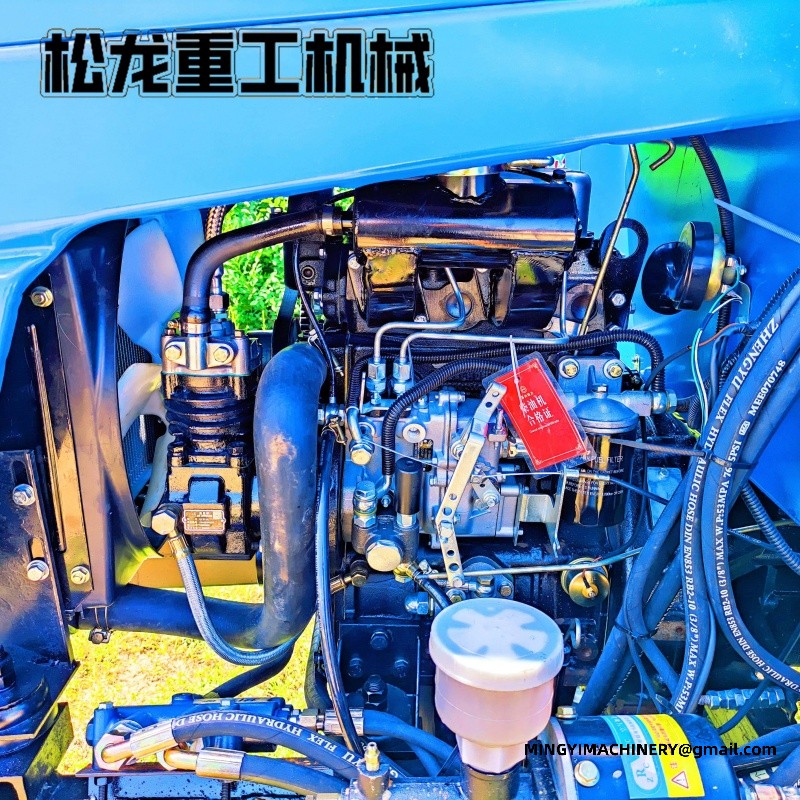
Visibility from the seat is different at night. Reflections, shadows and glare all hide detail, so the equipment on site used after dark benefits from clean lenses, working wipers and a slower working pace.
Planning the work to reduce empty movement is free. Fewer repositioning cycles on the model in question means less fuel, less wear on the undercarriage or tyres and more of the shift spent on productive work.
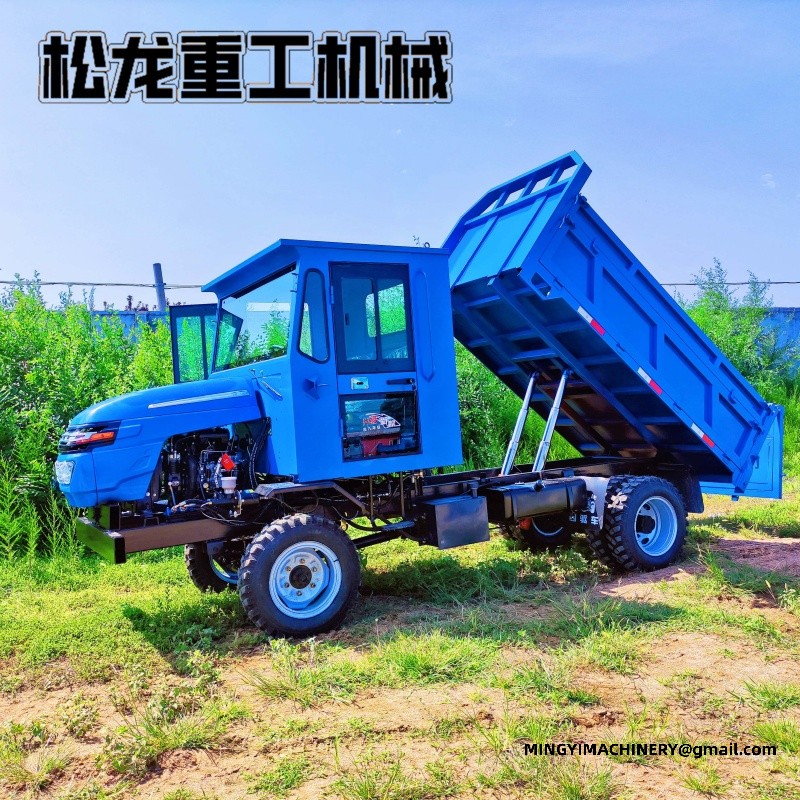
Access and storage are worth settling early. Where the unit on the job will be parked, refuelled and serviced on site affects the working day more than most specification details, and it takes nothing to plan.
The specification should be written from the job backwards. Listing the loads, the ground and the hours first, then matching the dumper to that list, avoids buying capacity the work never uses and avoids discovering a shortfall in the first week. A written duty list is the simplest part of the purchase. It takes an hour to note the material, the distance, the gradient and the hours per week, and it is what turns the equipment in service enquiry into a machine that fits.
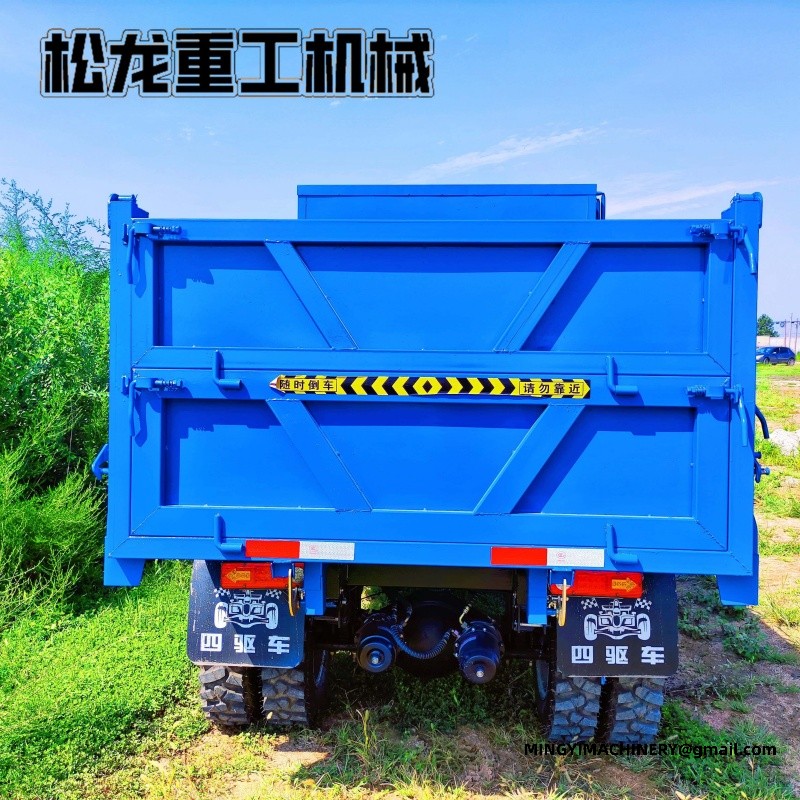
Replacement timing is a planning decision. Knowing the intended working life of this class of machine lets an owner sell while the machine still has value rather than after a major repair becomes due.
Service intervals exist because wear is predictable. Following the maker schedule on a machine of this size takes far less time than repairing the damage that follows a missed oil change or a filter left in place past its life. A simple log helps. Recording hours, fuel and any adjustment made to the equipment on site gives the workshop a history, and that history is what turns an intermittent fault into a one-visit repair instead of three.
Haul cycles in a quarry are short and repetitive. The model in question specified for that pattern benefits from a body that dumps cleanly and quickly, because the time saved per cycle is the whole allowance.
Drum bodies need power and stability. The unit on the job set up for concrete has to carry the drum, the load and the water, and the frame and brakes should be specified for that combined weight. Cleaning and discharge are part of the job. A machine built for the work used for concrete is judged on how quickly it can discharge and wash out, because that turnaround is what the site is paying for.
Ground on farms is often soft and often shared with livestock. The dumper working there needs to cross pasture without rutting it badly, and tyre and weight choices follow from that. Farm users also value simplicity. This class of machine that can be serviced in the yard with common tools and common parts suits a farm better than one that needs a dealer visit for routine work.
Export orders add steps that domestic buyers never see. Packed dimensions, securing points, documentation and any dismantling required are all settled before a machine of this size leaves the factory, and each one affects the freight booking. Container loading is a planning exercise. Confirming how the equipment on site is packed and how many units fit a container is what turns a per-unit freight estimate into a delivered figure the buyer can actually plan against.
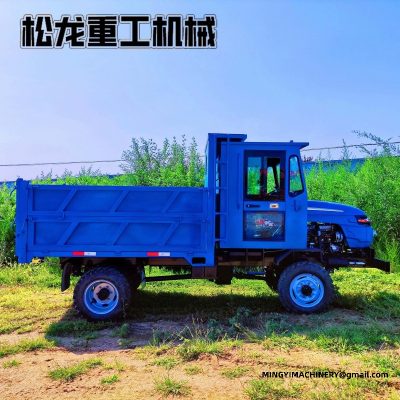
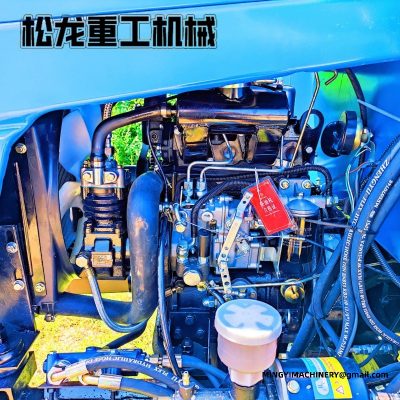
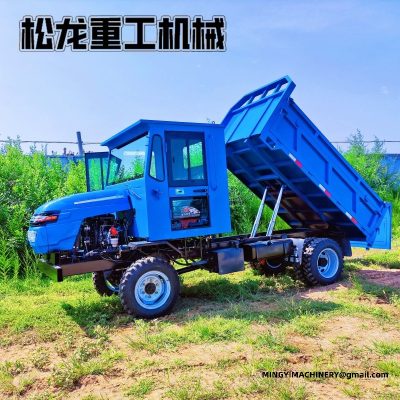
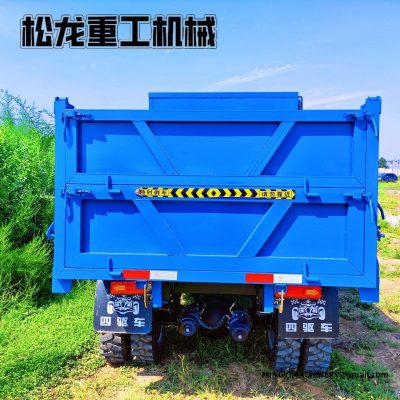
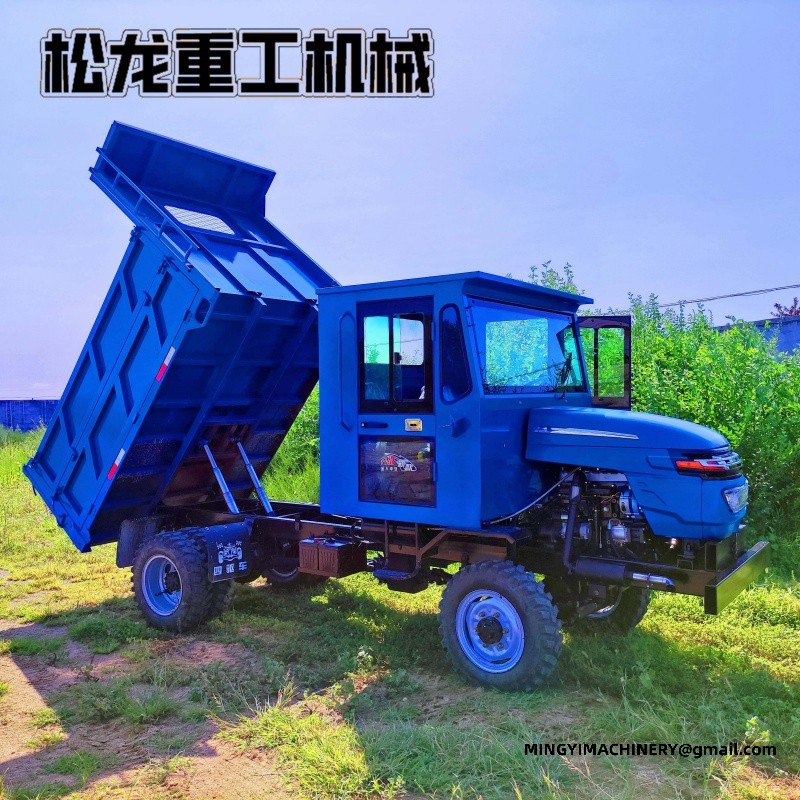
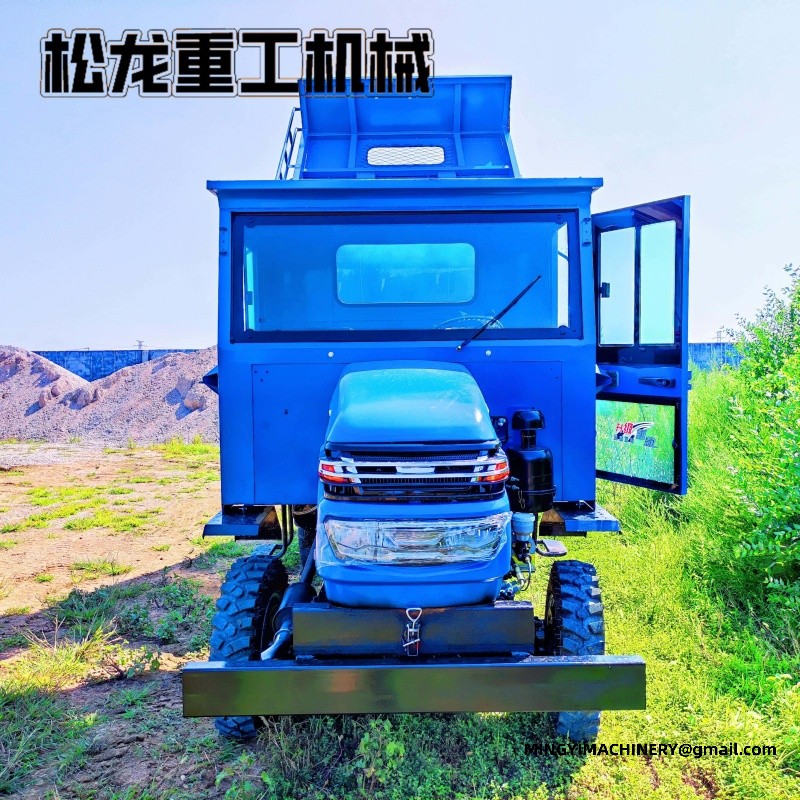
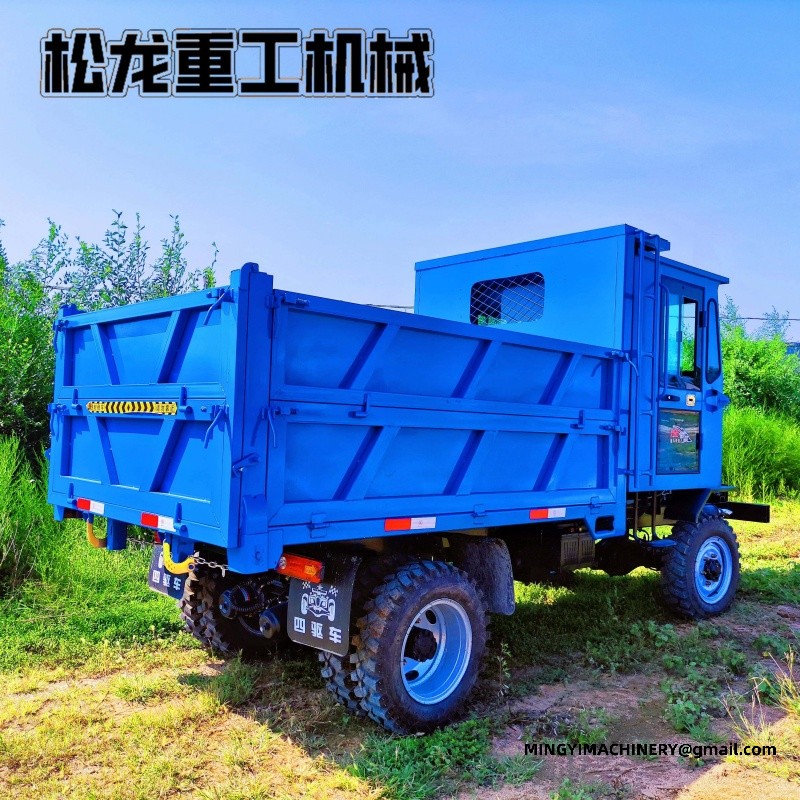
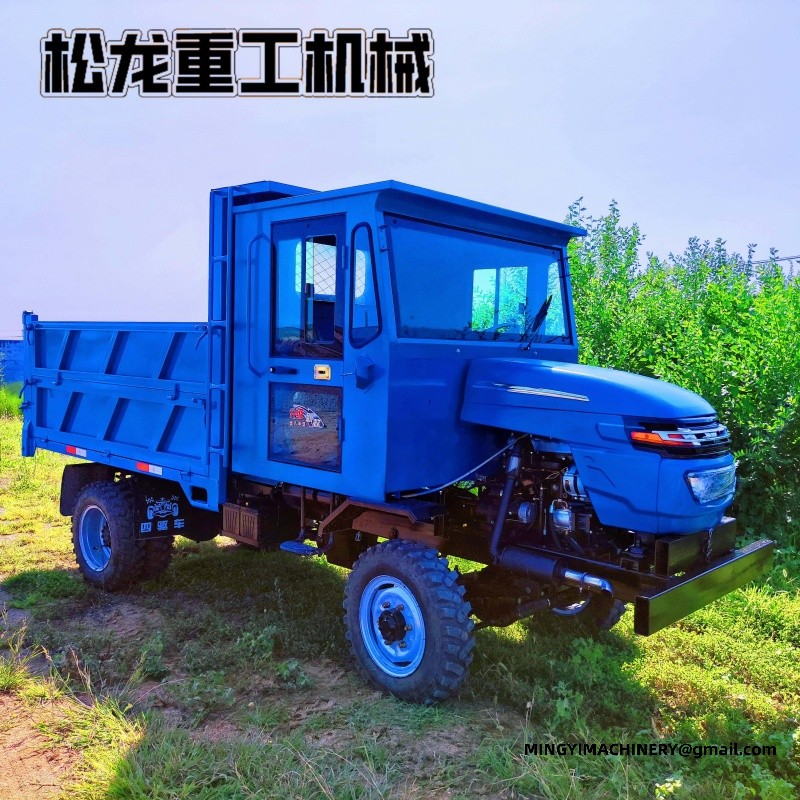
The configurations below are the build sheets most often matched to the model in question. Engine, gearbox, axles, frame and body dimensions are confirmed together, because the body size and the axle rating have to suit the load before the engine rating matters.
| # | 11.Luxury | 12.Standard | 16.Upgraded | 23.Upgraded |
|---|---|---|---|---|
| 1 | Single-cylinder diesel engine, 32 hp | Two-cylinder diesel engine, 38 hp | Four-cylinder 490 diesel engine | Four-cylinder 4108 turbocharged diesel engine |
| 2 | Part-time gearbox, selectable 2WD/4WD | Full-time gearbox with four-wheel drive | Full-time gearbox with four-wheel drive | Model 140 part-time gearbox, selectable 2WD/4WD |
| 3 | High/low range with crawler gear | High/low range with crawler gear | High/low range with crawler gear | High/low range with crawler gear |
| 4 | Enclosed cab | Simple cab | Fully enclosed cab | Simple cab |
| 5 | Six 700-16 mountain tyres | Oil brakes | Oil brakes | Six 825R16 steel-belted radial tyres |
| 6 | Model 212 front axle | Four 700-16 mountain tyres | Six 700-16 mountain tyres | Reinforced ISUZU-pattern front axle |
| 7 | Model 130 rear axle | Front axle 212 | Front axle 212 | Reinforced 1080 rear axle |
| 8 | Air cut-off brakes | Rear axle 130 | Rear axle 130 | Air cut-off brakes |
| 9 | Reinforced 60 x 140 mm square tube frame | Reinforced 60 x 140 mm square tube frame | Reinforced 60 x 140 mm square tube frame | Reinforced 80 x 180 mm square tube frame |
| 10 | Rear body 2.2 m long x 1.5 m wide x 0.45 m high | Rear body 2.2 m long x 1.5 m wide x 0.45 m high | Rear body 2.2 m long x 1.5 m wide x 0.45 m high | Rear body 3.0 m long x 2.2 m wide x 0.45 m high |
| 11 | Tailgate with self-dumping function | Tailgate with self-dumping function | Tailgate with self-dumping function | Tailgate with self-dumping function |
| 12 | Side-opening rear body tailgate | Hydraulic power steering | Hydraulic power steering | Hydraulic power steering |
| 13 | Hydraulic power steering | Twin hydraulic rams | Twin hydraulic rams | Twin hydraulic rams |
| 14 | Twin hydraulic rams | Two-person comfort seat | Two-person comfort seat | Two-person comfort seat |
| 15 | Two-person comfort seat | Twin-battery electric start | Twin-battery electric start | Heavy-duty leaf springs |
| 16 | Heavy-duty leaf springs | Round-nose bonnet | Round-nose bonnet | Twin-battery electric start |
| 17 | Twin-battery electric start | — | — | Square-nose bonnet |
| 18 | Square-nose bonnet | — | — | — |
Inspection is a list, not a glance. Before the unit on the job is released the fluid levels, belt tension, electrical connections and safety decals are each ticked off, and anything that fails stays in the shop rather than travelling with the machine.
Workload is rarely even across the year, and the machine should be specified for the busy weeks. The equipment in service sized only for the average month will be the limiting factor exactly when the work is worth the most.
Holding spares is about downtime rather than the shelf itself. The question for this class of machine is not how large the part is but how long the machine sits while it is found, and a small shelf answers that better than a fast courier.
The record should follow the machine, not the owner. When a machine of this size changes hands the service history travels with it, and a complete folder is often the difference between a quick sale and a long one.
Most engine trouble starts with what went into the tank. Clean fuel, stored properly and filtered before it reaches the machine itself, prevents more downtime than any other single habit an owner can adopt.
Commissioning is where the specification meets the ground. The settings chosen for the machine in that duty are confirmed against the actual site, and the working pattern is adjusted before the machine is asked for a full day.
The symptom is usually not at the fault. A hydraulic function that has become sluggish on a machine built for the work may point to a filter, a relief setting or a pump, and starting with the simple checks avoids the wrong guess.
Every line above is a build item rather than an optional extra, and the final sheet for the equipment in service is confirmed against the destination, the ground and the load before production.
E-mail:sales@mingycn.com
LINE(ID):mingyicn









