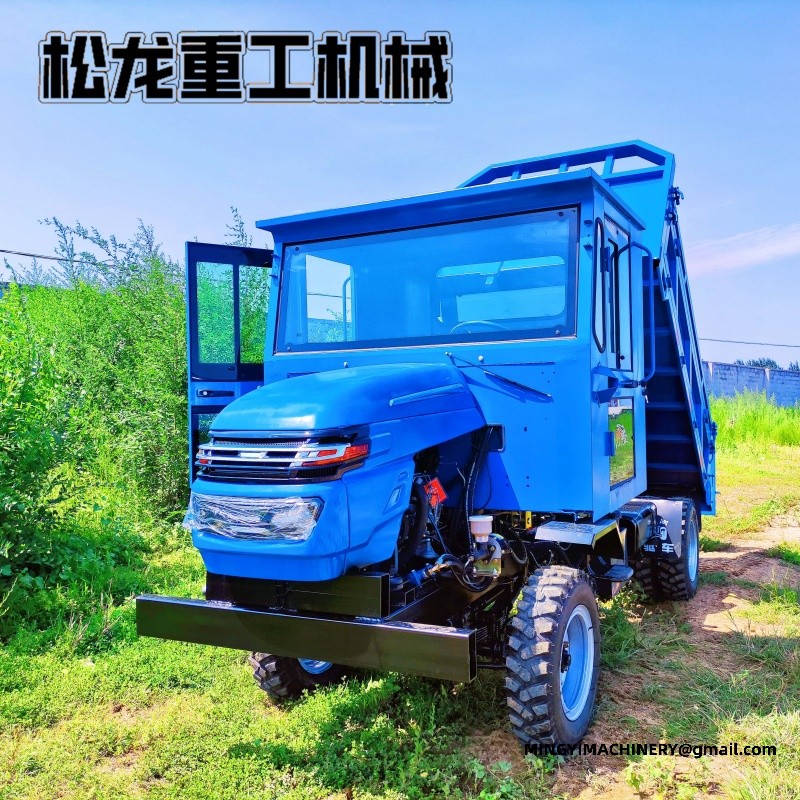
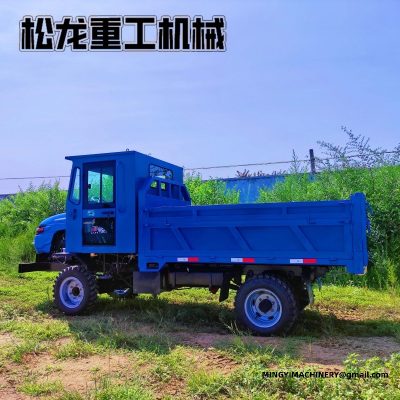
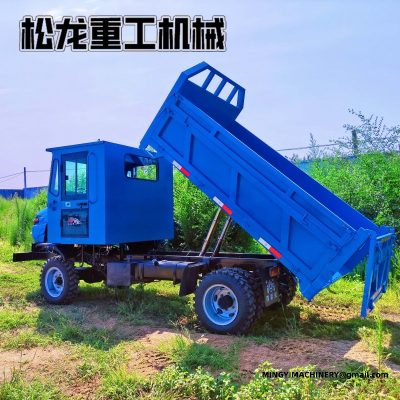
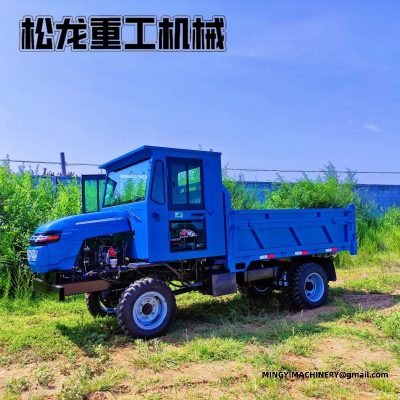
Logging transport is a matching problem before it is a hauling problem. The body has to take the longest stem the felling produces, the tyres have to hold a road that the skidder and the rain are constantly reshaping, and the driveline has to move a full load off soft ground without burying itself. Get the log length and the body length wrong and every load overhangs or under-fills. The four configurations below are set up around that match, from the 3.0 m body down to the 2.2 m, and the axles and tyres that carry them.
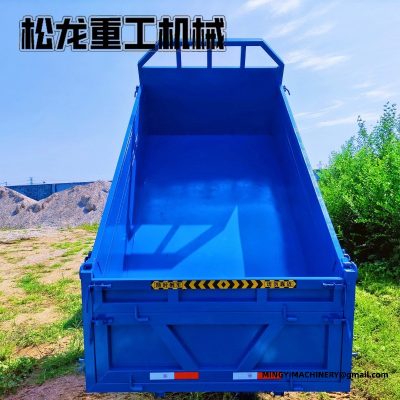
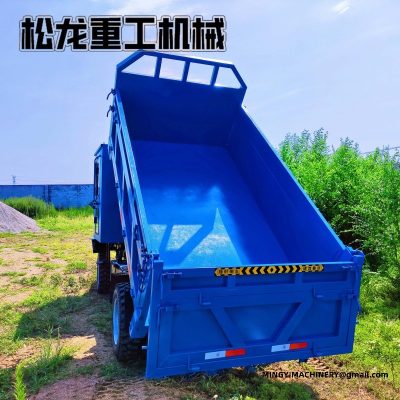
The first measurement in logging transport is the longest stem that must be carried, because it decides the body before anything else does. A 3.0 m body takes a longer stem without it hanging over the tailgate, while a 2.2 m body suits short rounds and pulpwood. The 19.Upgraded carries a 3.0 m body, 2.1 m wide, and the 20.Luxury the same 3.0 m length at 2.2 m wide, both 0.45 m high. The 4.Upgraded and the 9.Standard run the 2.2 m body for shorter material. Match the body to the felling, not the other way round.
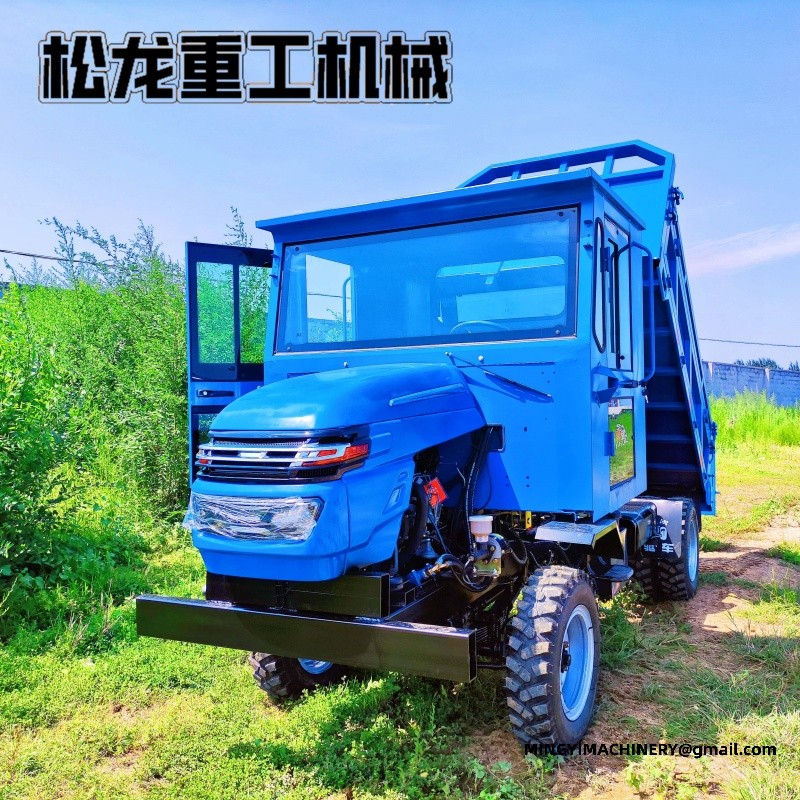
A logging road is worked over by every machine that uses it, and by the time the transport vehicle runs it the surface is rutted, soft in the low ground and scattered with debris. The machine has to cope with what is there rather than what was planned, which is why drive to both axles is not an option here. The 19.Upgraded and the 20.Luxury use a Model 140 part-time gearbox with four-wheel drive, and the 4.Upgraded and 9.Standard a full-time four-wheel drive arrangement. On a road that changes by the hour, keeping both ends pulling is the safer starting point.
The 19.Upgraded and the 20.Luxury both carry a four-cylinder 4102 turbocharged diesel engine, which is the choice for a full 3.0 m body on a road with a real gradient. The 4.Upgraded uses a single-cylinder diesel of 25 hp and the 9.Standard a single-cylinder of 32 hp for lighter, shorter runs. The turbocharged machines are the ones that hold their pace up a long, soft climb with a load on, where a smaller engine would drop to a crawl and break the cycle. Choose by the heaviest loaded climb, not by the empty return leg.
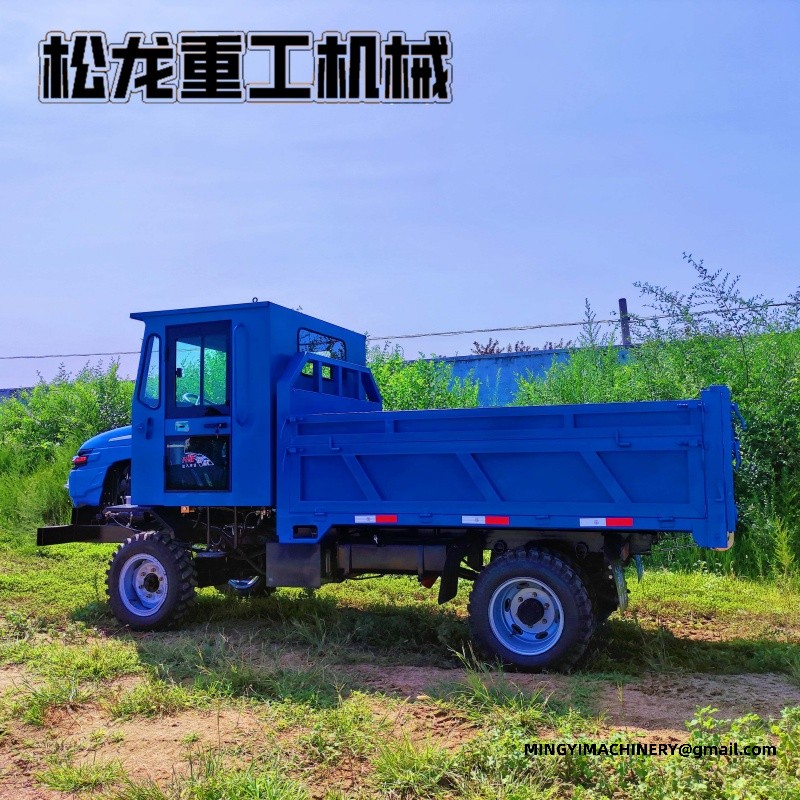
The tyre choice follows the condition of the road for most of the year. The 19.Upgraded runs six 750R16 steel-belted radial tyres and the 20.Luxury six 825R16 steel-belted radials, both suited to a route that is graded and drained for part of the season, where the machine covers distance rather than fighting for grip. The 4.Upgraded and the 9.Standard carry four 700-16 mountain tyres, whose open tread clears mud and finds the firm layer beneath. A photograph of the road at its worst is the quickest way to settle which of these the build needs.
The weight of a loaded logging vehicle concentrates on the rear axle, and that is where the specification has to be strong before anything else is considered. The 19.Upgraded pairs a reinforced ISUZU-pattern front axle with a reinforced 1061 rear axle, and the 20.Luxury the same front axle with a reinforced 1080 rear axle. The 4.Upgraded and the 9.Standard use a front axle 212 and a rear axle 130 for their lighter bodies. Getting the rear axle right is what keeps a full load on the road shift after shift instead of in the workshop.
The frame carries the body and keeps the axles in line, and its section shows what the machine was built to take. The 19.Upgraded and the 20.Luxury sit on the reinforced 80 x 180 mm square tube frame to carry their 3.0 m bodies, while the 4.Upgraded and the 9.Standard use the reinforced 60 x 140 mm frame for the 2.2 m body. A frame that is too light flexes under a full load and works the welds until something cracks, and on a rutted logging road that happens sooner than the drawings suggest. Depth here is not wasted metal.
The heaviest moment in a logging run is the descent to the landing with a full body, and the brakes are decided there. The 19.Upgraded and the 20.Luxury run air cut-off brakes, which hold their bite down a long grade where the driver is on the pedal for minutes at a time. The 4.Upgraded and the 9.Standard use oil brakes for their lighter, flatter duty. On a steep, soft descent the brake type is not a preference; it is what keeps a full load under control when the road drops away and the surface is loose.
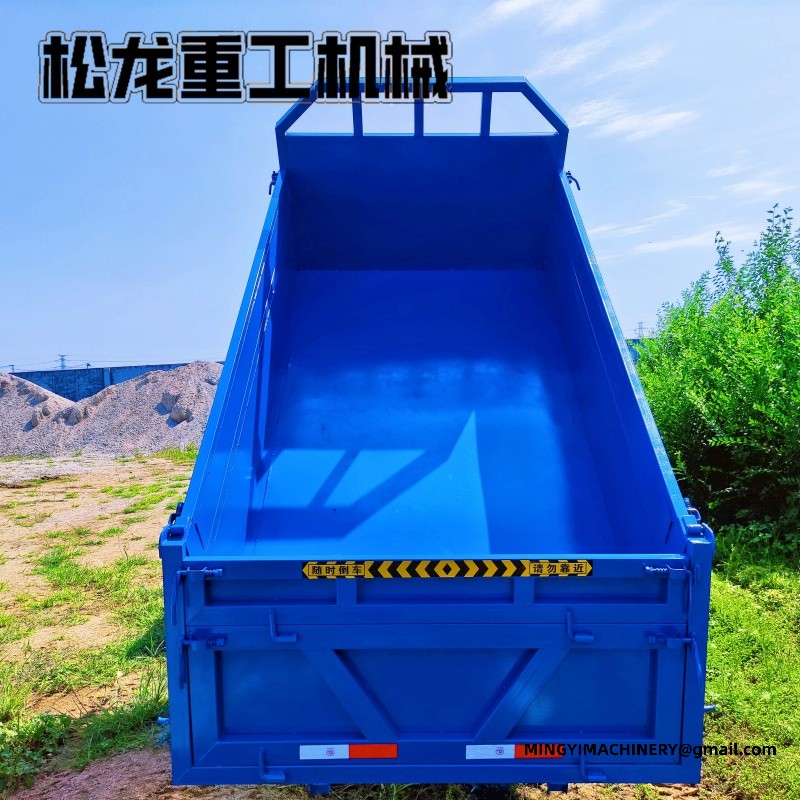
The crawler gear inside the high and low range is what turns a rough logging road into a series of short, controlled steps. Loaded, the machine can crawl through a soft hollow without building the speed that would break traction, and it can ease down the far side without leaning on the brakes the whole way. It is the ratio the driver reaches for when the road stops being a road. Every configuration on this page carries it, and it is the one feature that should never be negotiated away, because the alternative is carrying momentum into ground that has not been read.
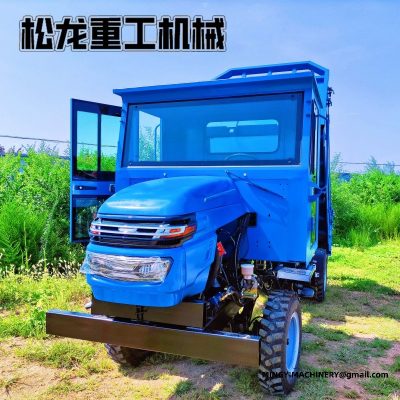
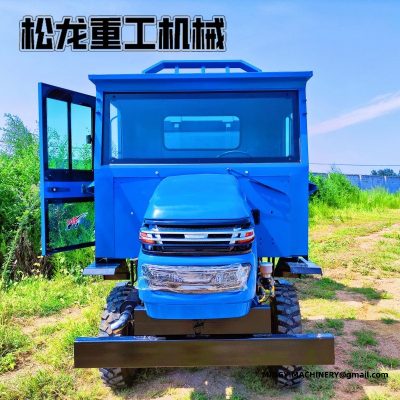
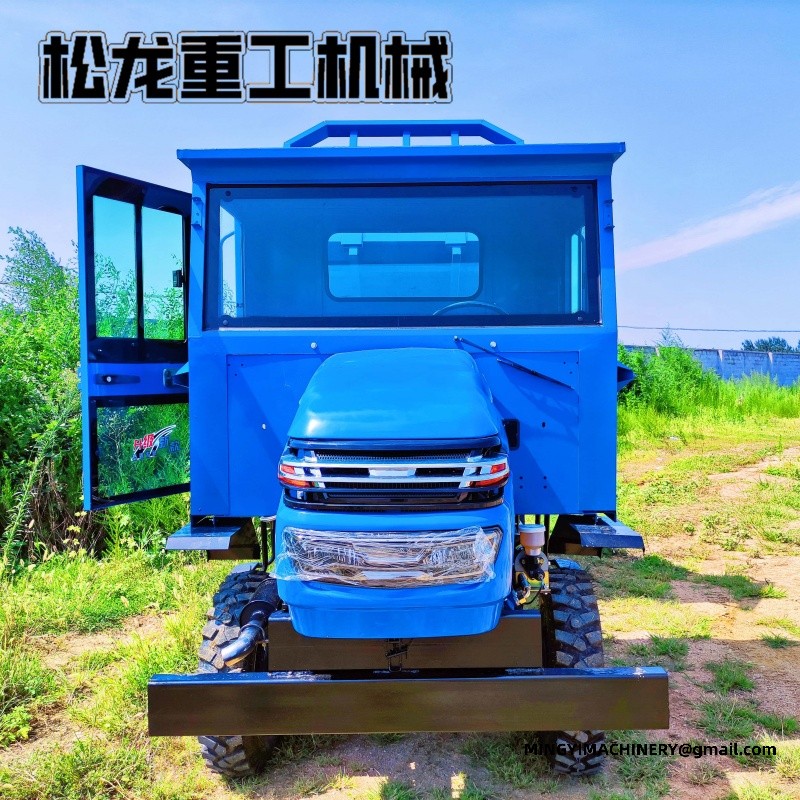
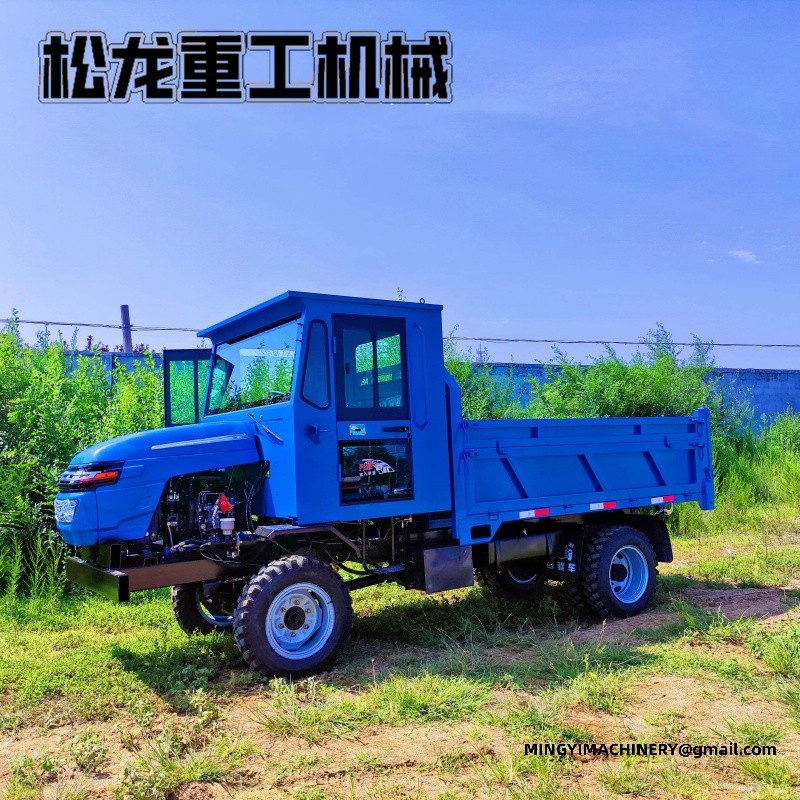
The 19.Upgraded and the 20.Luxury use a fully enclosed cab, and both pair a side-opening rear body tailgate with a cab ladder, so the driver can climb up and check the body and the ram mountings before a run. The 4.Upgraded uses a front axle clutch with a fully enclosed cab, and the 9.Standard a simple cab. The ladder is what turns the daily inspection into something that actually gets done, and the side-opening tailgate lets the driver lay stems along an edge instead of in a heap. Both are small options with a long reach in a logging day.
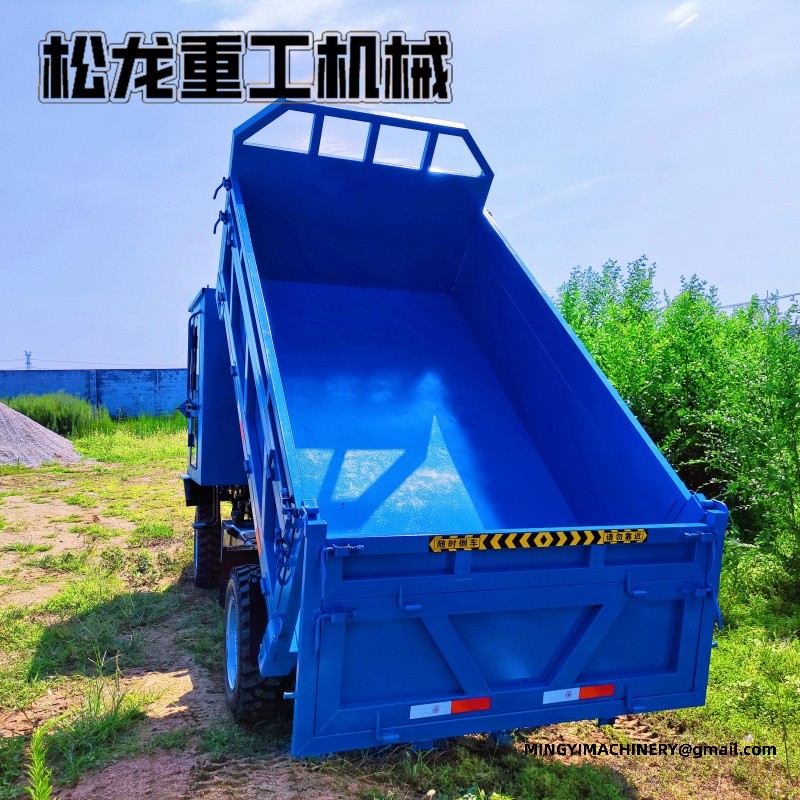
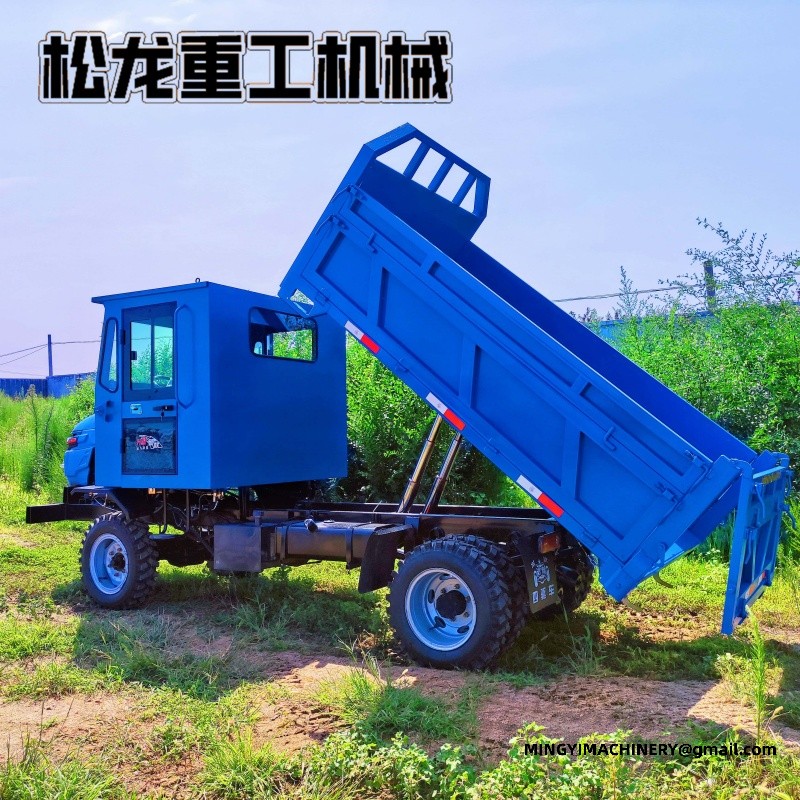
A side-opening rear body tailgate changes what the machine can do at the landing, because the driver can lay the stems out in a row rather than dump them in a heap. The self-dumping function on every body works with the tailgate so the load starts to leave before the body reaches full height, which unloads faster and sends the machine back up the road sooner. In logging work, placing the stems where the loader or the deck wants them saves a second handling pass, and that saving is repeated on every load of the day.
The body is lifted by twin hydraulic rams on every configuration, and the pair is there because stems never sit still. Logs roll during the run and pile against one side, so the body arrives at the landing heavier on one rail than the other. A single ram would lift it crooked and work the body until a weld lets go, but the paired rams bring it up square and the self-dumping tailgate starts the stems sliding before full height. That means the machine can tip where it stops instead of hunting for level ground, which on a logging road is time saved on every load.
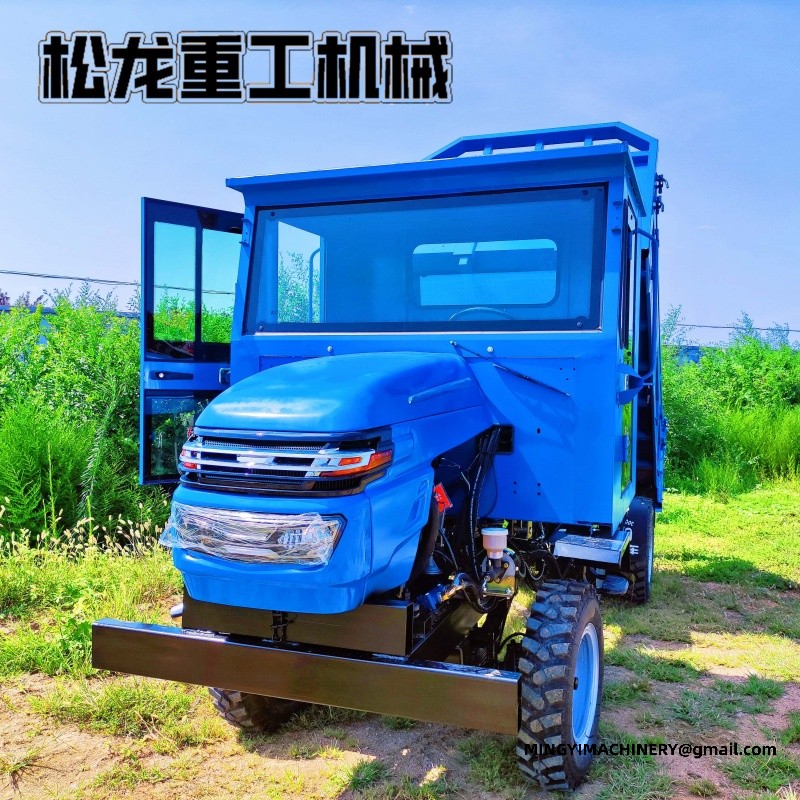
Hydraulic power steering is fitted throughout and is what lets the driver hold a loaded machine in a rutted line without fighting the wheel all shift. The two-person comfort seat carries a second worker up to the landing, which saves a separate trip on a road where movement is slow. On a route that twists between standing timber, steering effort is not a comfort issue but a control one, and the power assistance is what keeps the driver fresh enough to hold the line through the soft spots. This is a line on the sheet that pays back in control, not just comfort.
The suspension carries the body and everything in it, and a load of stems is never gentle. The 19.Upgraded uses thickened heavy-duty leaf springs and the 20.Luxury heavy-duty thickened leaf springs, both suited to a 3.0 m body filled day after day. Springs that are under-spec let the body rock and work the frame until a crack starts, and on a rutted logging road that happens sooner than it looks on paper. Where the machine runs full most of the shift, the spring specification is a place to spend rather than save on a build meant to last.
All four configurations are fitted with twin-battery electric start, and the second battery is what gets the engine turning on a frozen morning. A single battery in cold weather drops its voltage just when the diesel is hardest to spin, and the result is a slow crank that ends in silence. A logging machine parked at the landing overnight has no garage to warm it and no easy way to jump it, so the starting system has to work first time, every time. The second battery also covers the electrical load while the machine idles. On a job that starts before daylight, that is reliability measured in loaded trips.
Settling the build comes down to three numbers that the site already knows: the longest stem to be carried, the steepest loaded pull, and the condition of the road in the wet season. Send those three and the choice between these configurations is made by arithmetic rather than opinion. If the margin is still thin, choose the 3.0 m body on the 80 x 180 mm frame, because a body that under-fills on the longest stem wastes a trip on every load. A photograph of the road at its worst, taken after rain, closes the last gap.
| # | 19.Upgraded | 20.Luxury | 4.Upgraded | 9.Standard |
|---|---|---|---|---|
| 1 | Four-cylinder 4102 turbocharged diesel engine | Four-cylinder 4102 turbocharged diesel engine | Single-cylinder diesel engine, 25 hp | Single-cylinder diesel engine, 32 hp |
| 2 | Model 140 part-time gearbox with four-wheel drive | Model 140 part-time gearbox with four-wheel drive | Full-time gearbox with four-wheel drive | Full-time gearbox with four-wheel drive |
| 3 | High/low range with crawler gear | High/low range with crawler gear | High/low range with crawler gear | High/low range with crawler gear |
| 4 | Fully enclosed cab | Fully enclosed cab | Front axle clutch | Simple cab |
| 5 | Six 750R16 steel-belted radial tyres | Six 825R16 steel-belted radial tyres | Fully enclosed cab | Oil brakes |
| 6 | Reinforced ISUZU-pattern front axle | Reinforced ISUZU-pattern front axle | Oil brakes | Four 700-16 mountain tyres |
| 7 | Reinforced 1061 rear axle | Reinforced 1080 rear axle | Four 700-16 mountain tyres | Front axle 212 |
| 8 | Air cut-off brakes | Air cut-off brakes | Front axle 212 | Rear axle 130 |
| 9 | Reinforced 80 x 180 mm square tube frame | Reinforced 80 x 180 mm square tube frame | Rear axle 130 | Reinforced 60 x 140 mm square tube frame |
| 10 | Rear body 3.0 m long x 2.1 m wide x 0.45 m high | Rear body 3.0 m long x 2.2 m wide x 0.45 m high | Reinforced 60 x 140 mm square tube frame | Rear body 2.2 m long x 1.5 m wide x 0.45 m high |
| 11 | Tailgate with self-dumping function | Tailgate with self-dumping function | Rear body 2.2 m long x 1.5 m wide x 0.45 m high | Tailgate with self-dumping function |
| 12 | Side-opening rear body tailgate with cab ladder | Side-opening rear body tailgate with cab ladder | Tailgate with self-dumping function | Hydraulic power steering |
| 13 | Hydraulic power steering | Hydraulic power steering | Hydraulic power steering | Twin hydraulic rams |
| 14 | Twin hydraulic rams | Twin hydraulic rams | Twin hydraulic rams | Two-person comfort seat |
| 15 | Two-person comfort seat | Two-person comfort seat | Two-person comfort seat | Twin-battery electric start |
| 16 | Thickened heavy-duty leaf springs | Heavy-duty thickened leaf springs | Twin-battery electric start | Square-nose bonnet |
| 17 | Twin-battery electric start | Twin-battery electric start | Square-nose bonnet | — |
| 18 | Square-nose bonnet | Square-nose bonnet | — | — |
| 19 | — | Four-cylinder 4105 turbocharged | — | — |
| 20 | — | Four-cylinder 4108 turbocharged | — | — |
| 21 | — | Single-cylinder engine, 25 hp | — | — |
| 22 | — | Single-cylinder engine, 28 hp | — | — |
| 23 | — | Single-cylinder engine, 32 hp | — | — |
| 24 | — | Two-cylinder engine, 38 hp | — | — |
| 25 | — | Four-cylinder 490 engine | — | — |
| 26 | — | Four-cylinder 4102 turbocharged engine | — | — |
For a specification discussion or a build sheet for this 4WD logging transport vehicle, contact mingyimachinery@gmail.com or reach us on LINE (ID: mingyicn).









