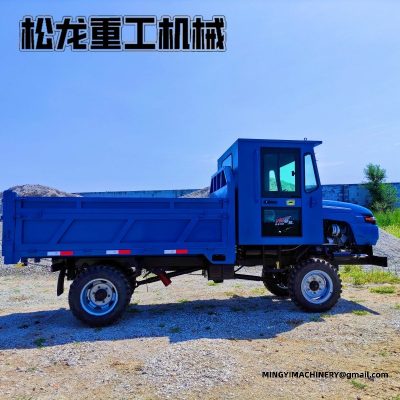
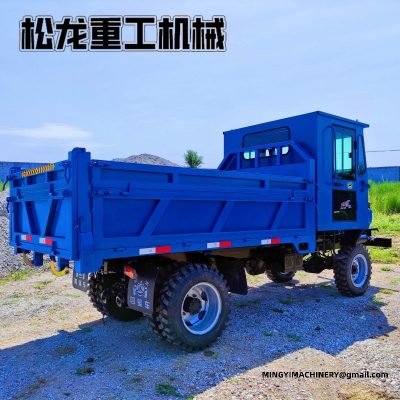
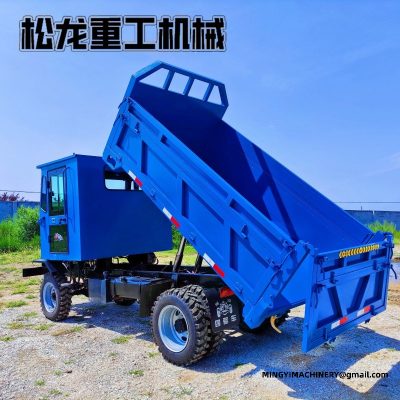
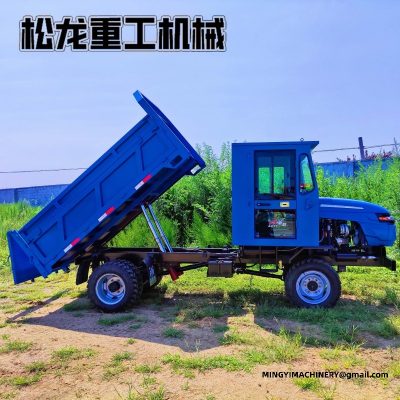
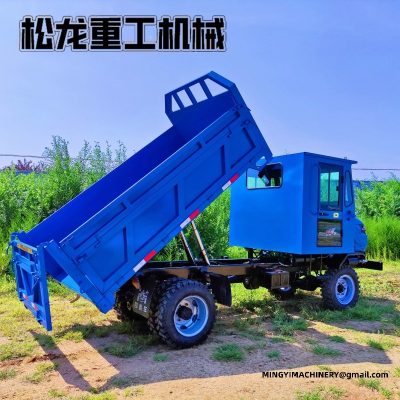
Choosing the dumper usually comes down to a handful of decisions made early: size, power, the ground it will work on and the attachments it has to carry. The notes below follow that order, because each one narrows the next.
A crane or grab turns a haul vehicle into a loading machine. This class of machine fitted with a hydraulic crane loads itself, which removes a second machine from the job and is often the whole reason for specifying one. Adding a crane changes the vehicle specification. Hydraulic capacity, frame strength and braking all need to suit the attachment, and it is simpler to specify them at build than to add them later.
Cold changes how a machine starts and how it warms up. Allowing the unit in daily use to reach operating temperature before loading it, and using the correct grade of oil and fuel for the season, prevents most cold-start problems. Batteries and fluids are the parts that notice the cold first. A machine of this size kept on a maintainer through a freezing spell starts on the first turn, while one left standing is the usual cause of a lost morning.
Build options are where a standard machine becomes the right machine. Colour, guarding, lighting, seating and hydraulic provisions can usually be set at build time on the equipment on site, and are far simpler then than as a retrofit. Customisation should still be limited to what the work needs. Each addition to the machine itself is another item to maintain, so the useful question is not what can be added but what the job list actually requires.
Documentation should be agreed at order stage. The commercial invoice, packing list and any certificate required at destination are part of shipping the model in question, and missing papers delay clearance longer than the voyage takes.
Remote diagnosis shortens most faults. A walk-around on video with the panels open often identifies the cause on the machine in that duty without waiting for a visit, and avoids shipping a part that turns out not to be needed.
Handover should include the documents as well as the keys. Parts list, service schedule and the operator notes for the unit on the job are what the workshop needs in month six, and they are much harder to obtain later. A short familiarisation session prevents the early faults. Most first-month problems on a machine built for the work come from unfamiliarity with controls, limits or checks rather than from the machine itself.
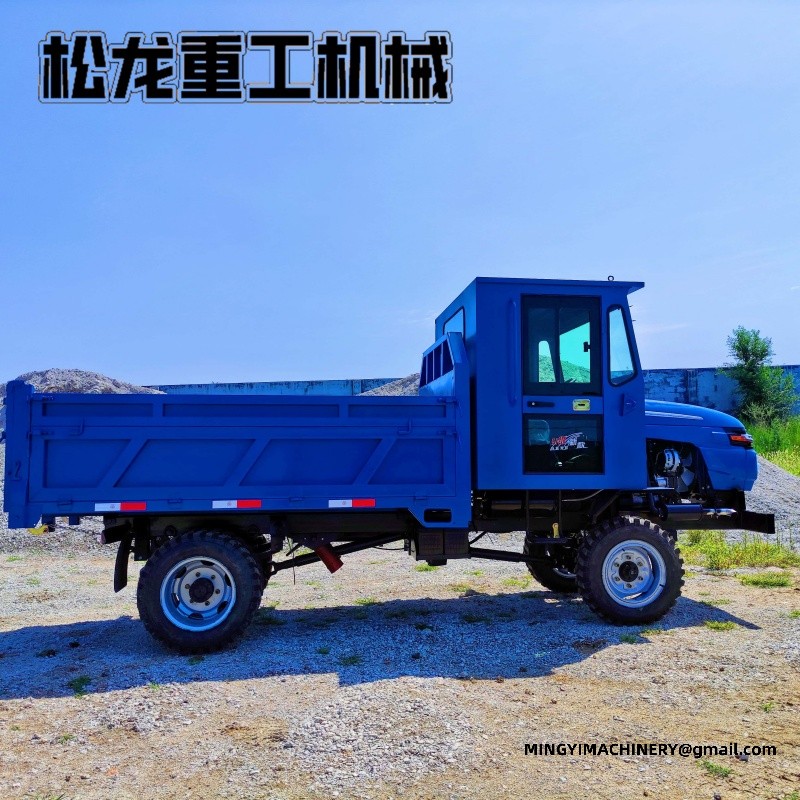
Buyers who specify the dumper on paper before enquiring get specifications that can be compared. Without that list, two suppliers will propose two different machines and the simpler one is usually the smaller one, not the better value. A written duty list is the simplest part of the purchase. It takes an hour to note the material, the distance, the gradient and the hours per week, and it is what turns the equipment in service enquiry into a machine that fits.
Water is heavy and it moves. Baffles and sensible speeds matter on this class of machine with a tank body, and the specification should reflect the ground the vehicle will cross rather than only the volume needed.
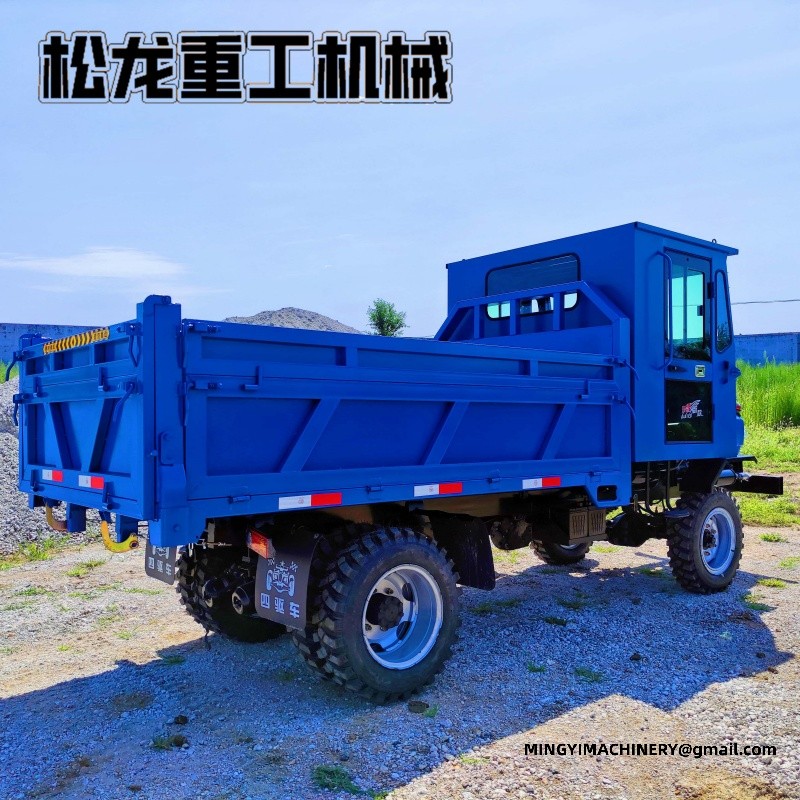
Lead time is part of the specification. Confirming build time, shipping method and what is included before ordering a machine of this size prevents the common gap between when the machine is needed and when it can arrive. Delivery planning includes the receiving end. Knowing whether the equipment on site will be craned, driven or forked off, and whether the site can accept it, is settled before dispatch rather than on the day.
Cleaning is maintenance, not appearance. Washing the cooling surfaces and clearing packed material from the model in question keeps temperatures where they should be and makes the next inspection quicker and more useful. Sealed points and guarded areas deserve a look in these conditions. The machine in that duty working in abrasive dust benefits from checked boots, intact guards and clean breathers, all of which are quick to verify.
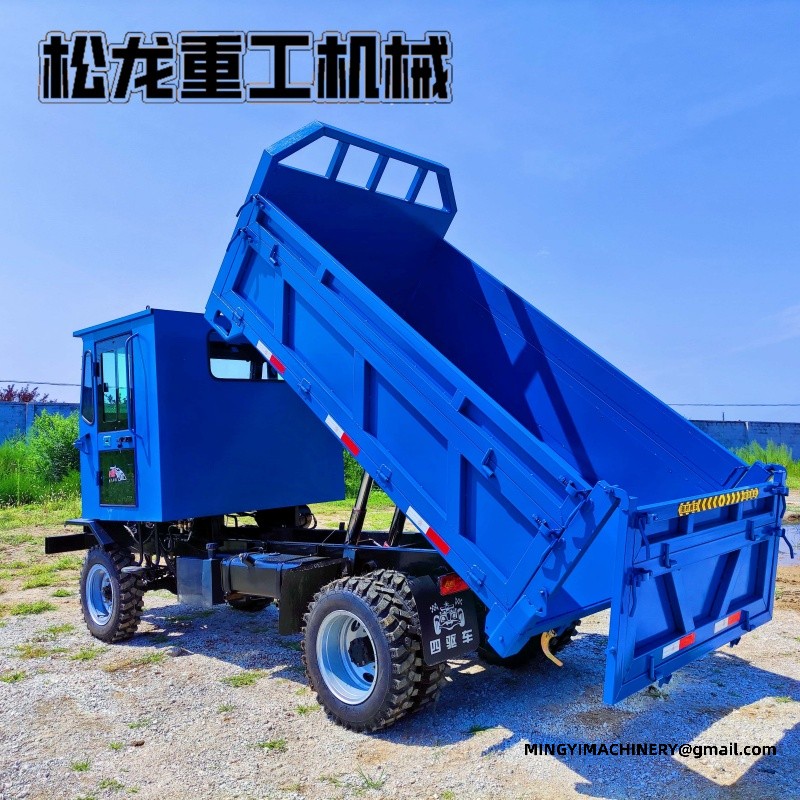
Reconfiguration can extend the useful life of a machine. A machine built for the work that no longer suits the current work may suit it again with a different attachment, guarding or control arrangement. Upgrades should be checked against the base machine. Hydraulic capacity, mounting interface and stability all limit what can reasonably be added to the equipment in service, and confirming those limits avoids an unsatisfactory result. The decision is economic as well as technical. Comparing the work of reconfiguring the dumper against a different machine is a short calculation that usually gives a clear answer.
Ground decides more of the outcome than power does. Soft, wet or loose surfaces call for a wider footprint and lower ground pressure, while hard standing allows a narrower machine that turns in less space and travels faster between tasks.
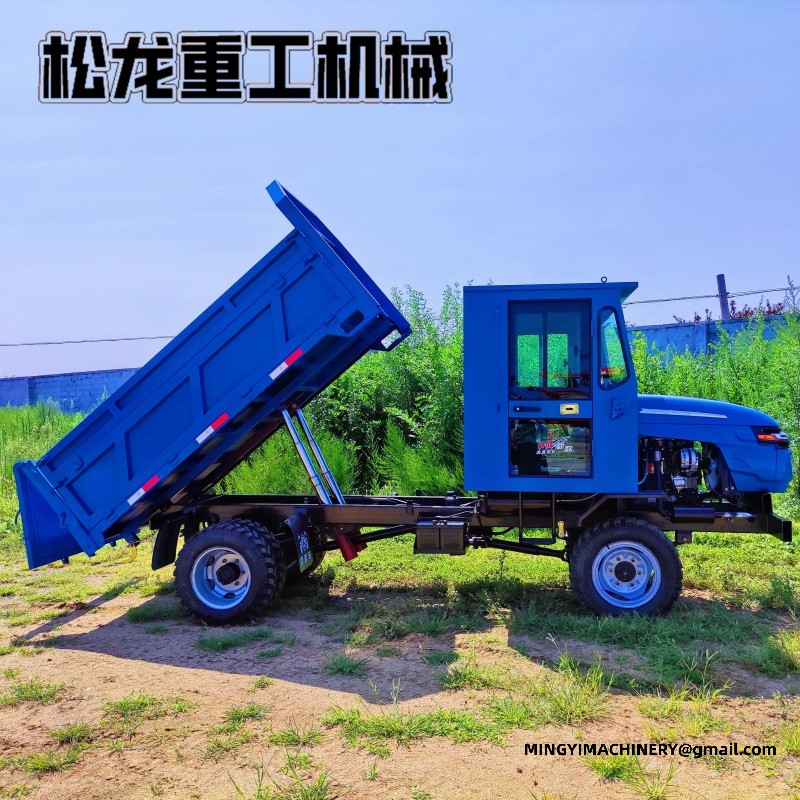
Planning helps more than extra lamps. Positioning the machine of this size so that the work is lit from the machine side, and keeping the route clear, does more for safety than adding light to a badly planned task.
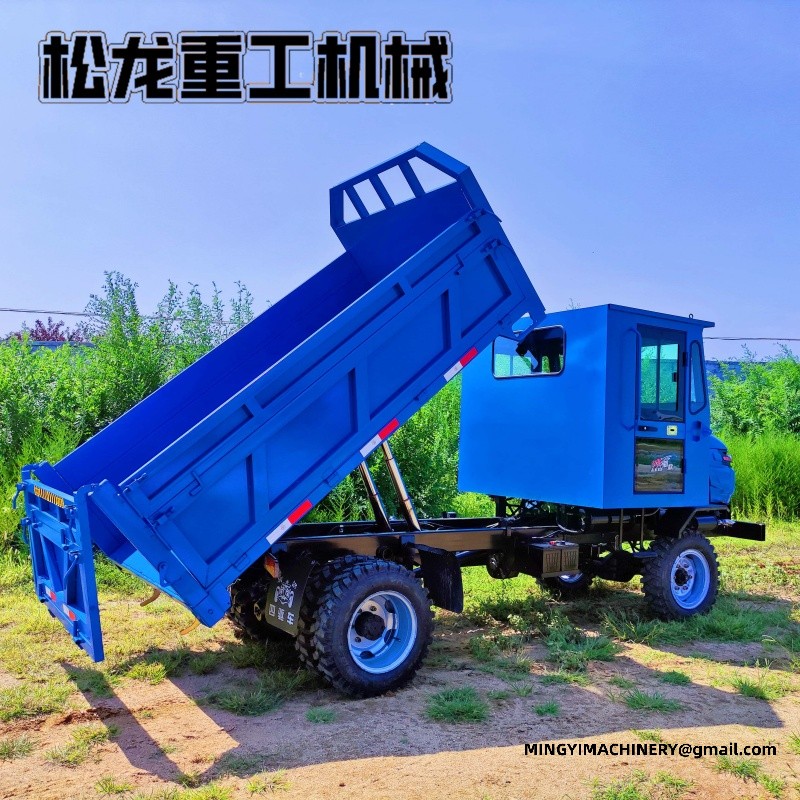
Power unit choice is usually a parts question, not a performance one. Two buyers can order the same the model in question and sensibly choose different engines, because the right answer depends on which brand the local workshop already supports. Matching the engine to the duty matters more than the peak rating. The machine itself that spends its day at part load benefits from a different setup than one that works at full output, and the difference shows in fuel use over a season.
Descending matters as much as climbing. A loaded a machine built for the work on a steep gradient needs engine braking and brakes in good order, and the safe practice is to plan the descent before the load rather than during it. Ground and gradient together set the limit. Loose surface on a slope reduces what the unit on the job can pull regardless of engine power, so the surface survey belongs before the specification.
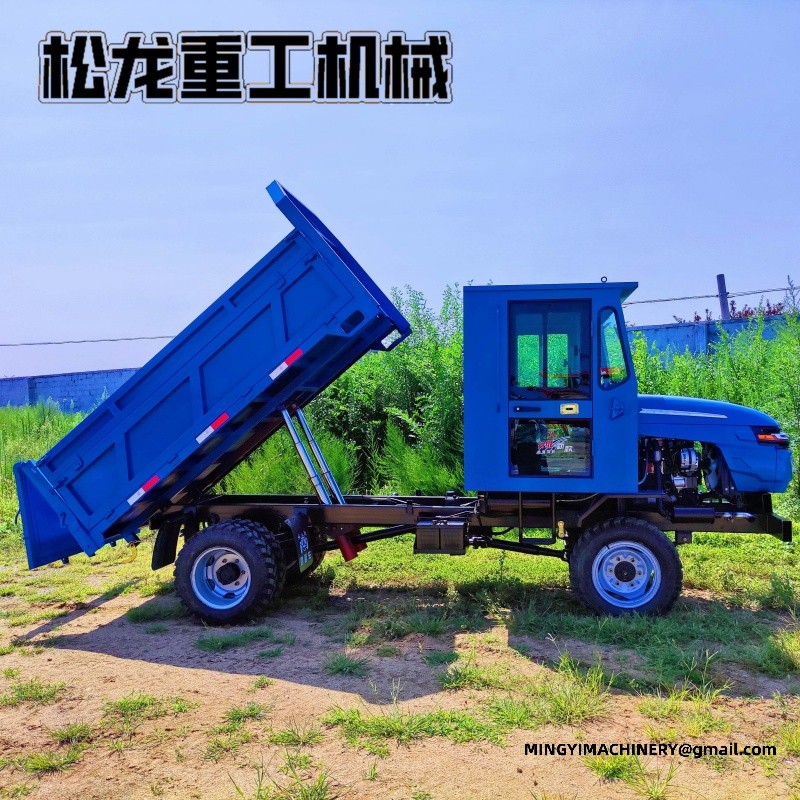
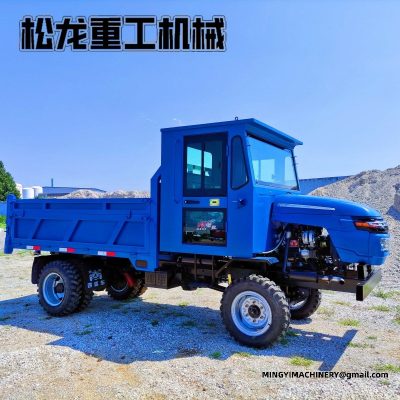
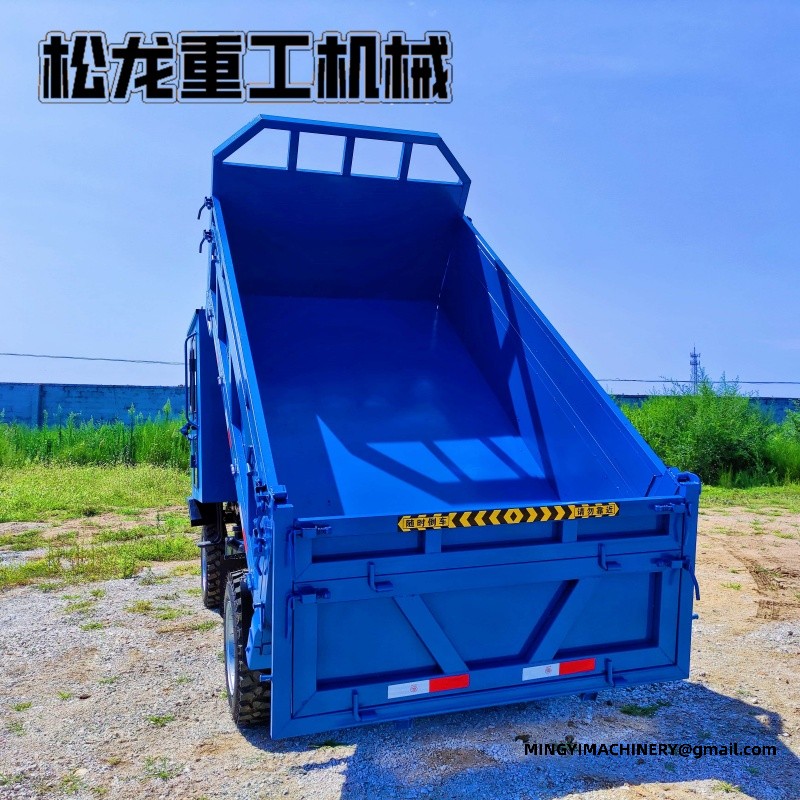
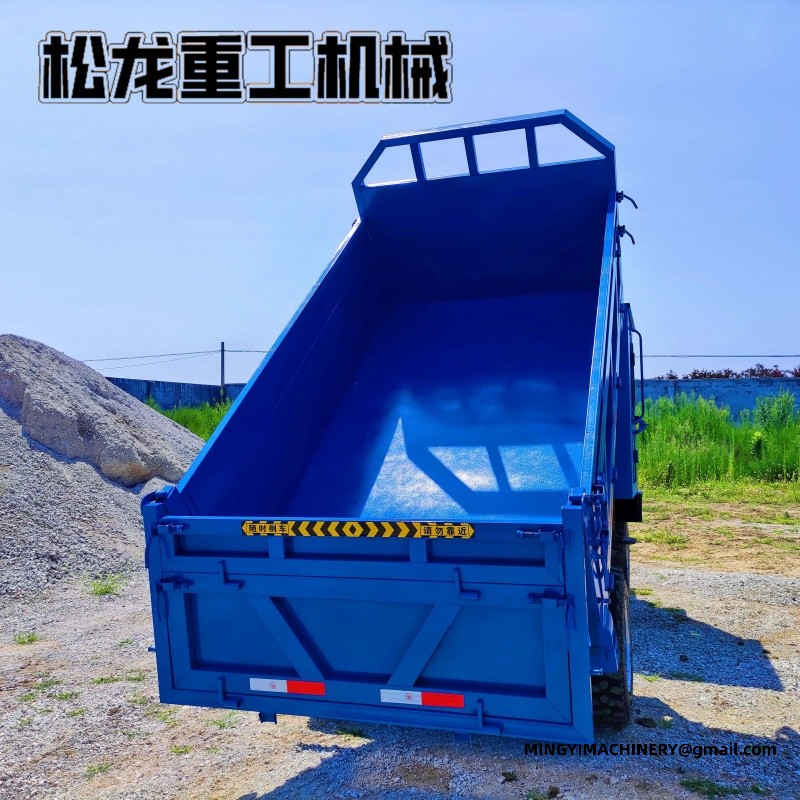
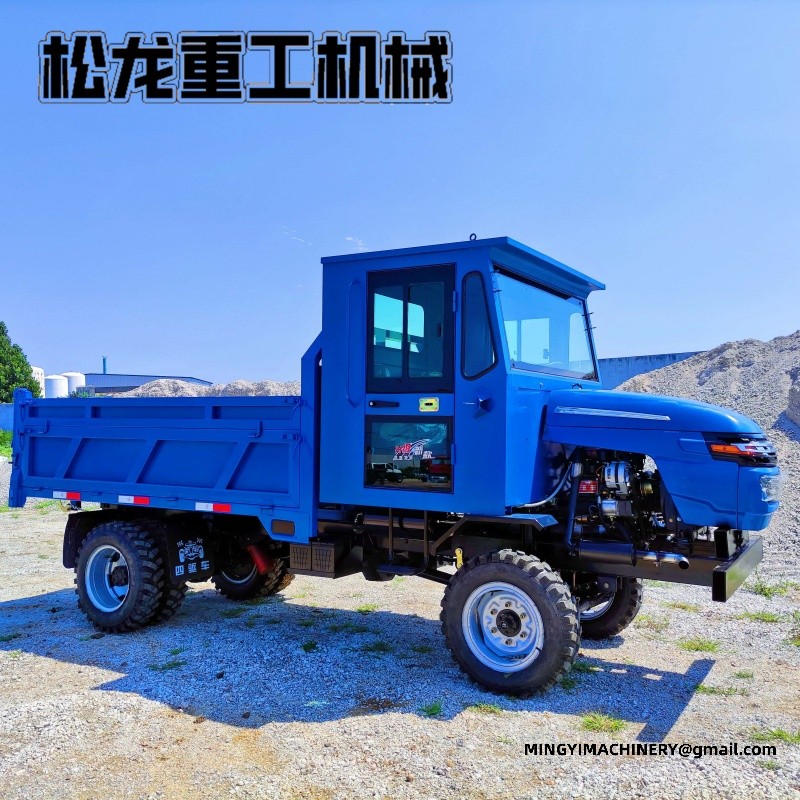
The configurations below are the build sheets most often matched to the dumper. Engine, gearbox, axles, frame and body dimensions are confirmed together, because the body size and the axle rating have to suit the load before the engine rating matters.
| # | 11.Luxury | 13.Upgraded | 21.Upgraded | 22.Luxury |
|---|---|---|---|---|
| 1 | Single-cylinder diesel engine, 32 hp | Two-cylinder diesel engine, 38 hp | Four-cylinder 4105 turbocharged diesel engine | Four-cylinder 4105 turbocharged diesel engine |
| 2 | Part-time gearbox, selectable 2WD/4WD | Full-time gearbox with four-wheel drive | Model 140 part-time gearbox with four-wheel drive | Model 145 part-time gearbox with four-wheel drive |
| 3 | High/low range with crawler gear | High/low range with crawler gear | High/low range with crawler gear | High/low range with crawler gear |
| 4 | Enclosed cab | Front axle clutch | Simple cab | Fully enclosed cab |
| 5 | Six 700-16 mountain tyres | Fully enclosed cab | Six 825R16 steel-belted radial tyres | Six 825R16 steel-belted radial tyres |
| 6 | Model 212 front axle | Oil brakes | Reinforced ISUZU-pattern front axle | Reinforced ISUZU-pattern front axle |
| 7 | Model 130 rear axle | Four 700-16 mountain tyres | Reinforced 1080 rear axle with air cut-off brake | Reinforced 1080 rear axle |
| 8 | Air cut-off brakes | Front axle 212 | Air cut-off brakes | Air cut-off brakes |
| 9 | Reinforced 60 x 140 mm square tube frame | Rear axle 130 | Reinforced 80 x 180 mm square tube frame | Reinforced 80 x 180 mm square tube frame |
| 10 | Rear body 2.2 m long x 1.5 m wide x 0.45 m high | Reinforced 60 x 140 mm square tube frame | Rear body 3.0 m long x 2.2 m wide x 0.45 m high | Rear body 3.0 m long x 2.2 m wide x 0.45 m high |
| 11 | Tailgate with self-dumping function | Rear body 2.2 m long x 1.5 m wide x 0.45 m high | Tailgate with self-dumping function | Tailgate with self-dumping function |
| 12 | Side-opening rear body tailgate | Tailgate with self-dumping function | Hydraulic power steering | Side-opening rear body tailgate with cab ladder |
| 13 | Hydraulic power steering | Hydraulic power steering | Twin hydraulic rams | Hydraulic power steering |
| 14 | Twin hydraulic rams | Twin hydraulic rams | Two-person comfort seat | Twin hydraulic rams |
| 15 | Two-person comfort seat | Two-person comfort seat | Heavy-duty leaf springs | Two-person comfort seat |
| 16 | Heavy-duty leaf springs | Twin-battery electric start | Twin-battery electric start | Heavy-duty leaf springs |
| 17 | Twin-battery electric start | Round-nose bonnet | Square-nose bonnet | Twin-battery electric start |
| 18 | Square-nose bonnet | — | — | Square-nose bonnet |
Shared machines need shared habits. Two operators on the unit in daily use should do the same daily checks in the same order, because the check that one person skips is the check that eventually matters.
The record should follow the machine, not the owner. When the equipment on site changes hands the service history travels with it, and a complete folder is often the difference between a quick sale and a long one.
A machine should be inspected while it is still on our floor rather than after it lands. For the model in question that means the engine is run to temperature, the hydraulics are cycled through full travel, and every function is checked against the build sheet before the crate is closed.
Commissioning is where the specification meets the ground. The settings chosen for the unit on the job are confirmed against the actual site, and the working pattern is adjusted before the machine is asked for a full day.
Travel time is not working time, and it should be planned as its own item. The hours spent moving the equipment in service between jobs are hours not worked, and a trailer that matches the machine reduces them every single trip.
Familiarisation is not the same as reading the manual. Sitting on this class of machine, working through the controls at low speed and learning where the machine balances takes an hour, and that hour is what keeps the first week uneventful.
An added function should pay for itself quickly. Whether a machine of this size gains a different bucket, a hydraulic service or a protection package, the test is the number of days a year it is actually used.
Rubber, seals and hoses age whether the machine works or not. Keeping the machine itself out of direct sun and off damp ground slows that, and running it briefly at intervals keeps everything moving.
Every line above is a build item rather than an optional extra, and the final sheet for the model in question is confirmed against the destination, the ground and the load before production.
E-mail:sales@mingycn.com
LINE(ID):mingyicn









