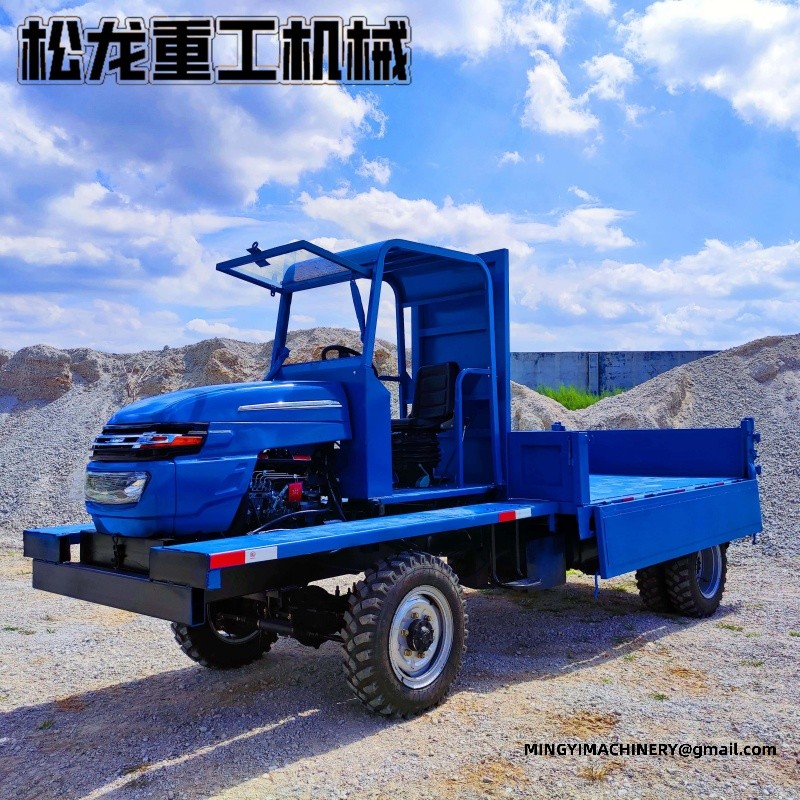
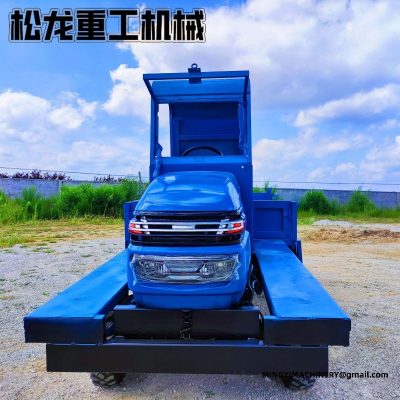
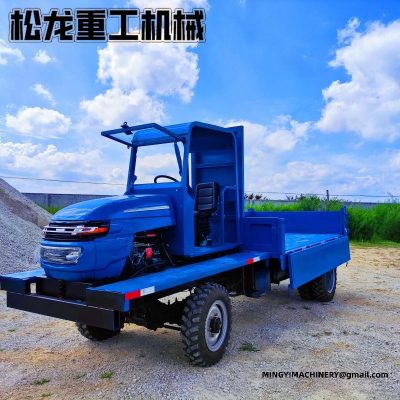
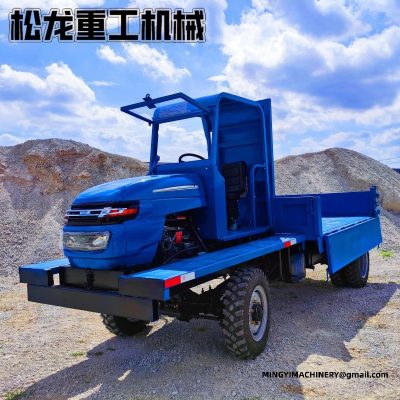
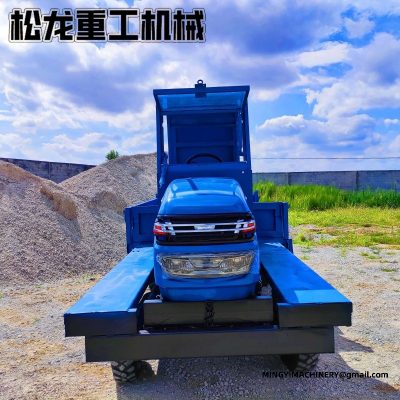
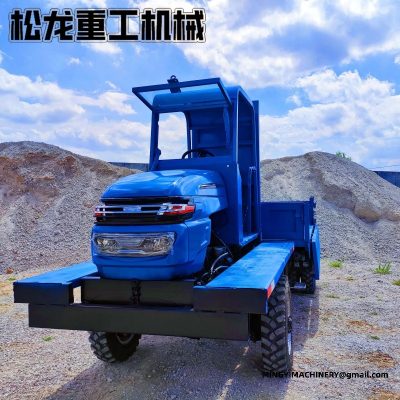
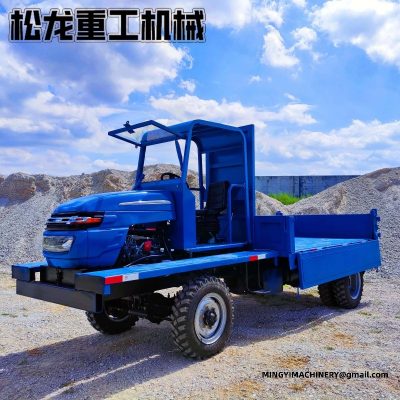
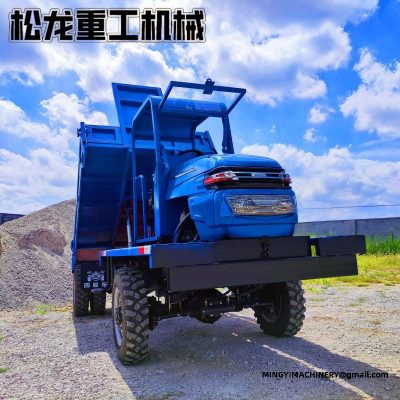
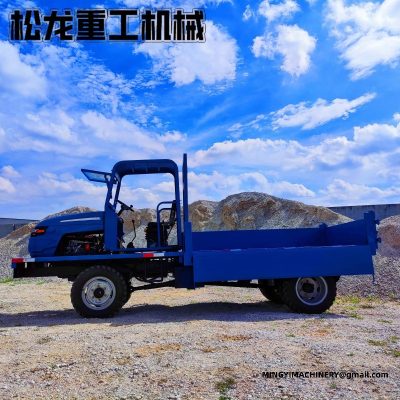
The dumper earns its place by doing one job repeatedly and without fuss. The sections below are written from that angle: what the machine is asked to do each day, what wears, what an operator needs to know and what to confirm before dispatch.
Build options are where a standard machine becomes the right machine. Colour, guarding, lighting, seating and hydraulic provisions can usually be set at build time on this class of machine, and are far simpler then than as a retrofit.
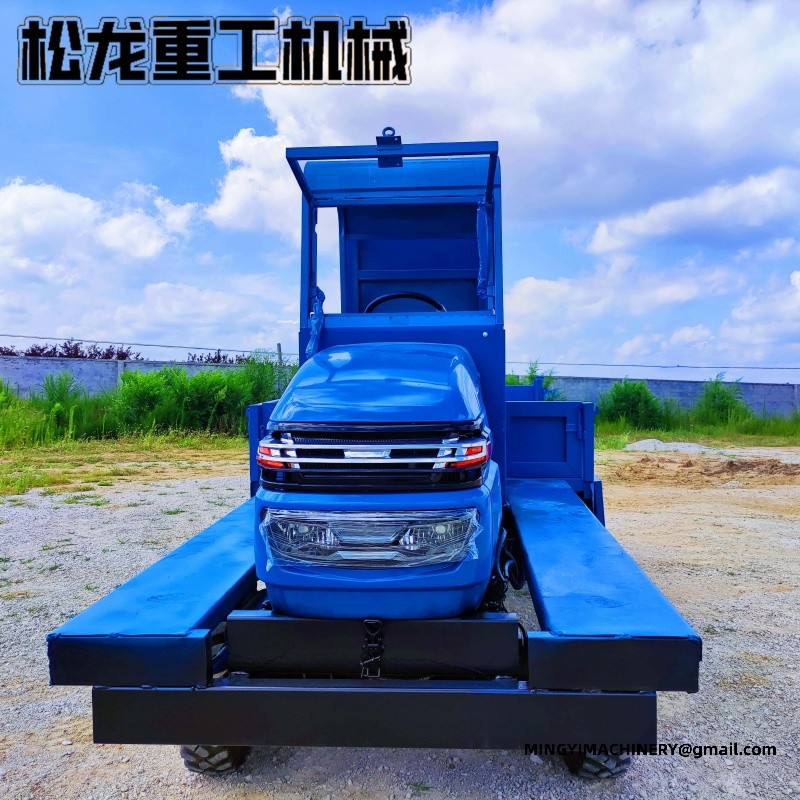
A written duty list is the simplest part of the purchase. It takes an hour to note the material, the distance, the gradient and the hours per week, and it is what turns the unit in daily use enquiry into a machine that fits.
Ballast and attachment weight change the machine. Adding a heavy tool to a machine of this size moves the centre of gravity, and the counterweight or configuration should be matched to the tool rather than assumed. Carrying and travelling with a load needs its own plan. Speed, gradient and surface all matter more once the equipment on site is loaded, and the safe combination is the conservative one.
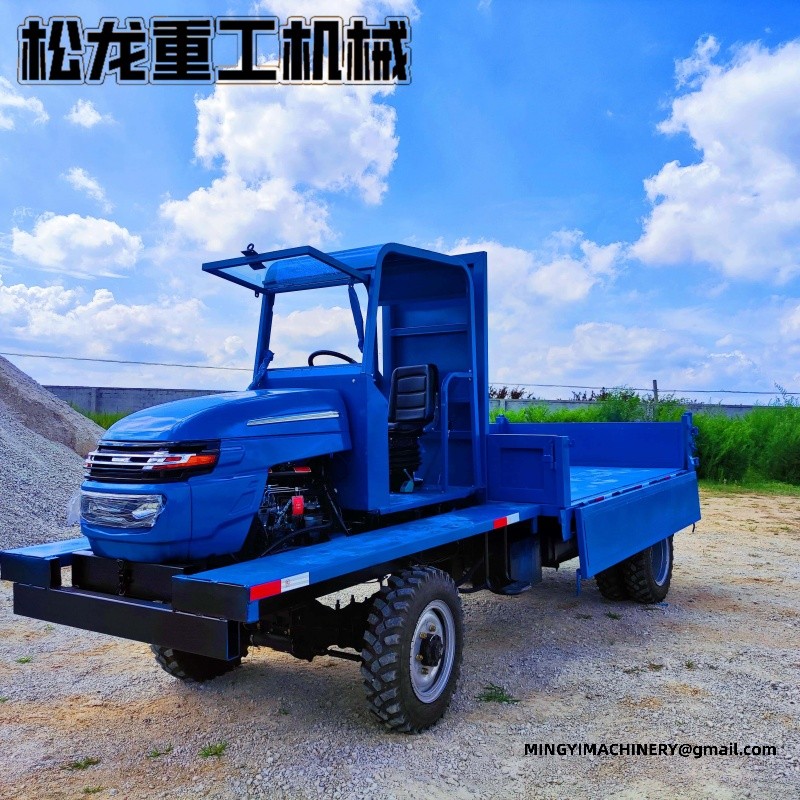
Quarry and tunnel work is hard on vehicles. Abrasive dust, sharp material and continuous loading mean the machine itself in this duty needs attention to filtration, body wear and brake condition far more often.
A water tank turns the vehicle into a different machine. The model in question carrying water for dust control or irrigation is specified around tank size, baffles and the route, because a part-filled tank behaves very differently on a slope. Water is heavy and it moves. Baffles and sensible speeds matter on the machine in that duty with a tank body, and the specification should reflect the ground the vehicle will cross rather than only the volume needed.
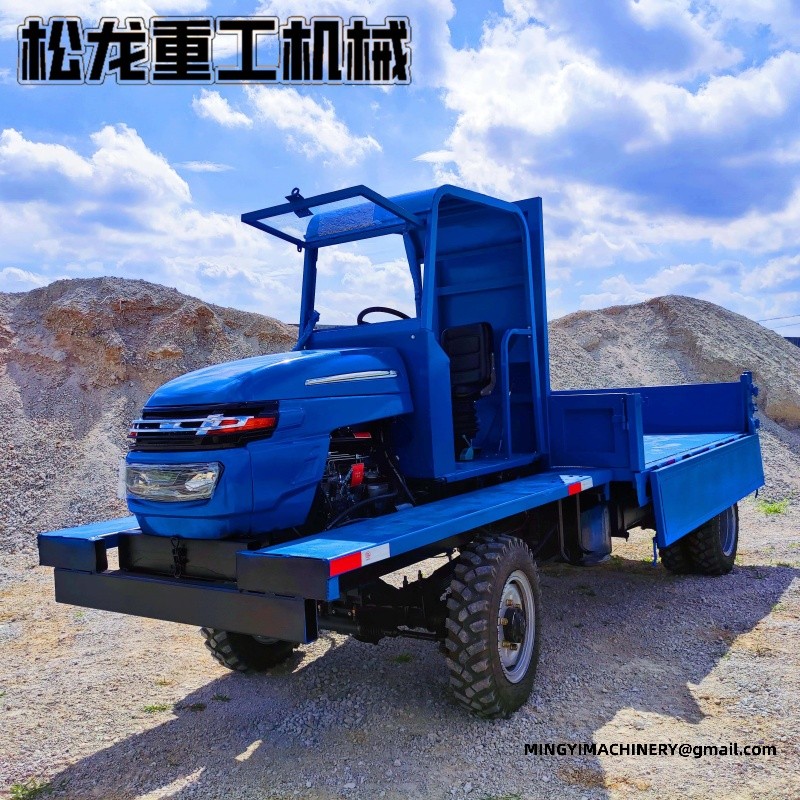
Handover should include the documents as well as the keys. Parts list, service schedule and the operator notes for the unit on the job are what the workshop needs in month six, and they are much harder to obtain later. A short familiarisation session prevents the early faults. Most first-month problems on a machine built for the work come from unfamiliarity with controls, limits or checks rather than from the machine itself. Keeping the manuals where they can be reached matters. The equipment in service whose documents stay with the machine gets serviced on schedule; one whose paperwork was filed elsewhere tends to run on memory instead.
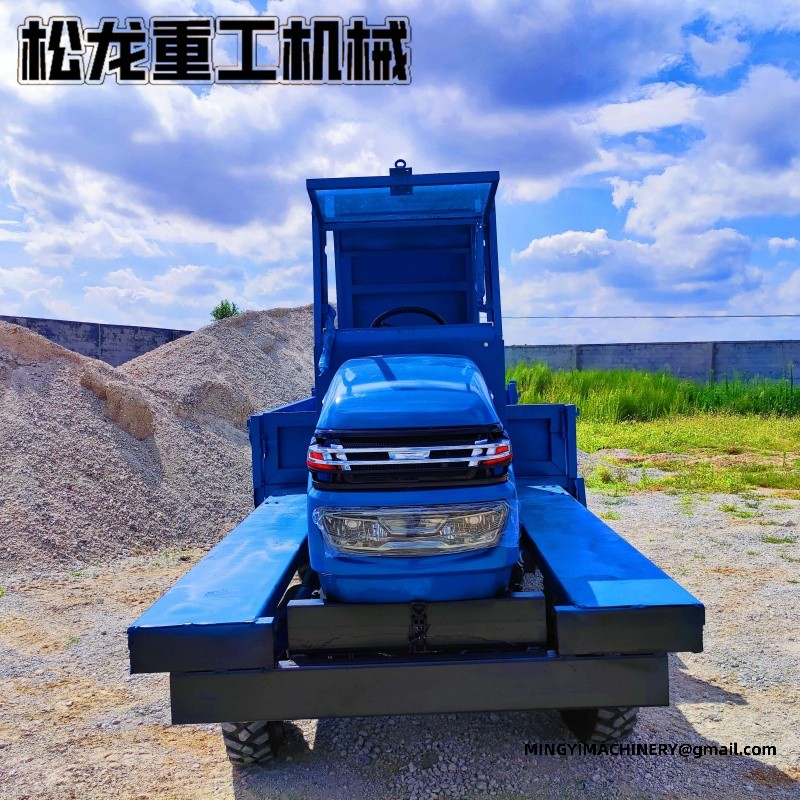
Soft ground punishes the wrong tyre. Mountain pattern tyres on the dumper clear mud that a road pattern would pack with, and the difference is measured in whether the machine finishes the day.
The base machine is only as useful as the tool on the end of it. Matching the attachment to the task - rather than to what arrived with the machine - is what lets one the unit in daily use cover several jobs across a week. Attachment decisions are best made before delivery. Specifying hydraulics and couplers at build time is simpler than adding them later, and it avoids the downtime of a workshop visit in the first month. Most owners find that the second attachment changes how often the machine is used. This class of machine that was bought for one task often becomes the general machine on site once a second tool is available.
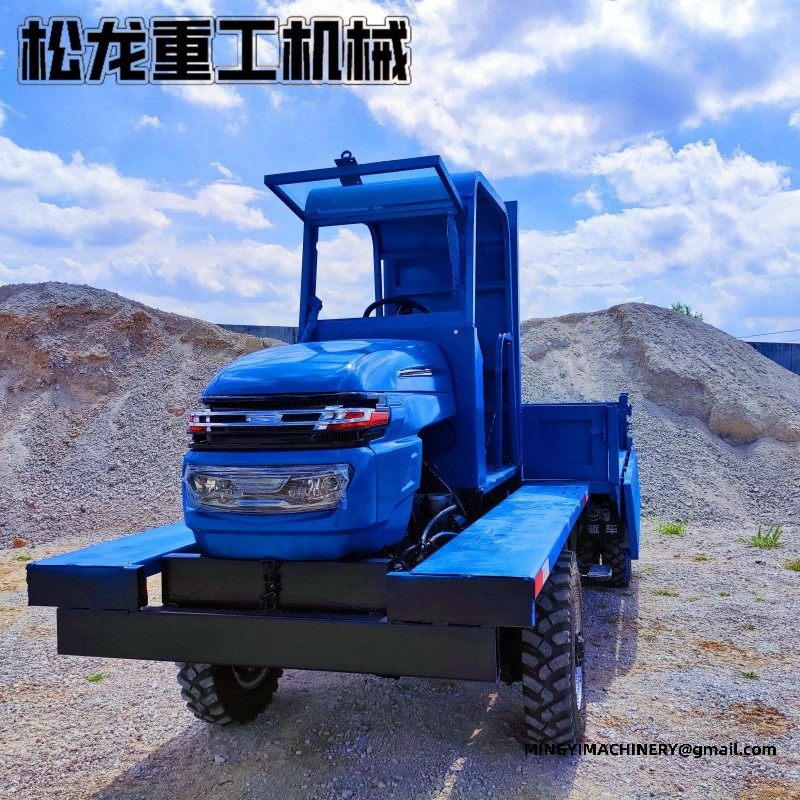
Payload is limited by the axles and the frame before it is limited by the body volume. Specifying the equipment on site against the material density gives a realistic figure, because a body that looks half full can already be at its limit with rock.
The order should state the configuration in writing. Engine, attachments, colour, documents and any market requirement are clearer on the build sheet for the model in question than in a conversation after delivery. Delivery planning includes the receiving end. Knowing whether the machine in that duty will be craned, driven or forked off, and whether the site can accept it, is settled before dispatch rather than on the day.
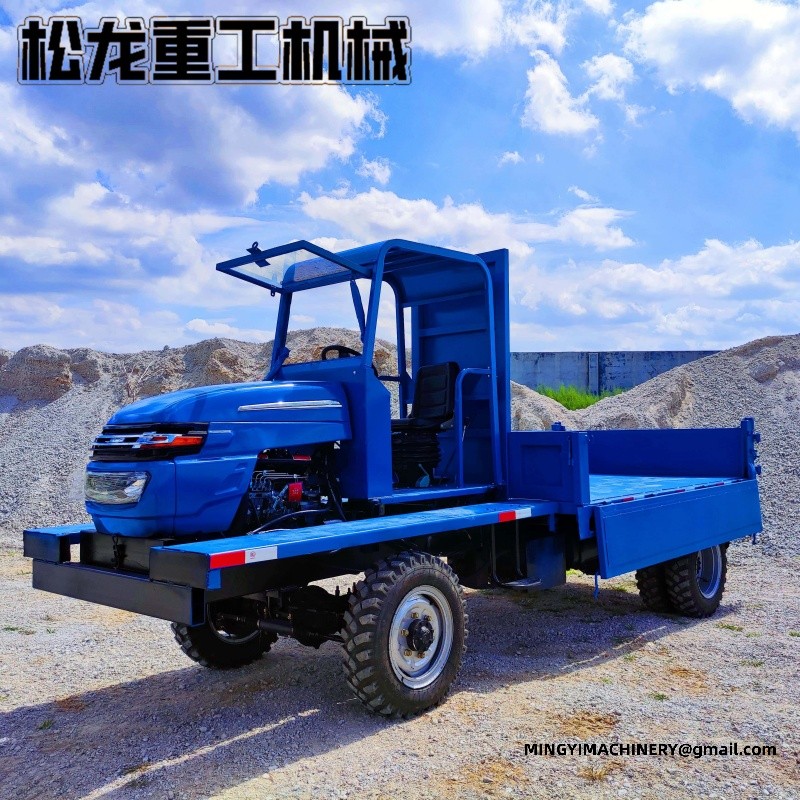
The working surface should be surveyed before a machine built for the work is specified. A machine that is stable on compacted gravel can be unusable on the same site after rain, and the difference shows up as lost days rather than as a fault.
Timber work changes what the vehicle carries. The dumper fitted with a log grab loads and unloads without a second machine, which is usually the reason a forestry contractor specifies one over a conventional truck. Access tracks in forestry are narrow, soft and often steep. This class of machine chosen for that work is chosen for the track, and the body, cab and tyre specification follow from the route rather than from the load alone. Protection matters in timber work. Guarding, lighting and a cab that keeps branches out are the items that keep the unit in daily use working through a season rather than being repaired through it.
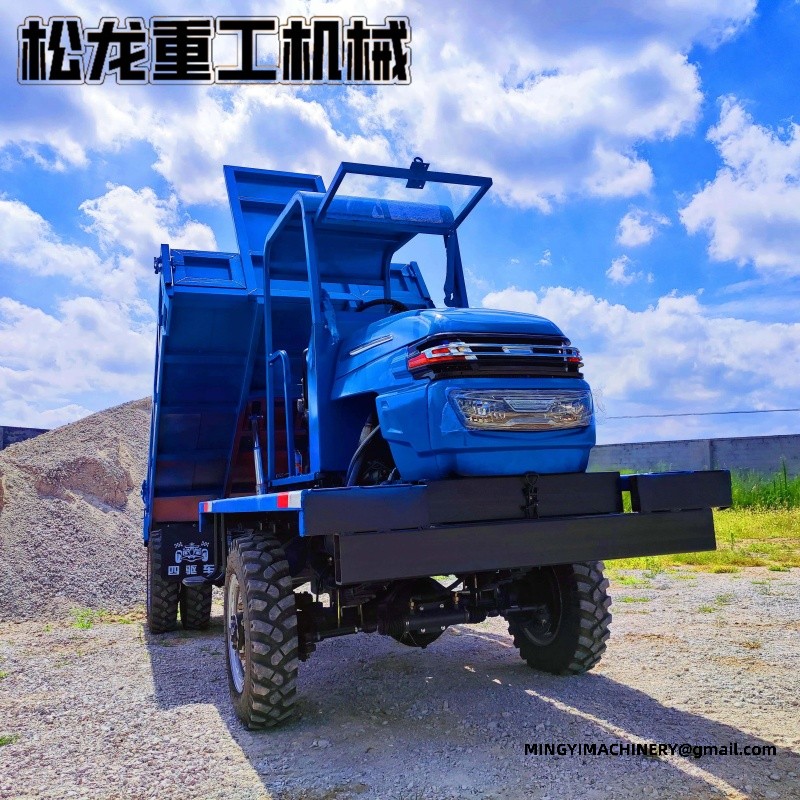
Commissioning is the point where most avoidable issues are found. Checking levels, fasteners and function on a machine of this size before it goes to work takes an hour and prevents a claim conversation later. Early faults are usually simple. The equipment on site that behaves differently in its first few hours is more often mis-set than defective, and a call to the supplier at that point usually resolves it the same day.
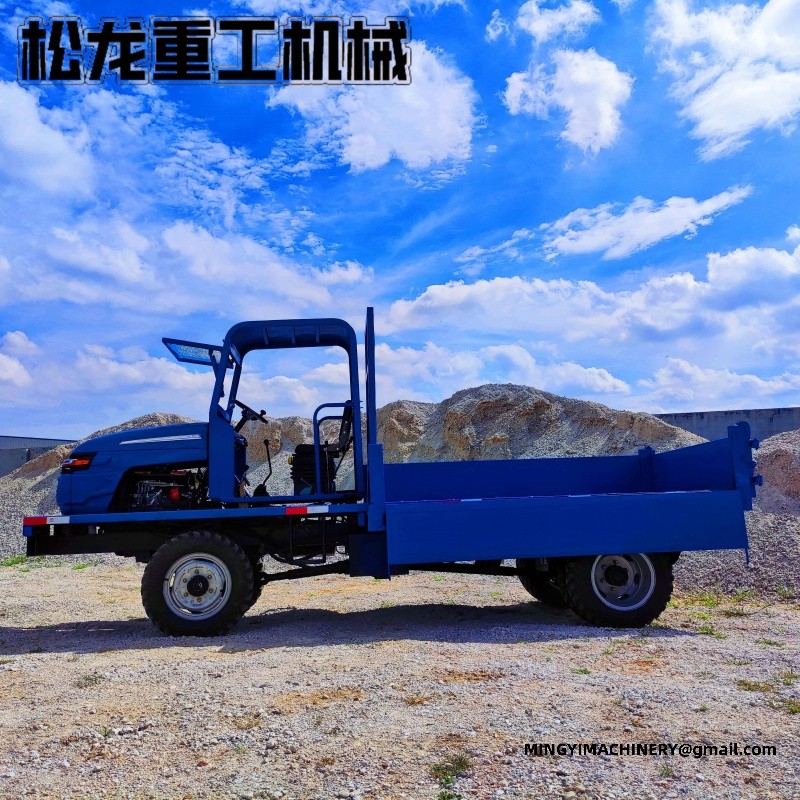
Replacing wear items early is usually simpler. Worn components on the model in question load the parts they run against, so a worn part left too long often becomes a major repair.
Support after delivery is a parts question. Filters, belts, hoses and the wearing items specific to the unit on the job are what a buyer should plan to hold before the first service interval rather than order after a failure.
Carrying concrete changes the duty entirely. The equipment in service with a mixer drum is working against the clock, and the specification follows the delivery distance and the site access rather than the load alone.
The configurations below are the build sheets most often matched to this class of machine. Engine, gearbox, axles, frame and body dimensions are confirmed together, because the body size and the axle rating have to suit the load before the engine rating matters.
| # | 12.Standard | 13.Upgraded | 18.Standard | 9.Standard |
|---|---|---|---|---|
| 1 | Two-cylinder diesel engine, 38 hp | Two-cylinder diesel engine, 38 hp | Four-cylinder 4102 turbocharged diesel engine | Single-cylinder diesel engine, 32 hp |
| 2 | Full-time gearbox with four-wheel drive | Full-time gearbox with four-wheel drive | Model 140 part-time gearbox with four-wheel drive | Full-time gearbox with four-wheel drive |
| 3 | High/low range with crawler gear | High/low range with crawler gear | High/low range with crawler gear | High/low range with crawler gear |
| 4 | Simple cab | Front axle clutch | Simple cab | Simple cab |
| 5 | Oil brakes | Fully enclosed cab | Oil brakes | Oil brakes |
| 6 | Four 700-16 mountain tyres | Oil brakes | Six 700-16 mountain tyres | Four 700-16 mountain tyres |
| 7 | Front axle 212 | Four 700-16 mountain tyres | Reinforced ISUZU-pattern front axle | Front axle 212 |
| 8 | Rear axle 130 | Front axle 212 | Reinforced 1061 rear axle | Rear axle 130 |
| 9 | Reinforced 60 x 140 mm square tube frame | Rear axle 130 | Reinforced 80 x 180 mm square tube frame | Reinforced 60 x 140 mm square tube frame |
| 10 | Rear body 2.2 m long x 1.5 m wide x 0.45 m high | Reinforced 60 x 140 mm square tube frame | Rear body 2.2 m long x 2.1 m wide x 0.45 m high | Rear body 2.2 m long x 1.5 m wide x 0.45 m high |
| 11 | Tailgate with self-dumping function | Rear body 2.2 m long x 1.5 m wide x 0.45 m high | Tailgate with self-dumping function | Tailgate with self-dumping function |
| 12 | Hydraulic power steering | Tailgate with self-dumping function | Hydraulic power steering | Hydraulic power steering |
| 13 | Twin hydraulic rams | Hydraulic power steering | Twin hydraulic rams | Twin hydraulic rams |
| 14 | Two-person comfort seat | Twin hydraulic rams | Two-person comfort seat | Two-person comfort seat |
| 15 | Twin-battery electric start | Two-person comfort seat | Twin-battery electric start | Twin-battery electric start |
| 16 | Round-nose bonnet | Twin-battery electric start | Square-nose bonnet | Square-nose bonnet |
| 17 | — | Round-nose bonnet | — | — |
Most additions are easier to plan than to add. Hydraulic services, mounting brackets and electrical capacity on a machine of this size are build items, and deciding them at the specification stage is far easier than doing it later.
A cold start is easier when the machine is prepared the night before. The routine that keeps the machine itself working through winter is mostly a matter of fuel, battery and patience in the first ten minutes of the day.
Dust is the enemy of every rotating joint. Keeping the radiator and the air intake of the machine in that duty clean, and cleaning them before they are blocked rather than after, is what separates a machine that lasts from one that overheats.
Workload is rarely even across the year, and the machine should be specified for the busy weeks. A machine built for the work sized only for the average month will be the limiting factor exactly when the work is worth the most.
Export packing is part of the machine, not an afterthought. The dumper is blocked and braced inside the container so that it arrives in the same condition it left, and the load plan is decided by the dimensions rather than by what fits loosely.
Commissioning is where the specification meets the ground. The settings chosen for the unit in daily use are confirmed against the actual site, and the working pattern is adjusted before the machine is asked for a full day.
The first day with a new machine sets the pattern for the next five years. Handover for the equipment on site covers the control layout, the daily check points and the limits the operator needs to know before the first real load is lifted or carried.
Every line above is a build item rather than an optional extra, and the final sheet for the machine itself is confirmed against the destination, the ground and the load before production.
E-mail:sales@mingycn.com
LINE(ID):mingyicn









